

- News
- Science
- SpaceX to Launch Classified US Space Force Mission USSF-366, Bolstering National Security Satellite Capabilities
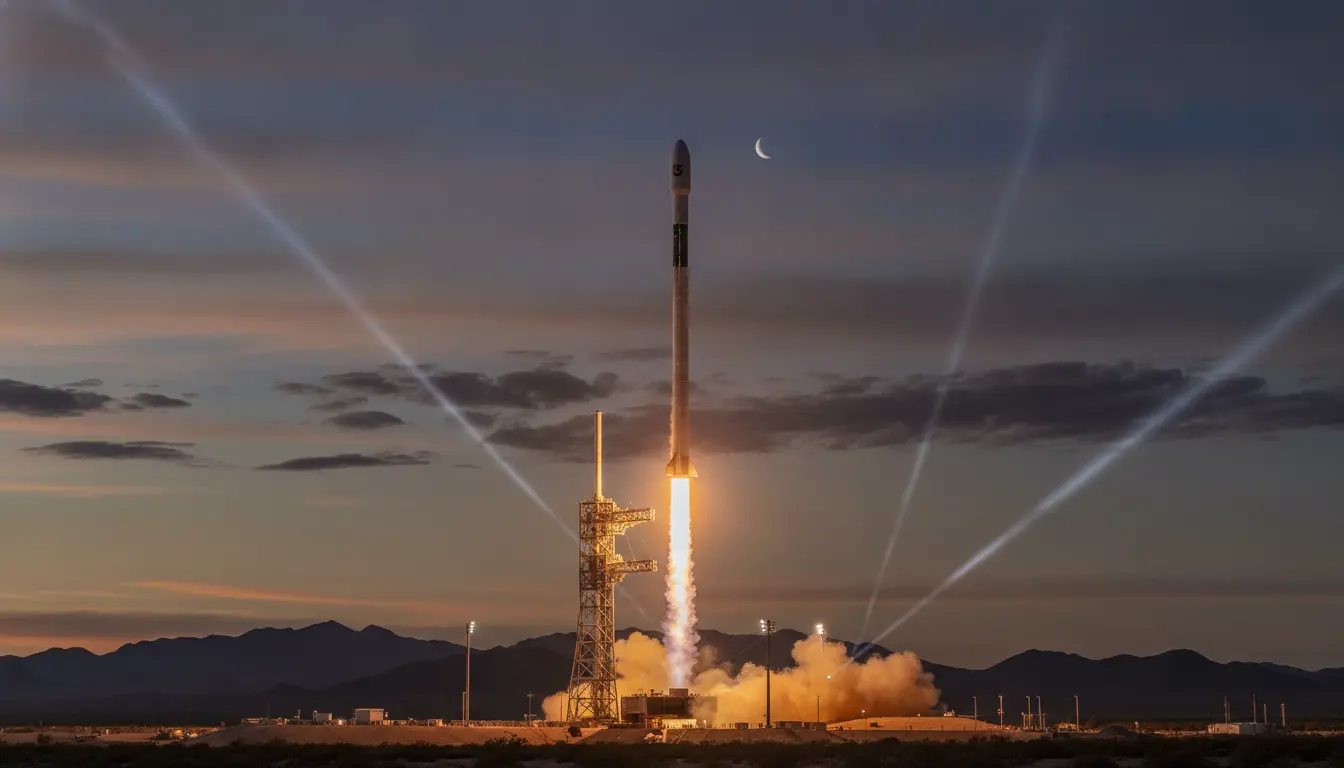
SpaceX to Launch Classified US Space Force Mission USSF-366, Bolstering National Security Satellite Capabilities
SpaceX is set to undertake a pivotal national security mission for the United States Space Force, with the USSF-366 launch tentatively slated for August 15, 2026. This classified operation, leveraging a Falcon 9 rocket, is anticipated to include payloads critical to the Starshield program, marking another significant milestone in the evolving partnership between commercial space entities and the nation's defense apparatus. The mission underscores the increasing reliance of military and intelligence agencies on private aerospace innovation to maintain a decisive edge in the contested domain of space.
At the core of this upcoming launch is the continued development and deployment of Starshield, SpaceX's dedicated secure satellite network for government and defense applications. While often operating in the shadow of its commercial counterpart, Starlink, Starshield is designed to provide highly secure, resilient, and global connectivity for critical national security operations. This includes communications for tactical military units, surveillance data transmission, and potentially other classified functionalities vital for intelligence gathering and strategic advantage. The classified nature of the USSF-366 mission implies that specific details about its payload and objectives will remain undisclosed, yet its association with Starshield points to advancements in secure data links and space-based situational awareness.
The collaboration between SpaceX and the US Space Force is part of a broader trend seeing the Pentagon integrate commercial space technologies into its infrastructure. This strategy aims to leverage the rapid development cycles, cost efficiencies, and innovative capabilities of the private sector, contrasting with traditional government procurement processes that can be slower and more expensive. For the Space Force, agile partners like SpaceX provide access to robust launch services and, crucially, resilient satellite constellations that are harder to disrupt or defeat in potential conflicts. The Falcon 9, with its proven reliability and reusability, has become a workhorse for both commercial and national security launches, solidifying SpaceX's role as a critical national asset.
The strategic importance of secure satellite communications cannot be overstated in an era characterized by escalating geopolitical tensions and sophisticated threats to space assets. Nations are increasingly investing in capabilities to degrade or deny an adversary's access to space, making resilient and distributed satellite networks like Starshield indispensable. These systems offer redundancy and hardened defenses against jamming, cyberattacks, and even kinetic threats, ensuring that vital command, control, and intelligence flows remain uninterrupted during crises. The USSF-366 mission, therefore, represents a tangible step in fortifying the nation's space-based defensive and offensive capabilities.
Beyond the immediate mission, the August 2026 launch will also contribute to the ongoing maturation of the US's space architecture. As new generations of satellites are deployed, they integrate advanced technologies that enhance data processing, improve sensor resolution, and expand communication bandwidth. These technological leaps are fundamental to maintaining situational awareness across vast geographical areas and responding effectively to emerging threats on Earth and in space. The long lead time for this mission also reflects the complex integration and testing required for such high-stakes, classified payloads, ensuring optimal performance once in orbit.
Ultimately, the USSF-366 mission underscores a pivotal shift in how the United States approaches national security in space. By harnessing the private sector's innovation and launch cadence, the Space Force aims to build a more robust, agile, and secure space infrastructure capable of meeting the challenges of a rapidly evolving global threat landscape. The successful deployment of these critical assets via SpaceX's Falcon 9 will not only bolster immediate operational needs but also pave the way for future advancements in secure satellite communications and intelligence capabilities, cementing the nation's strategic advantage for years to come.
Stay Informed. Act Smarter.
Get weekly highlights, major headlines, and expert insights — then put your knowledge to work in our live prediction markets.
Related News
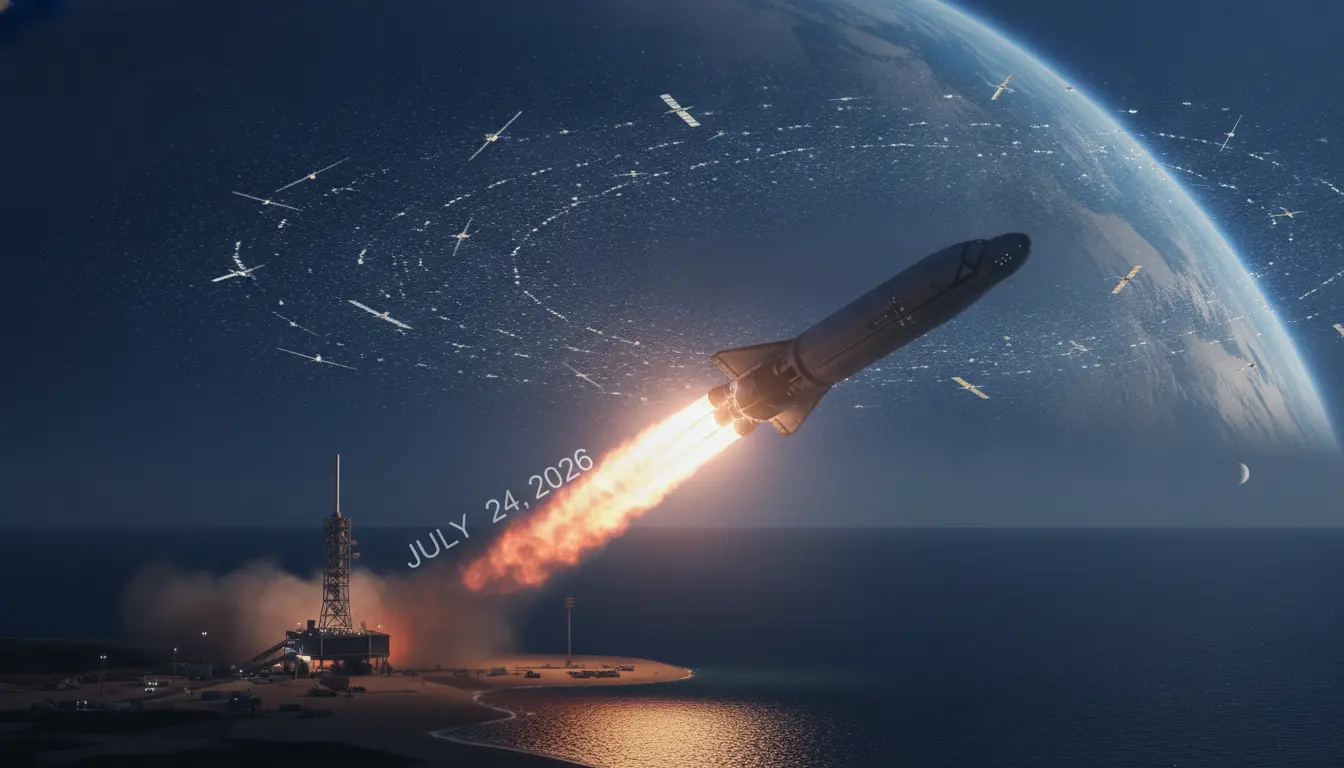
SpaceX Schedules Crucial Starship Flight to Deploy First Starlink V3 Satellites

SpaceX Targets August 2026 for Critical Starship Orbital Test, Eyeing First Starlink Satellite Deployment
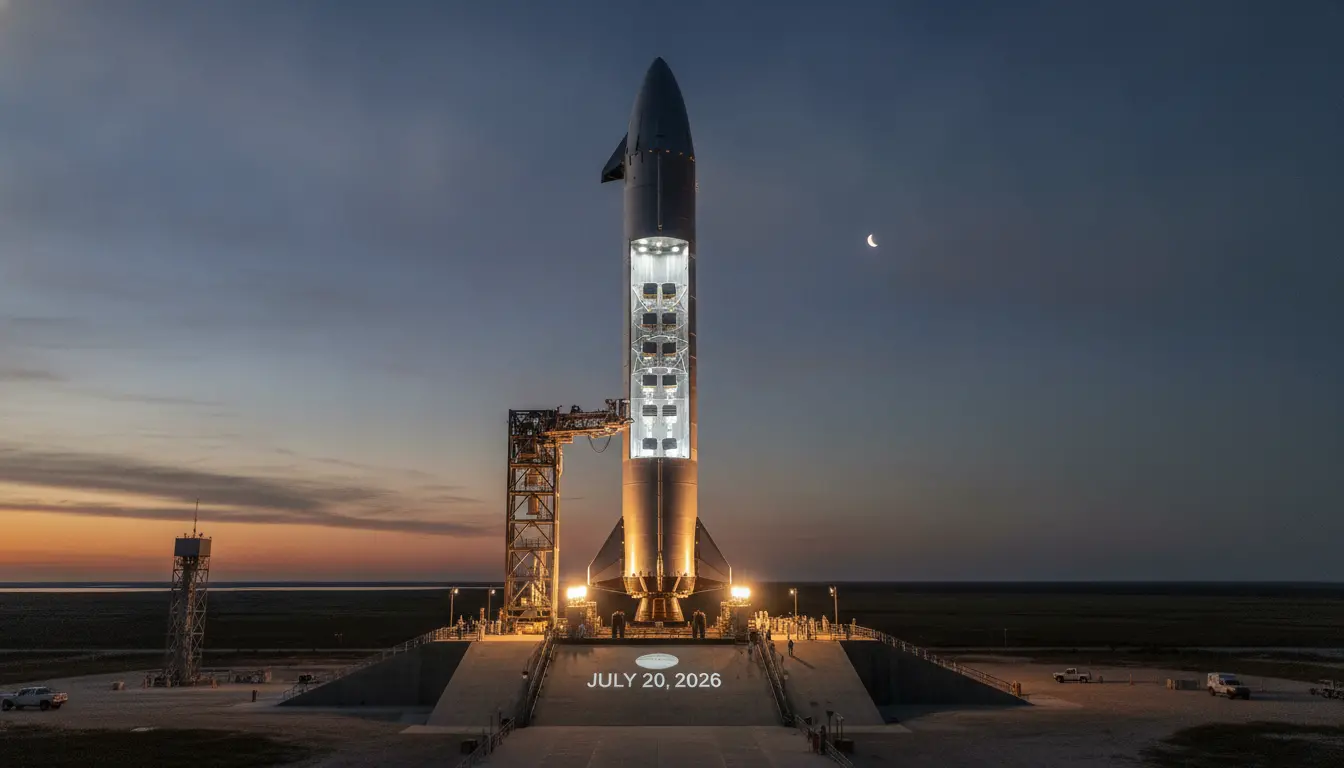
SpaceX Prepares Starship for First Satellite Deployment Attempt During 13th Flight Test in Mid-2026
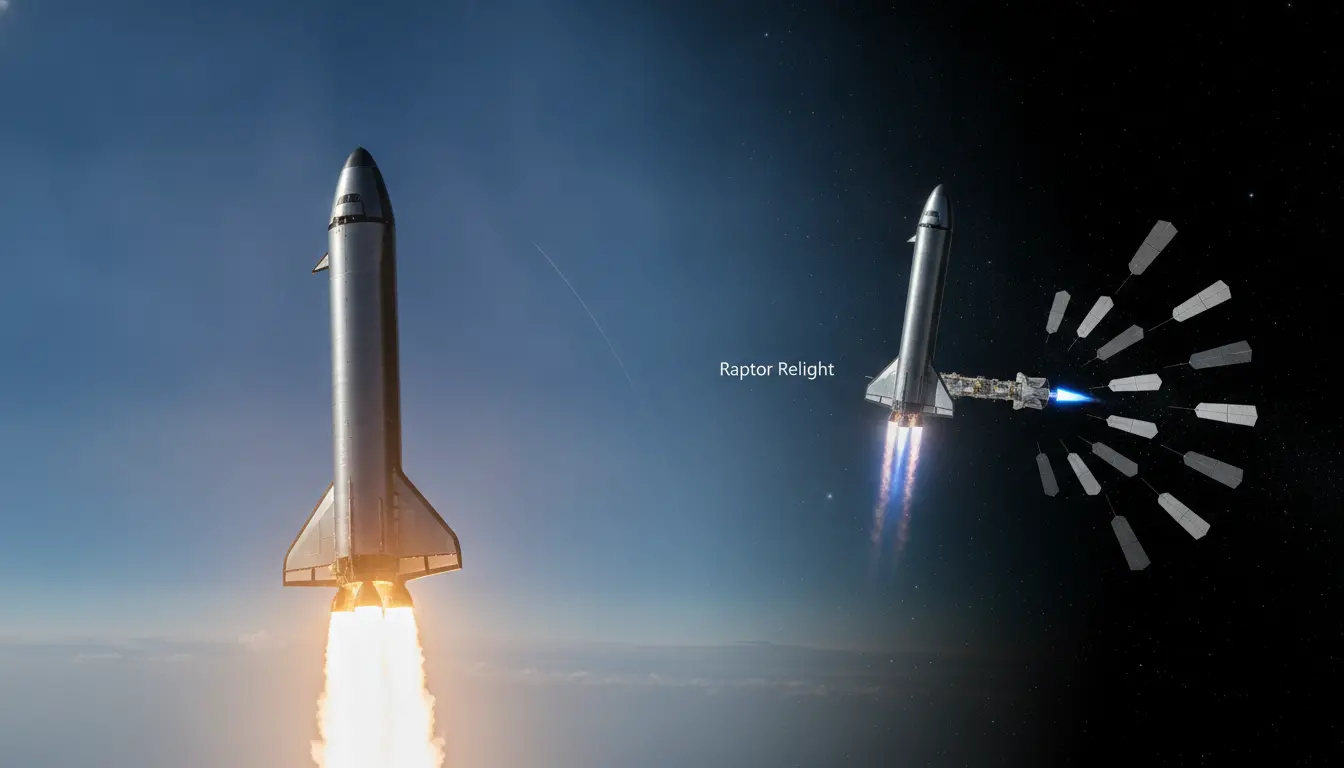
SpaceX Gears Up for Pivotal Starship Flight Targeting In-Orbit Raptor Relight and Starlink V3 Deployment

SpaceX Accelerates Starship Development Toward Fully Successful Orbital Flight with Intact Landing by 2026

SpaceX Accelerates Development of Starship Orbital Propellant Transfer for Lunar and Martian Ambitions
SpaceX Readies Starship for Thirteenth Orbital Test Flight, Eyes Critical Re-entry and Satellite Deployment Milestones
SpaceX Eyes Comprehensive Starship Orbital Test Flight and Dual Landing in Late 2026

Outpoll Weekly Recap: Science (August 17 – 23, 2026)
SpaceX Prepares Starship for Critical Orbital Flight Test to Advance Reusability Goals