

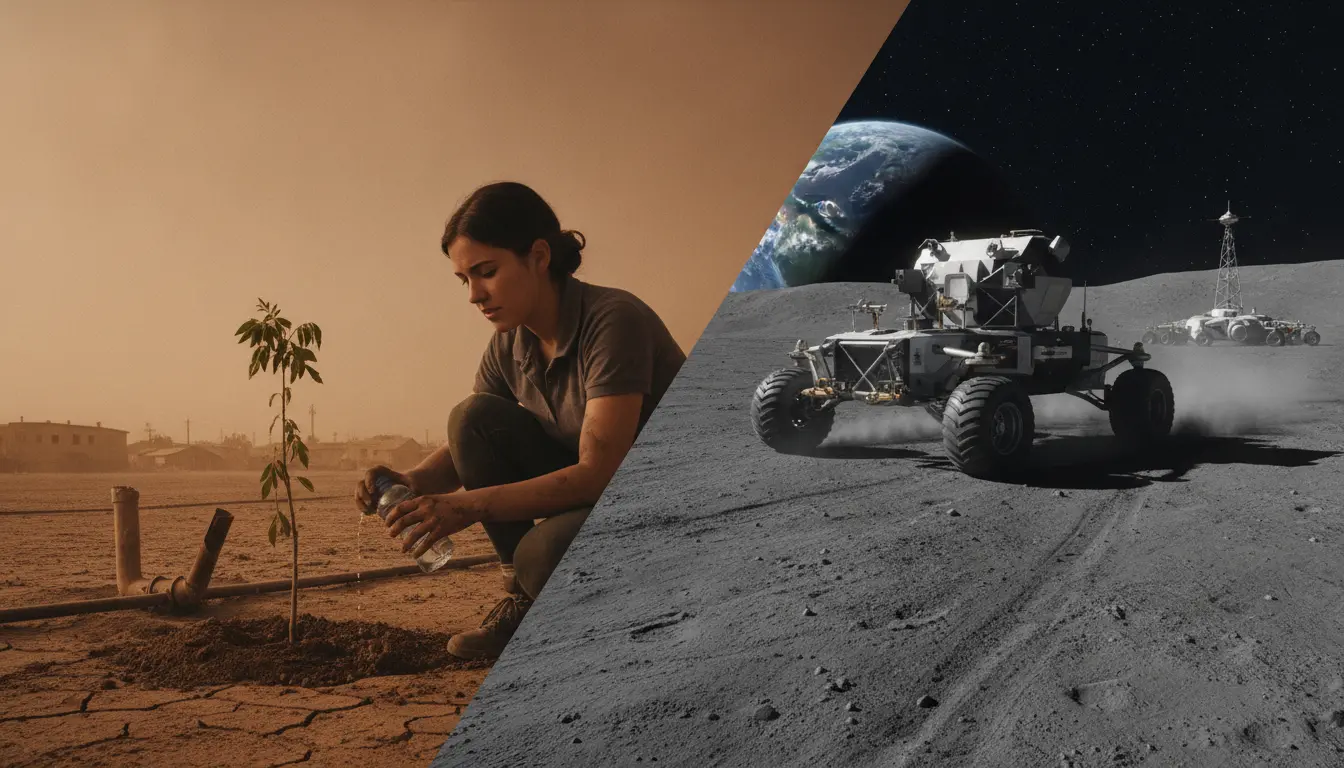
Outpoll Weekly Recap: Science (August 17 – 23, 2026)
This week in science delivered a potent mix of nostalgia for past achievements and an exhilarating glimpse into the future of space exploration, underscored by a palpable acceleration in both governmental and commercial endeavors. From the quiet retirement of a venerable observatory to the ambitious test flights of next-generation rockets, the cosmos remained firmly at the center of our attention, highlighting humanity's ceaseless drive to understand and reach beyond our planet.
One poignant headline marked the impending farewell to a long-serving celestial sentinel: NASA's Swift Telescope is set to make its final descent to Earth, as the agency confirms it will not pursue a servicing plan. This decision, while a practical one given the telescope's age and the logistical complexities, signifies the natural lifecycle of even the most groundbreaking instruments. Swift has, for years, been a crucial eye on the universe's most violent events, particularly gamma-ray bursts, leaving behind a remarkable legacy of discovery. Yet, even as one chapter closes, NASA is firmly focused on new horizons, actively aiming for its crewed Artemis II mission to achieve a lunar flyby by the end of 2026. This ambitious goal underscores the agency's commitment to returning humans to the vicinity of the Moon, paving the way for sustained lunar presence and eventual Mars missions.
While NASA charted its course for lunar return, the commercial space sector, primarily driven by SpaceX, continued its relentless march of innovation and operational excellence. The week saw NASA and SpaceX finalize preparations for the Crew 13 mission, set to deliver astronauts to the International Space Station. This ongoing partnership exemplifies the integral role commercial entities now play in maintaining human presence in low Earth orbit. But it was SpaceX's Starship program that truly dominated headlines, showcasing an extraordinary pace of development and ambition. The giant rocket system aimed for its milestone 14th flight test, with objectives including satellite deployment and, critically, a controlled landing of both its booster and upper stage. This test was not merely a standalone event, but part of a larger, aggressive development push targeting key milestones such as achieving orbital velocity and proving full stack reusability — a foundational element for future space travel economics.
Beyond immediate flight tests, SpaceX’s long-term vision for Starship also came sharply into focus with news of accelerated development on its orbital propellant transfer capabilities. This technology is not just an incremental improvement; it is the linchpin for enabling deep space missions, particularly the company’s lunar and Martian ambitions. Successful orbital refueling is essential for Starship to carry sufficient payload and fuel for journeys far beyond Earth orbit. This strategic development highlights a paradigm shift in how humanity might colonize other worlds. Simultaneously, the global landscape of private space continued to evolve, with China's private space sector making significant strides. Reports indicate a rapid acceleration in their reusable rocket development, with a specific target for a successful landing by 2026. This parallel advancement signals a burgeoning global commercial space race, not just among nations, but among private enterprises vying for dominance in this critical technological frontier.
This week's developments paint a vivid picture of a space industry in flux, constantly balancing operational demands with future aspirations. The focus on reusability, exemplified by both SpaceX and China's private sector, is not merely about cost savings but about unlocking fundamentally new capabilities for frequent and sustainable access to space. As we bid farewell to veteran probes like Swift, we also stand on the cusp of a new era of human exploration and commercial expansion. The coming months will be crucial, with the world watching closely for the next Starship flight tests, the continued preparations for Artemis II, and the milestones achieved by emerging space powers. The journey to Mars, the return to the Moon, and the everyday operations of orbiting laboratories are converging, promising a thrilling future for space science and exploration.
Stay Informed. Act Smarter.
Get weekly highlights, major headlines, and expert insights — then put your knowledge to work in our live prediction markets.
Related News

SpaceX Starship Flight Test 13 Aims for Simultaneous Booster and Ship Controlled Landings
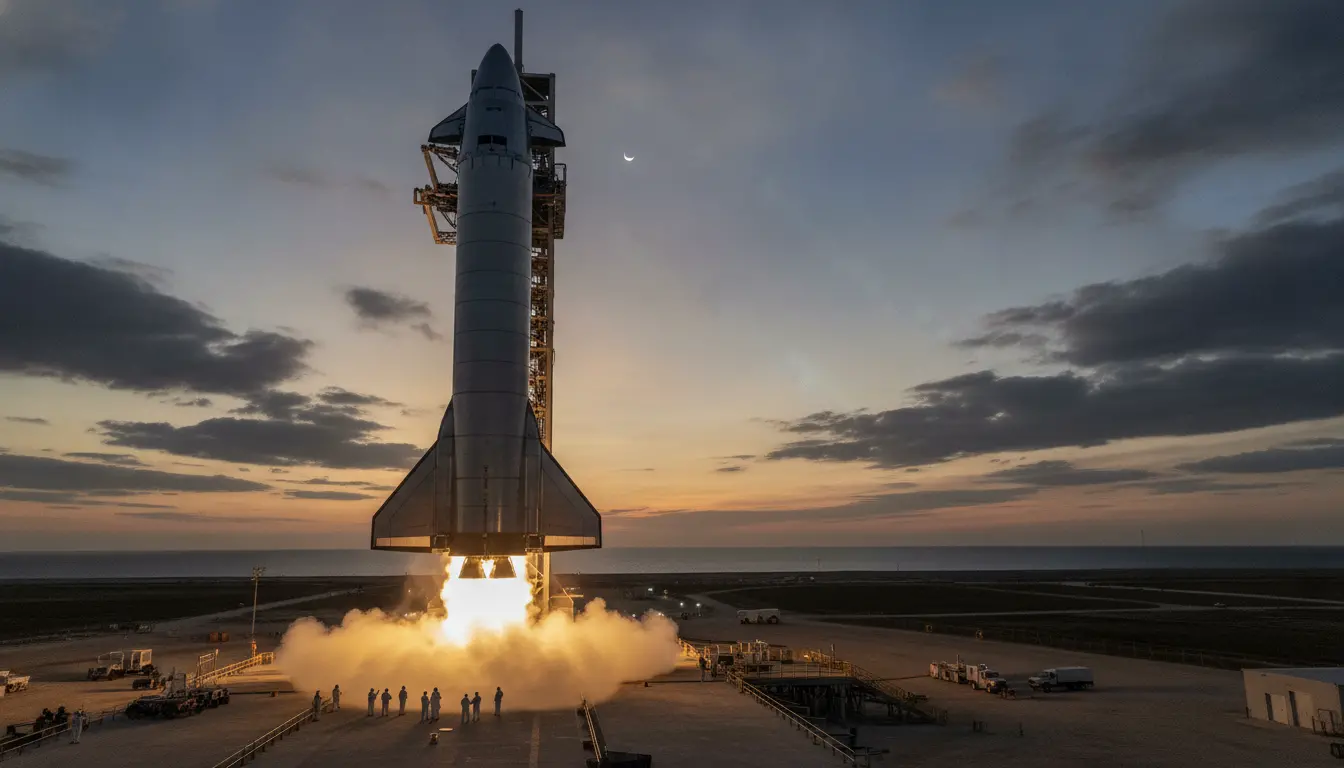
SpaceX Prepares Starship for Critical Orbital Flight Test to Advance Reusability Goals
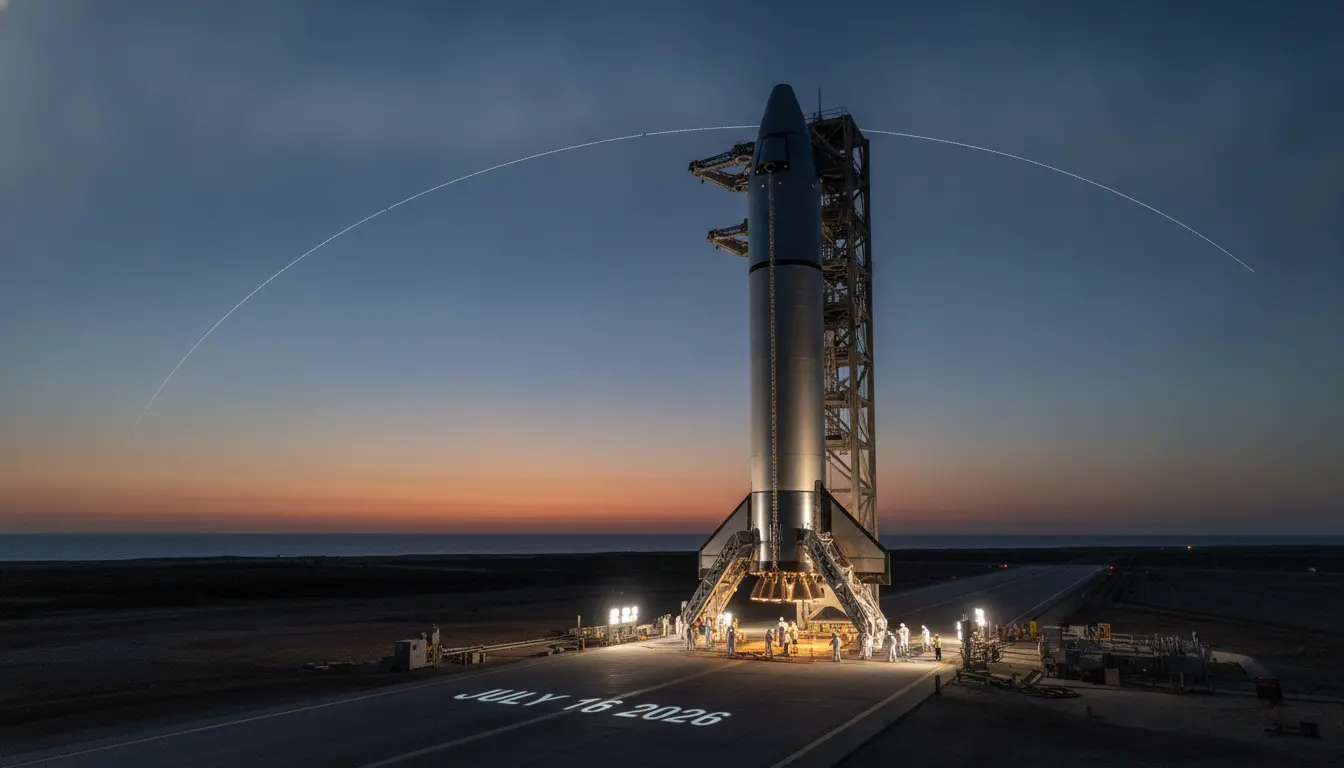
SpaceX Readies Starship for Thirteenth Orbital Test Flight, Eyes Critical Re-entry and Satellite Deployment Milestones
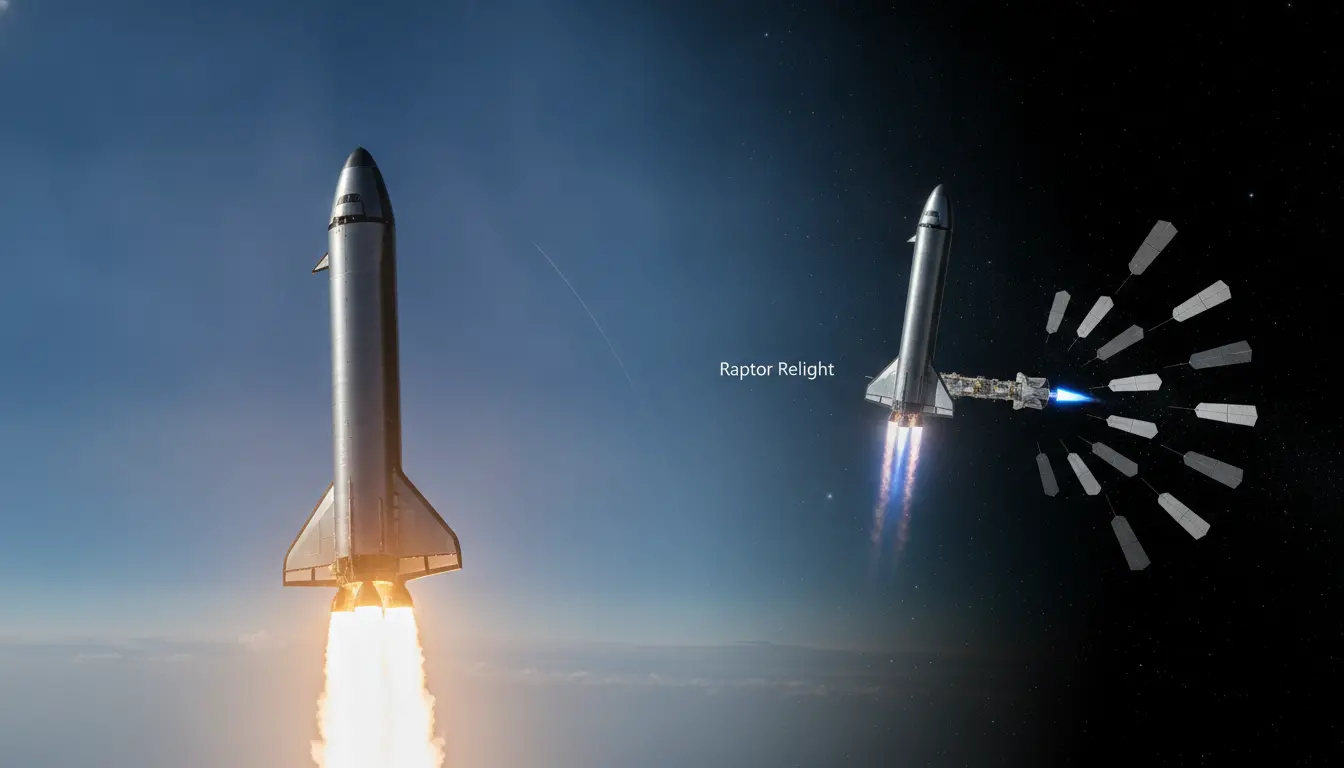
SpaceX Gears Up for Pivotal Starship Flight Targeting In-Orbit Raptor Relight and Starlink V3 Deployment

SpaceX Accelerates Development of Starship Orbital Propellant Transfer for Lunar and Martian Ambitions
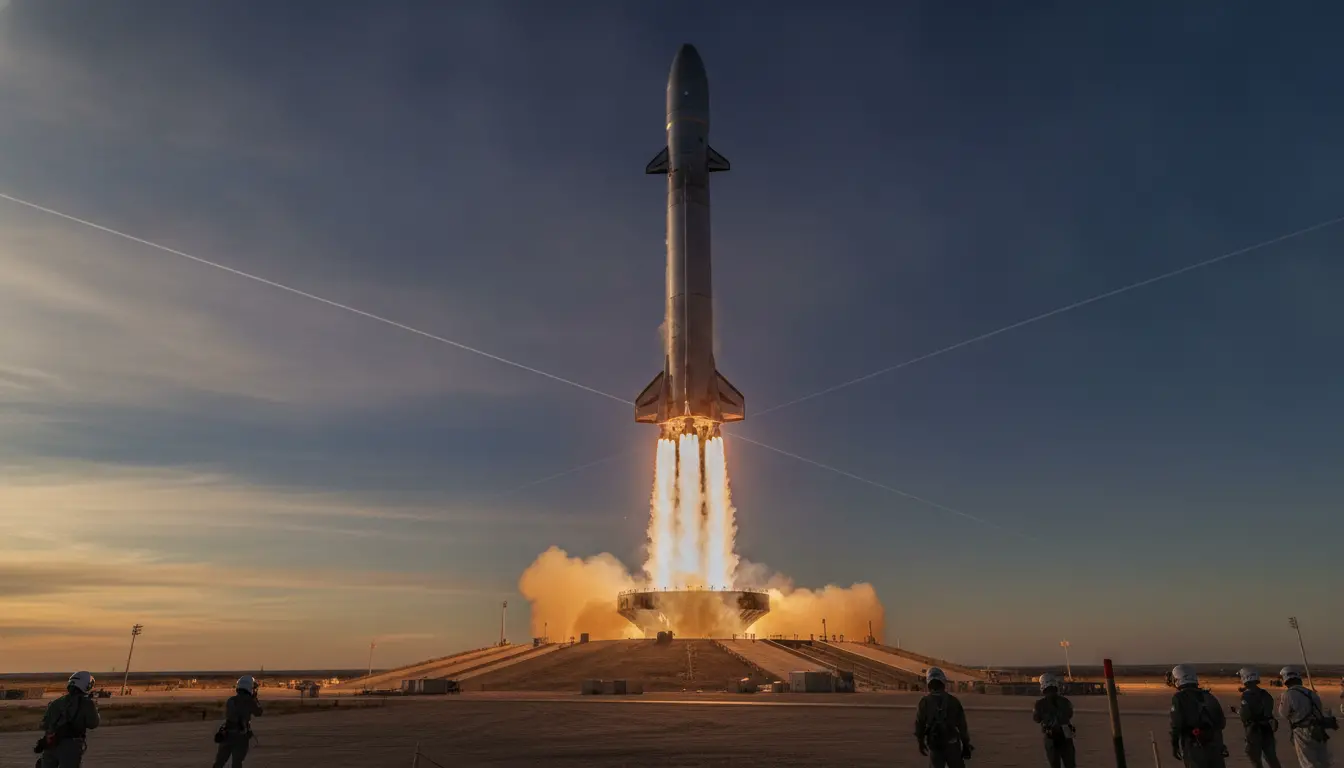
SpaceX's Starship Orbital Flight 14 Targets Key Milestones: Orbital Velocity and Full Stack Reusability

SpaceX Targets August 2026 for Critical Starship Orbital Test, Eyeing First Starlink Satellite Deployment
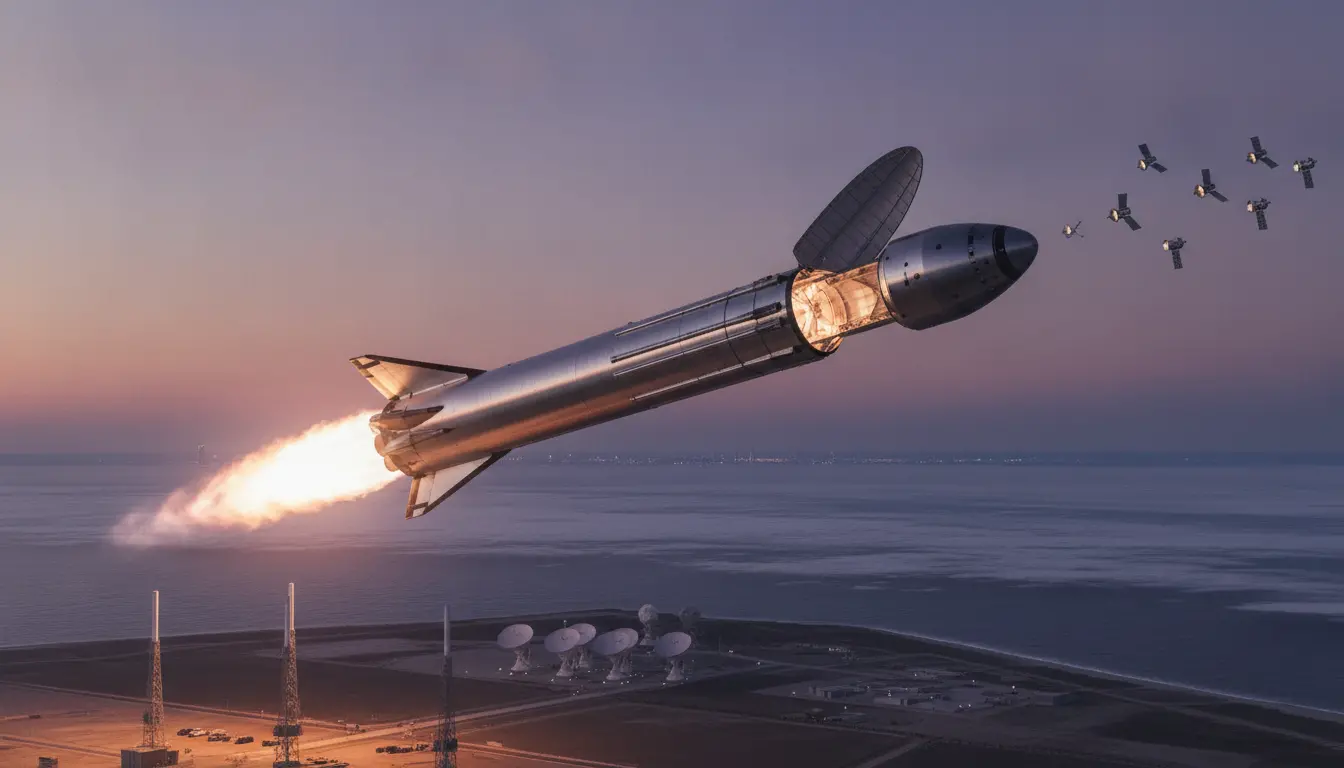
SpaceX Starship Aims for Milestone 14th Flight Test, Targeting Satellite Deployment and Controlled Landing

SpaceX Accelerates Starship Development Toward Fully Successful Orbital Flight with Intact Landing by 2026
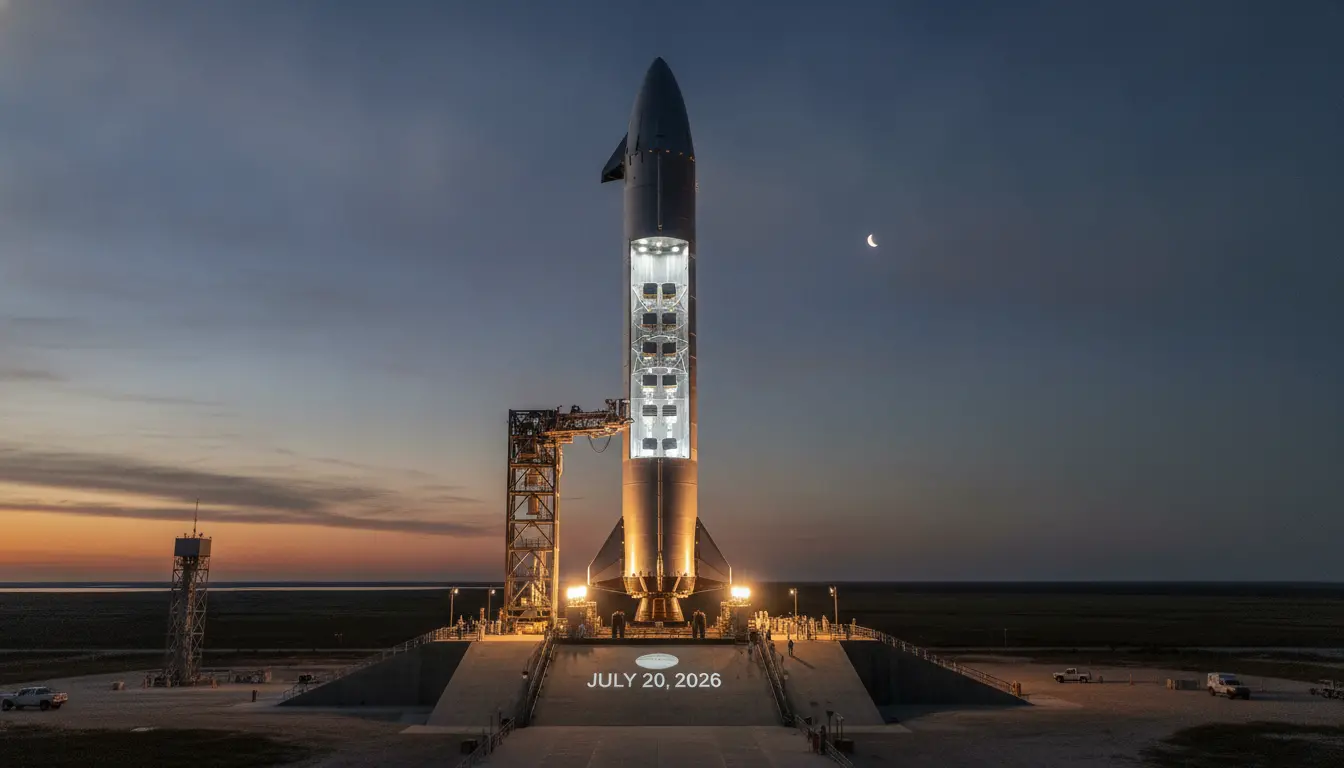
SpaceX Prepares Starship for First Satellite Deployment Attempt During 13th Flight Test in Mid-2026