

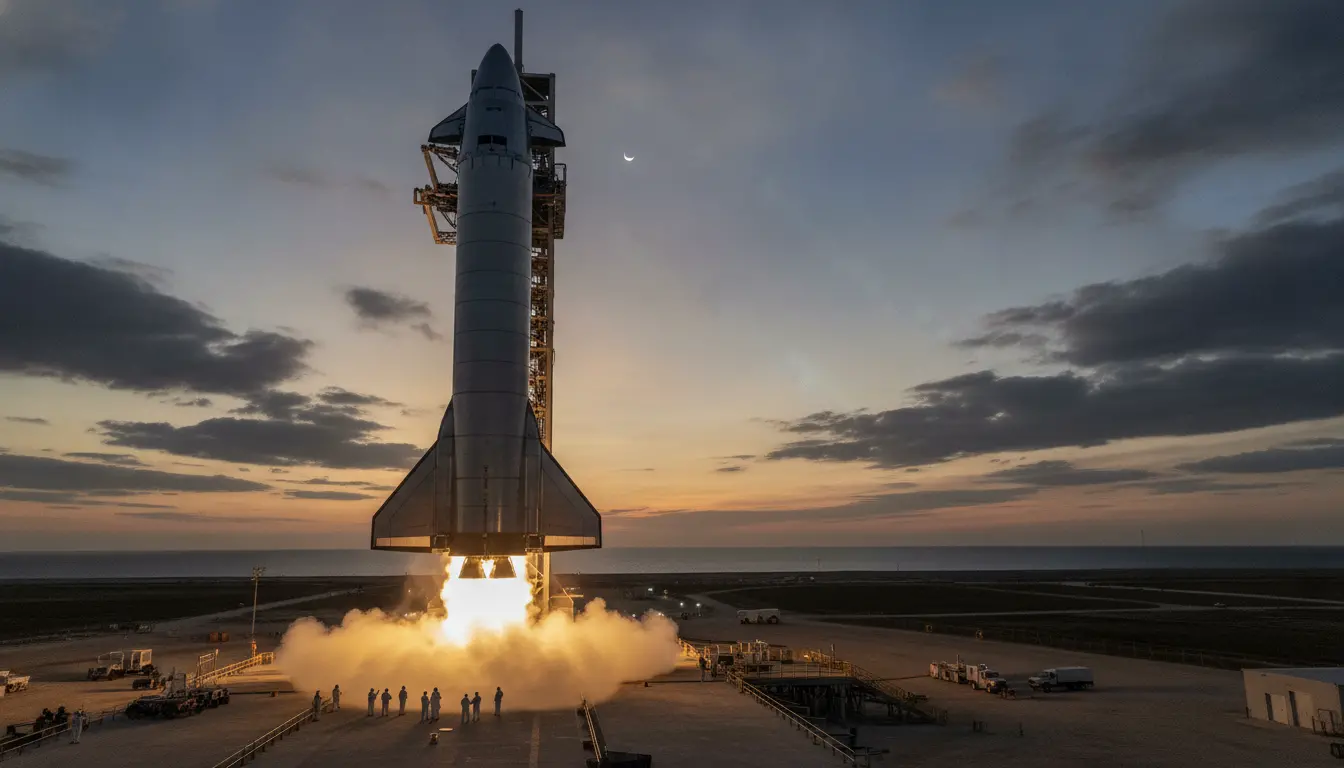
SpaceX Prepares Starship for Critical Orbital Flight Test to Advance Reusability Goals
SpaceX is gearing up for its next pivotal Starship orbital flight test, a crucial step in the company's ambitious quest to develop a fully reusable, super heavy-lift launch system. The integrated Starship and Super Heavy rocket, towering at nearly 400 feet, represents the core of Elon Musk's vision for human interplanetary travel, with ultimate aims of establishing sustainable bases on the Moon and Mars. This forthcoming flight, building on lessons from prior attempts, is designed to push the boundaries of the vehicle's capabilities, particularly focusing on the demanding re-entry phase.
Previous orbital test flights have provided invaluable data, albeit concluding with the rapid unscheduled disassembly of both the Starship upper stage and its Super Heavy booster. The initial orbital attempt in April 2023 saw the vehicle fail to separate successfully, leading to an explosion shortly after launch. A subsequent flight in November 2023 achieved the critical hot-staging maneuver, where the Starship's engines ignite before separating from the booster, but both stages were lost later in their respective flight profiles. Most recently, the third integrated flight test in March 2024 successfully reached orbit and conducted a propellant transfer demonstration, but the Starship prototype ultimately broke up during its re-entry into Earth's atmosphere, and the Super Heavy booster failed to execute its planned landing burn over the Gulf of Mexico. Each of these events, while not fully successful in achieving all objectives, has yielded crucial engineering insights that SpaceX engineers are integrating into the next iteration of the vehicle.
The primary objectives for the upcoming test flight are manifold and technically challenging. SpaceX aims for Starship to achieve a stable orbital trajectory, followed by a controlled atmospheric re-entry that demonstrates the integrity and maneuverability of the spacecraft's heat shield and aerodynamic control surfaces. Successful re-entry is paramount for Starship's reusability, a cornerstone of SpaceX's business model which seeks to dramatically lower the cost of space access. Furthermore, the Super Heavy booster is expected to perform a controlled descent, ideally attempting a 'virtual landing' or splashdown in the Gulf of Mexico, paving the way for future catcher arm recovery at the Starbase launch site in Boca Chica, Texas. Mastering these intricate maneuvers is essential for proving the system's viability for frequent, economical spaceflight.
The stakes for this next flight are exceptionally high, not just for SpaceX but for the broader future of space exploration. Starship has been selected by NASA as the human landing system (HLS) for the Artemis III mission, which aims to return astronauts to the lunar surface. Any significant delays or persistent technical hurdles could impact NASA's ambitious timeline. Beyond government contracts, Starship is envisioned to launch Starlink satellites, deploy vast scientific payloads, and eventually ferry hundreds of people to other celestial bodies. Its sheer capacity and reusable nature promise to revolutionize how humanity approaches space travel, making previously unthinkable missions economically feasible.
Engineers at Starbase have been working relentlessly, implementing design modifications and refining flight procedures based on the comprehensive data gathered from prior flights. These improvements range from structural enhancements to software updates, all aimed at bolstering the vehicle's resilience during the extreme stresses of launch, orbital flight, and re-entry. Regulatory approvals from the Federal Aviation Administration (FAA) also remain a critical hurdle, with each test flight requiring a thorough review of anomalies and safety protocols before the next launch window can open.
Should this next test flight achieve its key re-entry milestones, it would represent a monumental leap forward for SpaceX, validating critical design decisions and demonstrating a path towards fully reusable, routine space travel. The successful execution of these complex maneuvers would not only de-risk future missions, including those for NASA, but also significantly advance the technological readiness required for long-duration deep space exploration. The world will be watching closely as SpaceX continues its audacious journey towards making humanity a multi-planetary species, with each launch providing indispensable steps toward that ultimate goal.
Stay Informed. Act Smarter.
Get weekly highlights, major headlines, and expert insights — then put your knowledge to work in our live prediction markets.
Related News
SpaceX Readies Starship for Thirteenth Orbital Test Flight, Eyes Critical Re-entry and Satellite Deployment Milestones
SpaceX Starship Aims for Milestone 14th Flight Test, Targeting Satellite Deployment and Controlled Landing
SpaceX's Starship Orbital Flight 14 Targets Key Milestones: Orbital Velocity and Full Stack Reusability
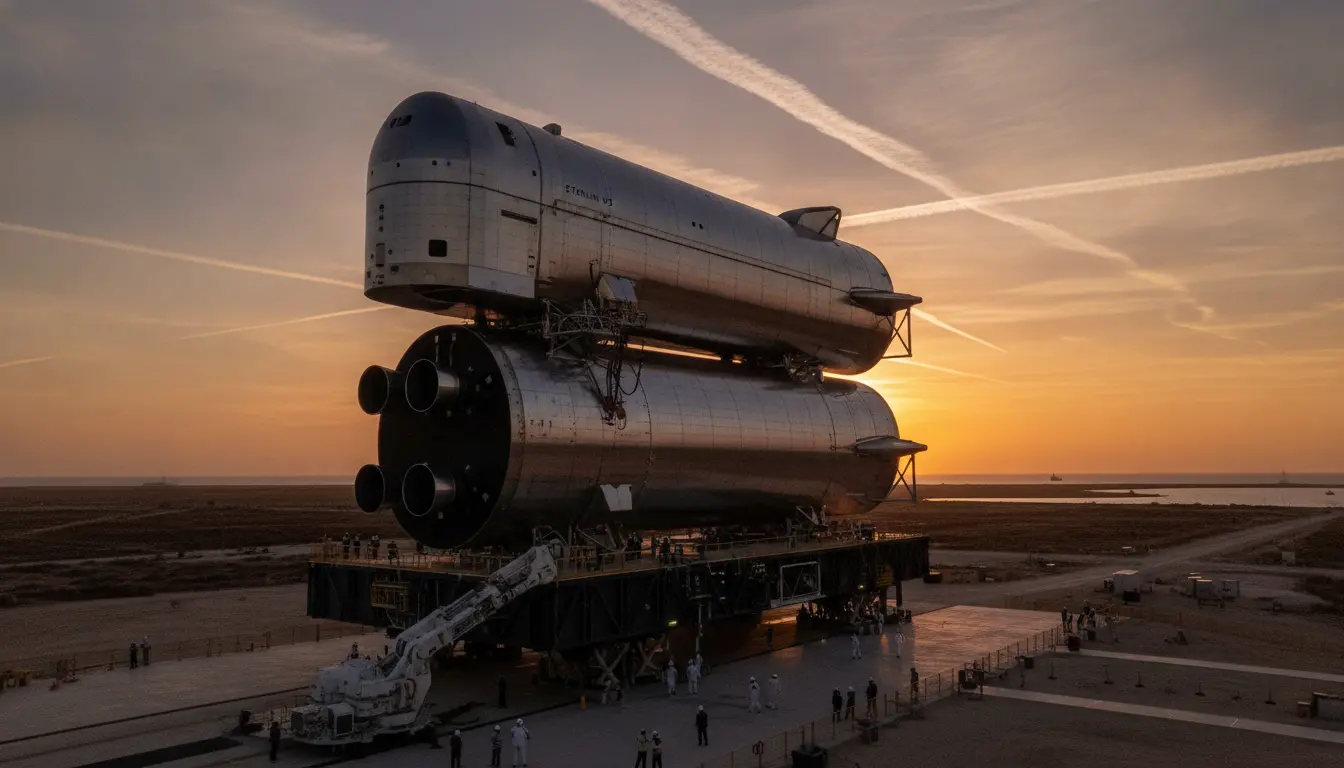
SpaceX Prepares for Crucial Starship Flight 13, Targeting Starlink V3 Deployment and Booster Recovery
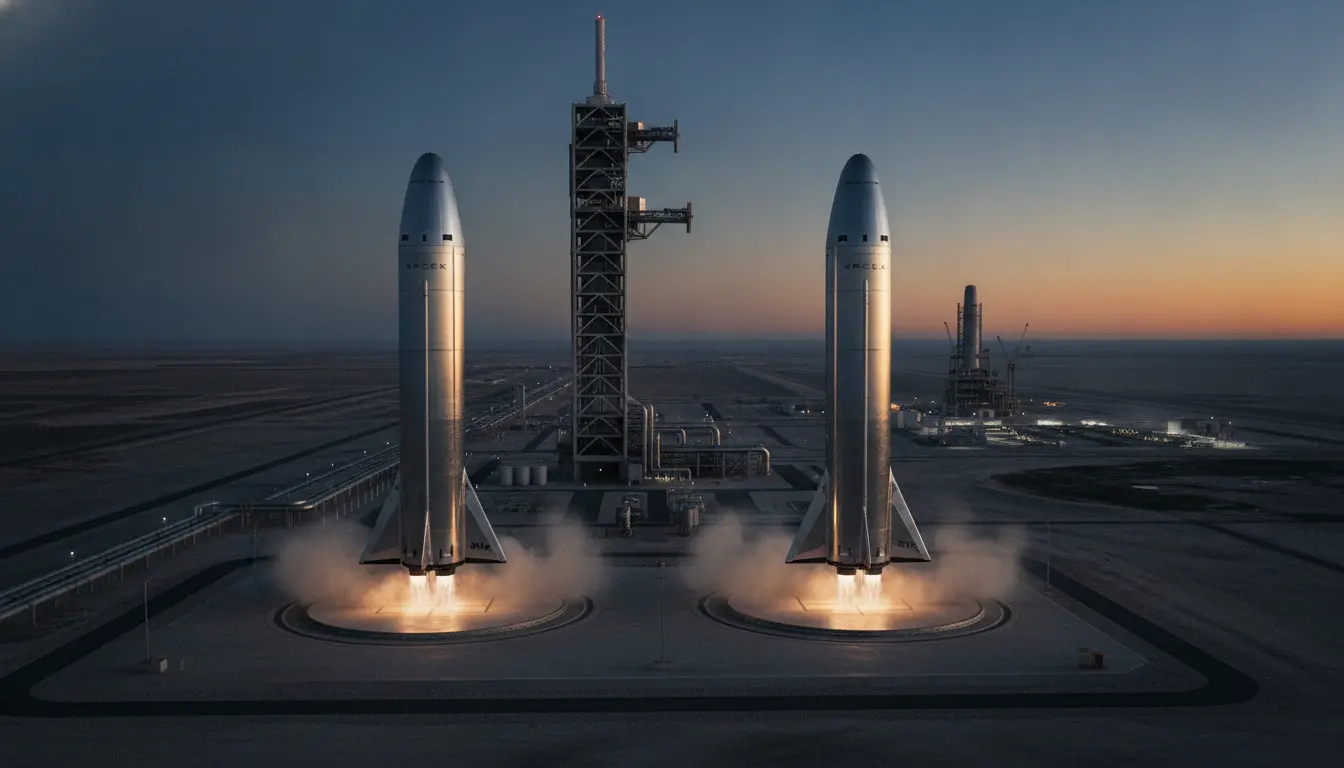
SpaceX Eyes Comprehensive Starship Orbital Test Flight and Dual Landing in Late 2026
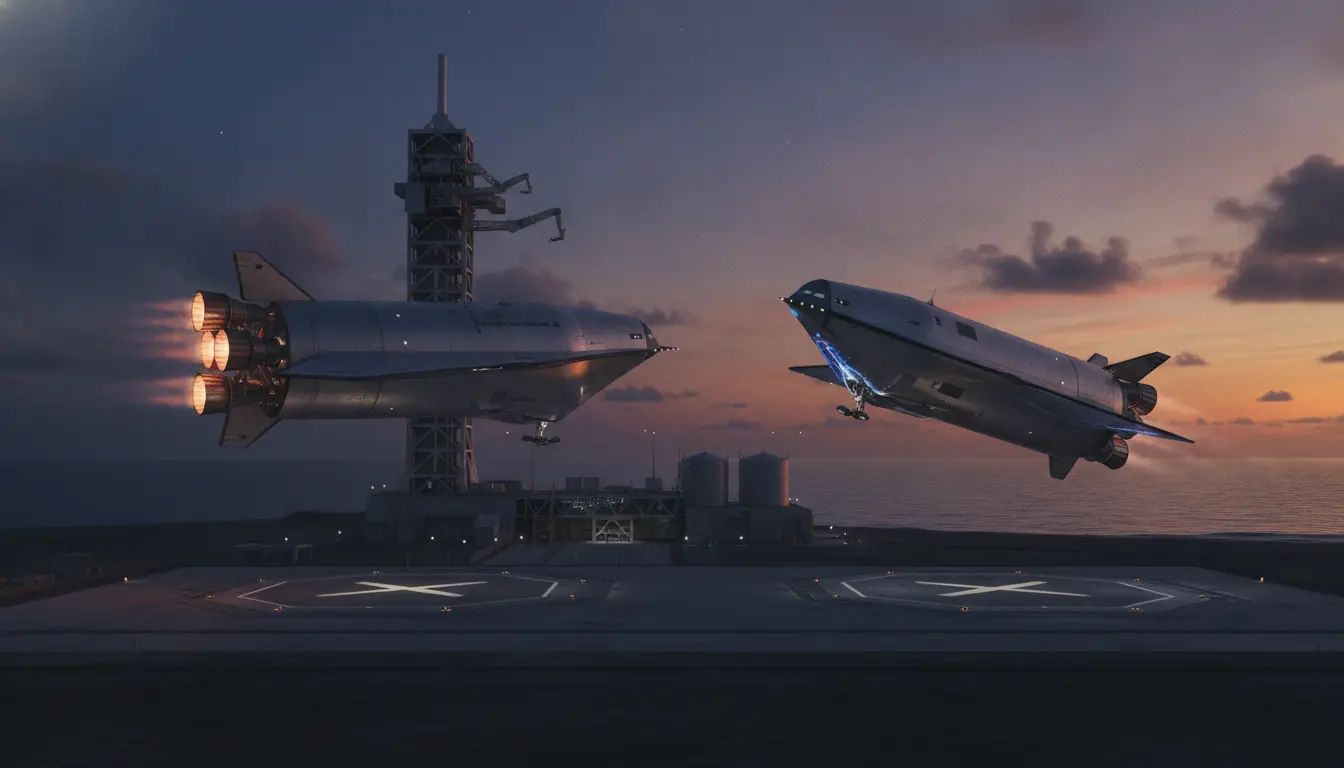
SpaceX Starship Flight Test 13 Aims for Simultaneous Booster and Ship Controlled Landings
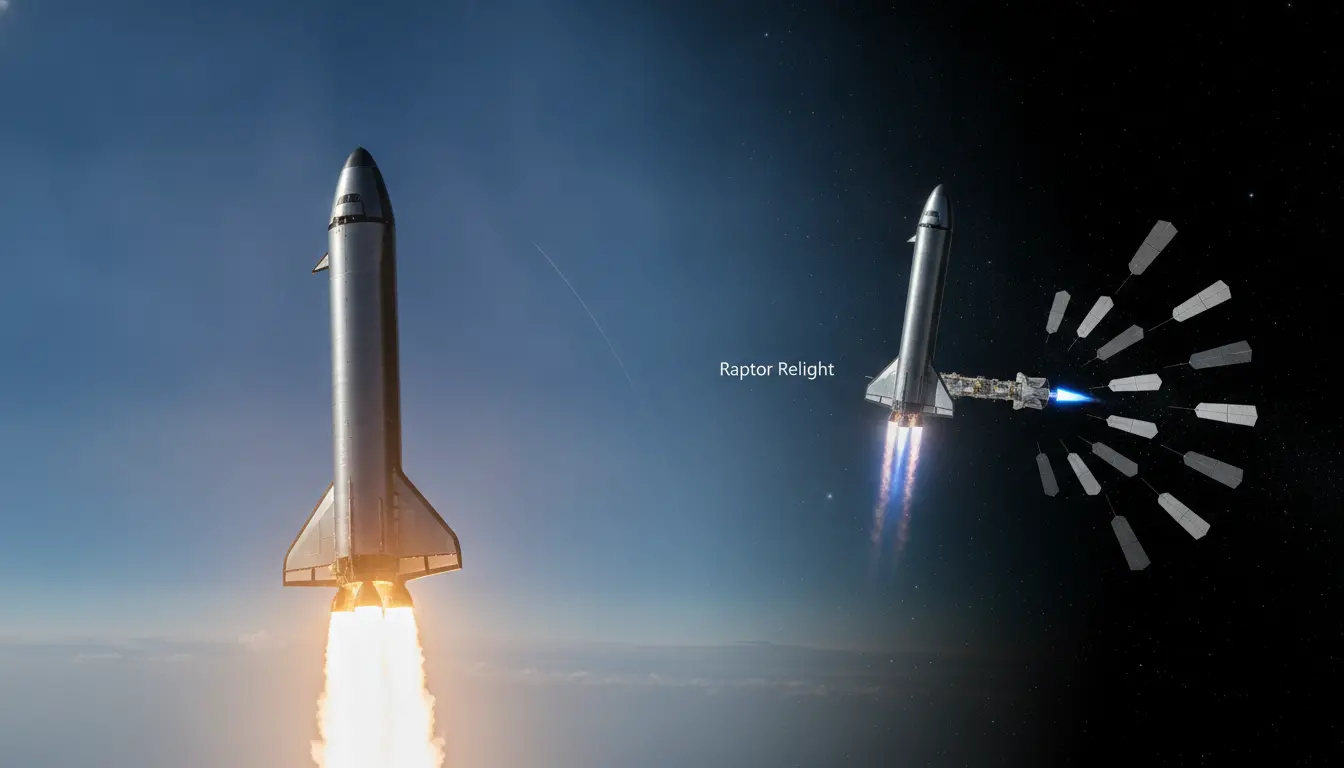
SpaceX Gears Up for Pivotal Starship Flight Targeting In-Orbit Raptor Relight and Starlink V3 Deployment
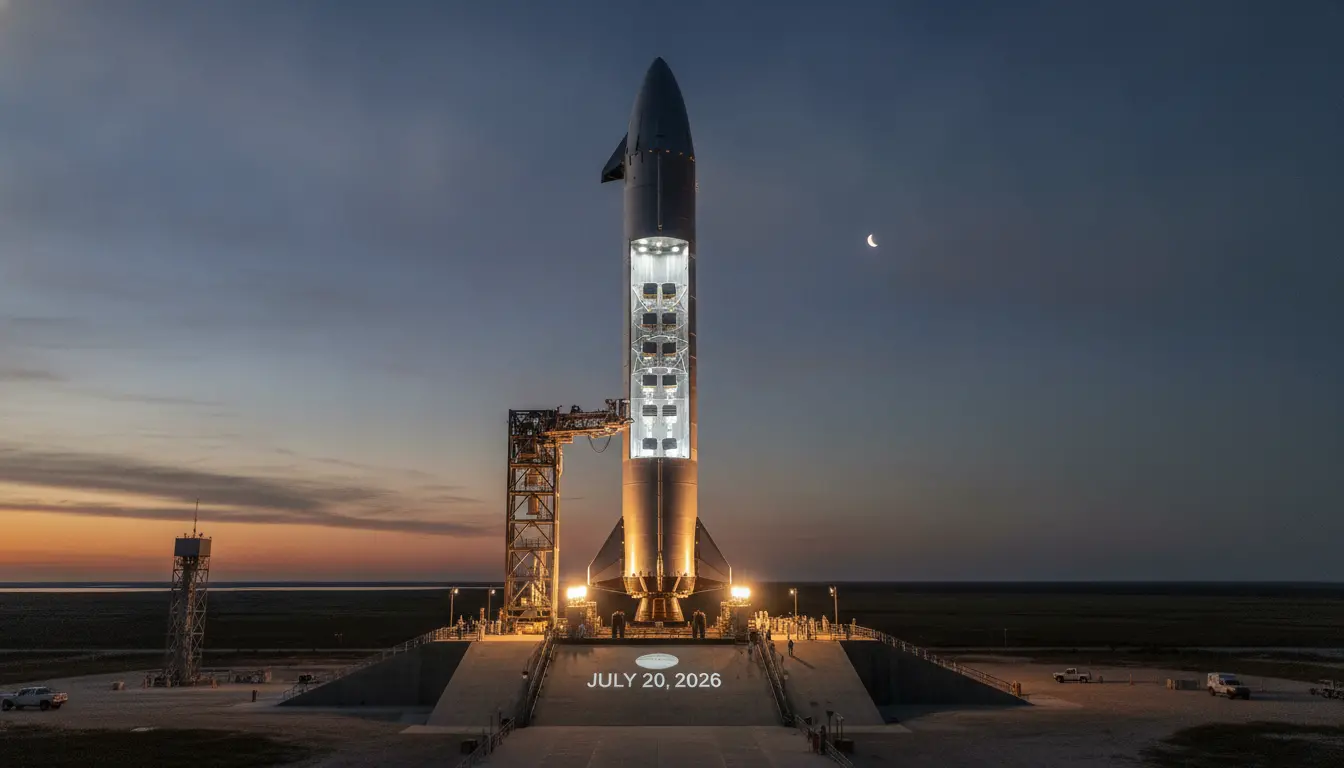
SpaceX Prepares Starship for First Satellite Deployment Attempt During 13th Flight Test in Mid-2026
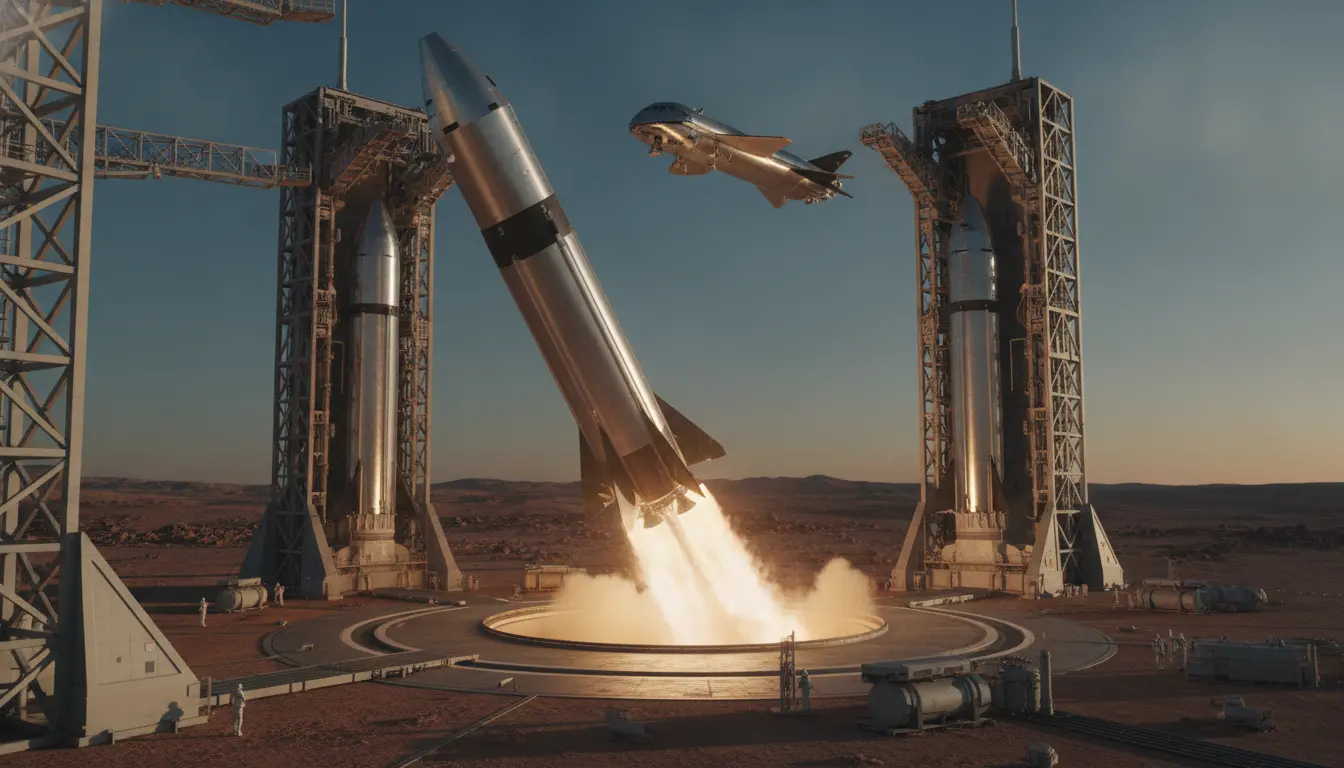
SpaceX Accelerates Drive for Super Heavy Booster Reusability in Starship Development
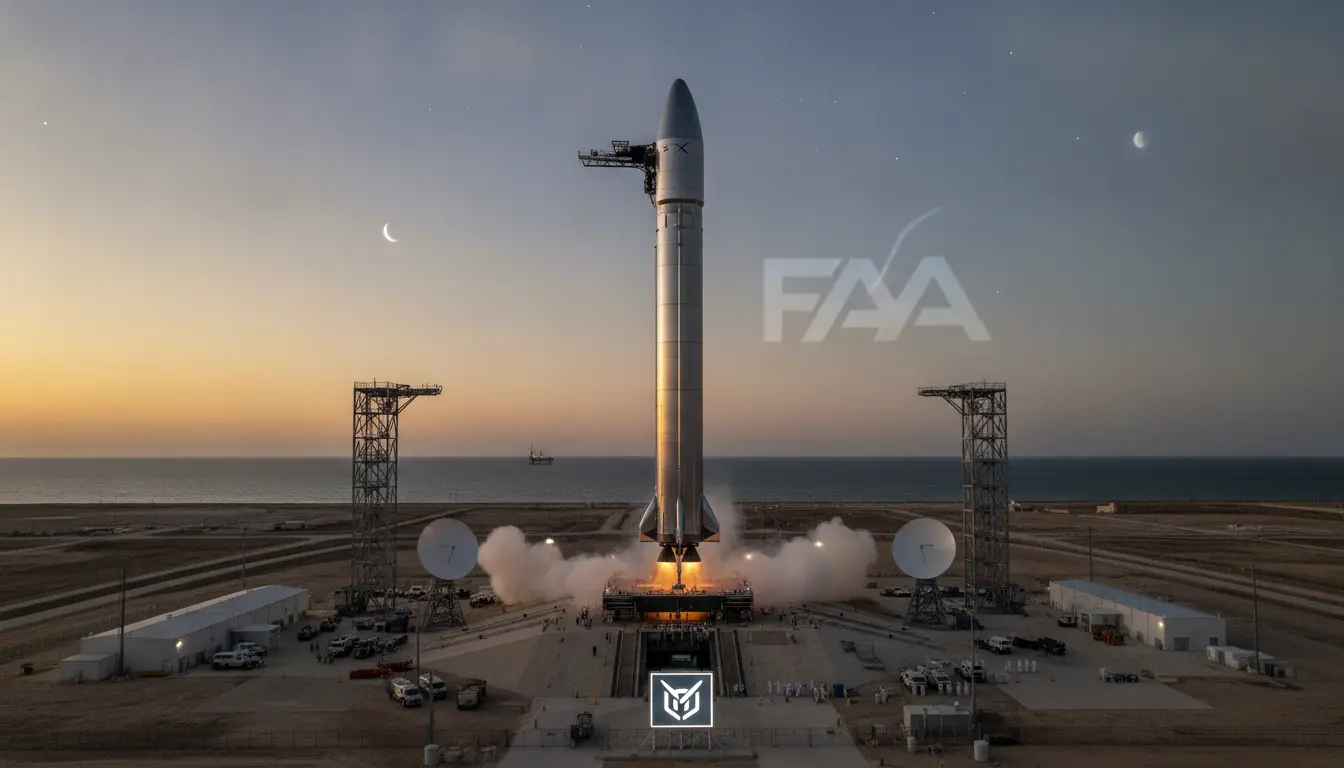
SpaceX Prepares for Starship V3 Flight 14 Amid Ongoing FAA Regulatory Review