

- News
- Science
- SpaceX Prepares for Crucial Starship Flight 13, Targeting Starlink V3 Deployment and Booster Recovery
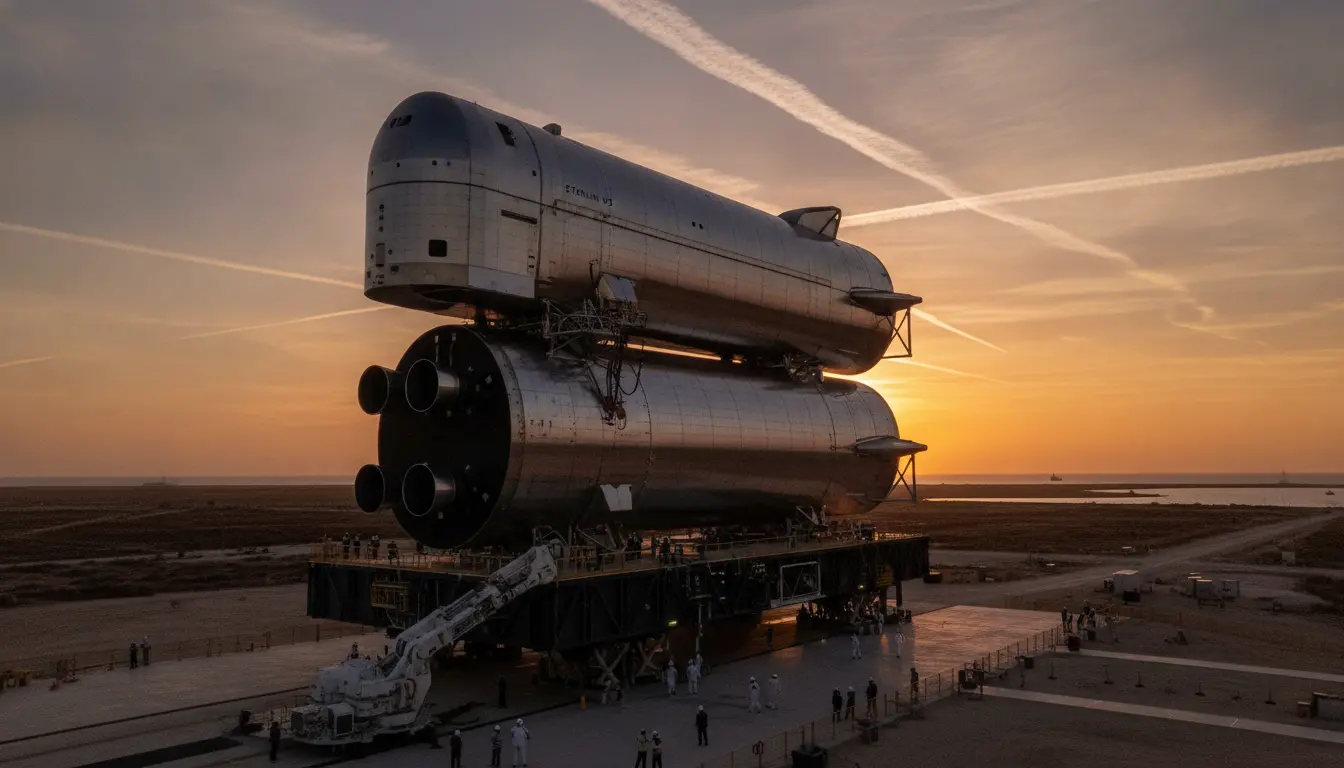
SpaceX Prepares for Crucial Starship Flight 13, Targeting Starlink V3 Deployment and Booster Recovery
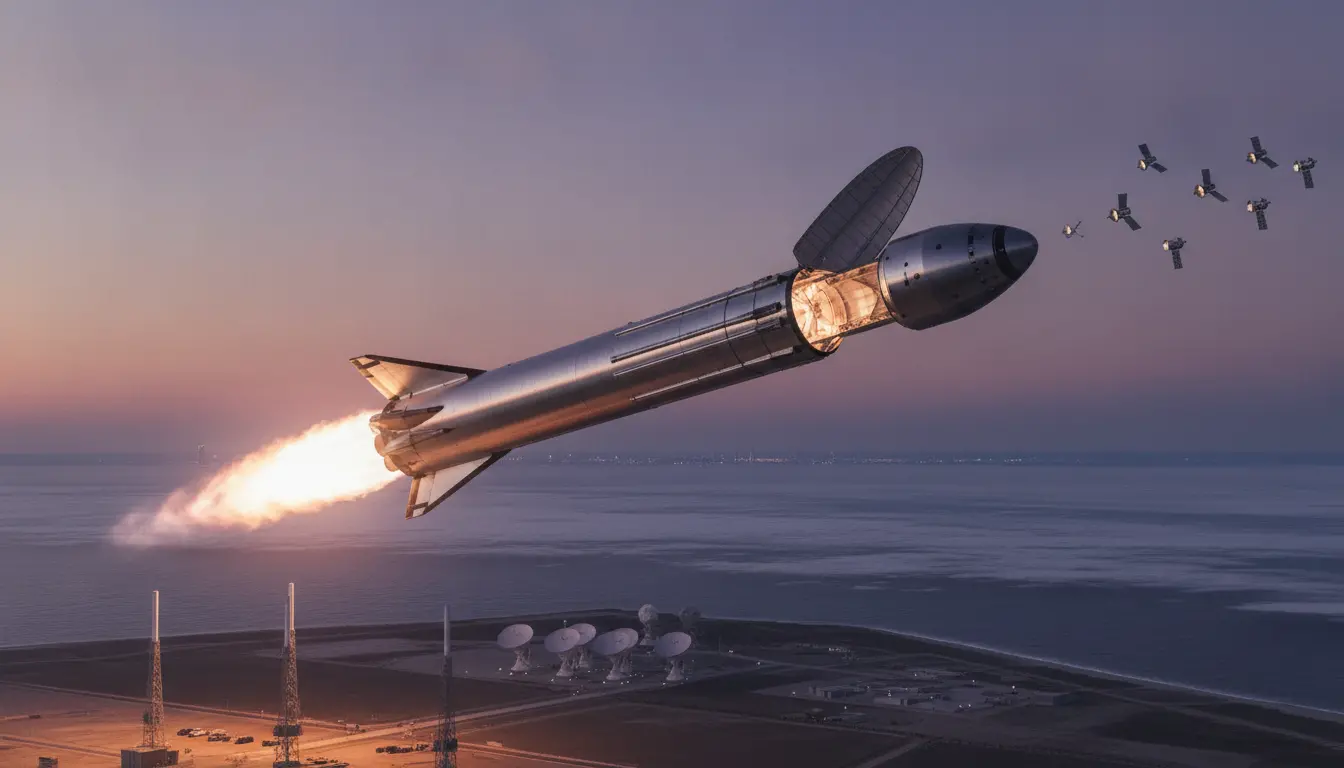
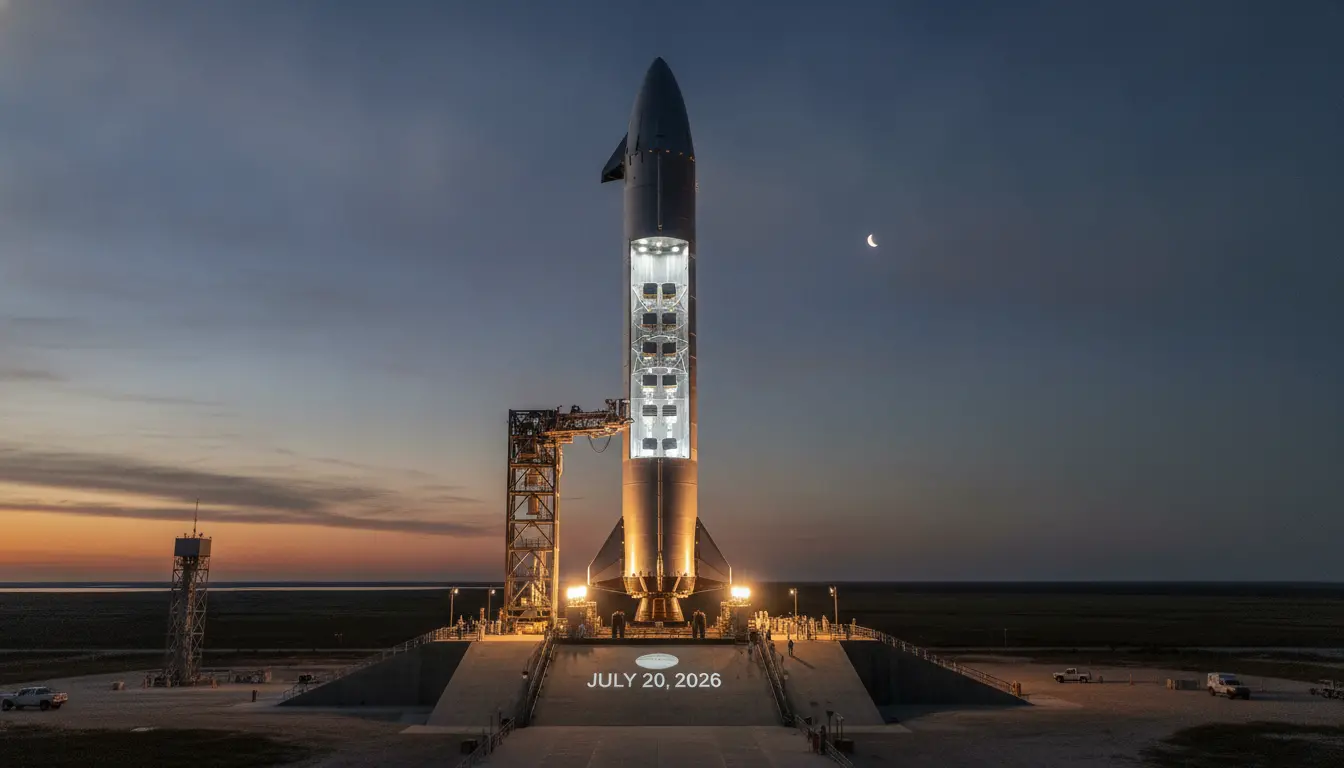
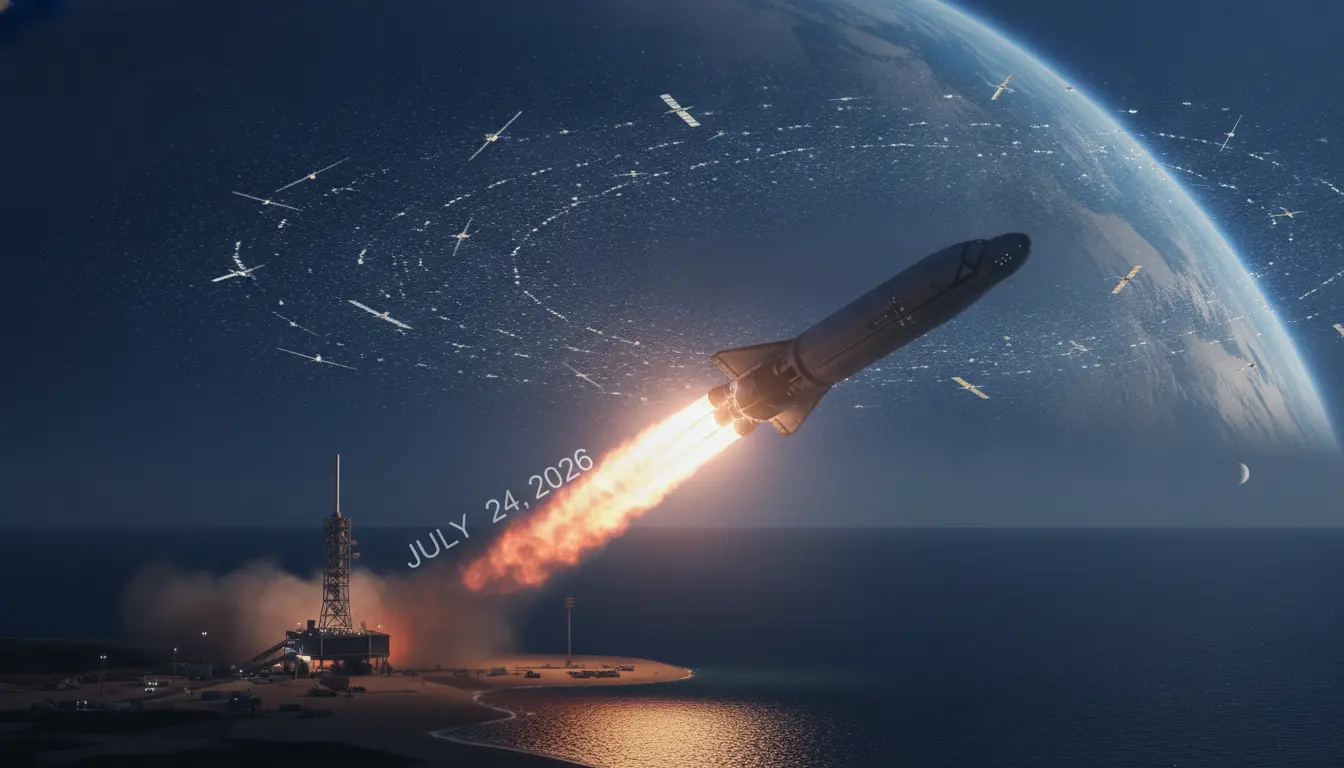
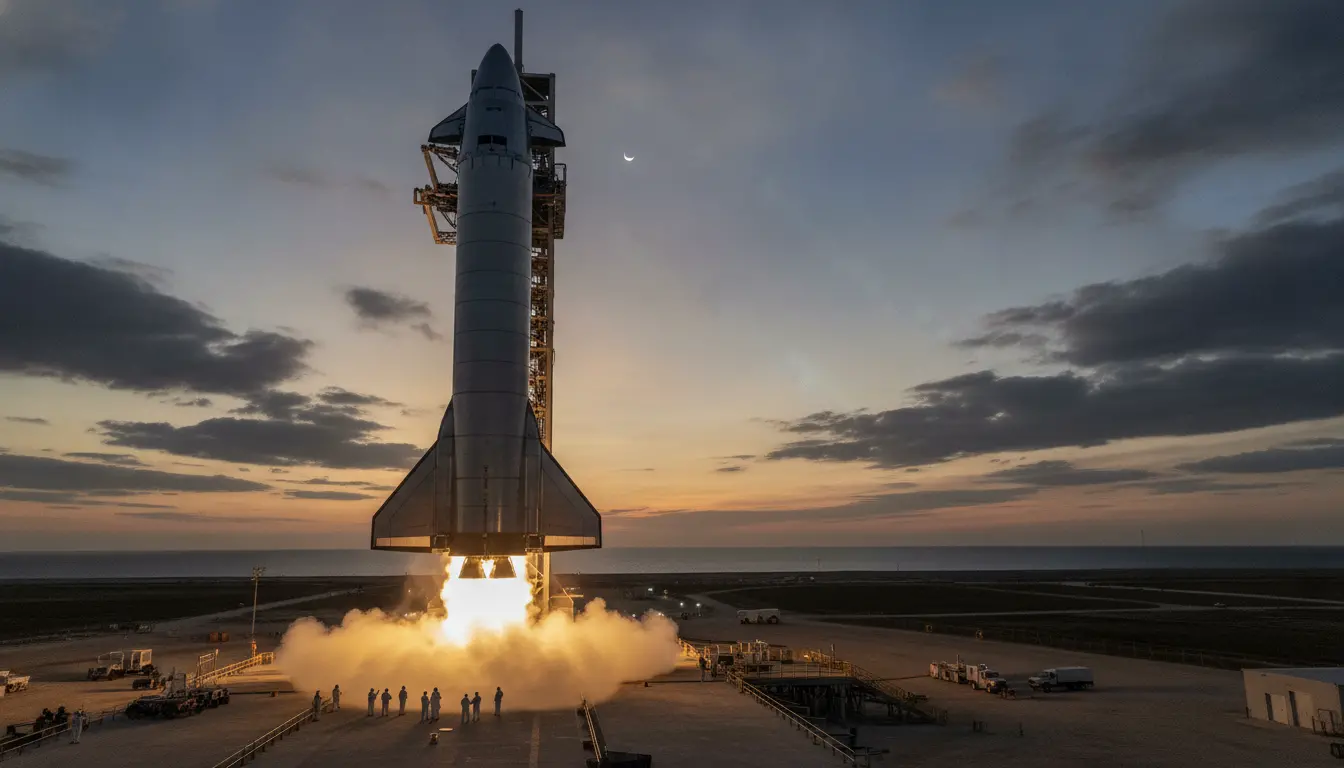
SpaceX is on the cusp of another monumental milestone, preparing its Starship system for Flight 13, an operation designed to significantly advance both the reusable launch vehicle's development and the expansion of its Starlink satellite internet constellation. This upcoming mission from Starbase in Boca Chica, Texas, is not merely another test; it represents a critical step towards demonstrating Starship's operational capabilities, aiming to deploy a batch of advanced Starlink V3 satellites while simultaneously executing a controlled landing of its massive Super Heavy booster.
The Starship program has been characterized by an ambitious, iterative development approach, with each successive flight providing invaluable data crucial for refining the complex system. Previous test flights, while experiencing various outcomes, have collectively pushed the boundaries of super heavy-lift rocket technology. Engineers have meticulously analyzed data from prior attempts, which saw the vehicle reach space, perform key maneuvers like hot staging, and gather vital re-entry performance metrics. These flights, often described by SpaceX CEO Elon Musk as rapid, uncrewed iterative development, have laid the groundwork for the increasingly complex objectives now targeted for Flight 13, moving beyond simple atmospheric or suborbital hops to full-scale mission profiles.
A central objective of this flight is the deployment of Starlink V3 satellites, the latest generation of SpaceX's broadband internet constellation. These advanced satellites are expected to feature enhanced capabilities, including greater throughput and potentially direct-to-cell connectivity, significantly bolstering Starlink's global reach and service quality. The successful deployment of these satellites is pivotal for expanding Starlink's user base and maintaining its competitive edge in the rapidly growing satellite internet market. The ability of Starship to efficiently deploy large numbers of these advanced spacecraft is fundamental to scaling the constellation and reducing per-launch costs, thereby accelerating Starlink's ambitious deployment schedule.
Equally ambitious is the planned controlled landing of the Super Heavy booster. This maneuver is a cornerstone of SpaceX’s vision for full reusability, which aims to drastically reduce the cost of space access. While Falcon 9 and Falcon Heavy boosters have routinely demonstrated precision landings, the Super Heavy presents a challenge of an entirely different scale due to its immense size and power. A successful return-to-launch-site (RTLS) or analogous landing would mark a profound achievement, validating the design and control systems necessary for routine, rapid turnaround operations. The recovery of the booster is not just an engineering feat but an economic imperative, central to making interplanetary travel and large-scale space infrastructure financially viable.
The stakes for Flight 13 are considerable. A successful mission, encompassing both Starlink deployment and booster recovery, would represent a significant leap forward for Starship, moving it closer to its ultimate goal of becoming a fully reusable transportation system capable of carrying humans and cargo to the Moon, Mars, and beyond. It would also further solidify SpaceX's dominance in the commercial space sector, demonstrating its unparalleled ability to innovate and execute complex missions. Conversely, any major setback would necessitate further analysis and redesign, potentially impacting development timelines and the broader aspirations for lunar and Martian exploration. The aerospace industry and global observers will be keenly watching, understanding that the outcome of this flight will not only shape the future of SpaceX but could redefine the trajectory of space exploration itself.
The regulatory landscape, including ongoing Federal Aviation Administration (FAA) reviews and environmental considerations, remains a constant backdrop to these endeavors. Each flight requires rigorous scrutiny to ensure public safety and environmental compliance. As SpaceX refines its procedures and technologies, it continues to work closely with regulatory bodies, adapting its operations to meet evolving requirements. The iterative nature of Starship's development means that learning from each flight, whether fully successful or not, is crucial for obtaining the necessary approvals for future, increasingly ambitious missions. Ultimately, Flight 13 is more than a test; it's a testament to the relentless pursuit of breakthroughs in spaceflight, holding the promise of unlocking new eras of exploration and connectivity.
Stay Informed. Act Smarter.
Get weekly highlights, major headlines, and expert insights — then put your knowledge to work in our live prediction markets.
Related News
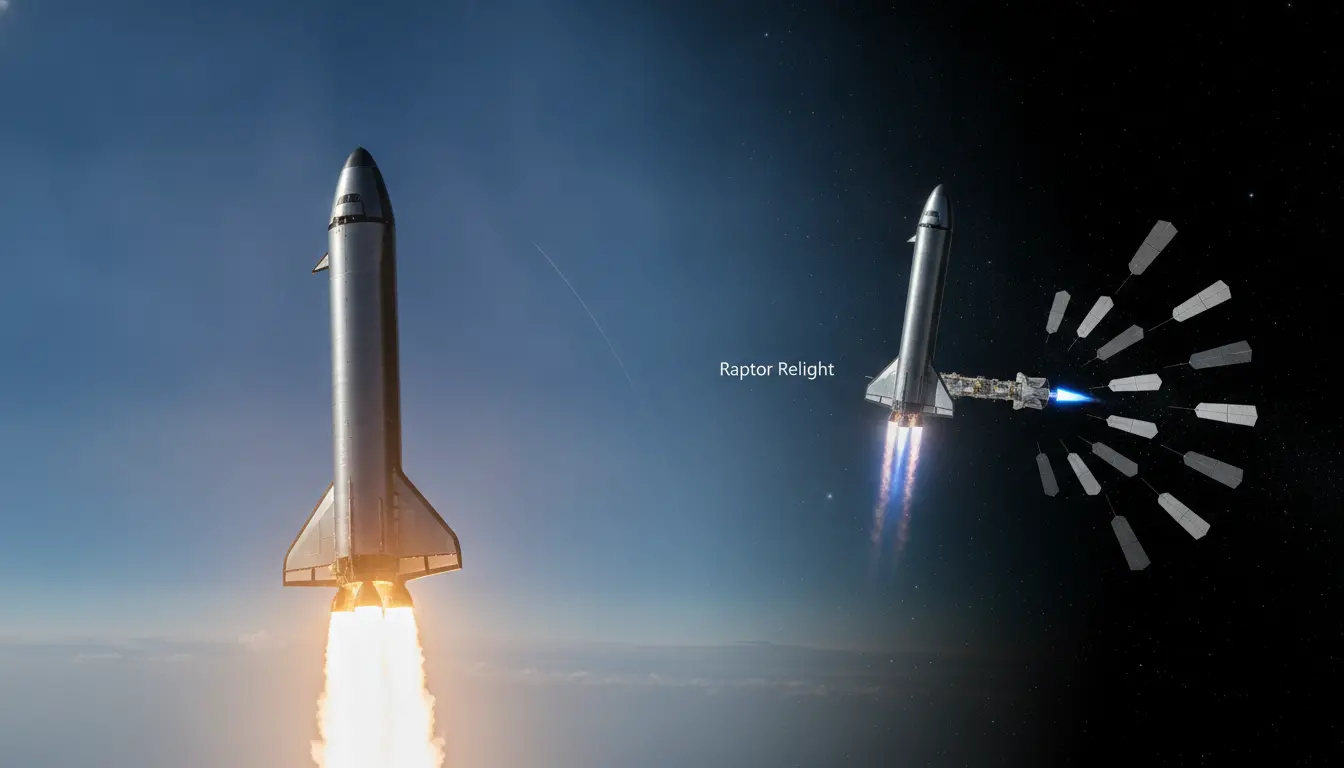
SpaceX Gears Up for Pivotal Starship Flight Targeting In-Orbit Raptor Relight and Starlink V3 Deployment
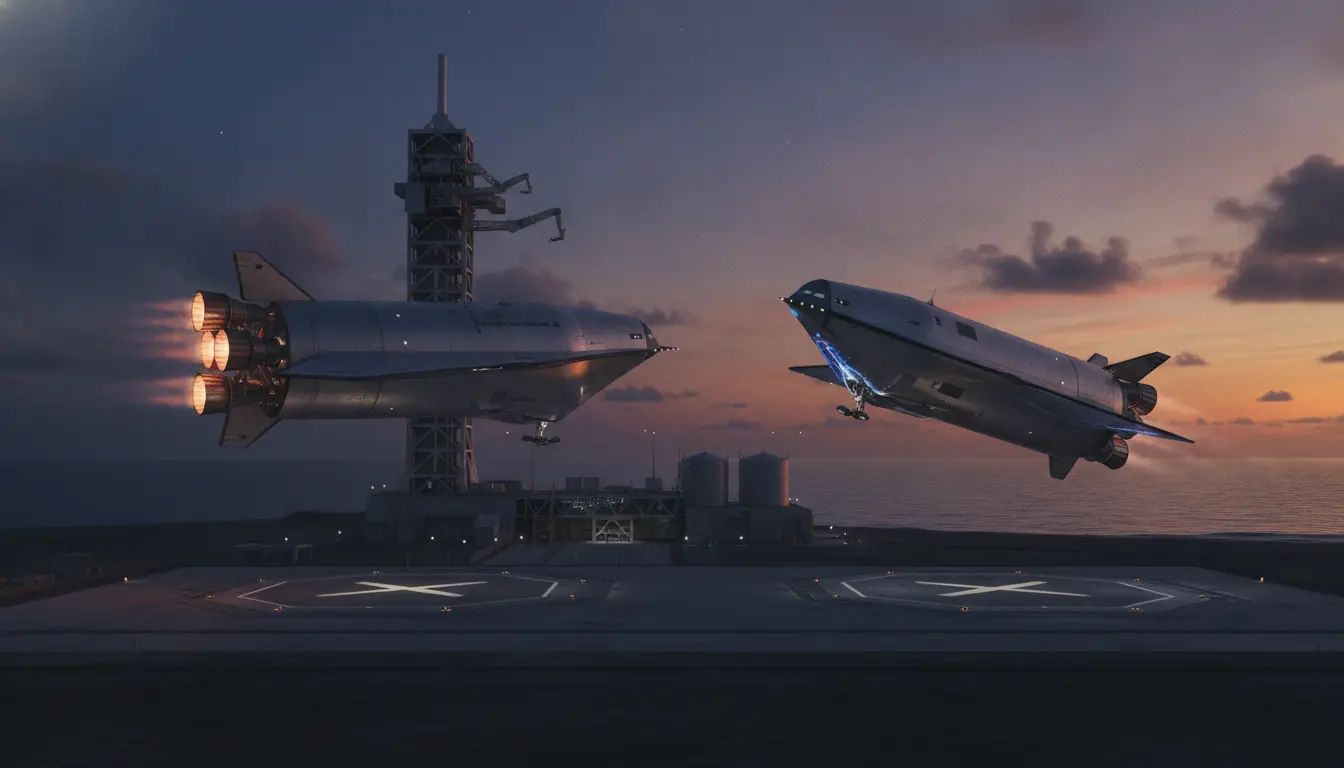
SpaceX Starship Flight Test 13 Aims for Simultaneous Booster and Ship Controlled Landings
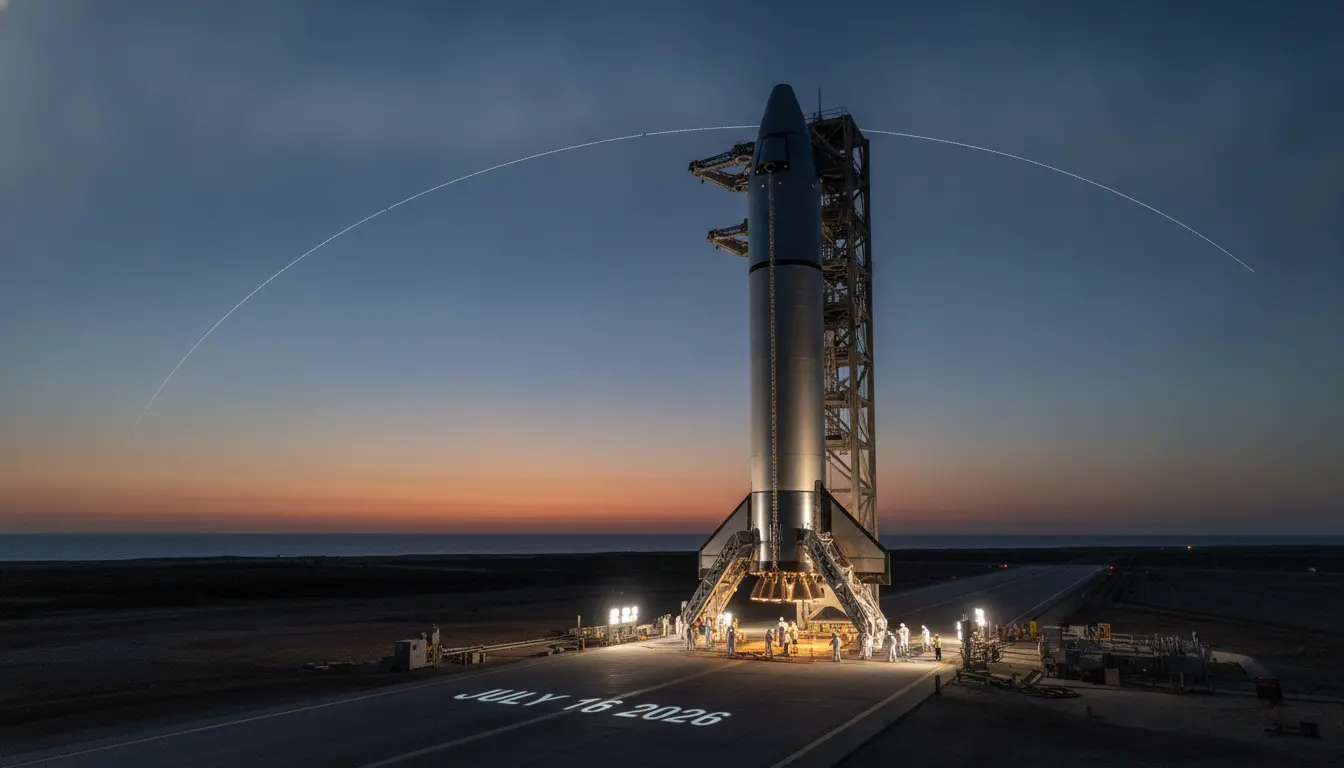
SpaceX Readies Starship for Thirteenth Orbital Test Flight, Eyes Critical Re-entry and Satellite Deployment Milestones
SpaceX Starship Aims for Milestone 14th Flight Test, Targeting Satellite Deployment and Controlled Landing
SpaceX Prepares Starship for First Satellite Deployment Attempt During 13th Flight Test in Mid-2026
SpaceX Schedules Crucial Starship Flight to Deploy First Starlink V3 Satellites
SpaceX Prepares Starship for Critical Orbital Flight Test to Advance Reusability Goals
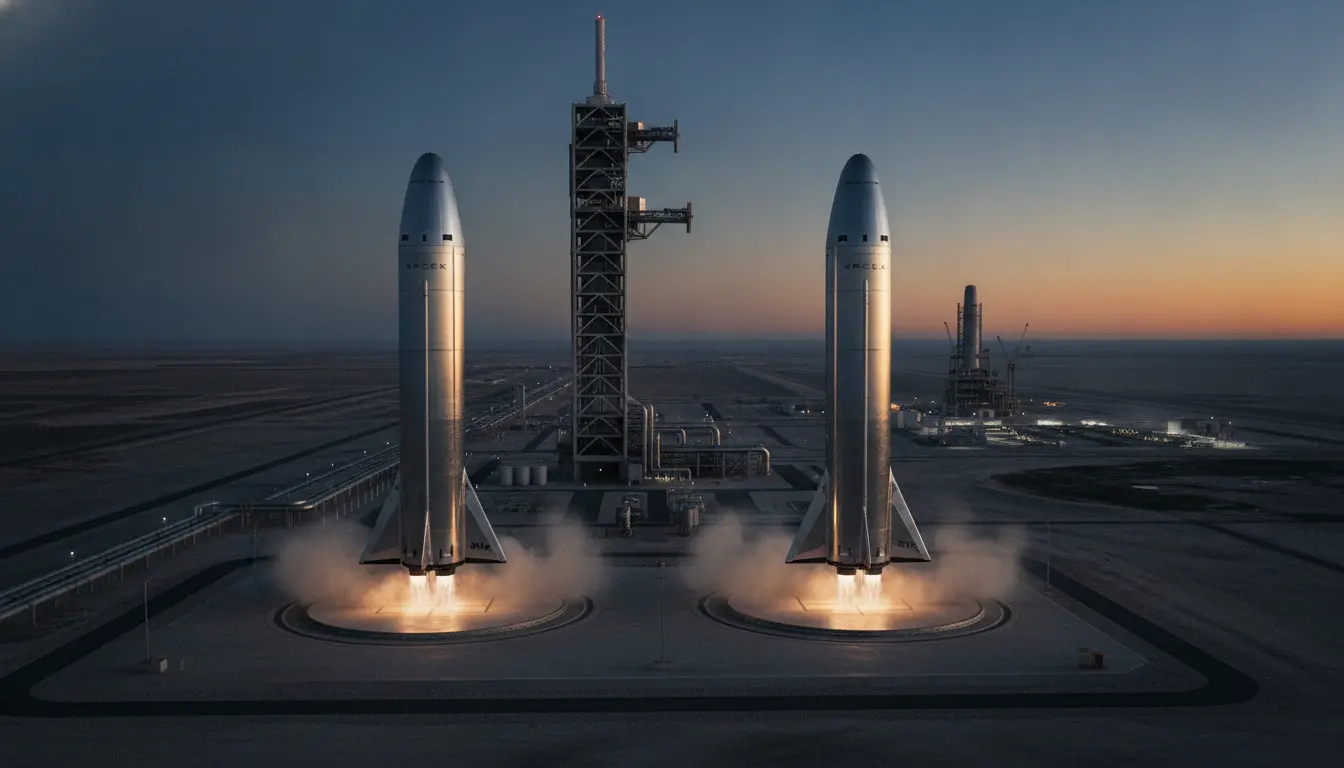
SpaceX Eyes Comprehensive Starship Orbital Test Flight and Dual Landing in Late 2026
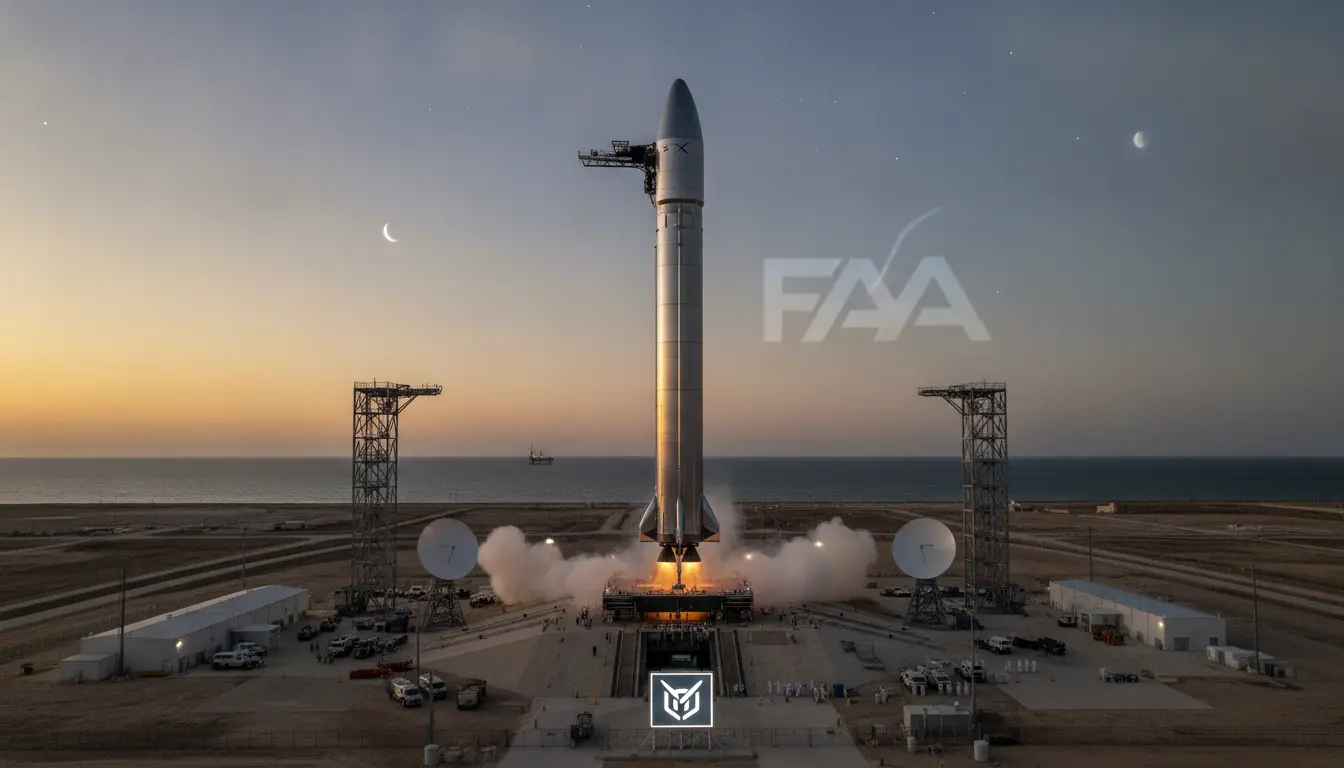
SpaceX Prepares for Starship V3 Flight 14 Amid Ongoing FAA Regulatory Review
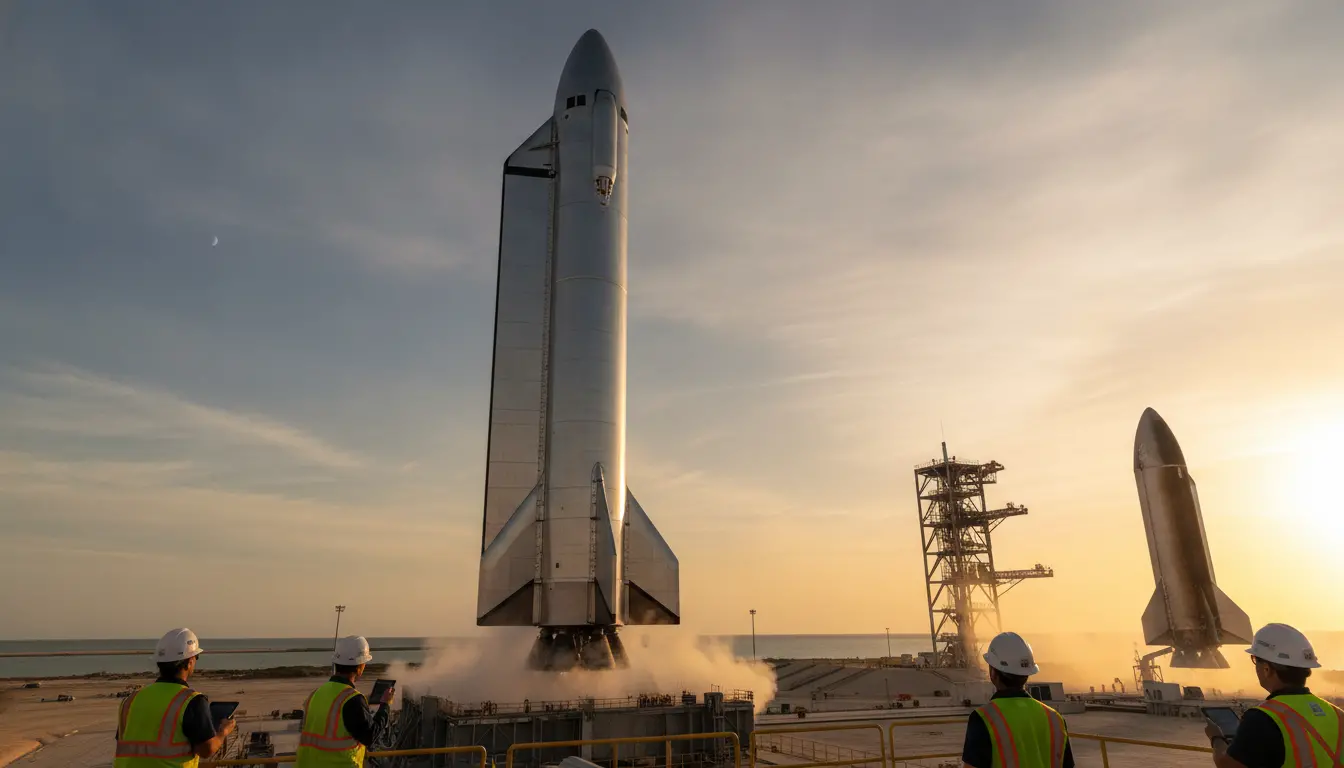
SpaceX Advances Starship Block 3 Design Amidst Rigorous Testing Campaigns