

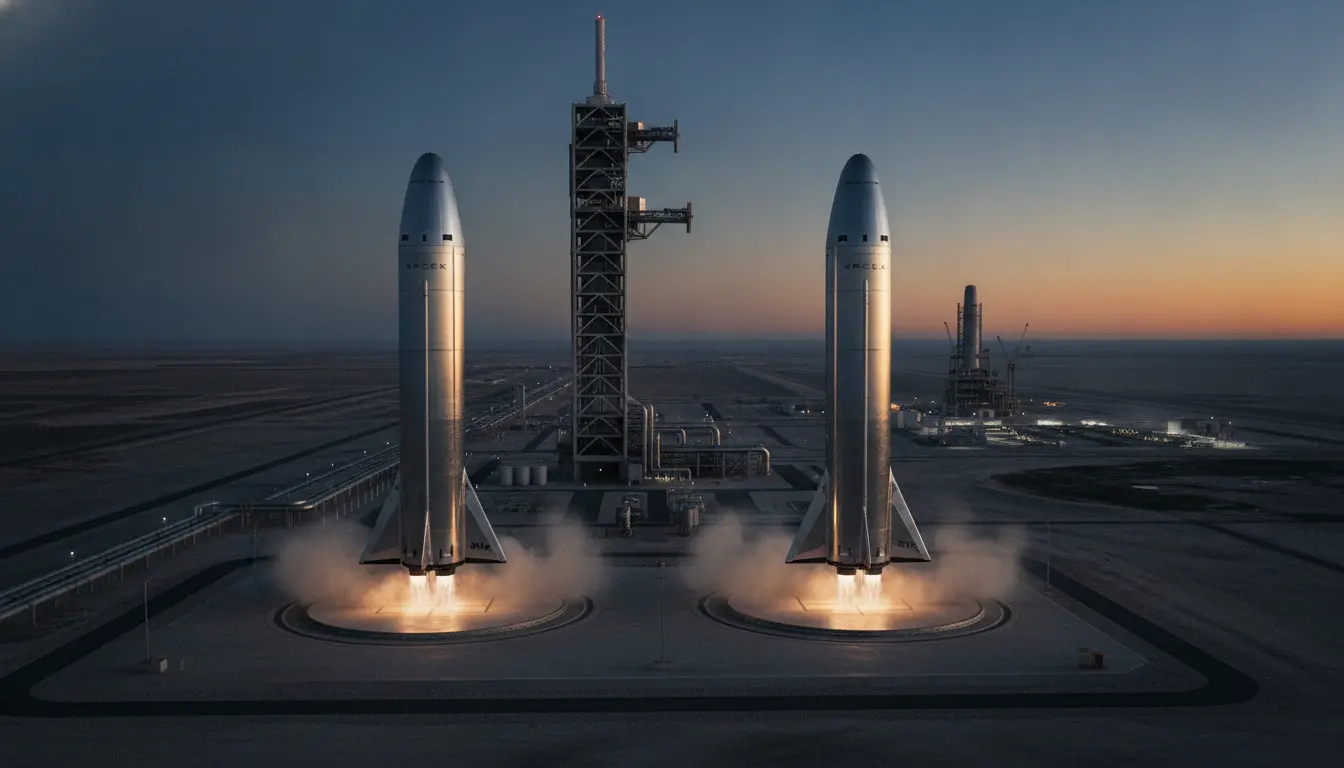
SpaceX Eyes Comprehensive Starship Orbital Test Flight and Dual Landing in Late 2026
SpaceX is strategically targeting the 14th iteration of its Starship program for a pivotal orbital flight, aiming to achieve a fully successful mission that culminates in the controlled recovery of both its Super Heavy booster and the Starship upper stage. This ambitious endeavor, tentatively slated for September 2026, also includes the critical objective of deploying the next generation of Starlink V3 satellites. The success of Flight 14 would represent a significant leap forward in SpaceX's overarching goal of developing a fully reusable super heavy-lift launch system capable of deep space exploration and rapid terrestrial transport.
Starship, a two-stage rocket system designed for complete reusability, has undergone a series of increasingly complex test flights from SpaceX's Starbase facility in Boca Chica, Texas. These early flights have focused on progressively testing various phases of launch, ascent, and atmospheric re-entry, with varying degrees of success. Previous missions have demonstrated initial ascent capabilities, tested the Raptor engines' performance during stage separation, and provided invaluable data on aerodynamic control during descent. However, achieving a fully successful orbital flight, followed by the precise landing of both the massive Super Heavy booster and the Starship vehicle itself, remains a paramount challenge that SpaceX is determined to overcome.
The objective of recovering both stages is not merely a technical milestone; it is fundamental to SpaceX's economic model for Starship. Full reusability is key to significantly reducing the cost of space access, enabling more frequent missions, and ultimately making ambitious projects like lunar bases and Mars colonization economically viable. The landing of the Super Heavy booster, a behemoth powered by dozens of Raptor engines, requires intricate control and precise ignition sequences for its landing thrusters. Similarly, the Starship upper stage, designed to operate in the vacuum of space and re-enter Earth's atmosphere, must also execute a controlled descent and landing, a feat that demands robust thermal protection systems and sophisticated guidance algorithms.
Beyond the critical reusability objectives, Flight 14 is also earmarked to carry a payload of Starlink V3 satellites. This particular iteration of SpaceX's satellite constellation is designed to offer enhanced communication capabilities, including higher bandwidth and lower latency, crucial for expanding internet access globally. Integrating a successful satellite deployment with the complex rocket recovery maneuvers underscores the multifaceted nature of the mission and SpaceX's drive to prove Starship's versatility as a launch platform.
The timeline for September 2026 places this critical flight within a broader context of SpaceX's long-term vision and governmental space exploration initiatives. As NASA continues to advance its Artemis program, aiming to return humans to the Moon and establish a sustained presence, the development of heavy-lift, reusable launch vehicles like Starship is considered a vital enabler. The ability to transport significant cargo and personnel to lunar and Martian destinations hinges on the successful maturation of technologies like those being tested with Starship. Therefore, the outcomes of Flight 14 will be closely watched not only by the aerospace industry but also by space agencies and policymakers worldwide, as they assess the future trajectory of human spaceflight.
Stay Informed. Act Smarter.
Get weekly highlights, major headlines, and expert insights — then put your knowledge to work in our live prediction markets.
Related News
SpaceX's Starship Orbital Flight 14 Targets Key Milestones: Orbital Velocity and Full Stack Reusability

SpaceX Targets August 2026 for Critical Starship Orbital Test, Eyeing First Starlink Satellite Deployment
SpaceX Starship Aims for Milestone 14th Flight Test, Targeting Satellite Deployment and Controlled Landing
SpaceX Prepares for Starship V3 Flight 14 Amid Ongoing FAA Regulatory Review
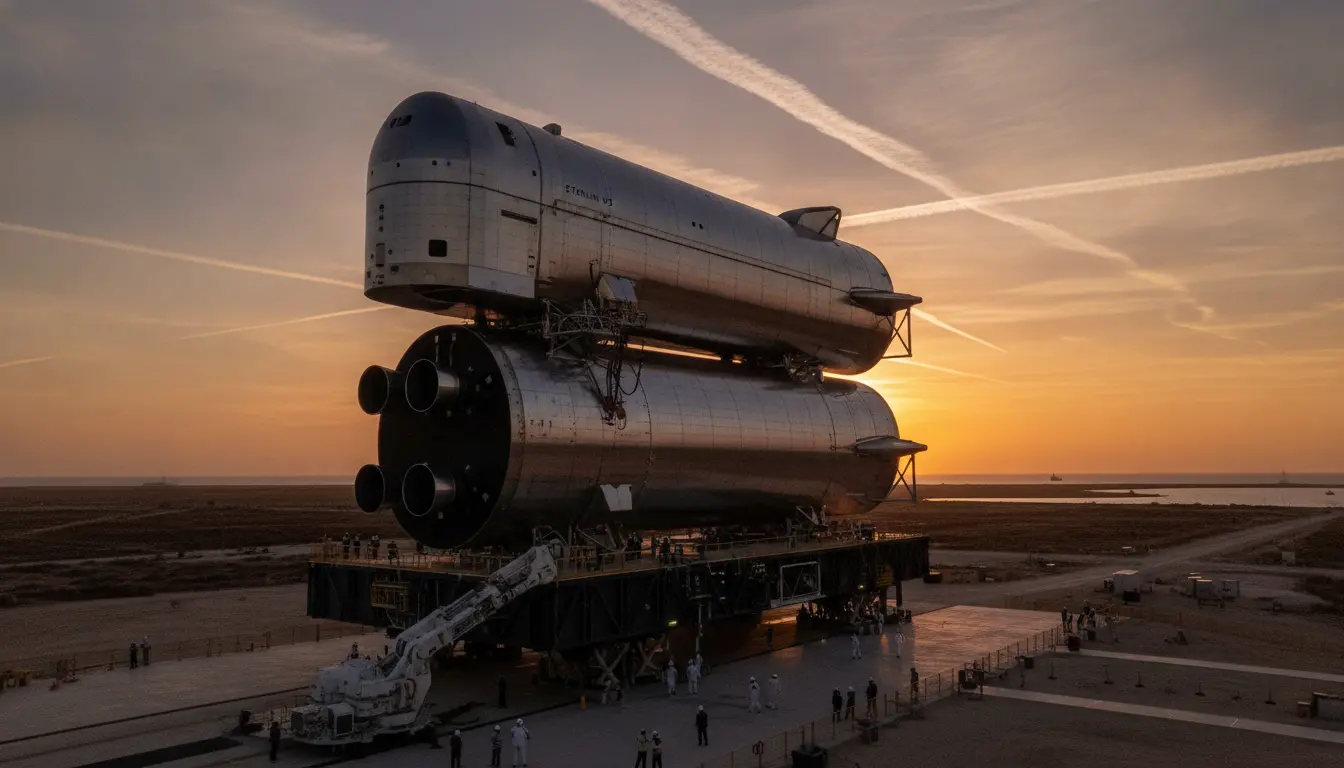
SpaceX Prepares for Crucial Starship Flight 13, Targeting Starlink V3 Deployment and Booster Recovery
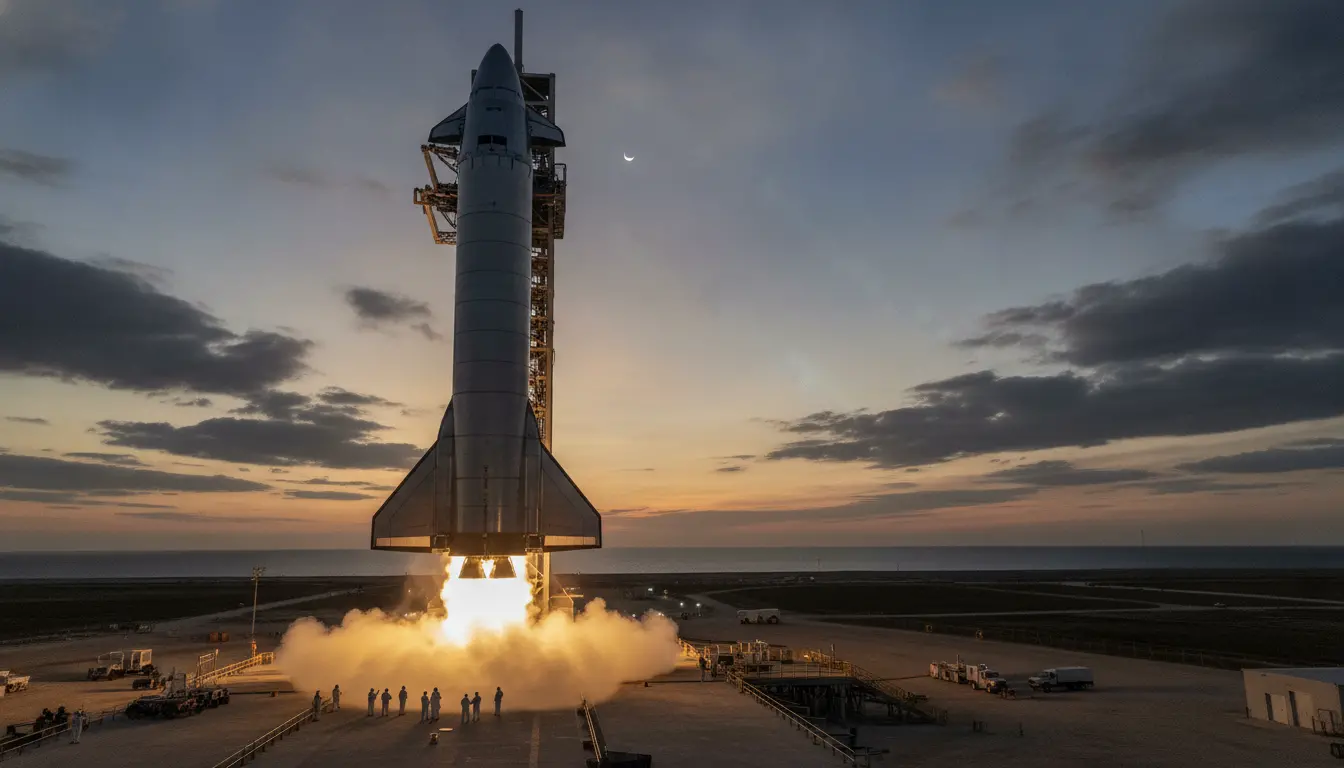
SpaceX Prepares Starship for Critical Orbital Flight Test to Advance Reusability Goals
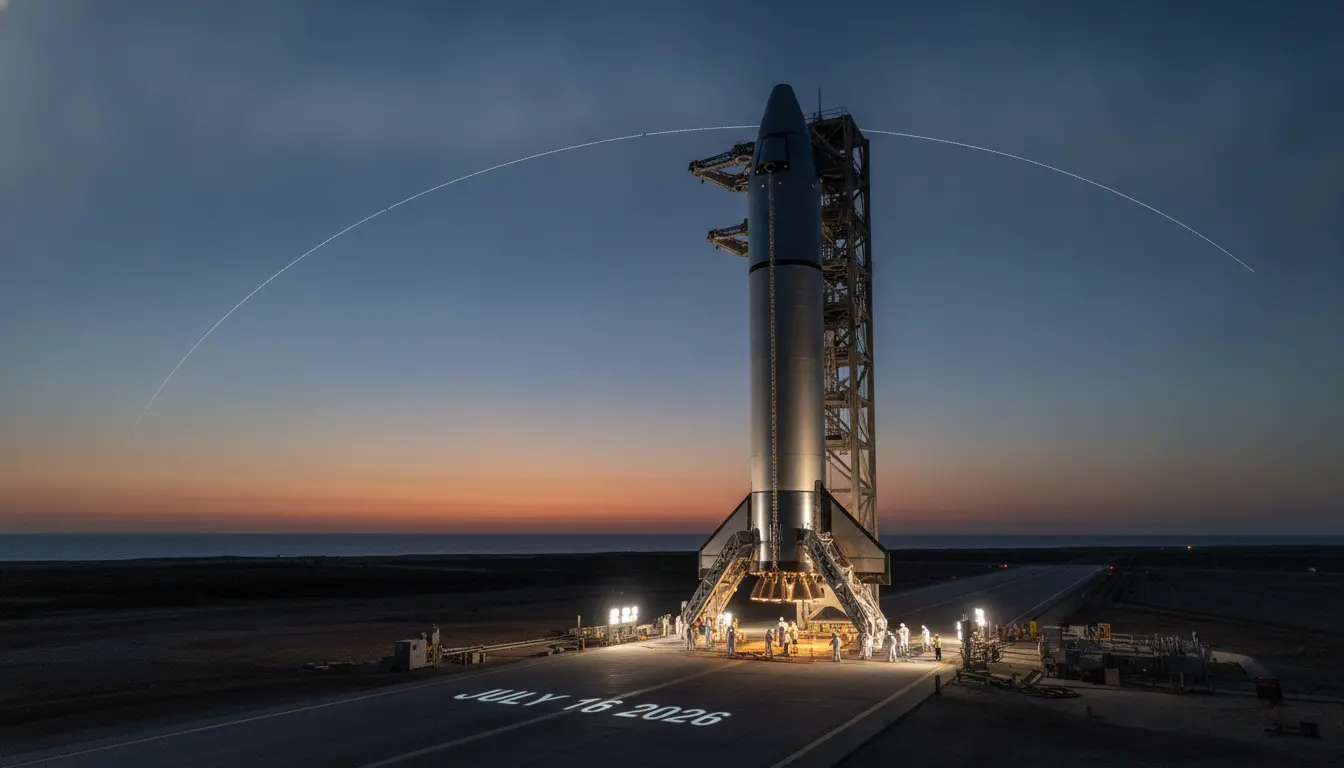
SpaceX Readies Starship for Thirteenth Orbital Test Flight, Eyes Critical Re-entry and Satellite Deployment Milestones
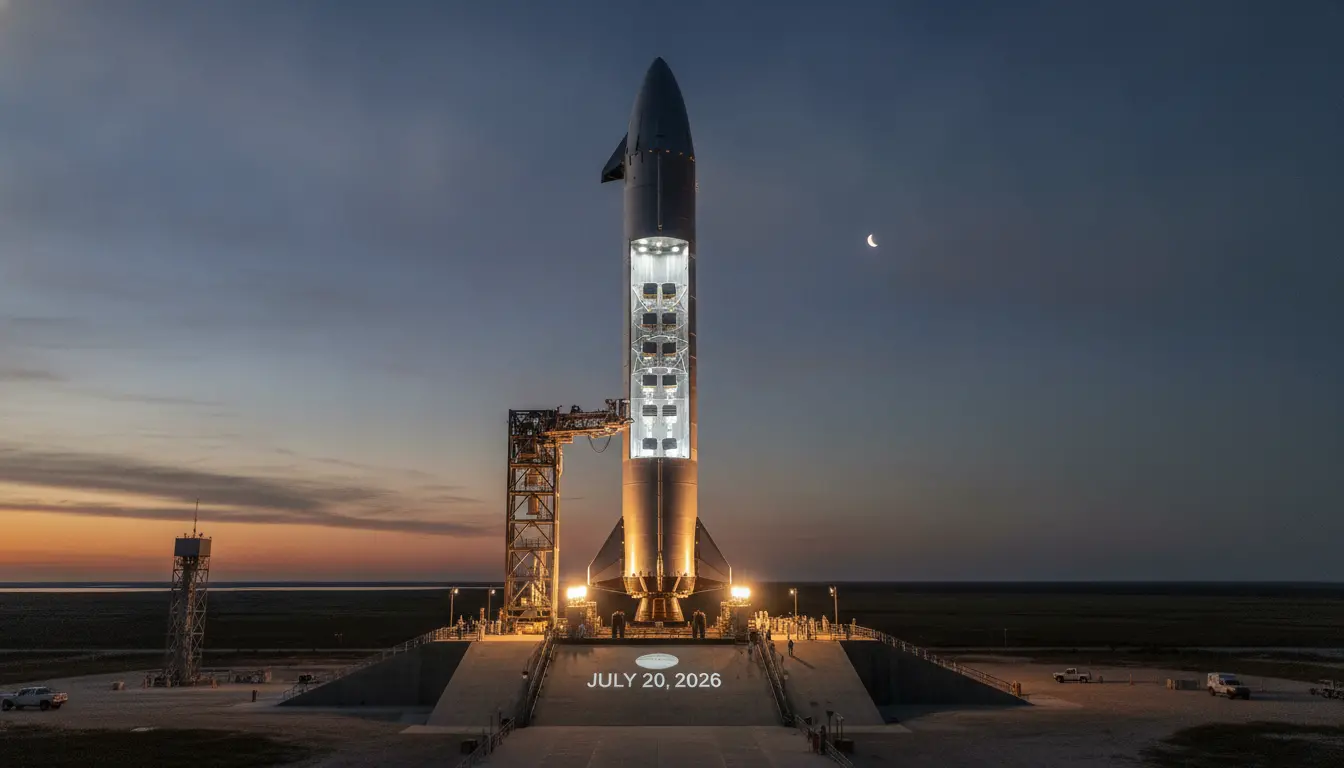
SpaceX Prepares Starship for First Satellite Deployment Attempt During 13th Flight Test in Mid-2026

SpaceX Accelerates Starship Development Toward Fully Successful Orbital Flight with Intact Landing by 2026

SpaceX Schedules Crucial Starship Flight to Deploy First Starlink V3 Satellites