

- News
- Science
- SpaceX Accelerates Starship Development Toward Fully Successful Orbital Flight with Intact Landing by 2026
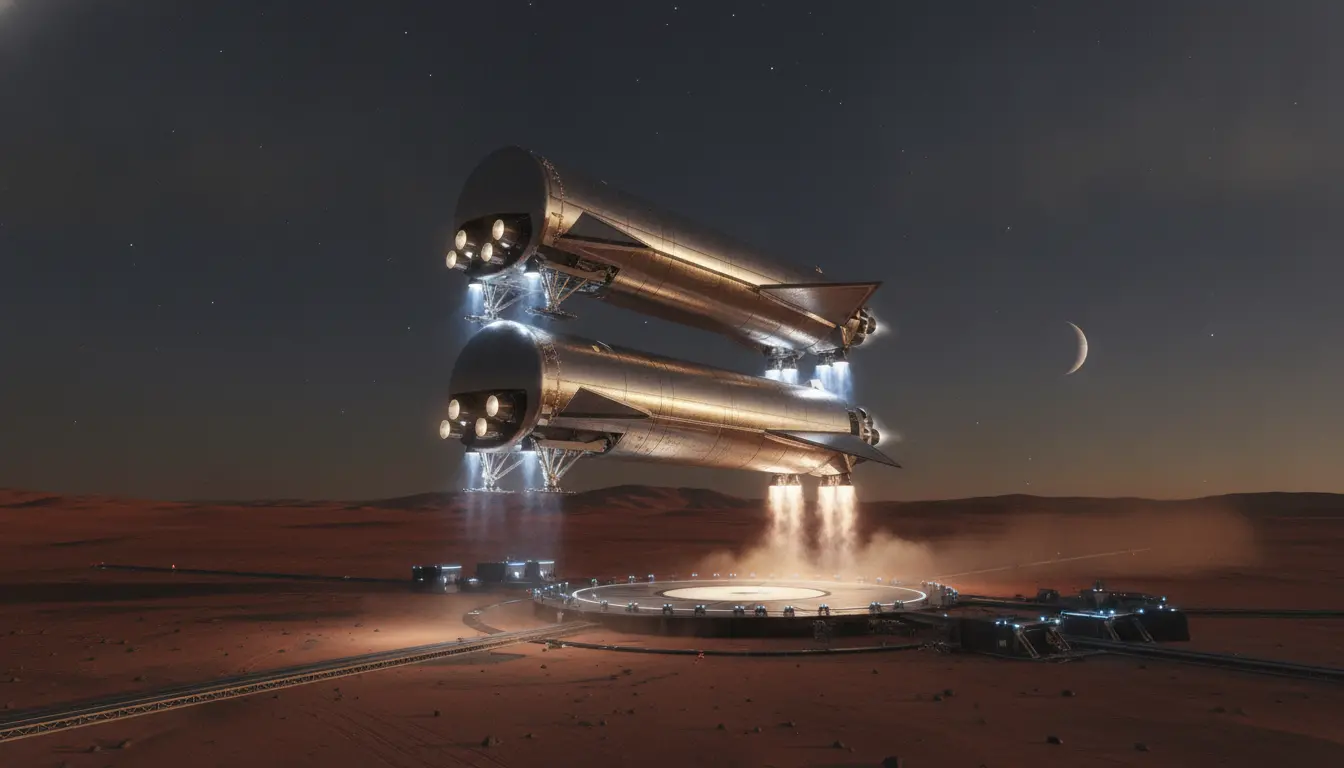
SpaceX Accelerates Starship Development Toward Fully Successful Orbital Flight with Intact Landing by 2026
SpaceX is intensifying its ambitious Starship development program, aiming to achieve a fully successful uncrewed orbital flight demonstration that includes complete stack integrity and planned landings for both the Super Heavy booster and the Starship spacecraft by the end of 2026. This aggressive timeline underscores the company’s commitment to its long-term vision of making humanity multi-planetary, a goal heavily reliant on Starship’s unprecedented capabilities for mass transport to the Moon, Mars, and beyond. The program represents a paradigm shift in space travel, promising full reusability and significantly lower costs, but also entails considerable engineering and operational challenges.
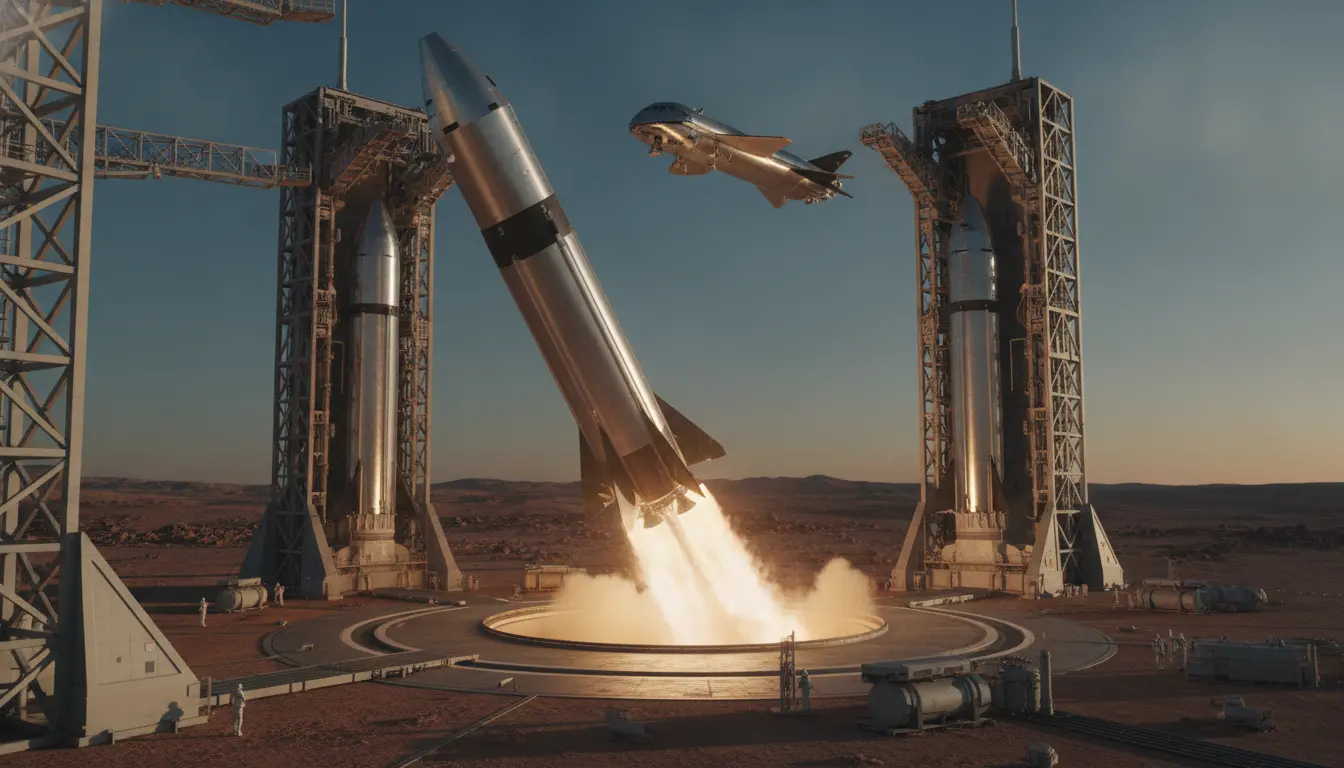
Starship is designed to be the most powerful launch vehicle ever built, consisting of the Starship spacecraft itself and the Super Heavy first-stage booster. Together, the fully reusable system stands nearly 400 feet tall and is intended to transport over 100 metric tons to low-Earth orbit. Its ultimate purpose is to serve as the primary transport system for human missions to Mars, as well as for deploying large constellations of satellites and establishing lunar bases. The unique design, featuring stainless steel construction and a complex array of Raptor engines, aims for rapid reusability – potentially allowing multiple launches per day – a capability critical for long-duration space exploration and large-scale space infrastructure development.
The path to this ambitious goal has been marked by a series of high-profile test flights from SpaceX’s Starbase facility in Boca Chica, Texas. Each flight, while often concluding with unplanned rapid disassembly or partial mission success, has provided invaluable data for engineers to rapidly iterate on the design and operational procedures. Early integrated flight tests demonstrated crucial milestones such as liftoff, ascent, and the complex hot-staging maneuver where the Starship’s engines ignite before separating from the Super Heavy booster. Subsequent tests have progressively refined re-entry profiles, thermal protection system performance, and the controlled descent and landing attempts for both stages, highlighting the rapid learning cycle central to SpaceX’s development philosophy.
Achieving the stated objective of a fully successful uncrewed orbital flight with complete integrity and planned landings requires overcoming several formidable technical hurdles. For the Super Heavy booster, the primary challenge lies in executing a precise boost-back burn and a controlled vertical landing back at the launch site, akin to the Falcon 9’s successful methodology but on a much larger scale. The Starship spacecraft, meanwhile, must withstand the intense heat of atmospheric re-entry, perform a complex “belly flop” maneuver to slow down, and then reignite its engines for a controlled vertical landing. The integrated performance of all 33 Raptor engines on Super Heavy and the six on Starship, along with the sophisticated flight control software, is paramount for mission success.
Regulatory oversight also plays a significant role in the pace of Starship development. Each test flight requires approval from the Federal Aviation Administration (FAA), which conducts extensive environmental reviews and safety assessments following any incident. This process, while ensuring public safety and environmental protection, can introduce delays between flight attempts. SpaceX continues to work closely with regulatory bodies to streamline these processes while maintaining rigorous safety standards, a balance crucial for the program’s momentum.
The implications of Starship achieving its full operational capability by 2026 are profound. For NASA, Starship has been selected as the Human Landing System (HLS) for the Artemis III mission, intended to return humans to the lunar surface. A fully successful orbital flight demonstration is a critical precursor to crewed missions, validating the vehicle’s reliability and safety. Beyond the Moon, Starship's success is seen as an indispensable step towards establishing a permanent human presence on Mars, a long-held dream for many in the space community and a central tenet of SpaceX founder Elon Musk's vision. The coming years will be pivotal in determining whether SpaceX can fully realize the transformative potential of its mega-rocket.
Success in this timeframe would not only solidify SpaceX’s leadership in the private space sector but also accelerate the broader commercialization of space, opening new avenues for scientific research, resource utilization, and space tourism. Conversely, significant delays could impact NASA’s lunar timeline and the perception of large-scale, private-sector driven space initiatives. The engineering challenges are immense, yet SpaceX's track record of pushing boundaries suggests that the next two years will be a defining period for the future of space exploration.
Stay Informed. Act Smarter.
Get weekly highlights, major headlines, and expert insights — then put your knowledge to work in our live prediction markets.
Related News
SpaceX Targets August 2026 for Critical Starship Orbital Test, Eyeing First Starlink Satellite Deployment

SpaceX Accelerates Development of Starship Orbital Propellant Transfer for Lunar and Martian Ambitions
SpaceX Starship Flight Test 13 Aims for Simultaneous Booster and Ship Controlled Landings
SpaceX Prepares Starship for First Satellite Deployment Attempt During 13th Flight Test in Mid-2026
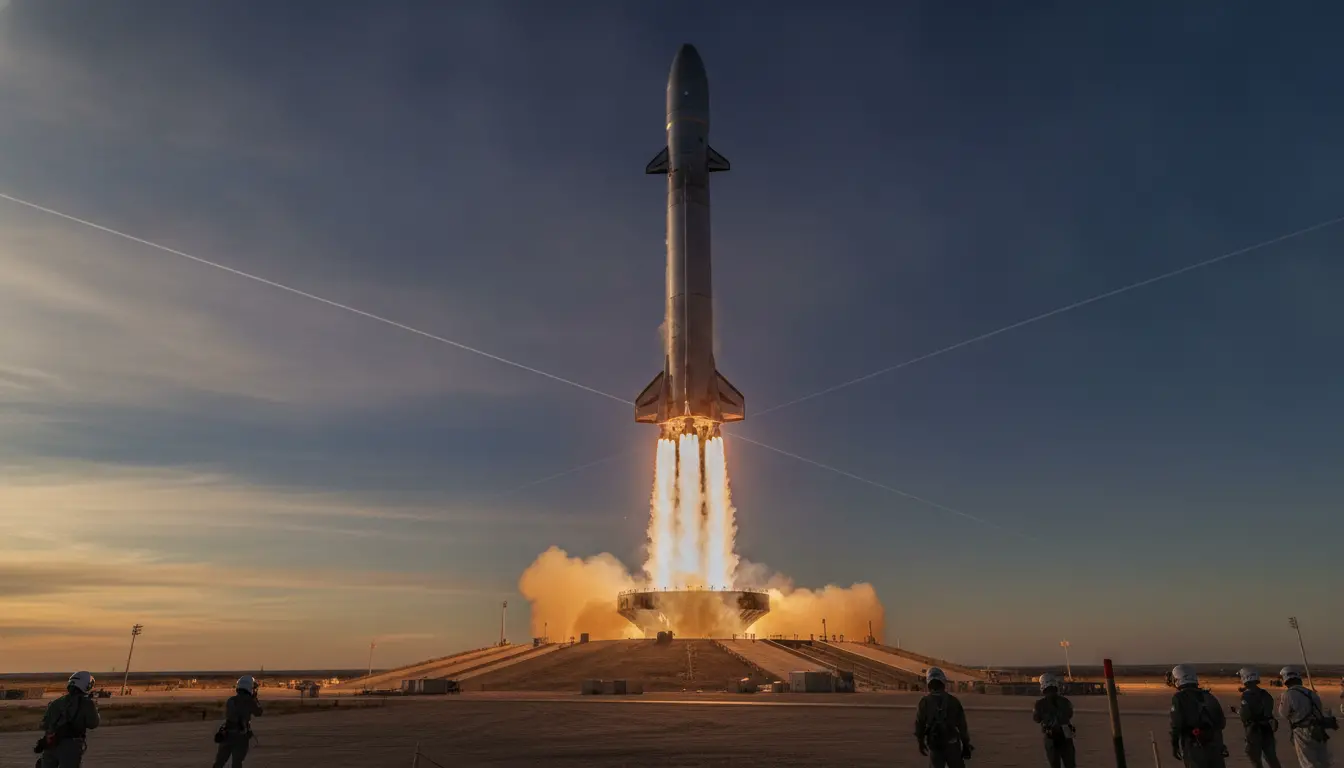
SpaceX's Starship Orbital Flight 14 Targets Key Milestones: Orbital Velocity and Full Stack Reusability
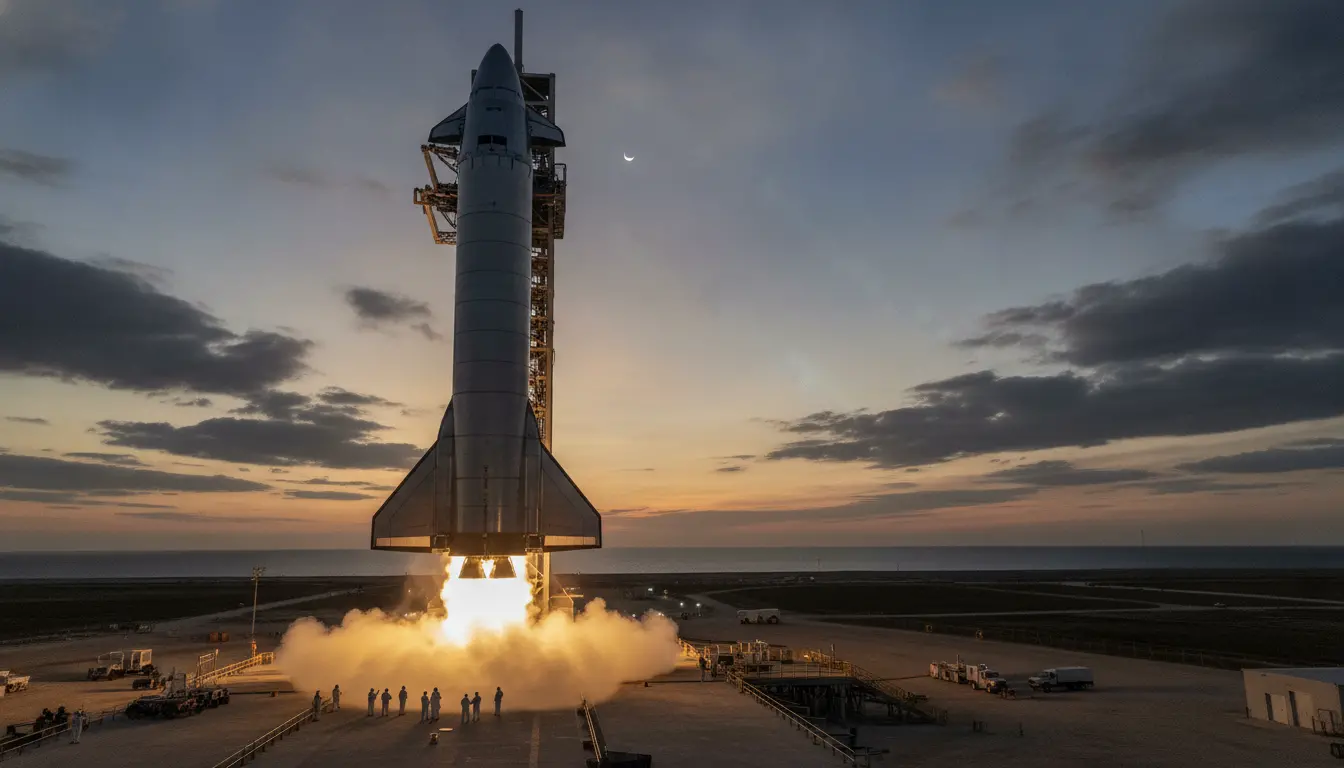
SpaceX Prepares Starship for Critical Orbital Flight Test to Advance Reusability Goals
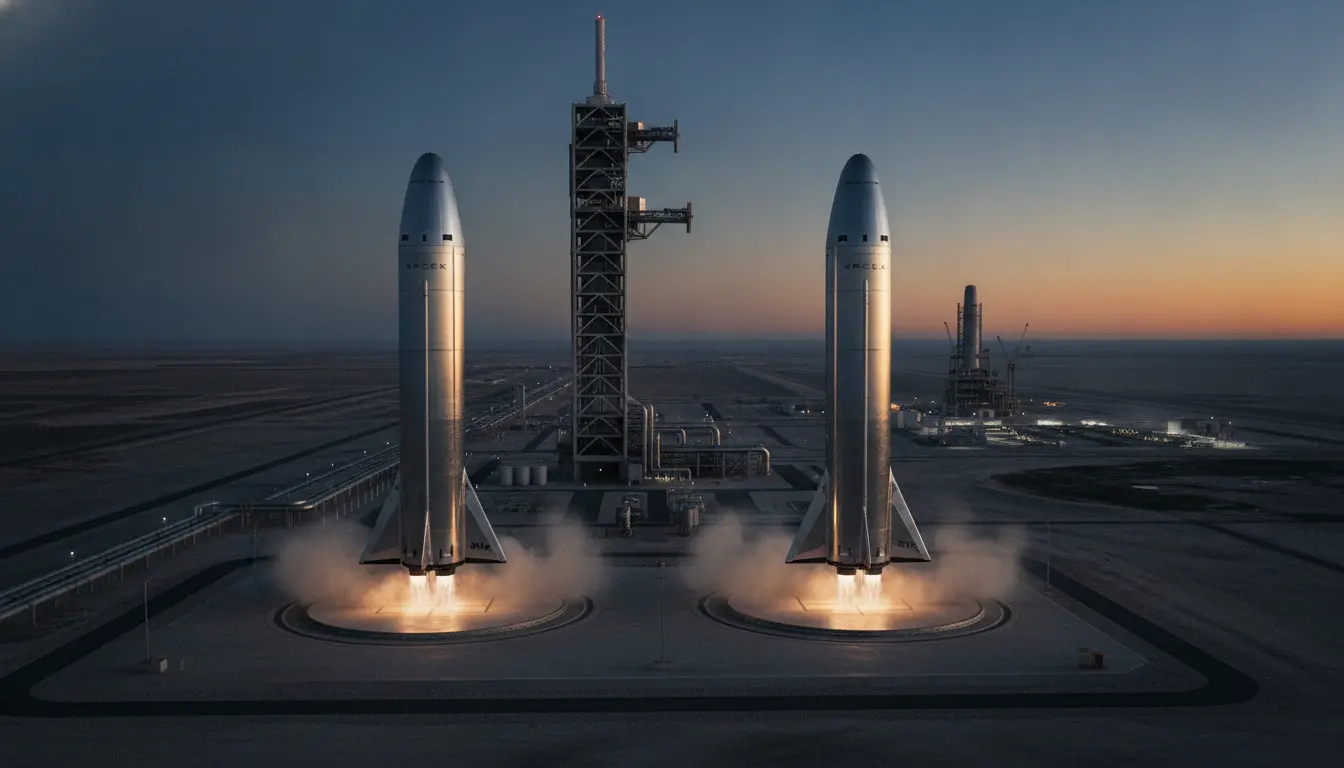
SpaceX Eyes Comprehensive Starship Orbital Test Flight and Dual Landing in Late 2026
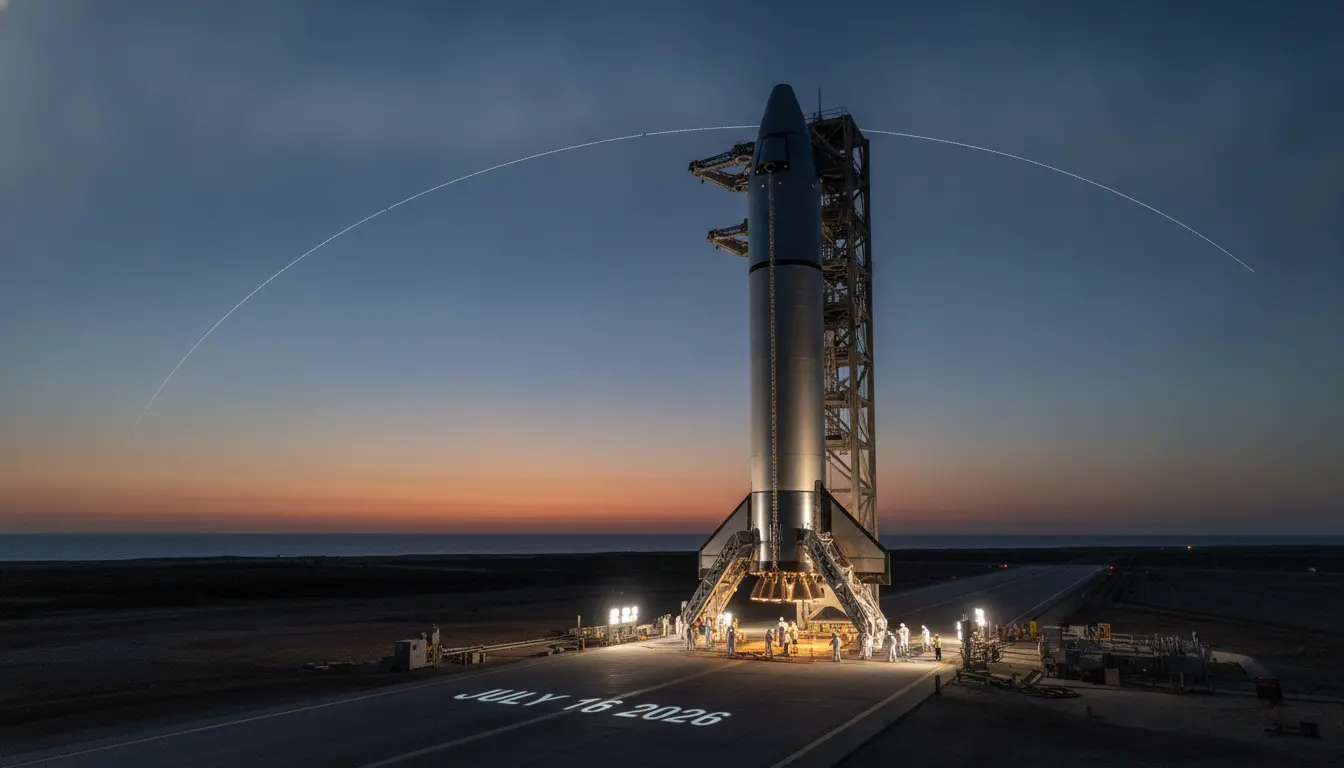
SpaceX Readies Starship for Thirteenth Orbital Test Flight, Eyes Critical Re-entry and Satellite Deployment Milestones
SpaceX Accelerates Drive for Super Heavy Booster Reusability in Starship Development
SpaceX Schedules Crucial Starship Flight to Deploy First Starlink V3 Satellites