

- News
- Science
- SpaceX Starship Flight Test 13 Aims for Simultaneous Booster and Ship Controlled Landings
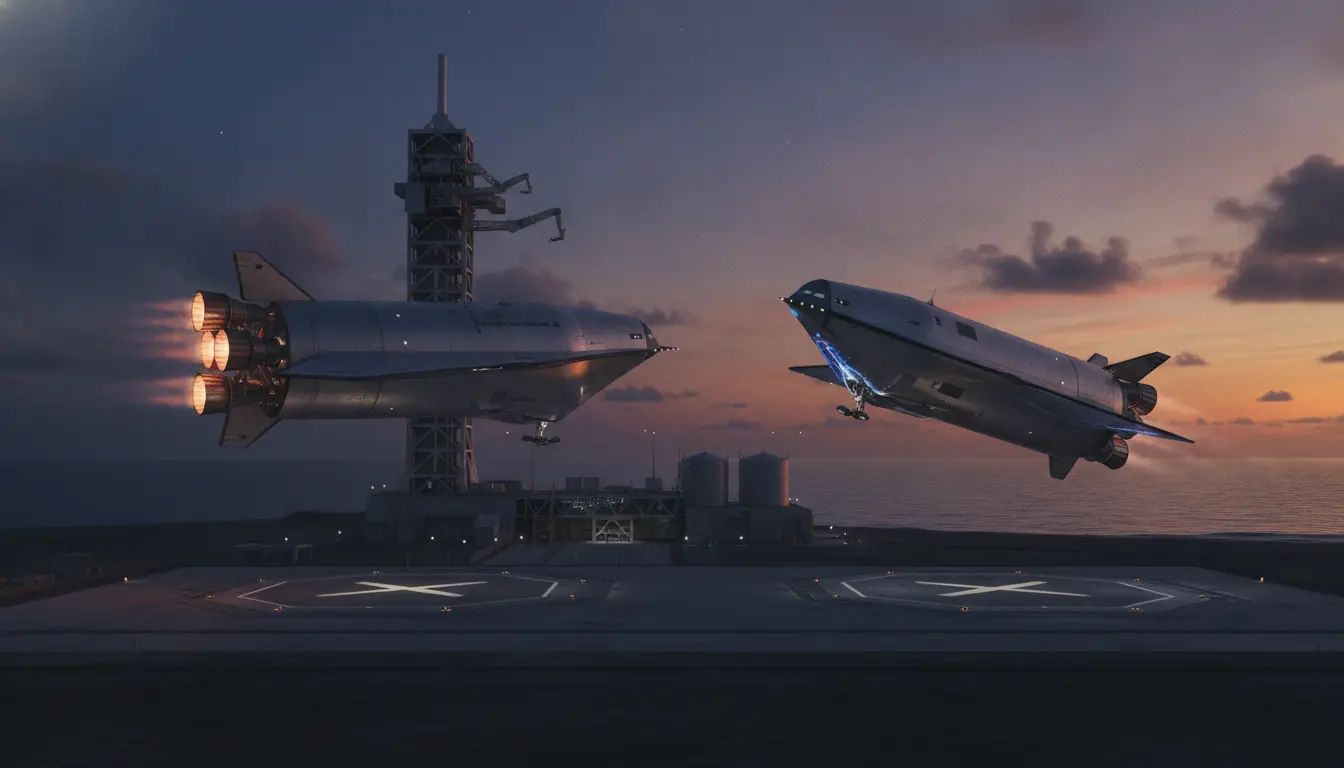
SpaceX Starship Flight Test 13 Aims for Simultaneous Booster and Ship Controlled Landings
SpaceX is poised for another monumental leap in its ambitious Starship development program with Flight Test 13, an integrated flight test (IFT) that carries the critical objective of achieving controlled landing burns for both its Super Heavy booster and the Starship spacecraft. This latest iteration of the colossal rocket system represents a pivotal moment in the company's relentless pursuit of full reusability, a cornerstone for its long-term goals of colonizing Mars and facilitating deep-space travel.
At the heart of SpaceX’s vision is the Starship system, a fully reusable, two-stage-to-orbit launch vehicle designed to transport both cargo and humans to the Moon, Mars, and beyond. Standing nearly 400 feet tall when stacked, Starship is the most powerful rocket ever built, intended to dramatically reduce the cost of space travel by making all its components as reusable as commercial aircraft. The Super Heavy booster, powered by 33 Raptor engines, provides the initial thrust, while the Starship upper stage, with six Raptor engines, is designed for orbital flight, re-entry, and landing on celestial bodies. Success in controlled landings is not merely a technical achievement; it is fundamental to the economic model underpinning SpaceX's entire space exploration strategy.
Previous integrated flight tests have seen incremental progress, each providing invaluable data despite not achieving all objectives. IFT-1 and IFT-2 demonstrated successful lift-off and a critical hot-stage separation maneuver, but both ended with the loss of the vehicle before controlled landings could be fully executed. The challenges are immense: the Super Heavy booster must perform a precise boostback burn, followed by a landing burn to return to its launch mount at Starbase, Boca Chica, Texas. Simultaneously, the Starship upper stage, after reaching near-orbital velocity, must execute a complex atmospheric re-entry, known as the “belly flop” maneuver, before flipping vertically just above the ground for its own landing burn. Mastering these intricate, high-energy maneuvers simultaneously is a testament to the engineering hurdles SpaceX is tackling.
For Flight Test 13, the specific emphasis on controlled landing burns signals a maturation in the development process. For the Super Heavy, the goal is to demonstrate a powered soft landing in the Gulf of Mexico, simulating a return to the launch site. This involves precise engine firings to decelerate and guide the booster to a designated splashdown zone. The Starship spacecraft, meanwhile, is expected to perform its signature re-entry, orienting itself horizontally to use its massive surface area for aerodynamic braking, then executing a propulsive flip maneuver in the final moments to ignite its engines and gently touch down. The data gleaned from these attempts will be crucial for refining the flight software, engine performance, and structural integrity under extreme conditions, bringing SpaceX closer to a propulsive landing on a solid surface.
Achieving these controlled landings would unlock immense possibilities for SpaceX and its partners. A fully reusable Starship system would drastically lower the cost per launch, making sustained lunar and Martian missions economically viable. It is also central to NASA's Artemis program, for which Starship has been selected as the Human Landing System (HLS) to return astronauts to the Moon. A successful flight test validating these landing capabilities would significantly de-risk future HLS missions and accelerate the timeline for human exploration beyond Earth orbit. Conversely, significant failures in these specific objectives would necessitate further design iterations and delays, impacting not only SpaceX's internal goals but also its commitments to national space agencies.
The global space industry watches Starship's progress with keen interest. While other heavy-lift rockets exist, none offer the fully reusable, rapid cadence, and sheer payload capacity envisioned for Starship. Competitors like Blue Origin’s New Glenn and NASA’s Space Launch System (SLS) employ different strategies for reusability and mission profiles, but Starship's iterative development, characterized by rapid prototyping and frequent testing, sets it apart. The transparent nature of these tests, often live-streamed, provides an unprecedented look into the challenges and triumphs of cutting-edge aerospace engineering.
Ultimately, Flight Test 13 is more than just another rocket launch; it is a vital step in realizing a future where humanity is a multi-planetary species. The successful execution of controlled landing burns for both stages would not only validate years of design and testing but also prove the fundamental viability of SpaceX's approach to routine and affordable access to space. As the world anticipates the next chapter in the Starship saga, the focus remains firmly on the intricate dance of engines and aerodynamics that will determine the immediate trajectory of deep-space exploration.
Stay Informed. Act Smarter.
Get weekly highlights, major headlines, and expert insights — then put your knowledge to work in our live prediction markets.
Related News
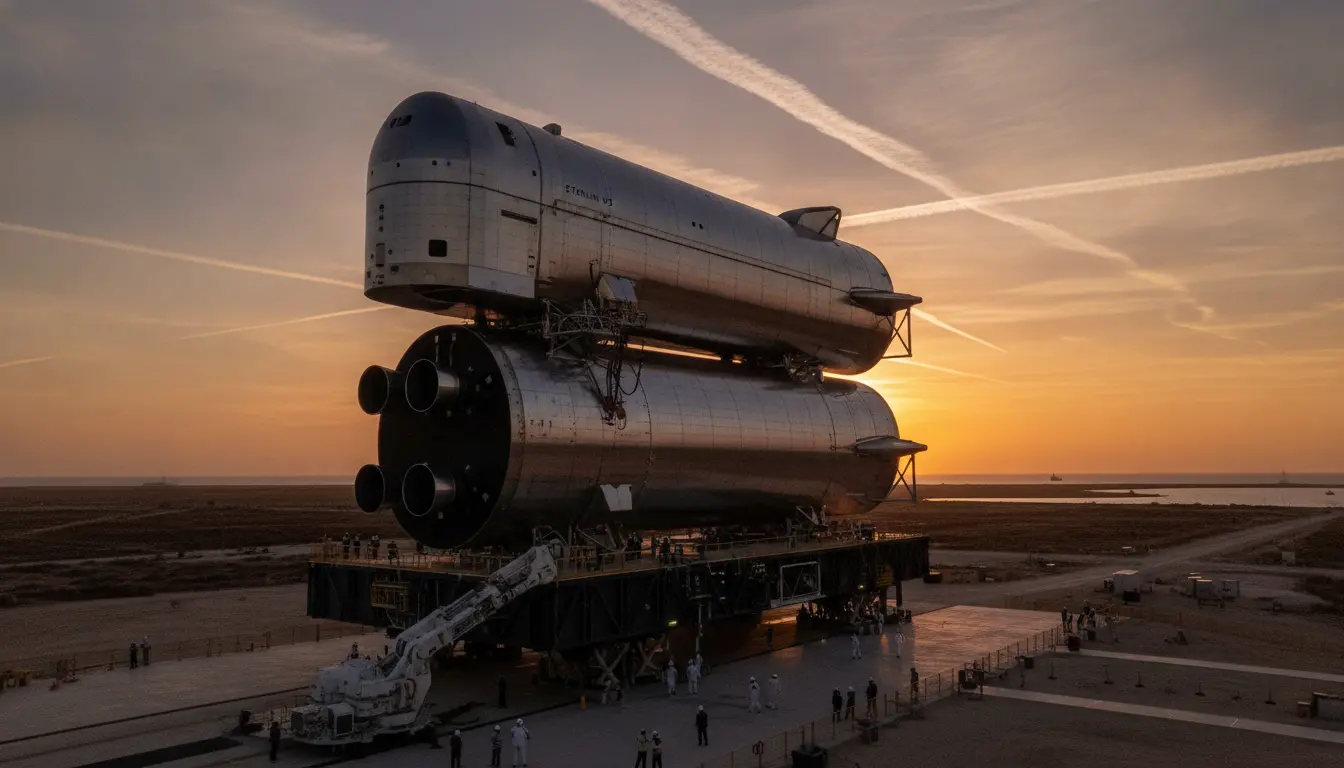
SpaceX Prepares for Crucial Starship Flight 13, Targeting Starlink V3 Deployment and Booster Recovery
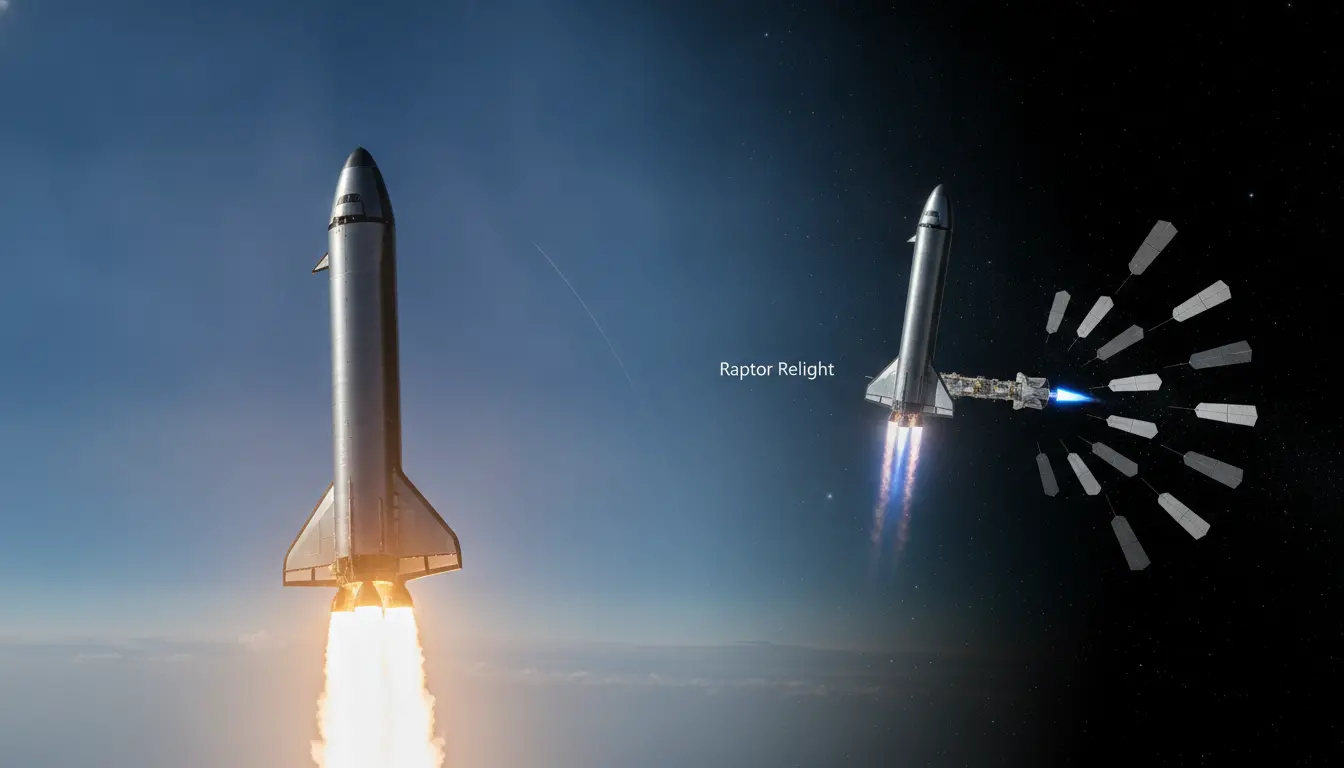
SpaceX Gears Up for Pivotal Starship Flight Targeting In-Orbit Raptor Relight and Starlink V3 Deployment
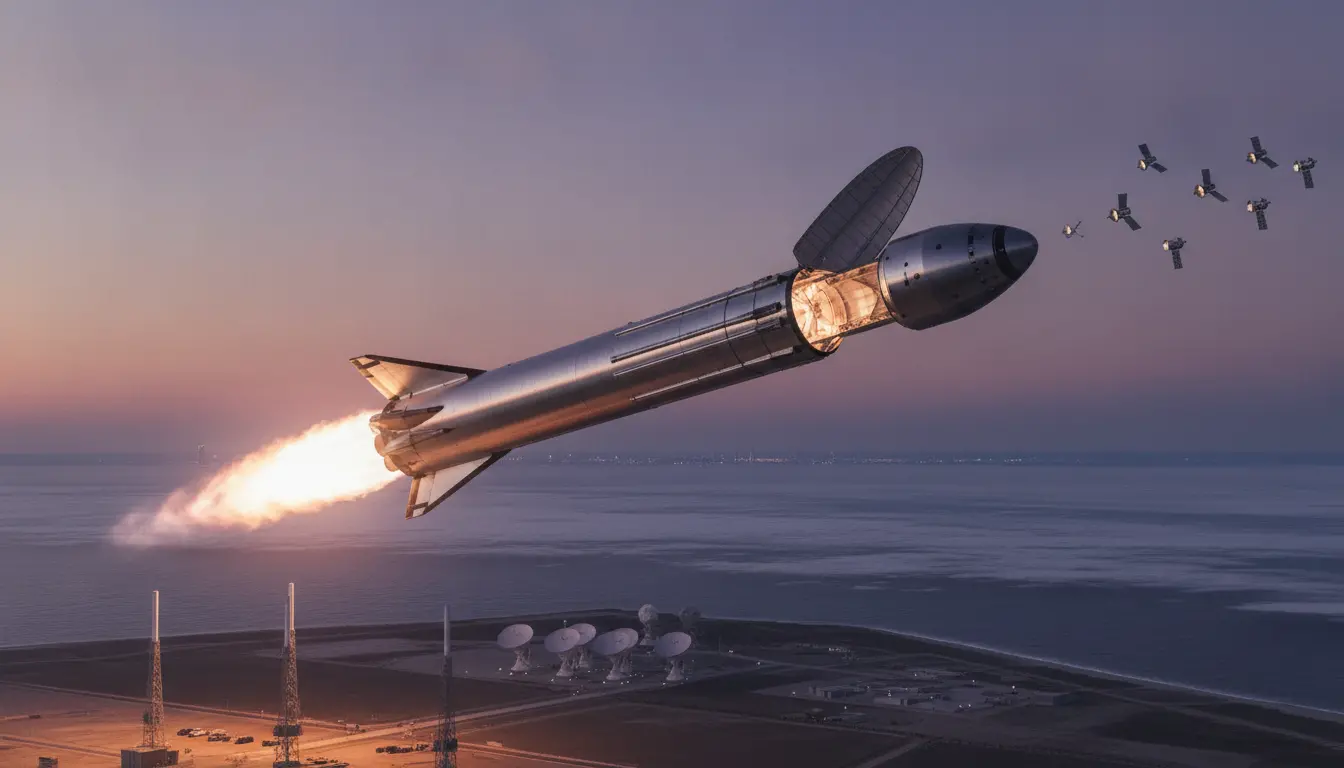
SpaceX Starship Aims for Milestone 14th Flight Test, Targeting Satellite Deployment and Controlled Landing
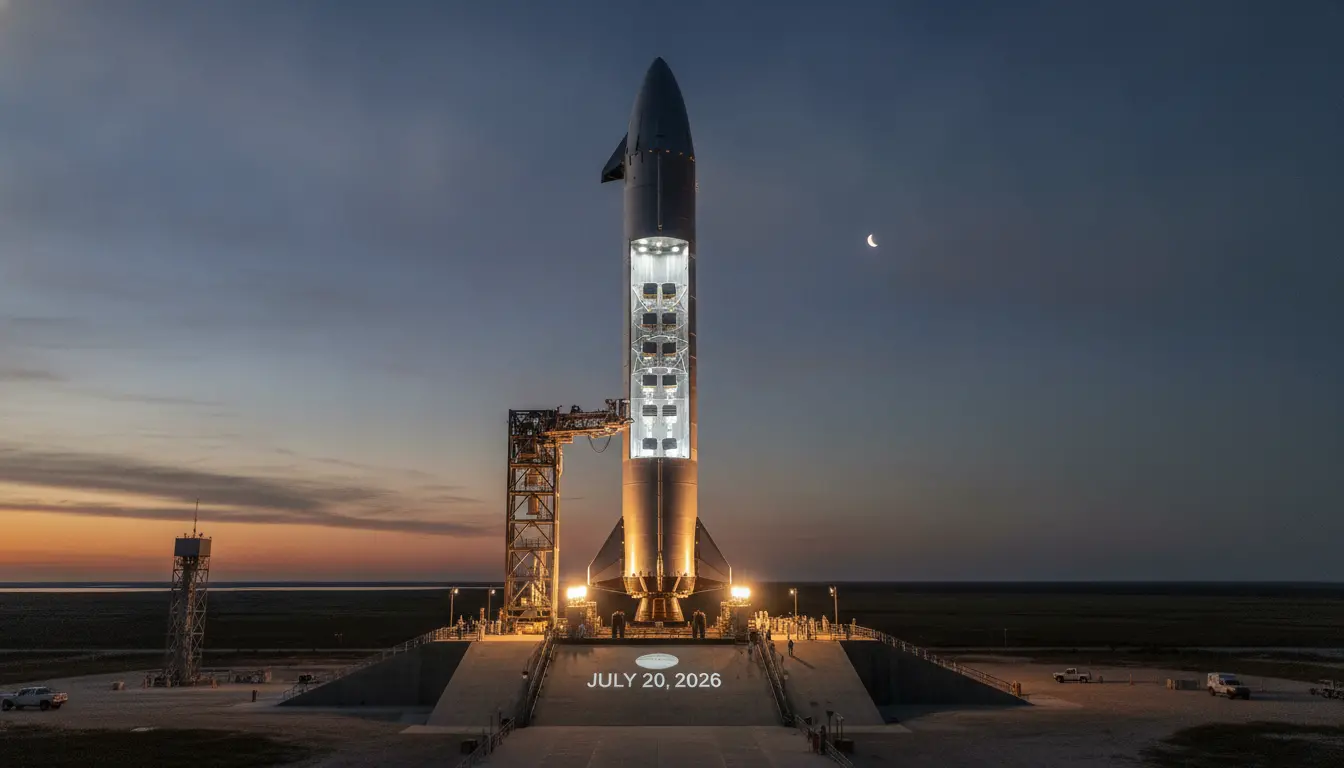
SpaceX Prepares Starship for First Satellite Deployment Attempt During 13th Flight Test in Mid-2026
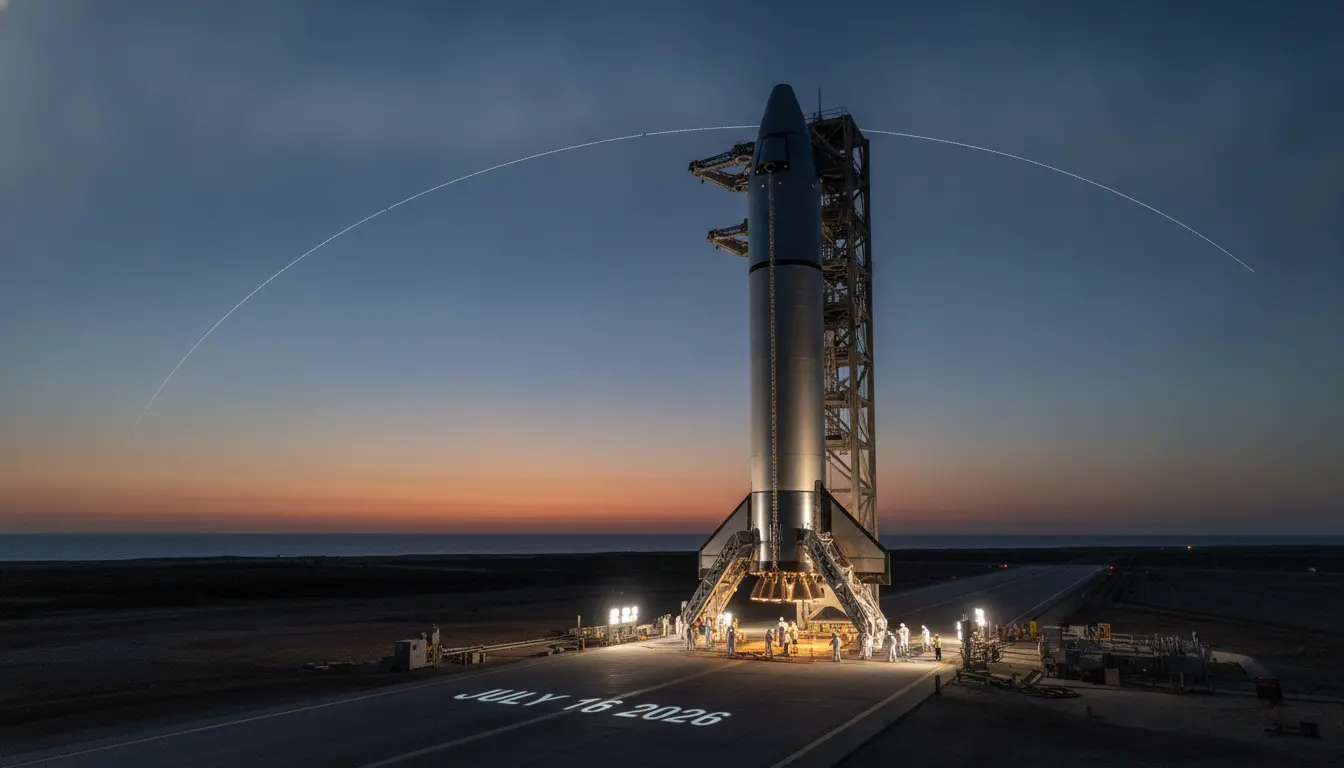
SpaceX Readies Starship for Thirteenth Orbital Test Flight, Eyes Critical Re-entry and Satellite Deployment Milestones
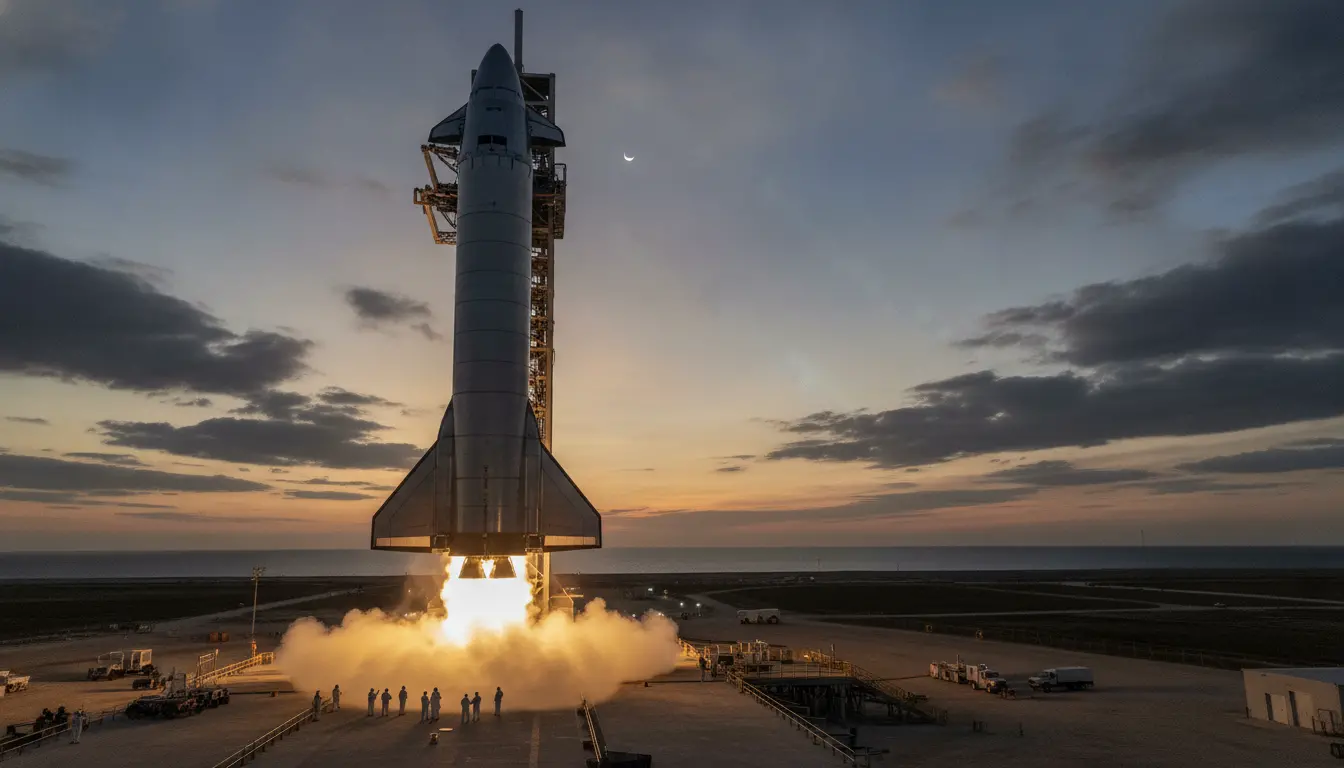
SpaceX Prepares Starship for Critical Orbital Flight Test to Advance Reusability Goals

SpaceX Accelerates Starship Development Toward Fully Successful Orbital Flight with Intact Landing by 2026

SpaceX Accelerates Drive for Super Heavy Booster Reusability in Starship Development

SpaceX Targets August 2026 for Critical Starship Orbital Test, Eyeing First Starlink Satellite Deployment
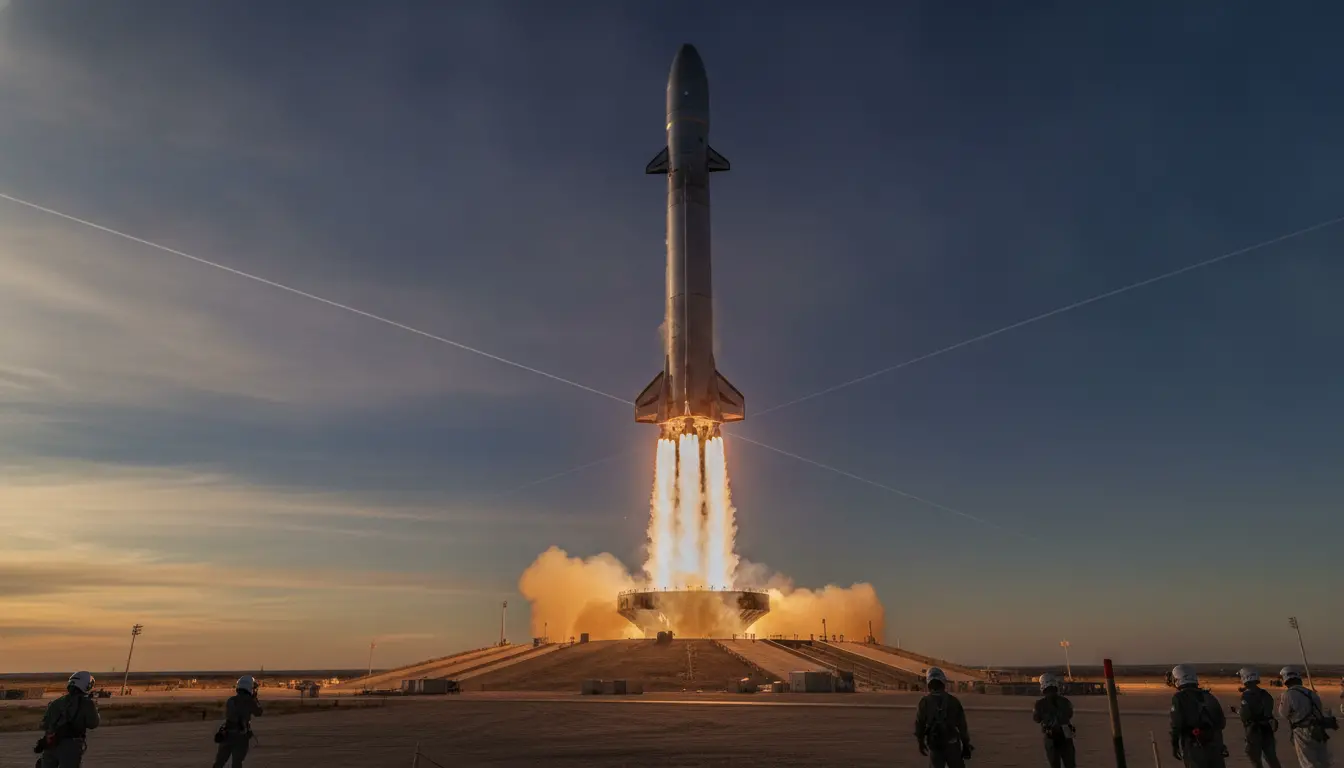
SpaceX's Starship Orbital Flight 14 Targets Key Milestones: Orbital Velocity and Full Stack Reusability