

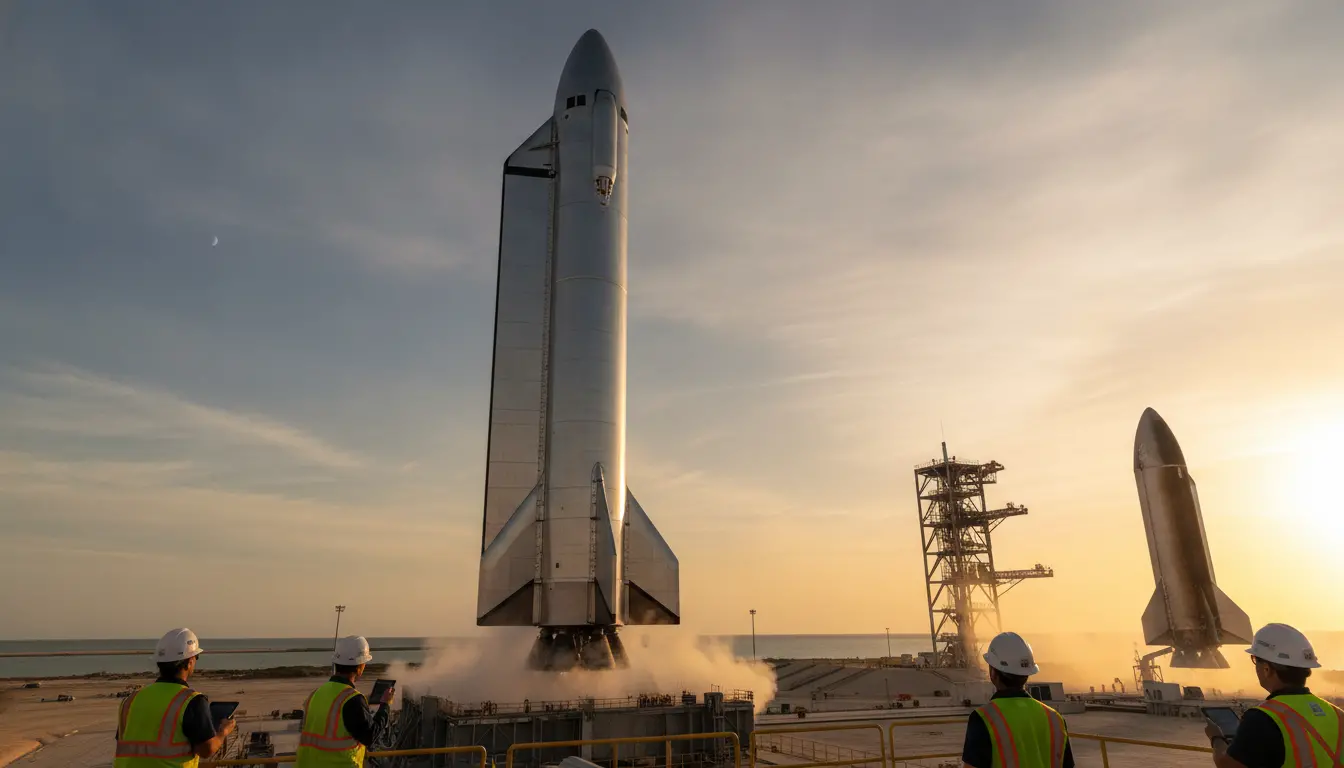
SpaceX Advances Starship Block 3 Design Amidst Rigorous Testing Campaigns
SpaceX is making significant strides in the development of its ambitious Starship program, with particular focus now shifting towards the advanced Block 3 (V3) iteration. This next generation of the colossal, fully reusable rocket system is envisioned to be a cornerstone of human expansion into space, designed to ferry cargo and crew to the Moon, Mars, and beyond. As the company refines its current prototypes through a demanding series of integrated flight tests, the lessons learned are directly informing the design and engineering of V3, which promises enhanced capabilities and reliability crucial for sustained space operations.
Starship represents a paradigm shift in space travel, aiming to dramatically reduce launch costs and increase flight frequency through complete reusability. The system, comprising the Starship spacecraft and its Super Heavy booster, is designed to be the most powerful rocket ever built, capable of carrying over 100 metric tons to low Earth orbit. SpaceX's development methodology is characterized by rapid iteration, building and testing multiple prototypes to quickly identify and resolve engineering challenges. This iterative process has seen numerous test flights of various Starship prototypes, some achieving significant milestones, while others have provided critical data through anomalies and hard landings, all contributing to the program's evolution.
The progression to Block 3 signifies a maturation of the Starship design, incorporating improvements based on extensive flight data and ground testing. While specific details of the V3 architecture remain proprietary, it is expected to feature upgrades in engine performance, structural integrity, payload capacity, and reusability mechanisms. The development cycle for such a complex vehicle is inherently challenging, often encountering setbacks. Recent testing, including the rigorous validation of engine systems, has faced issues such as engine ignition failures, a common but critical hurdle in the development of high-performance rocket engines. These events, though temporary pauses, are integral to the iterative engineering process, providing invaluable data for design refinement and reliability enhancements.
Starship's success is paramount not just for SpaceX's long-term vision of colonizing Mars, but also for several high-profile contracts, most notably NASA’s Artemis program. Starship has been selected as the Human Landing System (HLS) for NASA, tasked with returning astronauts to the lunar surface. The development of a robust and reliable V3 iteration is therefore critical to meeting these lunar deadlines and enabling future deep-space missions. Beyond NASA, Starship is also poised to become the primary deployment vehicle for SpaceX's Starlink constellation, further driving down the cost of internet access globally and demonstrating the economic viability of fully reusable super heavy-lift launch systems.
The pathway to consistent orbital flight for Starship V3, and its subsequent operational deployment, is an ambitious undertaking requiring continued innovation and meticulous engineering. SpaceX's publicly stated goals and aggressive development timelines indicate an intense push to achieve regular, reliable orbital missions in the coming years. While the ultimate readiness and orbital success of the V3 variant will depend on overcoming remaining technical hurdles, the progress made through continuous testing and iterative design underscores the company's commitment to ushering in a new era of space exploration and access. The stakes are immense, promising to reshape humanity's presence beyond Earth if successful.
Stay Informed. Act Smarter.
Get weekly highlights, major headlines, and expert insights — then put your knowledge to work in our live prediction markets.
Related News
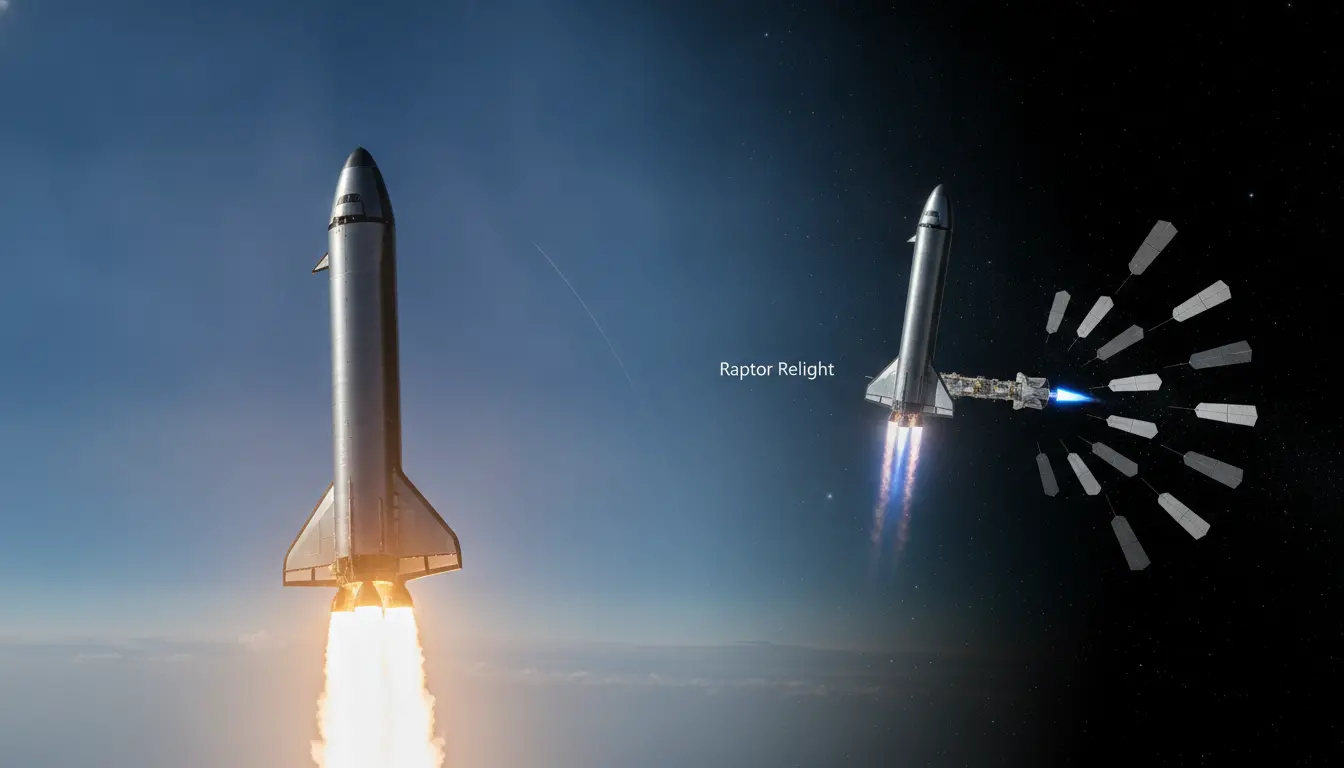
SpaceX Gears Up for Pivotal Starship Flight Targeting In-Orbit Raptor Relight and Starlink V3 Deployment
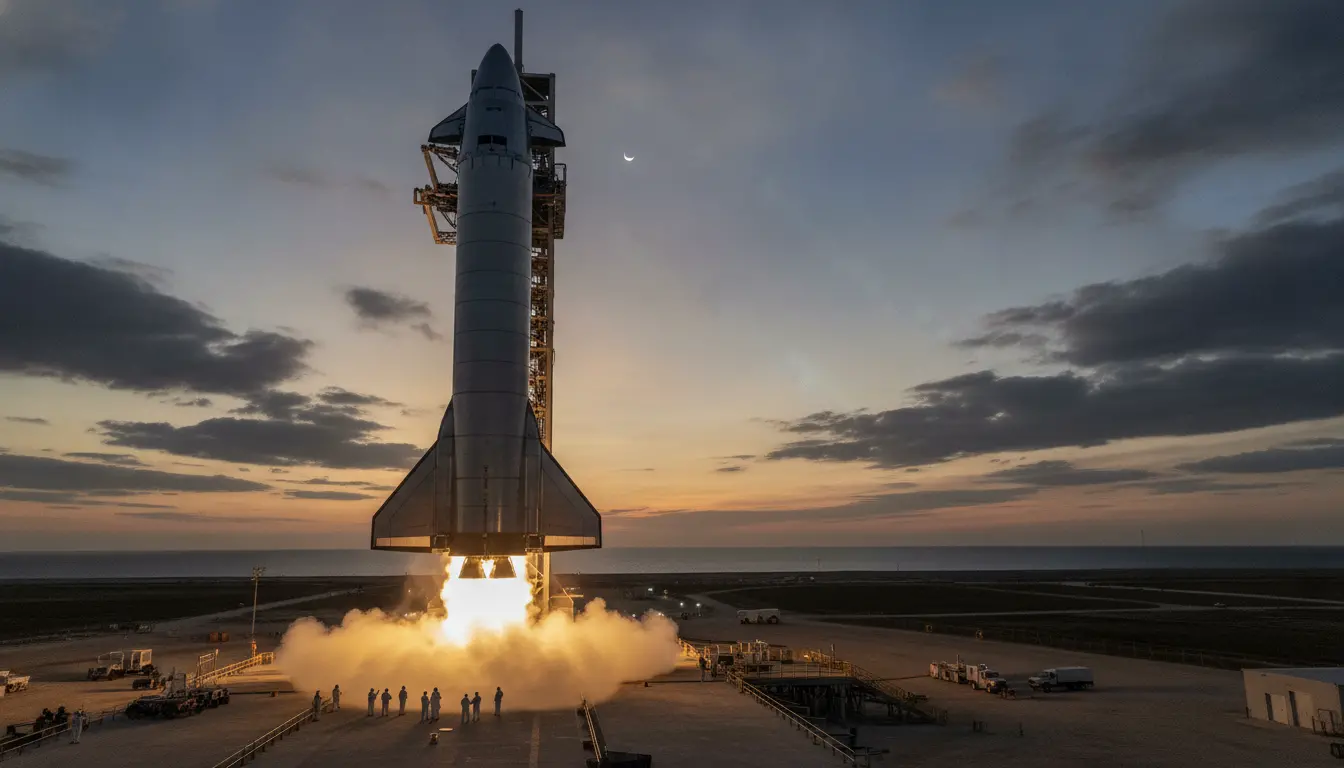
SpaceX Prepares Starship for Critical Orbital Flight Test to Advance Reusability Goals
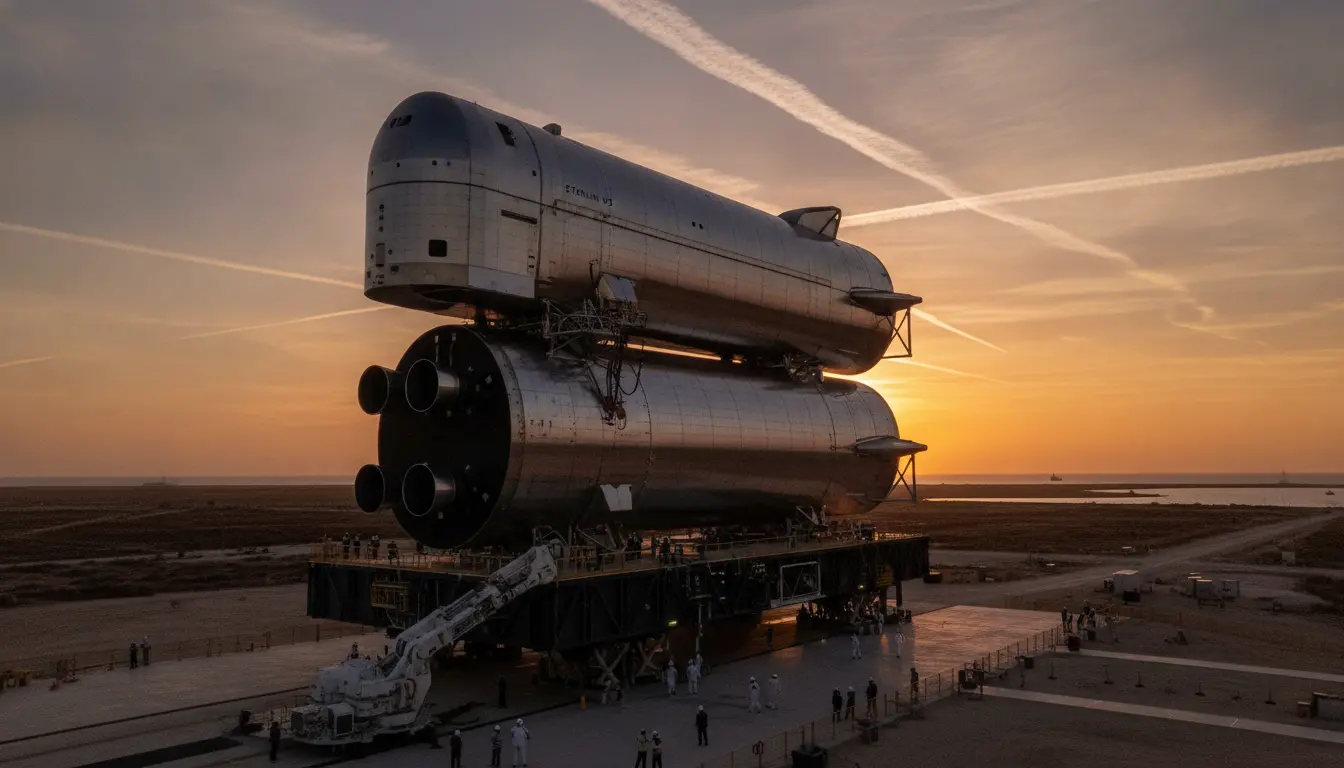
SpaceX Prepares for Crucial Starship Flight 13, Targeting Starlink V3 Deployment and Booster Recovery
SpaceX Schedules Crucial Starship Flight to Deploy First Starlink V3 Satellites
SpaceX Accelerates Starship Development Toward Fully Successful Orbital Flight with Intact Landing by 2026
SpaceX Prepares for Starship V3 Flight 14 Amid Ongoing FAA Regulatory Review
SpaceX Readies Starship for Thirteenth Orbital Test Flight, Eyes Critical Re-entry and Satellite Deployment Milestones
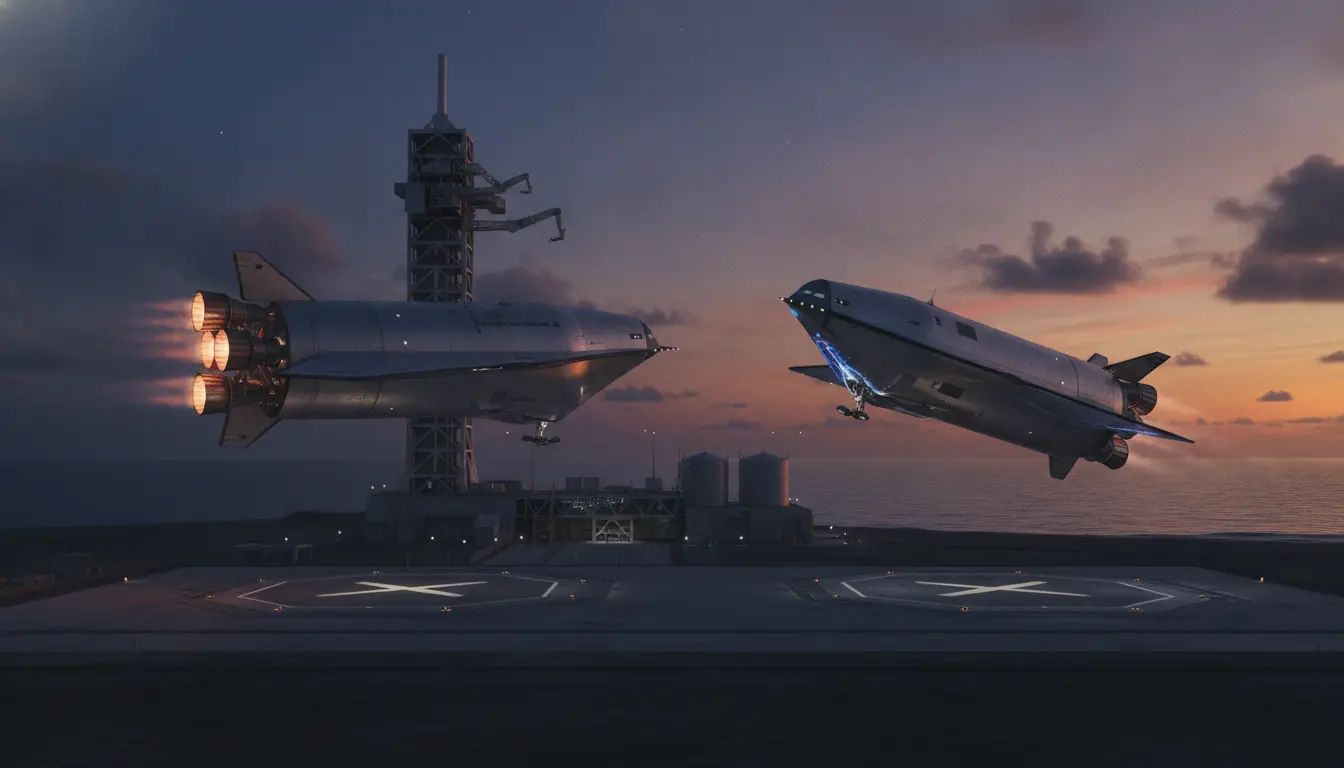
SpaceX Starship Flight Test 13 Aims for Simultaneous Booster and Ship Controlled Landings
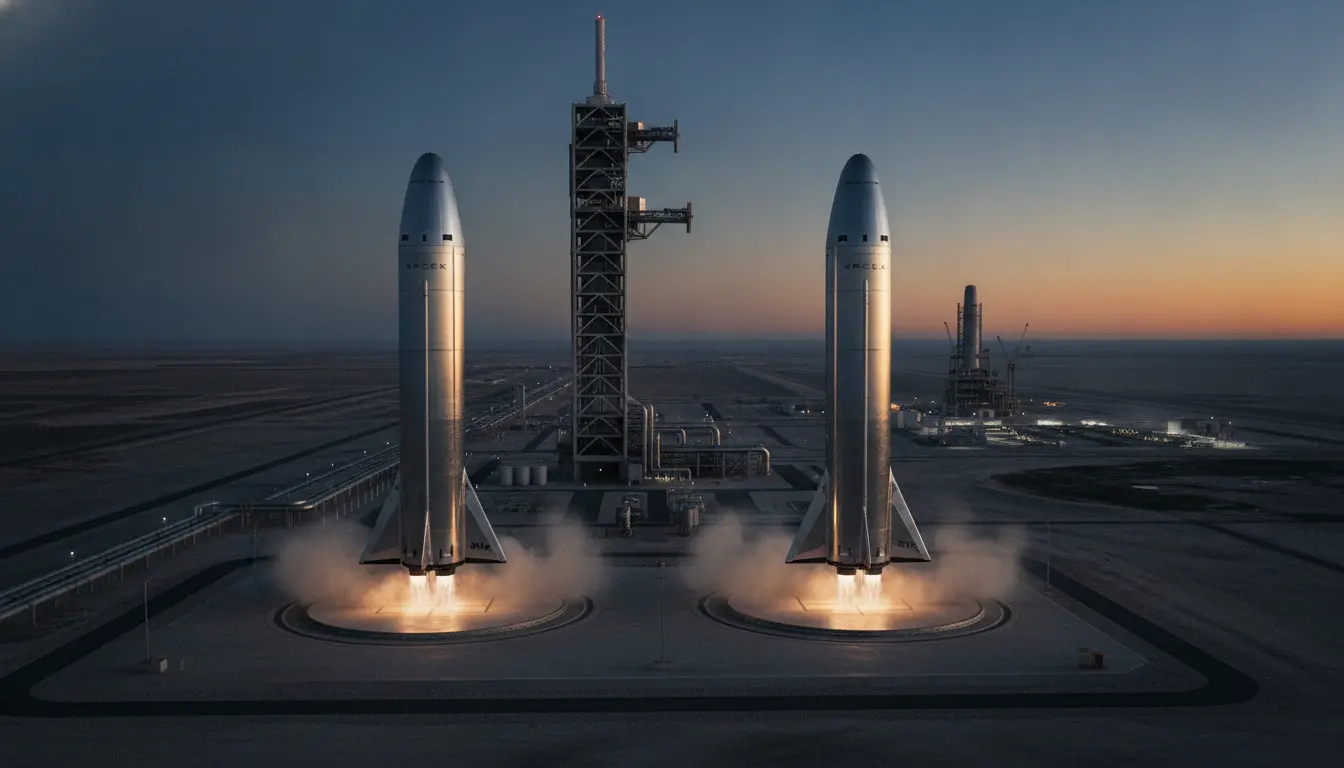
SpaceX Eyes Comprehensive Starship Orbital Test Flight and Dual Landing in Late 2026
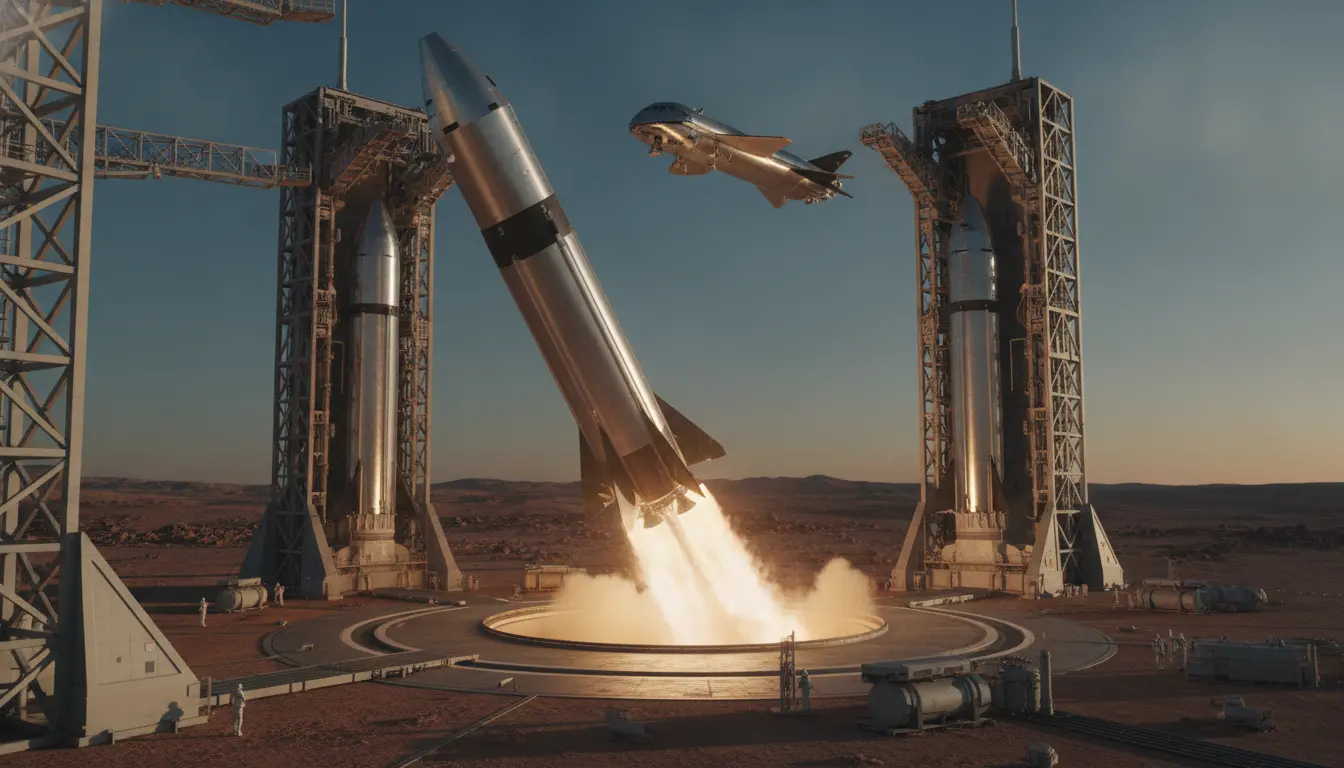
SpaceX Accelerates Drive for Super Heavy Booster Reusability in Starship Development