

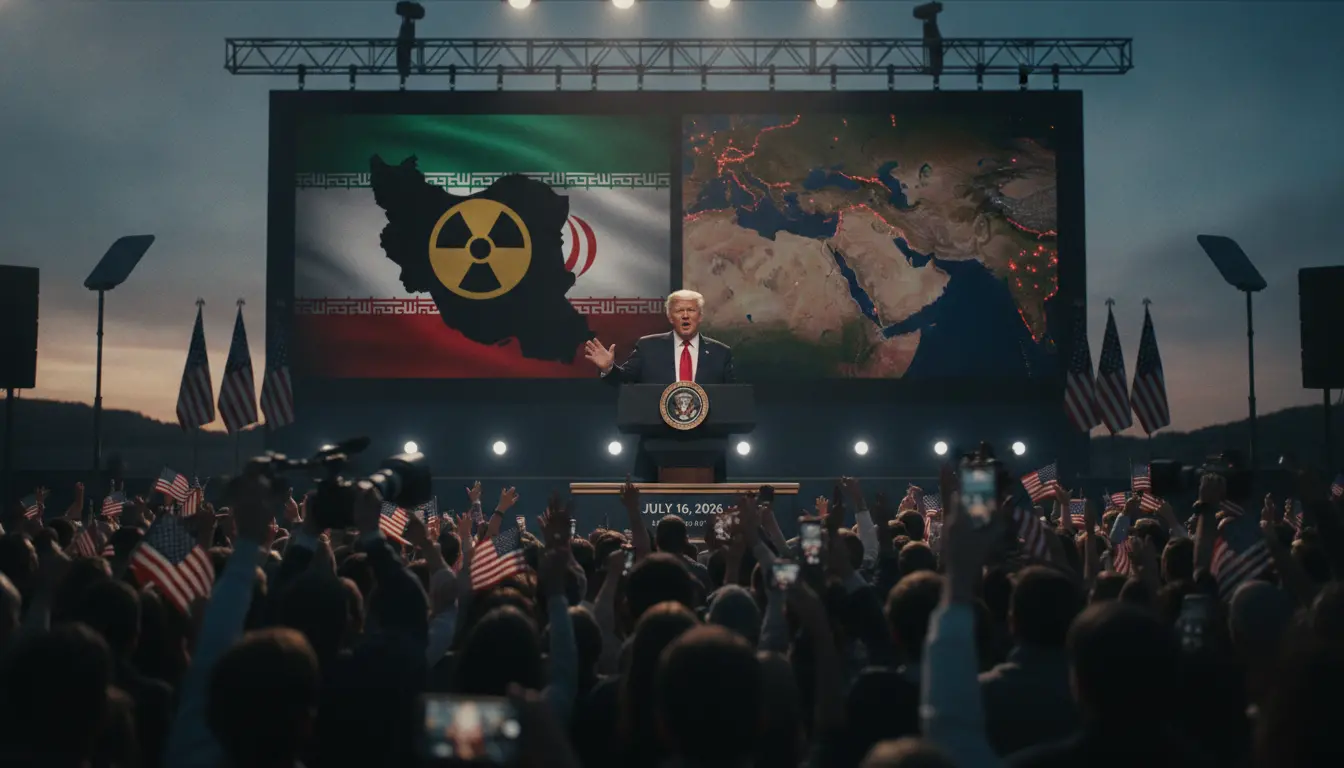
President Trump Poised to Announce New Iran Sanctions Amid Escalating Regional Tensions
President Donald Trump is expected to outline a significant shift in U.S. policy towards Iran during a highly anticipated 'speech to the nation' scheduled for Thursday, July 16, 2026. The address comes as tensions in the Middle East have reached a critical juncture, marked by Iran's renewed blockade of the strategically vital Strait of Hormuz and a series of recent U.S. retaliatory strikes in the region. Observers widely anticipate the White House will unveil a new package of stringent economic sanctions, signaling a hardened stance from Washington in response to what it characterizes as escalating Iranian aggression.
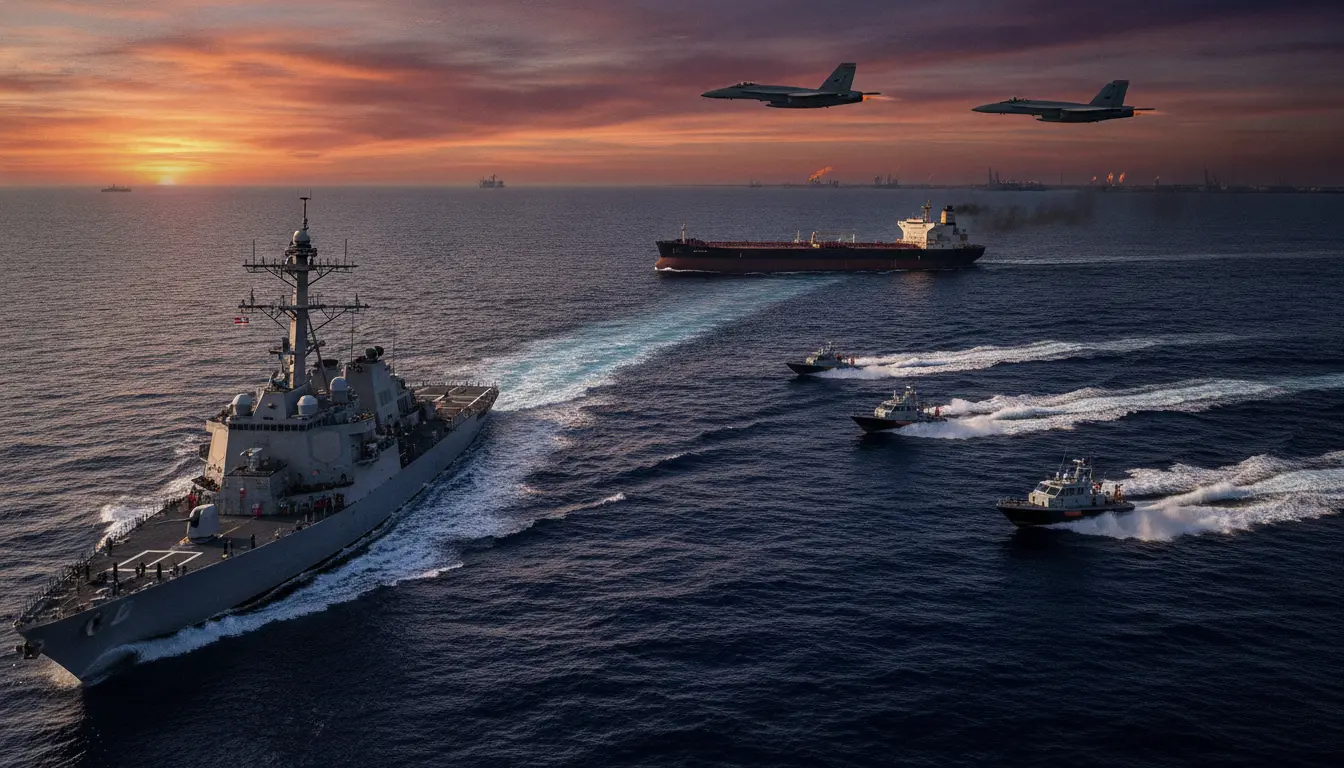
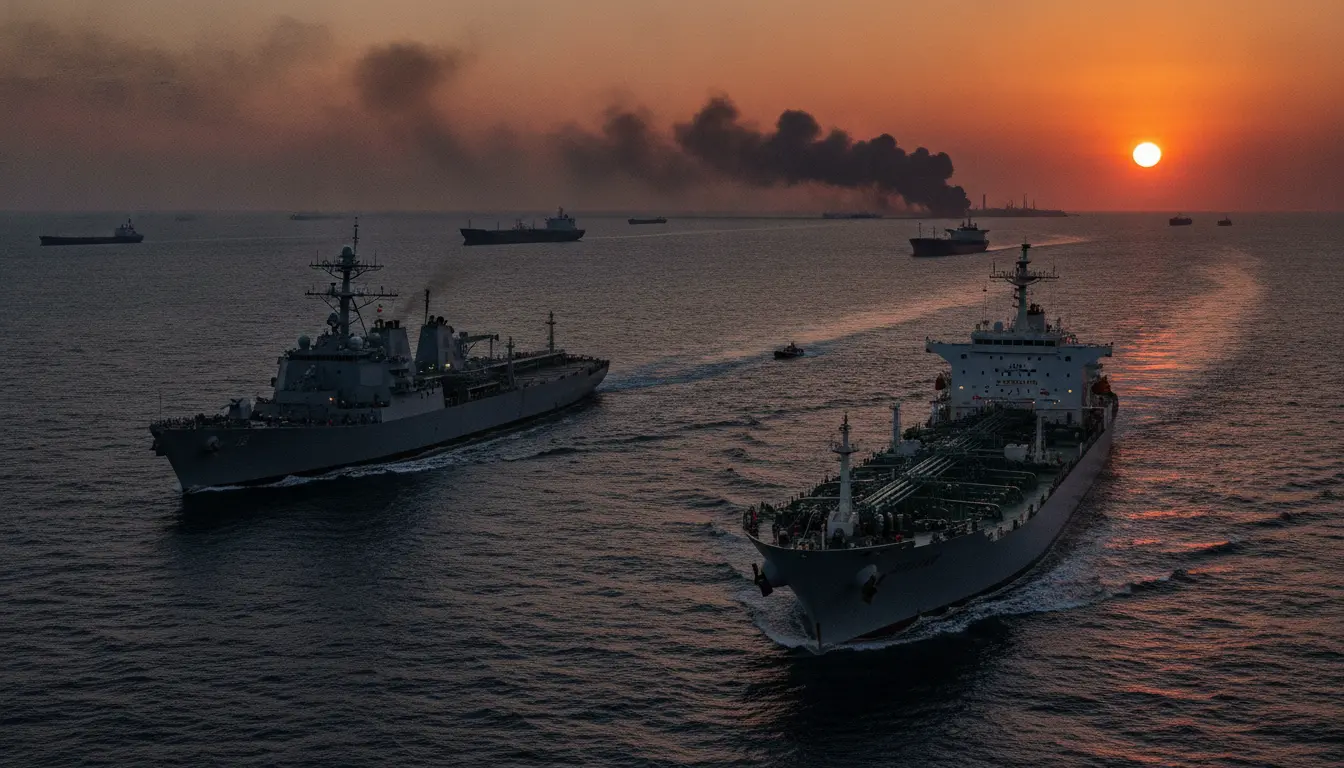
The Strait of Hormuz, a narrow waterway connecting the Persian Gulf with the Arabian Sea, serves as a crucial choke point for global oil shipments, through which roughly one-fifth of the world's total petroleum consumption passes daily. Iran has historically leveraged its geographical control over parts of the strait as a strategic asset, threatening or implementing blockades during periods of heightened international pressure. The current escalation began weeks ago with reports of Iranian Revolutionary Guard Corps (IRGC) vessels harassing and interdicting commercial shipping, culminating in a de facto blockade that has sent ripples of concern through international energy markets and prompted a sharp rebuke from Washington. This renewed challenge echoes past confrontations, particularly during President Trump's previous term, where his administration pursued a policy of "maximum pressure" aimed at curtailing Iran's nuclear ambitions and destabilizing regional activities following the U.S. withdrawal from the Joint Comprehensive Plan of Action (JCPOA) in 2018.
In the days leading up to the President's address, the situation has become increasingly volatile. U.S. Central Command confirmed multiple targeted strikes against Iranian naval assets and missile sites along the coast earlier this month, described by the Pentagon as "proportionate defensive measures" to ensure freedom of navigation and protect U.S. interests and personnel in the region. Tehran, in turn, condemned the strikes as acts of aggression and vowed a robust response, further intensifying the diplomatic and military standoff. The rhetoric from both sides has grown increasingly sharp, with high-level U.S. officials indicating that diplomatic avenues had been exhausted and that more decisive action was required to deter Iranian behavior and de-escalate the broader regional crisis.
Any new sanctions package is likely to target key pillars of Iran’s economy that have shown resilience despite previous measures. Potential targets could include additional restrictions on Iran's petrochemical industry, a vital source of revenue, or a tightening of financial sector sanctions aimed at isolating the Islamic Republic from global banking networks. Furthermore, the U.S. could explore measures against specific individuals or entities within the IRGC or the wider Iranian leadership, aiming to disrupt their operational capabilities and financial lifelines. The goal, according to White House briefings, remains to compel Iran to cease its nuclear program advancements, halt its support for regional proxy groups, and desist from disrupting international maritime commerce.
Regional allies, particularly Saudi Arabia and the United Arab Emirates, have largely voiced support for robust U.S. action, viewing Iranian provocations as a direct threat to their own security and economic stability. European powers, while acknowledging the severity of the situation, have typically favored de-escalation through diplomatic means and have expressed concerns about the potential for wider conflict. Russia and China, both major trading partners with Iran and often critical of U.S. unilateral sanctions, are expected to voice strong opposition to any new measures, potentially complicating their enforcement and effectiveness on a global scale. The intricate web of alliances and rivalries in the Middle East ensures that any unilateral action by the U.S. will have far-reaching and complex repercussions.
The President's speech is therefore poised to be a pivotal moment, not only for U.S.-Iran relations but for the broader stability of the Middle East and global energy markets. The immediate challenge for the Trump administration will be to implement measures that exert sufficient pressure on Tehran without inadvertently triggering an uncontrollable escalation. The announcement will undoubtedly set the tone for international diplomacy and security efforts in the region for the foreseeable future, testing the resolve of all parties involved and underscoring the delicate balance between deterrence and the pursuit of peace.
The potential for new, significant economic sanctions underscores a critical juncture where economic pressure is once again brought to bear in a high-stakes geopolitical game. The world will be watching closely for the specific details of President Trump's announcement and, perhaps more importantly, for the immediate reactions from Tehran and its regional allies and adversaries. The path forward is fraught with uncertainty, with the specter of deeper conflict looming large over the strategic waterways of the Persian Gulf.
Stay Informed. Act Smarter.
Get weekly highlights, major headlines, and expert insights — then put your knowledge to work in our live prediction markets.
Related News
US Issues Ultimatum to Iran on Strait of Hormuz Shipping Amid Renewed Hostilities
Washington Considers Full Reinstatement of Iran Oil Sanctions Amid Deepening Regional Tensions
U.S. Considers Naval Blockade in Strait of Hormuz Amid Escalating Tensions with Iran
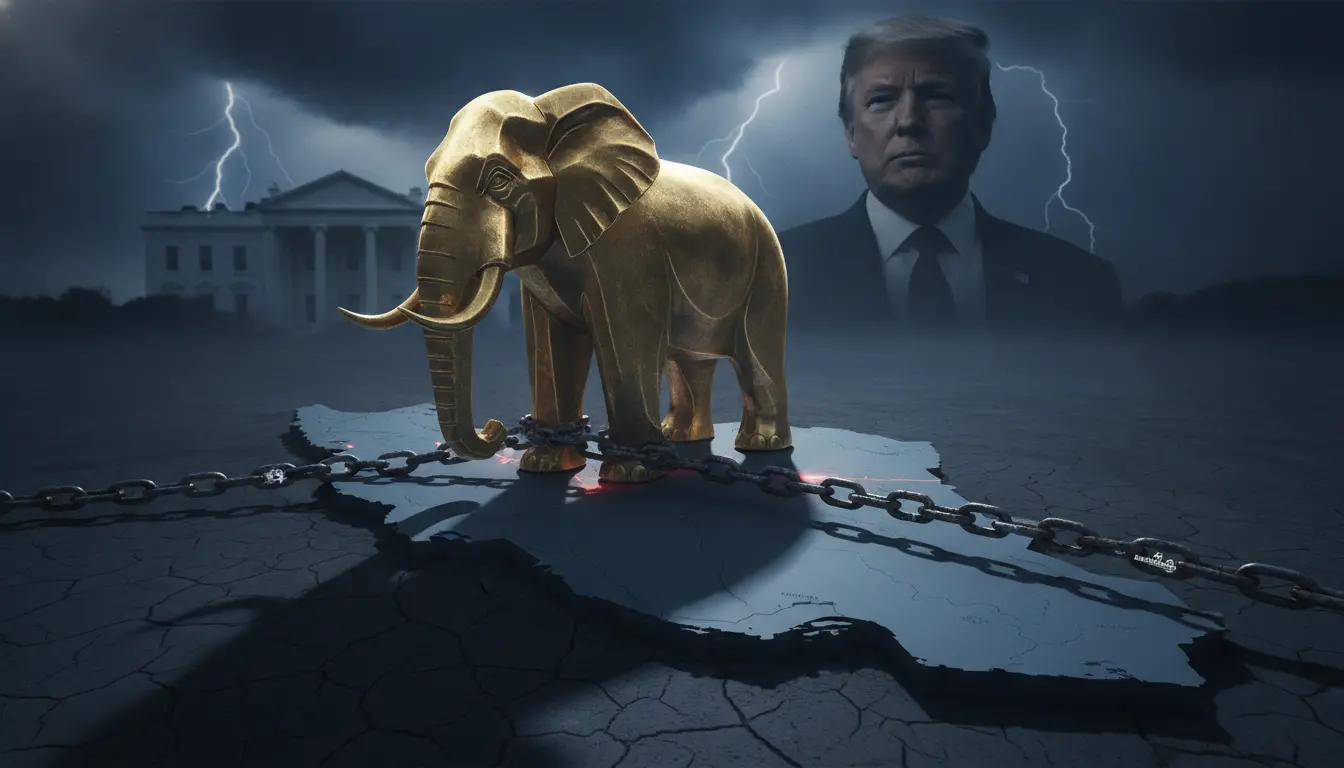
Potential Trump Administration Eyes Significant Economic Sanctions Escalation Against Iran
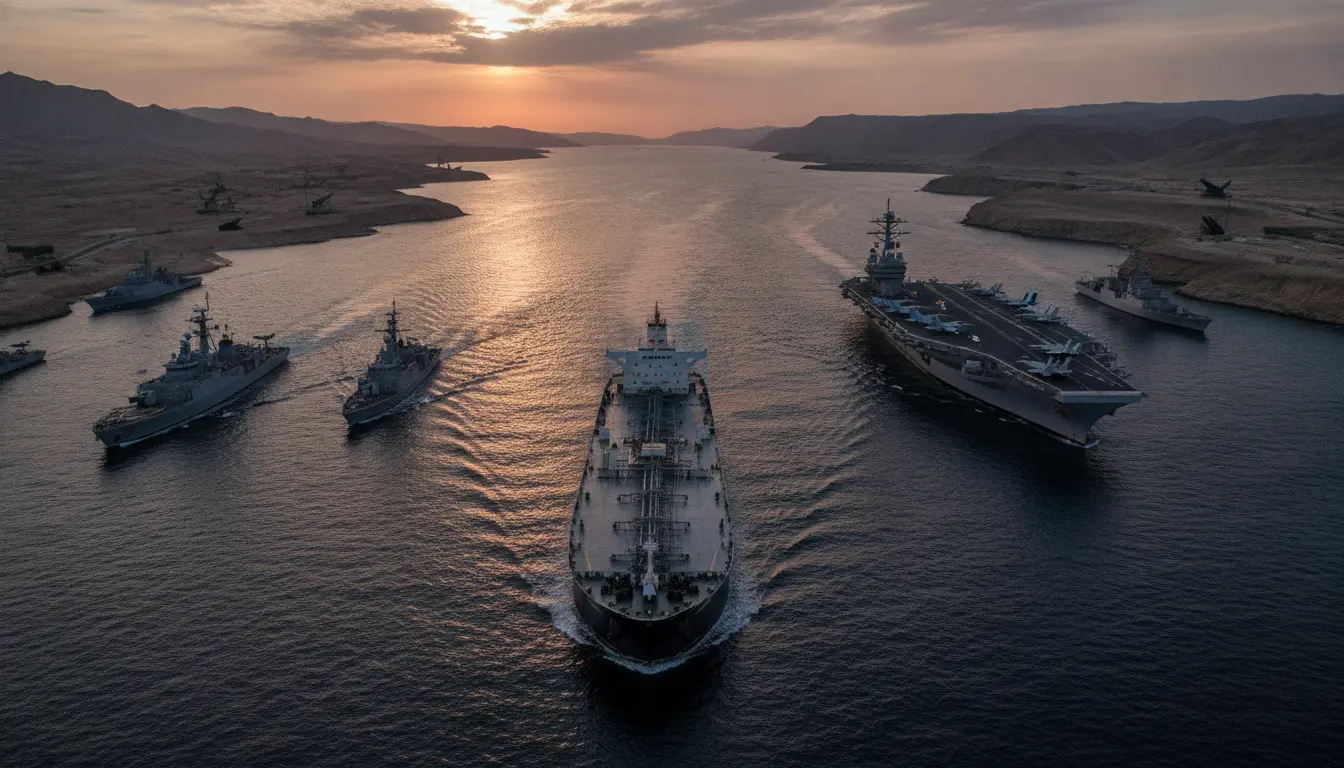
Geopolitical Alarm Rings as US-Iran Standoff Threatens Strait of Hormuz Shipping
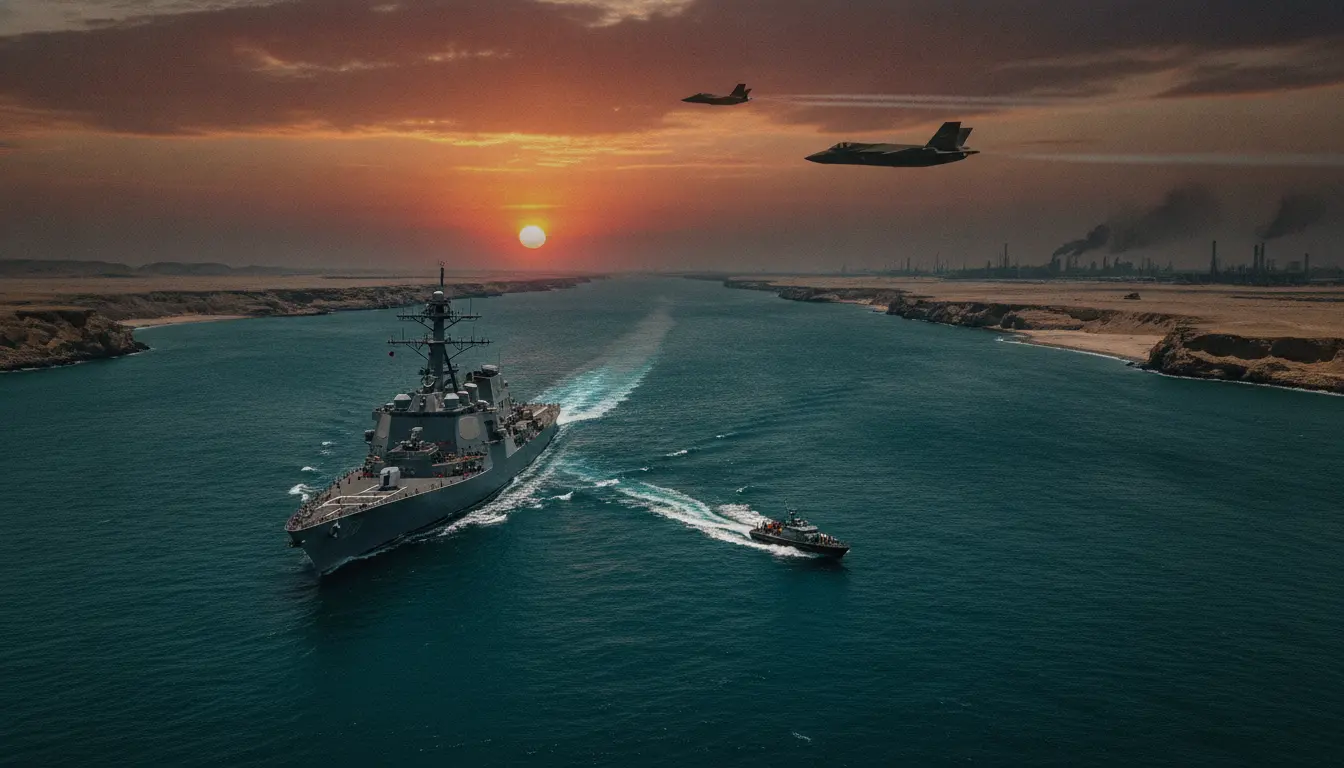
U.S. Considers Strategic Military Options Amid Heightened Tensions in Strait of Hormuz

US-Iran Tensions Escalate, Jeopardizing Global Shipping Through Strait of Hormuz
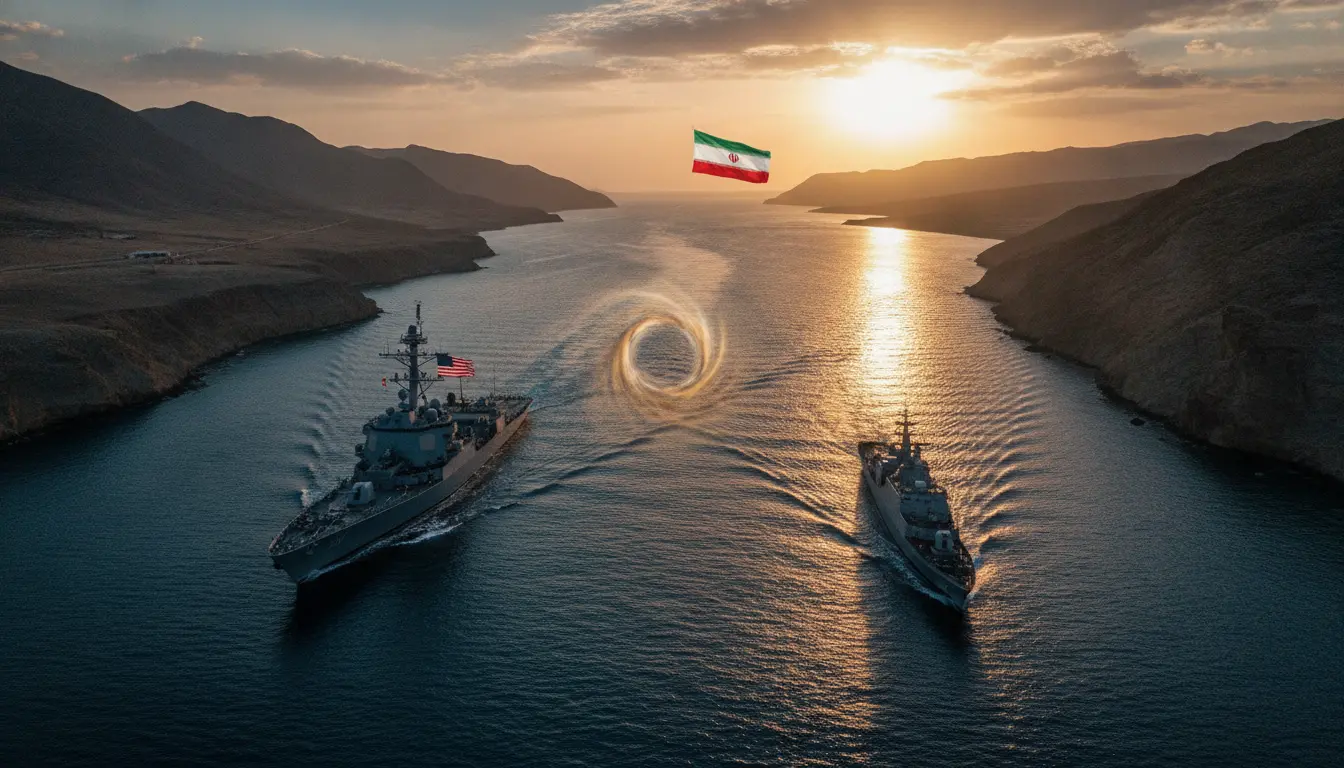
US and Iran Face High-Stakes Negotiations Amidst Pressures to Secure Strait of Hormuz
US-Iran Tensions Soar Amid Escalating Strikes and Maritime Incidents in Gulf
Escalating US-Iran Tensions Threaten Global Oil Supply, Pushing Crude Prices Higher