

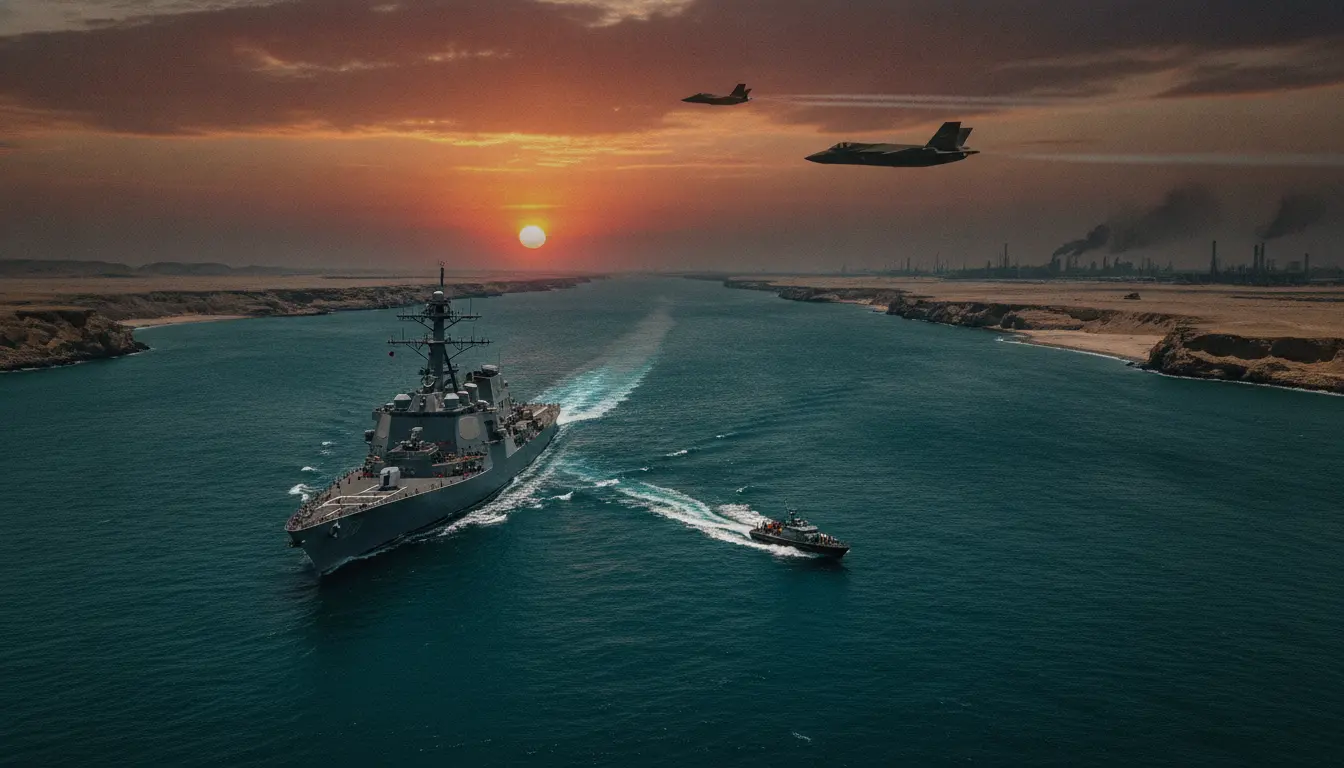
U.S. Considers Strategic Military Options Amid Heightened Tensions in Strait of Hormuz
Tensions between the United States and Iran have reached a critical juncture, fueling concerns over potential military escalation in the strategically vital Strait of Hormuz. Recent U.S. strikes in the region, coupled with assertive rhetoric from political figures like former President Donald Trump declaring a ceasefire "over," underscore a volatile geopolitical landscape. These developments come as the International Monetary Fund (IMF) issues stark warnings that the Middle East conflict presents a significant risk to the fragile global economy, primarily due to potential disruptions in energy markets.
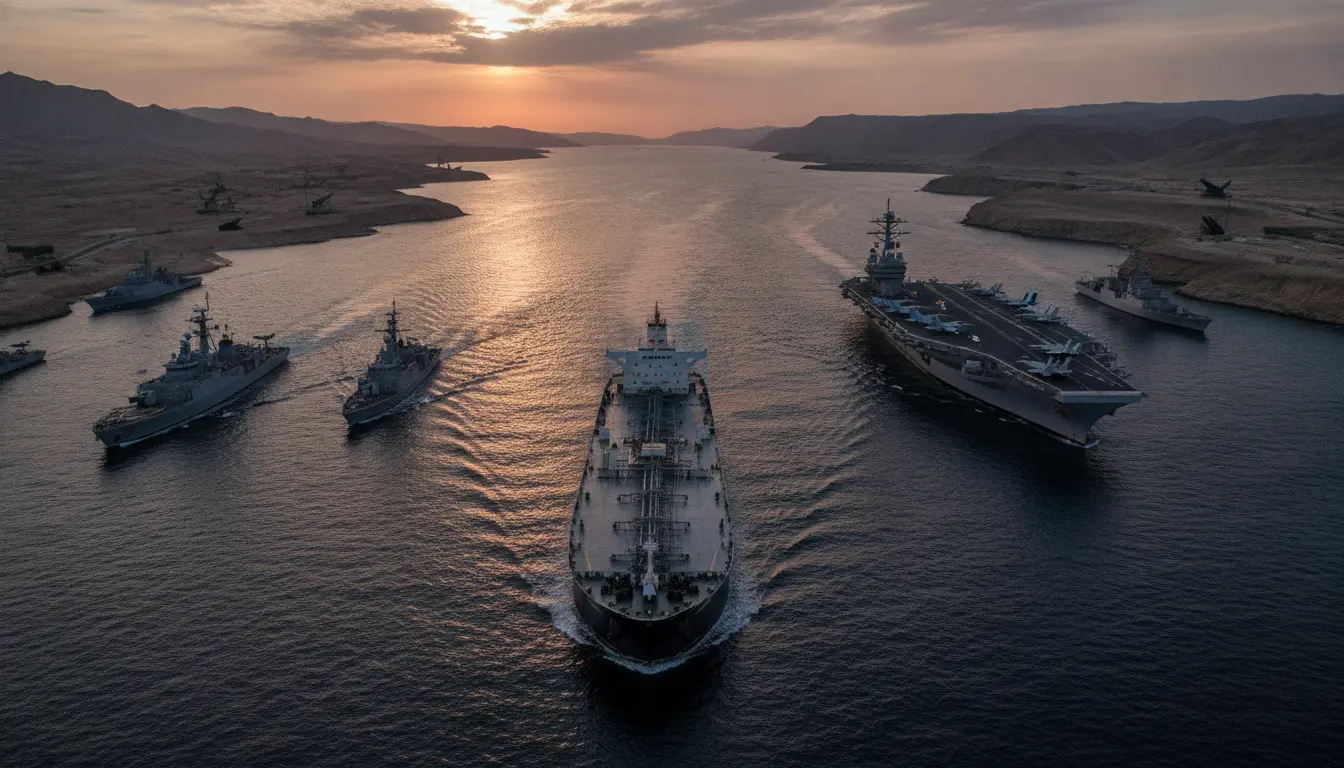
The Strait of Hormuz, a narrow waterway connecting the Persian Gulf to the Arabian Sea, serves as the world's most important oil transit chokepoint. An estimated one-fifth of global oil consumption, alongside a substantial portion of liquefied natural gas, passes through this 21-mile-wide passage daily. For decades, the stability of this maritime corridor has been paramount for international trade and energy security. Iran, bordering the Strait, has historically threatened to disrupt or close the waterway in response to perceived threats or sanctions, a move that would invariably trigger a severe global economic crisis and likely a military confrontation.
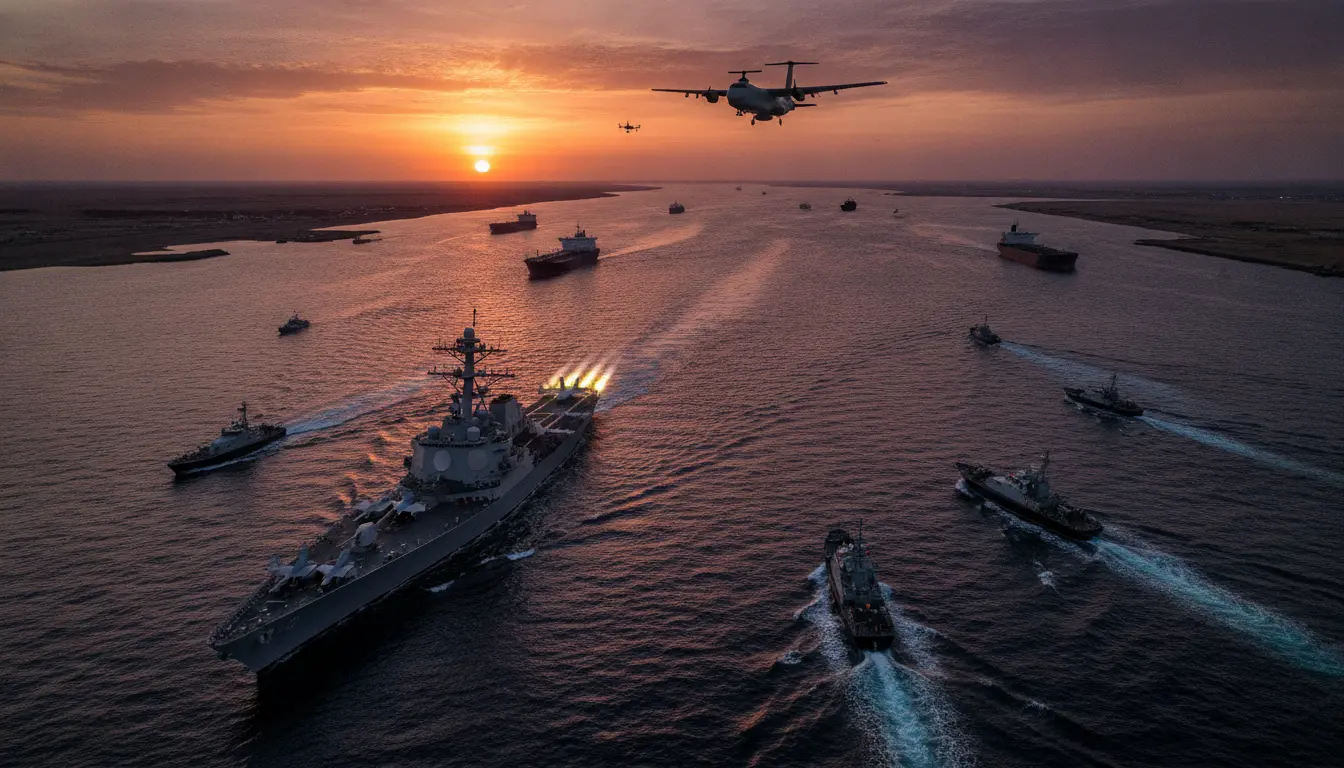
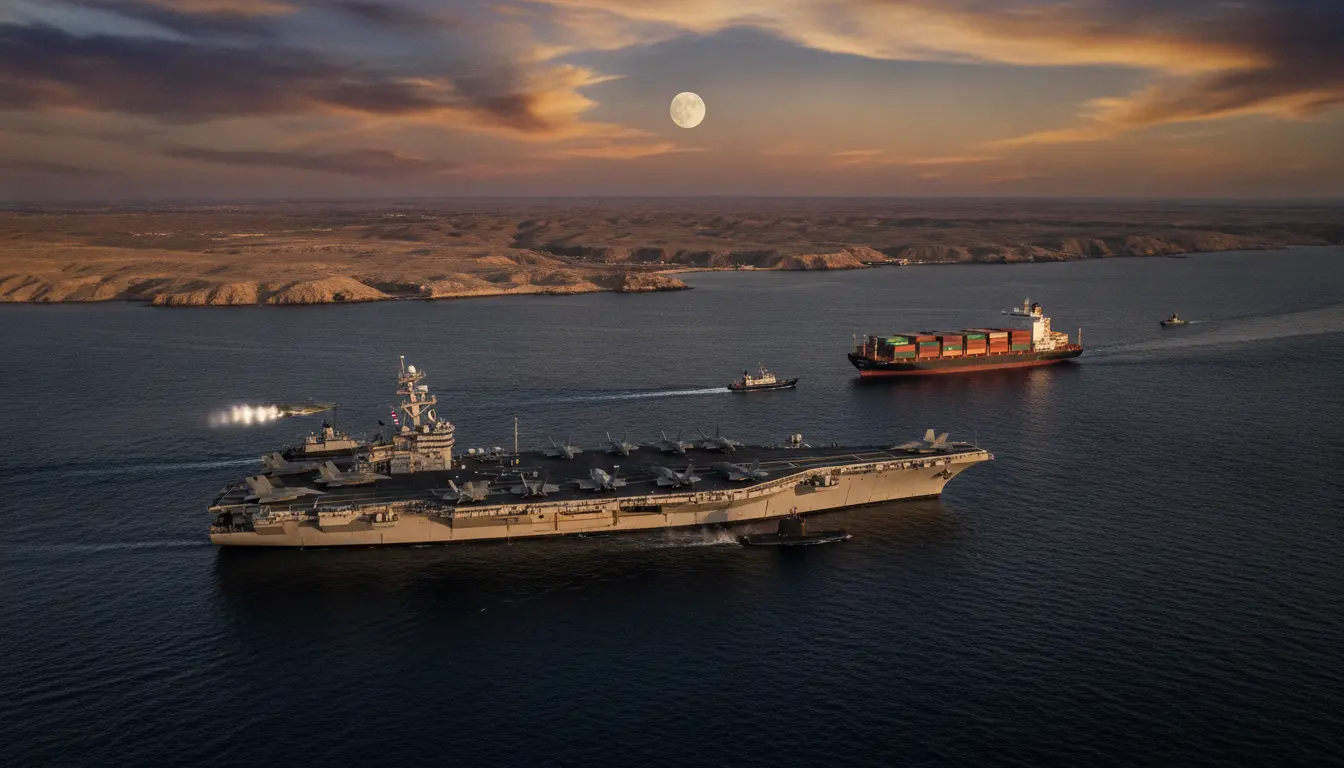
The current wave of heightened antagonism is rooted in a complex history of mistrust and regional rivalry. While specific details of the "fresh strikes" remain closely guarded, they are understood to be part of ongoing retaliatory actions and deterrence strategies in response to various provocations, including attacks on shipping, drone incidents, and proxy conflicts in the broader Middle East. The U.S. has consistently maintained a robust naval presence in the Gulf, aimed at safeguarding international navigation and deterring Iranian aggression. However, the recent direct military actions suggest a potential shift towards a more assertive posture, moving beyond conventional deterrence.
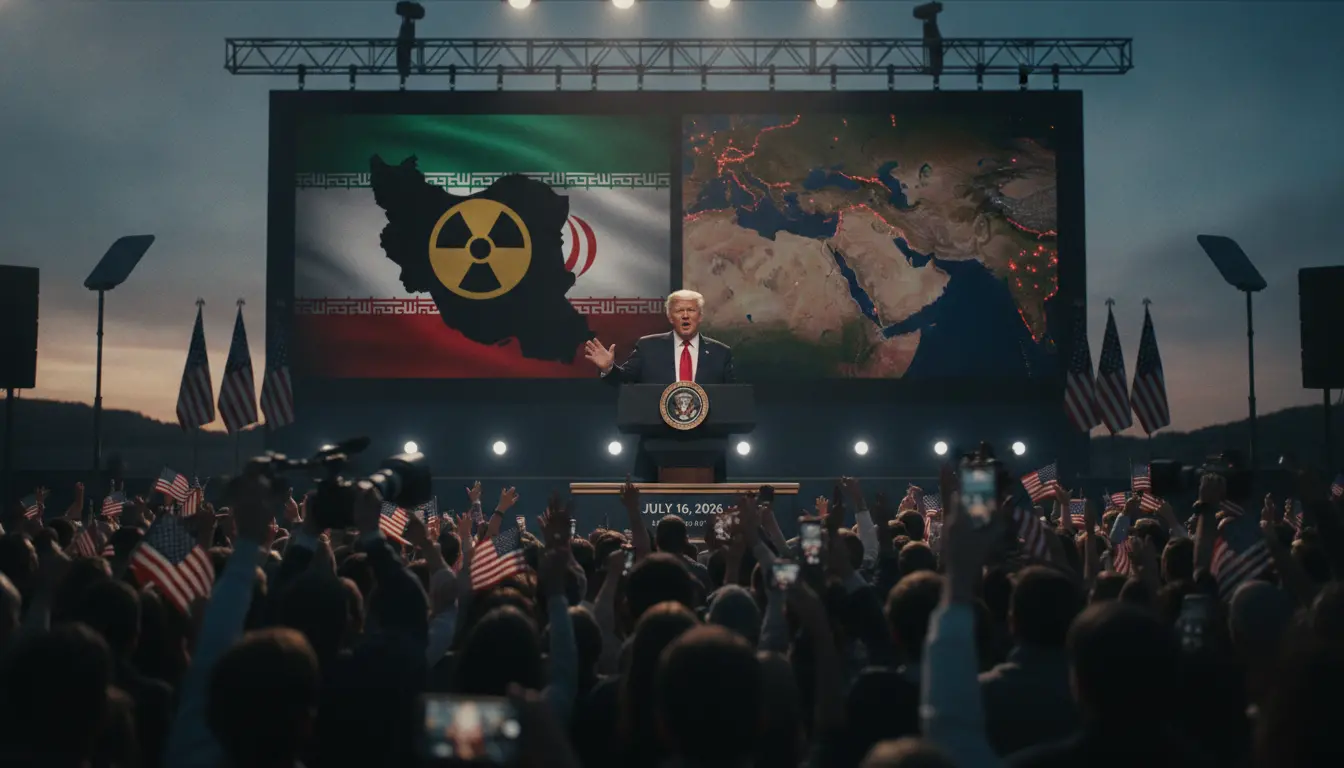
Former President Trump's pronouncements on the cessation of any 'ceasefire' add another layer of unpredictability to an already fraught situation. While not directly dictating current U.S. policy, such statements from a prominent political figure amplify the rhetoric and may influence perceptions of future American resolve. Historically, the Trump administration pursued a "maximum pressure" campaign against Iran, withdrawing from the Joint Comprehensive Plan of Action (JCPOA) and reimposing stringent sanctions, which significantly exacerbated bilateral tensions and led to several confrontations in the Gulf region.
Should the U.S. proceed with a significant military operation or naval blockade in the Strait of Hormuz, the ramifications would be profound. A blockade, by its nature, is an act of war, designed to cut off an adversary's access to vital sea lanes. Such an action would immediately halt oil and gas transit, triggering an unprecedented surge in global energy prices and potentially plunging the world into a recession. Militarily, it would almost certainly lead to a direct, large-scale conflict with Iran, drawing in regional and potentially global powers. The strategic calculus for such a move would weigh the severe economic consequences and the immense human cost against the perceived necessity of preventing Iranian actions deemed detrimental to international security.
The international community remains acutely aware of the perilous tightrope walk in the Persian Gulf. Diplomatic efforts, often conducted behind the scenes, continuously seek to de-escalate tensions and prevent miscalculations that could spiral into a full-blown conflict. However, with escalating rhetoric, direct military engagement, and the critical importance of the Strait of Hormuz to the global economy, the region stands as a powder keg. The balance between deterrence and provocation is finer than ever, making the prospect of future significant military actions a potent concern for global stability and economic prosperity.
The stakes are undeniably high. A major military operation in the Strait would not only reshape the geopolitical map of the Middle East but also send shockwaves through every corner of the world economy. As the region continues to simmer, global leaders and energy markets watch with bated breath, understanding that any substantial military action could redefine international relations for a generation and trigger a cascade of unforeseen consequences.
Stay Informed. Act Smarter.
Get weekly highlights, major headlines, and expert insights — then put your knowledge to work in our live prediction markets.
Related News
US-Iran Tensions Soar Amid Escalating Strikes and Maritime Incidents in Gulf
U.S. Considers Naval Blockade in Strait of Hormuz Amid Escalating Tensions with Iran

US-Iran Tensions Escalate, Jeopardizing Global Shipping Through Strait of Hormuz
Heightened US-Iran Tensions Fuel Fears of Direct Confrontation in Strategic Strait of Hormuz
Geopolitical Alarm Rings as US-Iran Standoff Threatens Strait of Hormuz Shipping

US-Iran Tensions Simmer Amid Regional Flare-ups, Raising Fears of Direct Conflict
Strait of Hormuz Becomes Flashpoint as US and Iran Escalate Military Posturing in Persian Gulf

U.S. and Iran Face Growing Risk of Direct Military Confrontation Beyond Gulf's Strategic Waterways
US Issues Ultimatum to Iran on Strait of Hormuz Shipping Amid Renewed Hostilities
President Trump Poised to Announce New Iran Sanctions Amid Escalating Regional Tensions