

- News
- Politics
- Strait of Hormuz Becomes Flashpoint as US and Iran Escalate Military Posturing in Persian Gulf
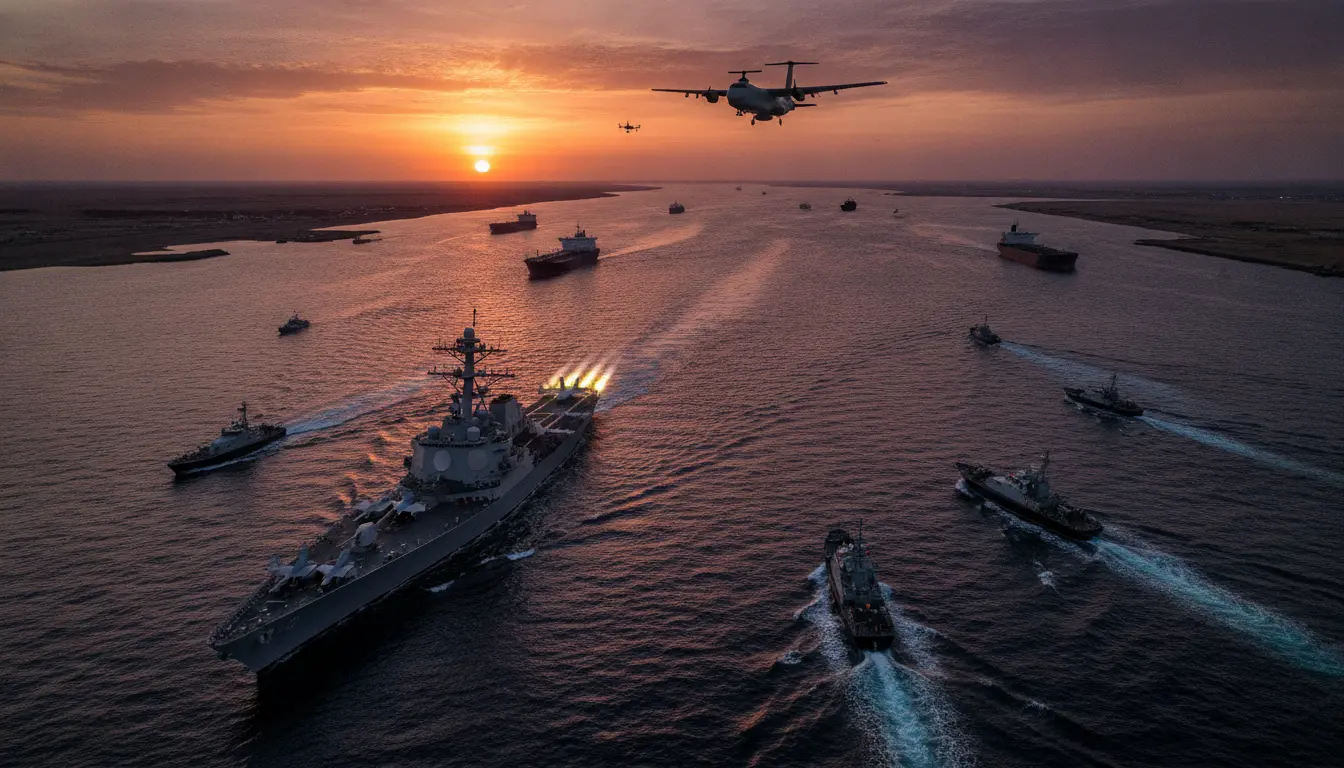
Strait of Hormuz Becomes Flashpoint as US and Iran Escalate Military Posturing in Persian Gulf
WASHINGTON — A familiar but increasingly dangerous standoff is intensifying in the Persian Gulf, as the United States and Iran engage in a cycle of military escalation centered on the world’s most critical maritime chokepoint, the Strait of Hormuz. Recent maneuvers by both the U.S. Navy and Iran’s Islamic Revolutionary Guard Corps (IRGC) have reignited fears among global policymakers and energy markets that the vital artery for global oil supply could be threatened, with potentially catastrophic consequences for the world economy. The heightened military presence, coupled with aggressive rhetoric, has pushed the region closer to a potential confrontation, where a single miscalculation could disrupt a fifth of the world's daily petroleum consumption.
The current tensions are the latest chapter in a decades-long shadow war between Washington and Tehran. This simmering conflict has frequently played out on the waters of the Gulf, from the “Tanker War” of the 1980s to more recent incidents involving the seizure of commercial vessels by Iranian forces. The U.S. has responded to what it calls Iran’s “destabilizing activities” by bolstering its naval presence, deploying additional warships, aircraft, and personnel to the region. This strategy aims to deter Iranian aggression and reassure international shipping partners. However, from Tehran’s perspective, the American military footprint is a direct provocation, and the IRGC has consistently showcased its asymmetric naval capabilities, including swarms of fast-attack boats, sea mines, and sophisticated anti-ship missiles, signaling its readiness to challenge U.S. dominance.
At the heart of the conflict lies the strategic geography of the Strait of Hormuz. The narrow waterway, only 21 miles wide at its narrowest point, is the only sea passage from the Persian Gulf to the open ocean. Every day, approximately 21 million barrels of oil—equivalent to the combined daily consumption of the United States, China, and India—pass through it. Any disruption, whether from a direct military attack, the deployment of mines, or even a temporary suspension of passage due to soaring insurance costs, would send shockwaves through global markets. Oil prices would skyrocket almost instantly, jeopardizing economic stability and placing immense pressure on energy-dependent nations worldwide. Iran has repeatedly threatened to close the strait in response to international sanctions or military pressure, using the chokepoint as its ultimate strategic leverage.
Recent intelligence reports and satellite imagery confirm an uptick in activity from both sides. The Pentagon has authorized the deployment of a carrier strike group to the U.S. Fifth Fleet’s area of operations, headquartered in Bahrain, and has increased aerial surveillance patrols. These actions are a direct response to what U.S. officials describe as increasingly aggressive behavior by the IRGC navy, which has been accused of harassing and attempting to illegally seize commercial tankers in international waters. Iran, in turn, has conducted large-scale naval drills, testing new drones and missile systems designed to overwhelm enemy naval defenses. This tit-for-tat escalation creates a precarious environment where the risk of an unintended clash is dangerously high.
While diplomatic channels remain nominally open, meaningful dialogue to de-escalate the situation has been largely absent. The collapse of the 2015 Iran nuclear deal, or JCPOA, removed a key framework for communication and has allowed hardliners in both countries to dictate the pace of events. European and regional actors, such as Oman and Qatar, have attempted to mediate, but their efforts have yet to produce a breakthrough. The international community watches with bated breath, as the stability of the global energy supply hangs in the balance. The primary concern among analysts is not a pre-planned war, but a rapid, uncontrolled escalation stemming from a minor incident on the water—a collision, a warning shot fired in error, or a misunderstanding between naval commanders that spirals into a wider conflict, forcing a shutdown of the world's most indispensable waterway.
Stay Informed. Act Smarter.
Get weekly highlights, major headlines, and expert insights — then put your knowledge to work in our live prediction markets.
Related News
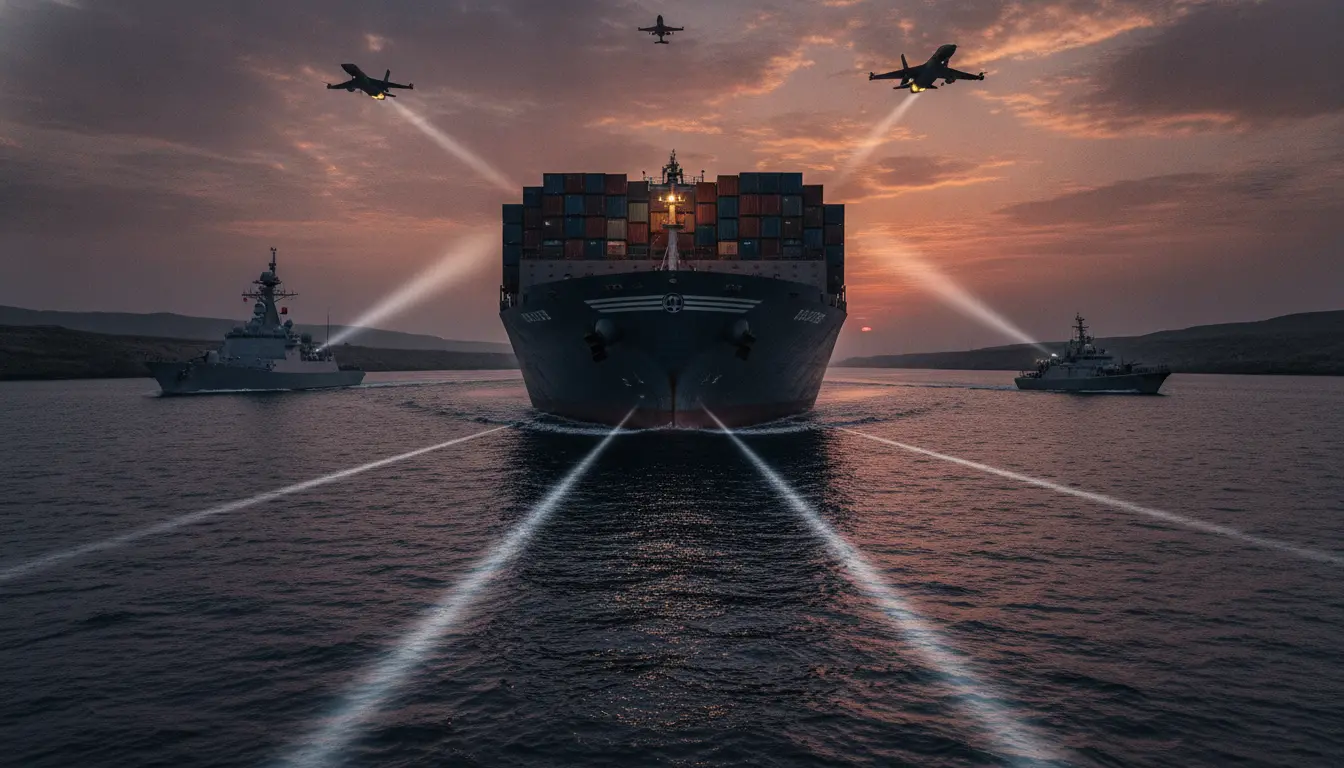
Global Shipping on High Alert as Military Tensions Simmer in Strait of Hormuz
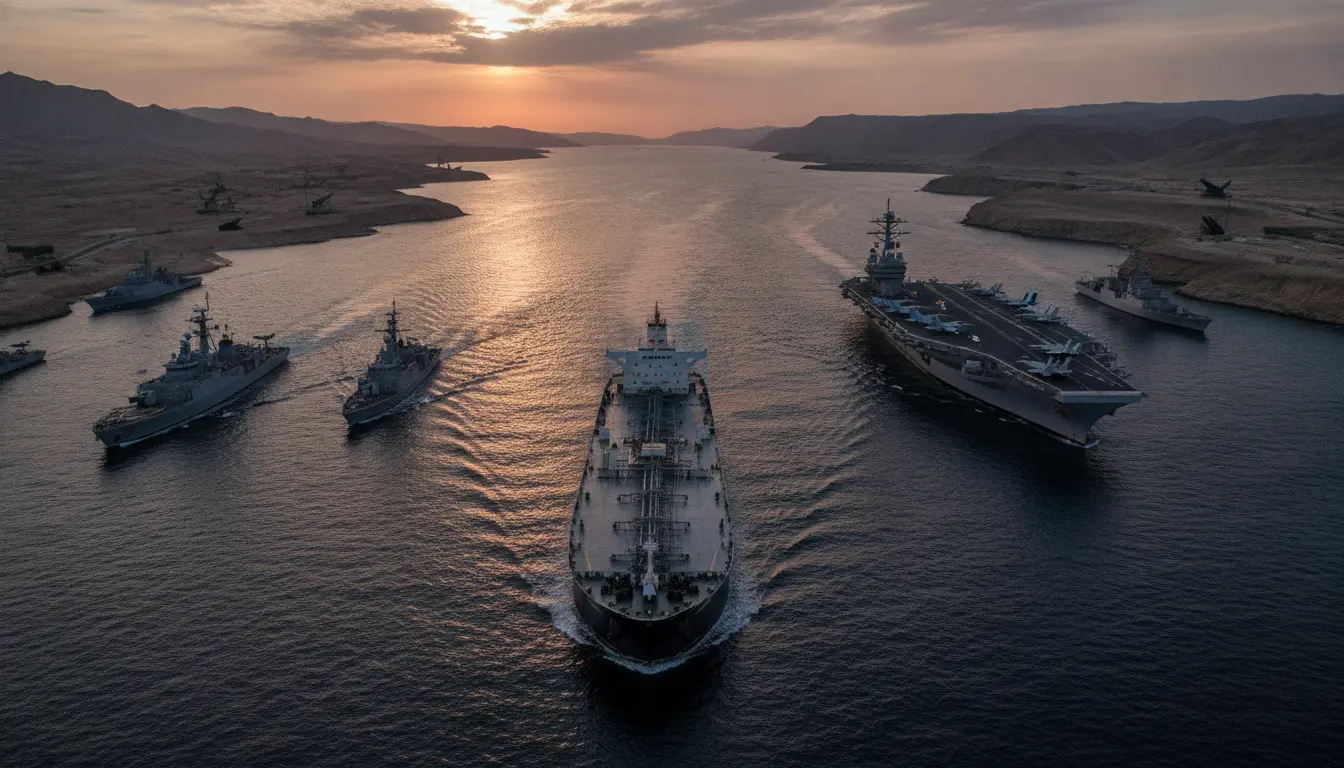
Geopolitical Alarm Rings as US-Iran Standoff Threatens Strait of Hormuz Shipping
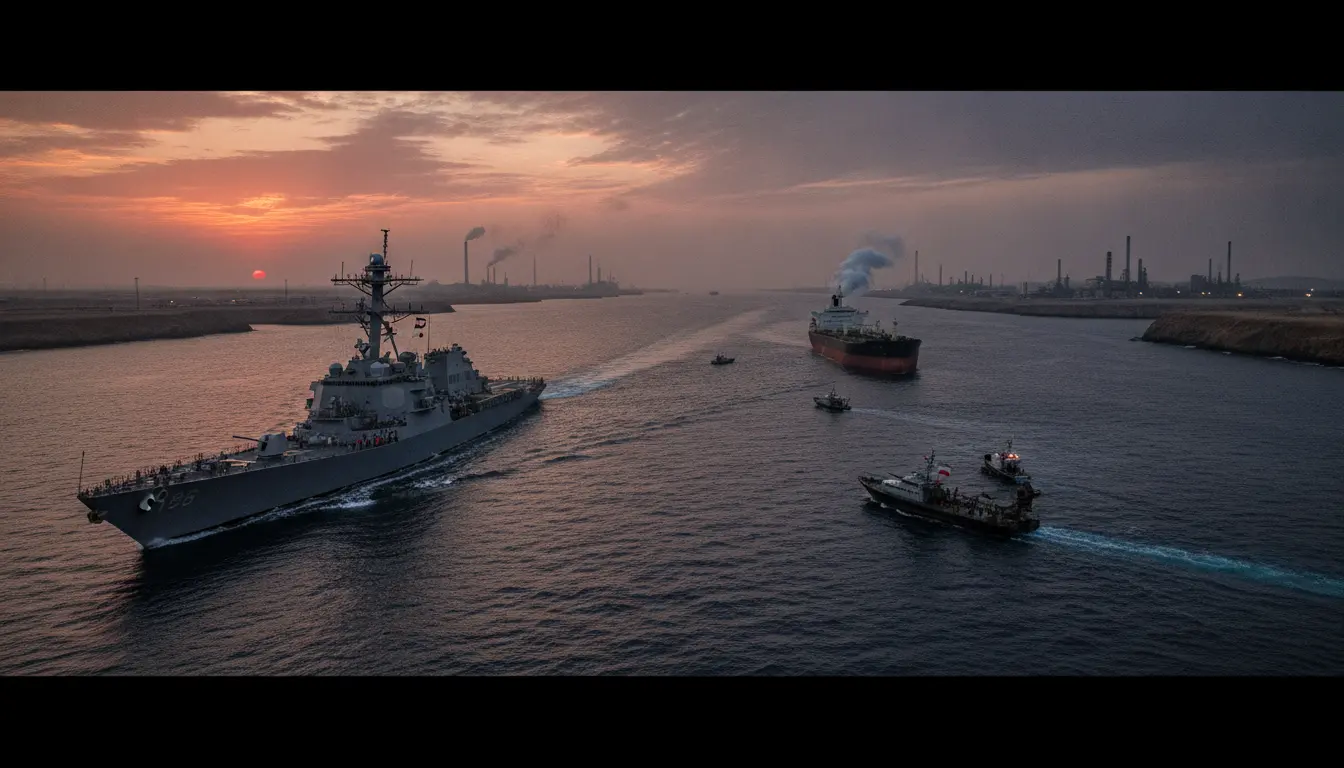
Heightened US-Iran Tensions Fuel Fears of Direct Confrontation in Strategic Strait of Hormuz
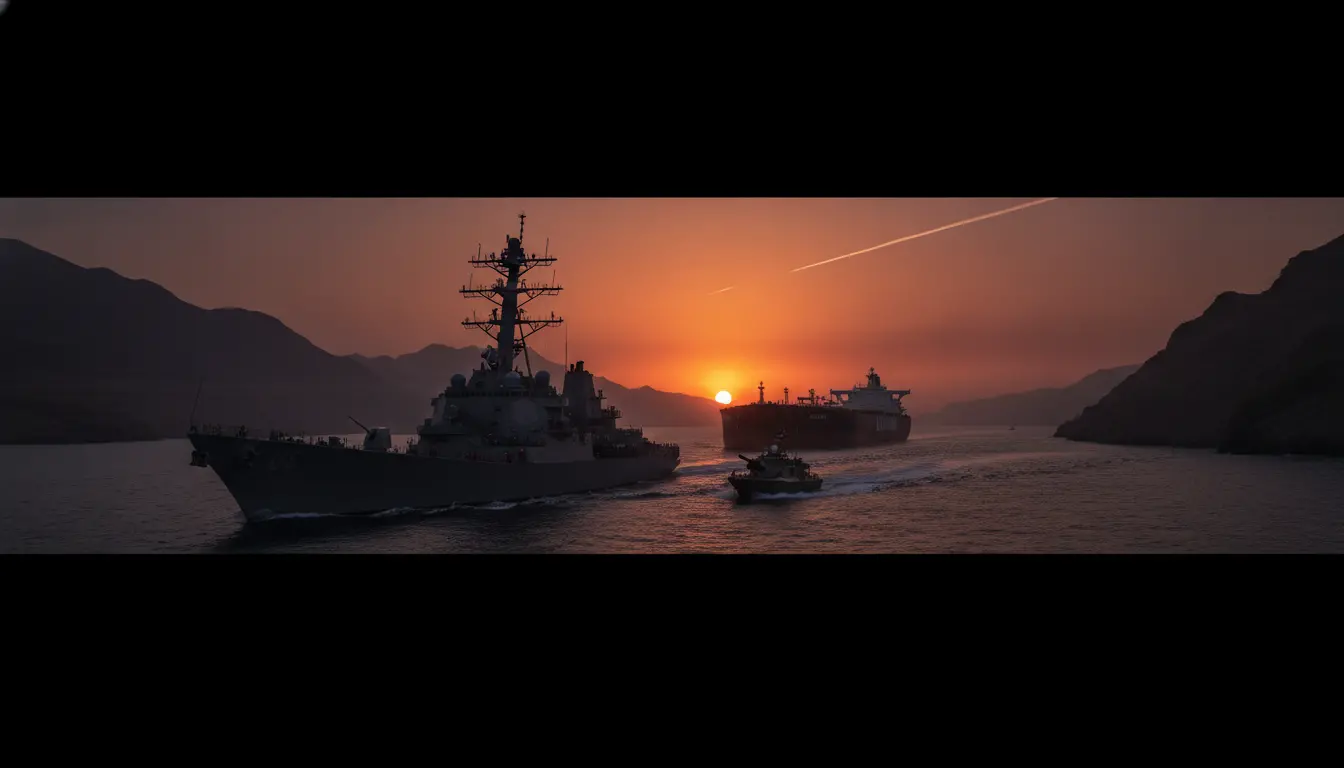
US-Iran Tensions Escalate, Jeopardizing Global Shipping Through Strait of Hormuz
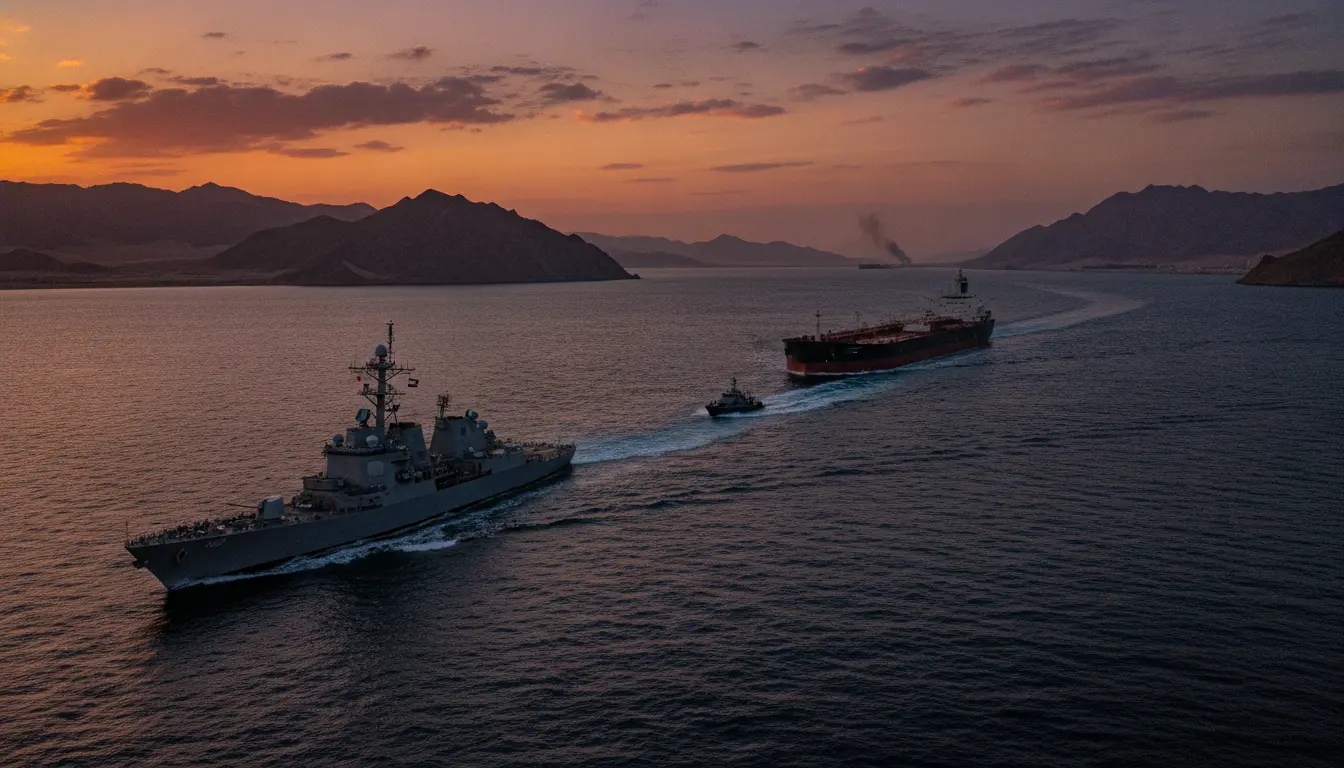
Strait of Hormuz Faces Heightened Tensions as Maritime Incidents Recur
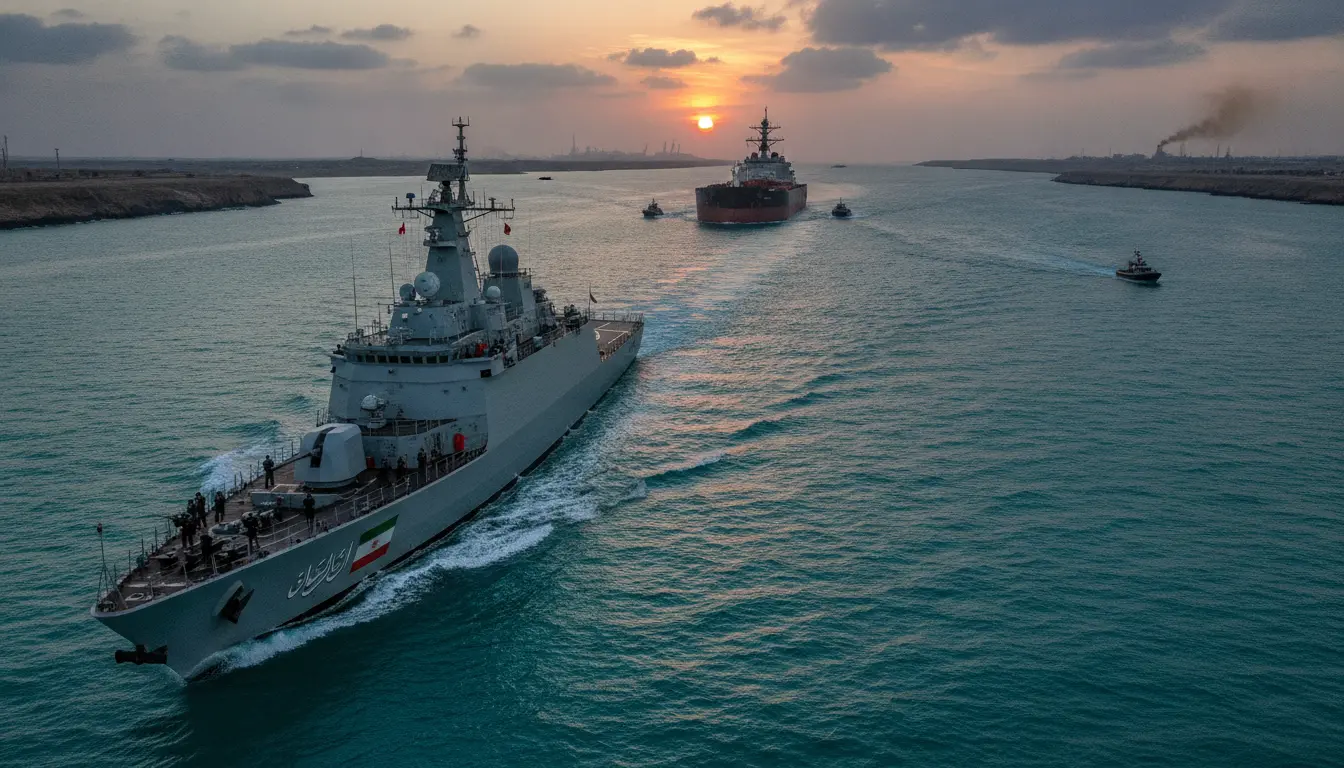
Iran's Maritime Actions Stoke Tensions in Crucial Strait of Hormuz
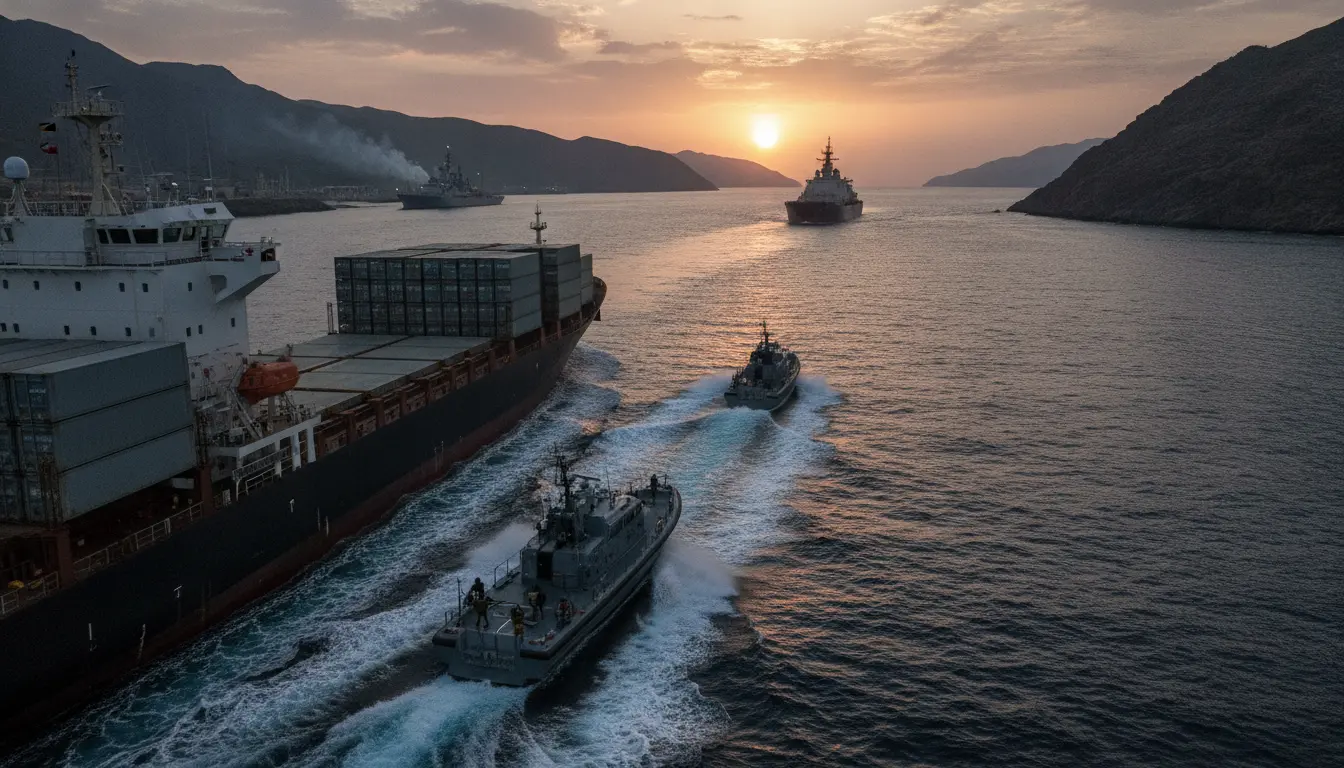
Mounting Tensions in Strait of Hormuz Threaten Global Shipping Amid Iranian Actions
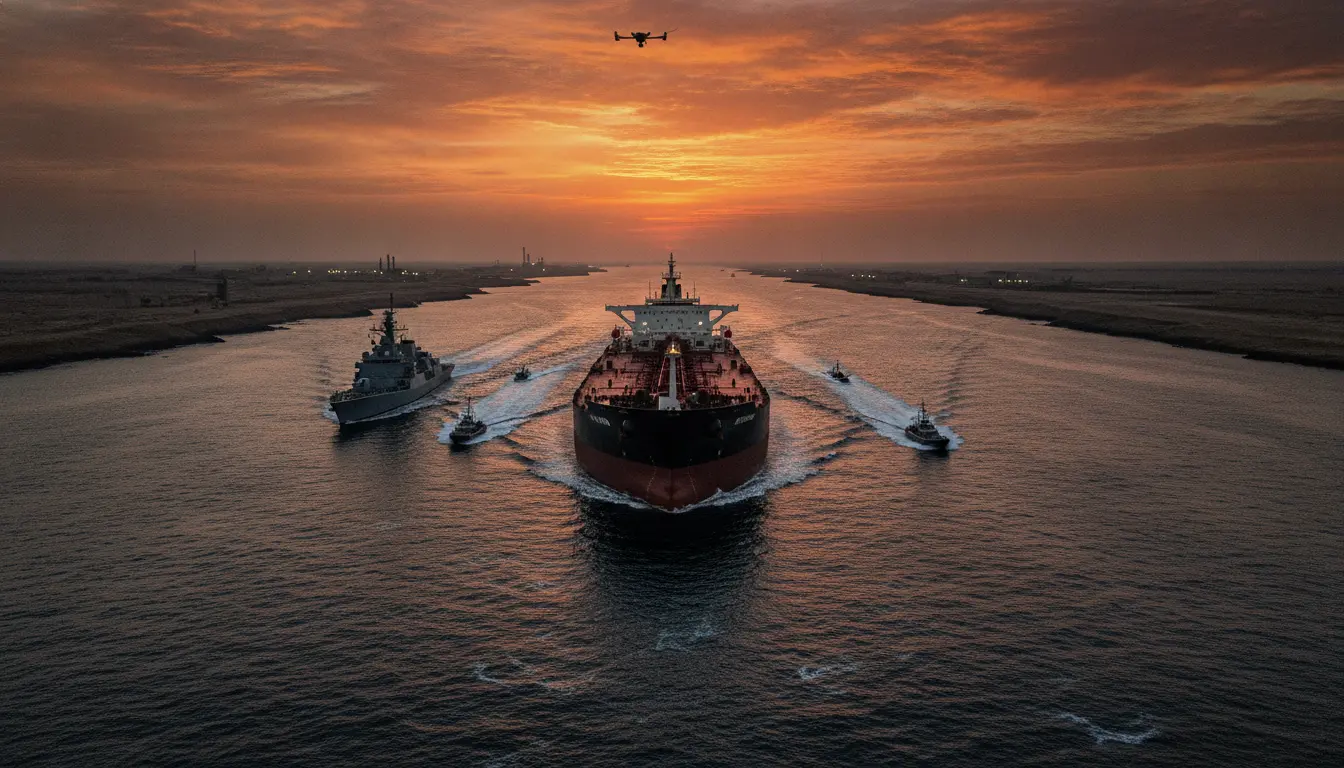
Strait of Hormuz Security Remains Precarious Amid Escalating Regional Tensions
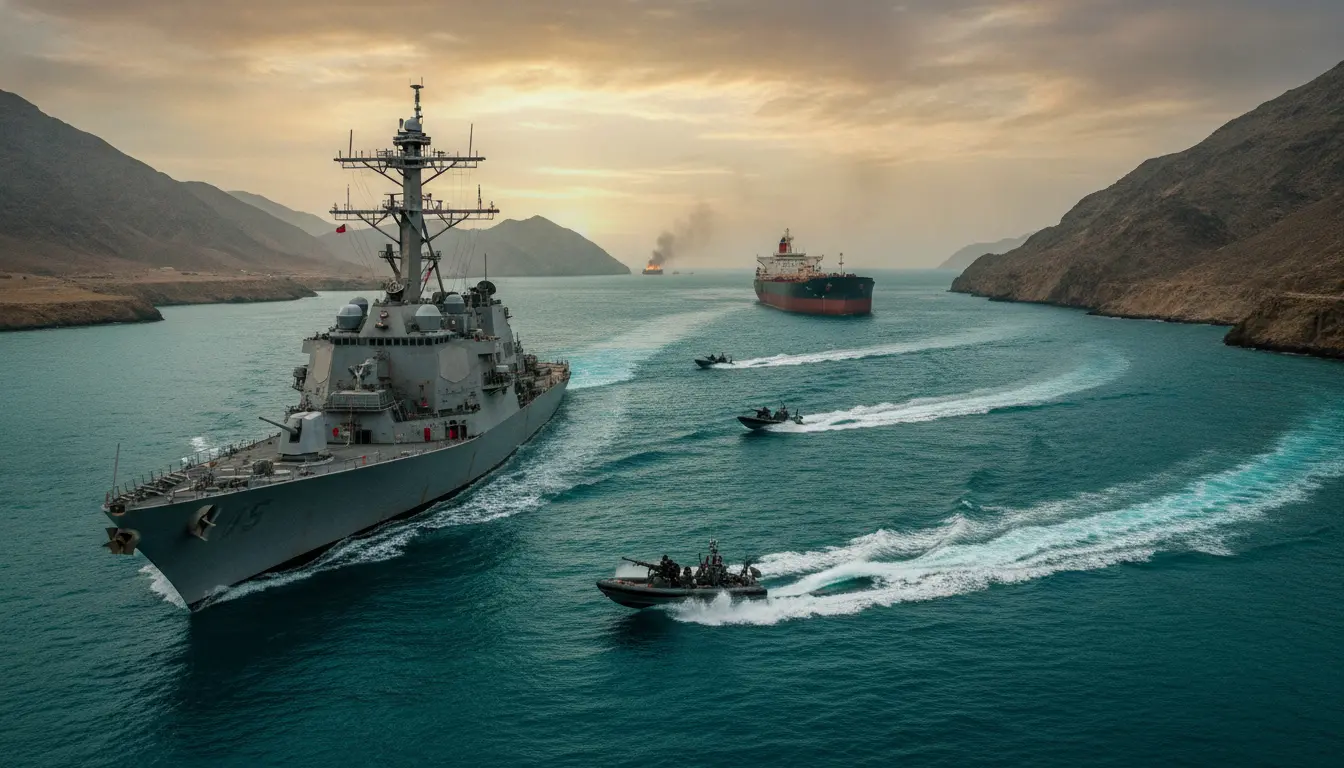
Strait of Hormuz Faces Heightened Security Risks Amid Escalating Iranian Maritime Actions
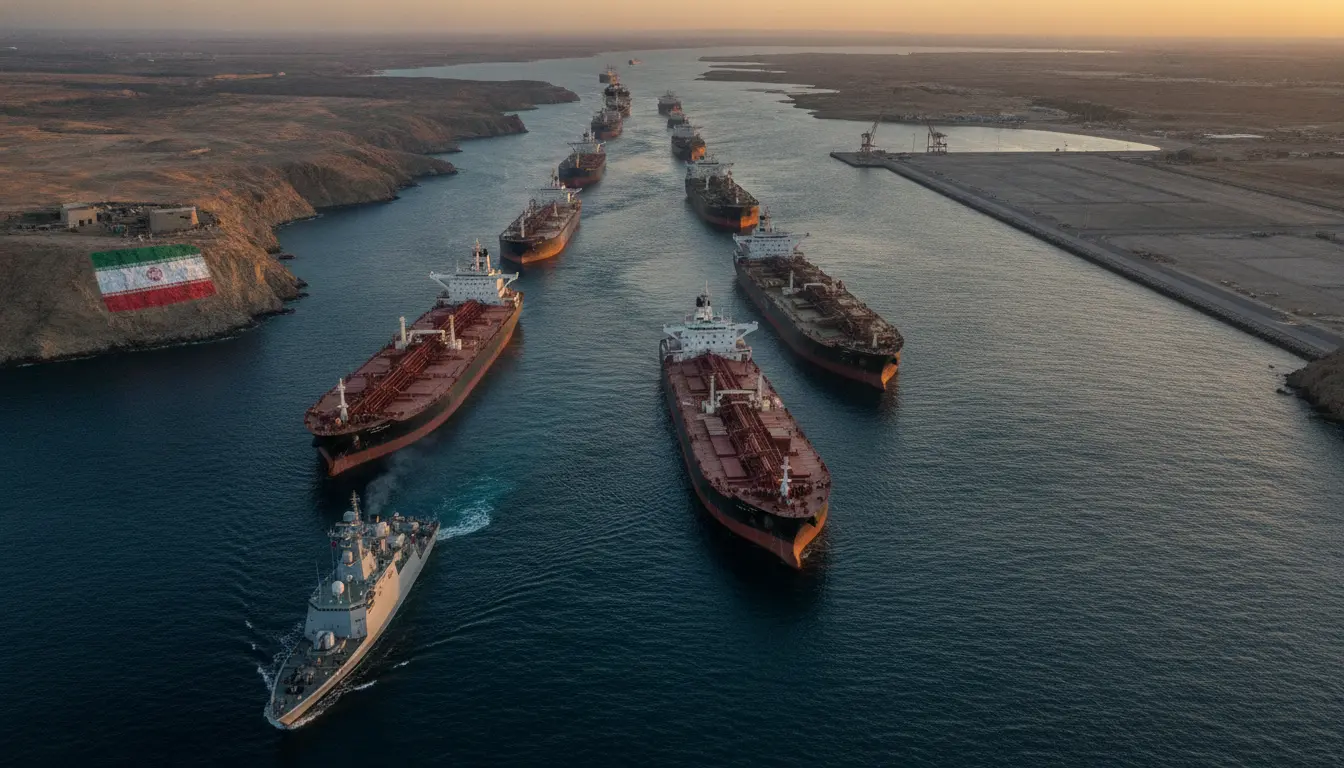
Strait of Hormuz Shipping Remains in Limbo as Iran Conditions Reopening on US Concessions