

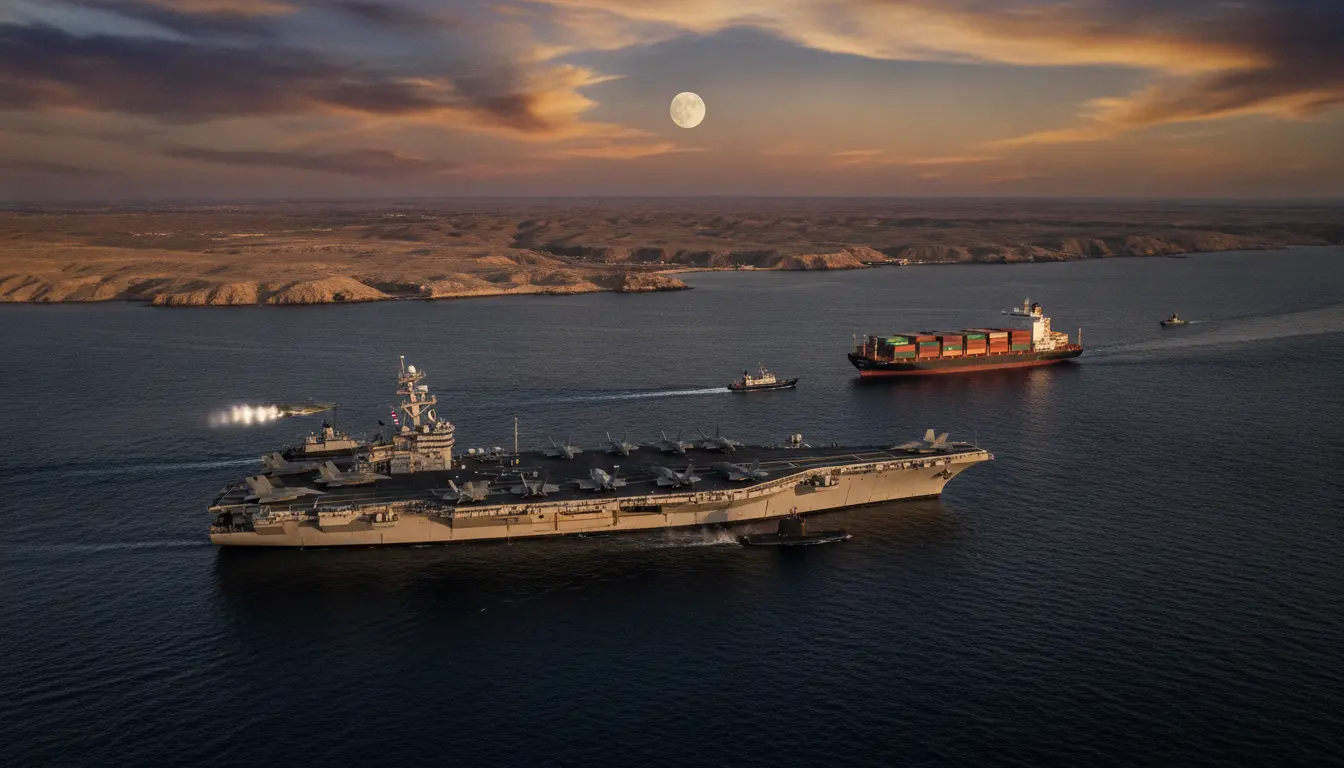
US Issues Ultimatum to Iran on Strait of Hormuz Shipping Amid Renewed Hostilities
The United States has delivered a stark ultimatum to Iran, demanding a public declaration by today, July 11, 2026, affirming that the strategically vital Strait of Hormuz remains fully open for international shipping. This demand comes amidst a severe escalation in tensions, following a recent exchange of strikes between the two nations and an explicit statement from President Donald Trump declaring the cessation of hostilities to be definitively “over.” The situation has plunged the volatile Middle East into heightened uncertainty, with global economic implications hanging precariously in the balance.
The Strait of Hormuz, a narrow waterway connecting the Persian Gulf to the Arabian Sea, is arguably the world’s most critical choke point for oil transit. An estimated one-fifth of the world's total petroleum consumption, including nearly all of Saudi Arabia’s and Iraq’s oil exports, passes through this passage. Any disruption to shipping here would trigger a seismic shockwave through global energy markets, sending oil prices soaring and potentially destabilizing economies worldwide. For decades, the freedom of navigation through the Strait has been a cornerstone of international maritime law and a top priority for global powers, particularly the United States, which maintains a significant naval presence in the region to safeguard these interests.
The current crisis has its roots in a protracted period of animosity, frequently punctuated by accusations, skirmishes, and proxy conflicts across the region. The recent “exchange of strikes” mentioned in the U.S. demand signifies a dangerous acceleration beyond the previously observed patterns of low-intensity confrontation. While specific details of these strikes remain under tight wraps, their occurrence has evidently shattered any lingering hopes of a de-escalation forged during previous, fragile ceasefires. President Trump's declaration that the ceasefire is “over” signals a definitive shift in U.S. policy, moving from a period of guarded restraint to a more assertive posture designed to challenge perceived Iranian provocations directly.
Iran, for its part, has a long history of threatening to close the Strait of Hormuz, often as leverage in response to international pressure or sanctions. Its strategic location, bordering the Islamic Republic, offers Tehran a powerful, albeit globally condemned, card to play in geopolitical contests. These threats are not merely rhetorical; Iranian naval forces frequently conduct exercises in the Strait, and past incidents, including the harassment of commercial vessels and the seizure of oil tankers, underscore its capacity and willingness to interfere with maritime traffic. The U.S. demand for a public affirmation is therefore not just about ensuring present passage, but about extracting a clear, unequivocal commitment from Iran that would, in theory, de-escalate the immediate threat of closure and provide a measure of international assurance.
The international community is watching with bated breath. Energy-dependent nations across Asia and Europe are particularly vulnerable to any disruption, with some already seeing precautionary spikes in futures markets. Diplomatic channels are reportedly buzzing, though official statements remain cautiously worded, reflecting the gravity of the situation and the fear of inadvertently fueling further escalation. The U.S. move is seen by some analysts as a necessary show of force to prevent Iran from leveraging its geographic advantage, while others warn it risks pushing Tehran into a corner, potentially leading to an unpredictable and dangerous response.
The consequences of Iran’s failure to comply with the U.S. ultimatum are immense. Such a refusal would undoubtedly be interpreted as a defiant act, signaling an intent to maintain the option of impeding international shipping. This could trigger further economic sanctions, a more robust naval response from the U.S. and its allies, and a dramatic worsening of military confrontation in the Persian Gulf. The immediate deadline today places enormous pressure on Tehran to make a decision that will either soothe or inflame an already incendiary regional dynamic, determining the trajectory of Middle Eastern stability and global energy security for the foreseeable future.
Ultimately, the situation underscores the enduring volatility of the region and the critical role the Strait of Hormuz plays in the global economic architecture. The U.S. ultimatum represents a high-stakes gamble to reassert freedom of navigation, but its success hinges entirely on Iran’s response and the diplomatic fallout that will inevitably follow this tense deadline. The world awaits Tehran’s public stance, fully aware that a misstep by either party could have catastrophic global ramifications.
Stay Informed. Act Smarter.
Get weekly highlights, major headlines, and expert insights — then put your knowledge to work in our live prediction markets.
Related News
Geopolitical Alarm Rings as US-Iran Standoff Threatens Strait of Hormuz Shipping
Global Shipping on High Alert as Military Tensions Simmer in Strait of Hormuz
US-Iran Tensions Escalate, Jeopardizing Global Shipping Through Strait of Hormuz
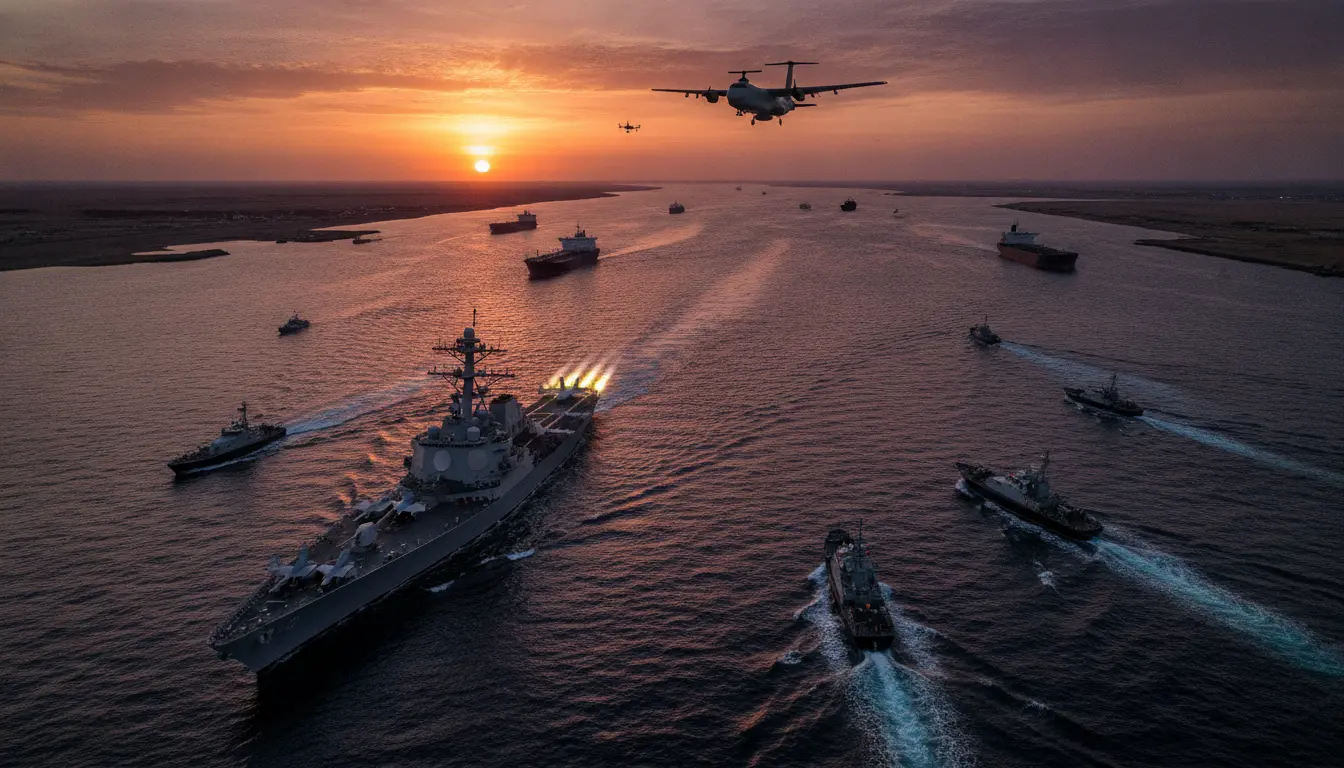
Strait of Hormuz Becomes Flashpoint as US and Iran Escalate Military Posturing in Persian Gulf
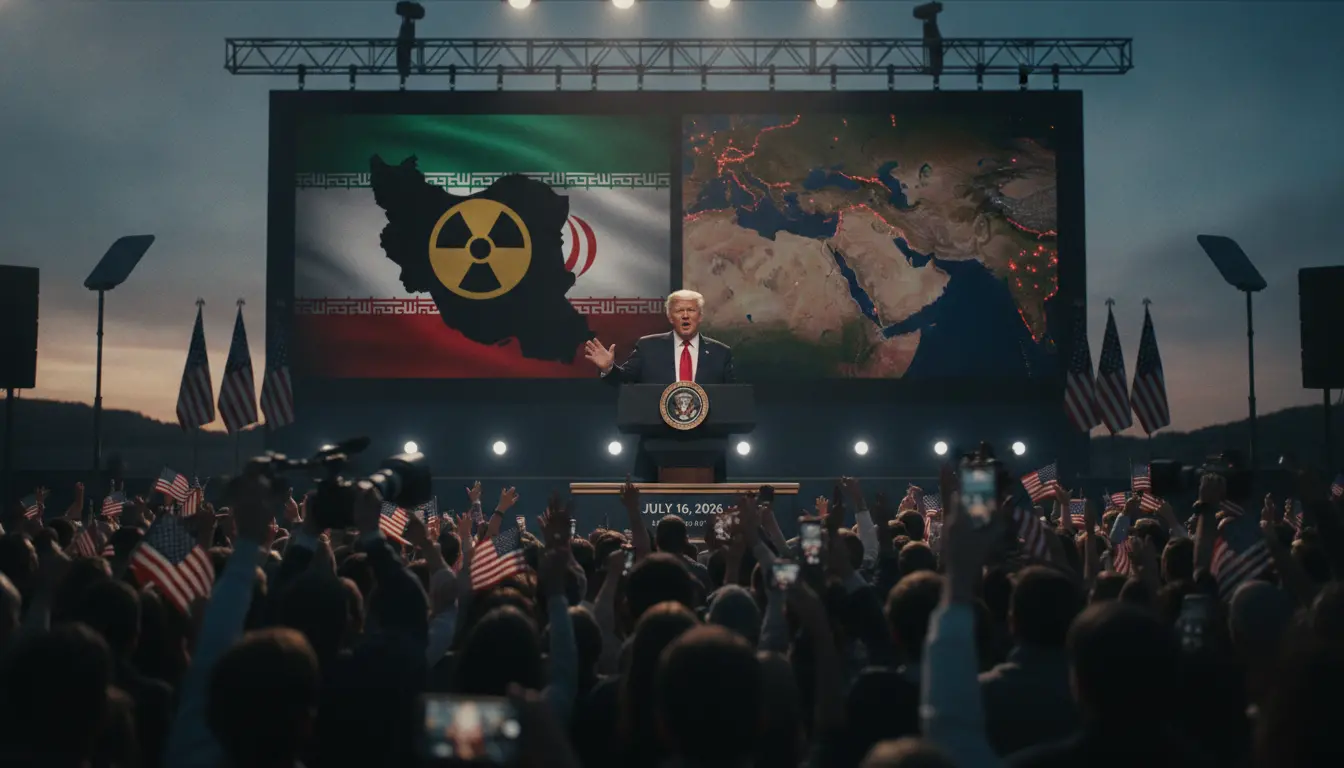
President Trump Poised to Announce New Iran Sanctions Amid Escalating Regional Tensions
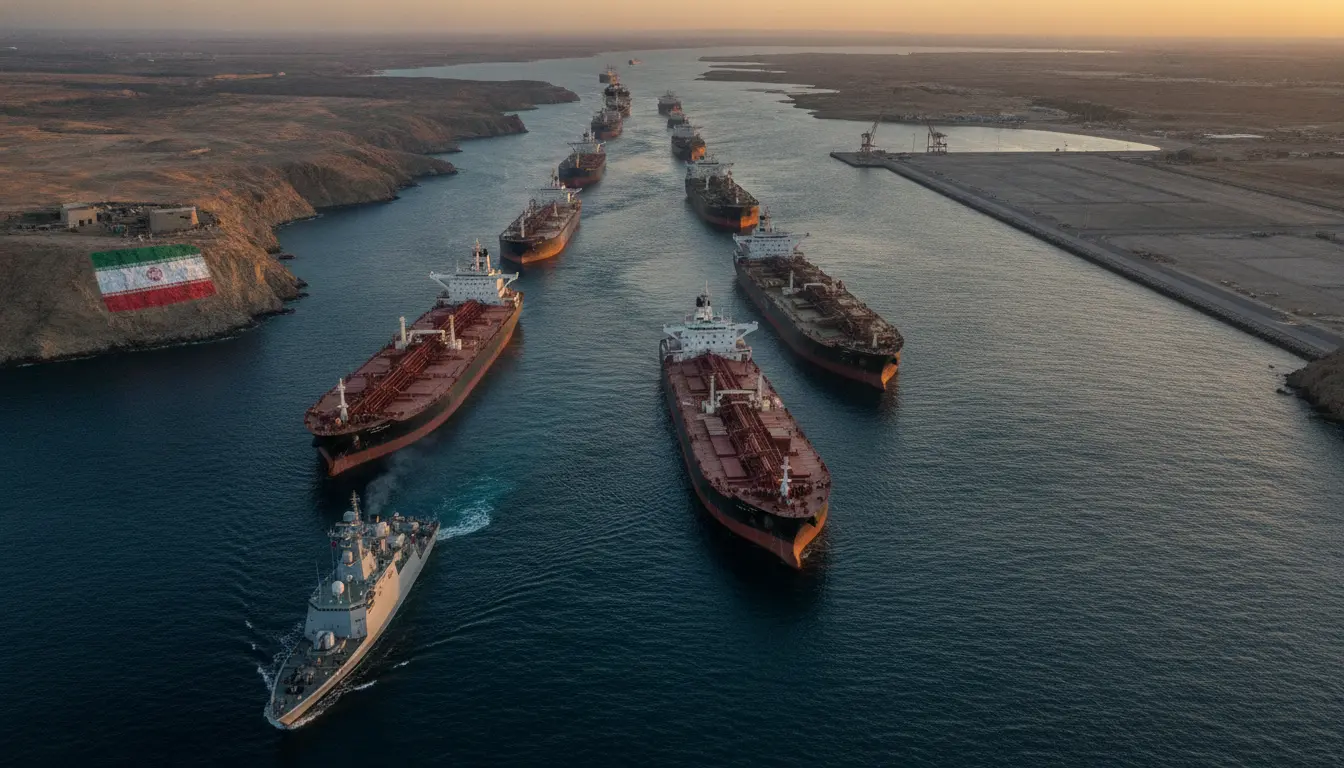
Strait of Hormuz Shipping Remains in Limbo as Iran Conditions Reopening on US Concessions
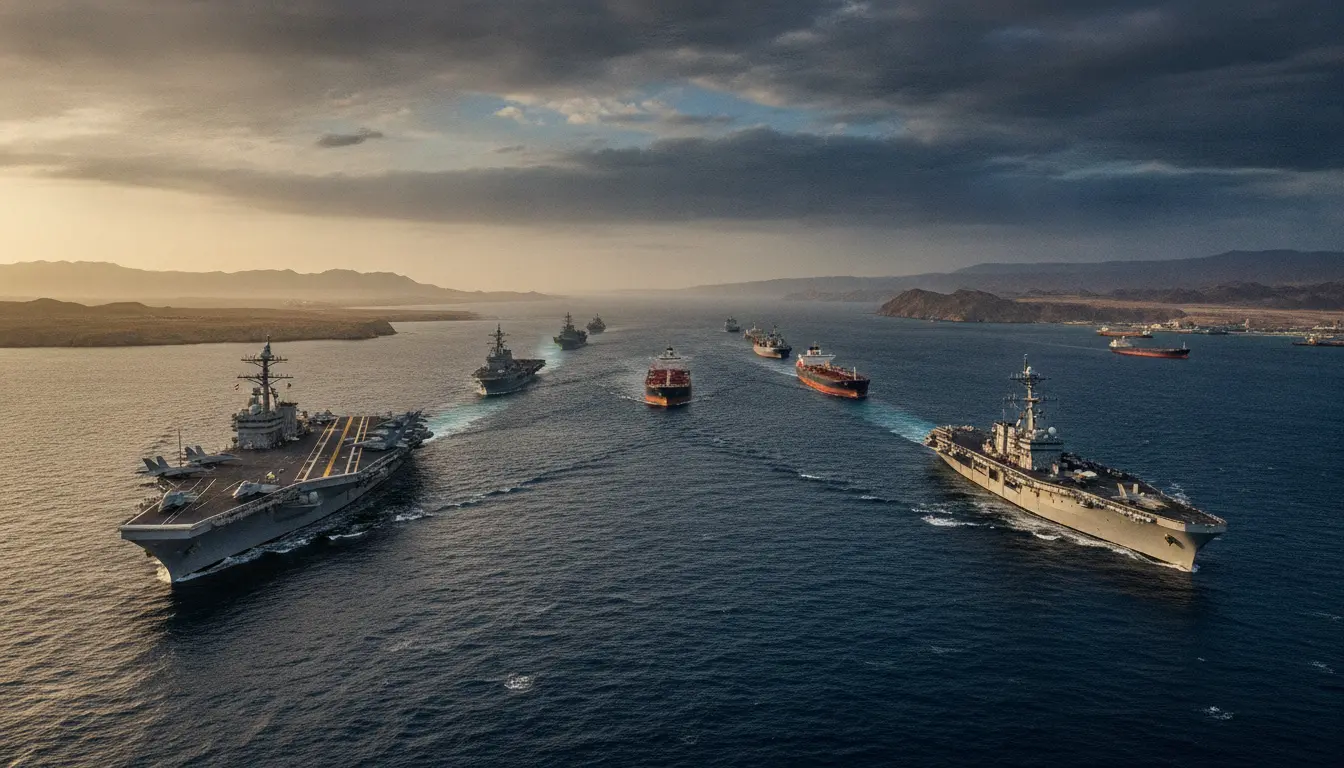
U.S. Considers Naval Blockade in Strait of Hormuz Amid Escalating Tensions with Iran
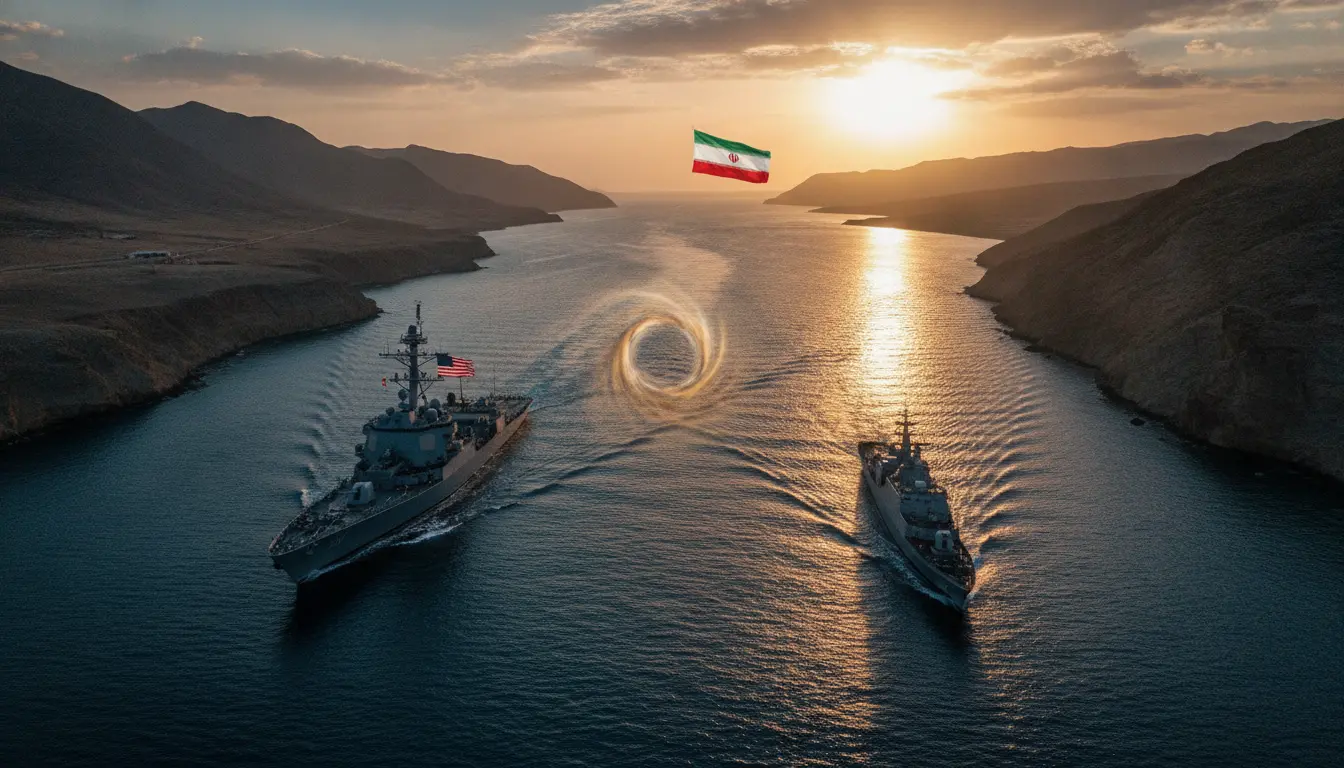
US and Iran Face High-Stakes Negotiations Amidst Pressures to Secure Strait of Hormuz
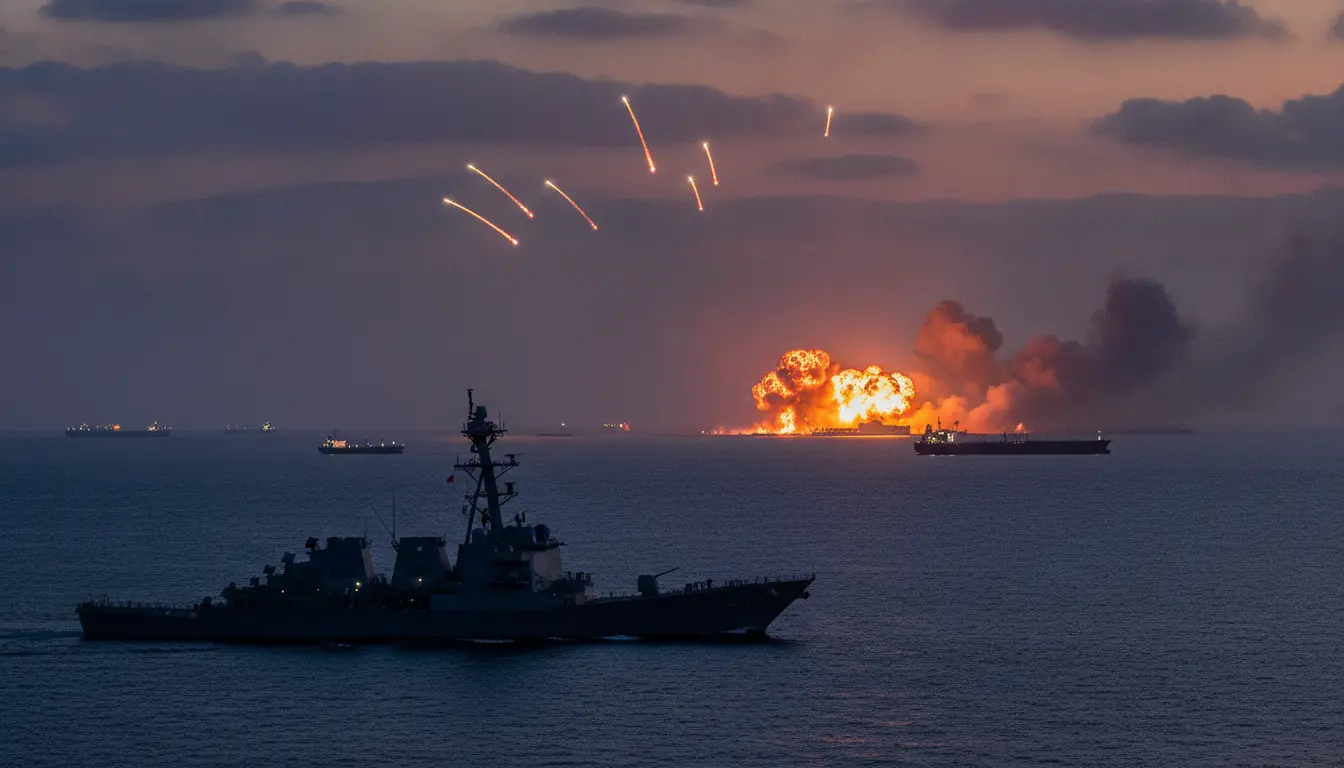
US Military Targets Iranian-Linked Sites Amid Escalating Gulf Shipping Tensions
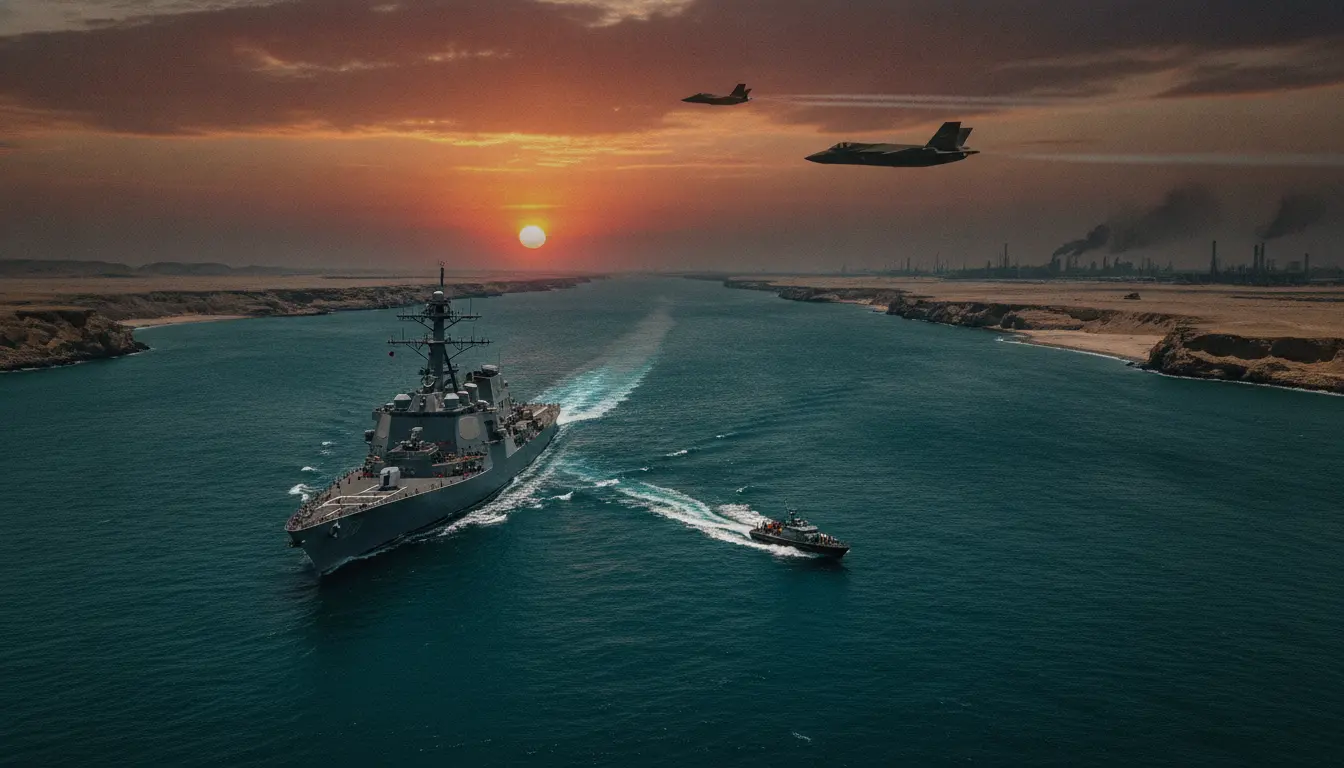
U.S. Considers Strategic Military Options Amid Heightened Tensions in Strait of Hormuz