

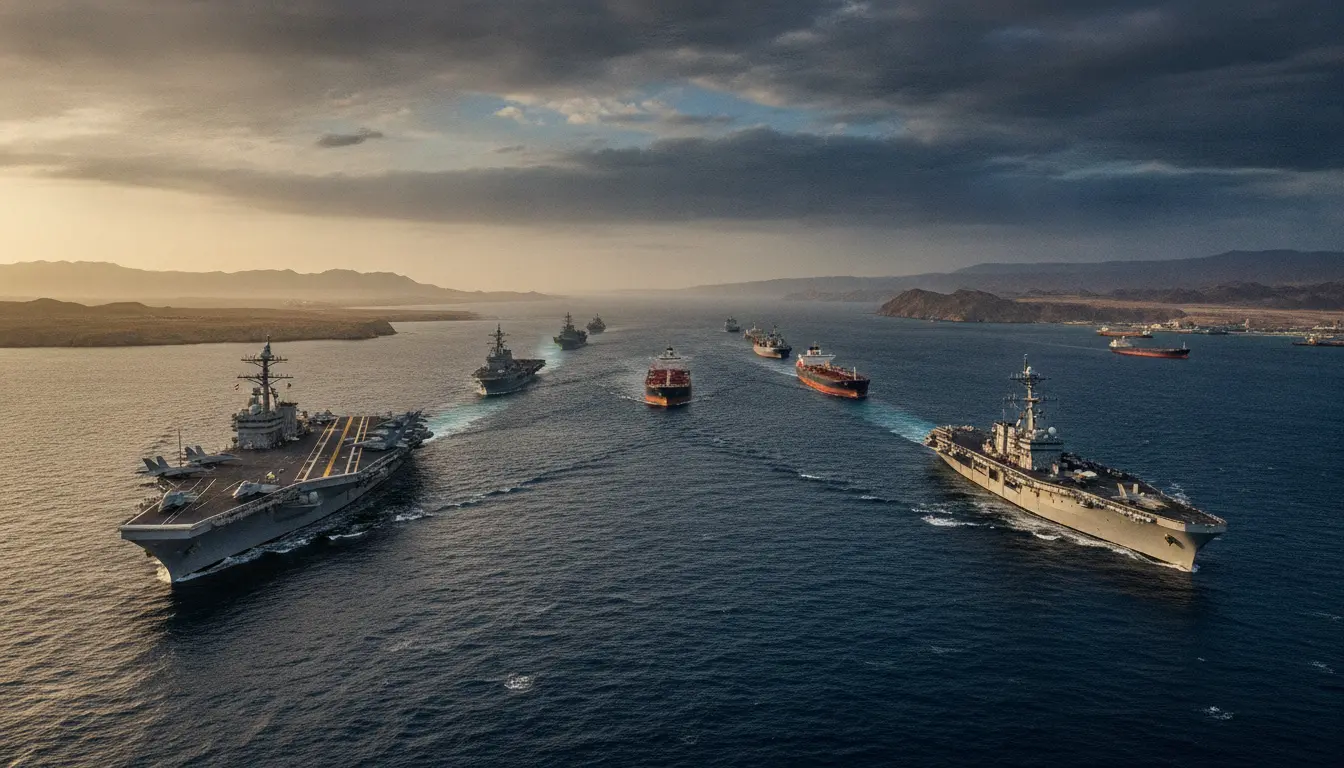
U.S. Considers Naval Blockade in Strait of Hormuz Amid Escalating Tensions with Iran
The strategic Strait of Hormuz, a critical chokepoint for global oil shipments, has once again become the focal point of escalating tensions between the United States and Iran. Recent statements, particularly from former President Donald Trump, have reignited discussions about the controversial possibility of the U.S. reinstating a naval blockade in the waterway, a move that would carry profound geopolitical and economic repercussions. Such a measure, if implemented, would mark a dramatic intensification of the long-standing rivalry, threatening to destabilize an already volatile Middle East and sending shockwaves through international energy markets.
The Strait of Hormuz, a narrow waterway connecting the Persian Gulf to the open ocean, is arguably the world's most vital maritime oil transit lane. Approximately one-fifth of global oil consumption, alongside a significant portion of the world's liquefied natural gas, passes through this 21-mile wide channel daily. Its immense strategic importance has historically made it a flashpoint, particularly in times of heightened U.S.-Iran friction. The history of this animosity stretches back decades, punctuated by events such as the 1979 Iranian Revolution, the Iran-Iraq War, and more recently, the U.S. withdrawal from the Joint Comprehensive Plan of Action (JCPOA), or Iran nuclear deal, in 2018. Following this withdrawal, the Trump administration pursued a “maximum pressure” campaign against Tehran, imposing crippling sanctions designed to curtail Iran's oil exports and destabilize its economy, leading to a series of confrontations including tanker attacks and drone incidents in the region.
While the U.S. maintains a robust naval presence in the Persian Gulf, primarily through the Fifth Fleet headquartered in Bahrain, the concept of a full naval blockade differs significantly from routine patrols or freedom of navigation operations. A blockade, by international law, typically involves preventing vessels from entering or leaving specific ports or coasts, often implying the use of force to enforce compliance. Such an action would be a drastic escalation, effectively cutting off Iran's seaborne trade and its ability to export oil, which remains a cornerstone of its economy despite sanctions. The implementation of a blockade would inevitably invite a forceful response from Iran, which has repeatedly threatened to close the Strait itself if its own access to international waters is impeded, a move that would instantly ignite a broader regional conflict.
Economically, the immediate impact of a Hormuz blockade would be catastrophic for global energy markets. Oil prices would skyrocket, potentially triggering a worldwide recession as major economies grapple with prohibitive energy costs. Nations heavily reliant on Persian Gulf oil, including China, Japan, India, and much of Europe, would face severe supply disruptions. Regionally, U.S. allies such as Saudi Arabia, the UAE, and Qatar, whose economies are inextricably linked to the Strait's free passage, would find themselves on the front lines of any conflict. The diplomatic fallout would also be immense, as such an aggressive move could fracture international alliances and draw condemnation from countries advocating for de-escalation and diplomatic solutions.
The discussion surrounding a potential blockade underscores a period of continued stagnation in U.S.-Iran relations, with no significant diplomatic breakthroughs on the horizon. The current U.S. administration has largely focused on maintaining deterrence and upholding sanctions, while Iran continues its nuclear program and supports regional proxies. However, the prospect of former President Trump's potential return to the White House injects renewed unpredictability into the equation. His past rhetoric and actions suggest a willingness to pursue confrontational policies, making the consideration of extreme measures like a naval blockade a tangible, albeit highly risky, possibility. The coming years will be crucial in determining whether the international community can navigate these treacherous waters or if the Strait of Hormuz will once again become the epicenter of a major international crisis, with dire consequences for global peace and economic stability.
Stay Informed. Act Smarter.
Get weekly highlights, major headlines, and expert insights — then put your knowledge to work in our live prediction markets.
Related News
Geopolitical Alarm Rings as US-Iran Standoff Threatens Strait of Hormuz Shipping
U.S. Considers Strategic Military Options Amid Heightened Tensions in Strait of Hormuz
Strait of Hormuz Becomes Flashpoint as US and Iran Escalate Military Posturing in Persian Gulf
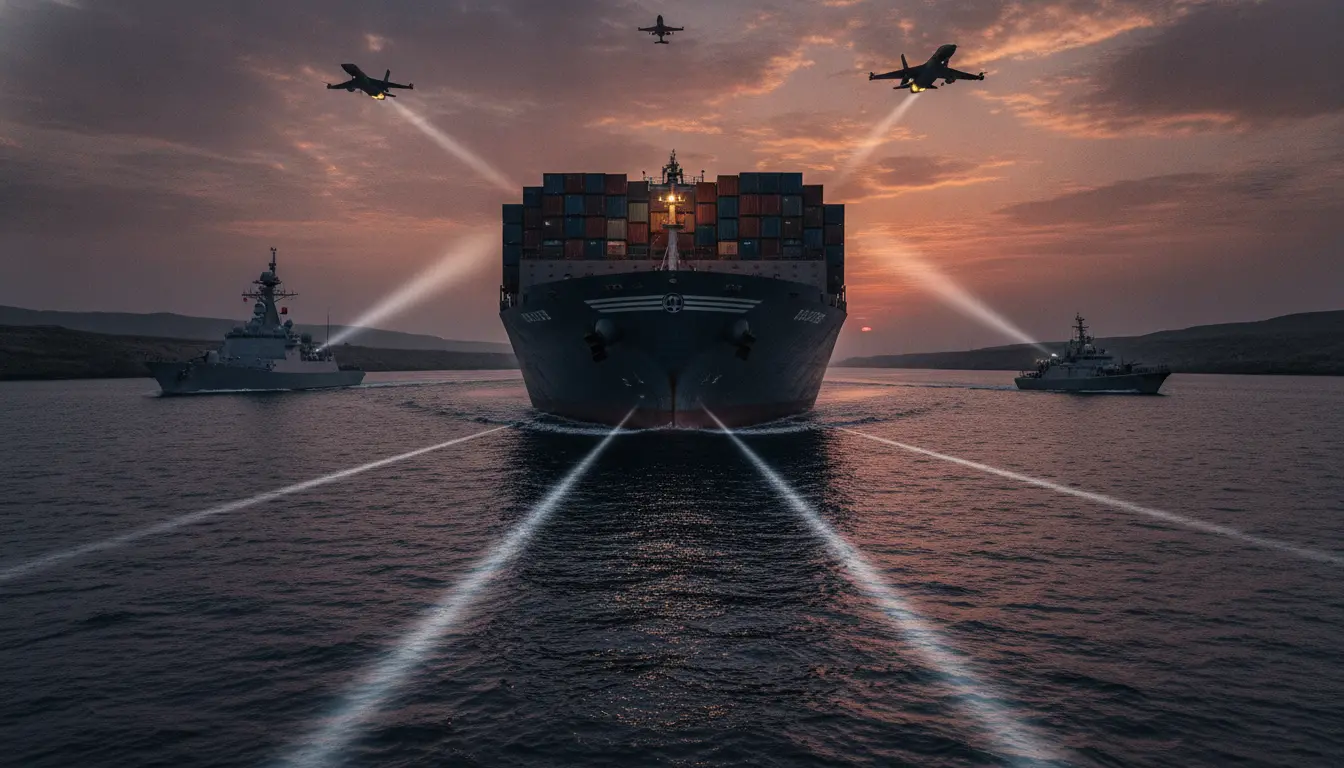
Global Shipping on High Alert as Military Tensions Simmer in Strait of Hormuz
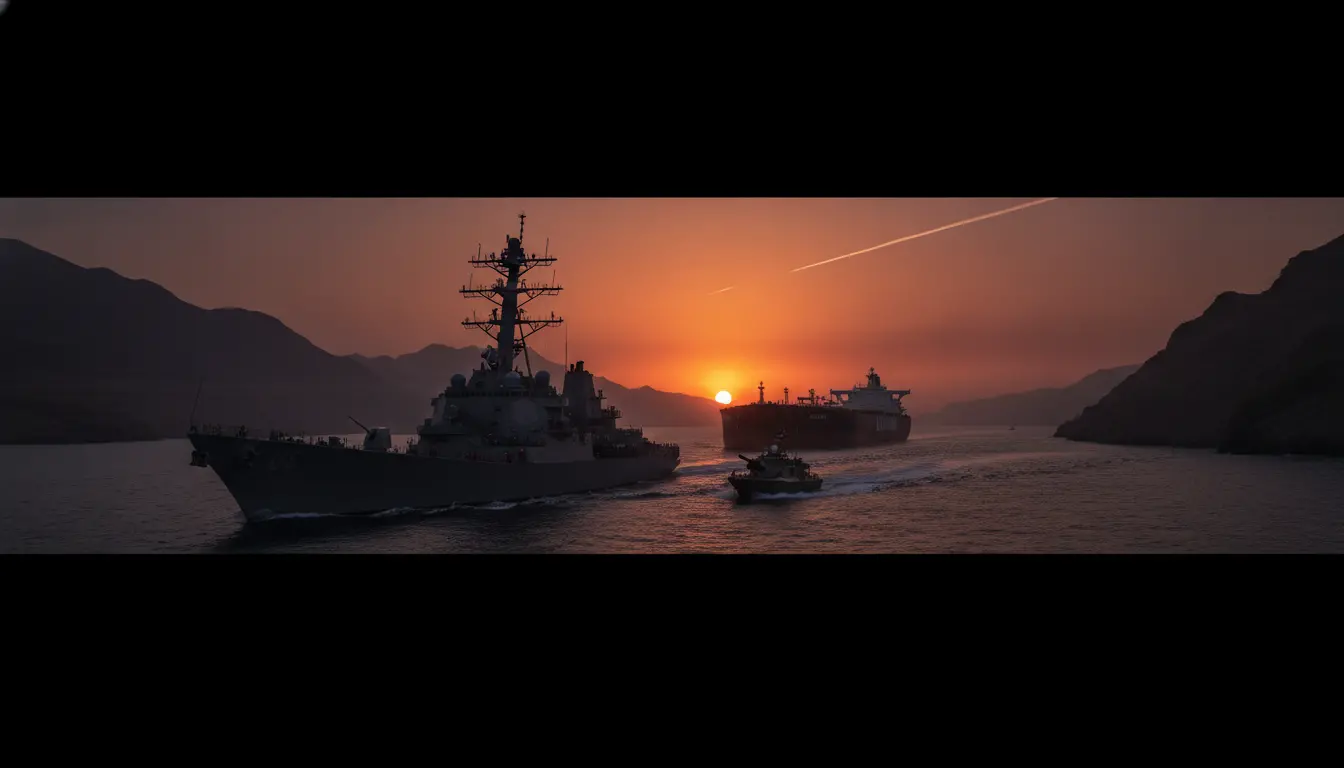
US-Iran Tensions Escalate, Jeopardizing Global Shipping Through Strait of Hormuz
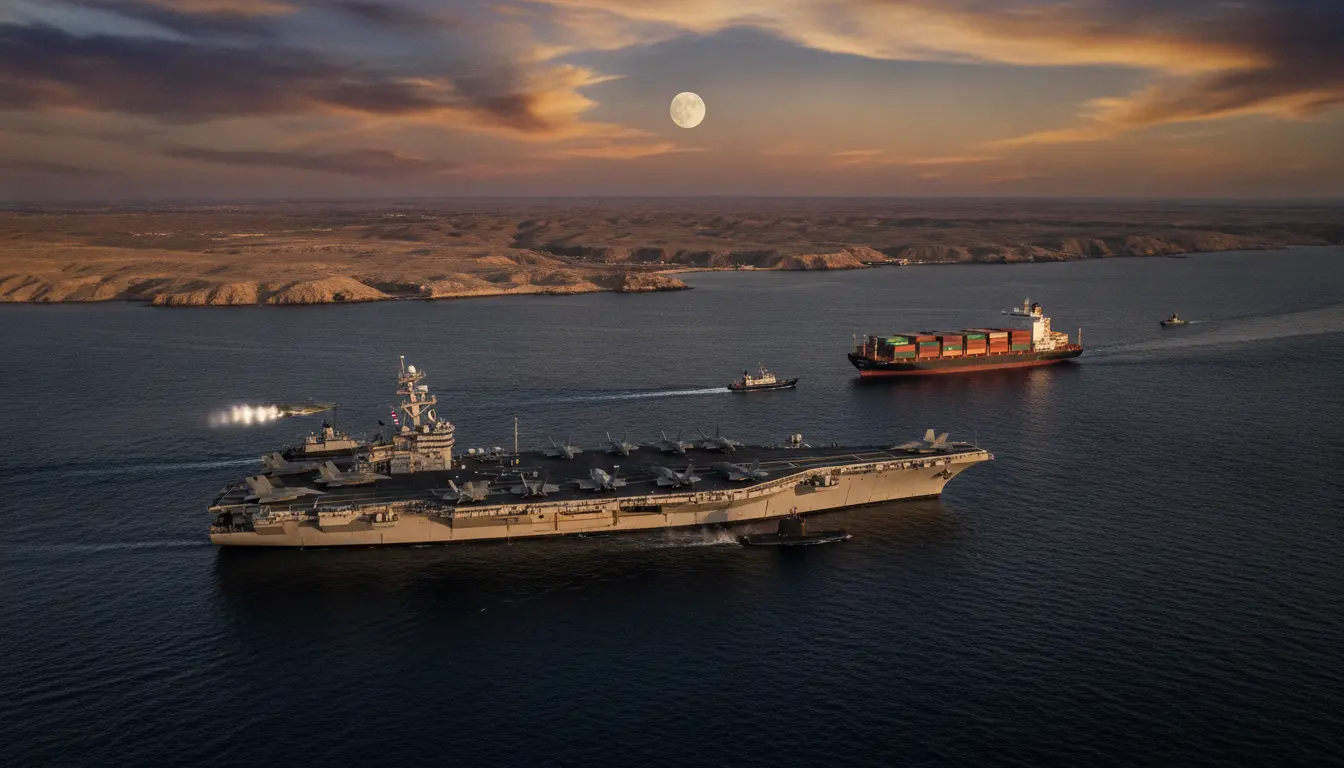
US Issues Ultimatum to Iran on Strait of Hormuz Shipping Amid Renewed Hostilities
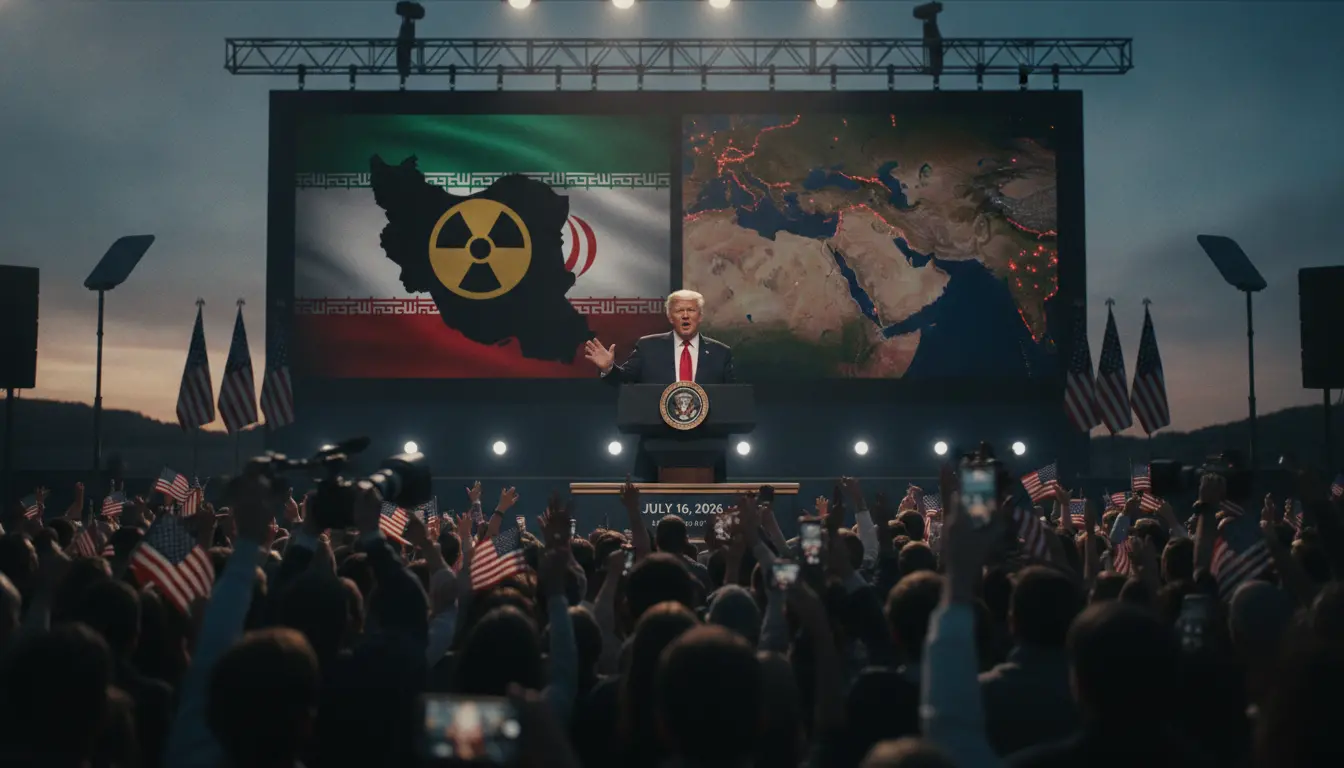
President Trump Poised to Announce New Iran Sanctions Amid Escalating Regional Tensions
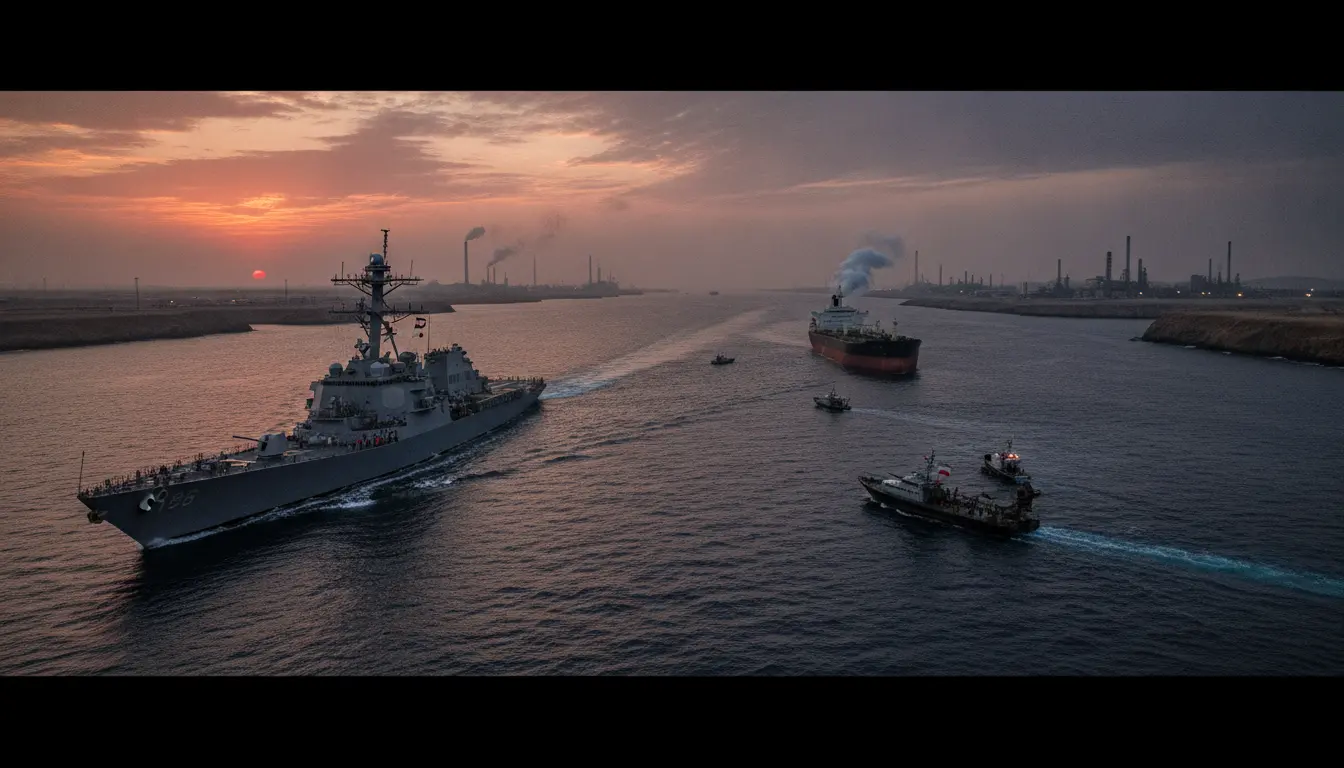
Heightened US-Iran Tensions Fuel Fears of Direct Confrontation in Strategic Strait of Hormuz
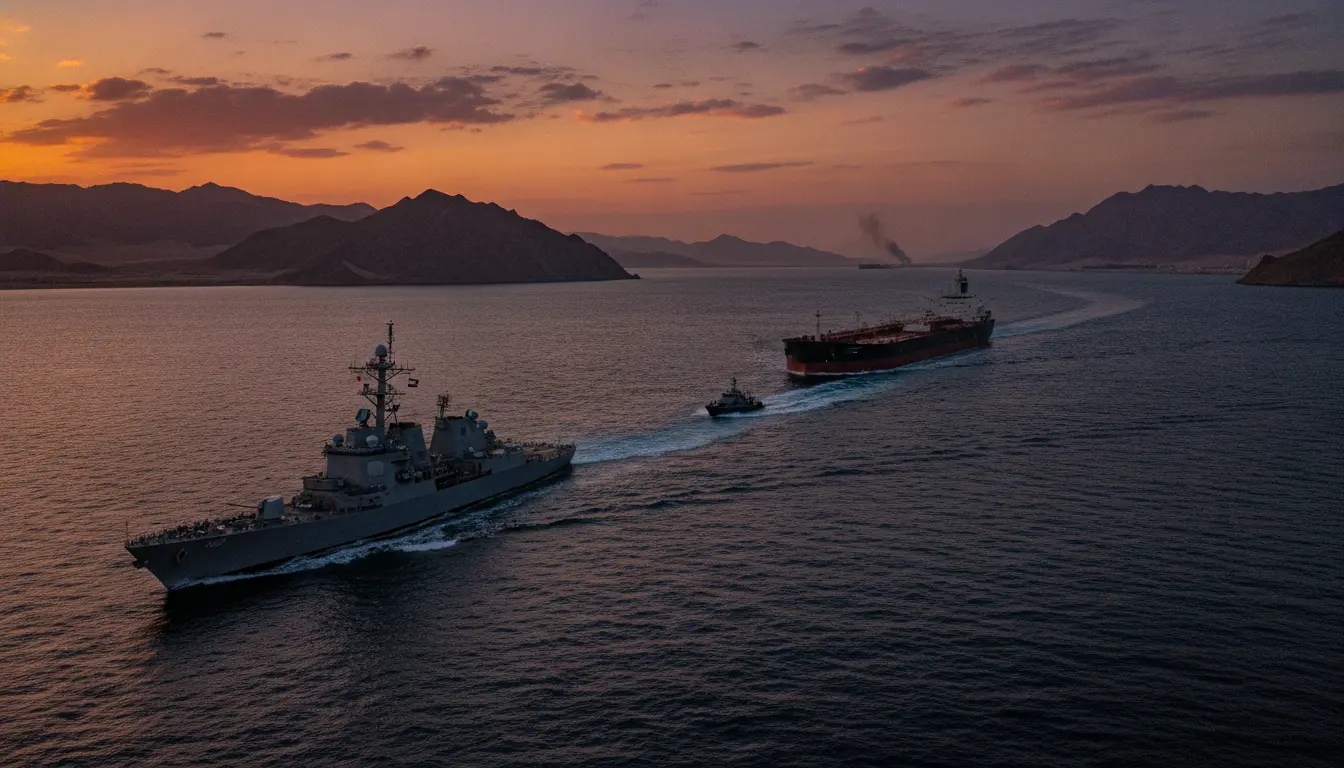
Strait of Hormuz Faces Heightened Tensions as Maritime Incidents Recur
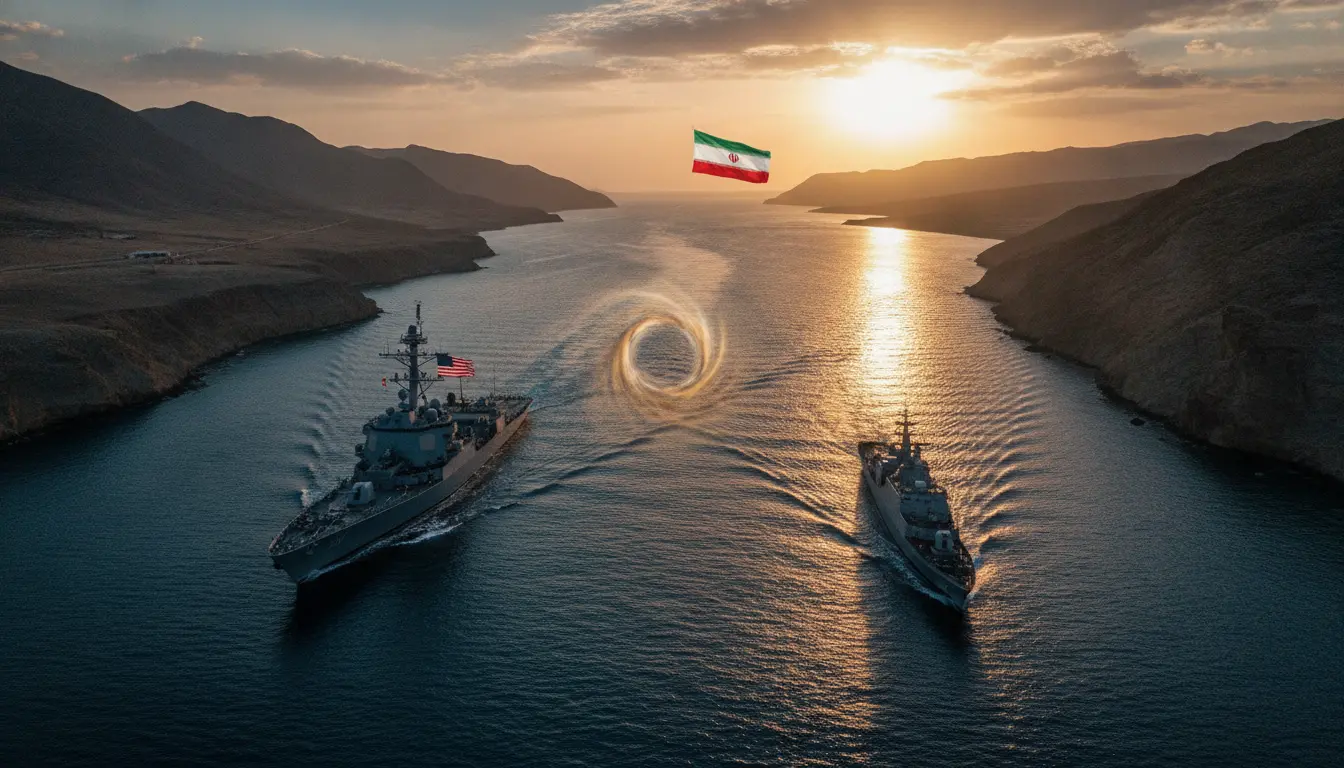
US and Iran Face High-Stakes Negotiations Amidst Pressures to Secure Strait of Hormuz