

- News
- Politics
- U.S. and Iran Face Growing Risk of Direct Military Confrontation Beyond Gulf's Strategic Waterways
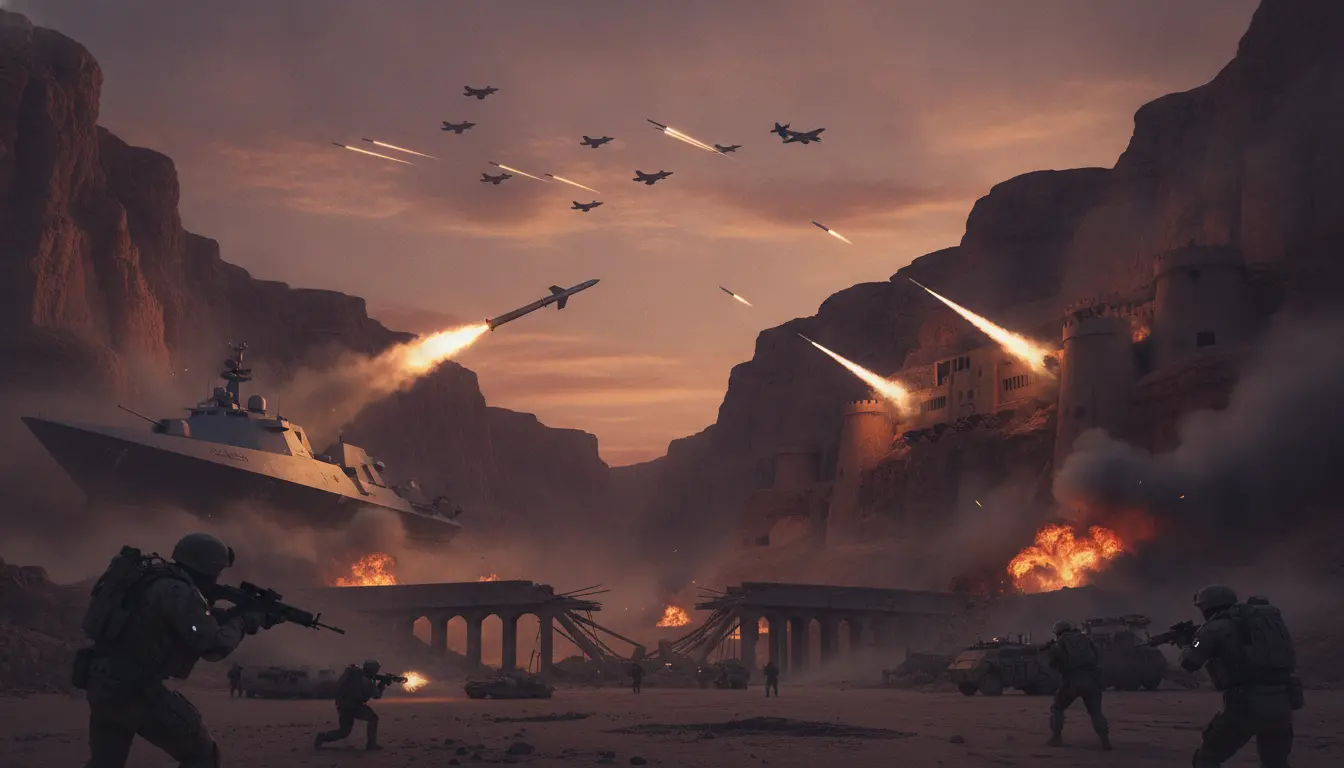
U.S. and Iran Face Growing Risk of Direct Military Confrontation Beyond Gulf's Strategic Waterways
Tensions between the United States and Iran have reached a critical juncture, elevating the specter of direct military confrontation far beyond the traditionally volatile chokepoints of the Strait of Hormuz and Gulf of Oman. A complex web of regional proxy conflicts, persistent diplomatic stalemates, and a deepening sense of distrust between Washington and Tehran suggests that any future clash could unfold across a broader, more unpredictable geographical expanse, involving a wider array of military capabilities and potentially drawing in other regional actors. The long-standing strategic rivalry, exacerbated by the collapse of the 2015 nuclear deal and the U.S. withdrawal, has fostered an environment where miscalculation carries increasingly severe consequences for global stability and energy markets.
The historical animosity between the two nations is deeply entrenched, marked by decades of indirect conflict and a continuous struggle for influence in the Middle East. While the Strait of Hormuz, through which a significant portion of the world's oil transits, has historically been the primary flashpoint for naval encounters and threats to commercial shipping, the current trajectory indicates a potential shift in the scope of conflict. Iran's development of ballistic missile capabilities, drone technology, and its network of regional proxies — including Hezbollah in Lebanon, Houthi rebels in Yemen, and various militias in Iraq and Syria — provides it with asymmetric means to project power and retaliate against U.S. and allied interests across a much wider operational area. This expanded reach complicates U.S. deterrence strategies, which have traditionally focused on naval superiority in the Persian Gulf.
Recent years have seen a dangerous escalation in these proxy theaters. In Yemen, Houthi attacks on international shipping in the Red Sea, allegedly backed by Iran, have provoked direct military responses from U.S. and allied forces, marking a significant expansion of hostilities beyond the Gulf. Similarly, U.S. forces in Iraq and Syria have faced persistent drone and rocket attacks from Iran-aligned militias, leading to retaliatory strikes that underscore the continuous, low-intensity conflict. These incidents, while not direct engagements between U.S. and Iranian uniformed personnel, serve as a stark reminder of the volatile operational environment and the ease with which such proxy actions could spiral into direct bilateral confrontation, particularly if critical infrastructure or personnel are targeted more directly and decisively.
For the United States, the strategic challenge involves balancing its commitment to regional security and the protection of its allies with the imperative of avoiding a large-scale war. Washington's military presence in the Middle East, while substantial, is designed for deterrence and rapid response, not necessarily a sustained, multi-front conflict with a major regional power. The U.S. maintains bases across the region, including in Qatar, Bahrain, Kuwait, and Saudi Arabia, all of which could become targets in a wider conflict. Moreover, the ongoing nuclear program in Iran, coupled with its advanced missile capabilities, adds another layer of complexity, raising concerns about proliferation and regional arms races that could fundamentally alter the strategic balance.
The stakes extend far beyond the immediate belligerents. A direct U.S.-Iran military confrontation, particularly if it occurs outside traditional maritime chokepoints, would send shockwaves through global energy markets, disrupt international trade, and destabilize an already fragile region. It could also force difficult choices for regional powers like Saudi Arabia and Israel, who have their own complex relationships with both Washington and Tehran. The absence of robust diplomatic channels and de-escalation mechanisms further amplifies the risk, leaving little room for error in a region prone to rapid escalations. Both sides appear locked in a dangerous cycle of action and reaction, with each step closer to a potential direct clash.
Observers and policymakers worldwide are closely monitoring the situation, recognizing that the current trajectory poses one of the most significant geopolitical risks of the coming years. The international community largely advocates for a return to diplomacy and de-escalation, but the pathways to achieving this remain elusive amidst the deep-seated grievances and strategic imperatives driving both the U.S. and Iran. The potential for a direct military confrontation, particularly one that transcends the Gulf's immediate confines, represents a highly destabilizing scenario with profound implications for peace and security on a global scale.
Stay Informed. Act Smarter.
Get weekly highlights, major headlines, and expert insights — then put your knowledge to work in our live prediction markets.
Related News

US-Iran Tensions Simmer Amid Regional Flare-ups, Raising Fears of Direct Conflict
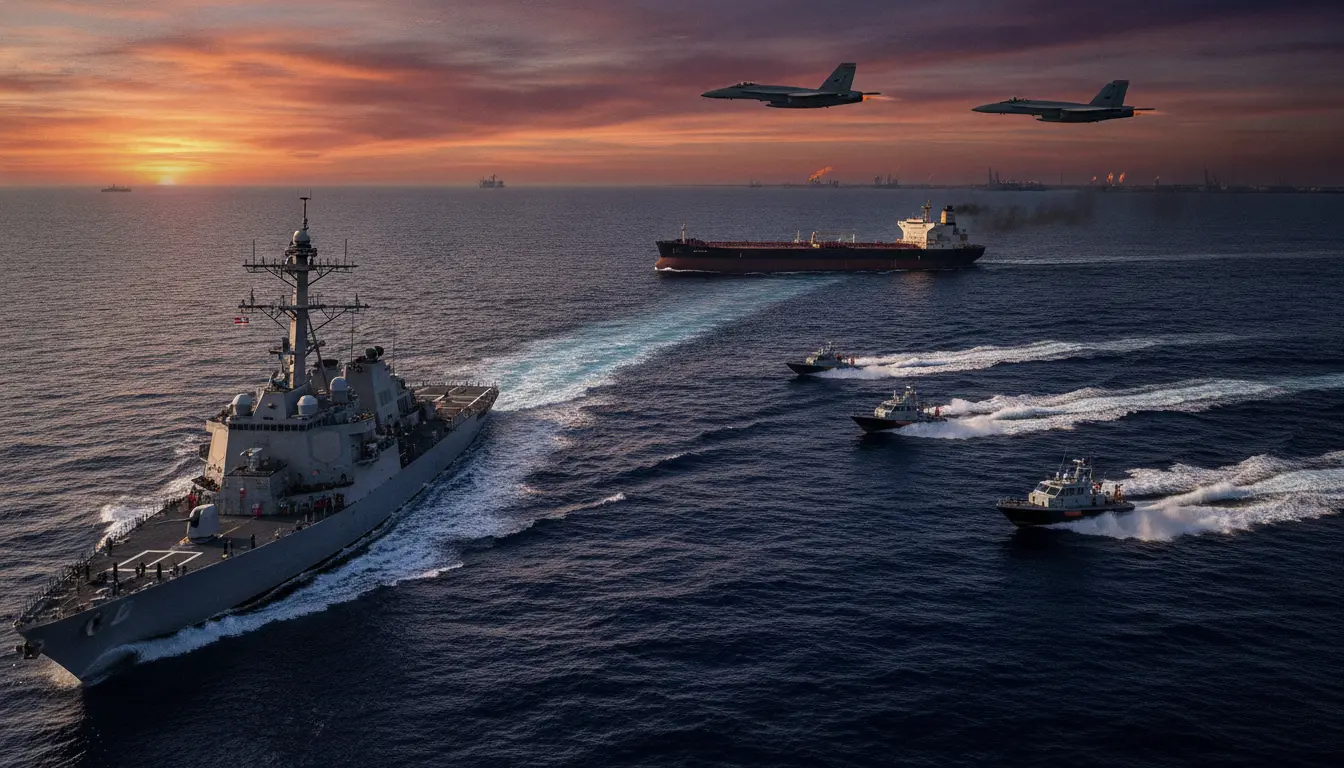
US-Iran Tensions Soar Amid Escalating Strikes and Maritime Incidents in Gulf
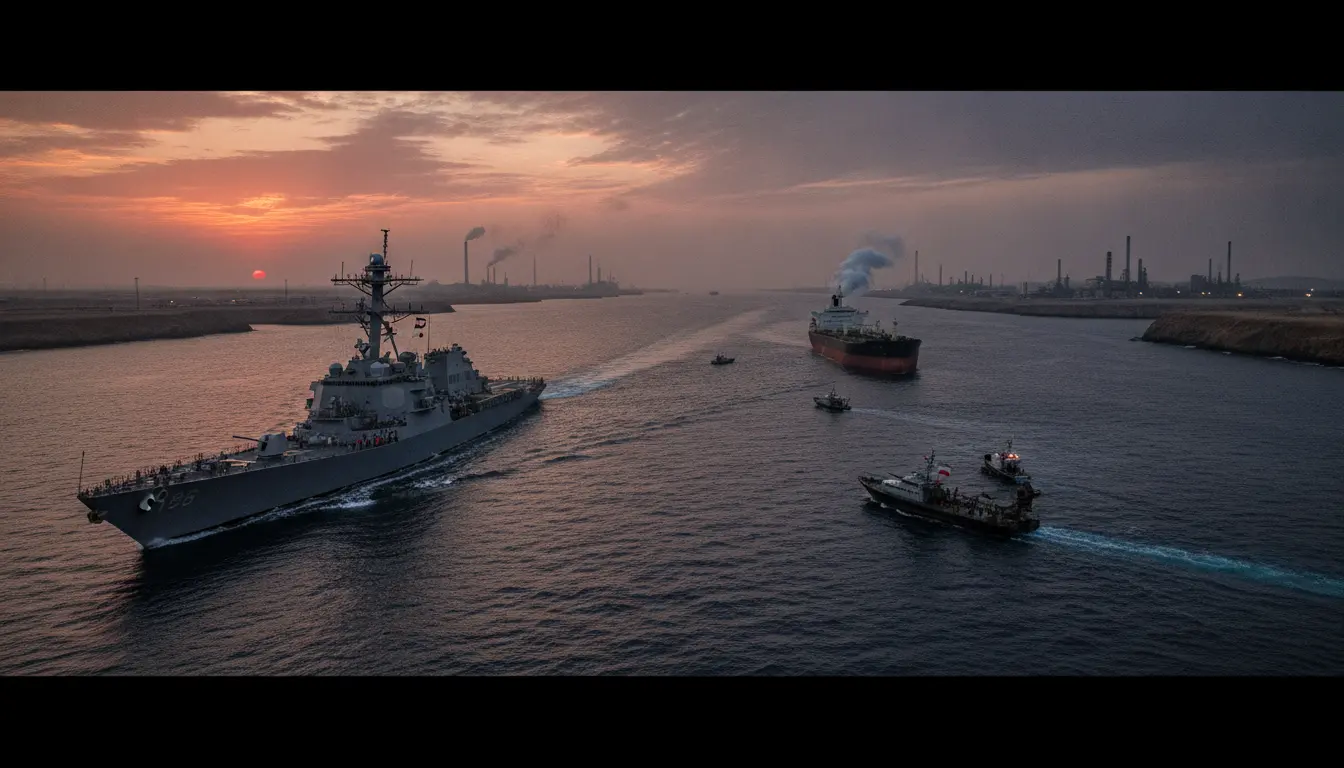
Heightened US-Iran Tensions Fuel Fears of Direct Confrontation in Strategic Strait of Hormuz

Heightened Geopolitical Tensions Spark Concerns Over Potential US-Iran Conflict

US-Iran Tensions Escalate Amid Renewed Rhetoric, Raising Specter of Direct Confrontation
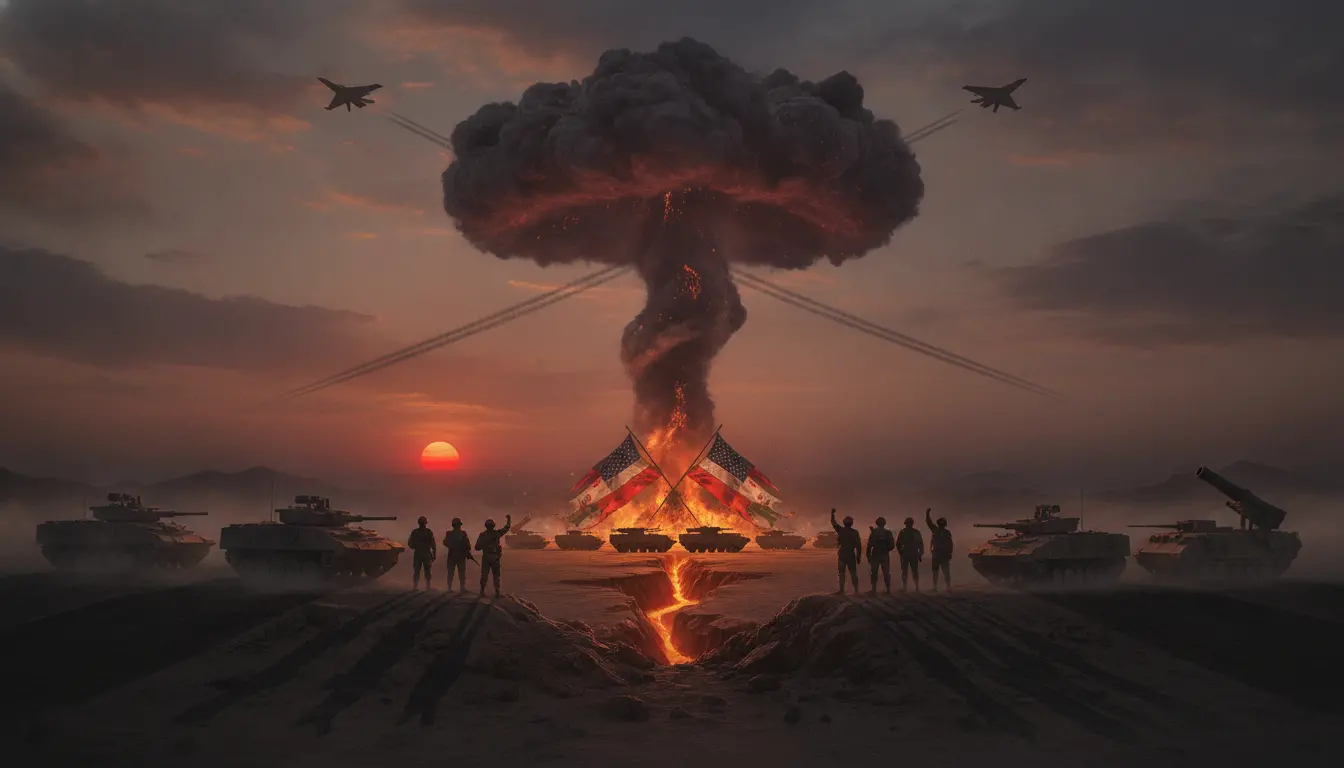
Heightened US-Iran Tensions Fuel Fears of Formal Conflict Declaration

Escalating US-Iran Tensions Stoke Fears of Formal Conflict Declaration
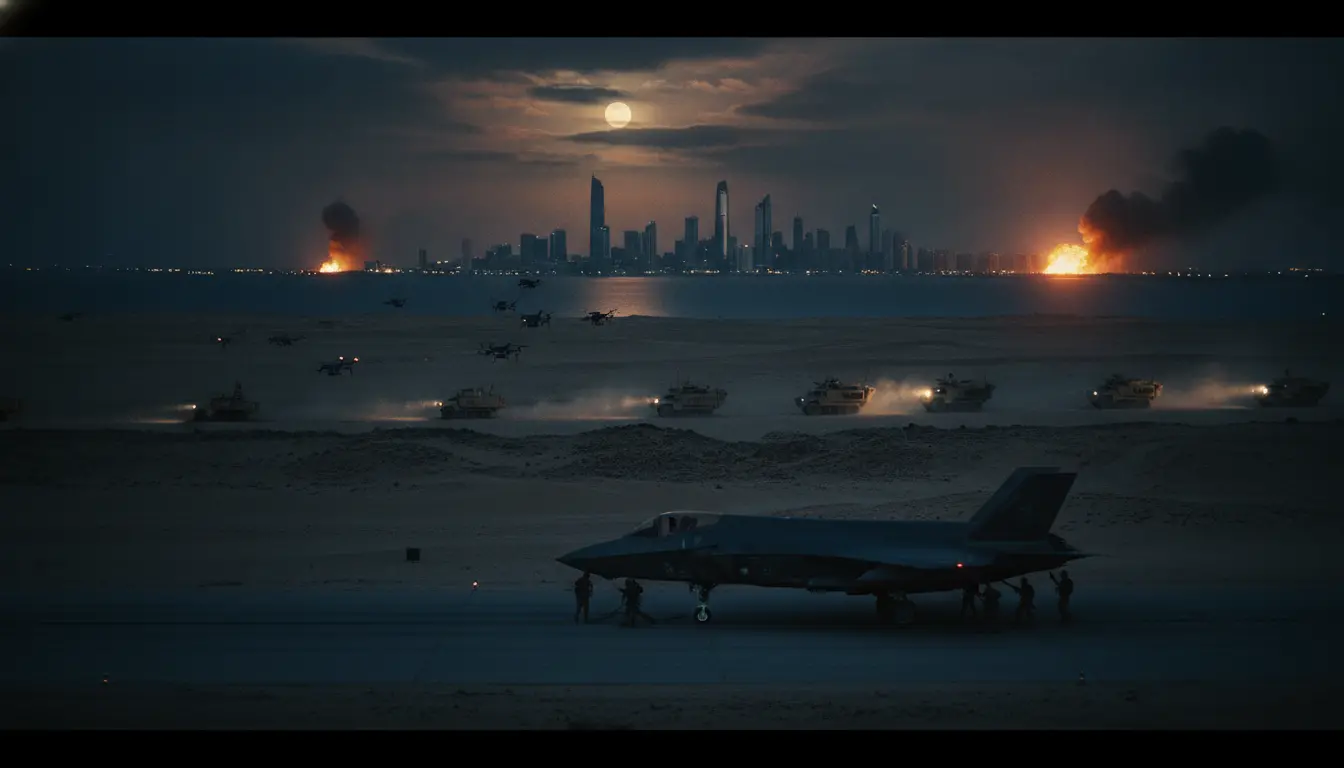
United States Considers Direct Offensive Strikes Against Iranian Mainland Amid Heightened Regional Tensions
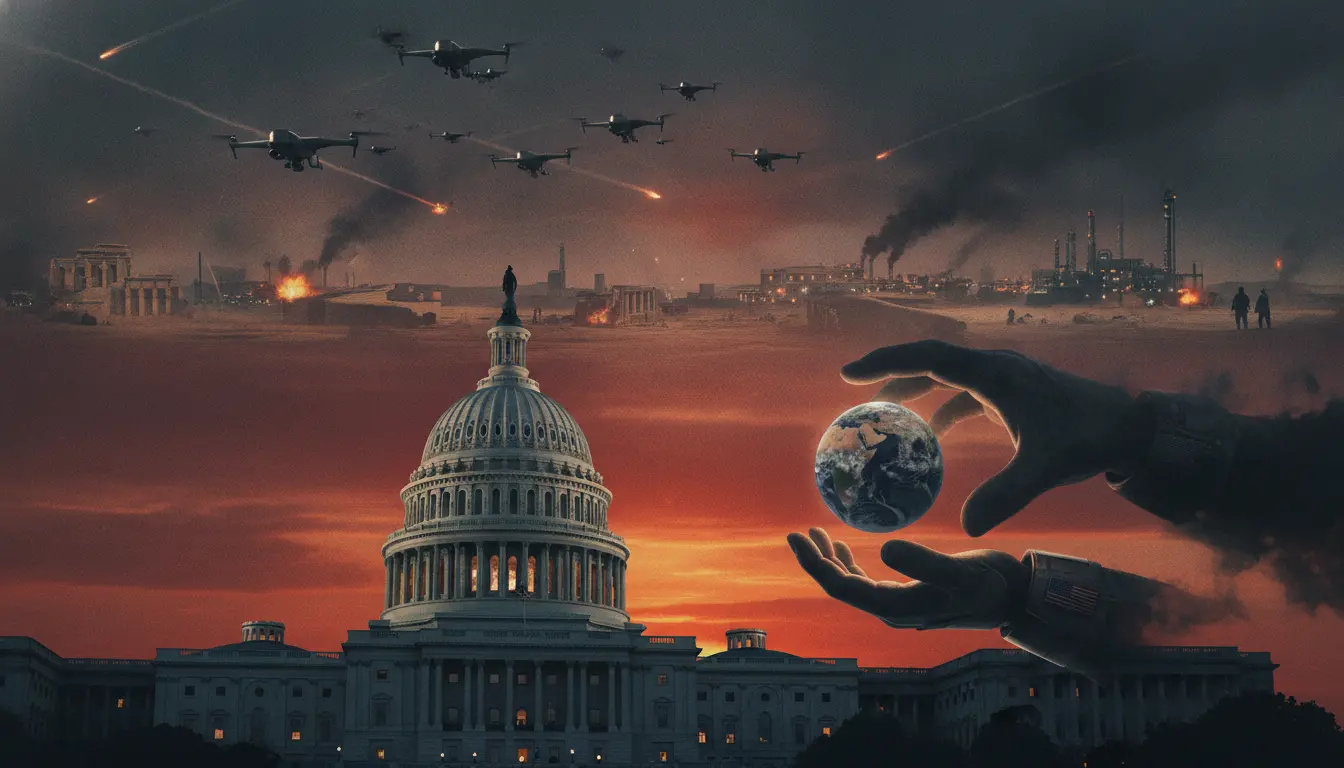
Washington Weighs Escalation Amid Persistent Iranian-Backed Aggression in Middle East
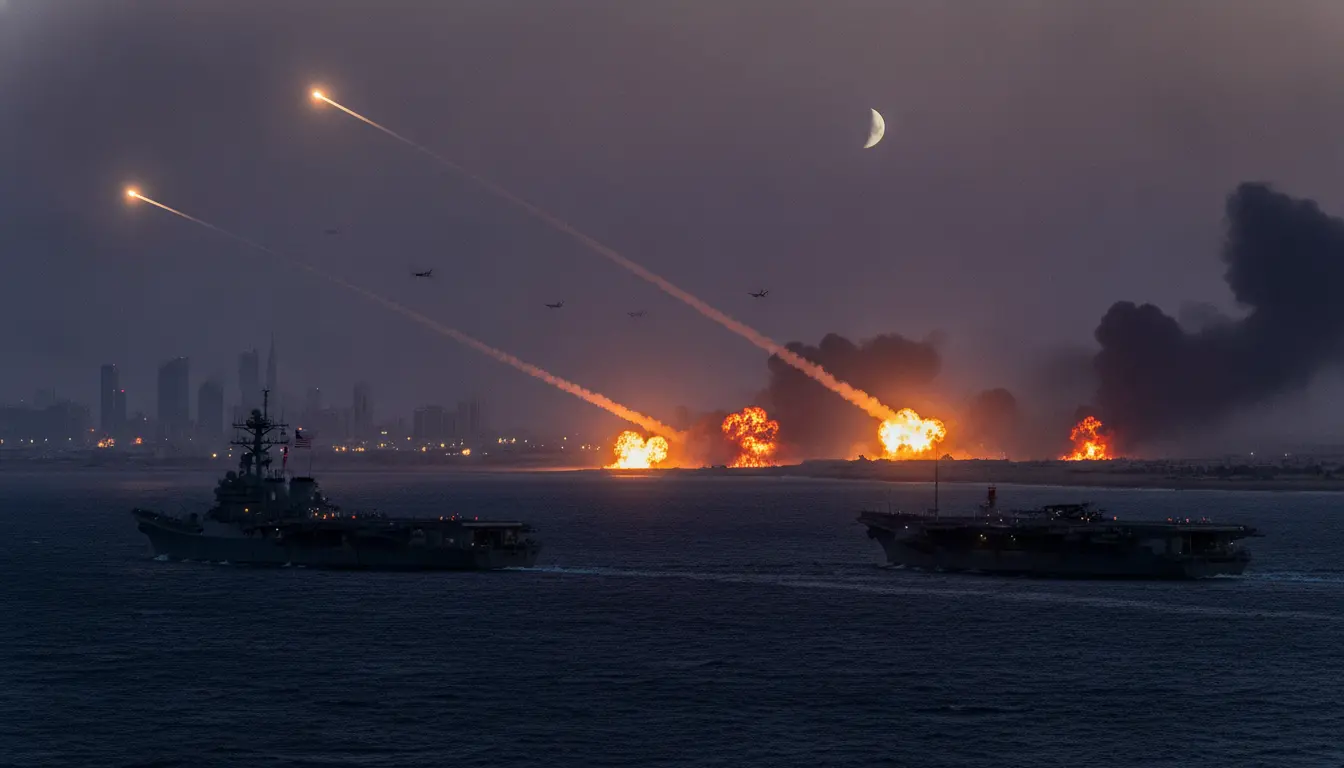
US-Iran Escalation Fears Mount After Retaliatory Strikes Deepen Regional Crisis