

Geopolitical Alarm Rings as US-Iran Standoff Threatens Strait of Hormuz Shipping
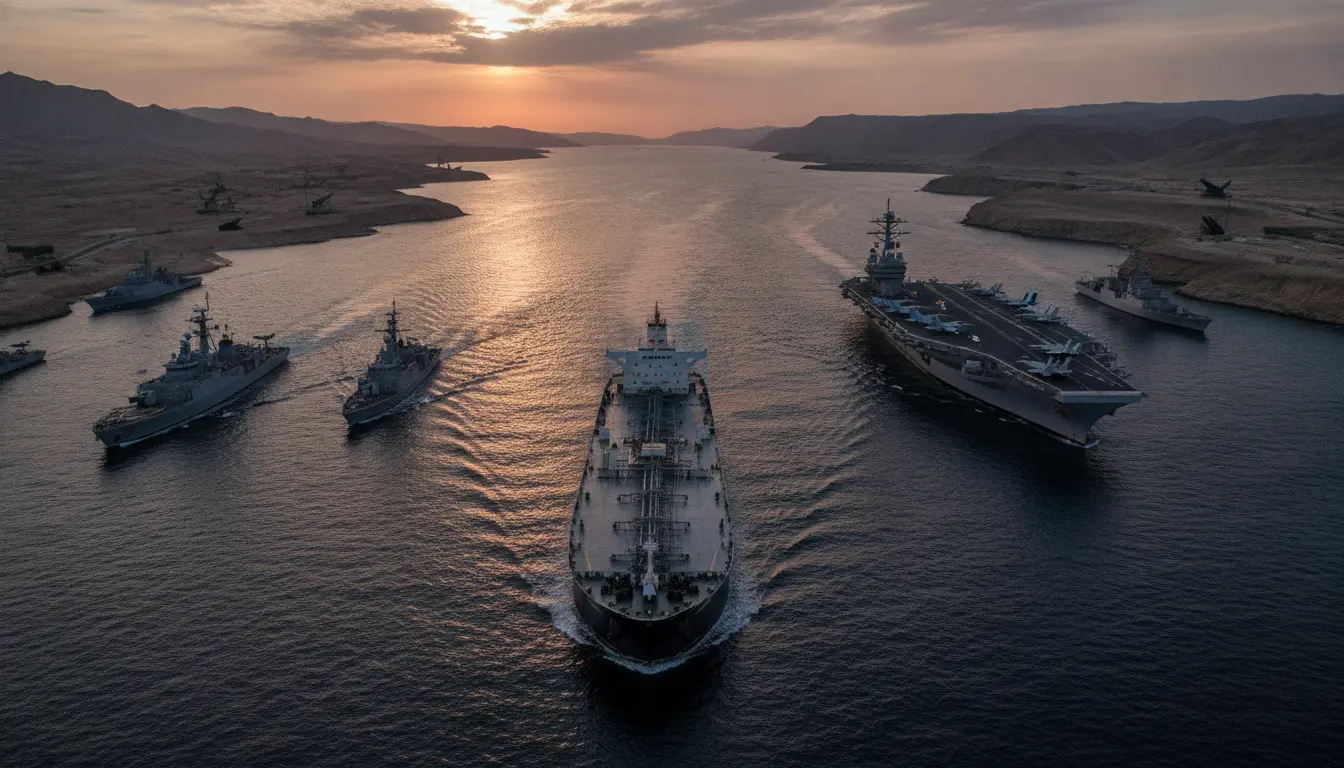
Tensions between the United States and Iran are once again intensifying, casting a long shadow over the Strait of Hormuz, one of the world's most critical maritime chokepoints. This strategic waterway, through which approximately one-fifth of the world's oil supply passes daily, has become a focal point of geopolitical friction, raising serious concerns about the potential for future military confrontations. The heightened rhetoric from Washington, particularly from political factions advocating for a more assertive stance against Tehran, suggests that the prospect of a physical interdiction of non-military vessels in the Strait is being actively considered as a tool to pressure the Iranian regime.
The history of US-Iran interactions in the Persian Gulf is replete with periods of confrontation and near-misses. From the Tanker War in the 1980s to recent incidents involving Iranian Revolutionary Guard Corps (IRGC) vessels harassing international shipping, the region has long been a flashpoint. The Strait of Hormuz itself, a narrow passage bordered by Iran and Oman, is notoriously difficult to navigate under normal circumstances, let alone during periods of elevated military readiness. Any move by a major power, such as the United States, to halt or board a non-military vessel would represent a significant escalation from previous warnings or threats, potentially triggering a chain of unpredictable events with far-reaching consequences.
Such a decisive action, especially under an administration reportedly contemplating a "blockade," would venture into legally complex and diplomatically perilous territory. International maritime law generally upholds the right of innocent passage through international straits, even for commercial vessels of states with whom a nation has strained relations. A physical interdiction, going beyond mere surveillance or verbal warnings, could be interpreted by Iran and much of the international community as an act of aggression, violating established norms of maritime freedom. The implications for global trade and energy markets would be immediate and severe, likely sending oil prices skyrocketing and disrupting vital supply chains already under pressure from various global stressors.
The strategic stakes in the Strait of Hormuz extend far beyond just oil. It is a conduit for liquefied natural gas (LNG) and other critical goods, serving not only the global economy but also the economies of key US allies in the Gulf, such as Saudi Arabia, the UAE, and Qatar. A sustained disruption or direct confrontation in the Strait would not only imperil global energy security but could also destabilize the entire region, potentially drawing in other naval powers and regional actors. The US Navy’s robust presence in the Fifth Fleet area of operations underscores its commitment to maintaining freedom of navigation, but also highlights the immense challenge and risk associated with any direct physical intervention in the shipping lanes.
Moreover, the internal political dynamics in both Washington and Tehran play a crucial role in shaping these tensions. In the US, a more hawkish foreign policy stance could prioritize projecting strength and imposing maximum pressure on Iran. Conversely, Tehran views any encroachment on its perceived territorial waters or interference with its maritime traffic as a severe provocation, likely to elicit a strong, potentially military, response. The international community, including major economic powers like China and European nations, would undoubtedly urge de-escalation, mindful of the catastrophic economic and human cost of a broader conflict in the Middle East. The delicate balance in the Strait of Hormuz remains a testament to ongoing geopolitical complexities and the ever-present threat of miscalculation in a volatile region.
Stay Informed. Act Smarter.
Get weekly highlights, major headlines, and expert insights — then put your knowledge to work in our live prediction markets.
Related News
Global Shipping on High Alert as Military Tensions Simmer in Strait of Hormuz
Strait of Hormuz Becomes Flashpoint as US and Iran Escalate Military Posturing in Persian Gulf
US-Iran Tensions Escalate, Jeopardizing Global Shipping Through Strait of Hormuz
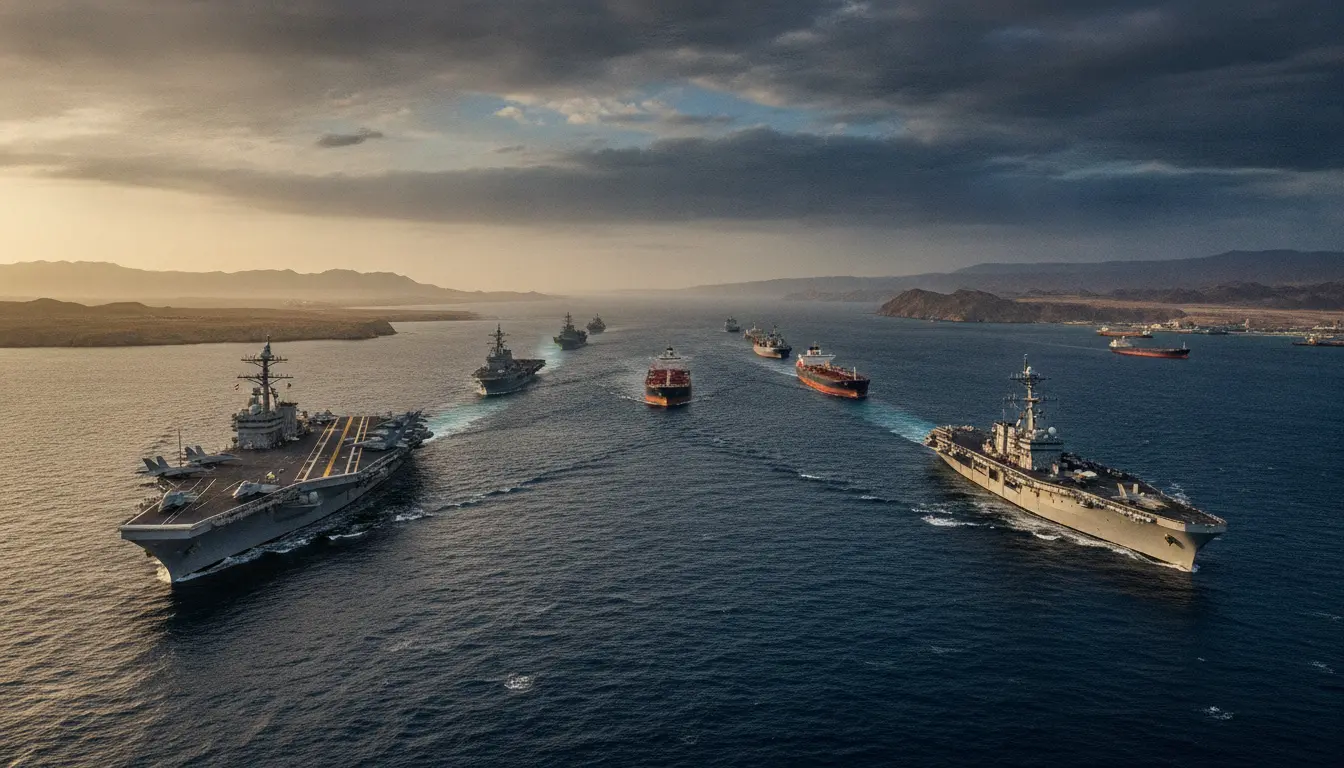
U.S. Considers Naval Blockade in Strait of Hormuz Amid Escalating Tensions with Iran
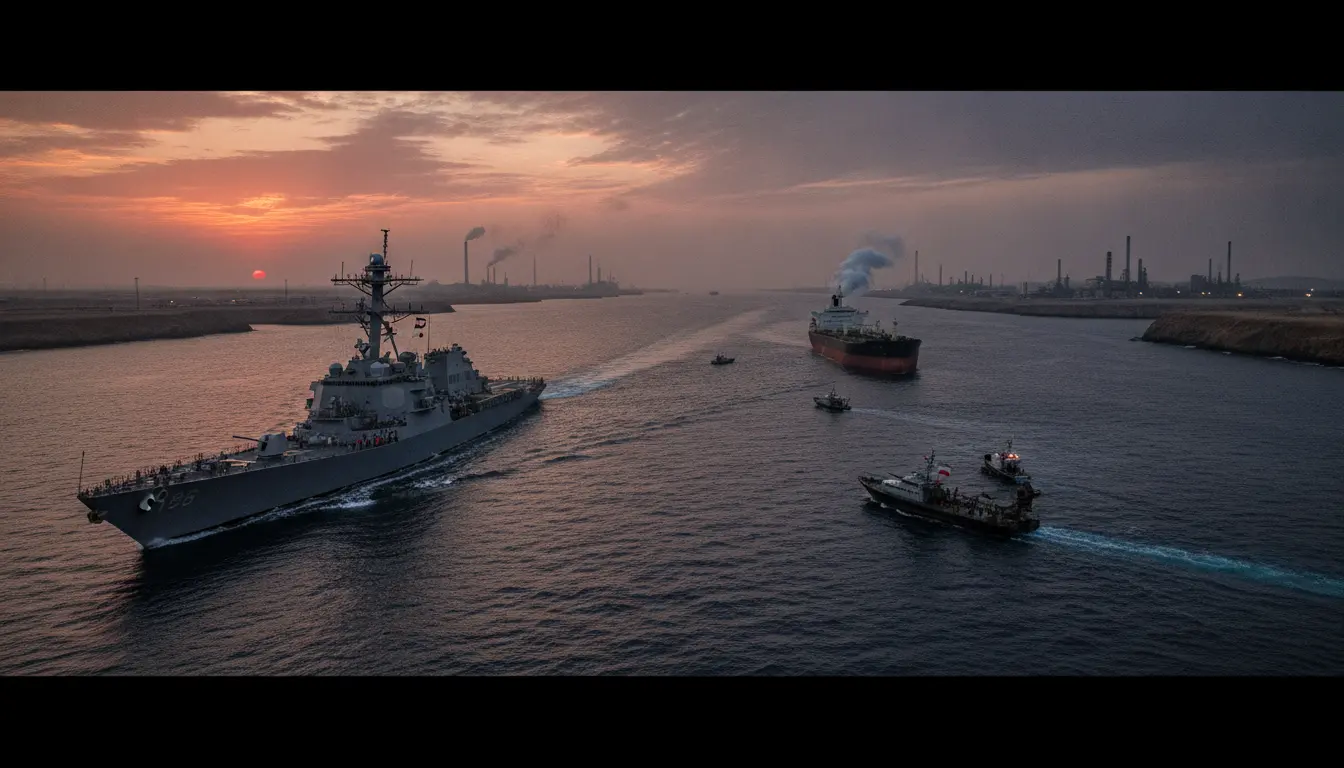
Heightened US-Iran Tensions Fuel Fears of Direct Confrontation in Strategic Strait of Hormuz
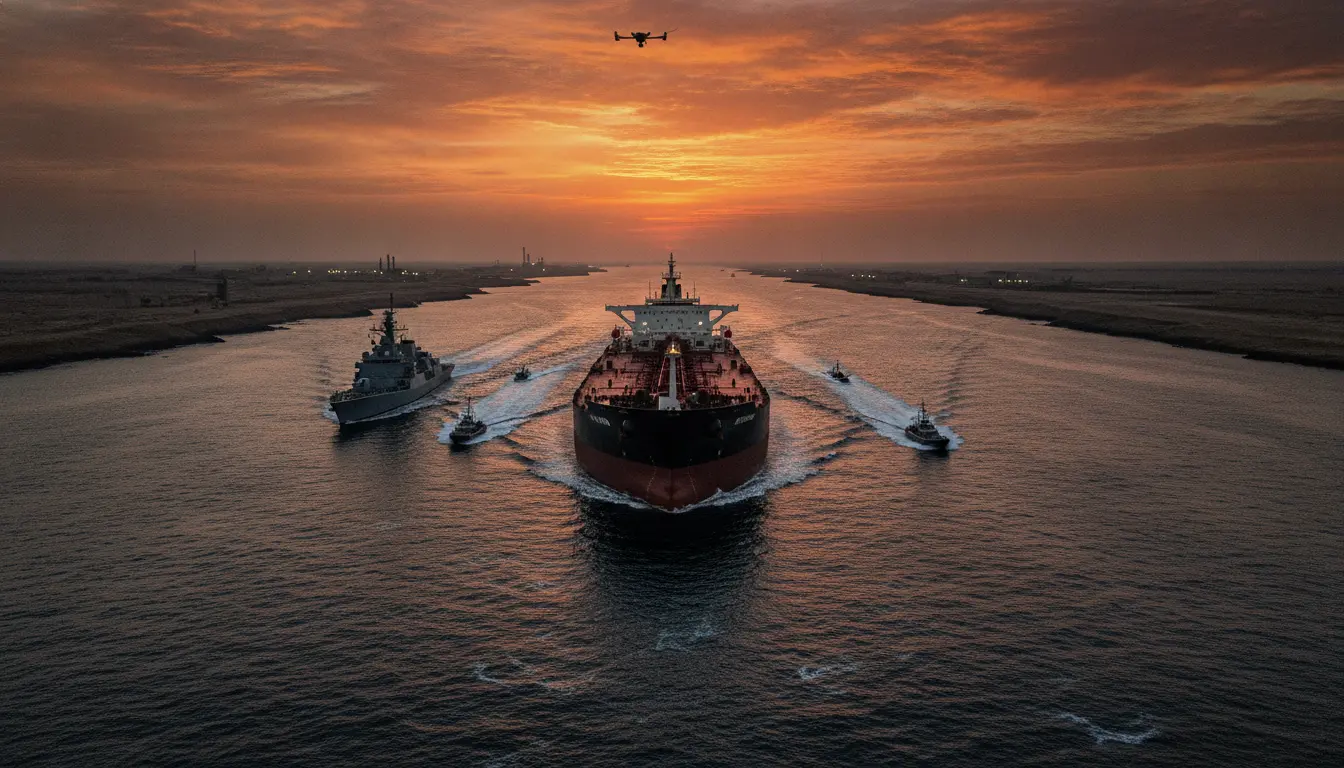
Strait of Hormuz Security Remains Precarious Amid Escalating Regional Tensions
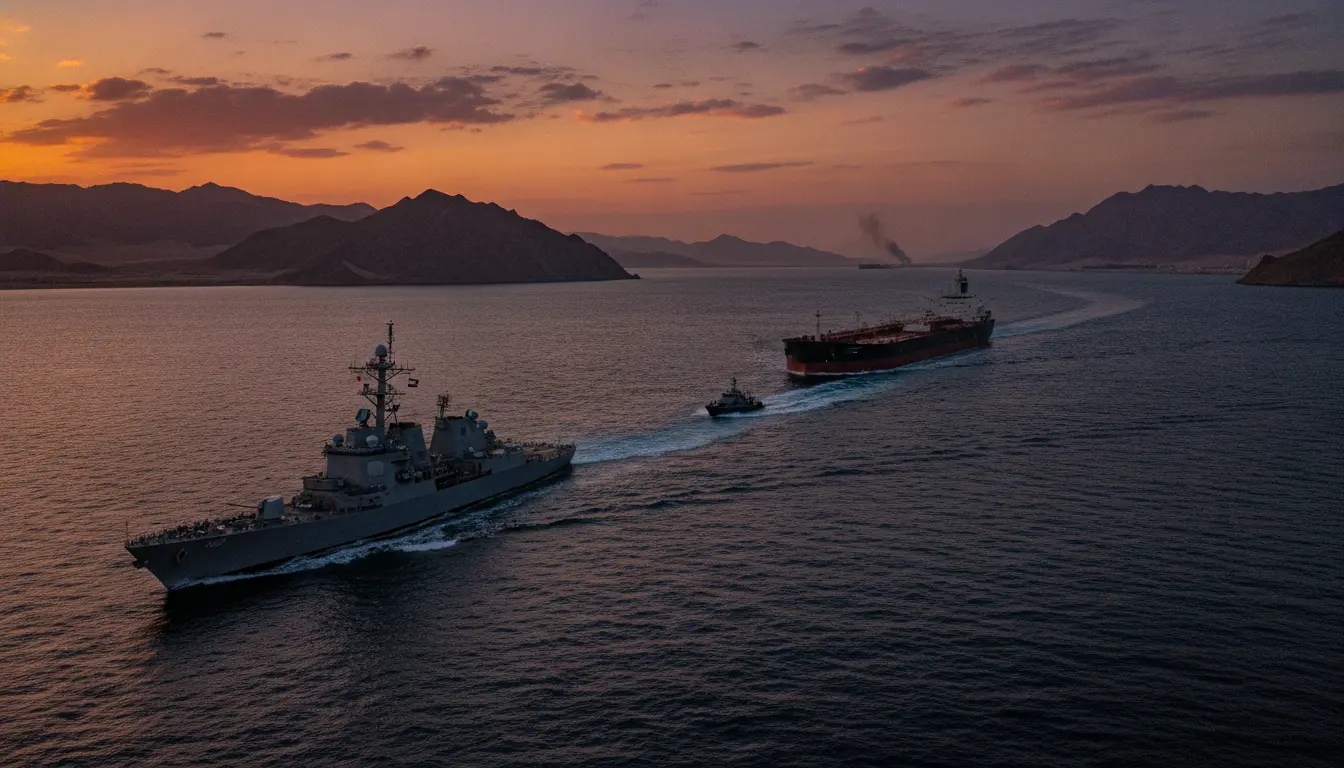
Strait of Hormuz Faces Heightened Tensions as Maritime Incidents Recur
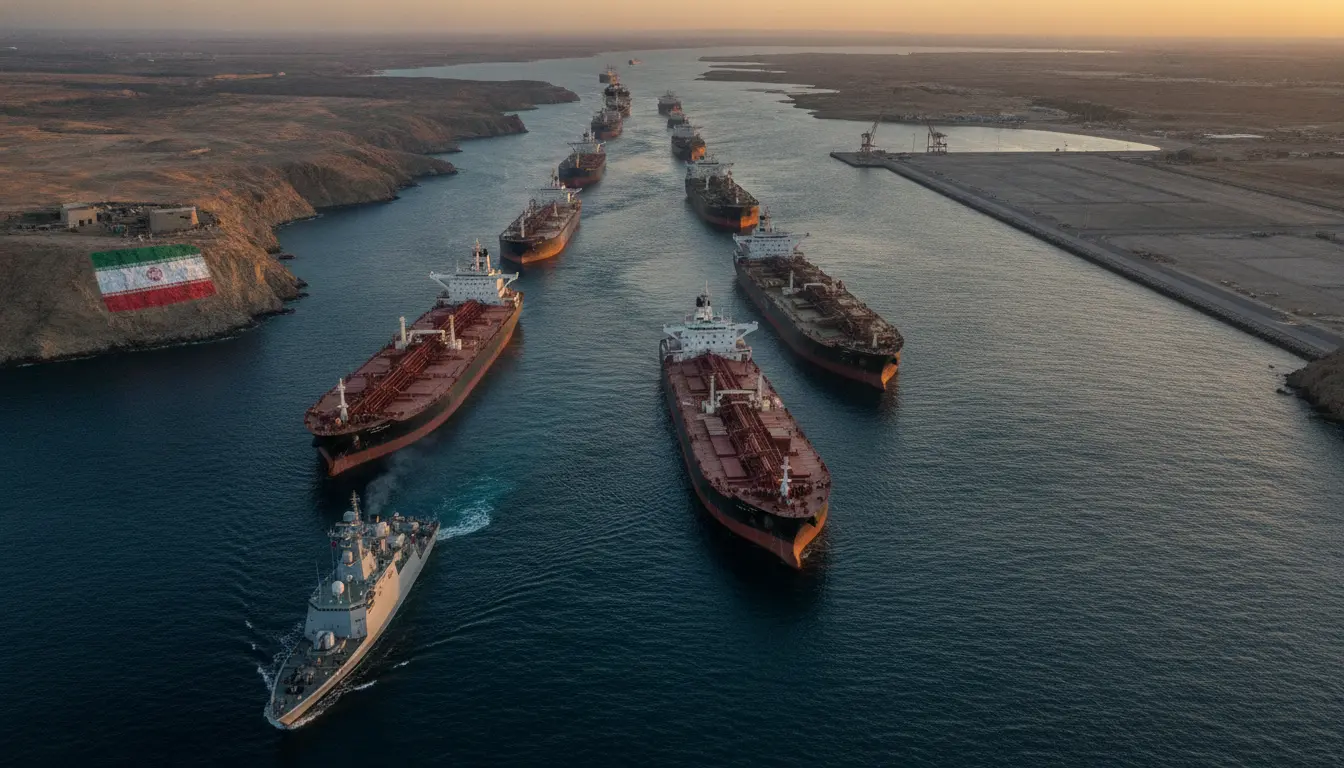
Strait of Hormuz Shipping Remains in Limbo as Iran Conditions Reopening on US Concessions
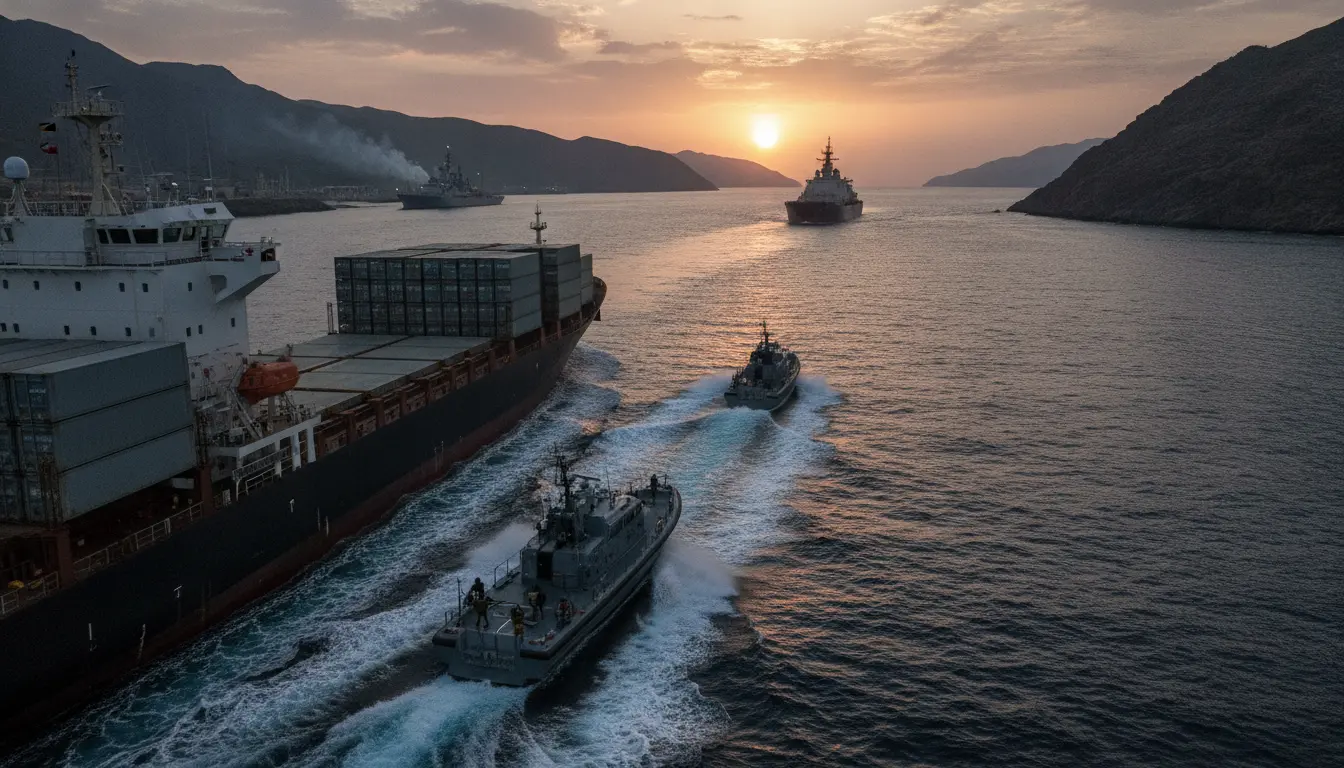
Mounting Tensions in Strait of Hormuz Threaten Global Shipping Amid Iranian Actions
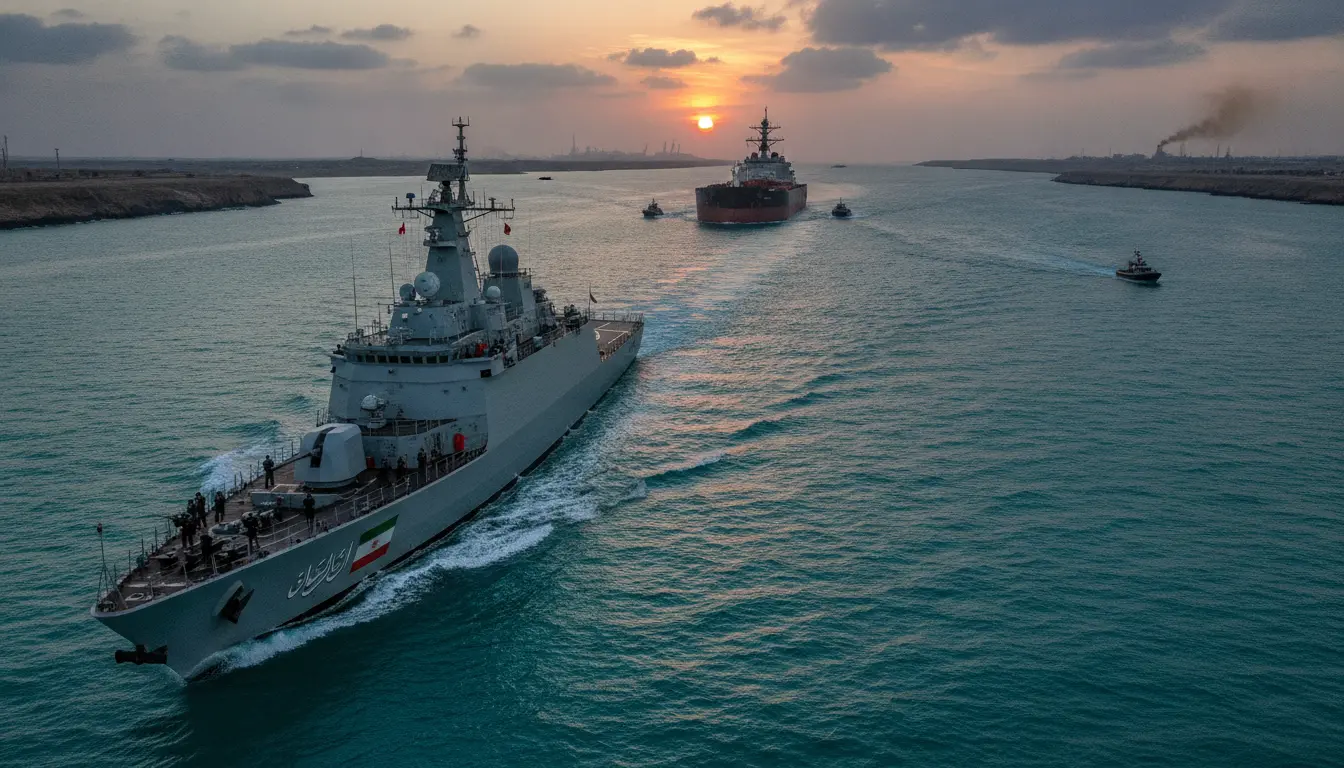
Iran's Maritime Actions Stoke Tensions in Crucial Strait of Hormuz