

US-Iran Tensions Escalate, Jeopardizing Global Shipping Through Strait of Hormuz
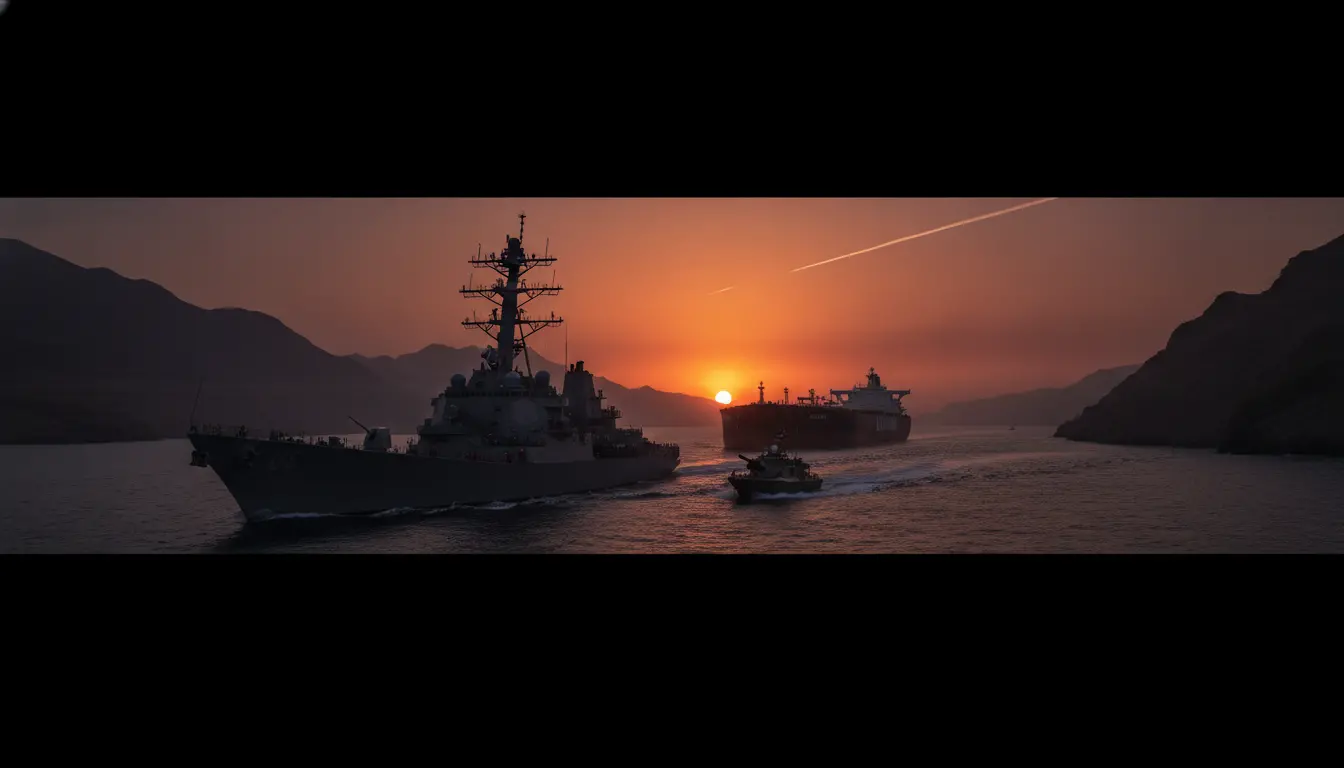
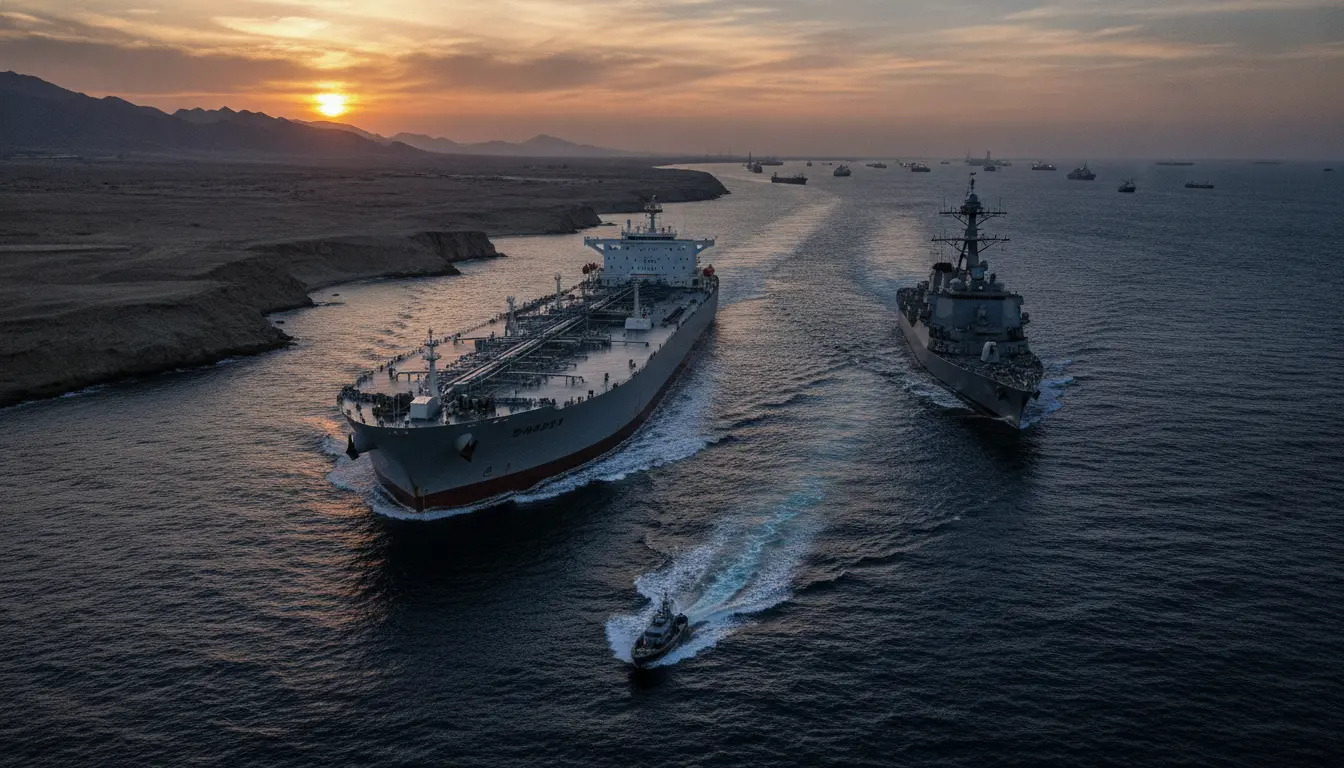
Tensions between the United States and Iran have reached a critical juncture, raising serious concerns about the stability and open passage of commercial shipping through the Strait of Hormuz. This vital maritime chokepoint, through which roughly a fifth of the world's oil and a significant portion of its liquefied natural gas (LNG) supplies transit, finds itself at the heart of an escalating geopolitical standoff. Recent exchanges of strikes and conflicting official statements from both Washington and Tehran underscore the fragility of the situation, casting a long shadow over global energy security and maritime trade routes well into the foreseeable future.
The strategic importance of the Strait of Hormuz cannot be overstated. Located at the mouth of the Persian Gulf, it is the sole sea passage from the oil-rich states of the Gulf to the open ocean. Any disruption, even a temporary one, sends immediate shockwaves through international energy markets, impacting prices and supply chains worldwide. For decades, the free flow of navigation through these waters has been largely safeguarded, primarily by the deterrent presence of the U.S. Fifth Fleet. However, Iran, which controls a significant portion of the northern coastline of the Strait, has repeatedly threatened to close the waterway in response to international pressures, particularly economic sanctions or military actions targeting its interests.
The current escalation is rooted in a complex interplay of factors, including persistent U.S. sanctions against Iran's nuclear program and its support for regional proxy groups, as well as Iran's assertive posture in the Gulf. Recent weeks have seen a worrying uptick in incidents, from alleged Iranian drone and missile activities to retaliatory strikes attributed to the U.S. and its allies. These actions are indicative of a dangerous tit-for-tat dynamic that risks spiraling out of control. Iranian officials, including those from its Persian Gulf Waterway Authority, have issued statements implying significant restrictions, at times declaring transit 'currently not possible' for certain vessels, while the U.S. continues to assert its commitment to ensuring open international waterways, maintaining its naval presence in the region as a deterrent.
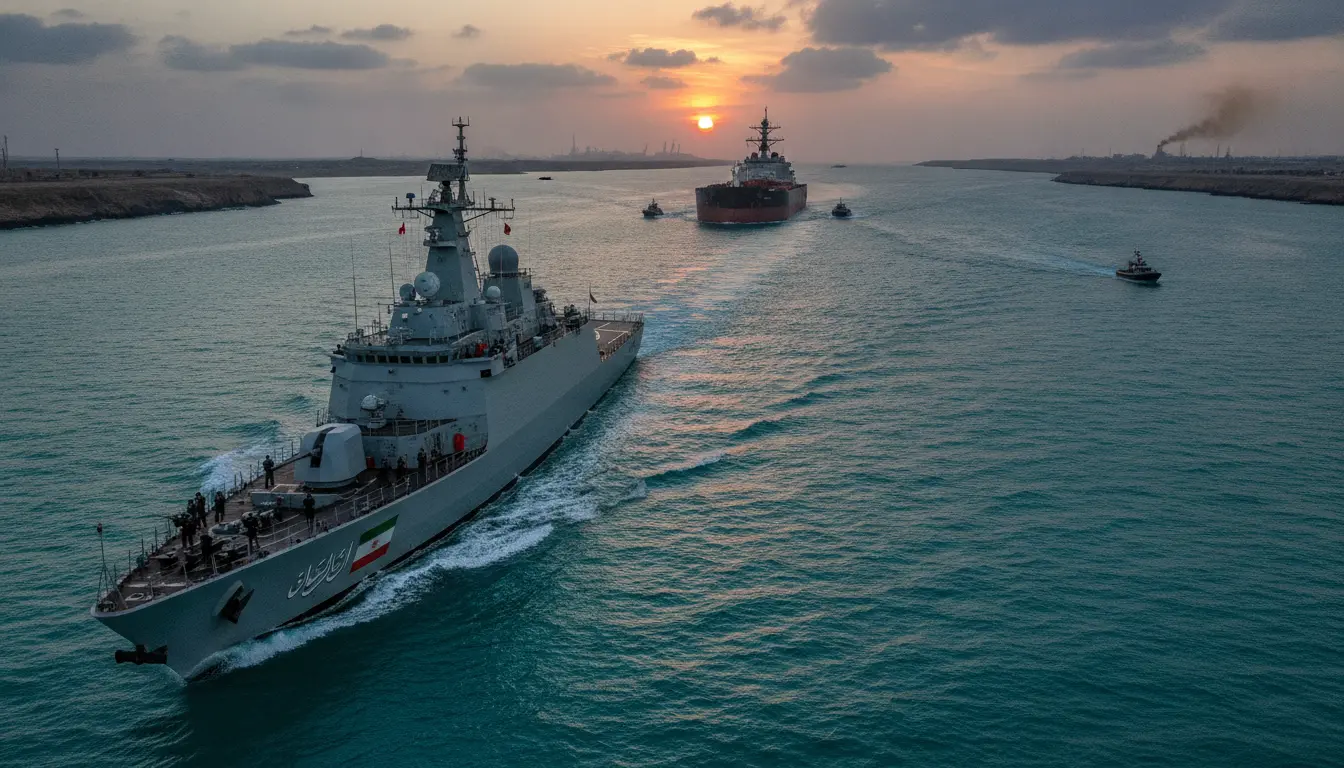
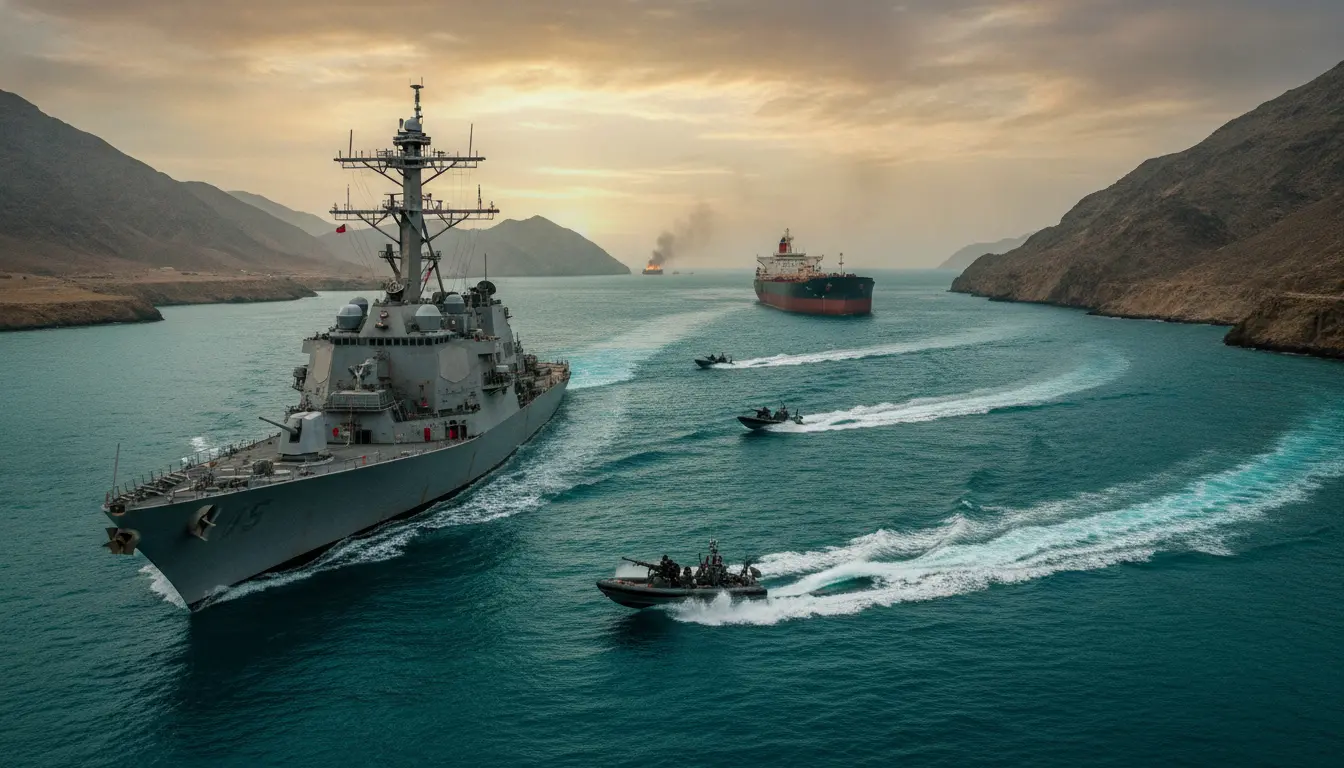
Historically, Iran has intermittently harassed or seized commercial vessels, including oil tankers, passing through the Strait, often citing alleged violations of its territorial waters or linking such actions to disputes over oil sales and sanctions. These incidents, while usually resolved, serve as potent reminders of Iran's capability and willingness to project power in the Strait. The U.S., for its part, has consistently condemned such actions as violations of international law and a threat to global commerce, often deploying additional naval assets or issuing stern warnings. The underlying fear among international observers is that a miscalculation or an unintended incident could rapidly escalate into a broader conflict, potentially leading to a sustained closure or severe disruption of the Strait.
The economic implications of a prolonged closure would be catastrophic. Global oil prices would surge, pushing inflationary pressures across economies already grappling with uncertainty. Shipping insurance premiums for vessels entering the Gulf would skyrocket, making transport prohibitively expensive and diverting trade routes, thereby lengthening transit times and increasing costs. Nations heavily reliant on Gulf oil and gas, particularly in Asia and Europe, would face immediate energy crises, jeopardizing industrial output and household stability. Beyond energy, other commodities and goods that rely on these shipping lanes would also be affected, leading to broader supply chain dislocations.
As the standoff persists, diplomatic efforts to de-escalate remain challenging. International bodies and allied nations have repeatedly called for restraint and adherence to international maritime law, emphasizing the shared global interest in maintaining stability in the Strait. However, the deep-seated mistrust and divergent strategic objectives of Washington and Tehran continue to obstruct meaningful dialogue and resolution. The international community watches anxiously, recognizing that the continued open passage through this critical chokepoint is not merely a regional issue but a linchpin of global economic stability and energy security, the preservation of which appears increasingly precarious.
Stay Informed. Act Smarter.
Get weekly highlights, major headlines, and expert insights — then put your knowledge to work in our live prediction markets.
Related News
Mounting Tensions in Strait of Hormuz Threaten Global Shipping Amid Iranian Actions
Heightened US-Iran Tensions Fuel Fears of Direct Confrontation in Strategic Strait of Hormuz
Geopolitical Alarm Rings as US-Iran Standoff Threatens Strait of Hormuz Shipping
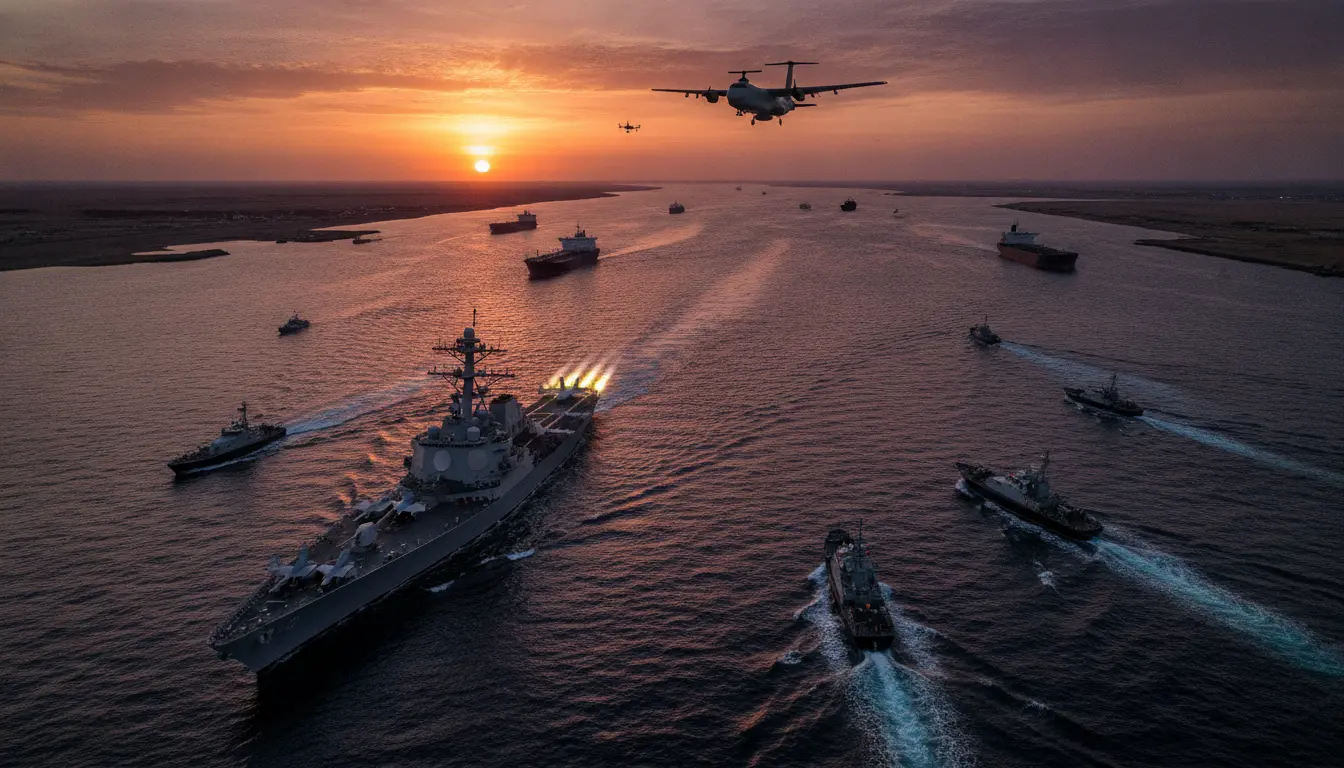
Strait of Hormuz Becomes Flashpoint as US and Iran Escalate Military Posturing in Persian Gulf
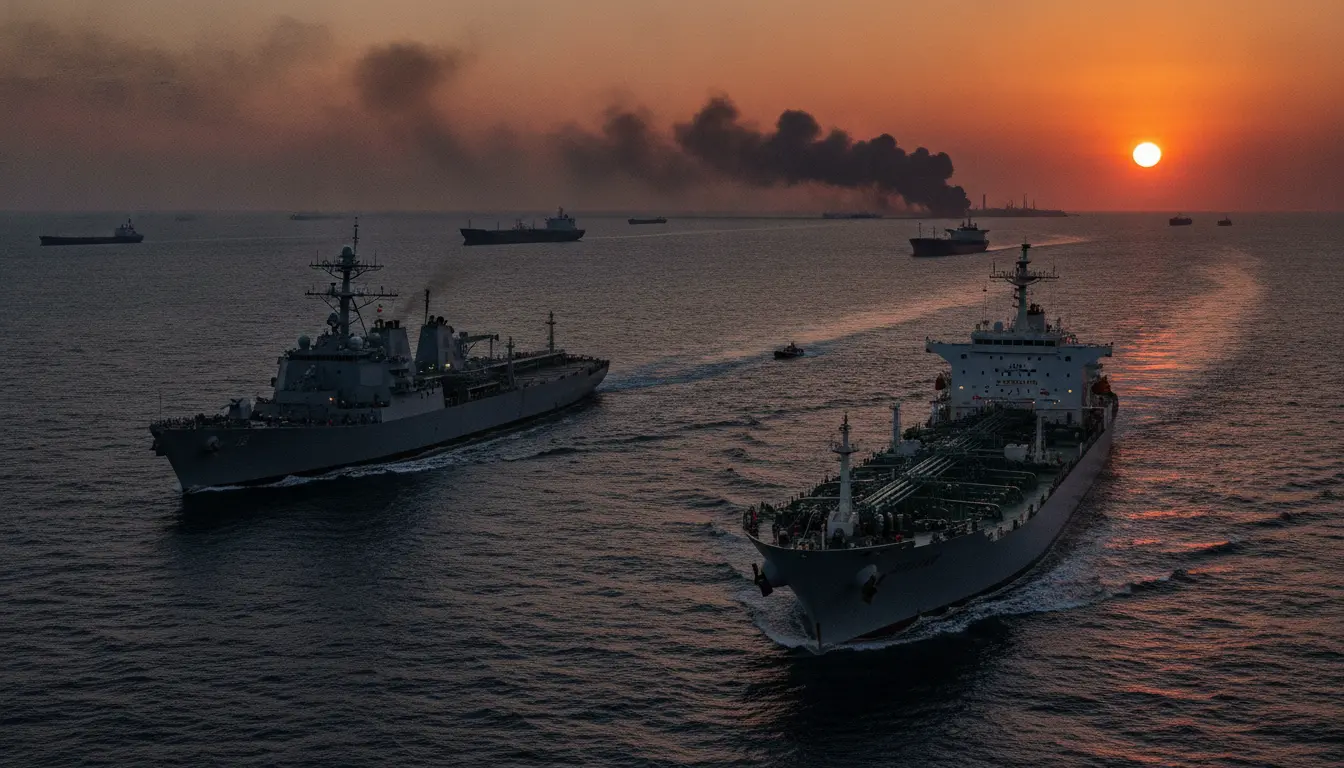
Escalating US-Iran Tensions Threaten Global Oil Supply, Pushing Crude Prices Higher
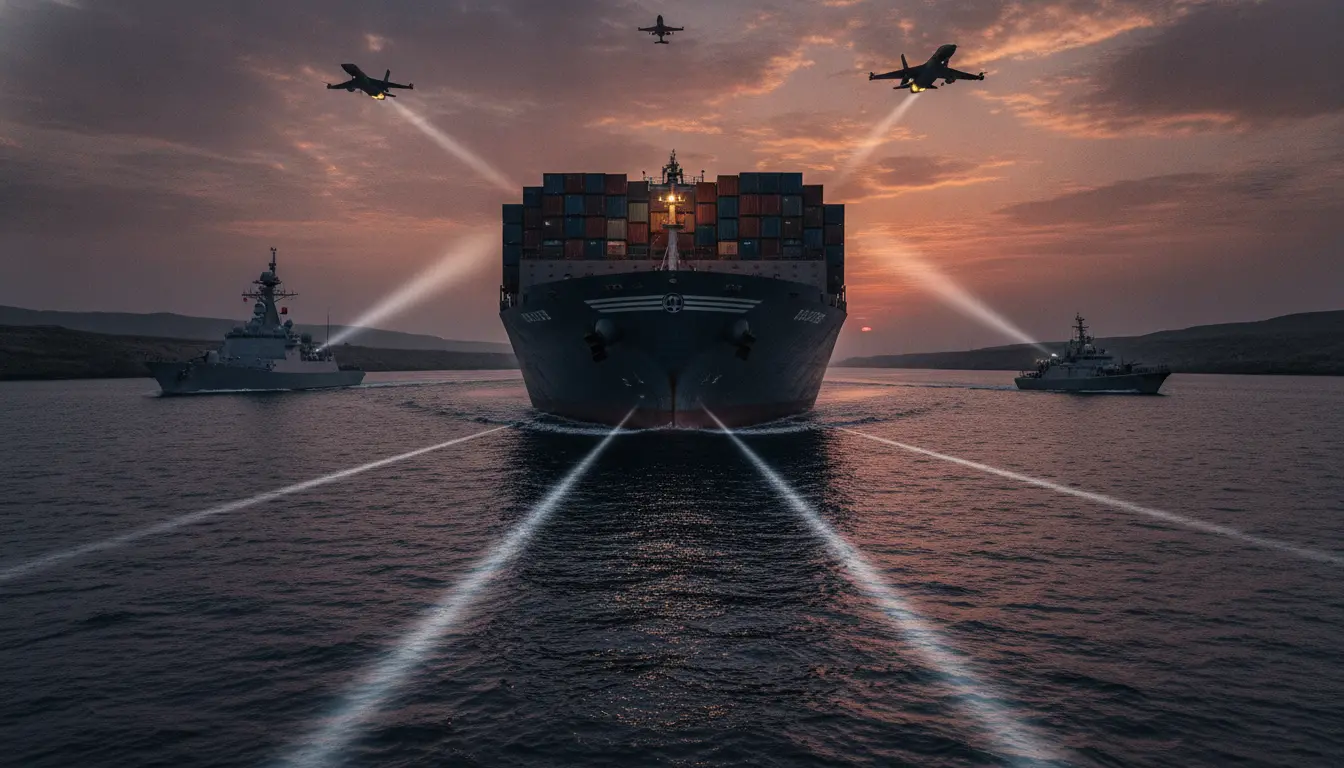
Global Shipping on High Alert as Military Tensions Simmer in Strait of Hormuz
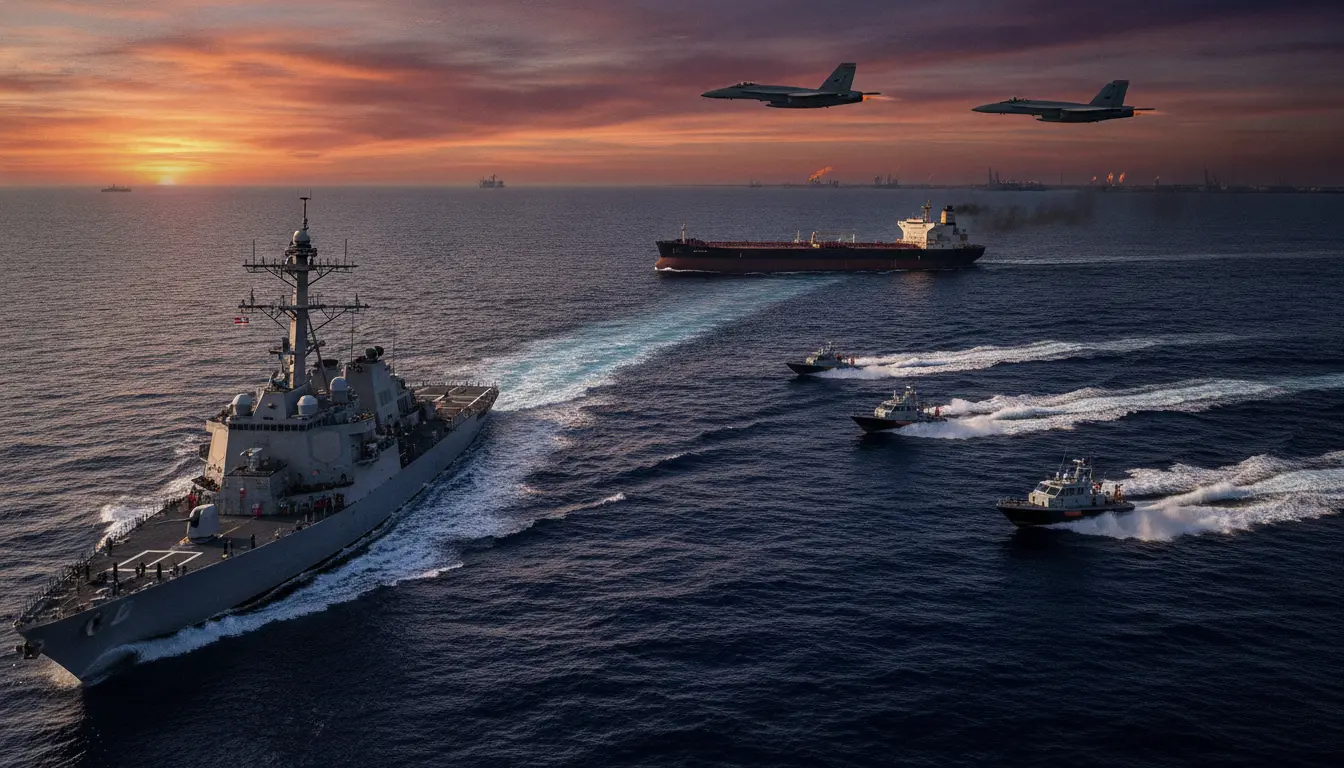
US-Iran Tensions Soar Amid Escalating Strikes and Maritime Incidents in Gulf
Iran's Strait of Hormuz Claims Spark Global Energy Concerns, U.S. Rejects Closure Reports
Iran's Maritime Actions Stoke Tensions in Crucial Strait of Hormuz
Strait of Hormuz Faces Heightened Security Risks Amid Escalating Iranian Maritime Actions