

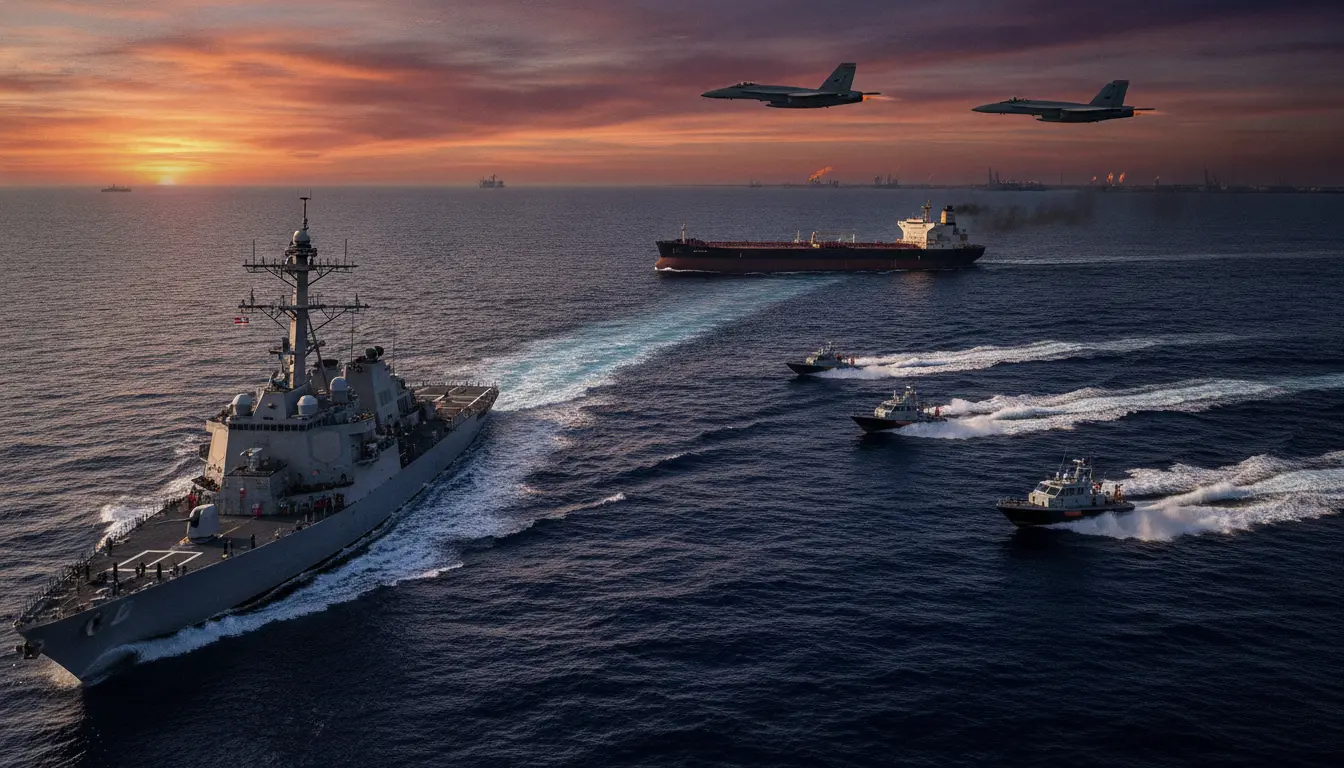
US-Iran Tensions Soar Amid Escalating Strikes and Maritime Incidents in Gulf
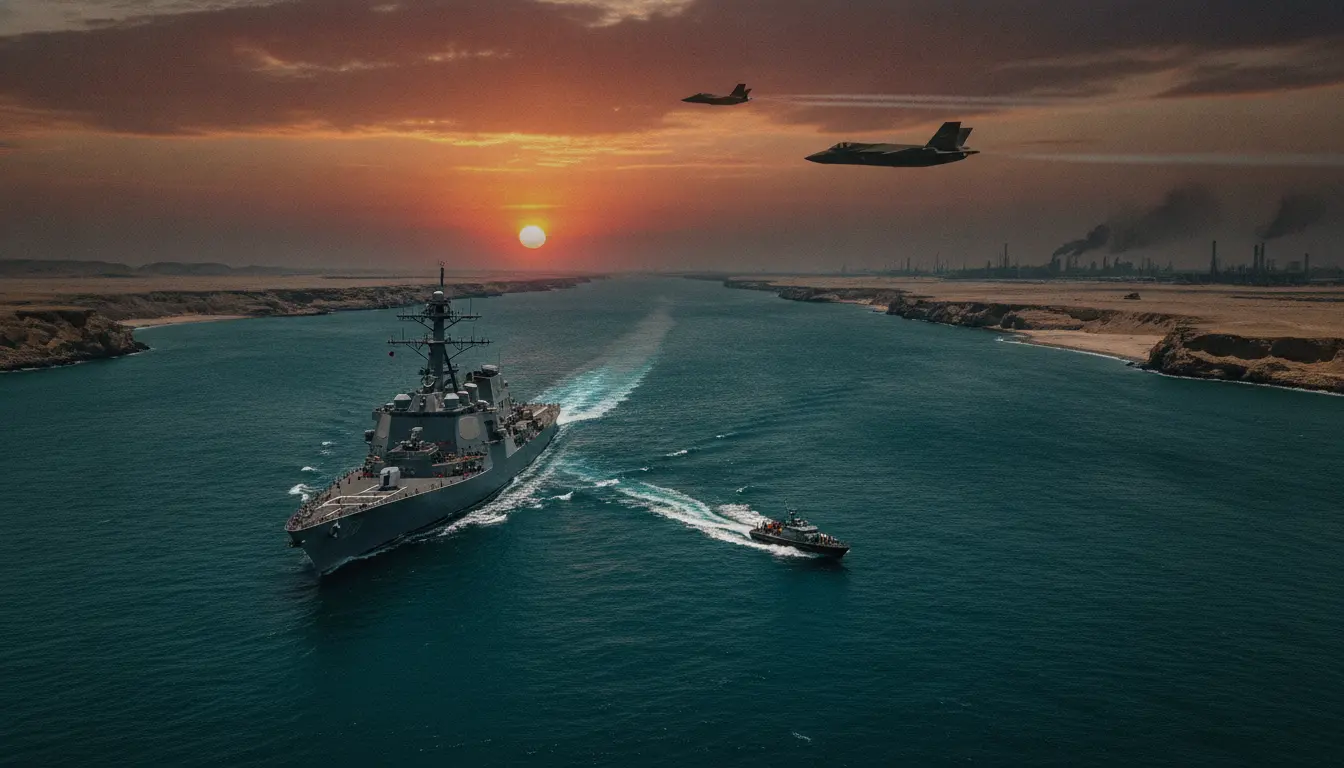
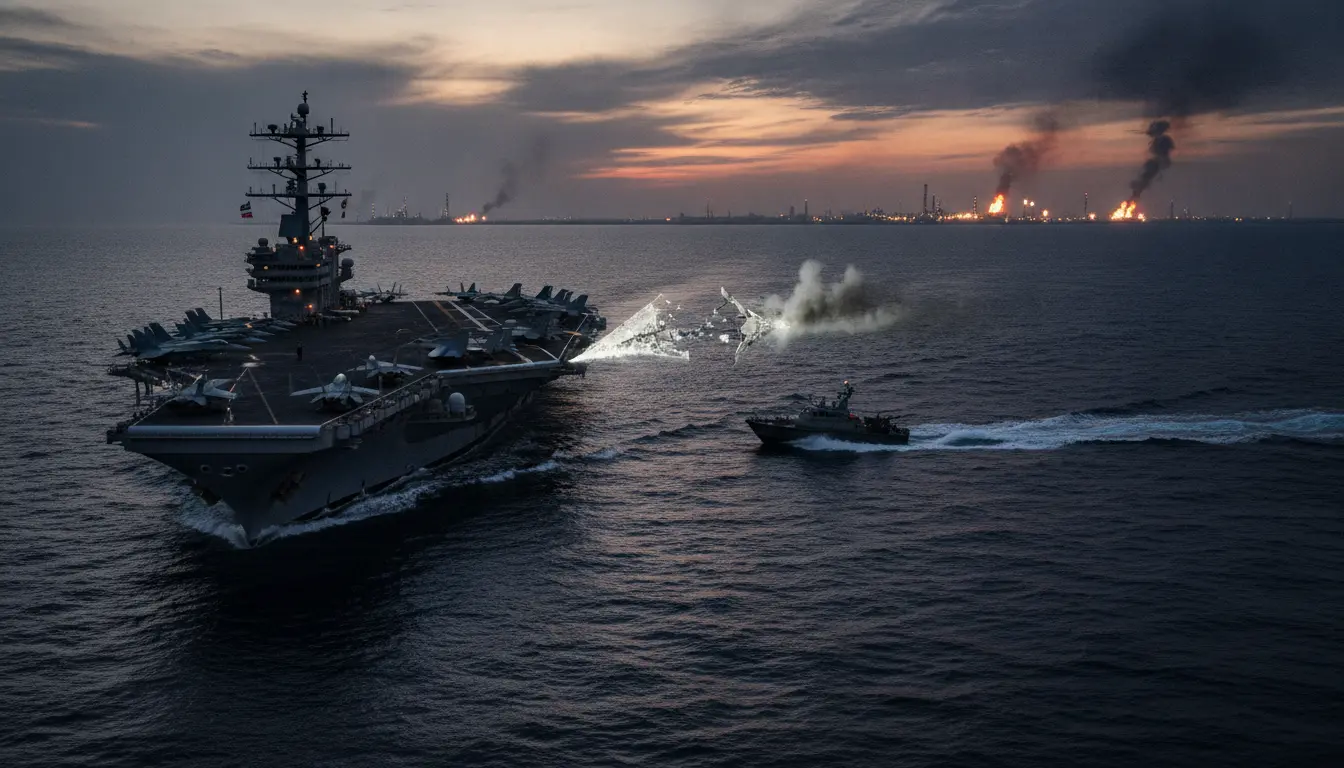
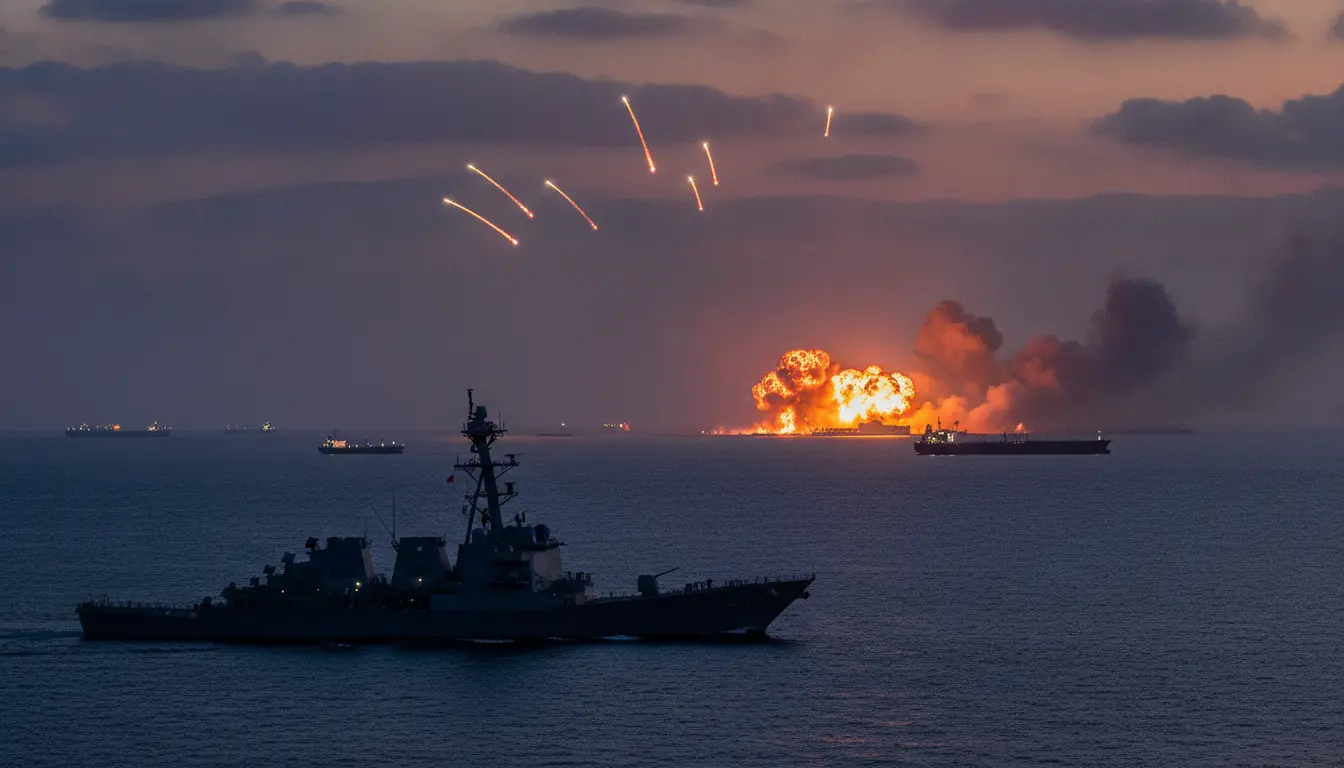
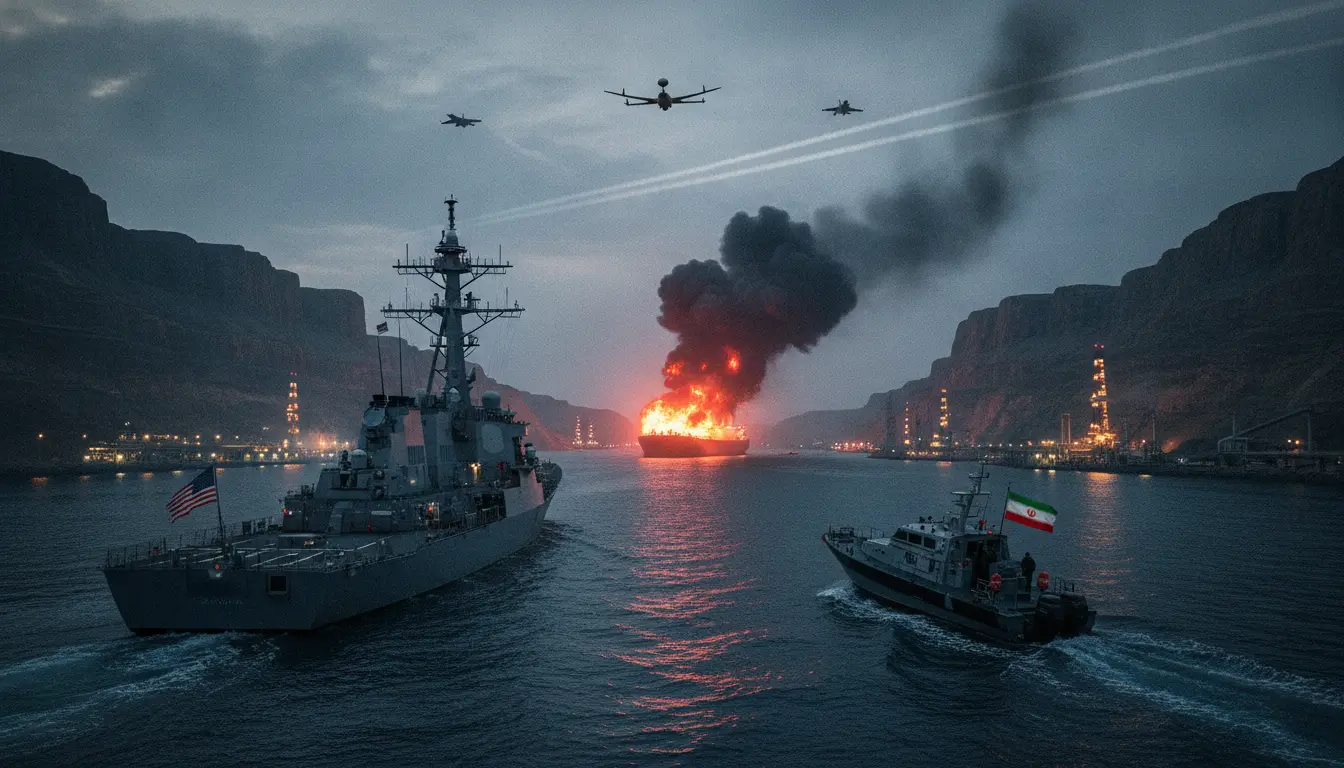
Tensions between the United States and Iran have reached a critical new inflection point, following a series of reported attacks on commercial vessels in the strategically vital Strait of Hormuz and subsequent retaliatory strikes launched by the U.S. against Iranian targets. The recent escalation has raised significant fears of a broader, direct military confrontation in the Middle East, a prospect that carries profound implications for regional stability and global energy markets. With both nations operating in a state of heightened alert, the delicate balance of power in the Persian Gulf hangs in the balance, pushing the long-strained relationship to its most dangerous precipice in years.
The current crisis is deeply rooted in decades of animosity and proxy conflicts, exacerbated by the 2018 U.S. withdrawal from the Joint Comprehensive Plan of Action (JCPOA), commonly known as the Iran nuclear deal. Since then, Washington has pursued a policy of "maximum pressure," reimposing crippling sanctions aimed at curtailing Iran's nuclear ambitions, ballistic missile program, and its support for regional proxy groups. Tehran, in turn, has steadfastly rejected these pressures, gradually reducing its commitments under the nuclear deal and increasingly asserting its influence across the Middle East. The Strait of Hormuz, a narrow waterway through which roughly one-fifth of the world's oil supply passes, has frequently been a flashpoint, underscoring its immense geopolitical and economic significance.
The immediate catalyst for the latest uptick in hostilities appears to be a series of incidents targeting commercial shipping in and around the Strait of Hormuz. While specific attributions remain a point of contention, U.S. intelligence has consistently pointed fingers at Iranian-backed forces or direct Iranian action for these disruptions, citing evidence of drone attacks, limpet mines, and attempts to seize vessels. In response to these perceived threats to international navigation and regional security, the United States has confirmed launching what it described as "powerful strikes" against infrastructure and assets believed to be linked to Iranian military operations in the region. These actions, designed to deter further aggression, have been met with strong condemnations from Tehran, which views them as unprovoked acts of aggression against its sovereignty.
The complex web of alliances and rivalries in the Middle East further complicates the potential for de-escalation. Iran maintains a network of proxy forces, including groups in Yemen, Iraq, Syria, and Lebanon, which it leverages to project power and counter U.S. and Israeli influence. The Houthi rebels in Yemen, for instance, have been implicated in attacks on shipping lanes in the Red Sea, adding another layer of maritime insecurity. Any direct military confrontation between the U.S. and Iran would inevitably draw in these regional actors, potentially igniting a wider conflict with devastating humanitarian and economic consequences. Gulf monarchies, notably Saudi Arabia and the United Arab Emirates, closely monitor these developments, deeply concerned by any threat to their energy infrastructure and regional stability.
The stakes involved are immense. A full-scale military conflict could cripple global oil supplies, sending prices skyrocketing and triggering a worldwide economic downturn. It would also further destabilize an already volatile region, creating new refugee crises and exacerbating existing humanitarian challenges. For the international community, the challenge lies in de-escalating the situation through diplomatic channels while upholding the principles of free navigation and international law. However, the deep mistrust and lack of direct communication channels between Washington and Tehran make such efforts exceedingly difficult, leaving ample room for miscalculation and unintended escalation.
As both sides reinforce their positions and exchange warnings, the possibility of a diplomatic off-ramp appears increasingly narrow. The international community, including major powers like China and European nations, has urged restraint and dialogue, recognizing the catastrophic potential of an unchecked escalation. Yet, with each reported incident and retaliatory strike, the window for a peaceful resolution shrinks, and the region inches closer to a direct confrontation that neither side explicitly desires but both seem increasingly unable to avoid. The coming months will be critical in determining whether diplomacy can avert a wider conflagration or if the long-simmering tensions will finally erupt into open conflict.
The persistent cycle of provocation and retaliation underscores the urgent need for a renewed strategic framework to manage U.S.-Iran relations. Without such a framework, the risks of inadvertent escalation through misjudgment or technical error remain exceedingly high. Analysts warn that even a minor incident could rapidly spiral out of control, given the sophisticated military assets deployed by both sides in close proximity. The future trajectory of the Middle East, and indeed global energy security, hinges precariously on the decisions made by leaders in Washington and Tehran in this dangerously fraught environment.
Stay Informed. Act Smarter.
Get weekly highlights, major headlines, and expert insights — then put your knowledge to work in our live prediction markets.
Related News
US-Iran Tensions Simmer Amid Regional Flare-ups, Raising Fears of Direct Conflict

US-Iran Tensions Escalate, Jeopardizing Global Shipping Through Strait of Hormuz
Heightened US-Iran Tensions Fuel Fears of Direct Confrontation in Strategic Strait of Hormuz
U.S. and Iran Face Growing Risk of Direct Military Confrontation Beyond Gulf's Strategic Waterways
U.S. Considers Strategic Military Options Amid Heightened Tensions in Strait of Hormuz

US-Iran Tensions Escalate Amid Renewed Rhetoric, Raising Specter of Direct Confrontation
US-Iran De-escalation Pact Under Severe Strain Amid Escalating Gulf Tensions
US Military Targets Iranian-Linked Sites Amid Escalating Gulf Shipping Tensions

Heightened Geopolitical Tensions Spark Concerns Over Potential US-Iran Conflict
US-Iran De-escalation Accord Faces Precarious Future Amid Renewed Hostilities and Strait of Hormuz Tensions