

- News
- Politics
- Heightened US-Iran Tensions Fuel Fears of Direct Confrontation in Strategic Strait of Hormuz
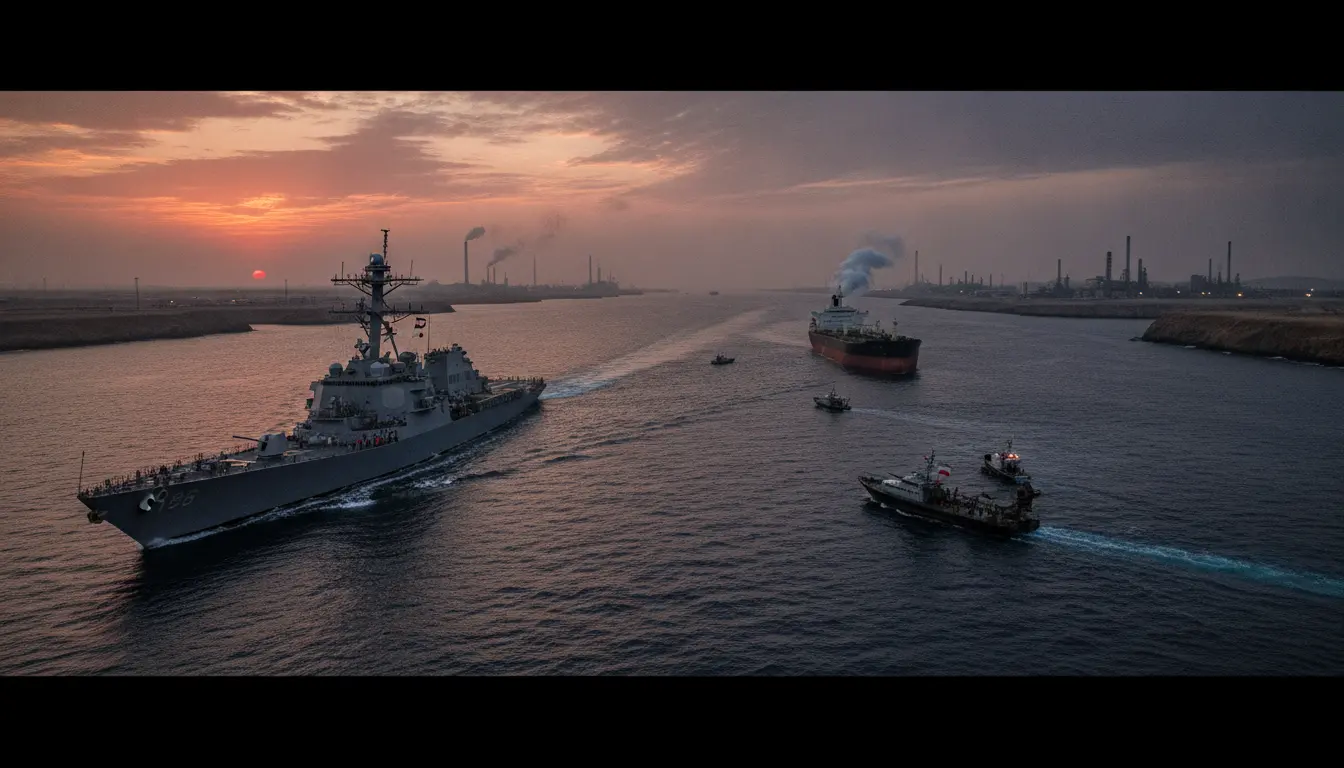
Heightened US-Iran Tensions Fuel Fears of Direct Confrontation in Strategic Strait of Hormuz
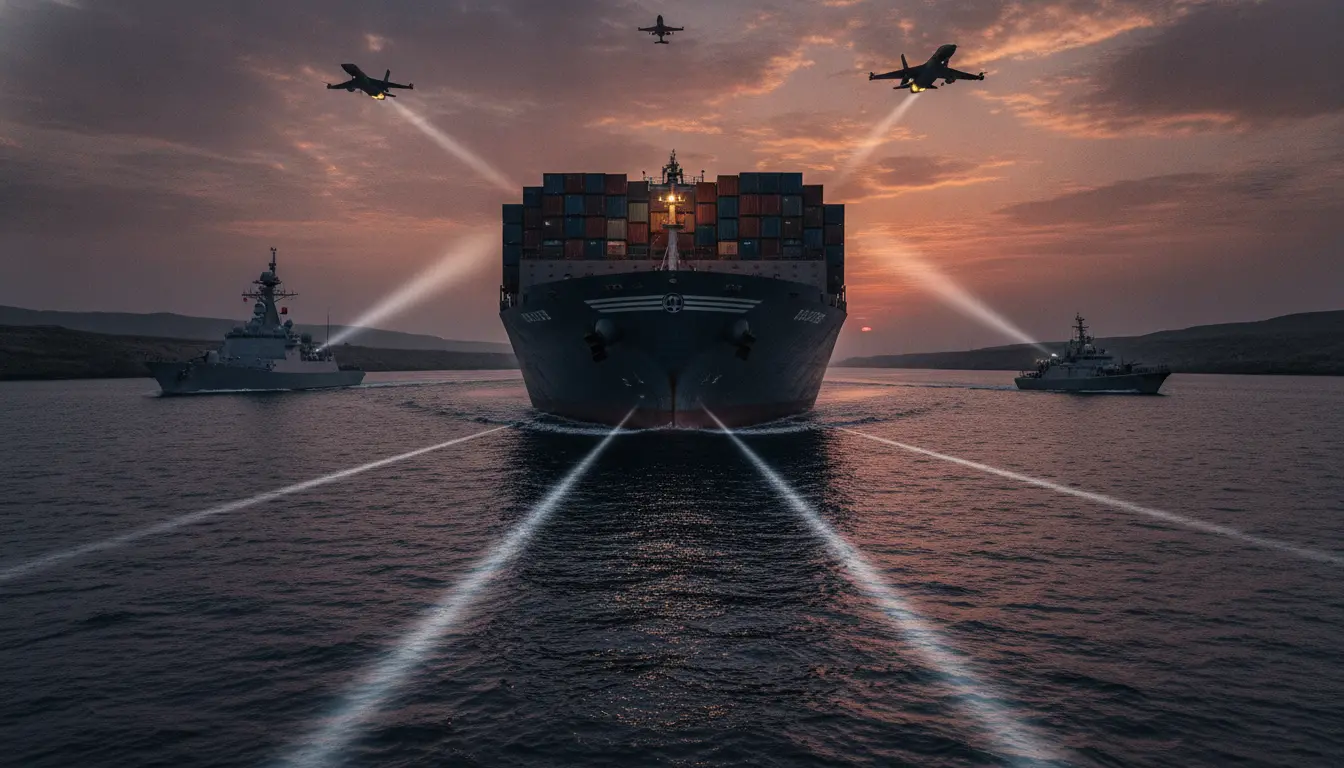
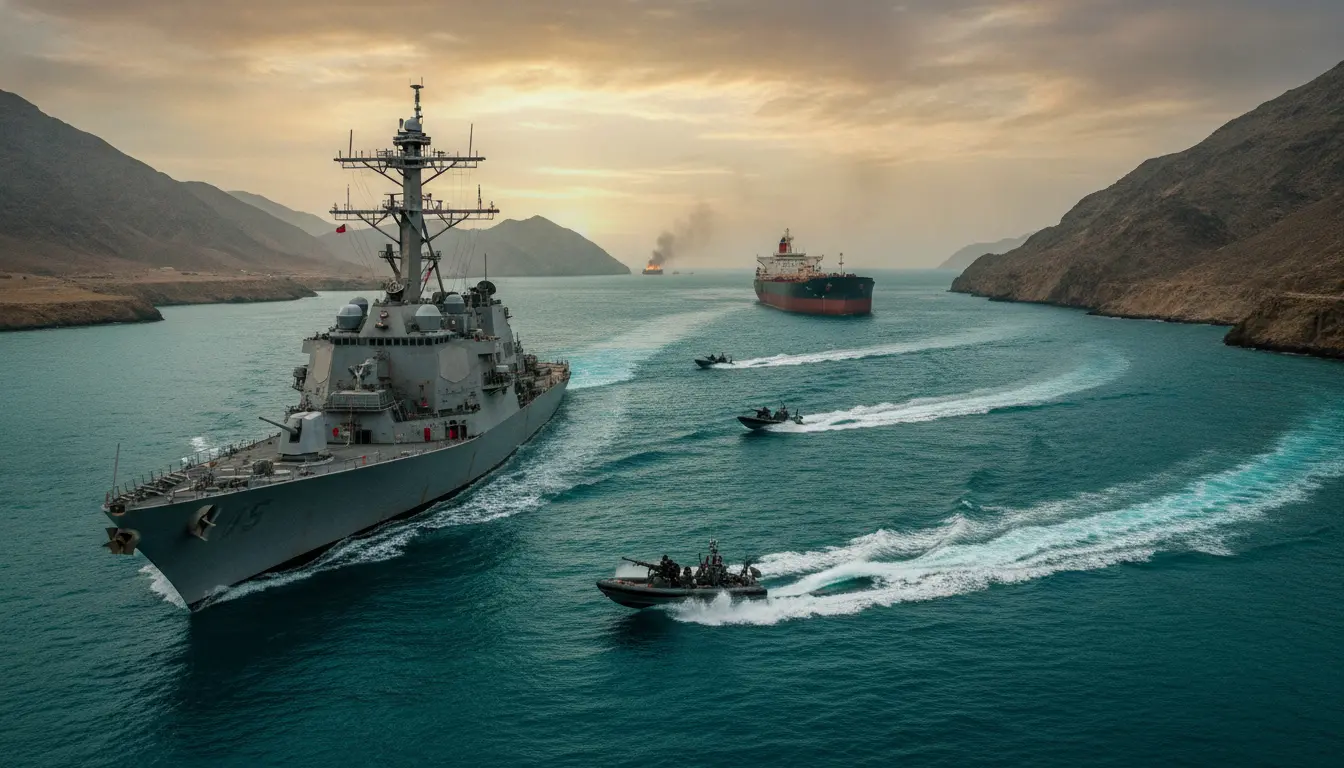
The Strait of Hormuz, a narrow maritime chokepoint vital for global energy supplies, remains a persistent flashpoint for escalating tensions between the United States and Iran. With both nations maintaining significant military presences in the region and engaging in a long-standing pattern of provocative actions and rhetoric, analysts are increasingly concerned about the potential for a direct armed confrontation. The stakes are immense, given that approximately one-fifth of the world's total oil consumption, along with a substantial portion of liquefied natural gas, passes through this critical waterway daily, making any disruption a potential trigger for global economic instability.
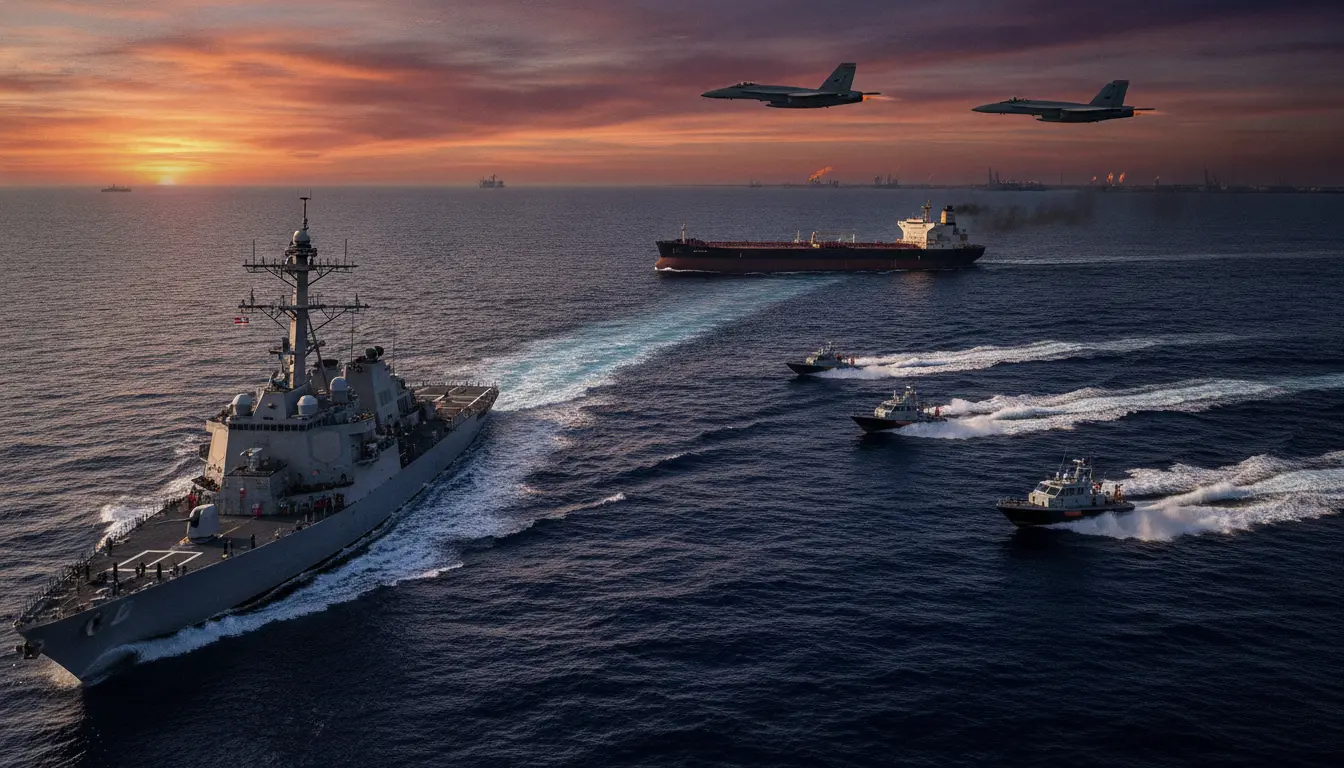
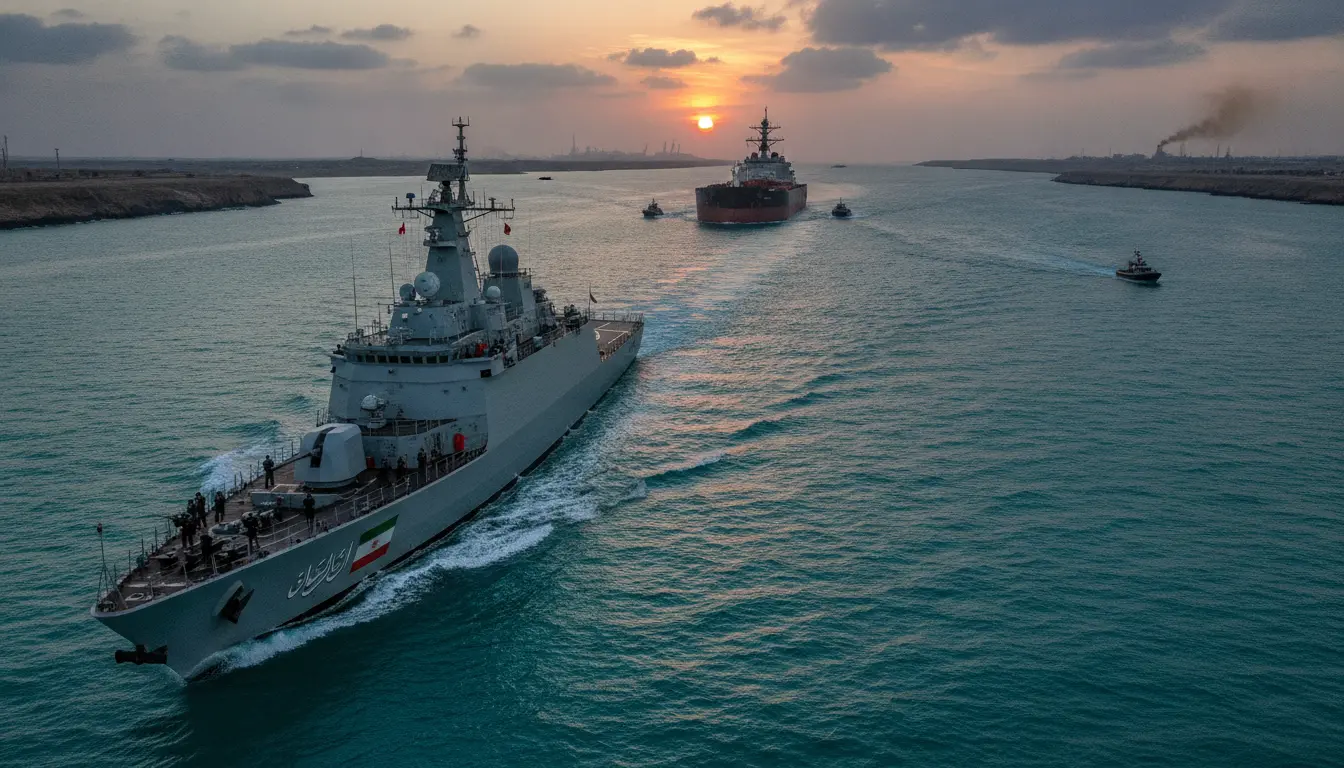
For decades, the Strait of Hormuz has been a theater for a complex and often perilous interplay between US naval power and Iran's Revolutionary Guard Corps (IRGC) forces. Iran views the waterway as an integral part of its sovereign defense and a crucial leverage point against international pressure, particularly sanctions. Its doctrine has historically involved threats to close the Strait in response to perceived aggressions or crippling economic measures. The US, conversely, asserts its commitment to upholding freedom of navigation and protecting international shipping, regularly deploying carrier strike groups and other naval assets to the Persian Gulf. This inherent clash of objectives, coupled with a history of close encounters, drone incidents, and accusations of maritime harassment, creates an inherently volatile environment where miscalculation could quickly spiral into open conflict.
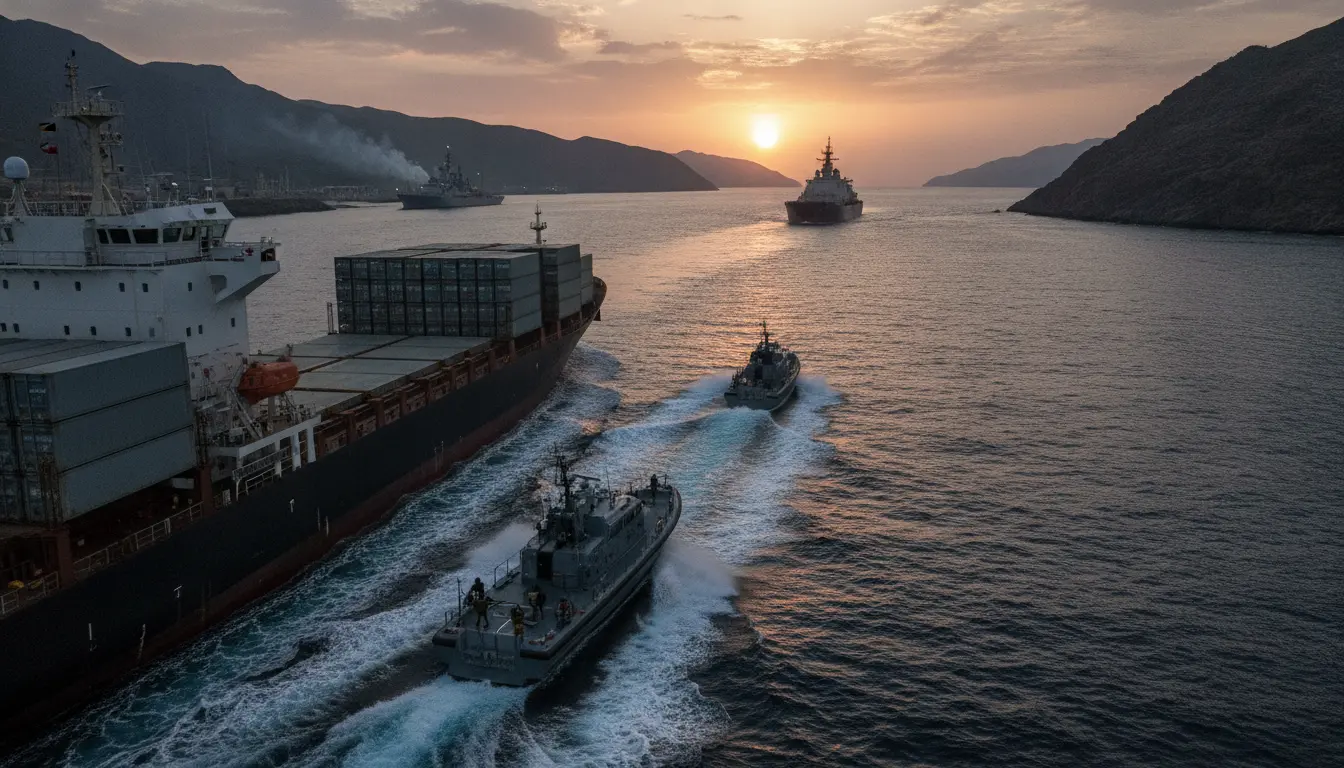
Recent years have seen a worrying uptick in incidents that underscore the fragility of the status quo. Iranian forces have, on multiple occasions, seized commercial vessels, including tankers, often citing alleged violations or in retaliation for the seizure of Iranian oil shipments elsewhere. These actions prompt strong condemnations from Washington and its allies, frequently leading to increased US naval deployments and exercises aimed at deterring further aggression and reassuring regional partners. The presence of sophisticated naval assets from both sides, operating in close proximity within a confined space, amplifies the risk. Furthermore, proxy conflicts across the wider Middle East, where the US and Iran back opposing factions, contribute to the regional distrust and antagonism, often spilling over into maritime domains.
The strategic importance of the Strait cannot be overstated. A direct military engagement would not only risk significant casualties and matériel losses for both nations but would also send shockwaves through the global economy. Oil prices would undoubtedly surge, impacting consumers worldwide and potentially triggering broader inflationary pressures. International shipping, already navigating complex geopolitical risks, would face unprecedented uncertainty, disrupting critical supply chains. Beyond the immediate economic fallout, a conflict in the Strait of Hormuz could rapidly destabilize the entire Middle East, drawing in other regional actors and potentially leading to a wider, more devastating war with unpredictable global consequences.
While both Washington and Tehran frequently reiterate that they do not seek war, their actions and stated positions often convey a readiness to defend their interests with force. Diplomatic channels remain strained, with little direct communication that could de-escalate tensions effectively in a crisis. The international community consistently calls for restraint and dialogue, recognizing the catastrophic potential of a military clash. However, the deep-seated animosity, coupled with the critical strategic value of the waterway, ensures that the Strait of Hormuz will remain one of the most dangerous flashpoints on the geopolitical map, demanding constant vigilance and a delicate balancing act to avert a full-blown confrontation.
Stay Informed. Act Smarter.
Get weekly highlights, major headlines, and expert insights — then put your knowledge to work in our live prediction markets.
Related News
US-Iran Tensions Escalate, Jeopardizing Global Shipping Through Strait of Hormuz
Strait of Hormuz Becomes Flashpoint as US and Iran Escalate Military Posturing in Persian Gulf
Geopolitical Alarm Rings as US-Iran Standoff Threatens Strait of Hormuz Shipping
Mounting Tensions in Strait of Hormuz Threaten Global Shipping Amid Iranian Actions
US-Iran Tensions Soar Amid Escalating Strikes and Maritime Incidents in Gulf

U.S. and Iran Face Growing Risk of Direct Military Confrontation Beyond Gulf's Strategic Waterways

US-Iran Tensions Simmer Amid Regional Flare-ups, Raising Fears of Direct Conflict
Iran's Maritime Actions Stoke Tensions in Crucial Strait of Hormuz
Global Shipping on High Alert as Military Tensions Simmer in Strait of Hormuz
Strait of Hormuz Faces Heightened Security Risks Amid Escalating Iranian Maritime Actions