

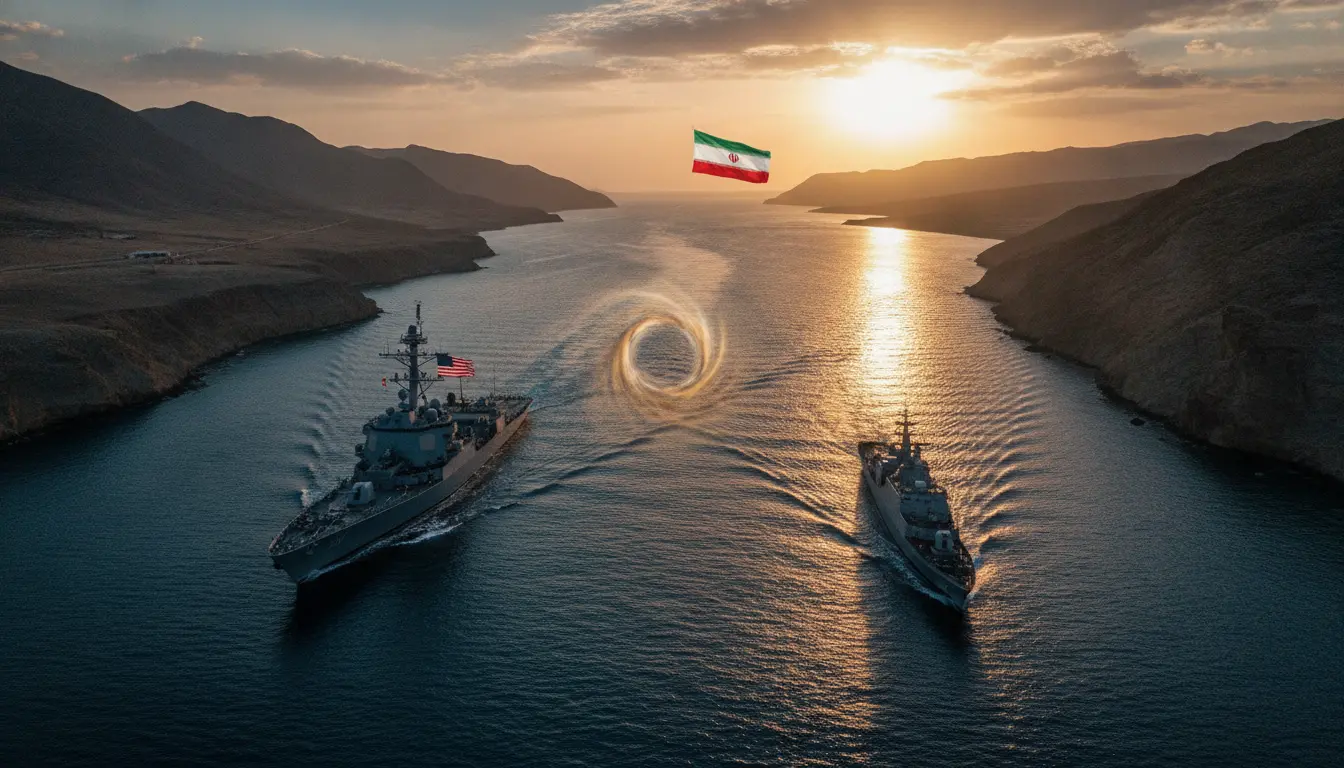
US and Iran Face High-Stakes Negotiations Amidst Pressures to Secure Strait of Hormuz
Against a backdrop of persistent regional tensions and complex diplomatic standoffs, the United States and Iran are reportedly engaged in delicate, often indirect, discussions concerning the future status and secure passage through the Strait of Hormuz. This critical maritime chokepoint, through which a significant portion of the world's seaborne oil supply passes, has long been a flashpoint in the tumultuous relationship between Washington and Tehran, underscoring its immense geopolitical and economic importance. The ongoing dialogue, veiled in discretion, aims to mitigate risks and establish clearer protocols for international shipping, though deep-seated mistrust and differing strategic objectives present formidable challenges to any lasting resolution.
The Strait of Hormuz serves as the sole maritime passage from the Persian Gulf to the open ocean, making it indispensable for global energy markets. Approximately one-fifth of the world's total oil consumption, along with substantial quantities of liquefied natural gas (LNG), transits its narrow waters daily. Iran, strategically positioned along the northern coast of the Strait, has historically asserted its capacity to disrupt this flow in times of heightened tension, using it as leverage against international sanctions and perceived threats. For the United States and its allies, ensuring freedom of navigation through the Strait is a cornerstone of global energy security and a vital interest, often necessitating a robust naval presence in the region to deter potential disruptions.
The current impetus for dialogue, however tentative, emerges from a history punctuated by numerous incidents, including tanker seizures, attacks on commercial vessels, and confrontations involving naval forces. These events, often occurring in cycles mirroring the broader ebb and flow of US-Iran relations, highlight the inherent volatility of the region. Following the US withdrawal from the Joint Comprehensive Plan of Action (JCPOA), commonly known as the Iran nuclear deal, and the subsequent re-imposition of stringent sanctions, Tehran has often escalated its activities in the Strait as a retaliatory measure. This cycle of escalation and de-escalation underscores the urgent need for a more stable framework to prevent miscalculation and potential military conflict.
Key players in these sensitive discussions include diplomatic channels managed by the US State Department and their counterparts within Iran's Foreign Ministry, often mediated through third countries or international bodies. The challenge is not merely technical, but profoundly political, rooted in decades of animosity and a fundamental divergence of national interests. While the US seeks predictable, unrestricted passage for international commerce, Iran views control over the Strait, or at least the ability to influence its use, as a crucial element of its national security and regional power projection. Any potential agreement would likely involve intricate concessions, security guarantees, and potentially economic incentives, far exceeding a simple operational accord.
What is at stake is nothing less than global economic stability and regional peace. A sustained disruption of shipping through the Strait of Hormuz could send crude oil prices soaring, trigger a global economic recession, and potentially draw major powers into direct military confrontation. Conversely, a successful diplomatic effort, however limited in scope, could de-escalate tensions, foster a degree of predictability, and perhaps open avenues for broader dialogue on other contentious issues, such as Iran's nuclear program or its regional proxy activities. The timeframe for such a complex agreement, given the entrenched positions and high stakes, remains uncertain, with observers noting that progress, if any, will likely be incremental and fraught with obstacles.
The prospect of a formal accord, or even an informal understanding, to stabilize passage through the Strait represents a significant diplomatic undertaking. It would require both Washington and Tehran to navigate a minefield of domestic political pressures, hardline factions, and historical grievances. For the international community, the successful securing of this vital waterway through diplomatic means would be a testament to the power of engagement, even between adversaries. However, the path forward remains highly precarious, demanding sustained political will and a pragmatic approach from all parties involved to avert further escalation in one of the world’s most critical geopolitical hotspots.
Stay Informed. Act Smarter.
Get weekly highlights, major headlines, and expert insights — then put your knowledge to work in our live prediction markets.
Related News
US and Iran Embark on Critical De-escalation Talks in Doha Amidst Heightened Hormuz Tensions
Strait of Hormuz Shipping Remains in Limbo as Iran Conditions Reopening on US Concessions
US and Iran Engage in Critical Swiss Talks Amidst Strait of Hormuz Tensions
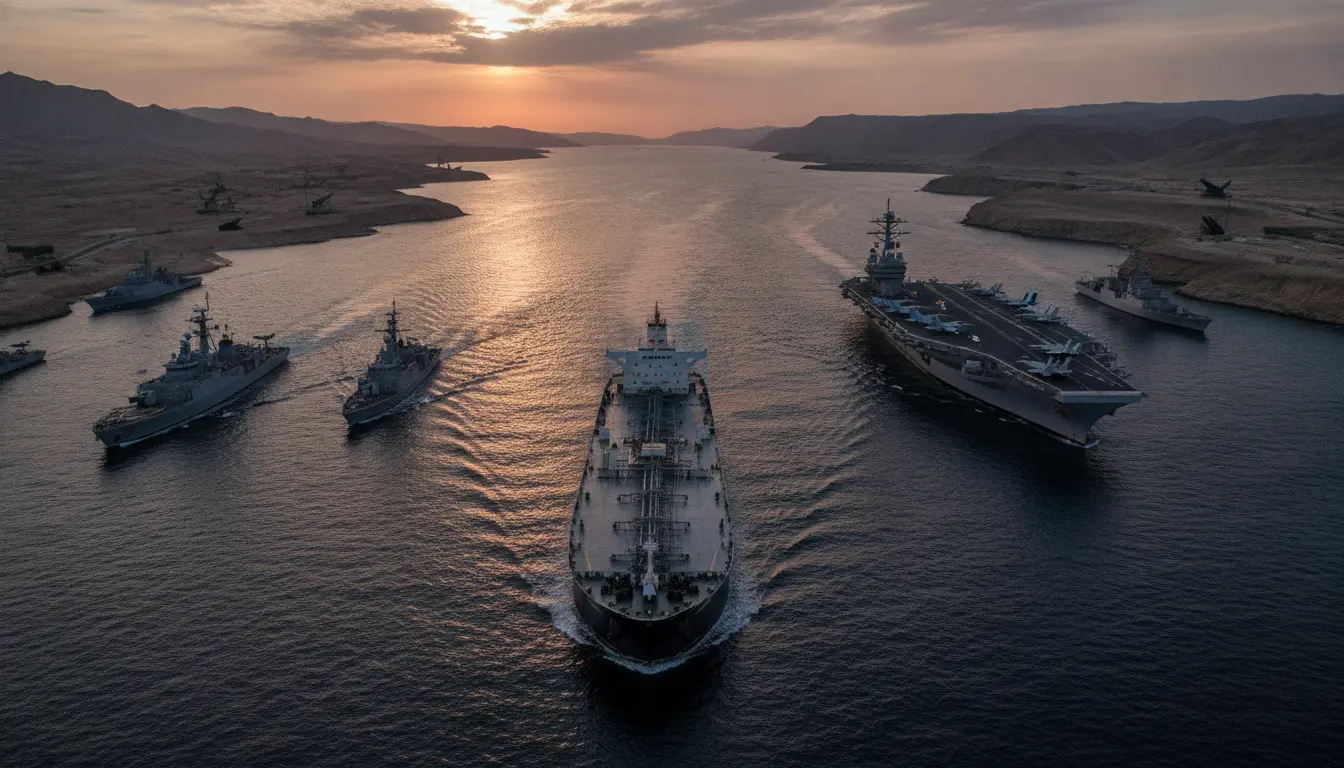
Geopolitical Alarm Rings as US-Iran Standoff Threatens Strait of Hormuz Shipping
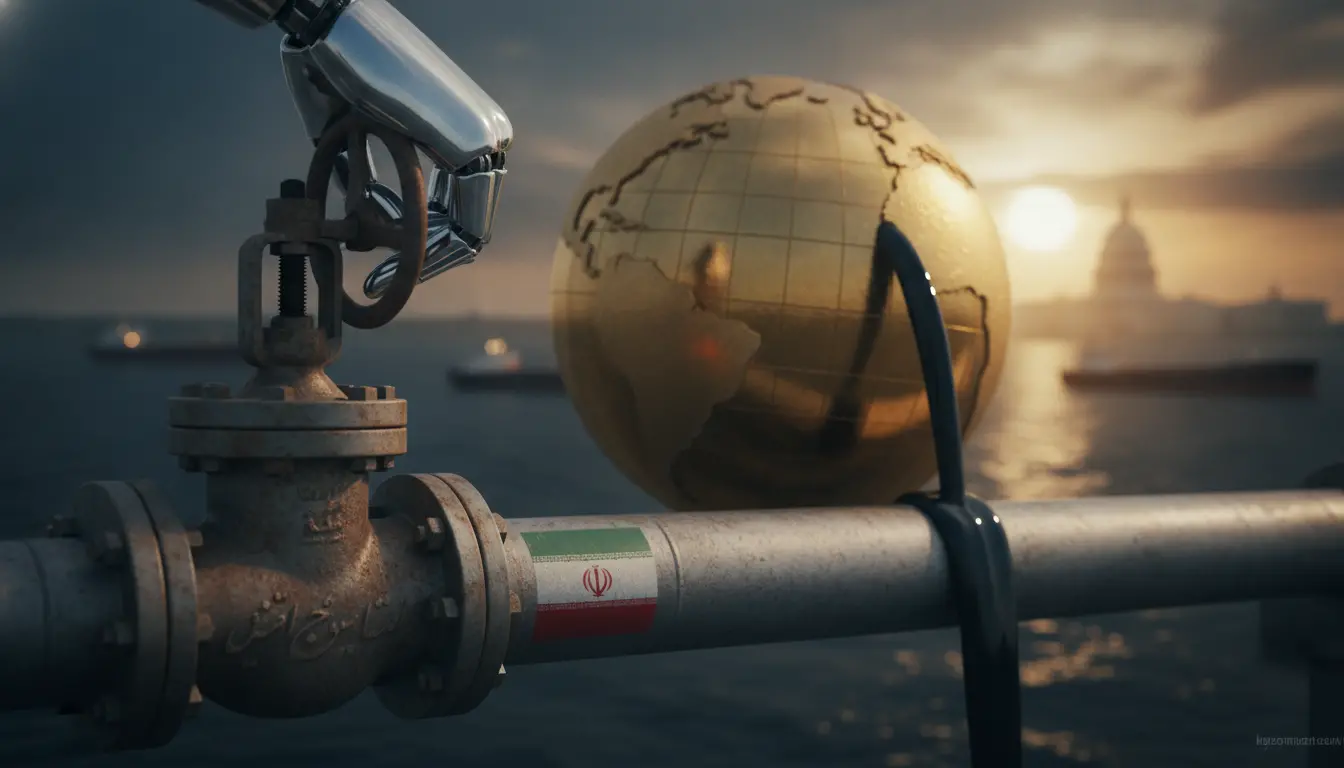
US Weighs Sanctions Relief on Iranian Oil Amid Ongoing Diplomatic Initiatives
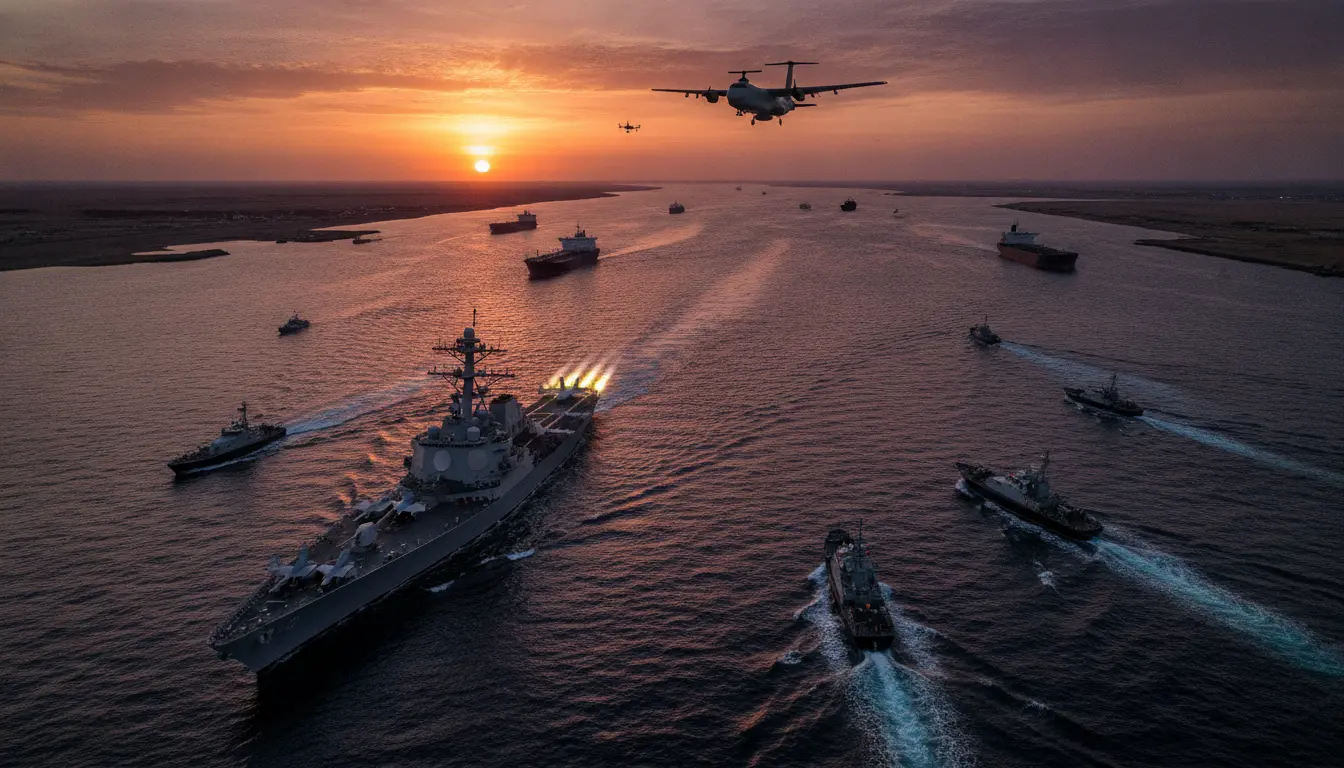
Strait of Hormuz Becomes Flashpoint as US and Iran Escalate Military Posturing in Persian Gulf
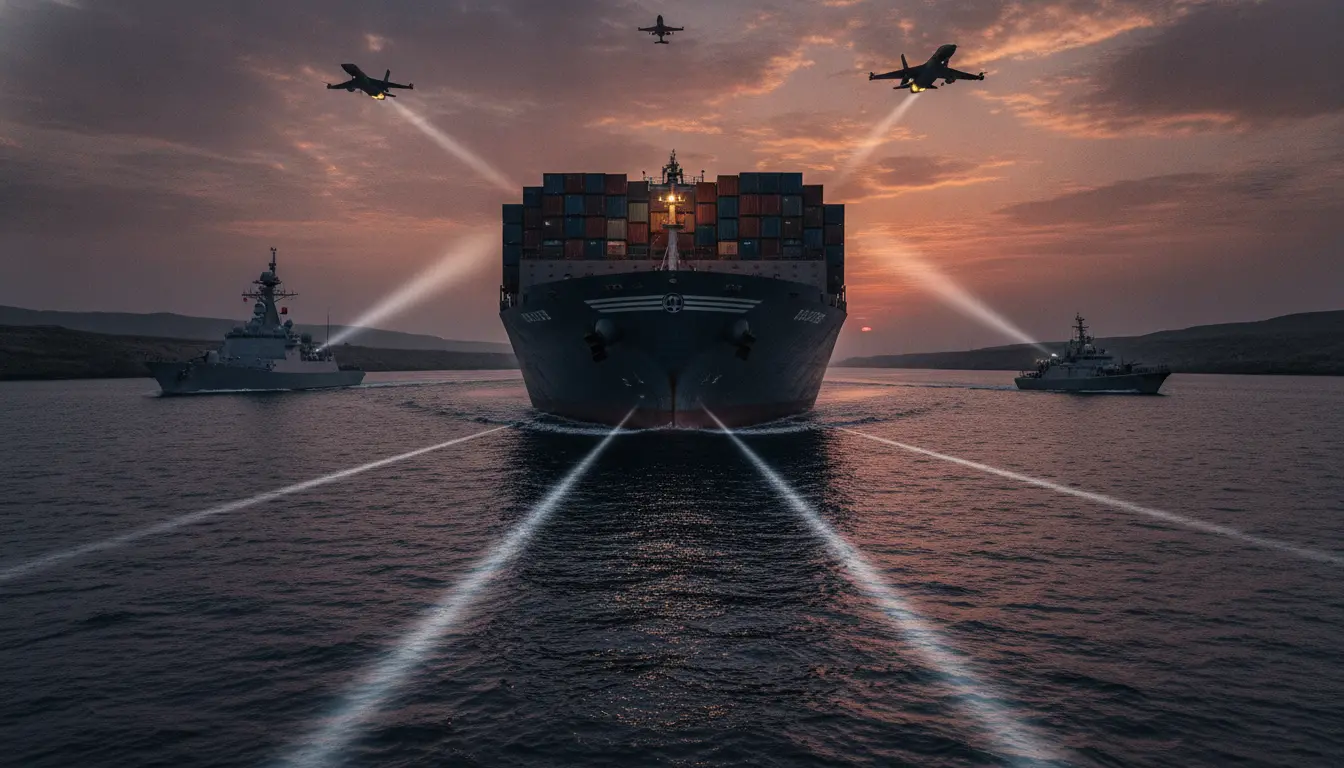
Global Shipping on High Alert as Military Tensions Simmer in Strait of Hormuz
US-Iran Diplomatic Breakthrough Boosts Oil Flow Through Critical Strait of Hormuz
US and Iran Reach Fragile Ceasefire Agreement in Strategically Critical Strait of Hormuz
US Issues Ultimatum to Iran on Strait of Hormuz Shipping Amid Renewed Hostilities