

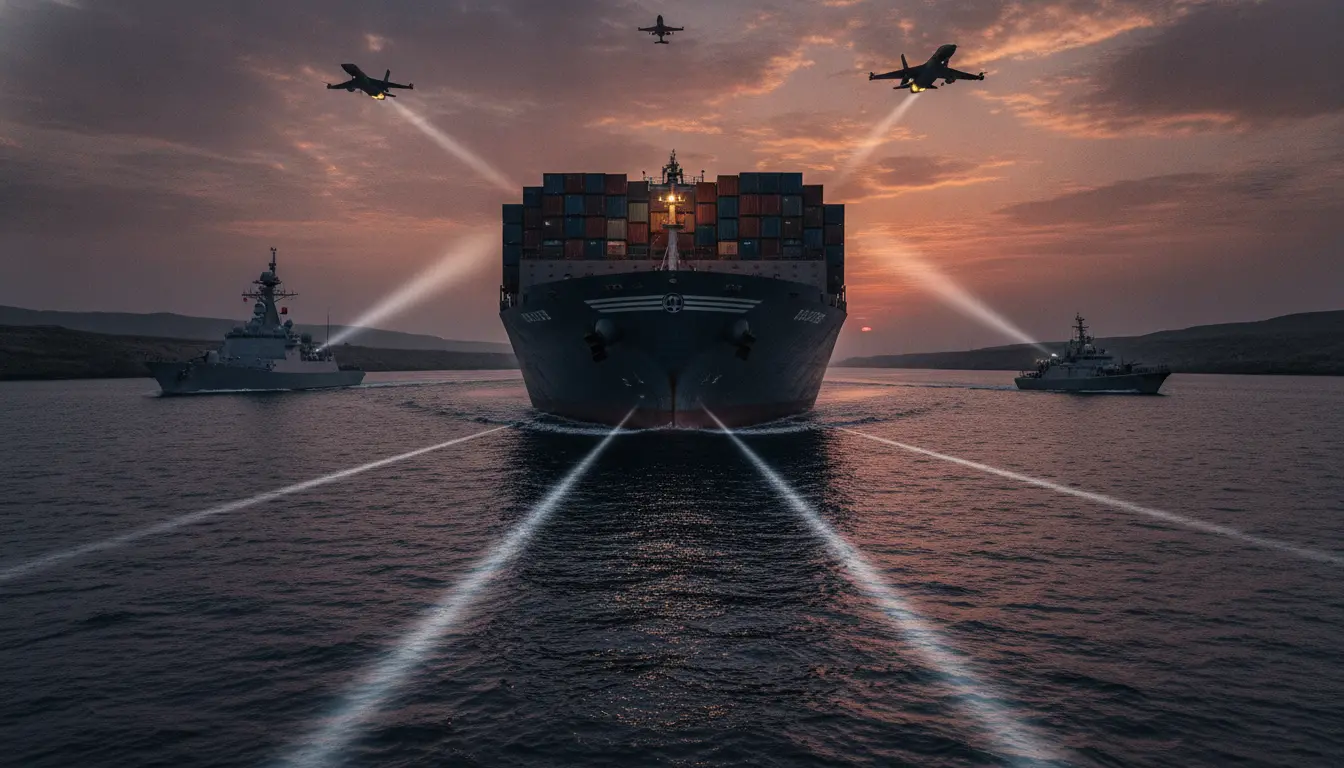
Global Shipping on High Alert as Military Tensions Simmer in Strait of Hormuz
The narrow waters of the Strait of Hormuz, a critical artery for global energy supplies, are once again a focal point of international concern as heightened military tensions place commercial shipping on high alert. Maritime security organizations and naval commands have issued fresh advisories to vessels transiting the chokepoint, citing a volatile and unpredictable security environment. This renewed anxiety stems from a pattern of regional confrontations, drone activity, and the lingering threat of direct state-level action, turning one of the world's most vital sea lanes into a potential flashpoint.
Accounting for the passage of roughly one-fifth of the world's total oil consumption, the Strait of Hormuz has long been a theater for geopolitical maneuvering, primarily between Iran and the United States and its allies. The strategic waterway, at its narrowest point only 21 miles wide, offers Tehran significant leverage. Iran's Islamic Revolutionary Guard Corps Navy (IRGCN) has repeatedly demonstrated its capability to disrupt traffic using asymmetric tactics, including swarms of fast-attack craft, sea mines, and, more recently, sophisticated unmanned aerial vehicles (UAVs) and anti-ship missiles. These capabilities allow Iran to project power far beyond its coastline and pose a credible threat to the multinational naval forces patrolling the region to ensure freedom of navigation.
Recent history is punctuated by incidents that underscore the fragility of the situation. In the past few years, the world has witnessed Iran seize foreign-flagged oil tankers, harass commercial and naval vessels, and engage in standoffs with the U.S. Navy. While these actions often ebb and flow with the state of diplomatic relations and the enforcement of international sanctions, the underlying risk to shipping has never fully dissipated. The current climate is further complicated by the broader instability across the Middle East. The attacks on shipping in the Red Sea by Yemen's Houthi rebels, an Iranian-backed group, have served as a stark reminder of how non-state actors can be used to disrupt global trade with significant economic consequences, a playbook that security analysts fear could be more aggressively deployed in the far more constricted Hormuz Strait.
For the global shipping industry, the stakes are immense. Any direct attack on a cargo ship or oil tanker, whether by a missile, drone, or mine, would have immediate and severe repercussions. Insurance premiums for vessels operating in the Persian Gulf, already elevated, would skyrocket, potentially making transit prohibitively expensive for some operators. A significant incident could force shipping companies to consider rerouting, an option that is geographically challenging and economically disastrous for energy exports from Gulf nations like Saudi Arabia, the UAE, Kuwait, and Iraq. The ripple effect on global energy markets would be almost instantaneous, likely triggering a sharp spike in oil prices and fueling economic uncertainty worldwide.
In response to the persistent threat, the United States and its international partners continue to maintain a robust naval presence through operations led by the U.S. Fifth Fleet, based in Bahrain. The Combined Maritime Forces, a 44-nation naval partnership, conducts patrols to deter illicit activity and reassure the shipping industry. However, the vastness of the area and the swift, often ambiguous nature of potential attacks present a formidable challenge. The constant cat-and-mouse game between Iranian forces and Western navies creates a tense environment where a single miscalculation could escalate into a wider military conflict. As diplomats navigate the complexities of nuclear negotiations and regional de-escalation, sailors aboard massive tankers and container ships must sail through these troubled waters, hoping they do not become the unintended catalyst for the next crisis.
Stay Informed. Act Smarter.
Get weekly highlights, major headlines, and expert insights — then put your knowledge to work in our live prediction markets.
Related News
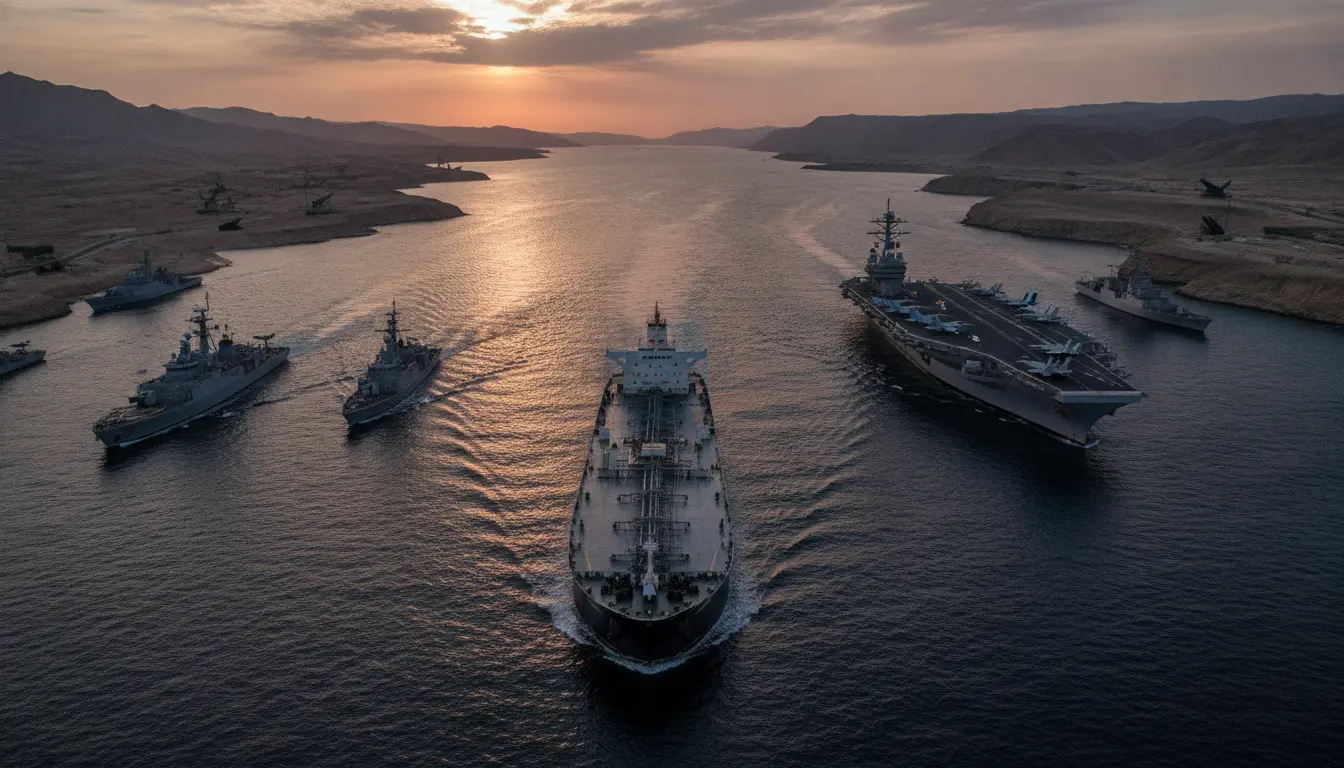
Geopolitical Alarm Rings as US-Iran Standoff Threatens Strait of Hormuz Shipping
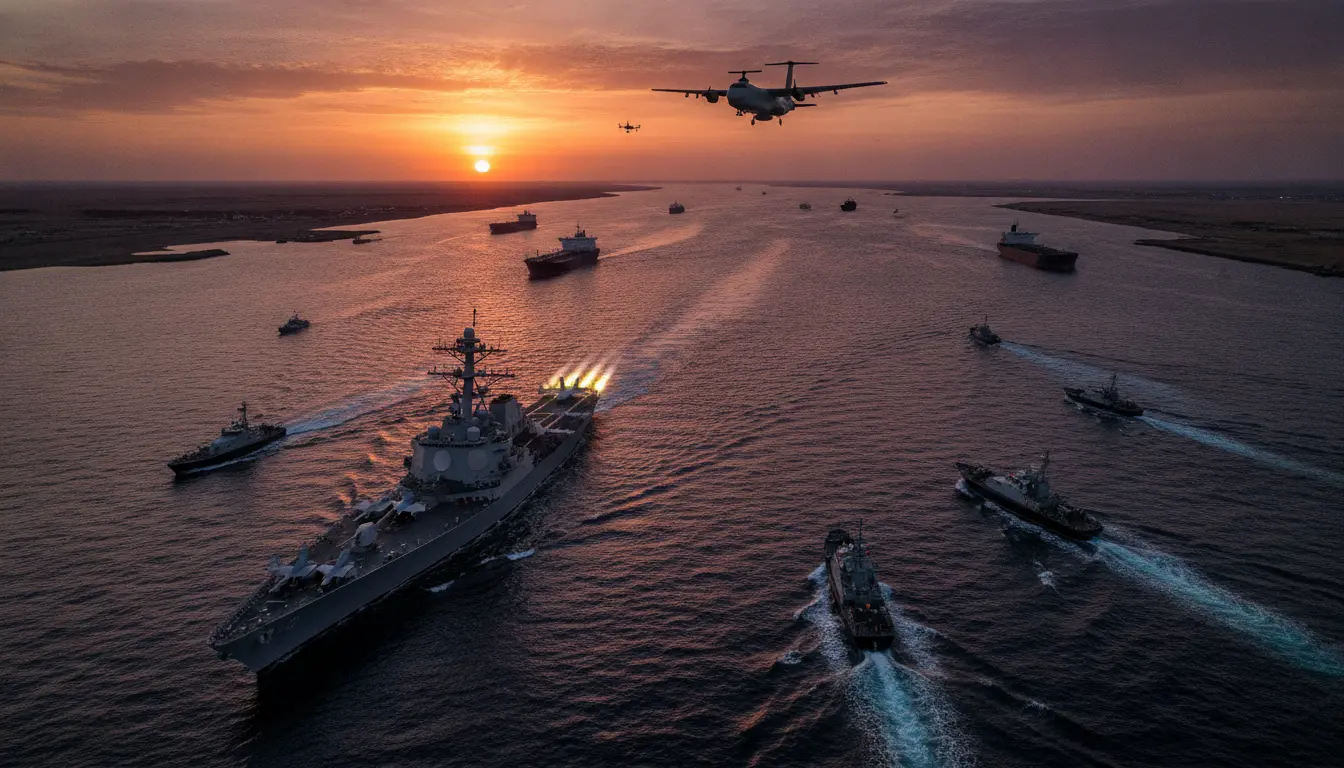
Strait of Hormuz Becomes Flashpoint as US and Iran Escalate Military Posturing in Persian Gulf
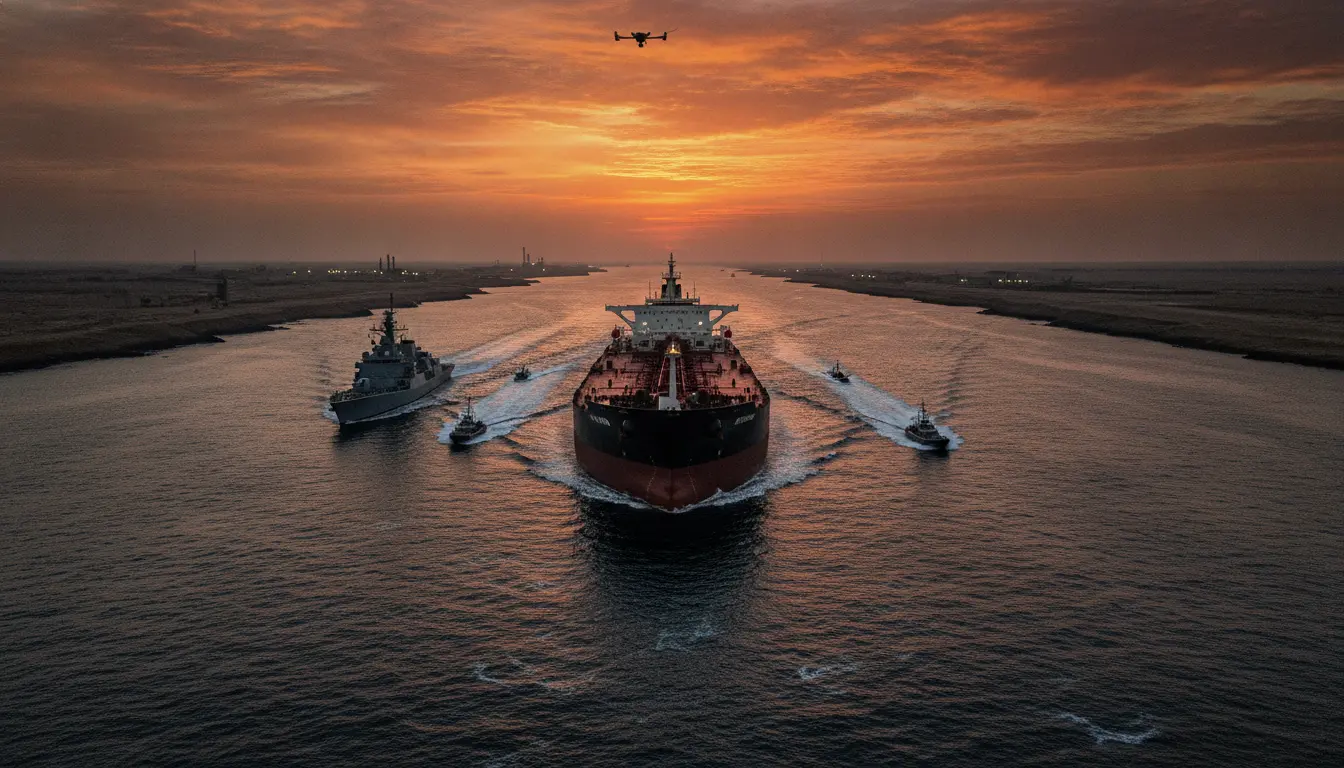
Strait of Hormuz Security Remains Precarious Amid Escalating Regional Tensions
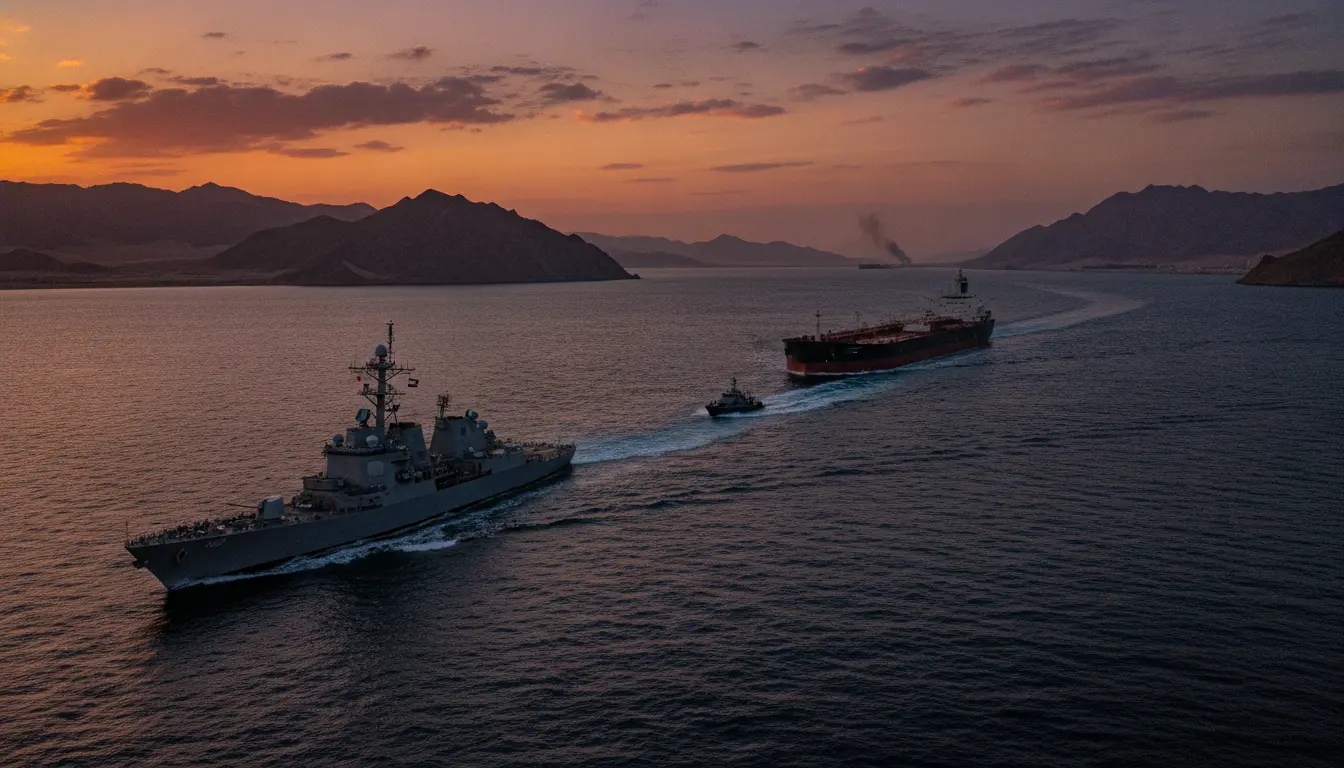
Strait of Hormuz Faces Heightened Tensions as Maritime Incidents Recur
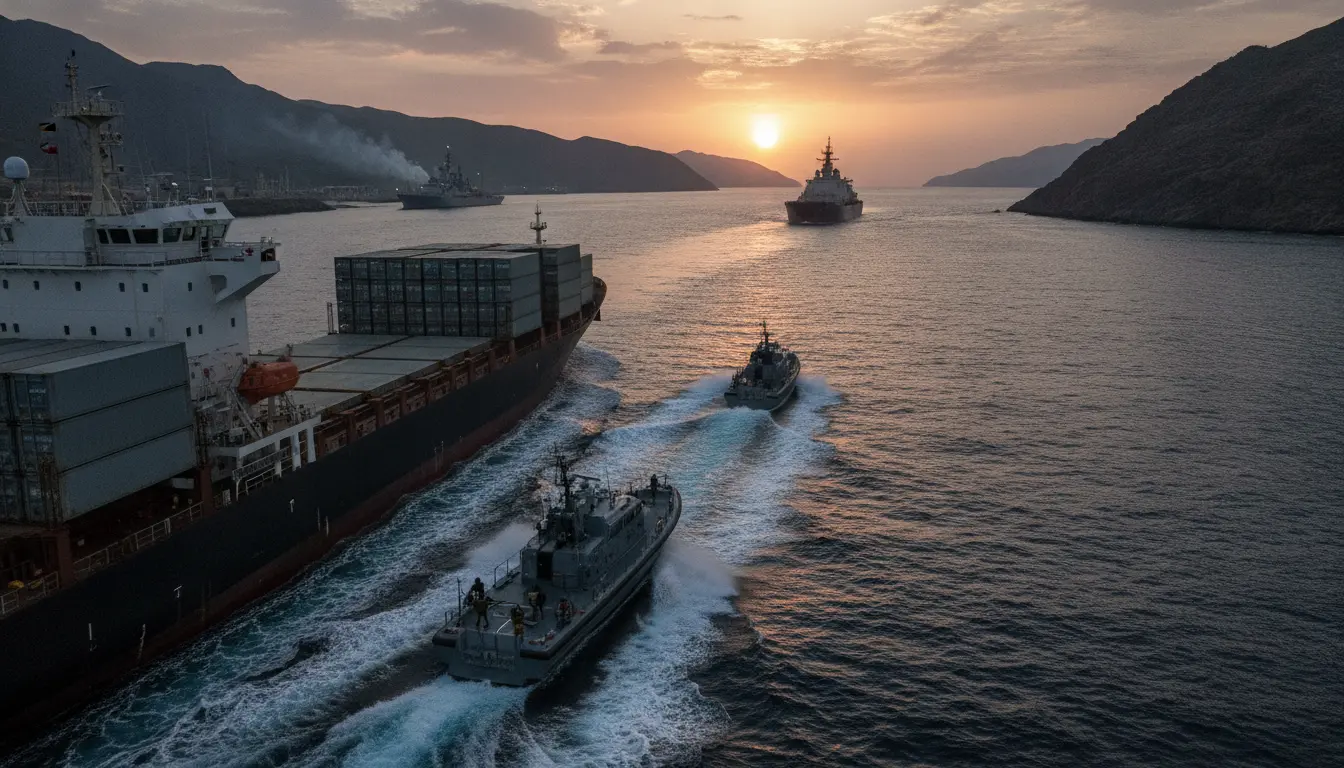
Mounting Tensions in Strait of Hormuz Threaten Global Shipping Amid Iranian Actions
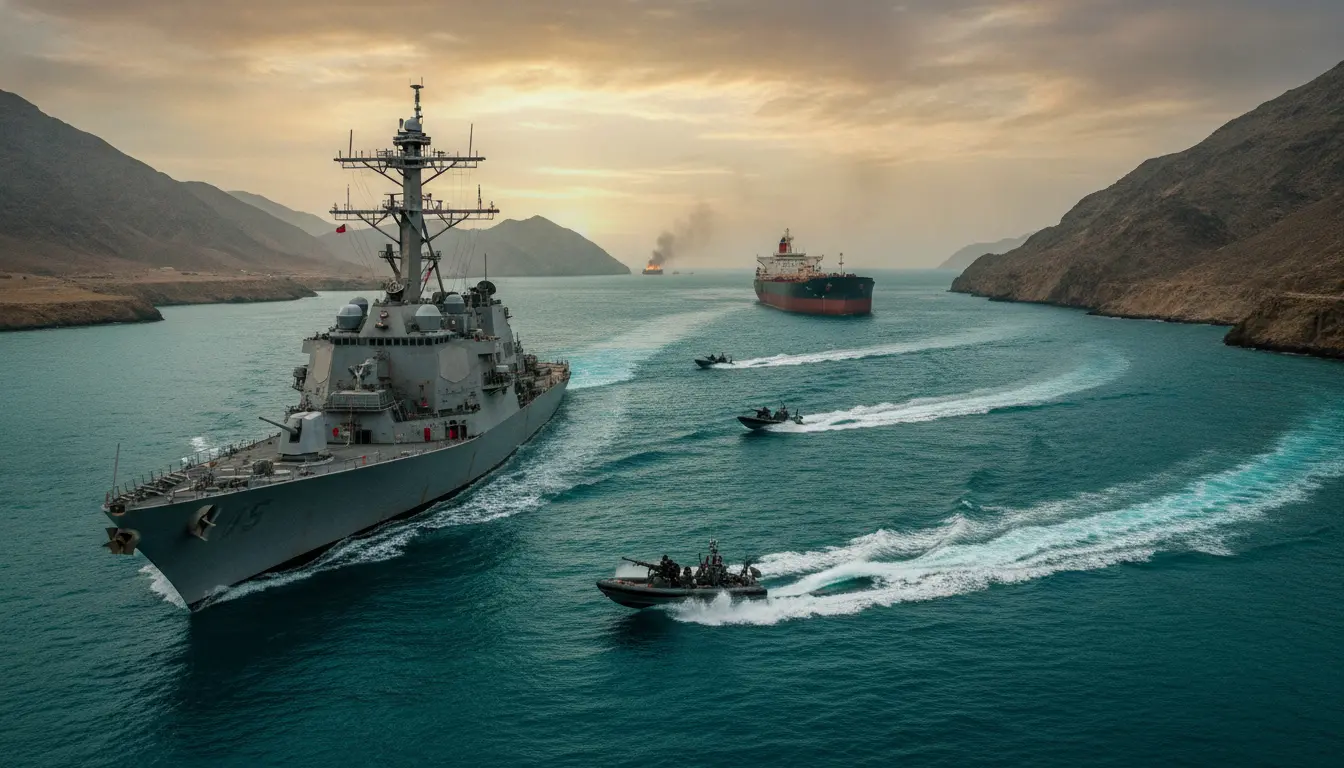
Strait of Hormuz Faces Heightened Security Risks Amid Escalating Iranian Maritime Actions
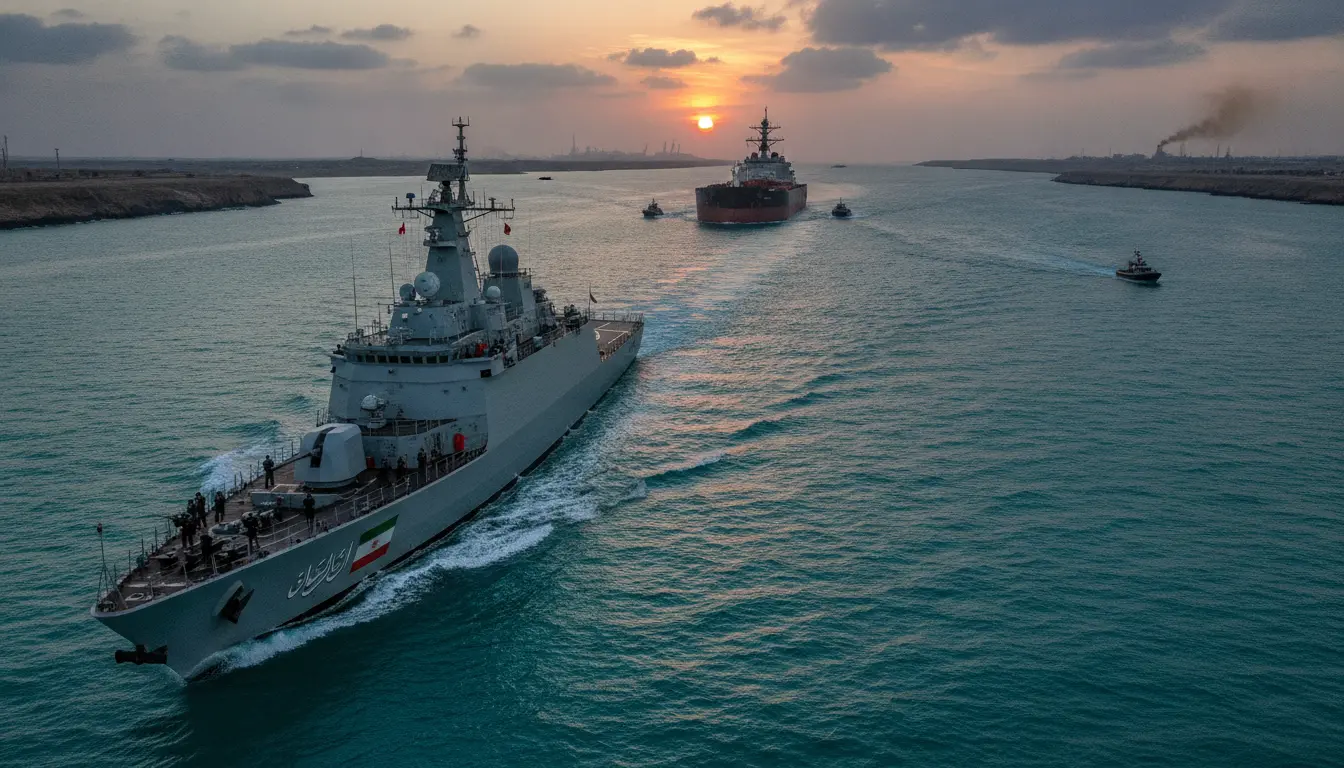
Iran's Maritime Actions Stoke Tensions in Crucial Strait of Hormuz
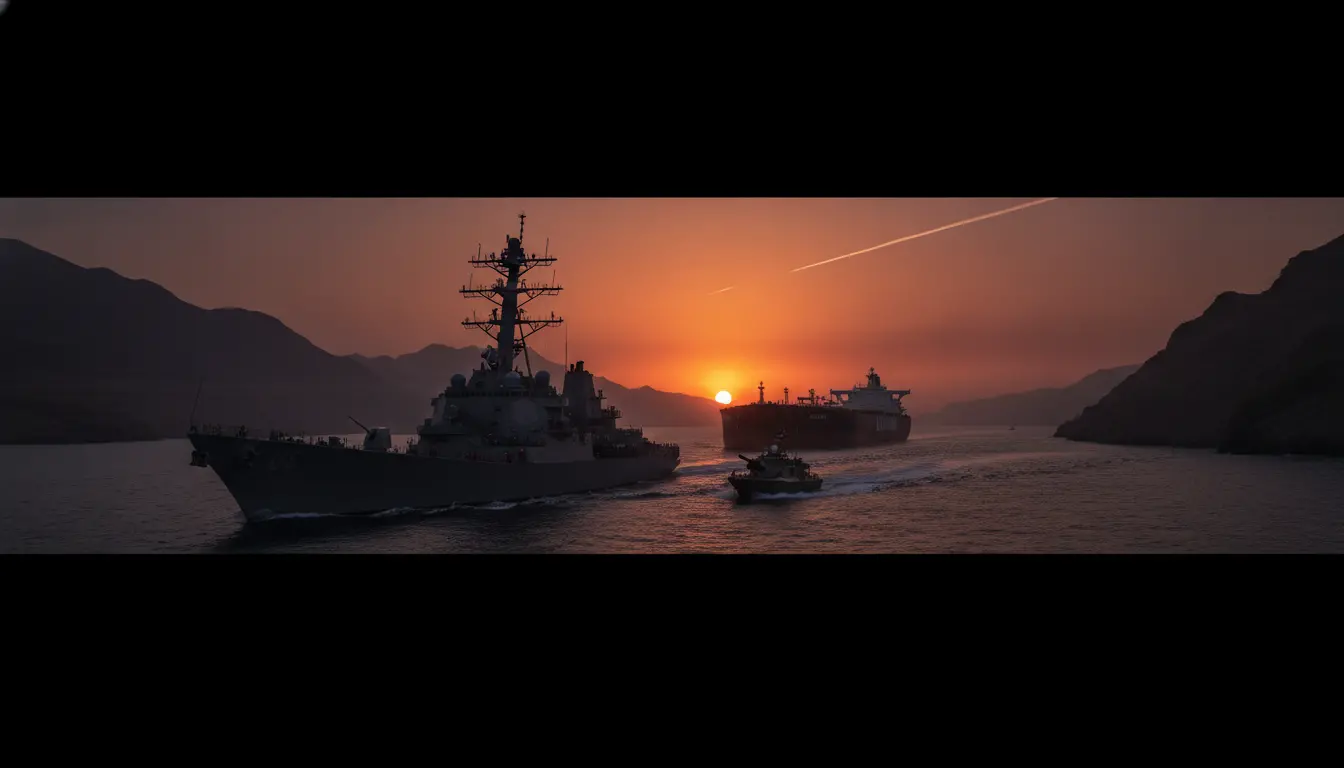
US-Iran Tensions Escalate, Jeopardizing Global Shipping Through Strait of Hormuz
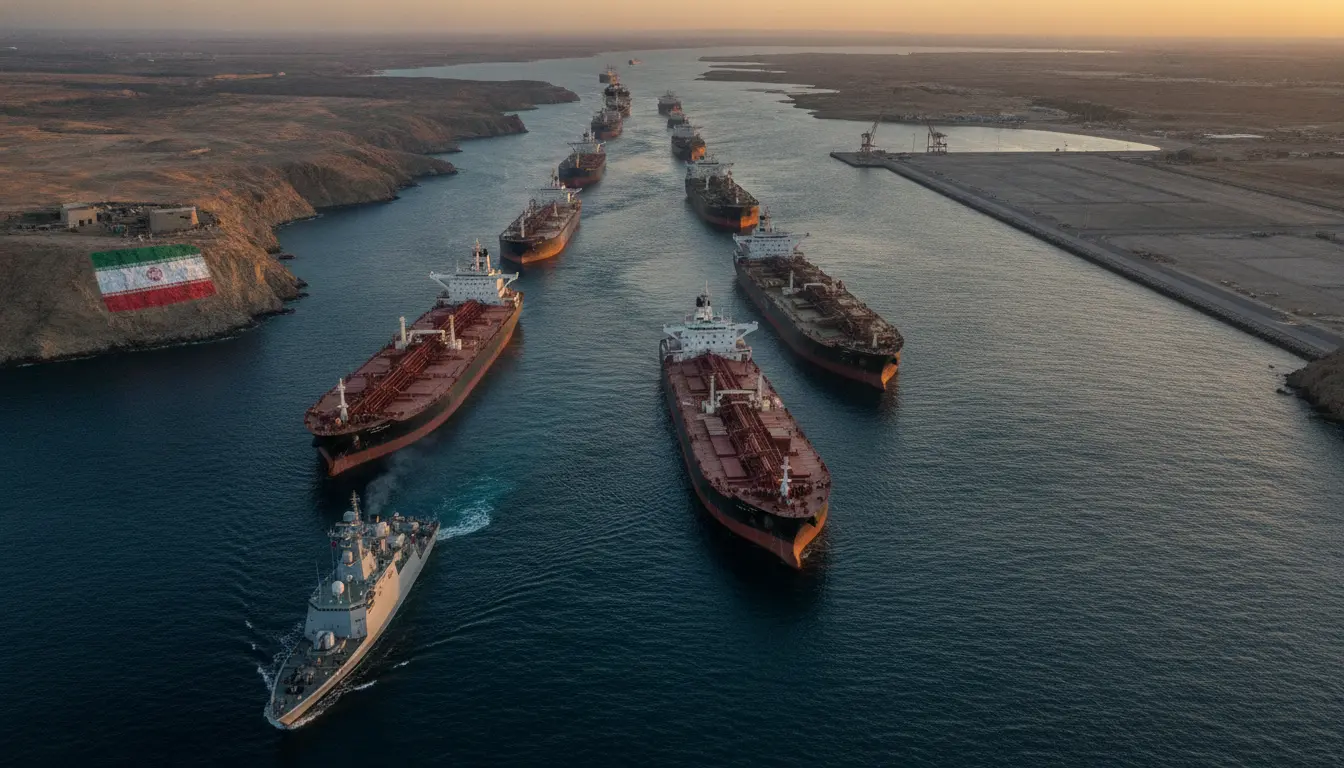
Strait of Hormuz Shipping Remains in Limbo as Iran Conditions Reopening on US Concessions
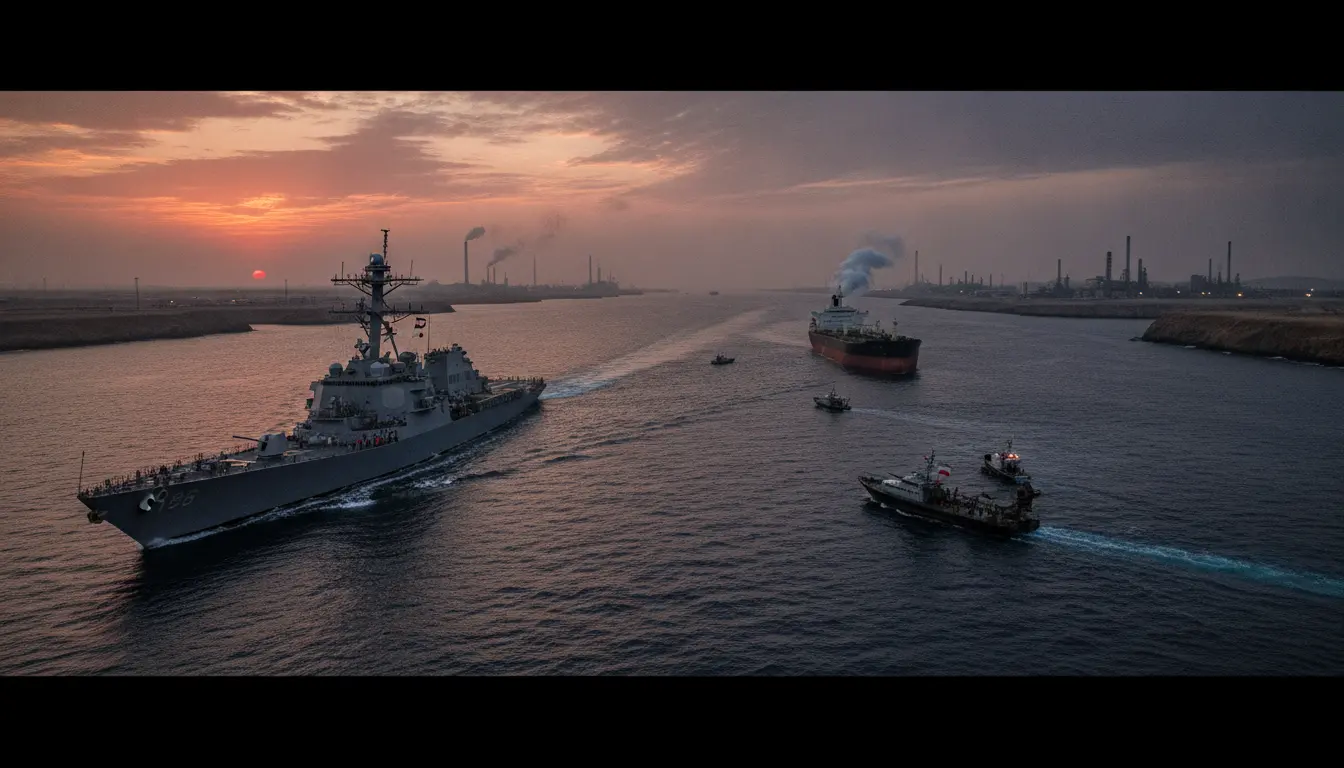
Heightened US-Iran Tensions Fuel Fears of Direct Confrontation in Strategic Strait of Hormuz