

Strait of Hormuz Security Remains Precarious Amid Escalating Regional Tensions
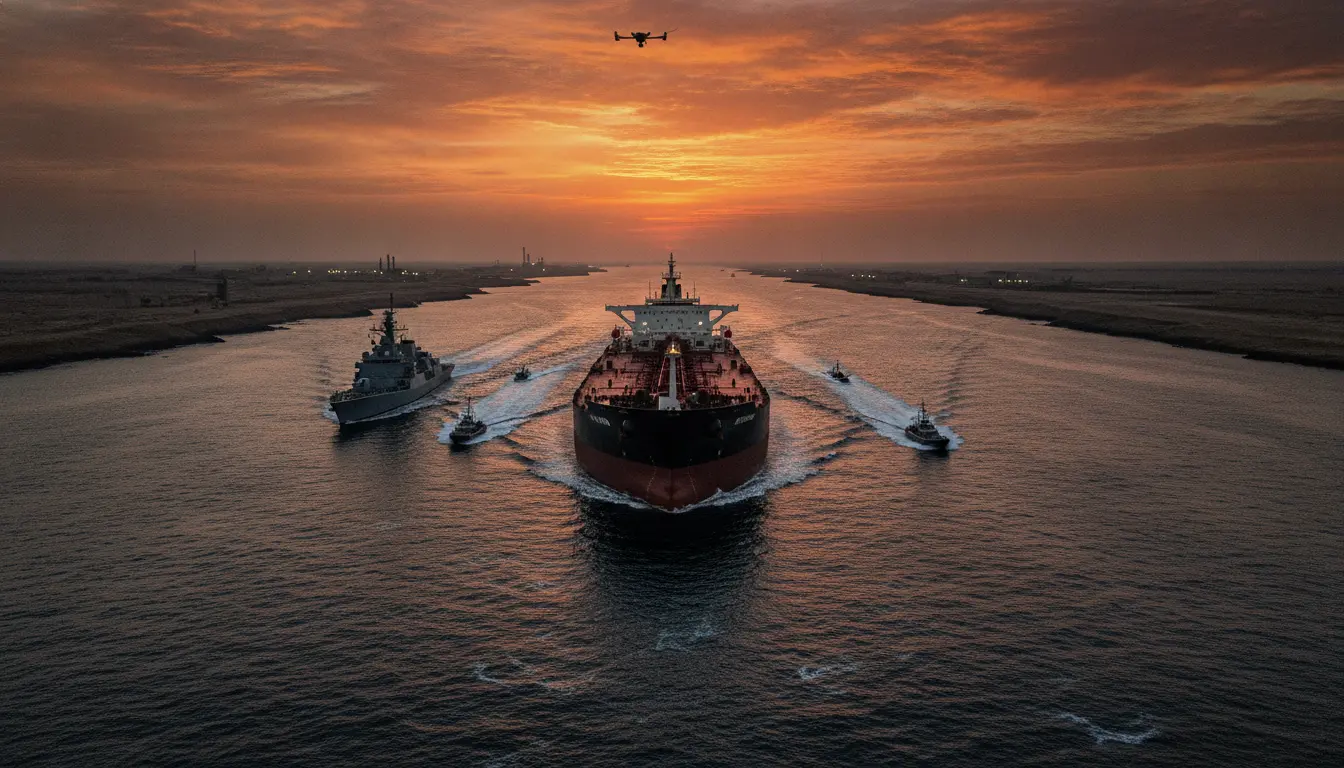
The Strait of Hormuz, a narrow waterway connecting the Persian Gulf with the Arabian Sea, continues to be a focal point of geopolitical instability, with little indication that normal maritime traffic operations will resume in the near future. This critical chokepoint, through which roughly one-fifth of the world's total oil consumption, along with significant volumes of liquefied natural gas (LNG), passes daily, remains subject to periodic disruptions, seizures, and heightened military presence from various global powers. The ongoing volatility in the broader Middle East, particularly the protracted standoff between Iran and Western allies, alongside ripple effects from conflicts in the Red Sea, casts a long shadow over the strait's future stability, impacting global energy markets and supply chains.
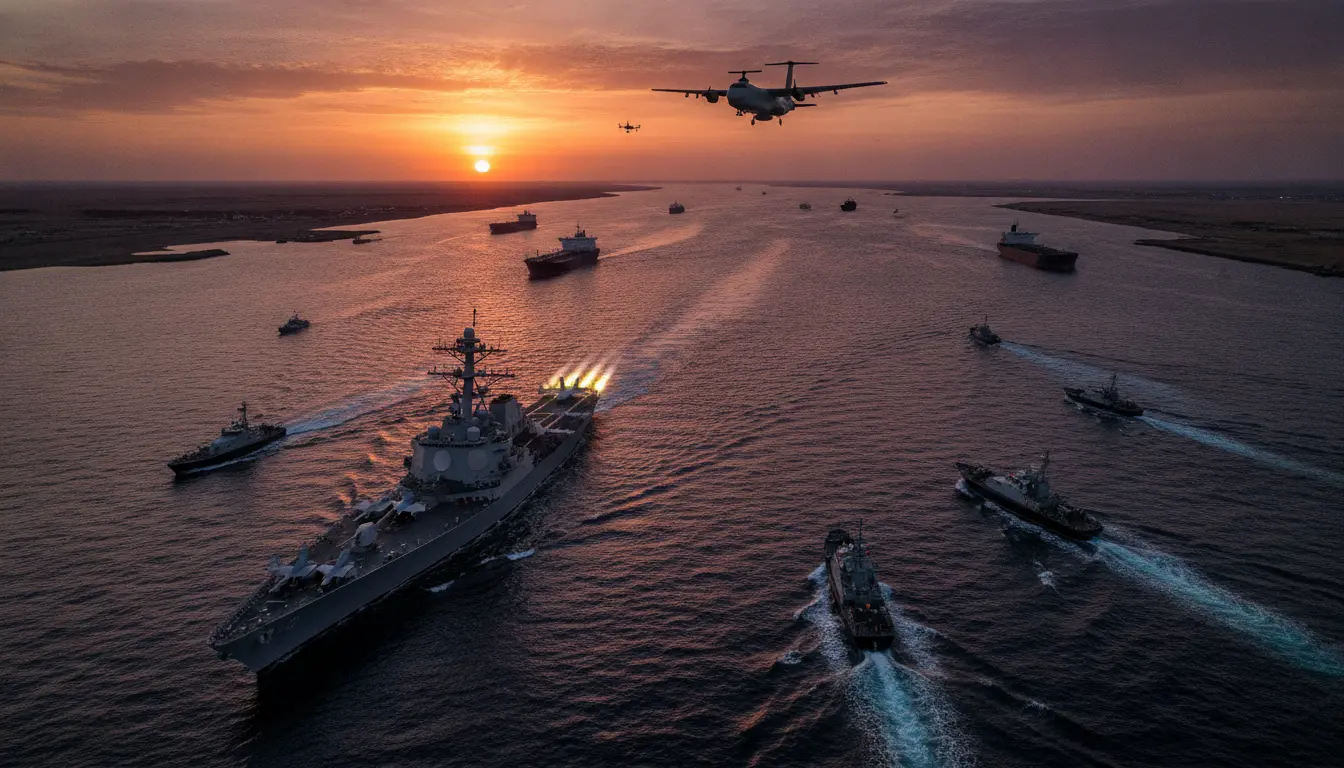
For decades, the Strait of Hormuz has been a flashpoint for international disputes, primarily due to its strategic importance and Iran's geographical position along its northern coast. While international law dictates free passage, Iran has on multiple occasions asserted its ability to close the strait, a threat it has sporadically acted upon or simulated through naval exercises. These actions often coincide with increased pressure from international sanctions or perceived threats to its national security. The United States, along with its Gulf allies and other naval powers, maintains a significant military presence in the region, conducting patrols and escort missions aimed at safeguarding freedom of navigation and deterring potential aggressors, thereby creating a constant, low-level military tension.
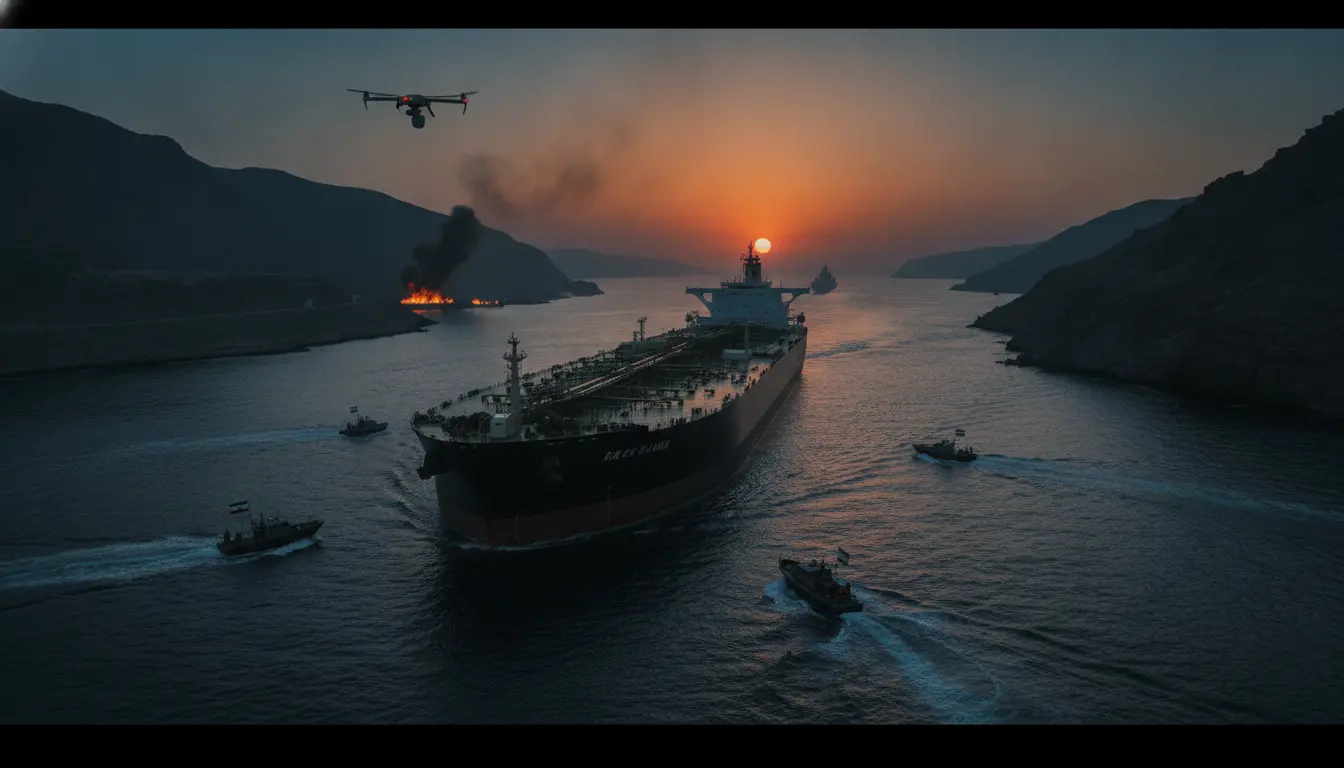
The current climate of insecurity is multifaceted, drawing on historical grievances, ideological divides, and proxy conflicts across the region. Recent years have seen a pattern of tanker seizures by Iranian forces, often in retaliation for similar actions against Iranian vessels or in response to perceived breaches of maritime law. Incidents involving unmanned aerial vehicles, attacks on commercial shipping, and even direct confrontations between naval forces have underscored the fragile security environment. While not a complete blockade, these intermittent disruptions force shipping companies to reassess risk premiums, impacting insurance costs and potentially rerouting schedules, adding significant costs and delays to global trade, particularly for energy exports originating from Saudi Arabia, Kuwait, Iraq, Qatar, and the United Arab Emirates.
Furthermore, the escalating Houthi attacks on commercial shipping in the Red Sea and Gulf of Aden, though geographically separate, have an undeniable psychological and practical impact on perceptions of security in the wider region. While the Strait of Hormuz is not directly affected by these Red Sea actions, the broader narrative of maritime insecurity in the Middle East puts all regional chokepoints, including Hormuz, under increased scrutiny. Shipping companies and insurers are left grappling with an expanded threat landscape, requiring heightened vigilance and robust security measures for voyages through these vital but dangerous waters.
International diplomatic efforts to de-escalate tensions and establish more predictable maritime security protocols have yielded limited success. Bilateral and multilateral talks often founder on fundamental disagreements over regional power dynamics, nuclear programs, and the role of non-state actors. The absence of a comprehensive, lasting political solution to the region's broader conflicts means that the security of the Strait of Hormuz will likely remain a function of carefully managed deterrence and the fluctuating willingness of regional and international powers to avoid direct confrontation. This precarious balance suggests that a sustained return to pre-disruption levels of stability and predictability for maritime traffic in the Strait of Hormuz remains a distant prospect.
Ultimately, the stakes in the Strait of Hormuz are global. Any significant disruption to its traffic could send shockwaves through international energy markets, triggering price spikes, impacting manufacturing, and potentially slowing economic growth worldwide. Beyond energy, the strait is also crucial for the trade of various goods, affecting diverse industries. The international community, therefore, maintains a vested interest in the strait's navigability, making its ongoing security a top priority for defense strategists, economic planners, and diplomats alike, even as the challenges to achieving lasting stability continue to mount amidst the region's complex geopolitical currents.
Stay Informed. Act Smarter.
Get weekly highlights, major headlines, and expert insights — then put your knowledge to work in our live prediction markets.
Related News
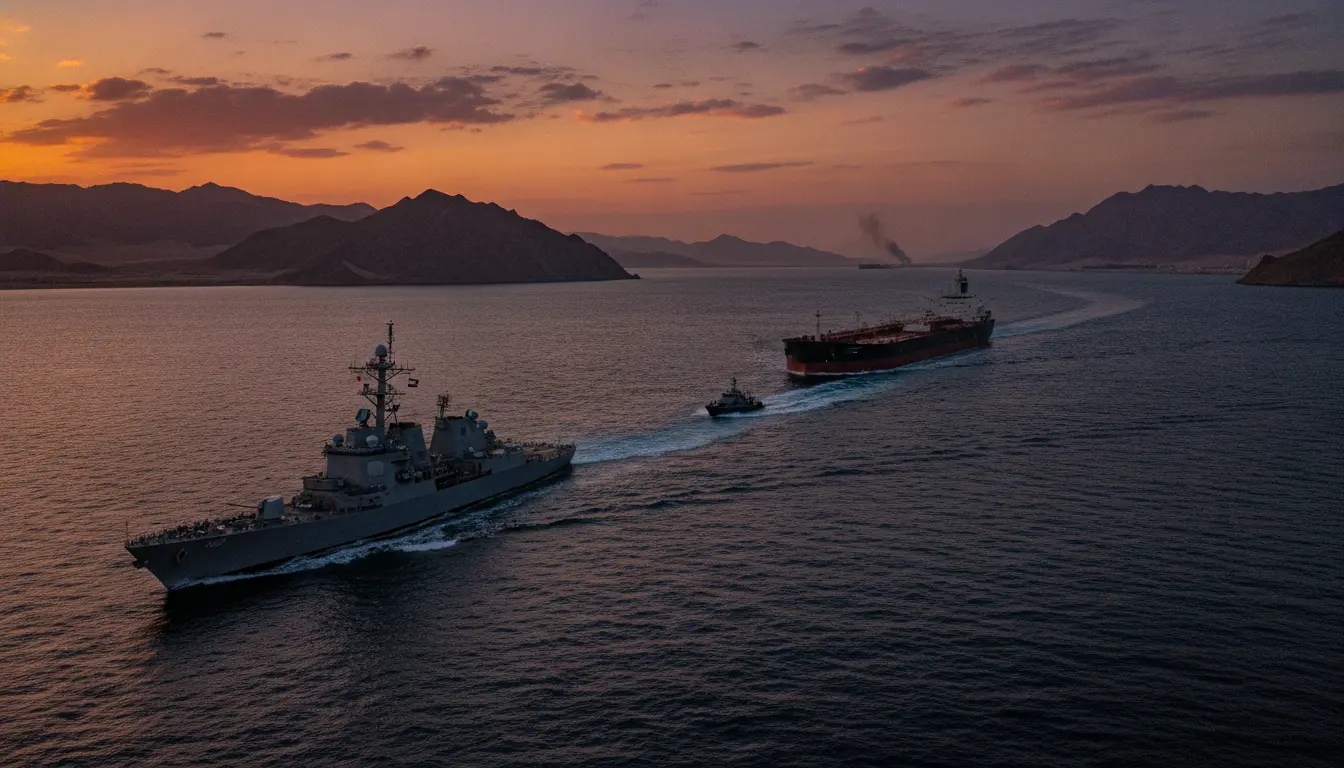
Strait of Hormuz Faces Heightened Tensions as Maritime Incidents Recur
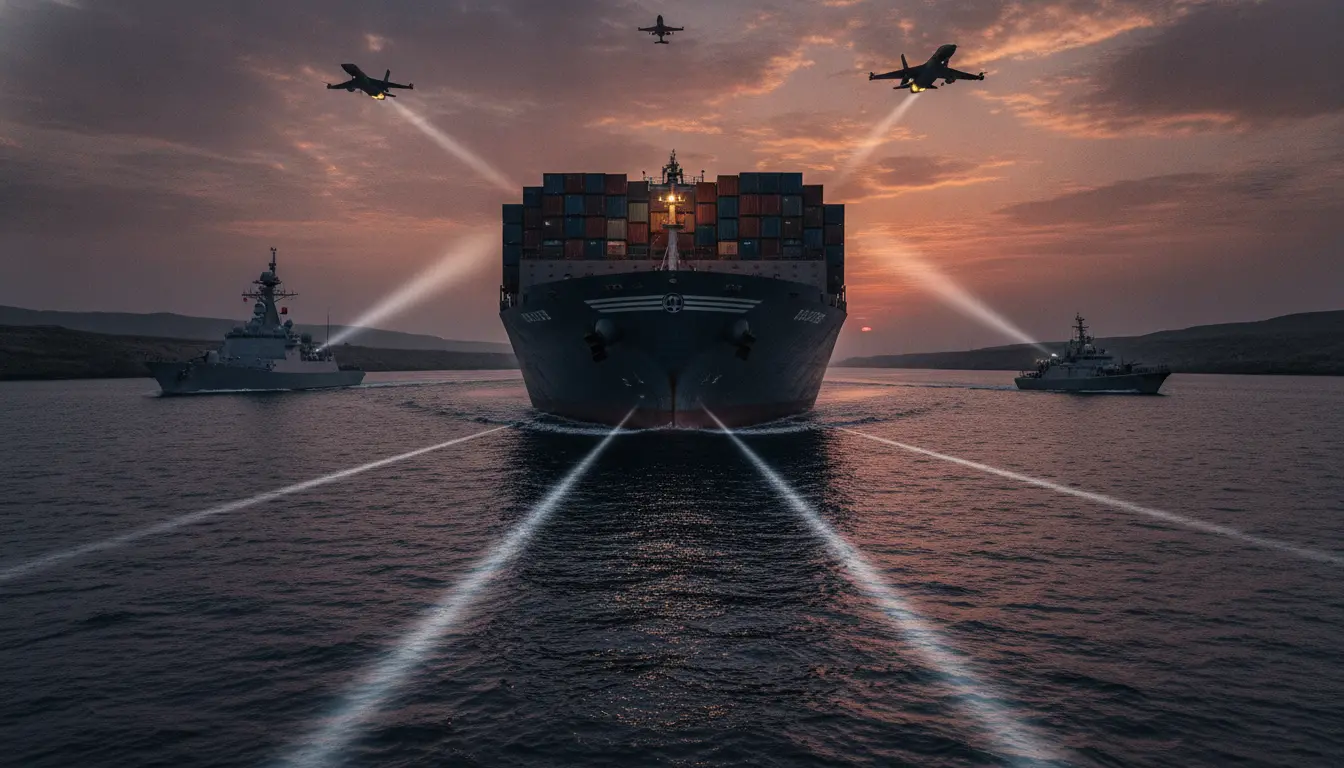
Global Shipping on High Alert as Military Tensions Simmer in Strait of Hormuz
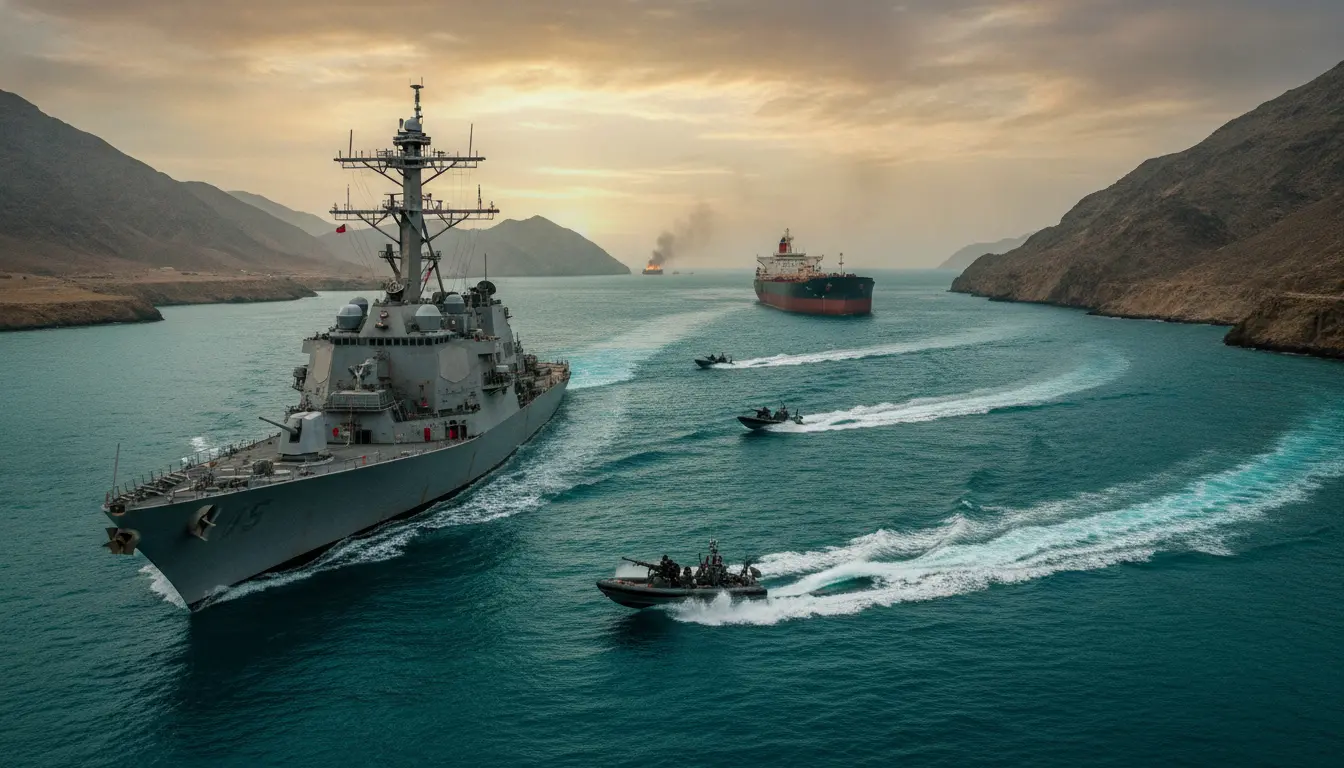
Strait of Hormuz Faces Heightened Security Risks Amid Escalating Iranian Maritime Actions
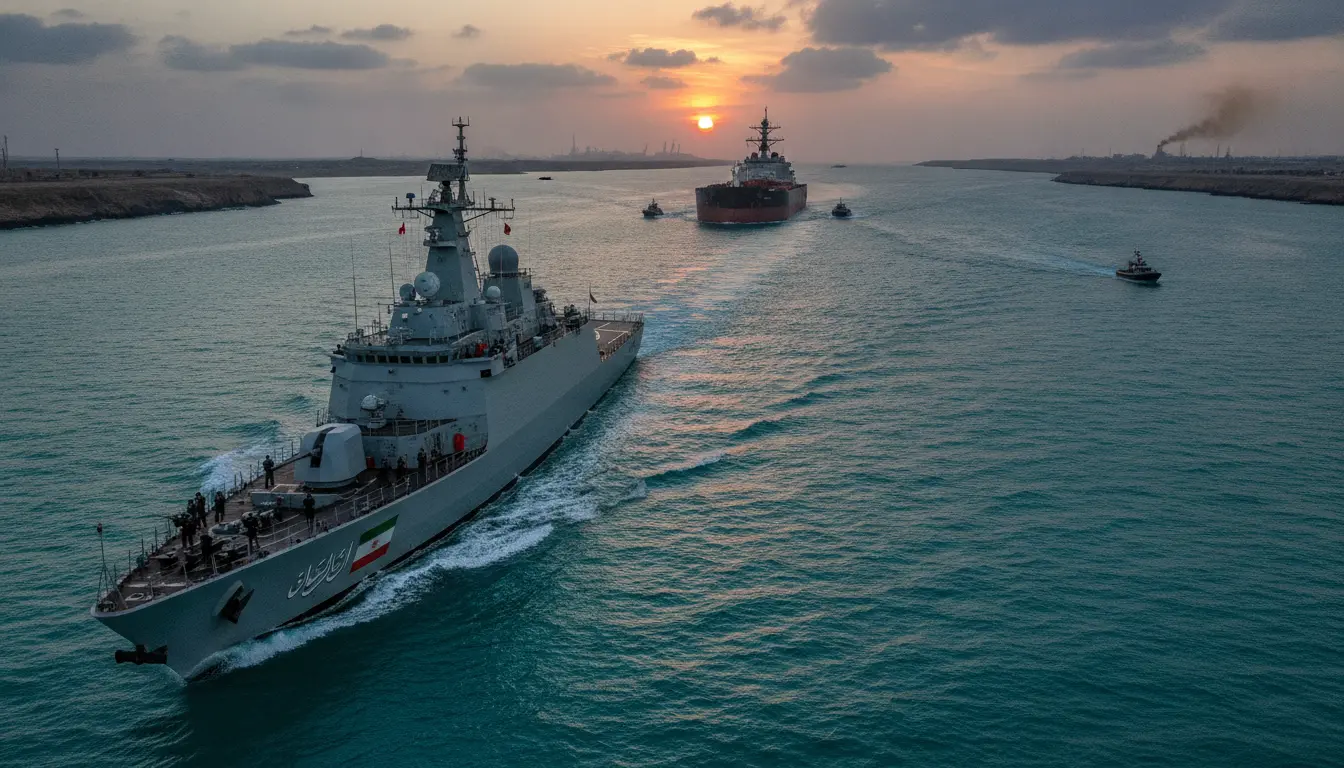
Iran's Maritime Actions Stoke Tensions in Crucial Strait of Hormuz
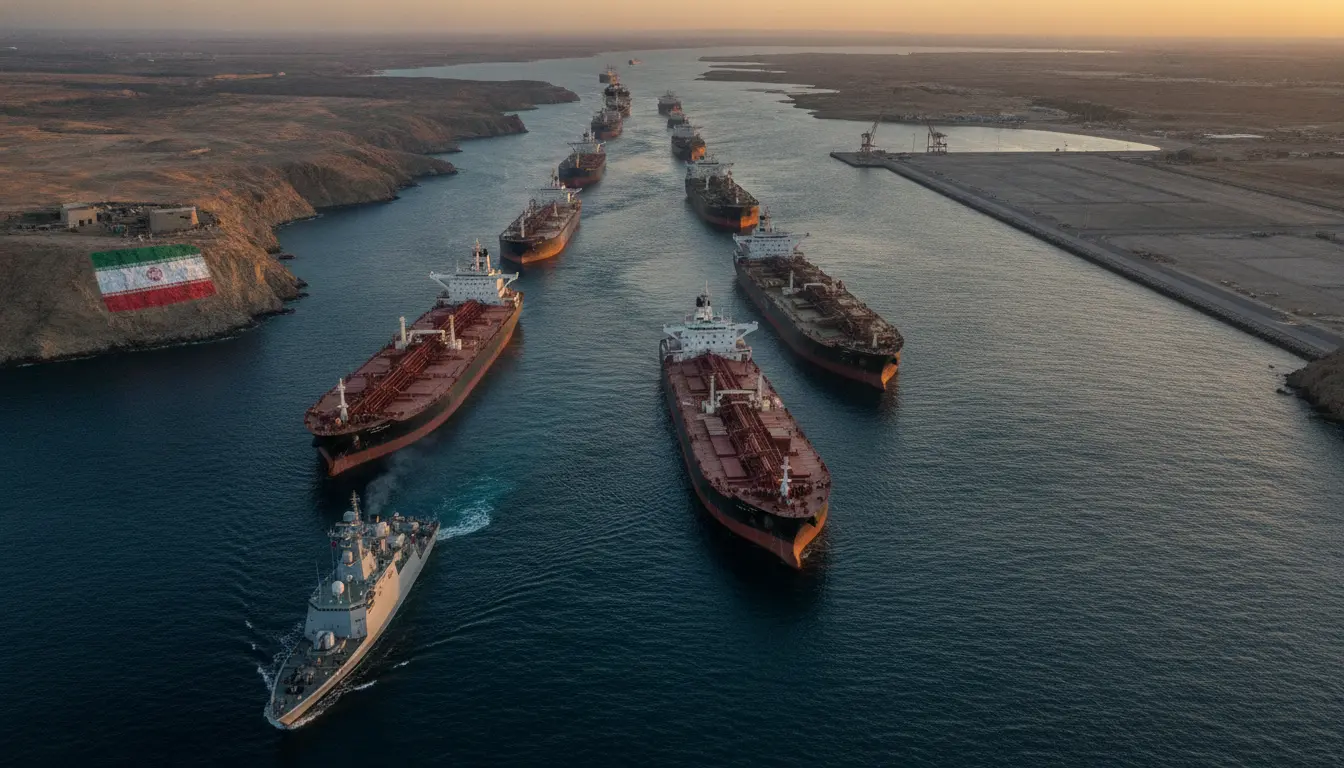
Strait of Hormuz Shipping Remains in Limbo as Iran Conditions Reopening on US Concessions
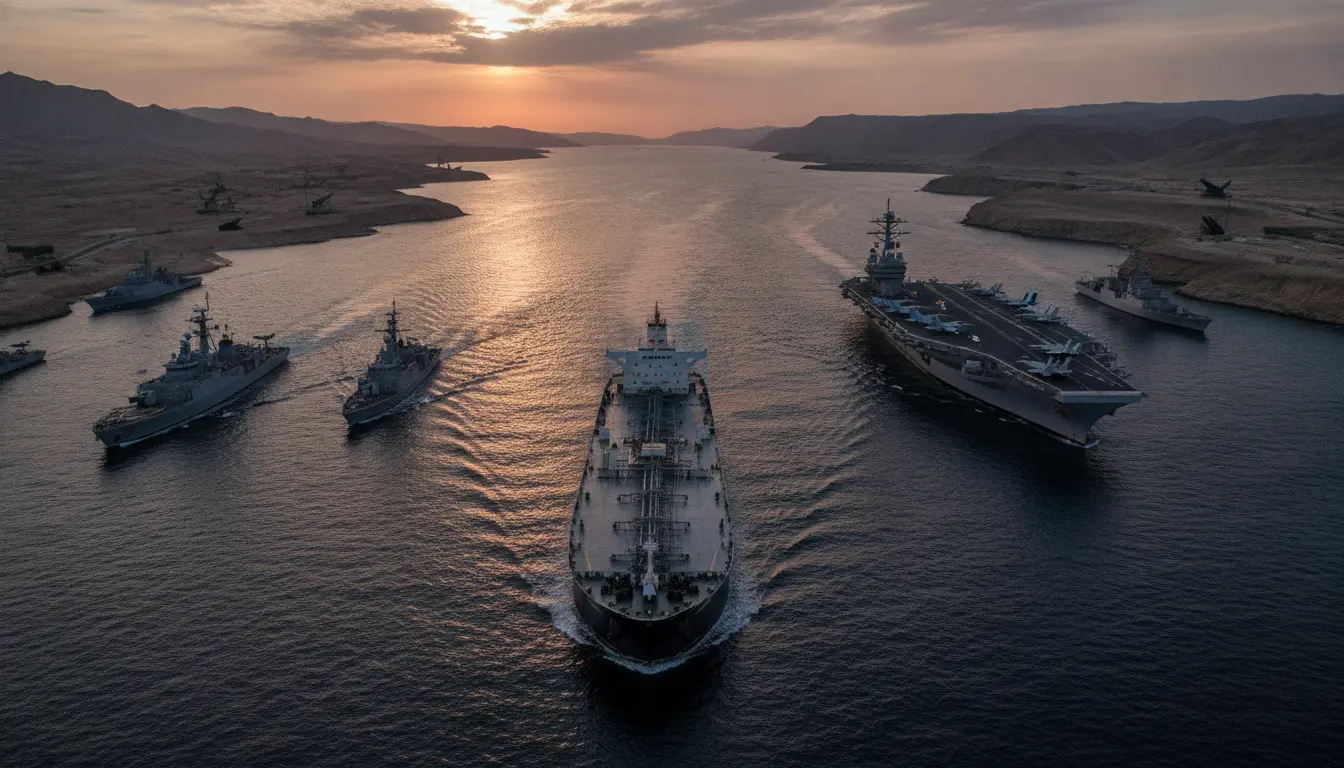
Geopolitical Alarm Rings as US-Iran Standoff Threatens Strait of Hormuz Shipping
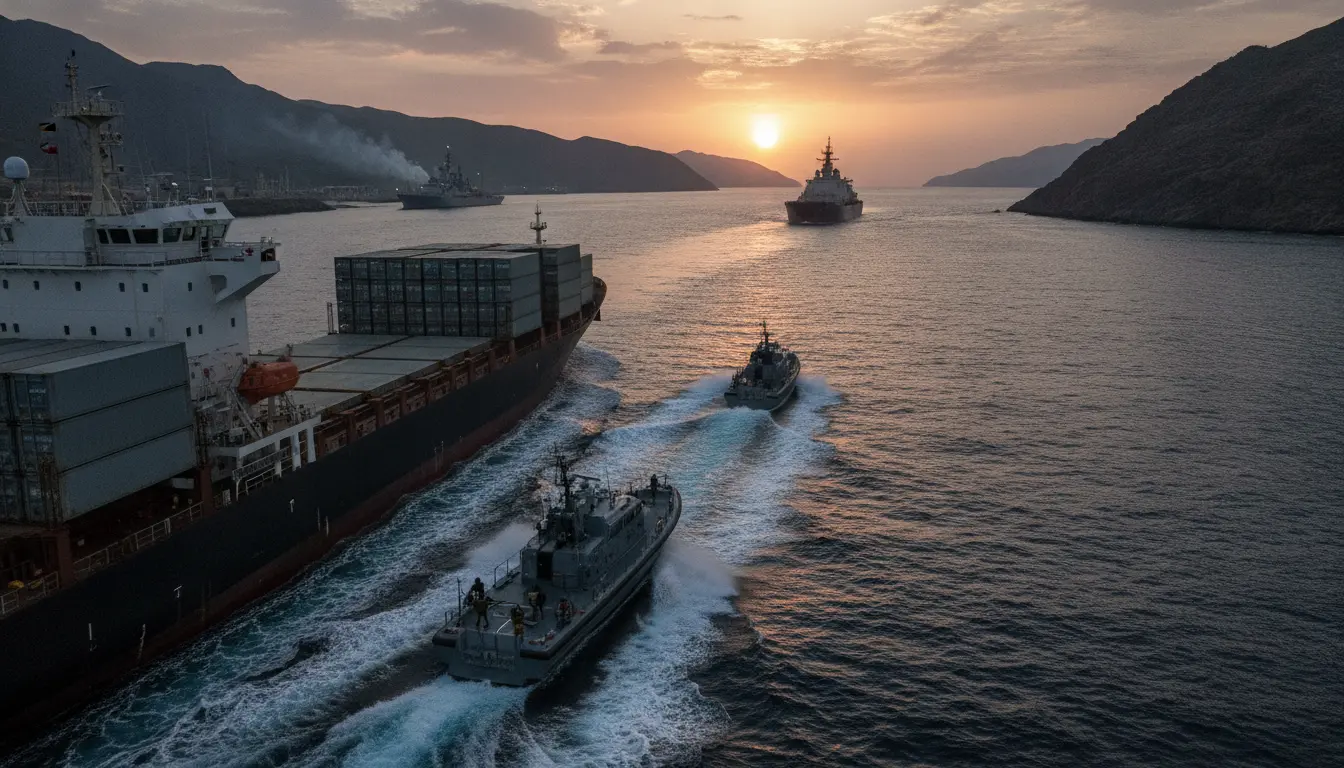
Mounting Tensions in Strait of Hormuz Threaten Global Shipping Amid Iranian Actions
Middle East Unrest Casts Shadow Over Strait of Hormuz Oil Transit Security
Strait of Hormuz Becomes Flashpoint as US and Iran Escalate Military Posturing in Persian Gulf

US-Iran Tensions Escalate, Jeopardizing Global Shipping Through Strait of Hormuz