

- News
- Politics
- Strait of Hormuz Shipping Remains in Limbo as Iran Conditions Reopening on US Concessions
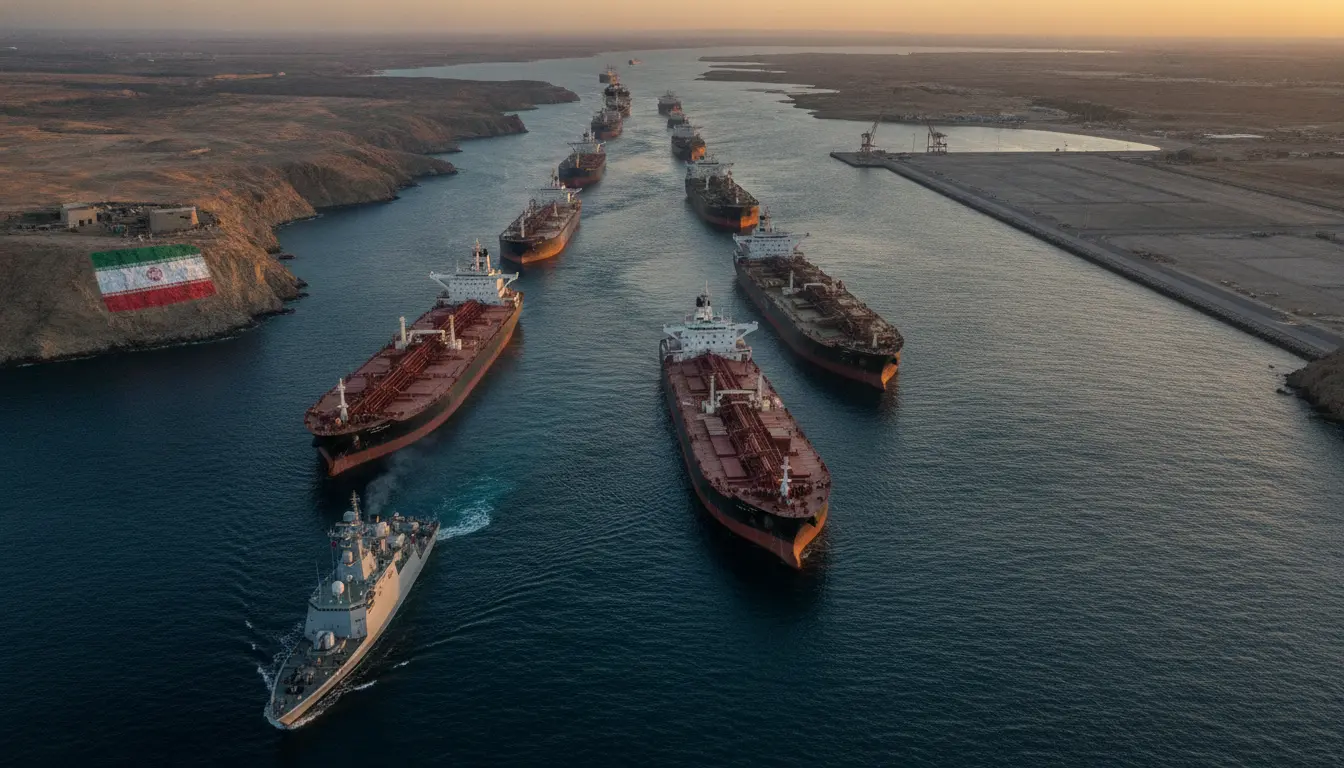
Strait of Hormuz Shipping Remains in Limbo as Iran Conditions Reopening on US Concessions
Commercial shipping through the Strait of Hormuz, the world’s most critical oil chokepoint, remains in a state of uncertainty as Iran signals that a full reopening is contingent on Washington accepting Tehran’s terms. Despite earlier speculation about a potential Omani-brokered deal, Iranian officials have made clear that no comprehensive agreement is imminent, and the Islamic Revolutionary Guard Corps (IRGC) has reiterated that the strait’s status is tied to broader geopolitical negotiations. The standoff continues to keep global energy markets on edge, with tanker operators and insurers closely monitoring every signal from Tehran and Washington.
The strait, a narrow waterway between Iran and Oman through which roughly one-fifth of the world’s oil passes daily, has been a flashpoint for years. Iran has periodically threatened to close it in response to sanctions or military pressure, and recent incidents involving tanker seizures and drone attacks have heightened fears of a full disruption. The latest statements from Iranian officials come amid a renewed diplomatic push by Oman, which has historically served as a mediator between Tehran and Western powers. However, Iranian Foreign Ministry spokesman Nasser Kanaani said that while talks with Oman are ongoing, they do not amount to a breakthrough that would fully reopen the strait. He emphasized that any resolution must address Iran’s core demands, including the lifting of sanctions and guarantees on its oil exports.
The IRGC, which controls the strait’s security, has been even more explicit. A senior commander stated that the reopening is “not a technical issue” but a political one, and that it depends on the United States accepting Iran’s terms. This hardline stance reflects the deep mistrust between Tehran and Washington, which has only been exacerbated by the collapse of the 2015 nuclear deal and the subsequent “maximum pressure” campaign. While there have been indirect talks in recent months, including back-channel communications through Oman and Qatar, no formal negotiation track has been revived. The IRGC’s position suggests that any move to fully reopen the strait would be used as leverage in a broader bargain, rather than a unilateral gesture of goodwill.
For global markets, the stakes are enormous. The strait is the route for about 20% of global oil consumption and a significant share of liquefied natural gas (LNG) exports from Qatar. Any prolonged closure would send energy prices soaring and could trigger a global recession. Even the threat of disruption has already led to higher insurance premiums for tankers and a shift in some shipping routes. The United States has maintained a naval presence in the region, and the Fifth Fleet has conducted exercises to ensure freedom of navigation. However, analysts note that a full military confrontation is unlikely, as both sides have shown a preference for calibrated escalation rather than all-out conflict.
The diplomatic landscape is further complicated by Iran’s domestic politics. Hardliners in Tehran, including the IRGC, are wary of any deal that might be seen as a concession to the West, especially with presidential elections on the horizon. Meanwhile, the United States, preoccupied with other global crises, has shown little appetite for a new Iran engagement. The Biden administration has said it is open to diplomacy but has not offered the kind of sanctions relief that Tehran demands. This impasse has left the strait in a state of “no war, no peace,” with shipping continuing under the shadow of potential disruption.
In the coming months, the key variable will be whether the United States and Iran can find a face-saving formula to de-escalate. Oman’s mediation efforts, while not yielding a full reopening, have at least kept channels open. Some regional observers suggest that a partial reopening, perhaps under certain conditions, could be a first step. But the IRGC’s insistence on linking the strait’s status to broader issues suggests that any resolution will be slow and incremental. For now, commercial shipping continues, but the risk premium remains high, and the world watches to see whether Tehran and Washington can turn back from the brink.
Stay Informed. Act Smarter.
Get weekly highlights, major headlines, and expert insights — then put your knowledge to work in our live prediction markets.
Related News
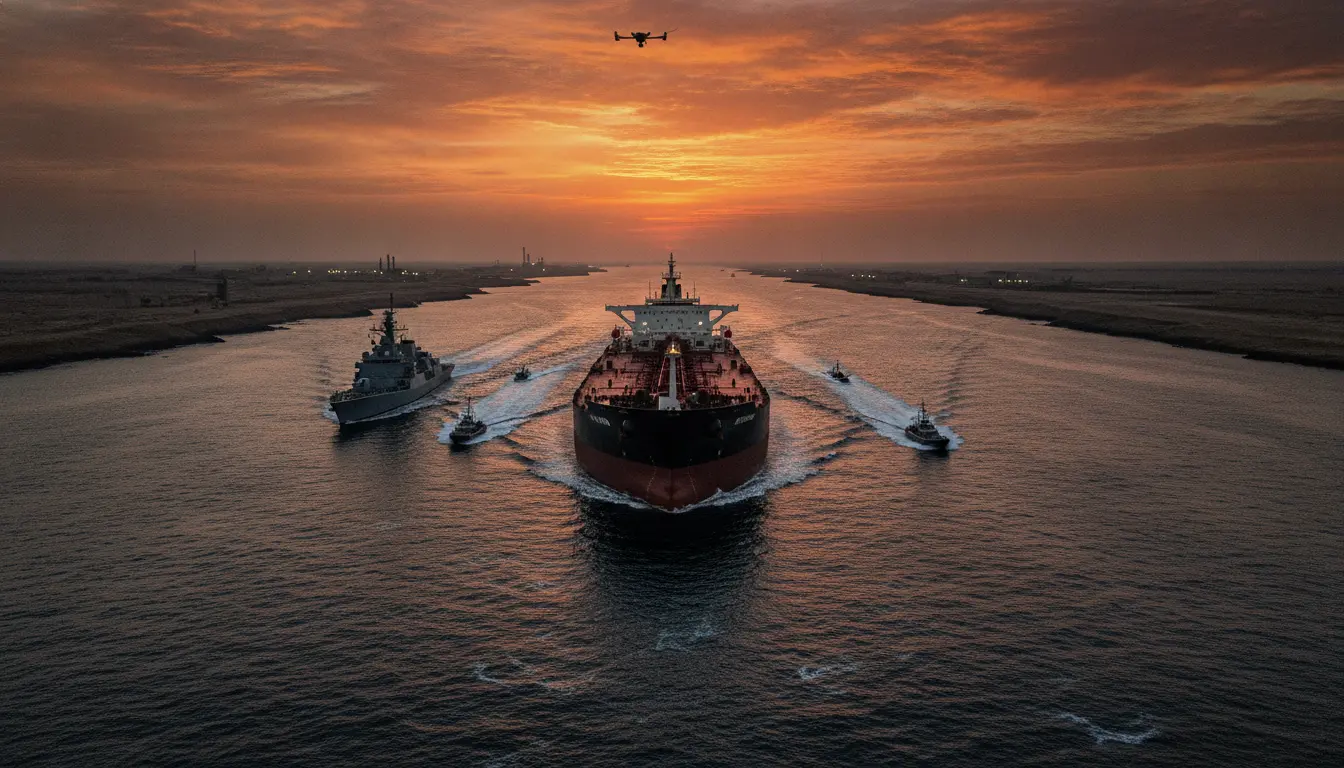
Strait of Hormuz Security Remains Precarious Amid Escalating Regional Tensions
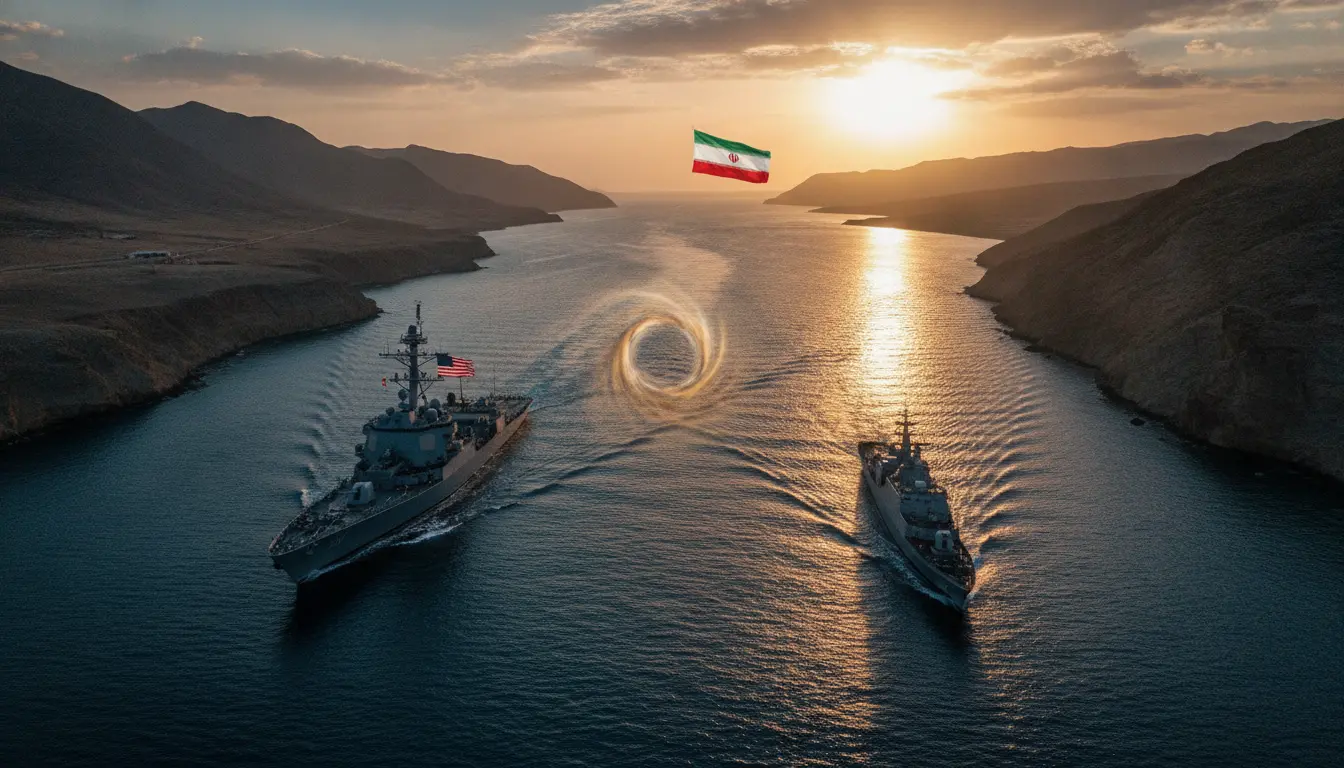
US and Iran Face High-Stakes Negotiations Amidst Pressures to Secure Strait of Hormuz
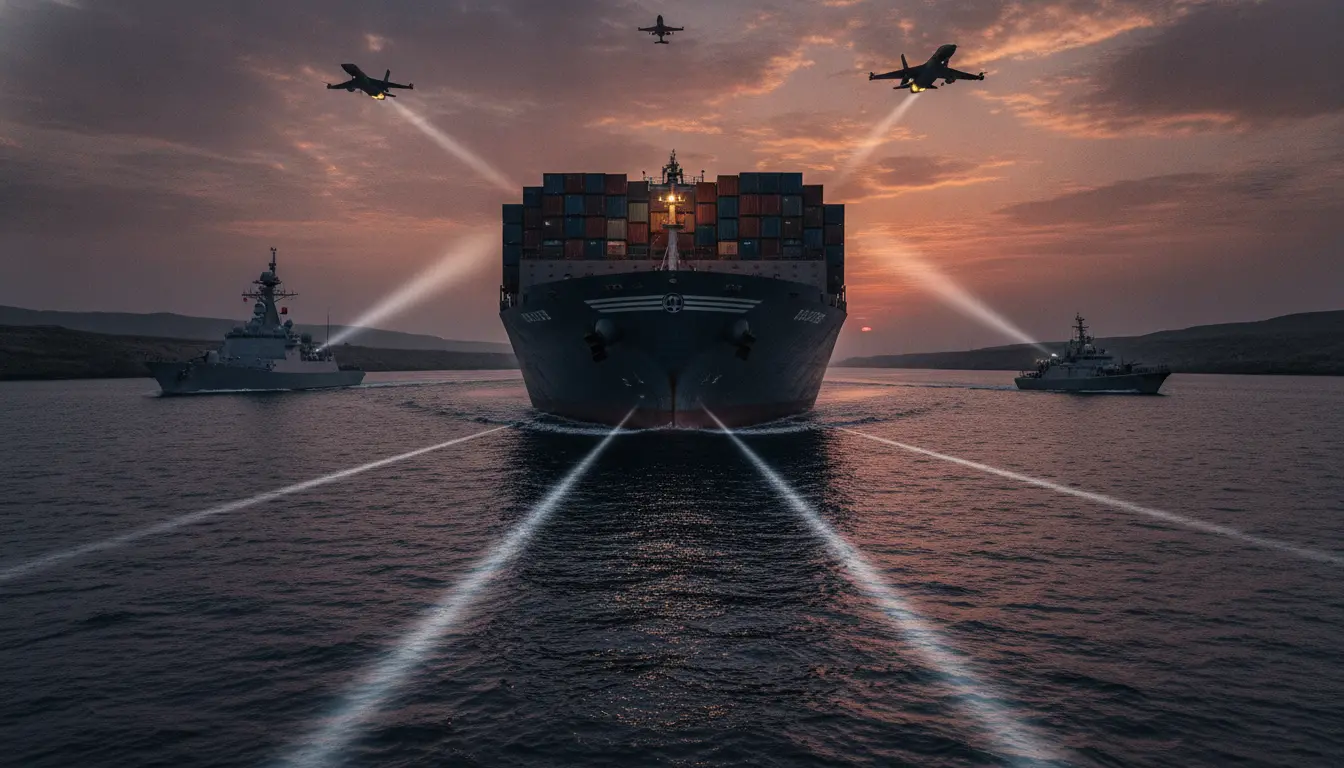
Global Shipping on High Alert as Military Tensions Simmer in Strait of Hormuz
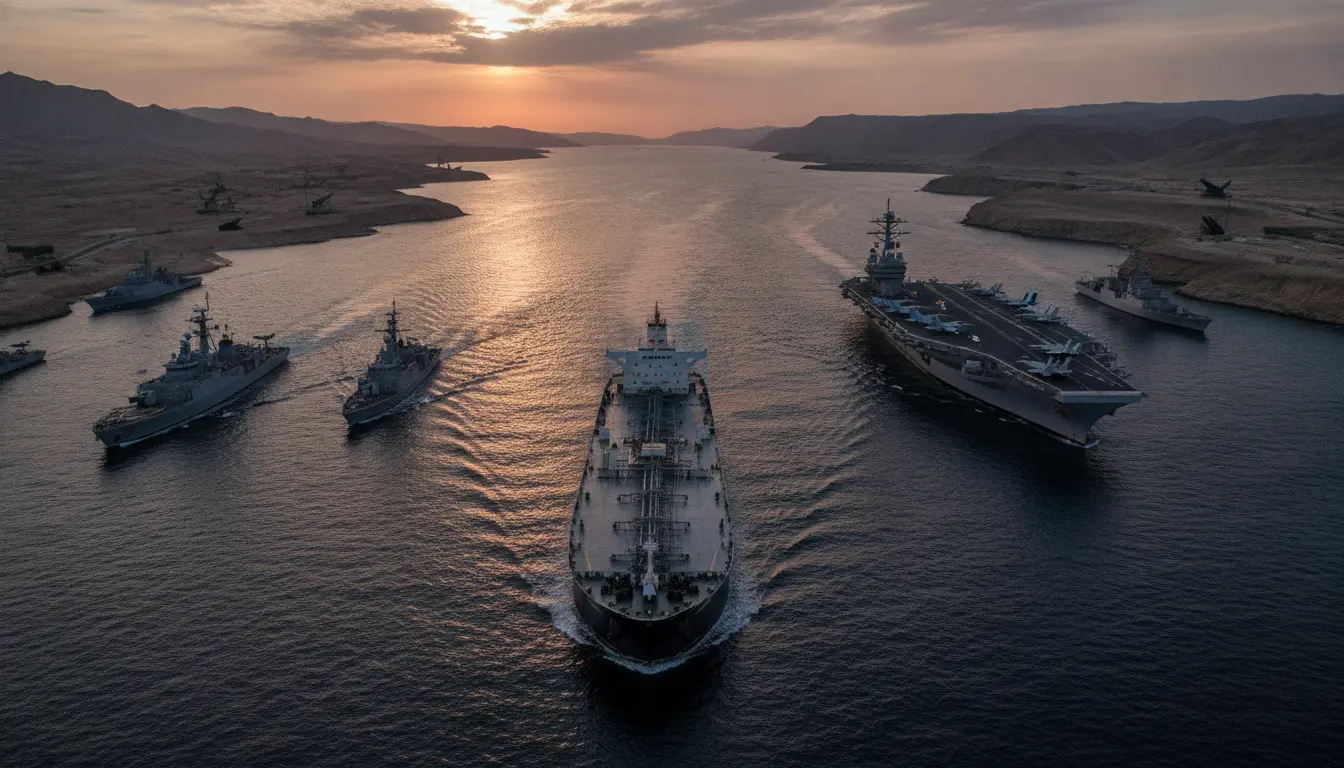
Geopolitical Alarm Rings as US-Iran Standoff Threatens Strait of Hormuz Shipping
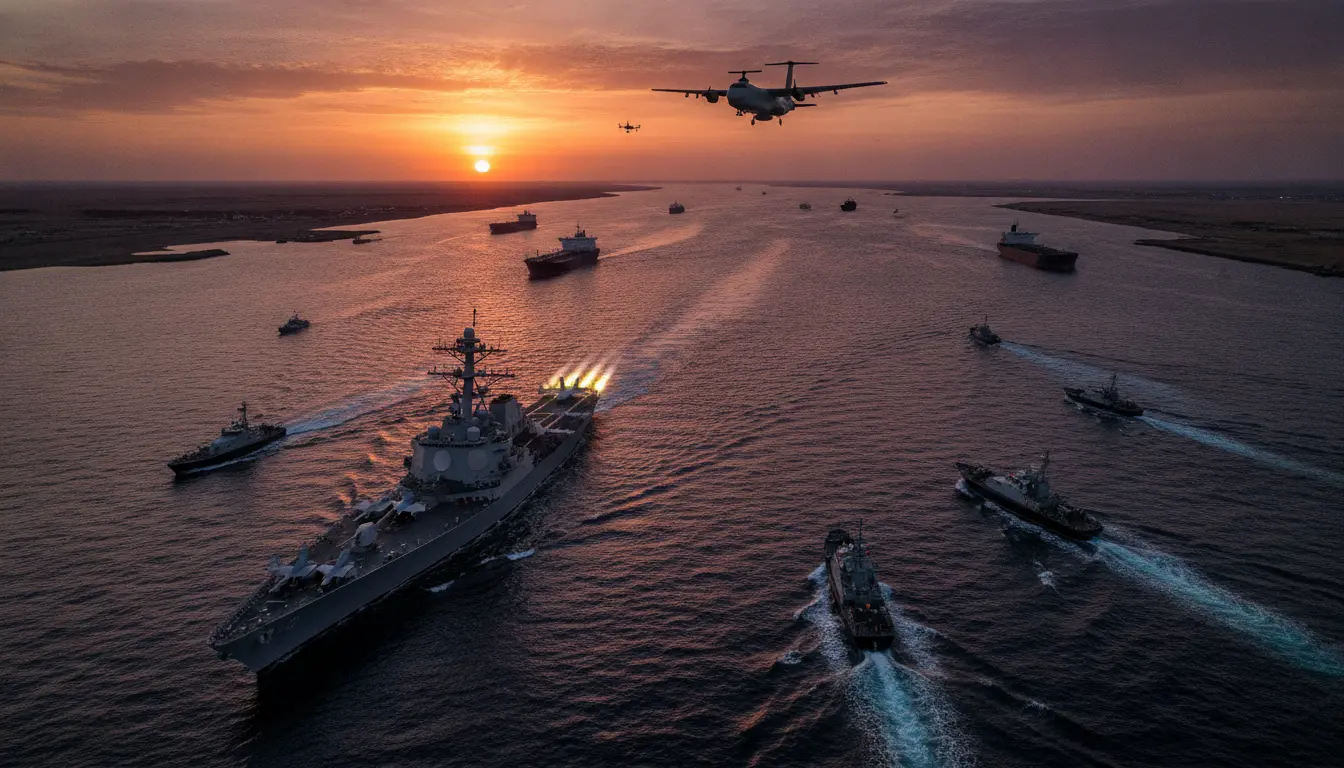
Strait of Hormuz Becomes Flashpoint as US and Iran Escalate Military Posturing in Persian Gulf
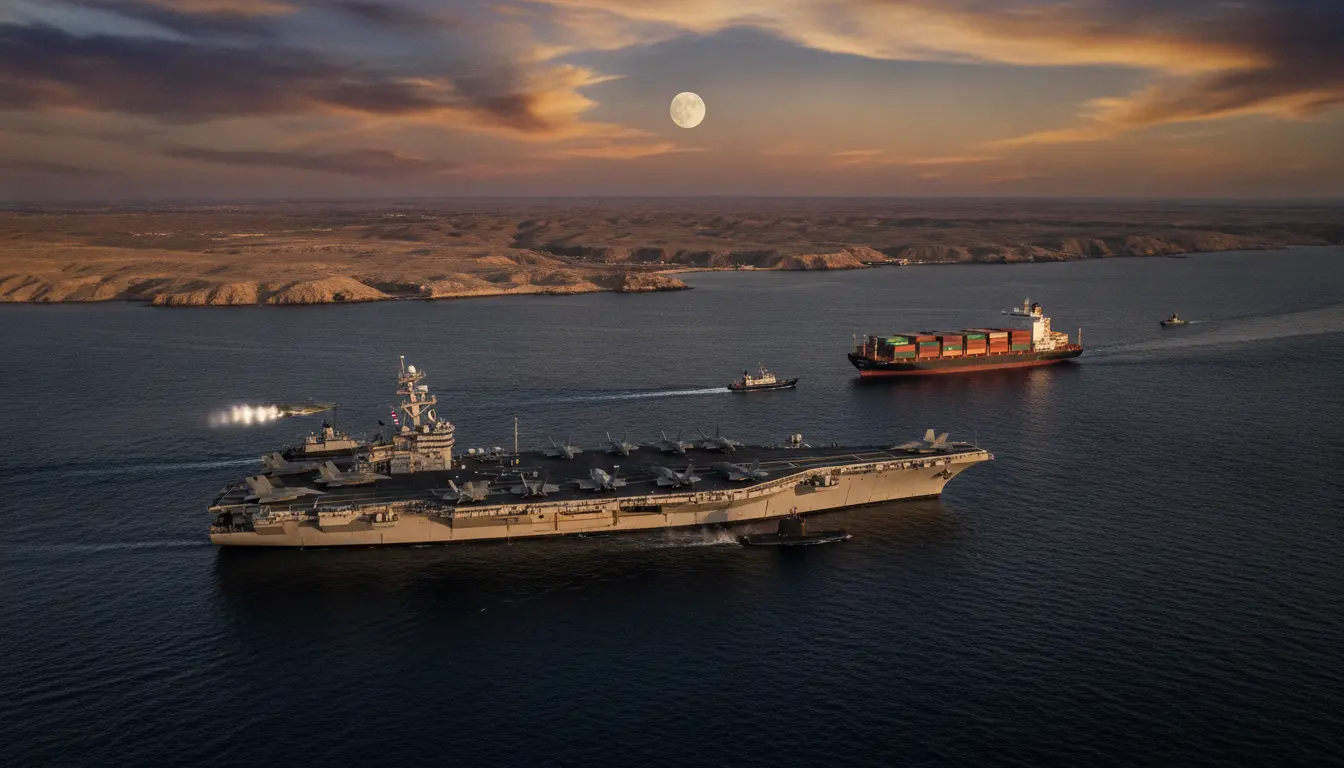
US Issues Ultimatum to Iran on Strait of Hormuz Shipping Amid Renewed Hostilities
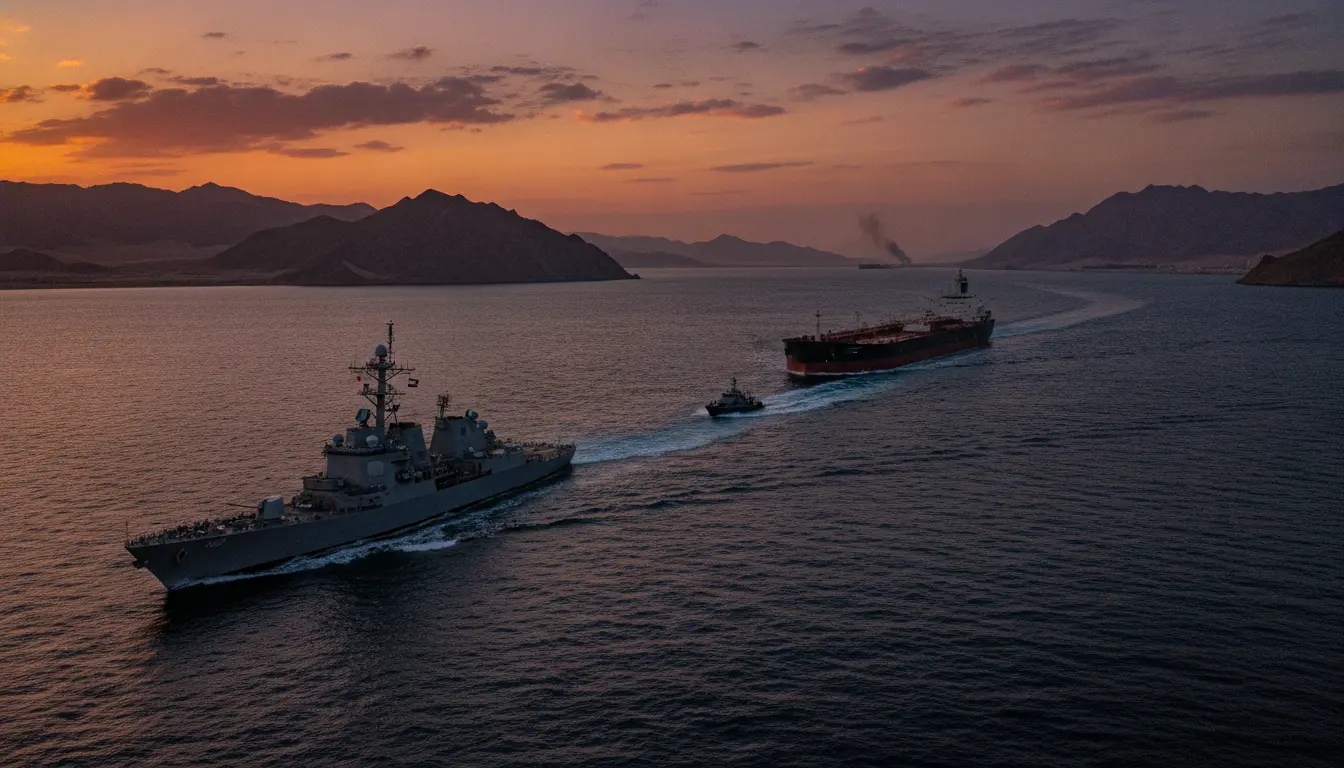
Strait of Hormuz Faces Heightened Tensions as Maritime Incidents Recur
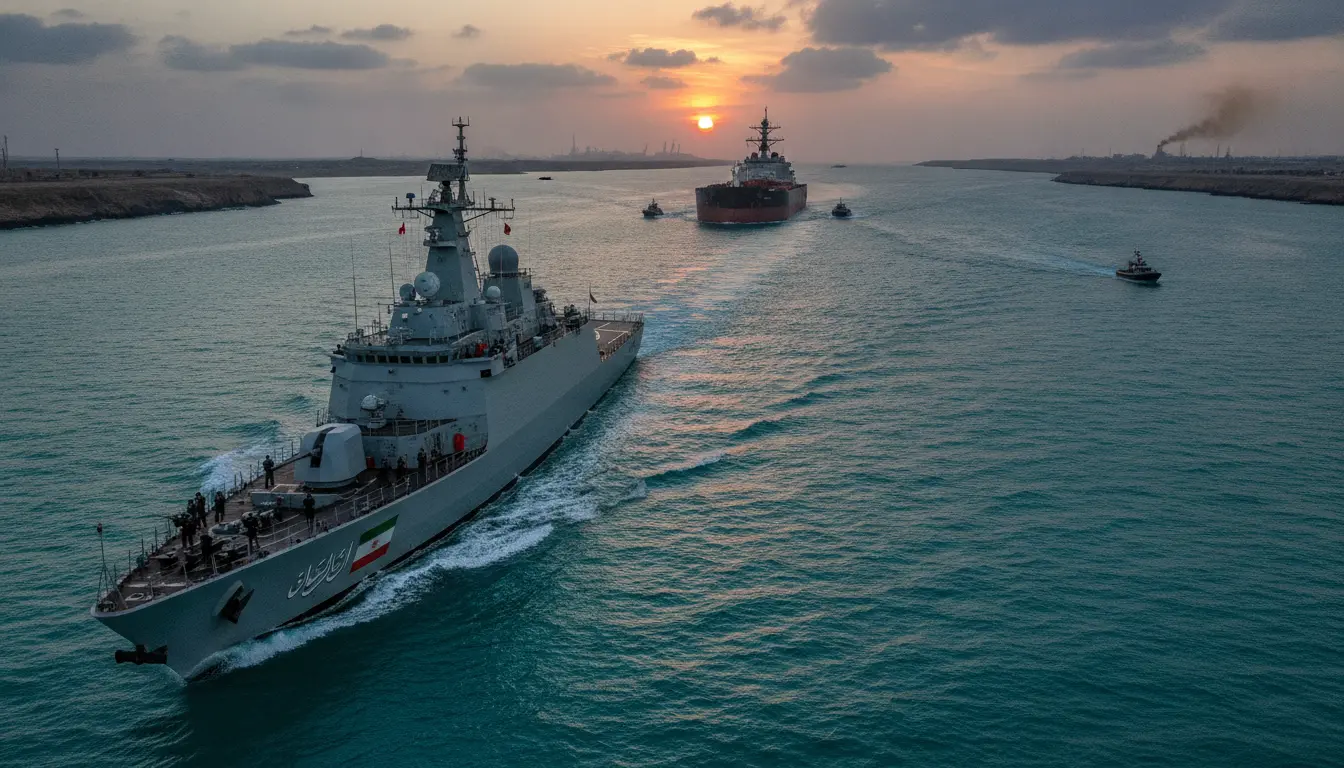
Iran's Maritime Actions Stoke Tensions in Crucial Strait of Hormuz
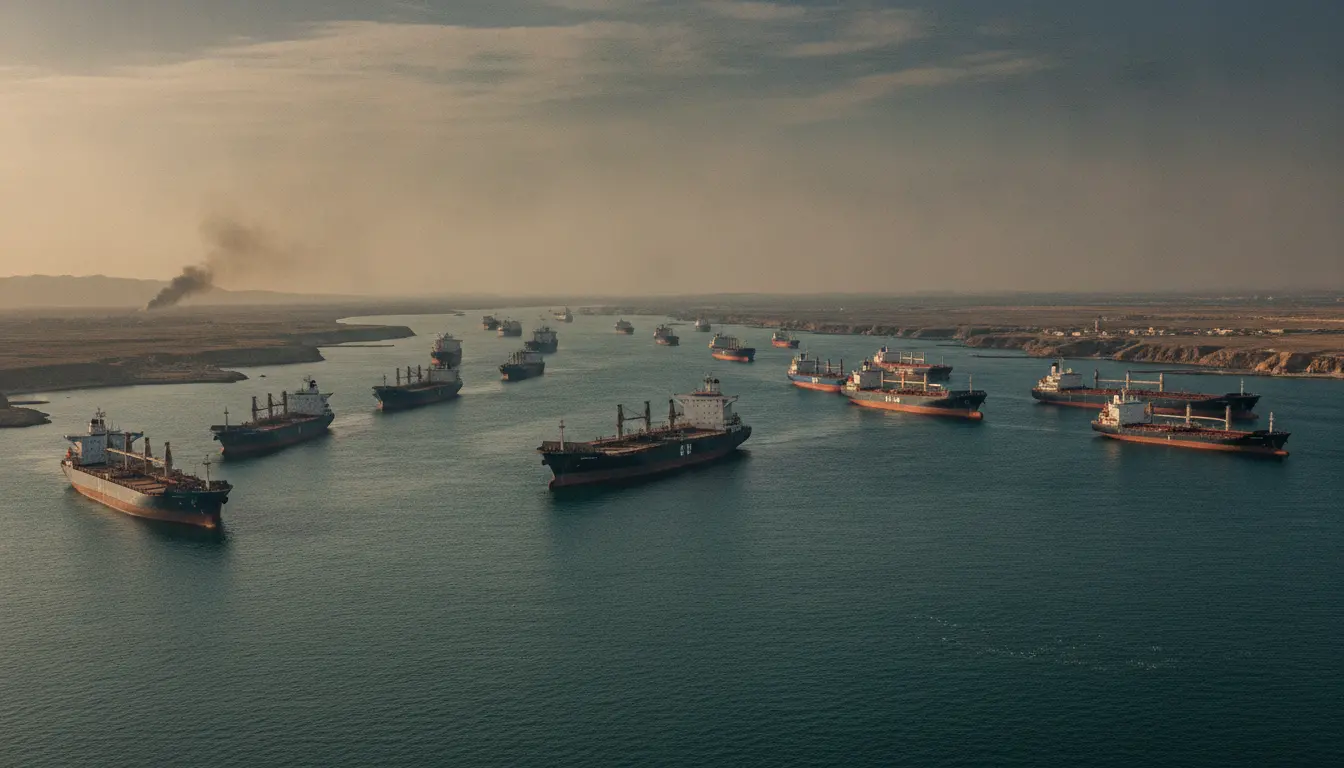
Shipping stalls in Strait of Hormuz after Iran declares key waterway shut
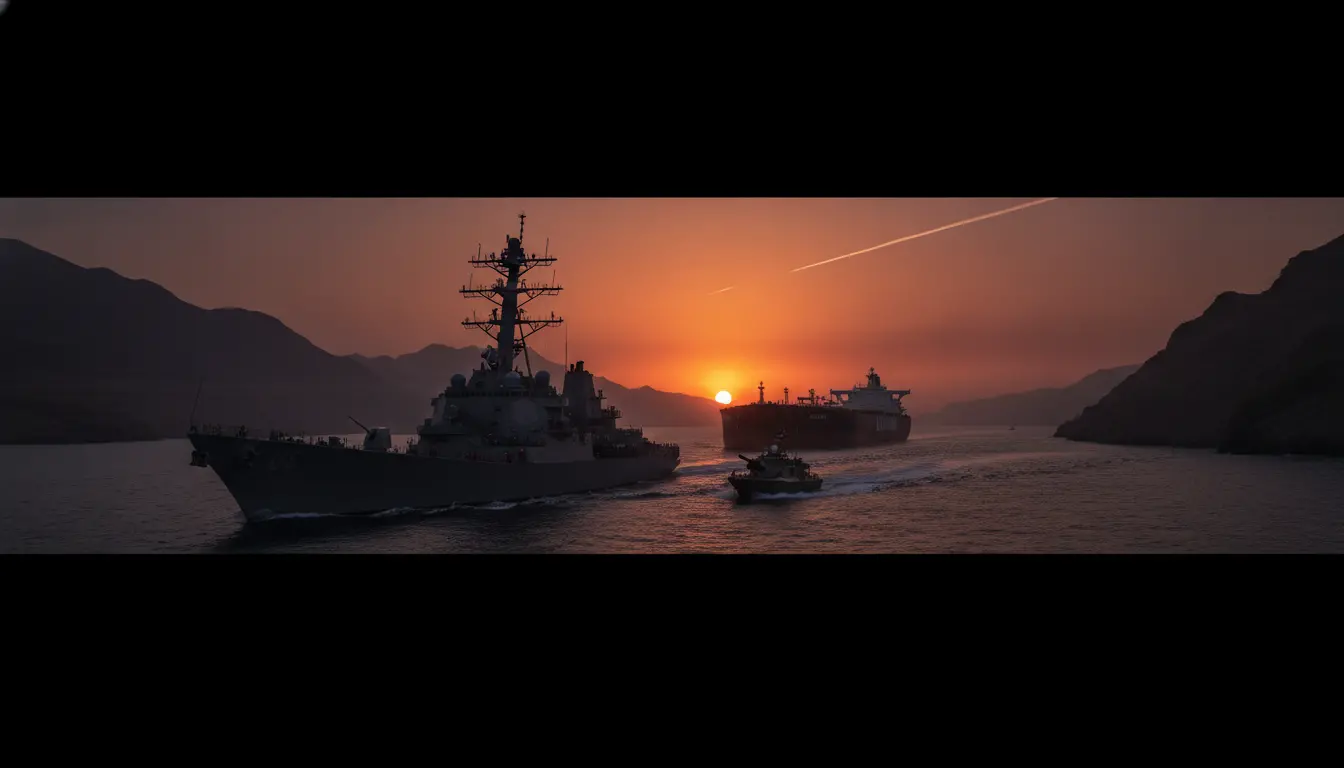
US-Iran Tensions Escalate, Jeopardizing Global Shipping Through Strait of Hormuz