

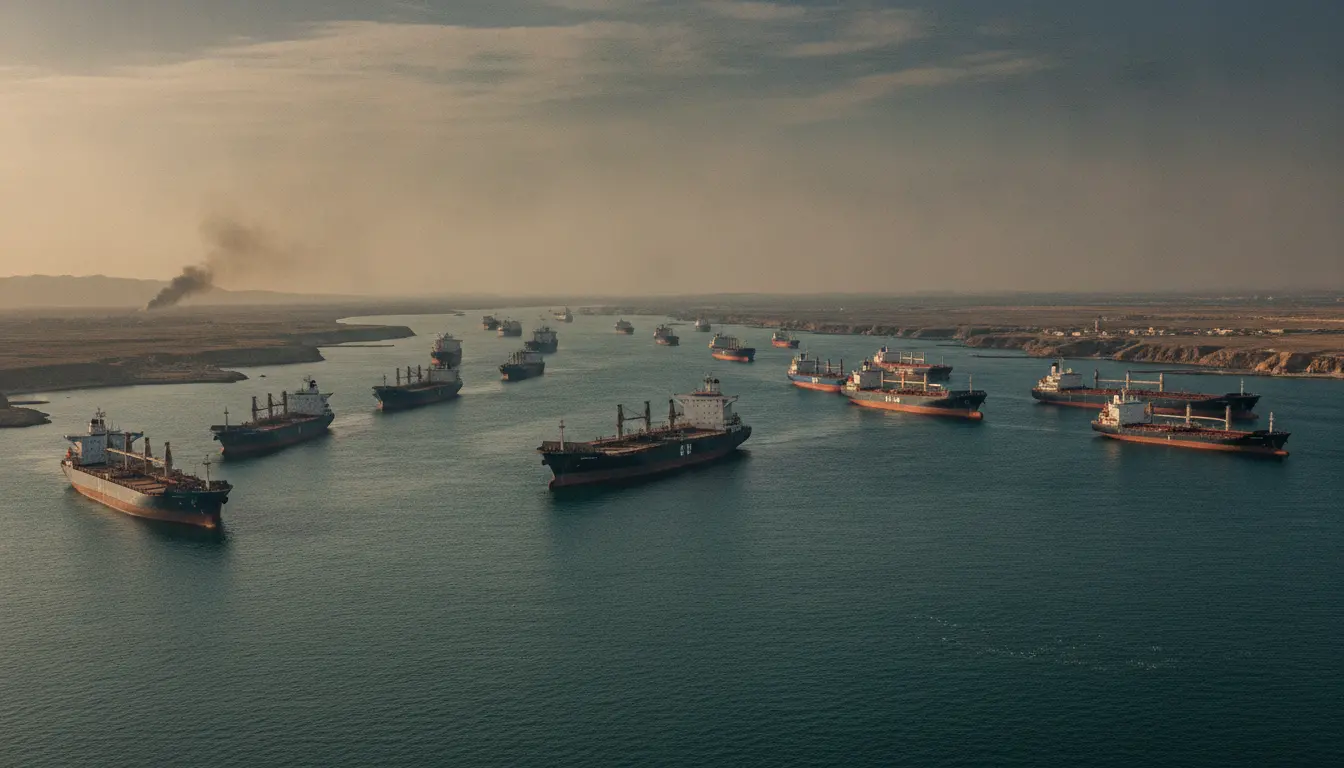
Shipping stalls in Strait of Hormuz after Iran declares key waterway shut
Global maritime traffic through the Strait of Hormuz, a crucial artery for international trade and energy supplies, has experienced a sharp decline in recent days following a declaration from Tehran that it considers the vital waterway shut. The significant reduction in ship transits, evidenced by tracking data, comes at a perilous moment as officials from the United States and Iran are reportedly engaged in delicate discussions aimed at salvaging a fragile peace framework, highlighting the volatile geopolitical climate in the region.
The Strait of Hormuz is arguably the world’s most critical oil transit chokepoint, a narrow sea lane connecting the Persian Gulf with the Arabian Sea and beyond. Approximately one-fifth of the world's total petroleum consumption, and roughly a third of all seaborne traded oil, passes through this 21-mile-wide passage daily. Any disruption, perceived or real, sends ripples across global energy markets, immediately impacting oil prices, shipping insurance rates, and broader economic stability. Iran, with its extensive coastline along the strait, has historically leveraged its strategic position, periodically issuing warnings or threats of closure in response to international pressures, particularly sanctions.
This latest development unfolds against a deeply entrenched backdrop of mistrust and recurring tensions between Washington and Tehran. The “fragile peace framework” likely refers to ongoing, often indirect, diplomatic efforts to de-escalate regional conflicts, address Iran's nuclear program, or ease the punishing economic sanctions imposed by the U.S. following its withdrawal from the Joint Comprehensive Plan of Action (JCPOA), the 2015 nuclear deal. Past incidents in the Strait, including tanker attacks, drone shoot-downs, and seizures of commercial vessels, underscore the precarious balance of power and the constant risk of miscalculation in these crowded waters.
The sharp fall in transits, as indicated by independent ship tracking analytics, suggests that commercial shipping companies and their insurers are reacting with extreme caution to Iran's statements. Whether Tehran’s declaration signifies an actual, immediate intent to enforce a full blockade or is primarily a potent political maneuver aimed at increasing leverage in the ongoing talks remains a critical, unanswered question. However, the practical effect is a de facto slowdown, with vessels either re-routing, delaying voyages, or simply avoiding the area altogether, demonstrating the immediate commercial impact of heightened geopolitical risk.
Such a disruption carries severe economic ramifications far beyond the immediate region. A sustained slowdown or closure of the Strait would not only drive up energy costs globally but also create bottlenecks in global supply chains, affecting everything from manufacturing to consumer goods. Major economies heavily reliant on Middle Eastern oil, particularly in Asia and Europe, would face immediate challenges. The international community, including major maritime powers and trade organizations, will undoubtedly watch these developments with grave concern, likely pressing for de-escalation and the unimpeded flow of international commerce.
As U.S. and Iranian officials continue their discussions, the stakes could not be higher. The success or failure of these talks to secure a diplomatic path forward will determine whether the recent declaration evolves into a full-blown maritime crisis or remains a potent, yet contained, expression of geopolitical brinkmanship. The coming days will be crucial in determining if the fragile framework can withstand the latest pressure, or if the Strait of Hormuz, once again, becomes the flashpoint for a wider regional confrontation with global repercussions for energy security and the world economy.
Stay Informed. Act Smarter.
Get weekly highlights, major headlines, and expert insights — then put your knowledge to work in our live prediction markets.
Related News
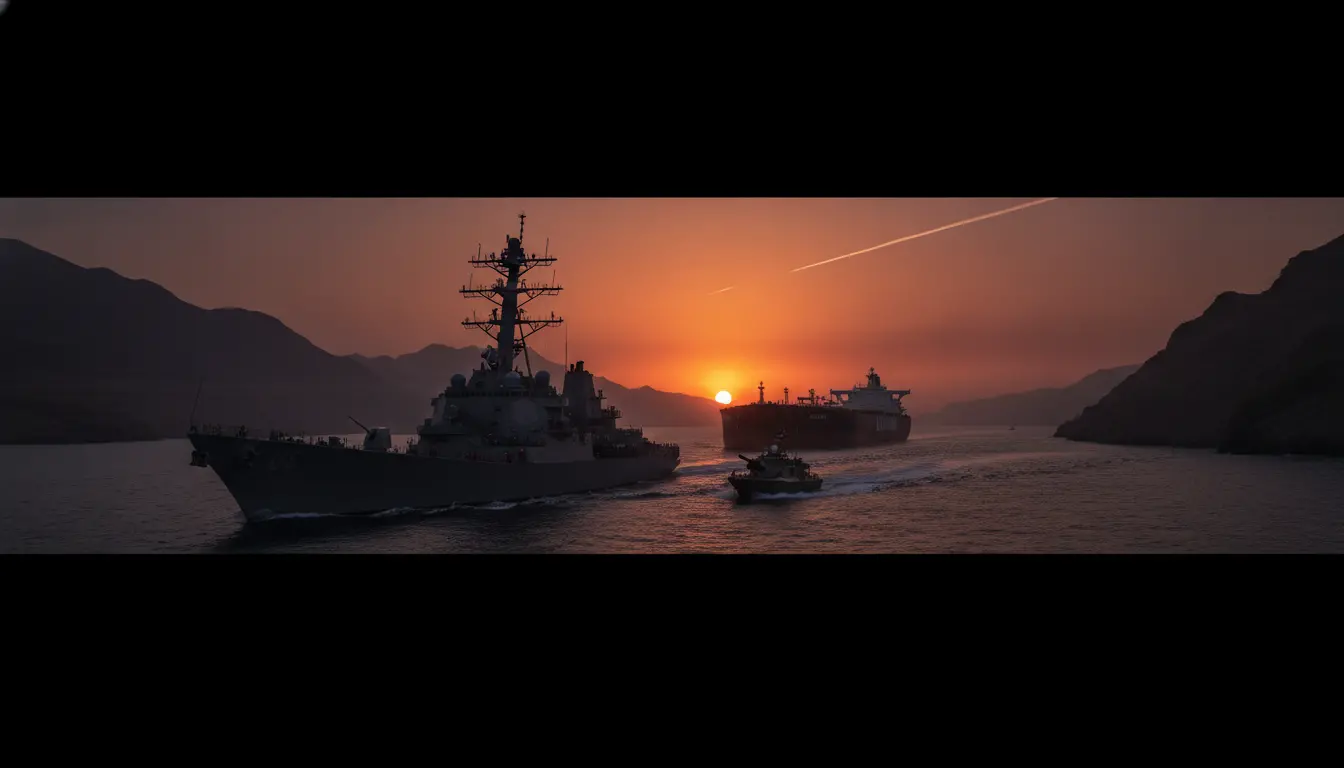
US-Iran Tensions Escalate, Jeopardizing Global Shipping Through Strait of Hormuz
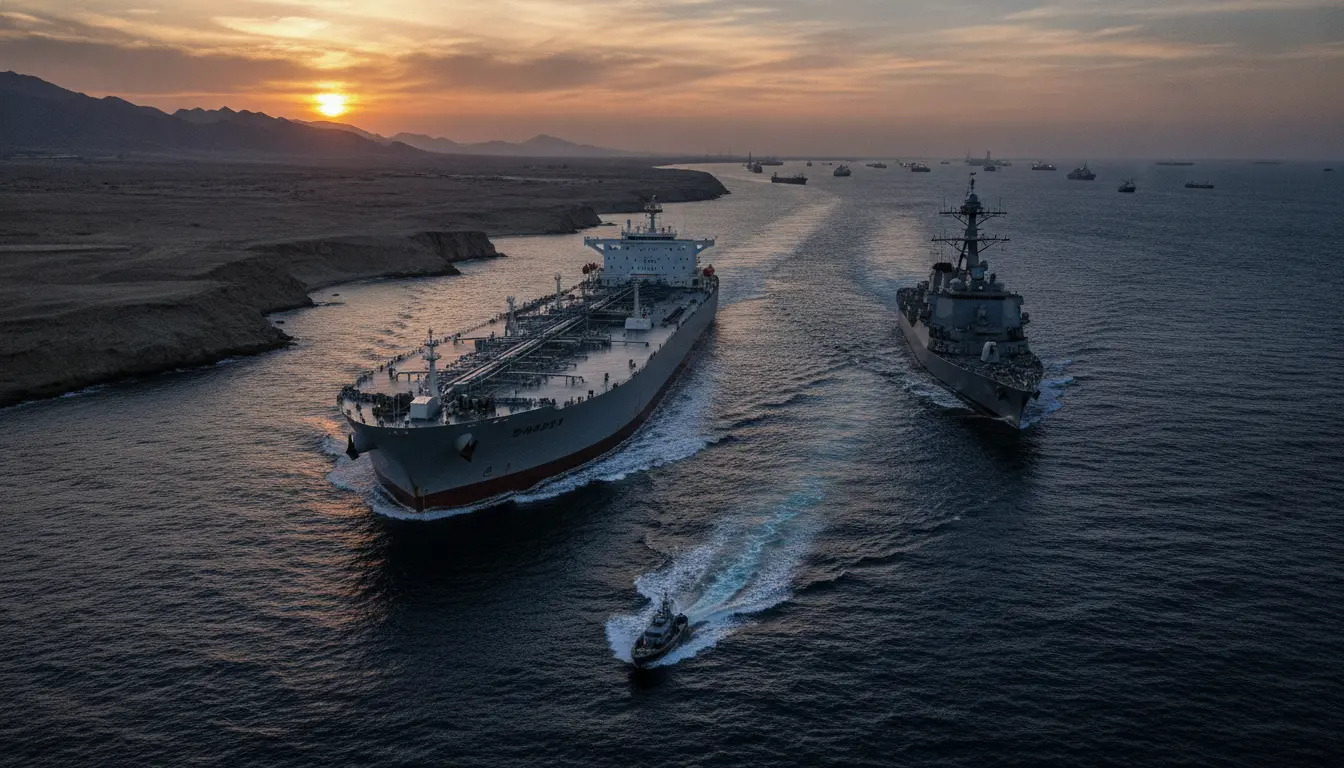
Iran's Strait of Hormuz Claims Spark Global Energy Concerns, U.S. Rejects Closure Reports
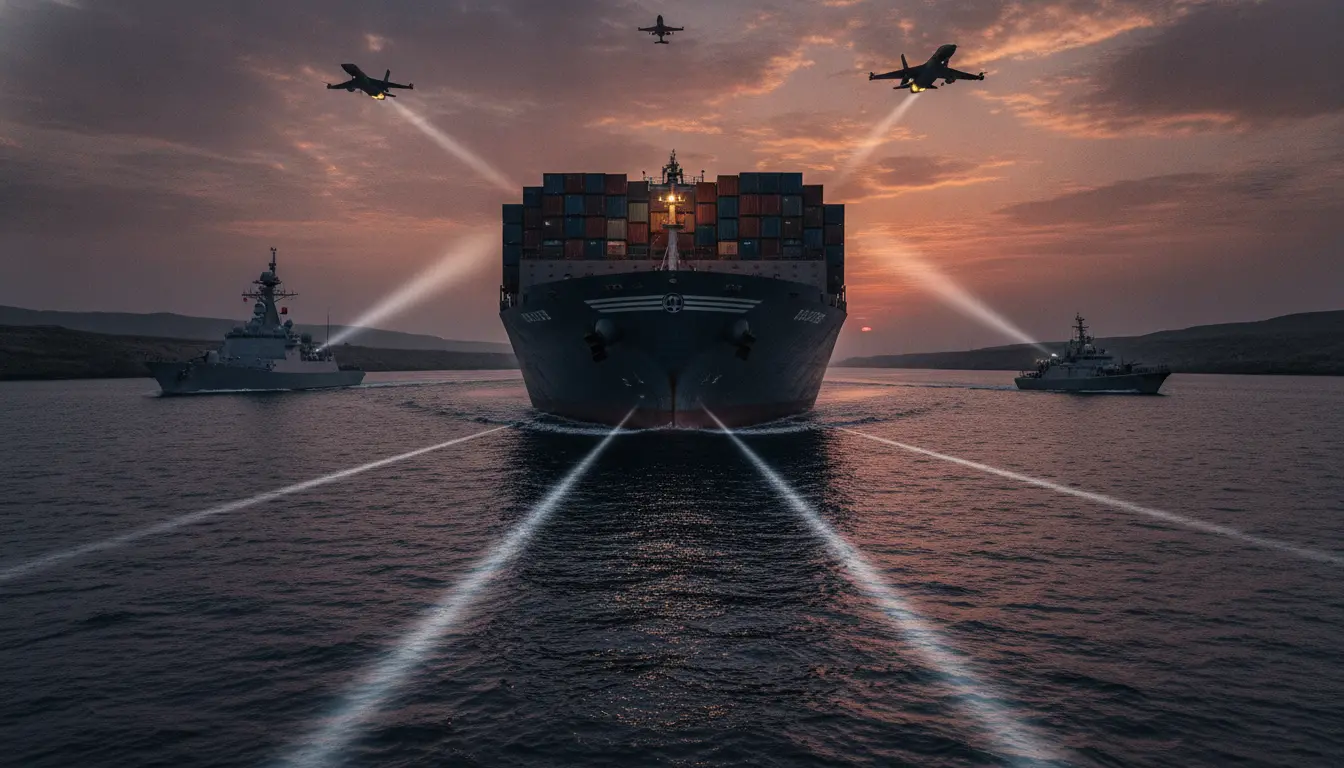
Global Shipping on High Alert as Military Tensions Simmer in Strait of Hormuz
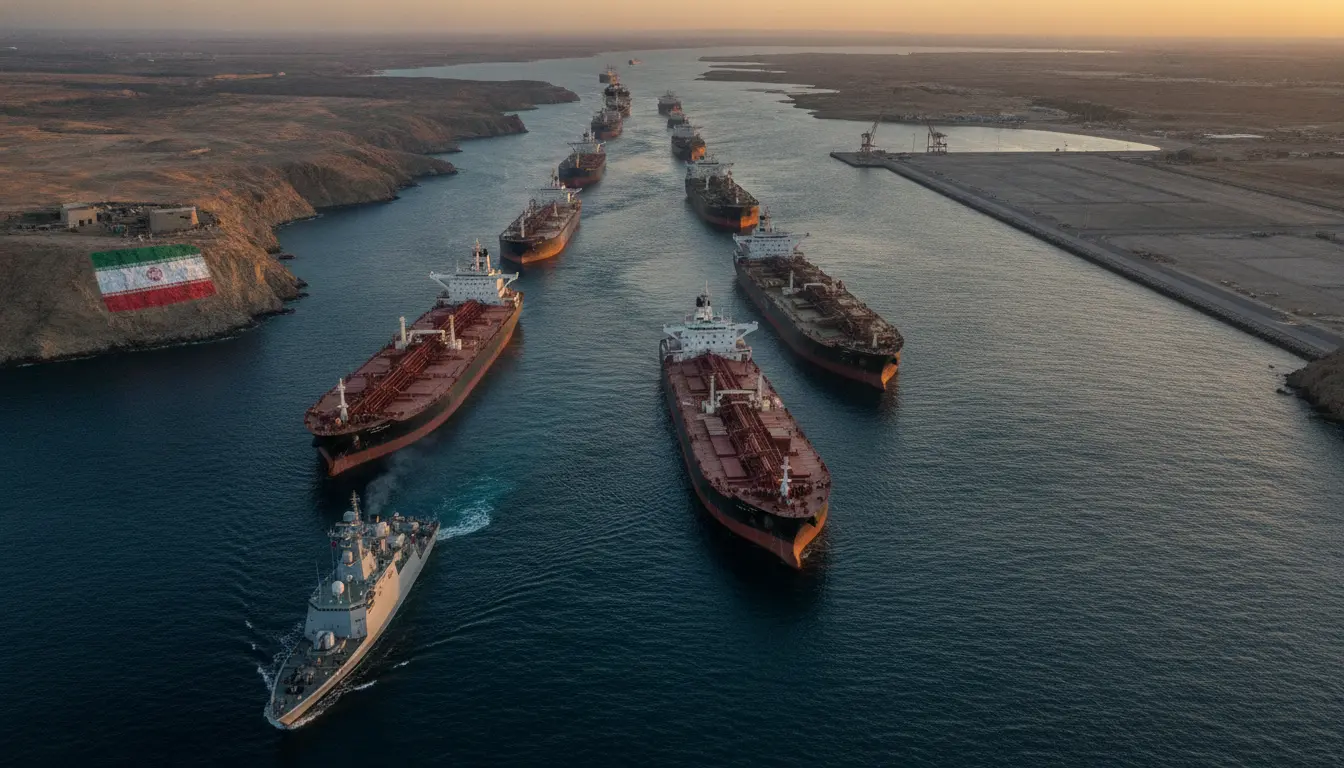
Strait of Hormuz Shipping Remains in Limbo as Iran Conditions Reopening on US Concessions
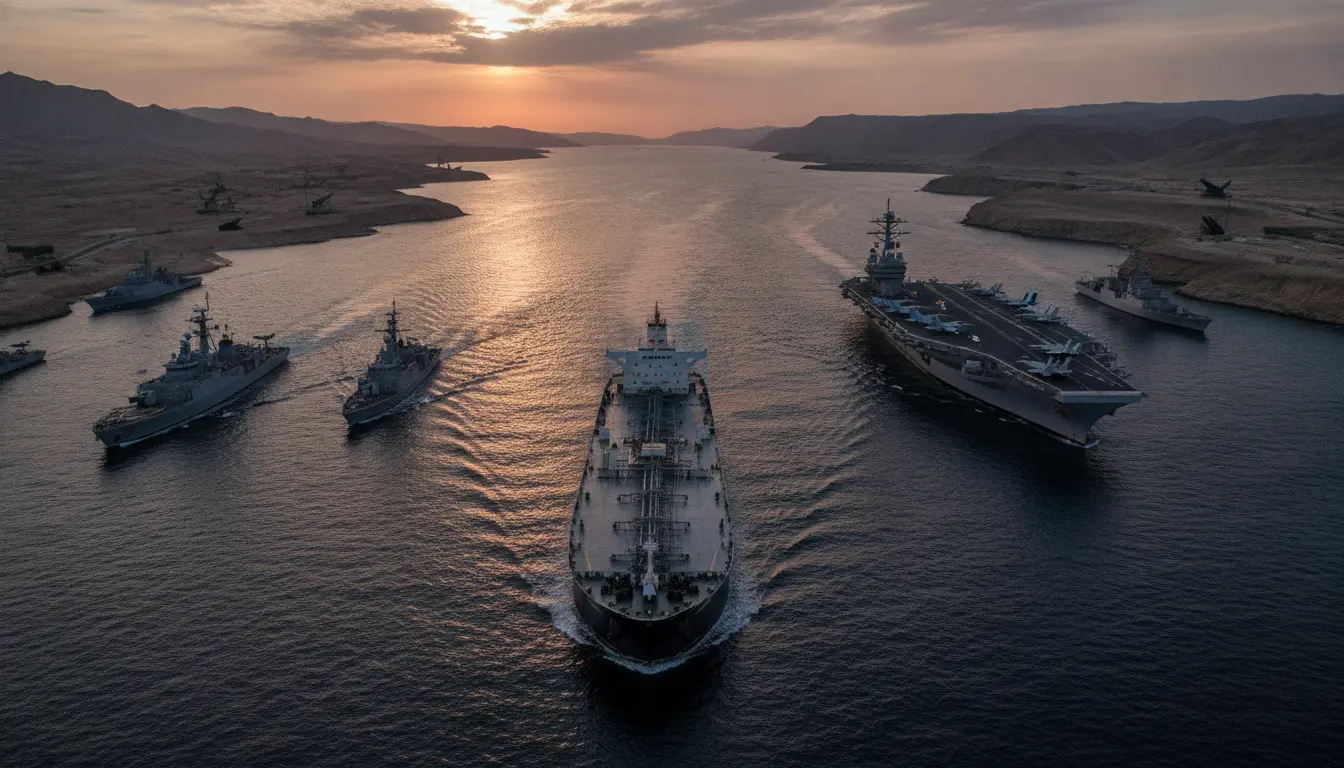
Geopolitical Alarm Rings as US-Iran Standoff Threatens Strait of Hormuz Shipping
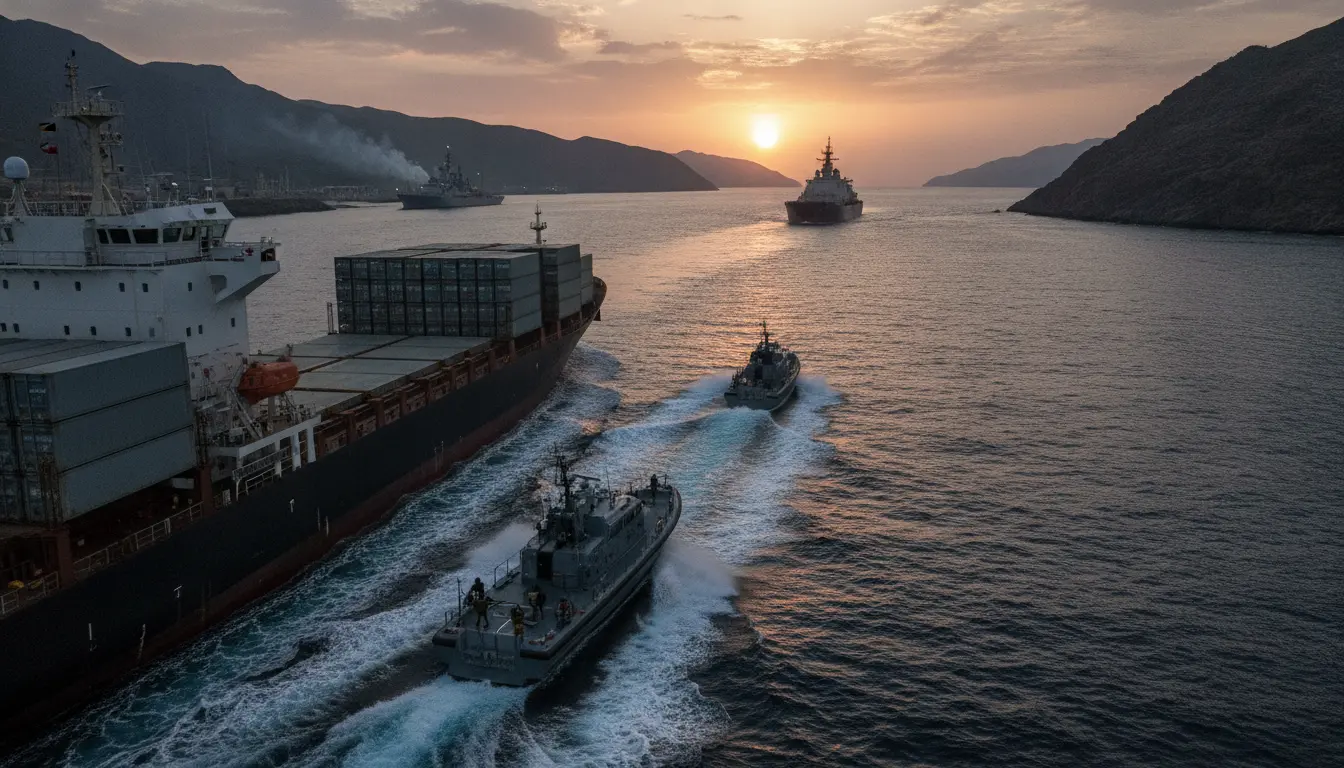
Mounting Tensions in Strait of Hormuz Threaten Global Shipping Amid Iranian Actions
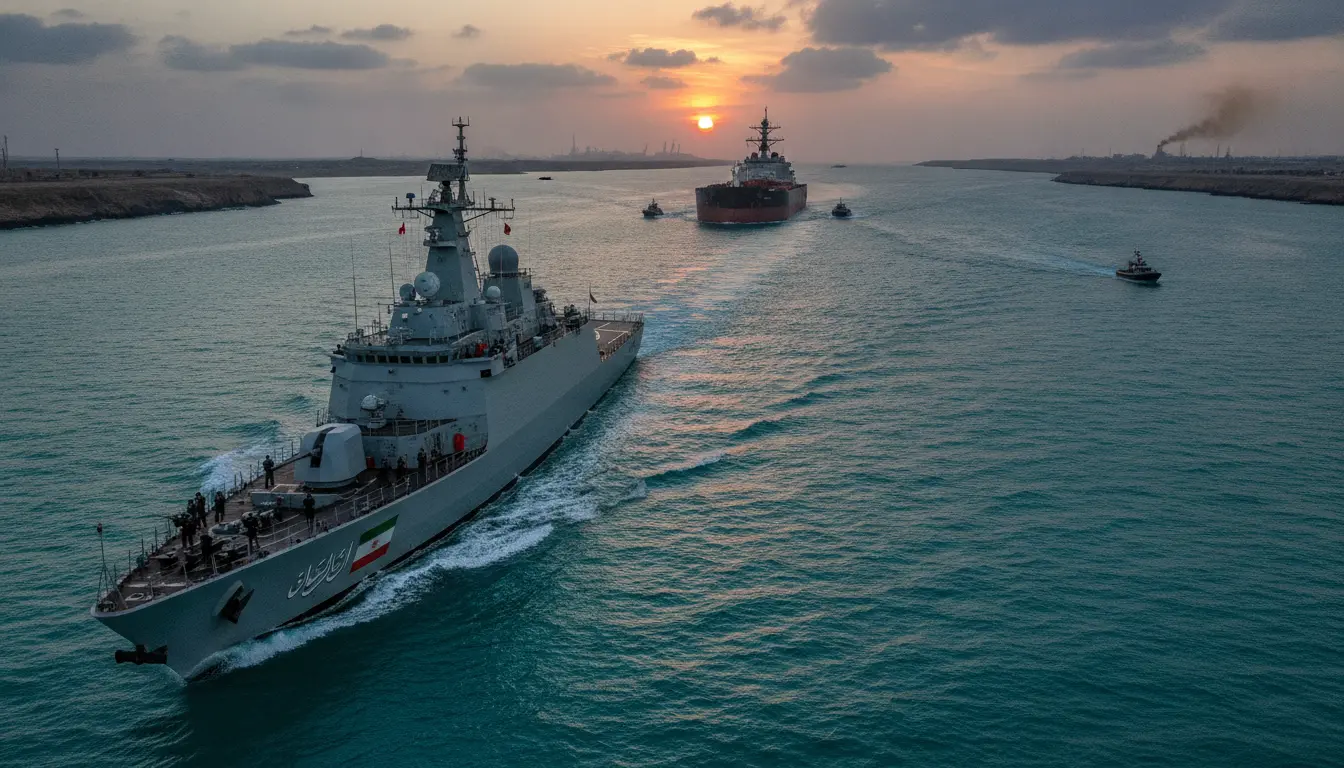
Iran's Maritime Actions Stoke Tensions in Crucial Strait of Hormuz
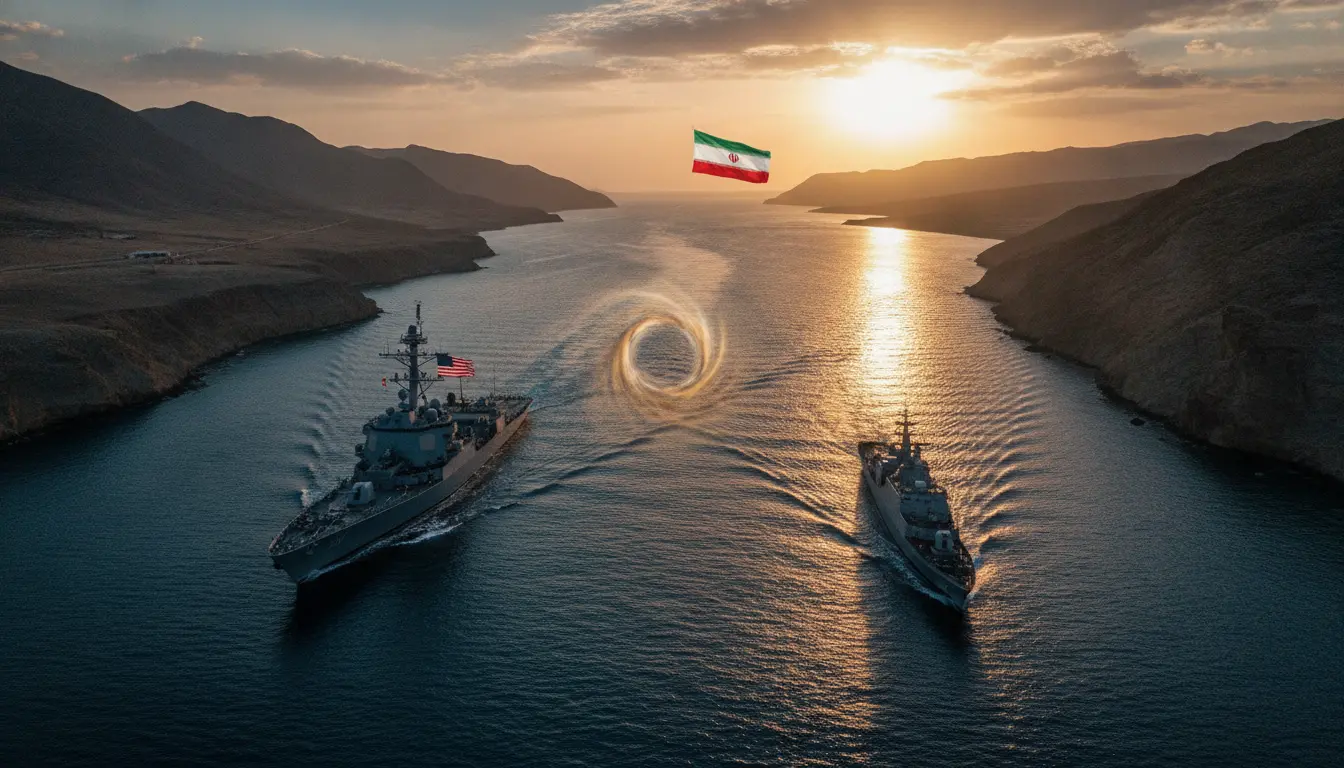
US and Iran Face High-Stakes Negotiations Amidst Pressures to Secure Strait of Hormuz
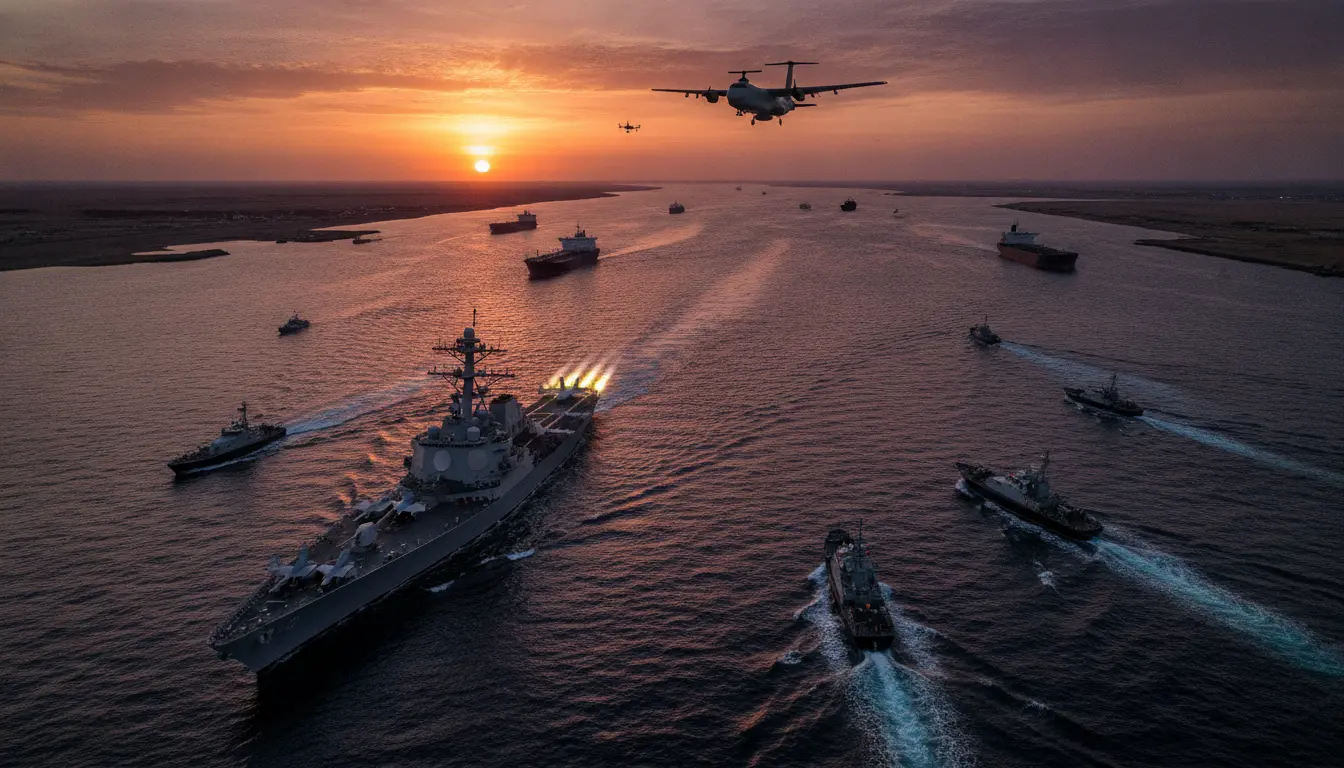
Strait of Hormuz Becomes Flashpoint as US and Iran Escalate Military Posturing in Persian Gulf
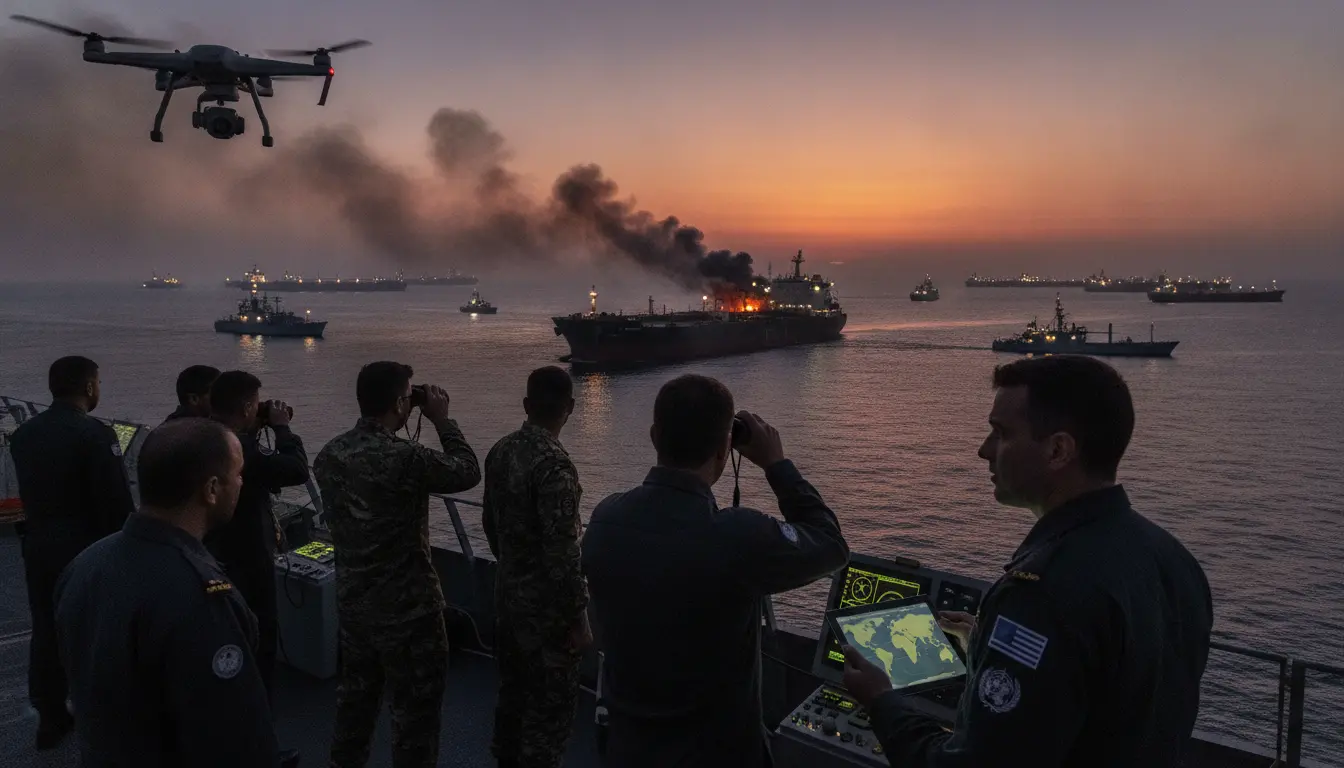
IMO Halts Strait of Hormuz Evacuation Plan Following Gulf of Oman Attack, Citing Rising Tensions