

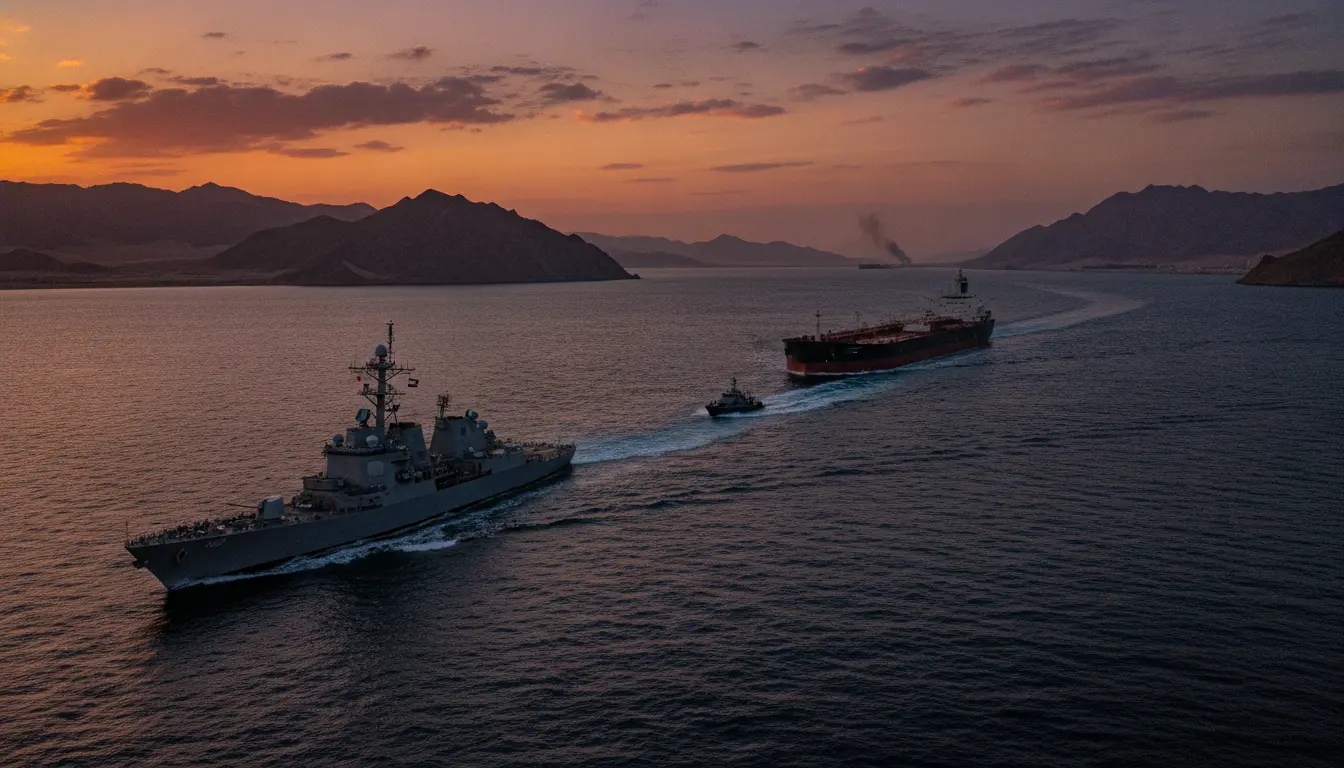
Strait of Hormuz Faces Heightened Tensions as Maritime Incidents Recur
The vital Strait of Hormuz, a critical chokepoint for global oil transit, is once again witnessing a dangerous escalation of maritime incidents, raising significant international concern. Recent reports confirm that an oil tanker was struck in the waterway, prompting US officials to cite a renewed pattern of Iranian attacks after a period of relative calm. This development underscores the persistent fragility of security in a region indispensable to the world's energy supply and global commerce, signaling a potentially perilous new phase in regional instability.
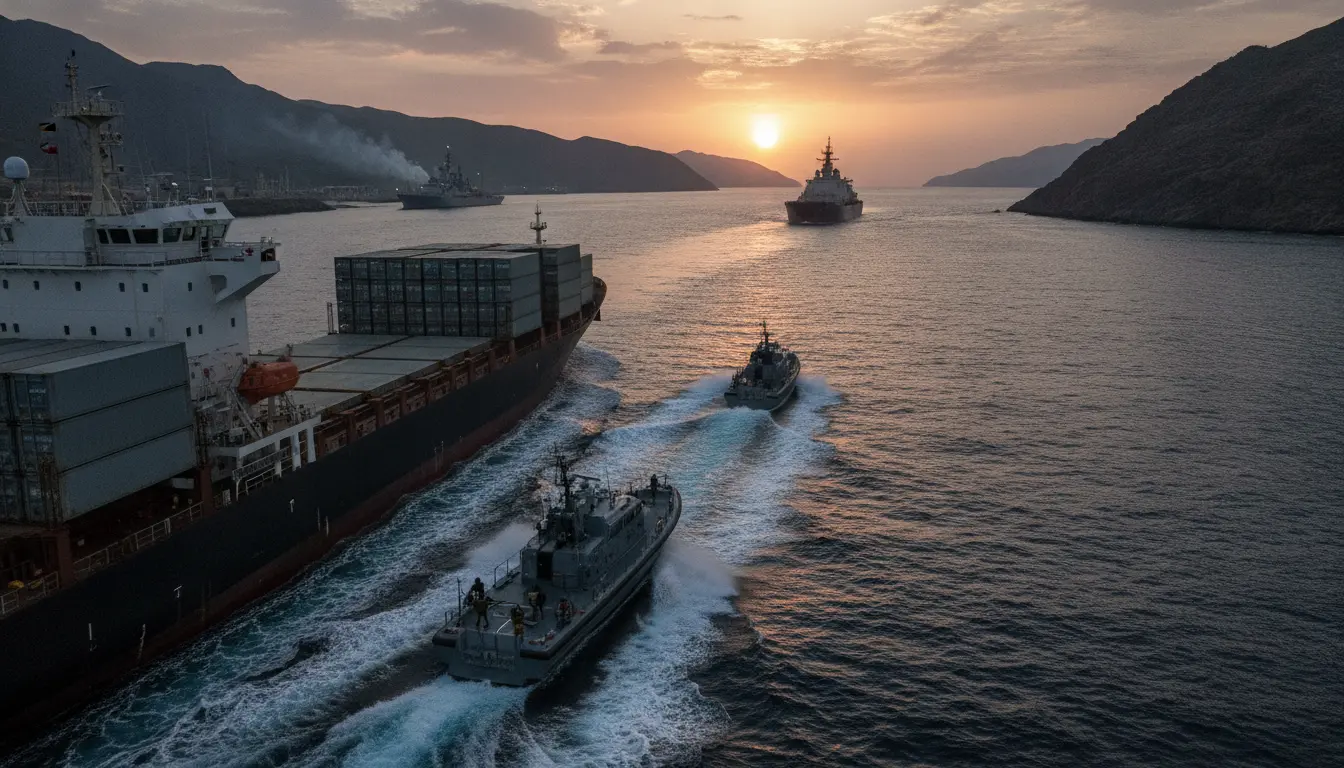
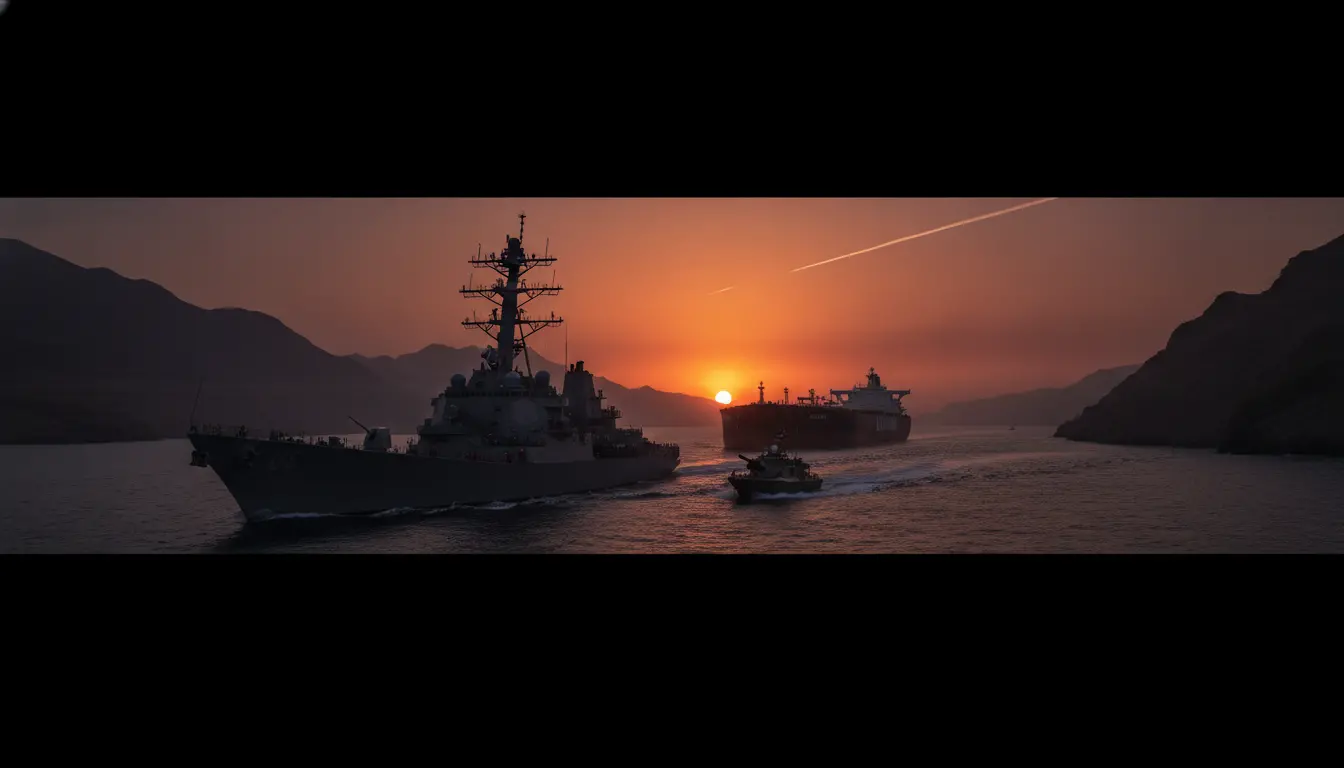
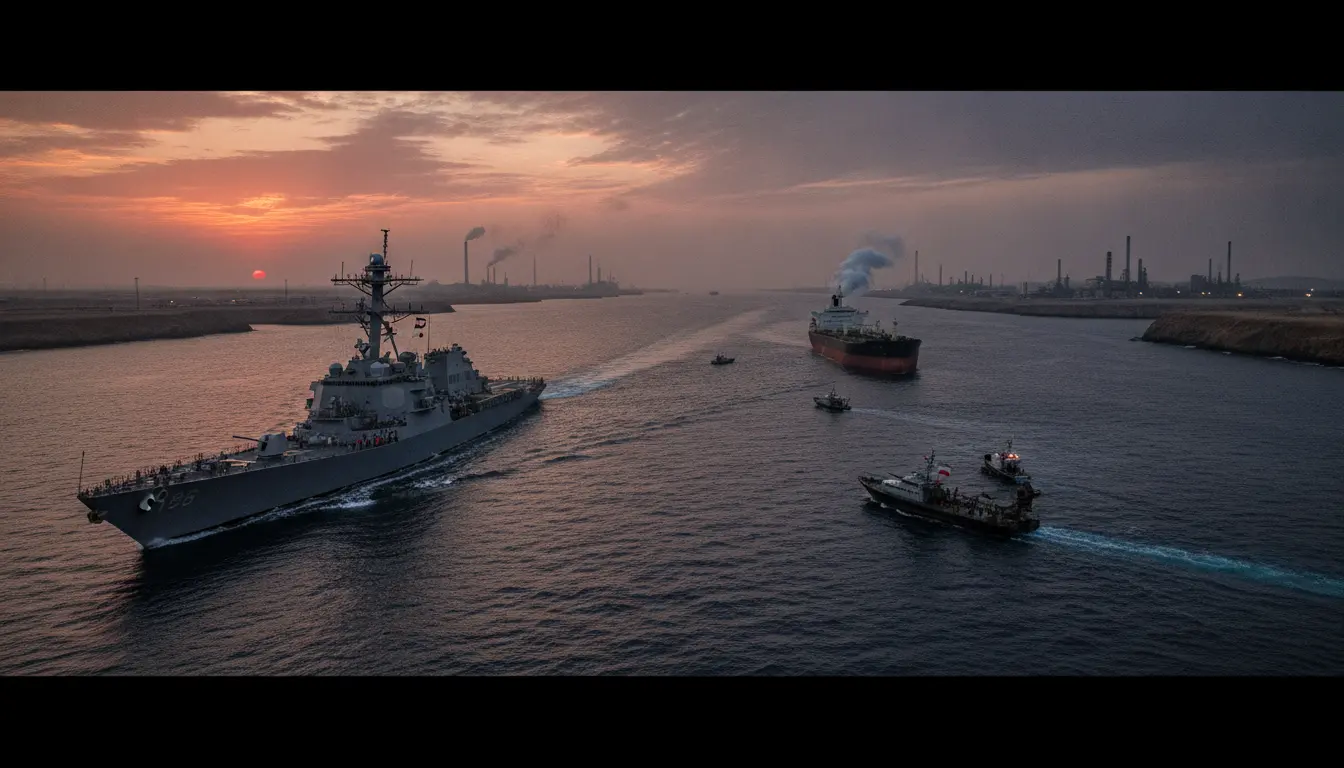
The Strait of Hormuz, a narrow passage connecting the Persian Gulf to the open sea, is arguably the world's most strategically important oil chokepoint. Approximately one-fifth of global oil consumption, alongside a substantial volume of liquefied natural gas, passes through this 39-kilometer-wide waterway daily. Its geographical significance renders any disruption a potential trigger for significant fluctuations in energy markets and broader geopolitical tremors. The current resurgence of attacks follows a history of similar incidents, including mine attacks, drone strikes, and vessel seizures, largely attributed by Western intelligence to Iran or its regional proxies. These past actions have consistently ratcheted up insurance premiums for shipping companies and prompted increased naval presence from international forces, including the US Fifth Fleet, tasked with safeguarding freedom of navigation.
Over the past several years, tensions in the Strait have ebbed and flowed, often correlating with the broader state of diplomatic relations between Iran and Western powers, particularly the United States. Periods of heightened Iranian aggression on maritime targets have frequently coincided with intensified sanctions pressure or stalemates in nuclear negotiations. The recent lull in attacks, now seemingly broken, may have offered a false sense of security. The renewed incidents suggest a deliberate shift in strategy, possibly aimed at exerting leverage on international actors, protesting economic sanctions, or signaling Tehran’s resolve in the face of perceived external pressures. The exact nature of the recent tanker strike and the full extent of the damage remain under investigation, but initial assessments from various security analysts point towards methods consistent with previous Iranian or Iran-aligned operations.
International responses to these provocations are complex and multifaceted. The United States and its allies maintain a robust naval presence in the region, conducting patrols and escorting commercial vessels. However, the sheer volume of traffic through the Strait makes comprehensive protection a monumental challenge. Shipping companies face difficult decisions regarding routing, security measures, and risk assessments, often leading to increased costs passed down the supply chain. Beyond the immediate economic implications, there is a profound concern among regional and international stakeholders about the potential for miscalculation. A serious incident involving a major oil spill or loss of life, or a direct military confrontation between state actors, could quickly spiral into a wider regional conflict with devastating consequences for global stability.
What is at stake extends beyond mere oil prices. The recurring incidents in the Strait of Hormuz are a stark reminder of the volatile geopolitical landscape of the Middle East. They challenge the international community’s ability to uphold maritime law and ensure the safe passage of global trade. The implicit threat of these actions is to disrupt not just the flow of energy but also to project power and test the resolve of rival nations. As diplomatic pathways remain fraught with difficulties, the ongoing security dilemma in the Strait poses a persistent, long-term challenge, demanding sustained vigilance and collaborative efforts to prevent further escalation and protect this indispensable artery of global commerce.
The continued insecurity impacts the delicate balance of power in the Persian Gulf, forcing nations to re-evaluate their defense postures and regional alliances. While immediate military responses focus on deterrence and protection, a sustainable resolution will undoubtedly require a renewed emphasis on diplomatic engagement to address the root causes of Iranian grievances and regional rivalries. Without a concerted effort to de-escalate tensions and build trust, the Strait of Hormuz risks becoming a perpetual flashpoint, threatening the stability of global energy markets and the broader international order for the foreseeable future.
Stay Informed. Act Smarter.
Get weekly highlights, major headlines, and expert insights — then put your knowledge to work in our live prediction markets.
Related News
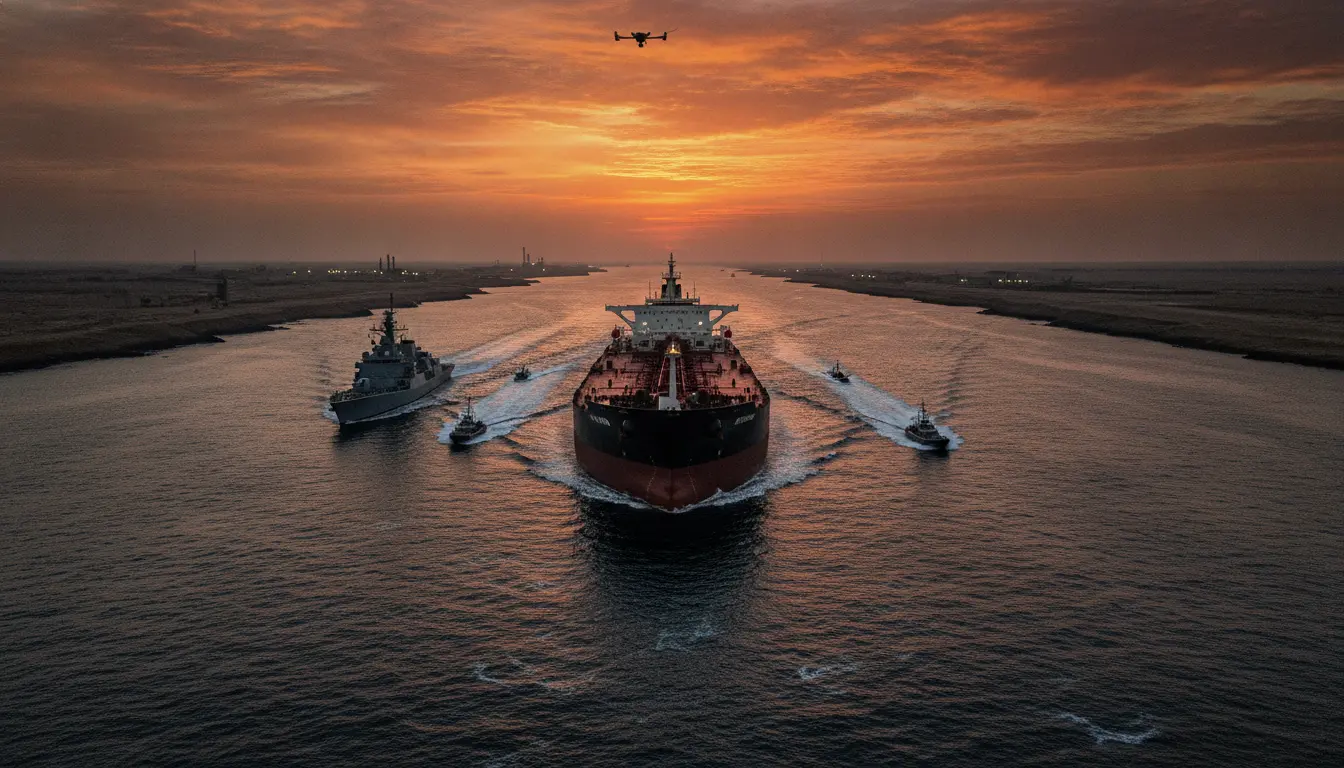
Strait of Hormuz Security Remains Precarious Amid Escalating Regional Tensions
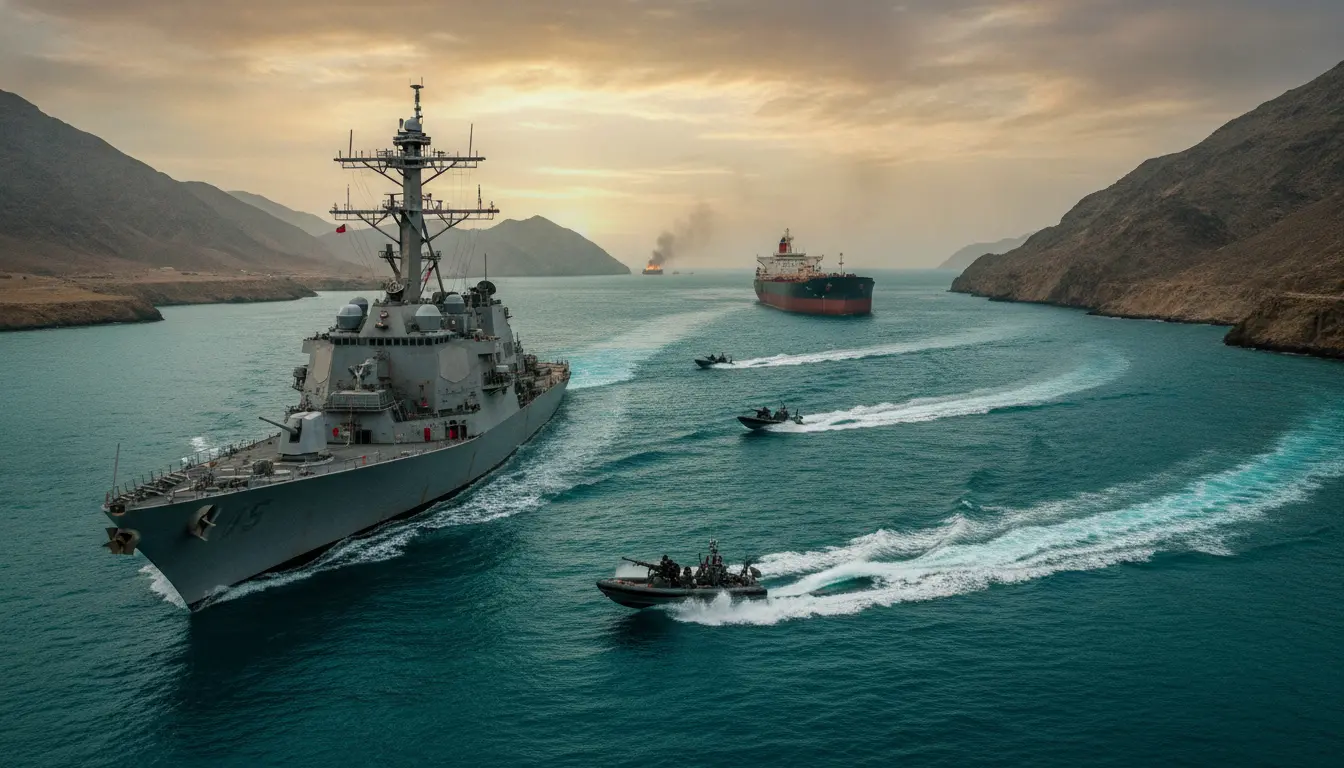
Strait of Hormuz Faces Heightened Security Risks Amid Escalating Iranian Maritime Actions
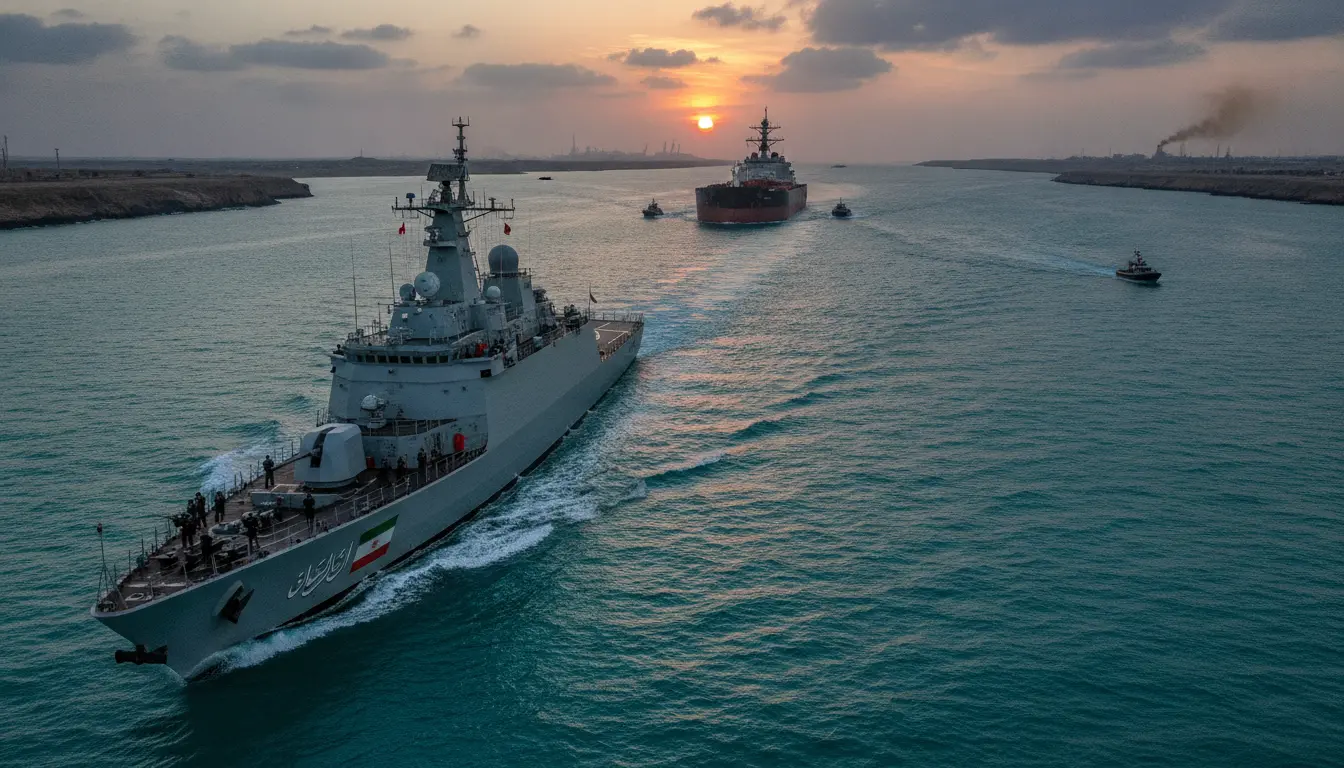
Iran's Maritime Actions Stoke Tensions in Crucial Strait of Hormuz
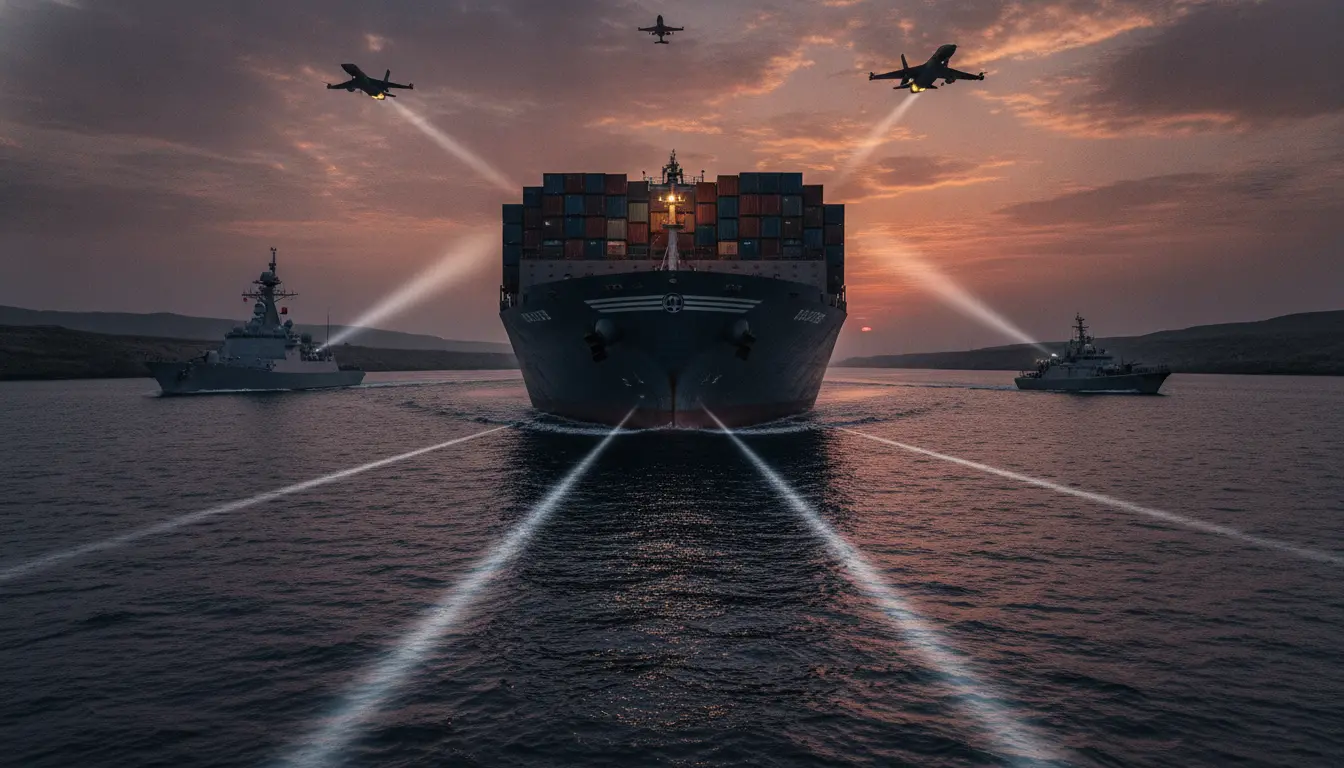
Global Shipping on High Alert as Military Tensions Simmer in Strait of Hormuz
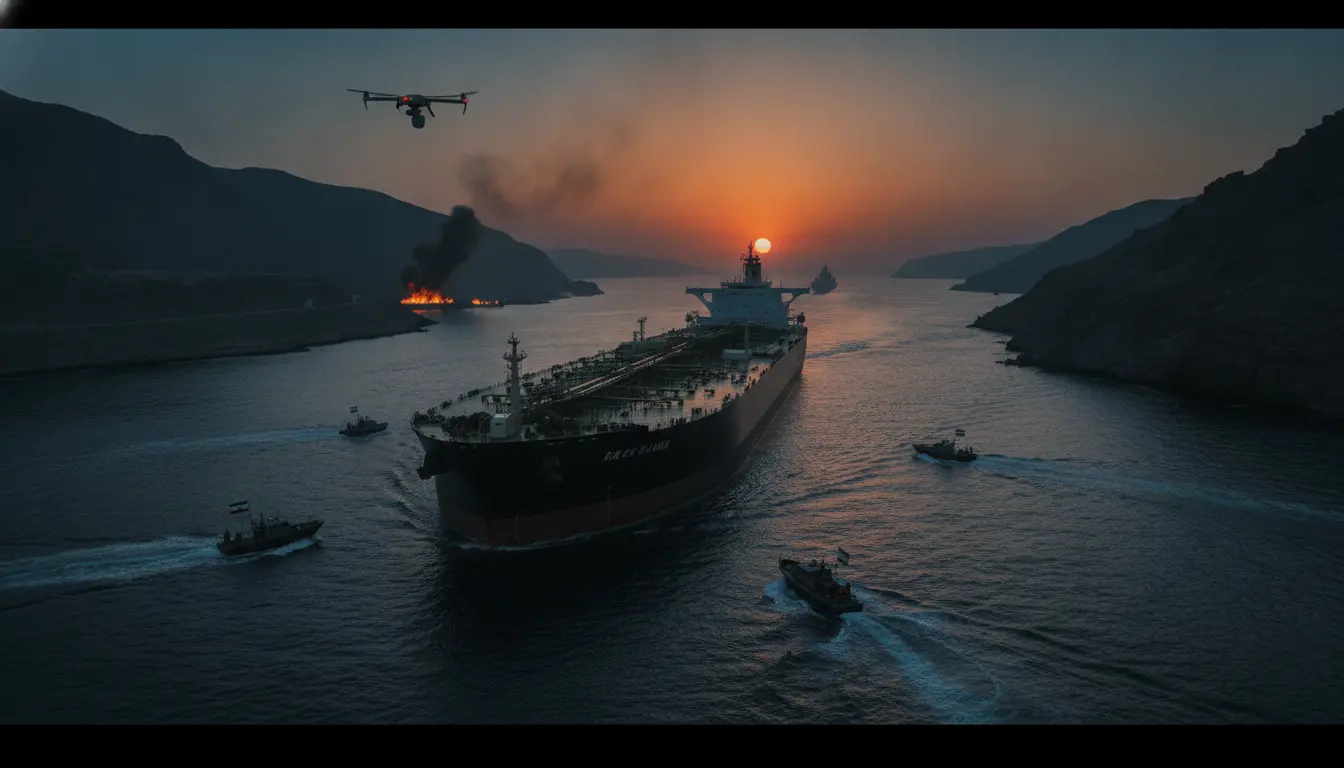
Middle East Unrest Casts Shadow Over Strait of Hormuz Oil Transit Security
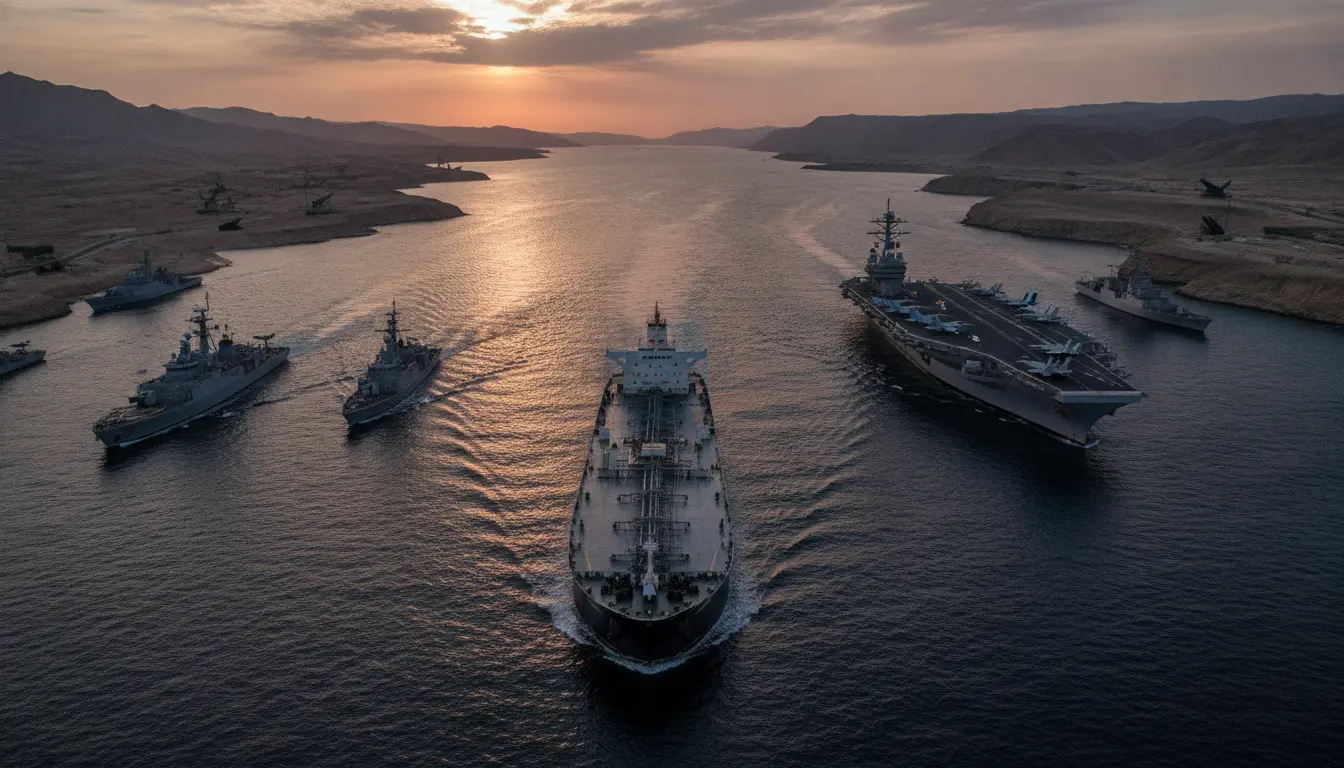
Geopolitical Alarm Rings as US-Iran Standoff Threatens Strait of Hormuz Shipping
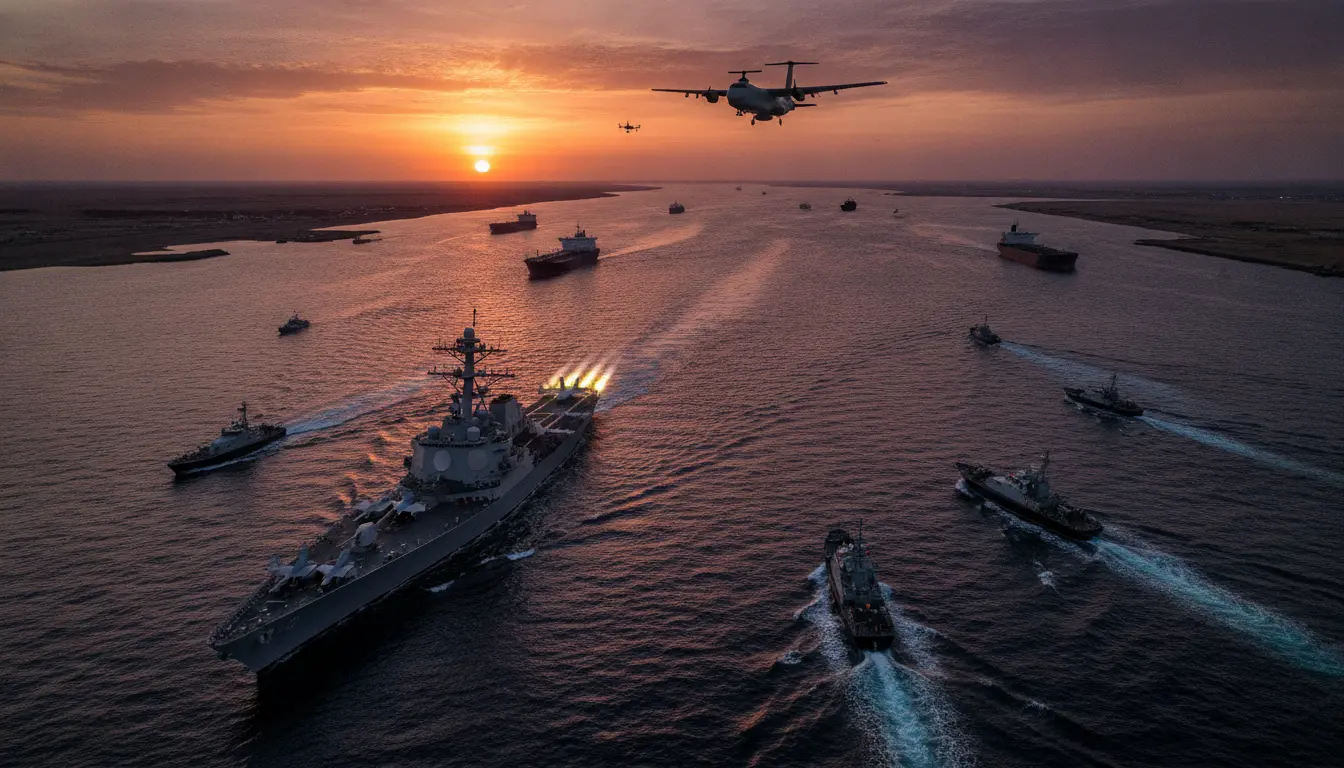
Strait of Hormuz Becomes Flashpoint as US and Iran Escalate Military Posturing in Persian Gulf
Mounting Tensions in Strait of Hormuz Threaten Global Shipping Amid Iranian Actions
US-Iran Tensions Escalate, Jeopardizing Global Shipping Through Strait of Hormuz
Heightened US-Iran Tensions Fuel Fears of Direct Confrontation in Strategic Strait of Hormuz