

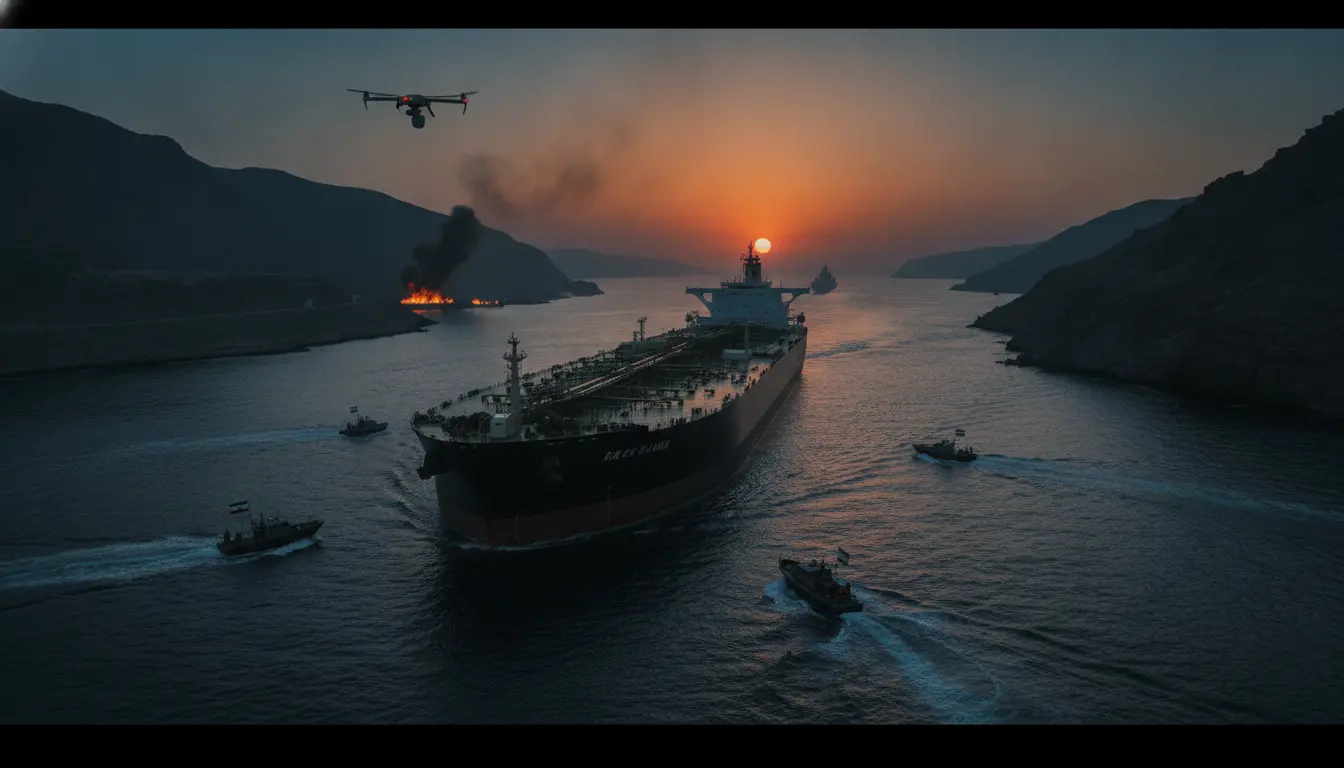
Middle East Unrest Casts Shadow Over Strait of Hormuz Oil Transit Security
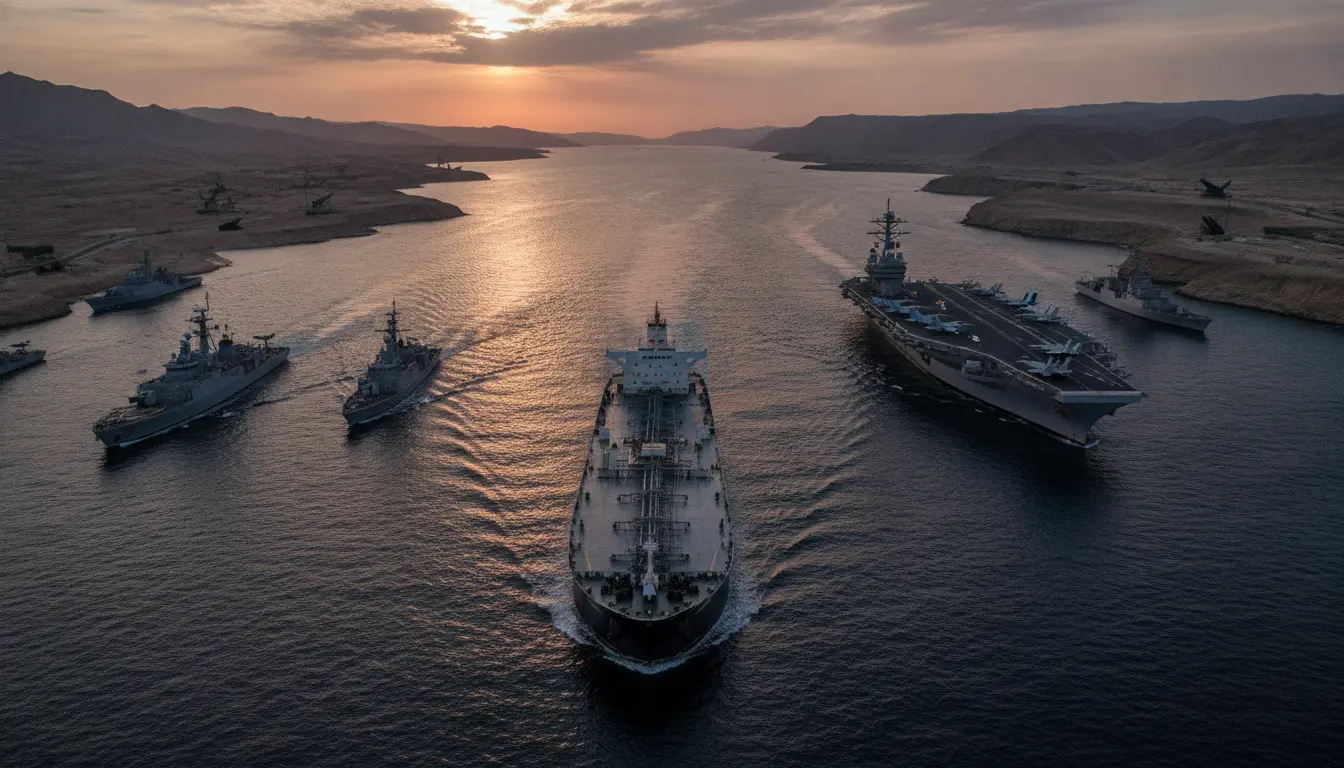
The critical global chokepoint of the Strait of Hormuz finds itself under renewed scrutiny, as escalating regional tensions in the Middle East raise serious concerns about the sustained security of oil tanker traffic. Despite ongoing diplomatic efforts, including a reported framework aimed at fostering calmer relations between the United States and Iran, the volatile geopolitical landscape threatens to destabilize one of the world's most vital energy arteries. Recent Israeli airstrikes in Lebanon, alongside persistent proxy conflicts and unresolved grievances, underscore the fragility of any regional calm and the ever-present risk of disruption to the nearly one-fifth of global petroleum liquids that pass through these waters daily.
The Strait of Hormuz, a narrow waterway connecting the Persian Gulf with the Arabian Sea, is strategically indispensable. Bordered by Iran to the north and Oman's Musandam Governorate to the south, its immense significance stems from its role as the sole maritime passage for oil exports from major producers such as Saudi Arabia, Iran, Iraq, Kuwait, Qatar, Bahrain, and the United Arab Emirates. Historically, Iran has leveraged its geographical position, threatening to close the Strait in response to sanctions or perceived external threats, leading to past standoffs and international naval deployments aimed at safeguarding freedom of navigation. The memory of past maritime incidents, including attacks on tankers and seizures of vessels, continues to loom large, reminding global markets of the vulnerability inherent in this crucial shipping lane.
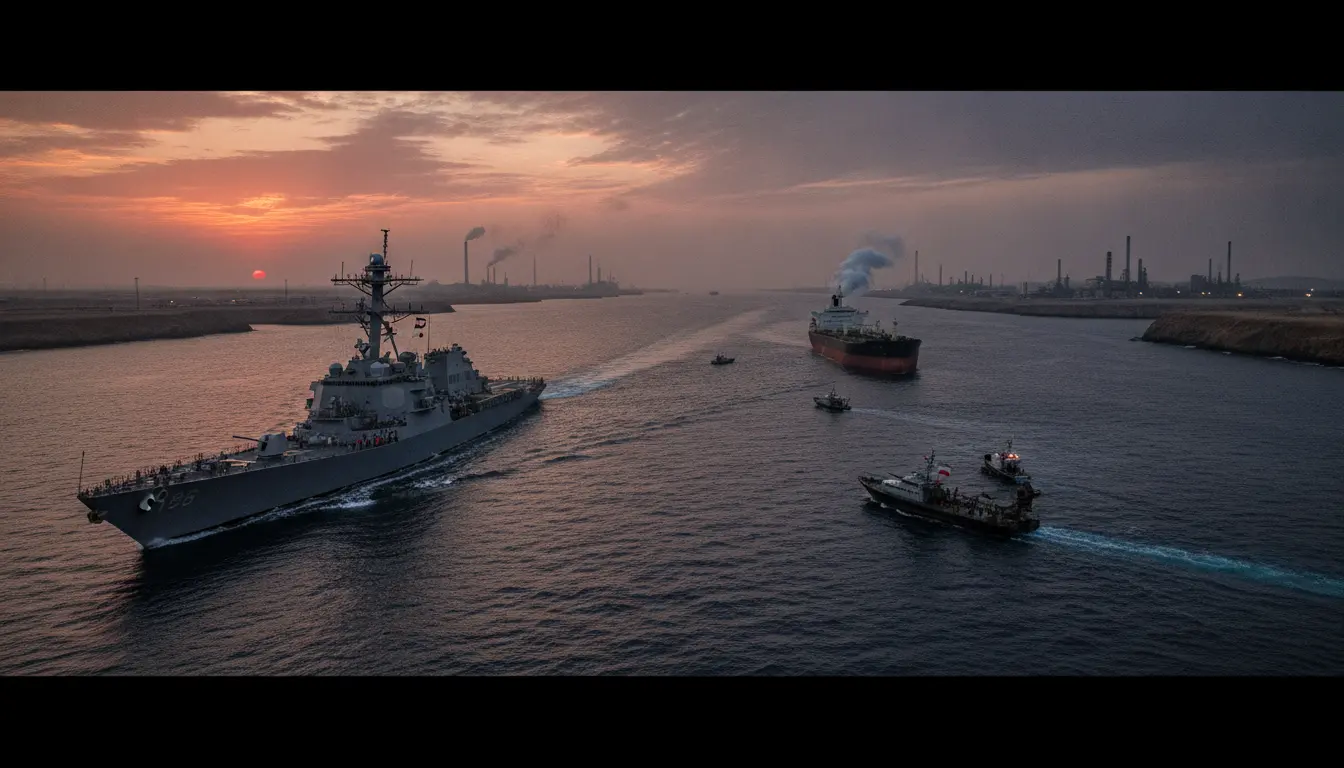
Recent developments have only intensified the apprehension. While discussions between Washington and Tehran have periodically aimed at de-escalation and establishing a more stable regional security framework, these diplomatic overtures consistently confront the harsh reality of deep-seated animosities and proxy engagements. The conflict between Israel and militant groups in Lebanon, often seen as a proxy front in the broader Iran-Israel shadow war, exemplifies the kind of regional flare-ups that can quickly unravel tentative diplomatic progress. Such military actions, even if not directly targeting the Strait, contribute to an atmosphere of heightened alert and miscalculation, creating an environment where a localized incident could rapidly escalate and jeopardize maritime security.
Iran, possessing the capacity to significantly impact traffic through the Strait, views its control over this passage as a powerful strategic asset. Its motivations are multifaceted, ranging from a response to international sanctions and perceived threats to its national sovereignty, to asserting its influence in regional power dynamics. For the United States and its allies, ensuring the uninterrupted flow of oil through the Strait of Hormuz is a paramount strategic interest, underpinning global energy security and the stability of international trade. Any major disruption would inevitably lead to a spike in global oil prices, potentially triggering economic repercussions that extend far beyond the Middle East, impacting consumers and industries worldwide.
The challenges to achieving sustained calm in the region are formidable. The complex web of alliances, rivalries, and internal political dynamics makes any lasting peace difficult to secure. The inherent unpredictability of the region, combined with the strategic importance of the Strait, means that even minor incidents carry the potential for significant escalation. International powers remain vigilant, aware that diplomatic solutions are crucial but equally conscious of the need for robust deterrence. The ongoing tension underscores that while frameworks for peace may exist on paper, the practical reality of navigating a deeply fractured and volatile Middle East continues to pose an existential threat to one of the global economy's most critical arteries. The international community, therefore, remains on edge, closely monitoring every development that could tip the delicate balance towards a major disruption with far-reaching consequences.
The prospect of a future disruption is compounded by a confluence of factors, including the continued militarization of certain regional actors, the proliferation of advanced weaponry, and the ideological chasms that divide key players. The absence of comprehensive, multilateral security architecture for the Persian Gulf region means that individual state actions, however localized, can ripple outwards, affecting the collective security interests of all maritime nations. Without a fundamental shift towards genuine de-escalation and trust-building among the region's powers, the Strait of Hormuz will likely remain a flashpoint, perpetually susceptible to the broader currents of Middle Eastern instability and geopolitical machinations. Securing this vital waterway demands not only continuous vigilance but also persistent, creative diplomatic engagement to prevent the economic and strategic fallout of a major interruption.
Stay Informed. Act Smarter.
Get weekly highlights, major headlines, and expert insights — then put your knowledge to work in our live prediction markets.
Related News
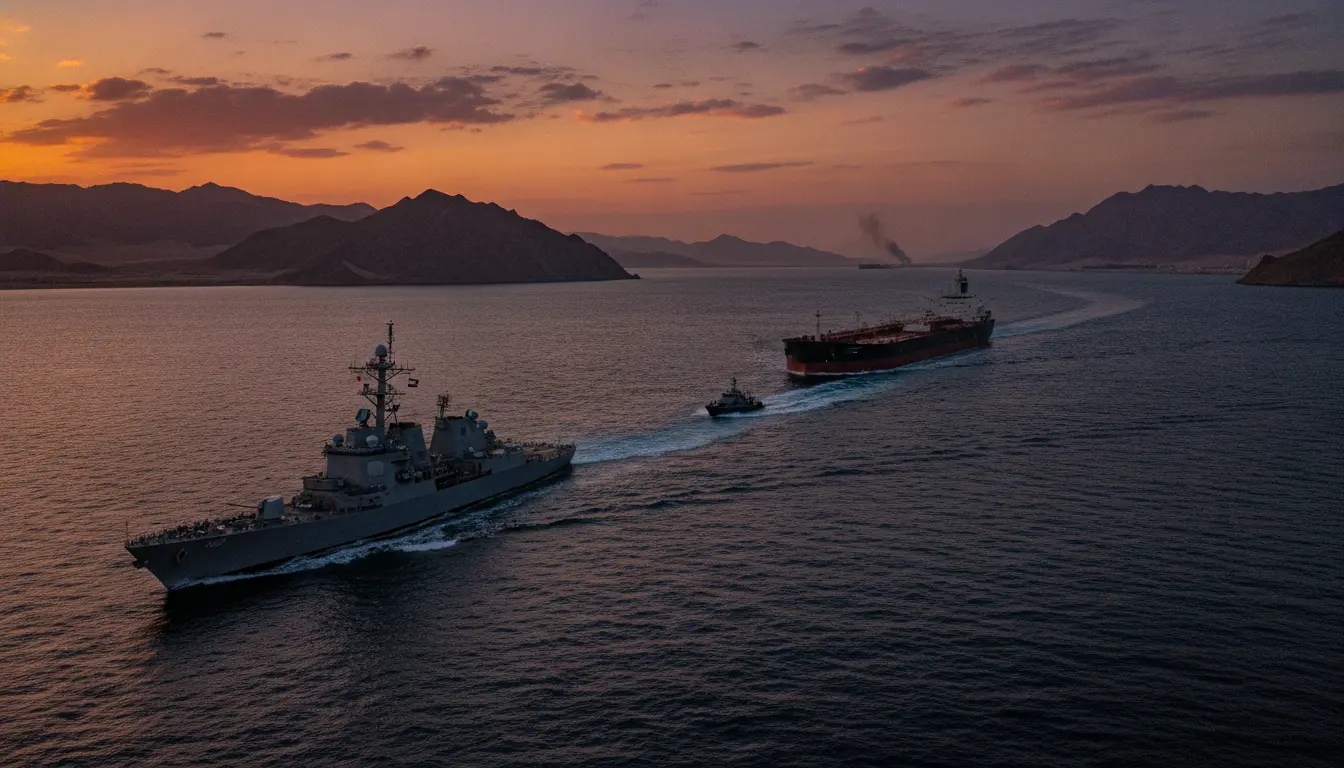
Strait of Hormuz Faces Heightened Tensions as Maritime Incidents Recur
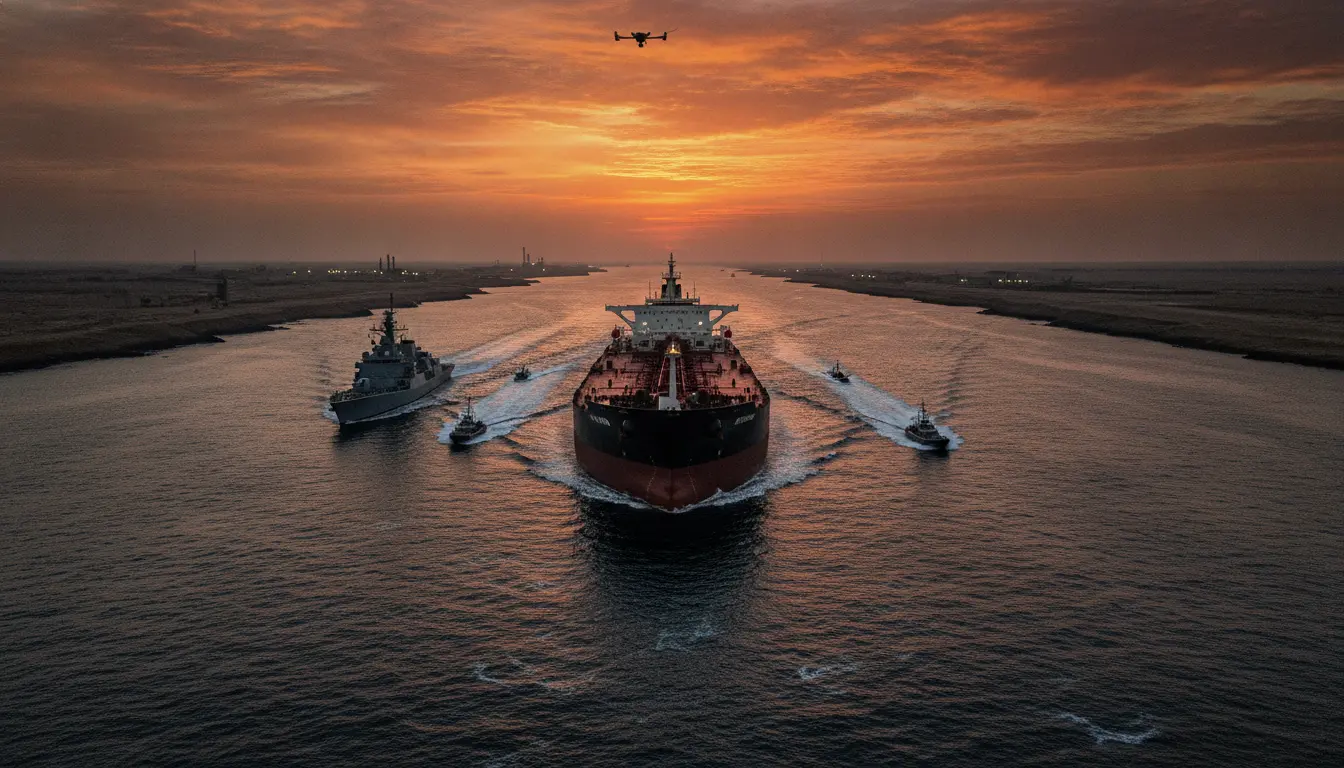
Strait of Hormuz Security Remains Precarious Amid Escalating Regional Tensions
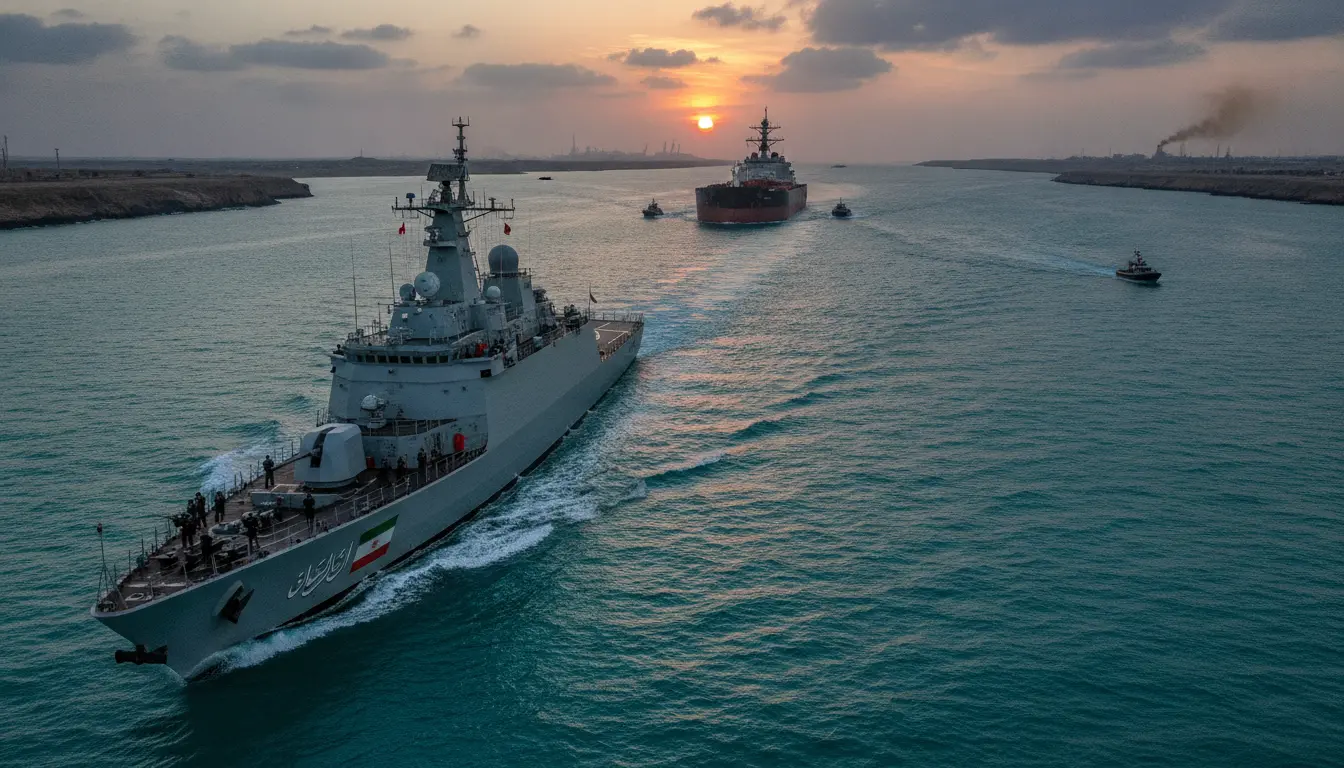
Iran's Maritime Actions Stoke Tensions in Crucial Strait of Hormuz
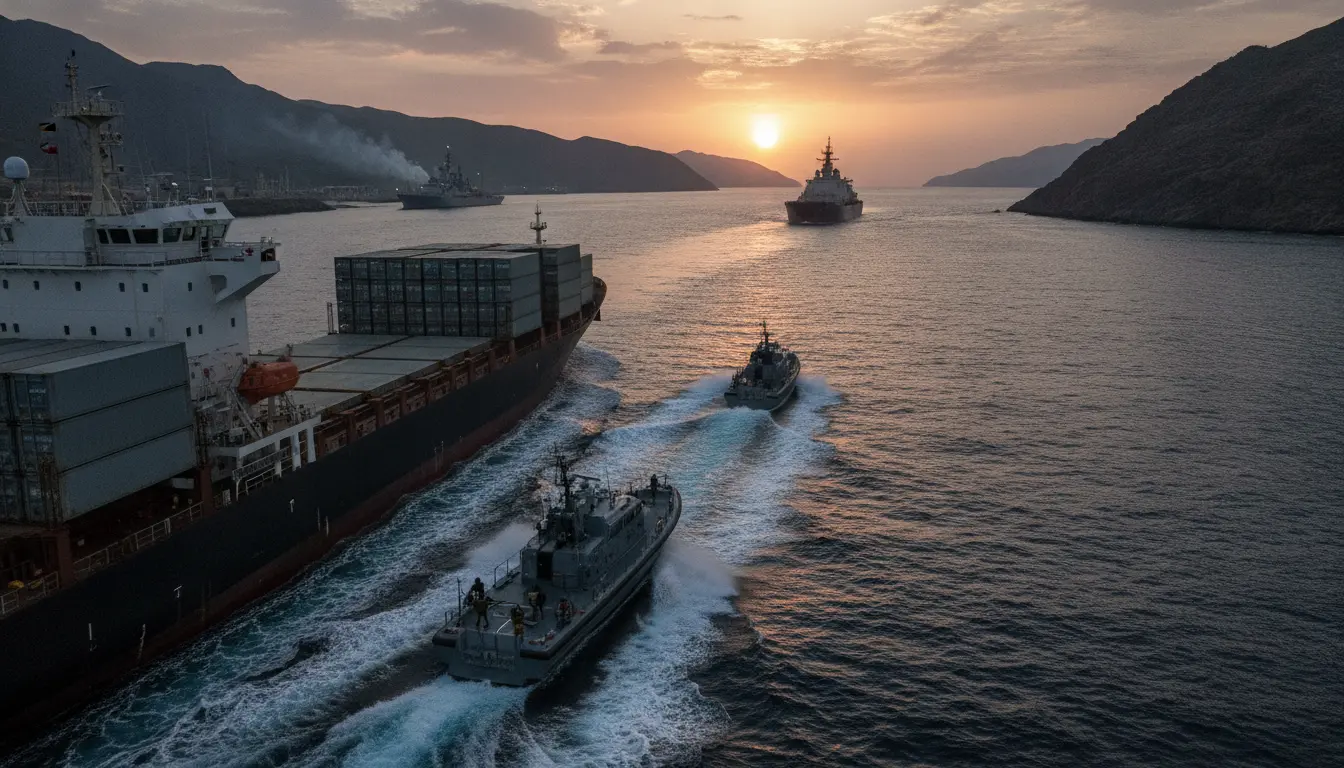
Mounting Tensions in Strait of Hormuz Threaten Global Shipping Amid Iranian Actions
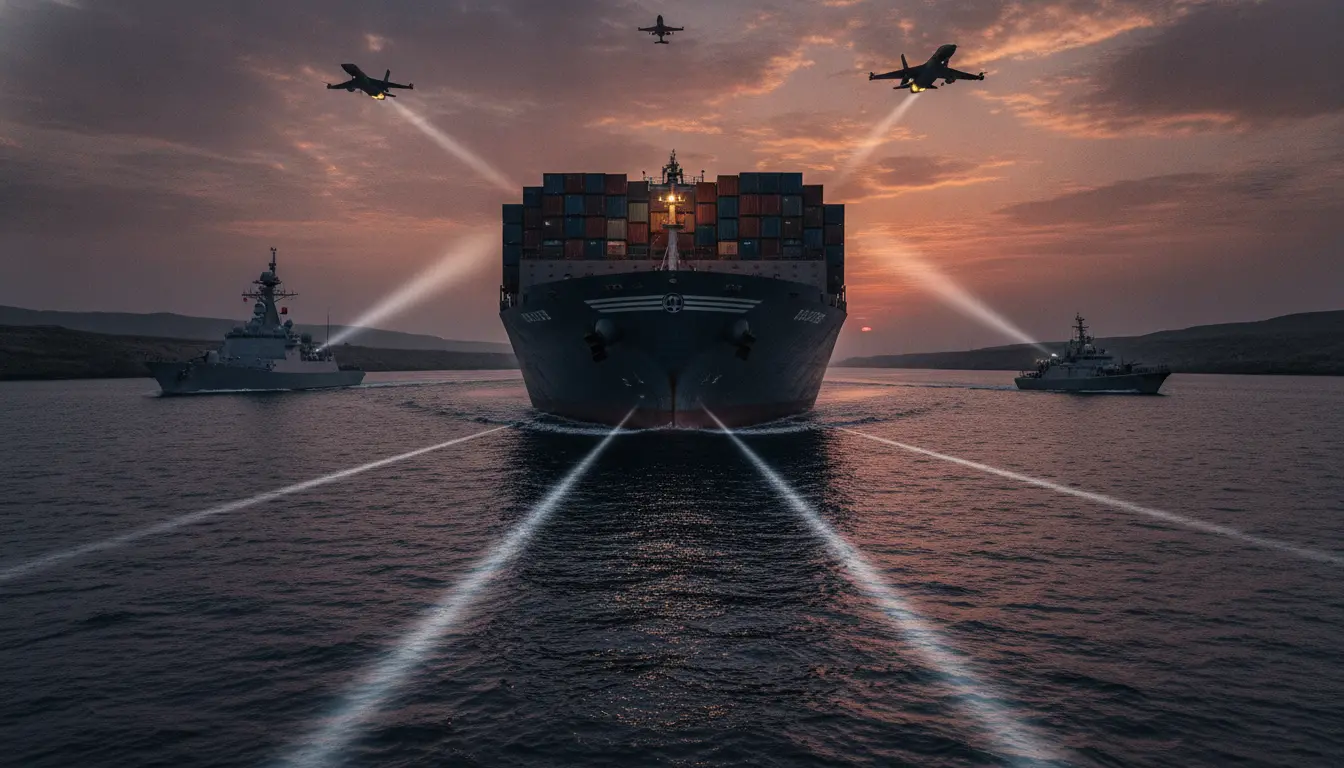
Global Shipping on High Alert as Military Tensions Simmer in Strait of Hormuz
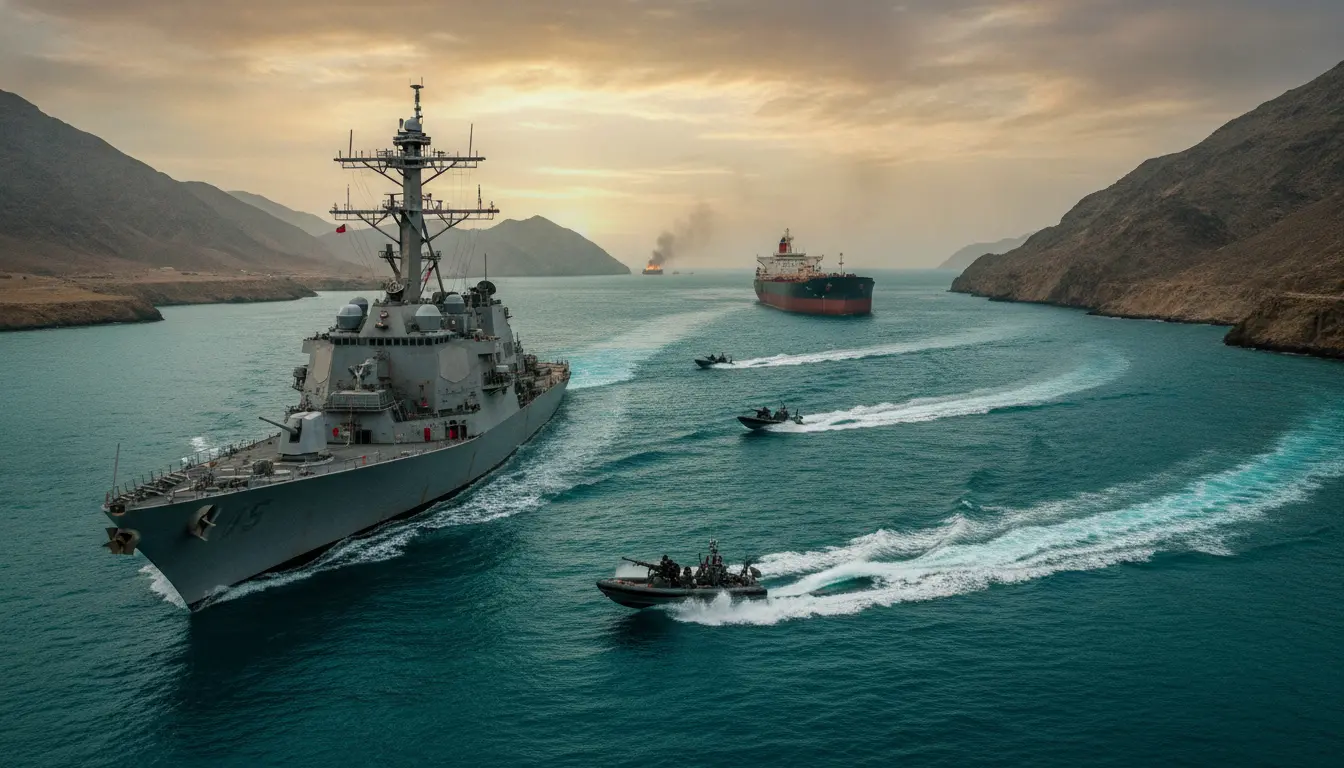
Strait of Hormuz Faces Heightened Security Risks Amid Escalating Iranian Maritime Actions

US-Iran Tensions Escalate, Jeopardizing Global Shipping Through Strait of Hormuz
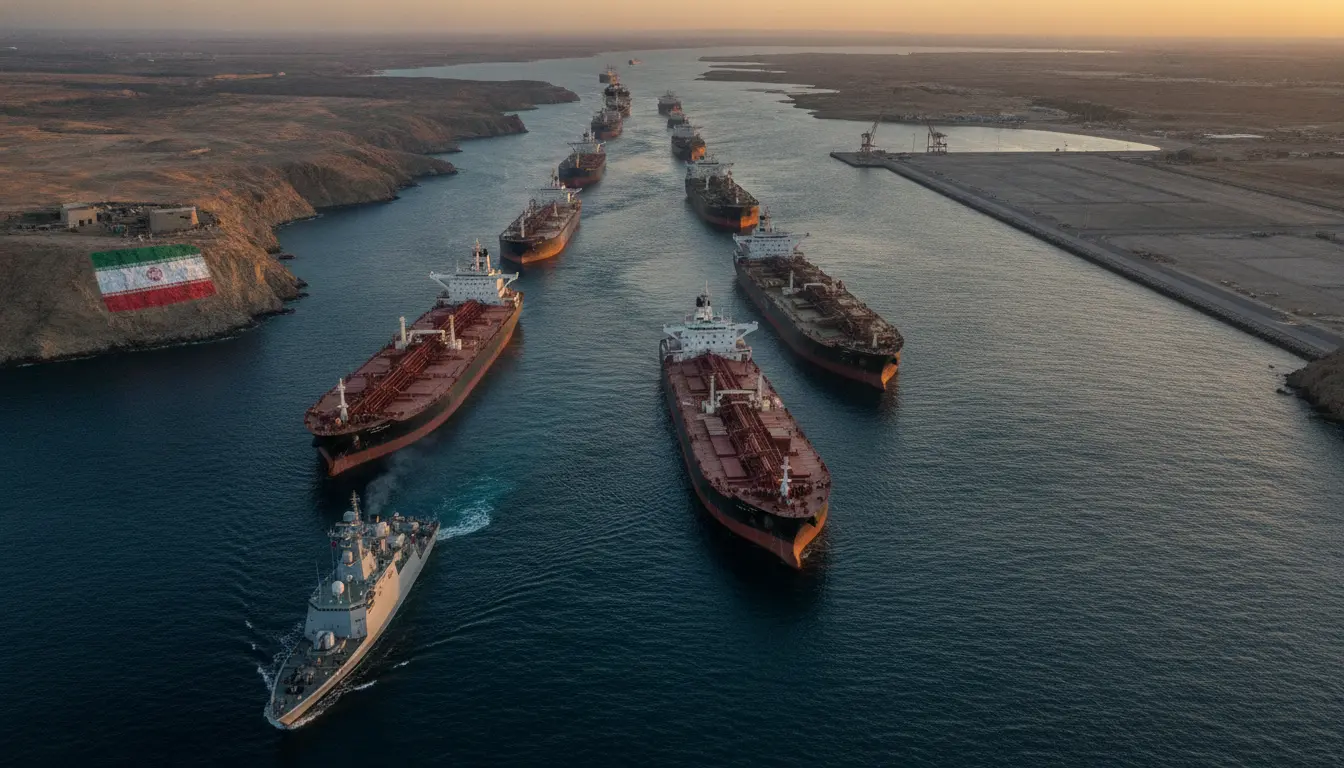
Strait of Hormuz Shipping Remains in Limbo as Iran Conditions Reopening on US Concessions
Geopolitical Alarm Rings as US-Iran Standoff Threatens Strait of Hormuz Shipping
Heightened US-Iran Tensions Fuel Fears of Direct Confrontation in Strategic Strait of Hormuz