

US-Iran Diplomatic Breakthrough Boosts Oil Flow Through Critical Strait of Hormuz
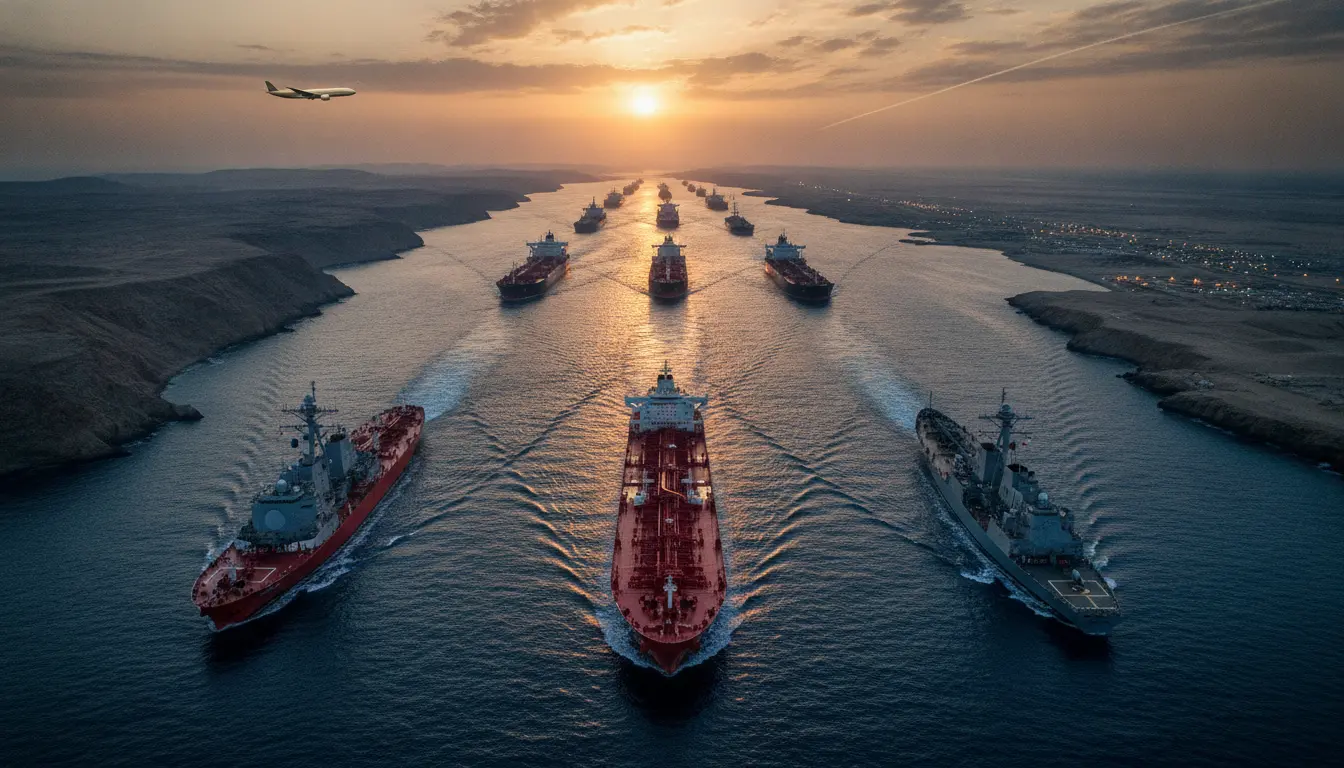
In a significant development for global energy markets and geopolitical stability, crude oil tanker traffic through the Strait of Hormuz has reportedly experienced a notable surge following a recent diplomatic breakthrough between the United States and Iran. This uptick in activity through the world's most vital oil transit chokepoint signals a potential de-escalation of tensions in the Persian Gulf and could herald a reshaping of global oil supply dynamics, with profound implications for international energy security and market stability. The Strait, a narrow waterway connecting the Persian Gulf to the Arabian Sea, is strategically paramount, facilitating the passage of roughly one-third of the world’s seaborne oil and a substantial portion of global liquefied natural gas (LNG) shipments.
For decades, the Strait of Hormuz has been a flashpoint for international friction, particularly involving Iran, which controls its northern flank. Previous periods of heightened tension, often linked to Iran's nuclear program and Western sanctions, have repeatedly threatened to disrupt global oil supplies, sending crude prices soaring. The United States, along with its allies, has long maintained a naval presence in the region to safeguard freedom of navigation. The backdrop to the current developments includes years of stringent sanctions imposed by Washington on Tehran, severely curtailing Iran’s oil exports and isolating its economy. Any significant easing of these restrictions, or a broader agreement on regional stability, would naturally lead to an increase in Iranian oil production and its re-entry into the global market, directly impacting traffic through Hormuz.
The specific contours of the reported US-Iran deal remain under close scrutiny by international observers and energy analysts. While official details are scarce, the consensus suggests an understanding or limited agreement that has opened avenues for increased Iranian oil exports, even if not a full-scale return to the Joint Comprehensive Plan of Action (JCPOA). Such an agreement likely involves a reciprocal gesture from Tehran, possibly related to its nuclear enrichment activities or regional proxy support, aimed at reducing broader geopolitical risks. The immediate effect has been visible in shipping data, with a reported increase in tanker movements, indicative of a cautious but tangible shift in the regional energy landscape. This development is being closely watched by major oil producers within OPEC+, particularly Saudi Arabia and the UAE, who operate vast export terminals along the Gulf and rely heavily on the Strait for their own energy shipments.
Energy market participants are now evaluating whether this initial surge in traffic translates into a sustained increase in average daily crude oil volumes. A consistent higher flow would suggest a durable impact of the US-Iran understanding, rather than a temporary anomaly. Key factors influencing this sustainability include the durability of the diplomatic agreement itself, the extent to which global demand continues to grow, and how other major producers respond to potentially increased Iranian supply. Should the deal hold, it could provide a welcome cushion to global oil markets, potentially mitigating inflationary pressures and offering greater supply security at a time when other producing regions face their own challenges. However, the inherent volatility of Middle Eastern geopolitics means that such agreements, while promising, are often fragile and subject to rapid reversals.
Looking ahead, the long-term implications are substantial. A more open and stable Strait of Hormuz would reduce shipping costs and insurance premiums for tankers, benefiting consumers worldwide. For Iran, it means a much-needed economic lifeline, enabling it to leverage its vast oil reserves more effectively. However, the delicate balance of power in the region, coupled with ongoing rivalries and global energy transitions, means that the path to sustained stability is far from assured. The world watches closely to see if this diplomatic thaw can truly usher in an era of more predictable and abundant oil supplies flowing through this indispensable maritime artery, or if it represents merely a temporary reprieve in a region perennially on edge.
The potential for increased and sustained oil flow through the Strait could also impact global strategic energy reserves and the investment decisions of major oil companies. A more predictable supply environment might temper the urgency for diversification away from Middle Eastern oil, at least in the short to medium term, while still emphasizing the importance of resilient supply chains. Conversely, any future breakdown in diplomatic progress could quickly reignite tensions, underscore the Strait’s vulnerability, and necessitate a renewed focus on alternative routes and sources, reminding the world of the critical fragility underpinning a significant portion of its energy supply.
Stay Informed. Act Smarter.
Get weekly highlights, major headlines, and expert insights — then put your knowledge to work in our live prediction markets.
Related News
US and Iran Face High-Stakes Negotiations Amidst Pressures to Secure Strait of Hormuz

US Weighs Sanctions Relief on Iranian Oil Amid Ongoing Diplomatic Initiatives
Strait of Hormuz Shipping Remains in Limbo as Iran Conditions Reopening on US Concessions
US and Iran Reach Fragile Ceasefire Agreement in Strategically Critical Strait of Hormuz
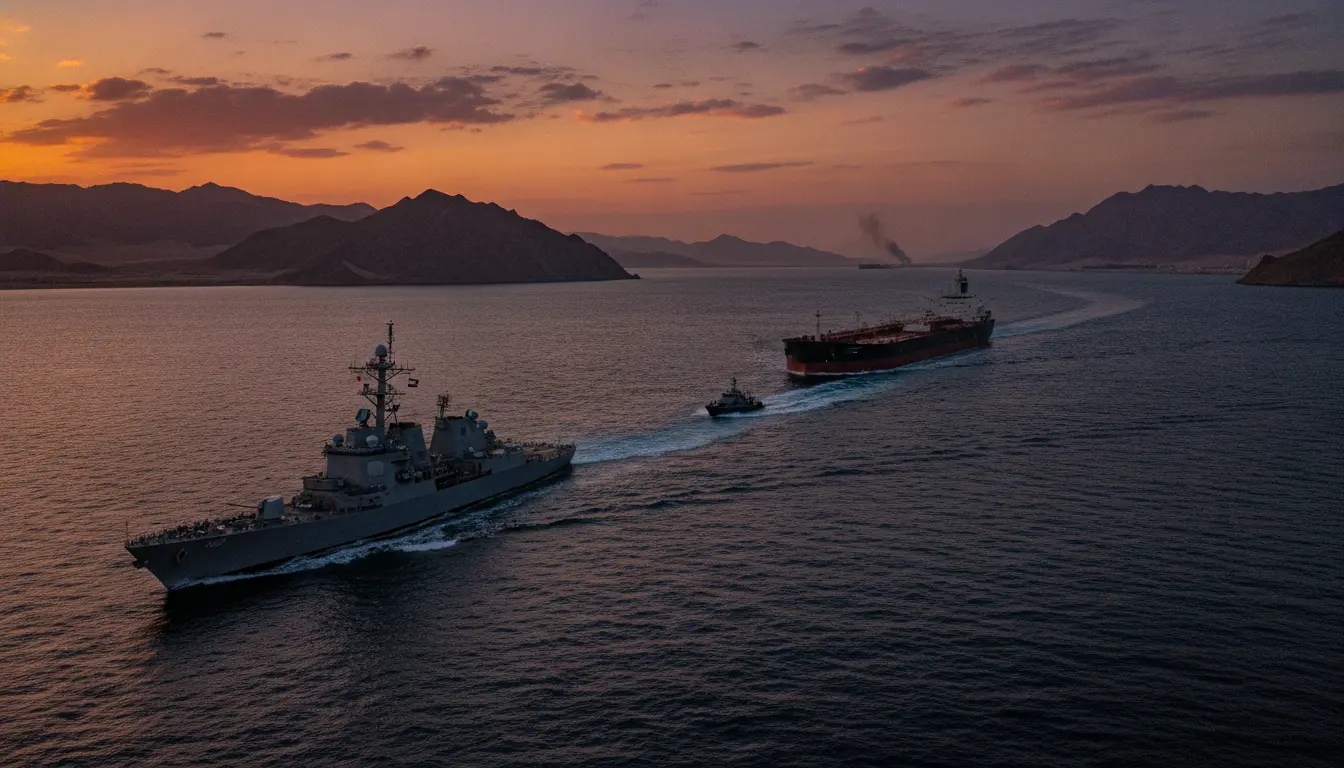
Strait of Hormuz Faces Heightened Tensions as Maritime Incidents Recur

Global Shipping on High Alert as Military Tensions Simmer in Strait of Hormuz

Reports Indicate Potential Full Lifting of US Oil Sanctions on Iran by Late 2026
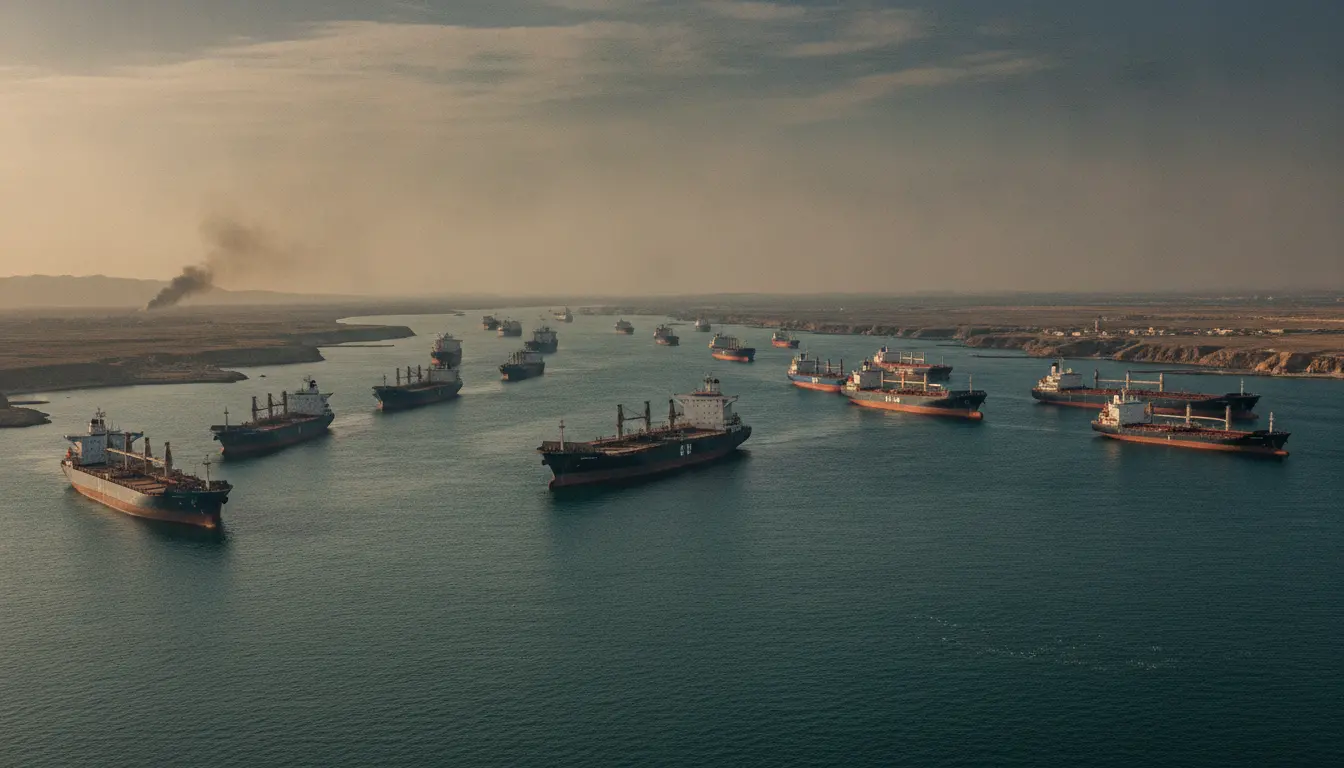
Shipping stalls in Strait of Hormuz after Iran declares key waterway shut
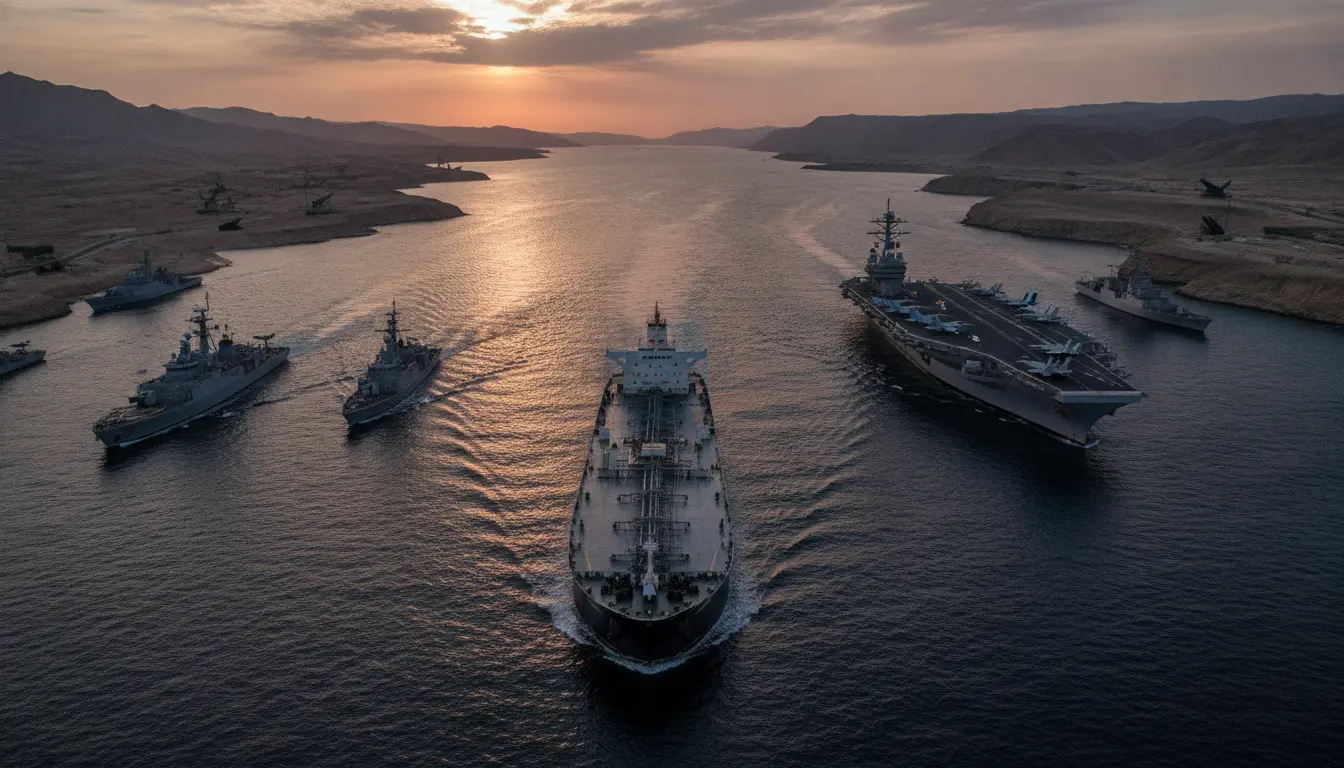
Geopolitical Alarm Rings as US-Iran Standoff Threatens Strait of Hormuz Shipping

US and Iran Embark on Critical De-escalation Talks in Doha Amidst Heightened Hormuz Tensions