

- News
- Politics
- US and Iran Reach Fragile Ceasefire Agreement in Strategically Critical Strait of Hormuz
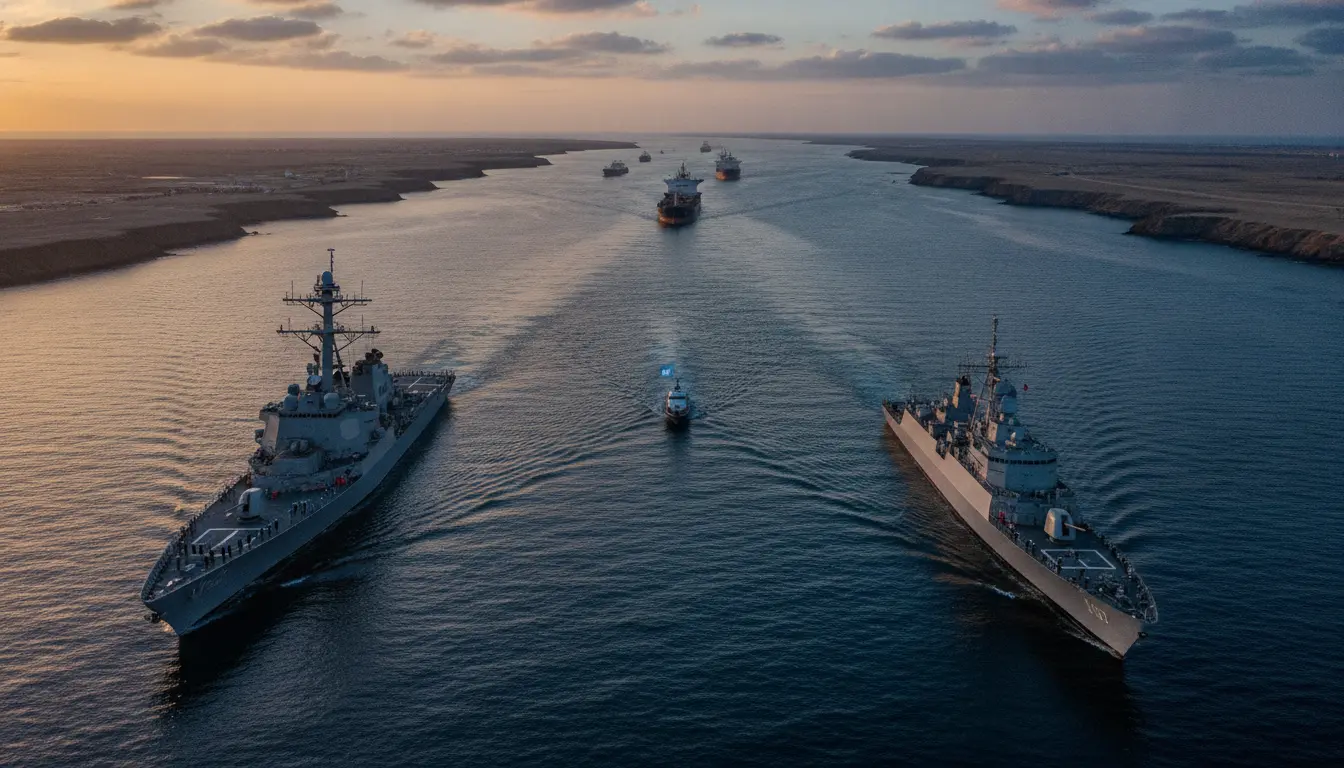
US and Iran Reach Fragile Ceasefire Agreement in Strategically Critical Strait of Hormuz
In a significant de-escalation of long-simmering tensions, the United States and Iran have reportedly entered into a fragile ceasefire agreement concerning their military activities in the Strait of Hormuz. This development comes on the heels of several recent exchanges of strikes and provocative naval maneuvers that had brought the two nations to the brink of direct conflict, raising alarms across the international community and disrupting global shipping. While the specifics of the agreement remain largely unconfirmed by official public statements from both Washington and Tehran, the understanding aims to reduce the immediate risk of confrontation in one of the world's most vital maritime chokepoints.
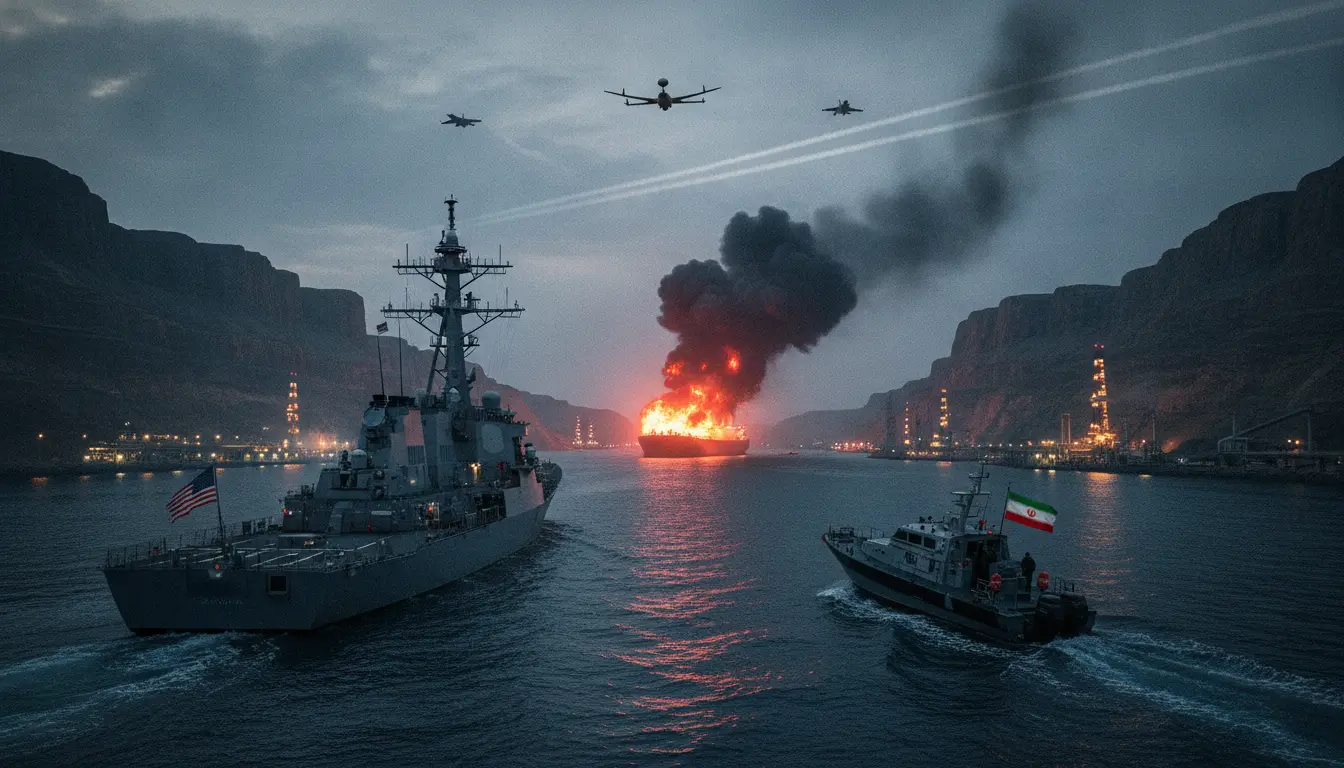
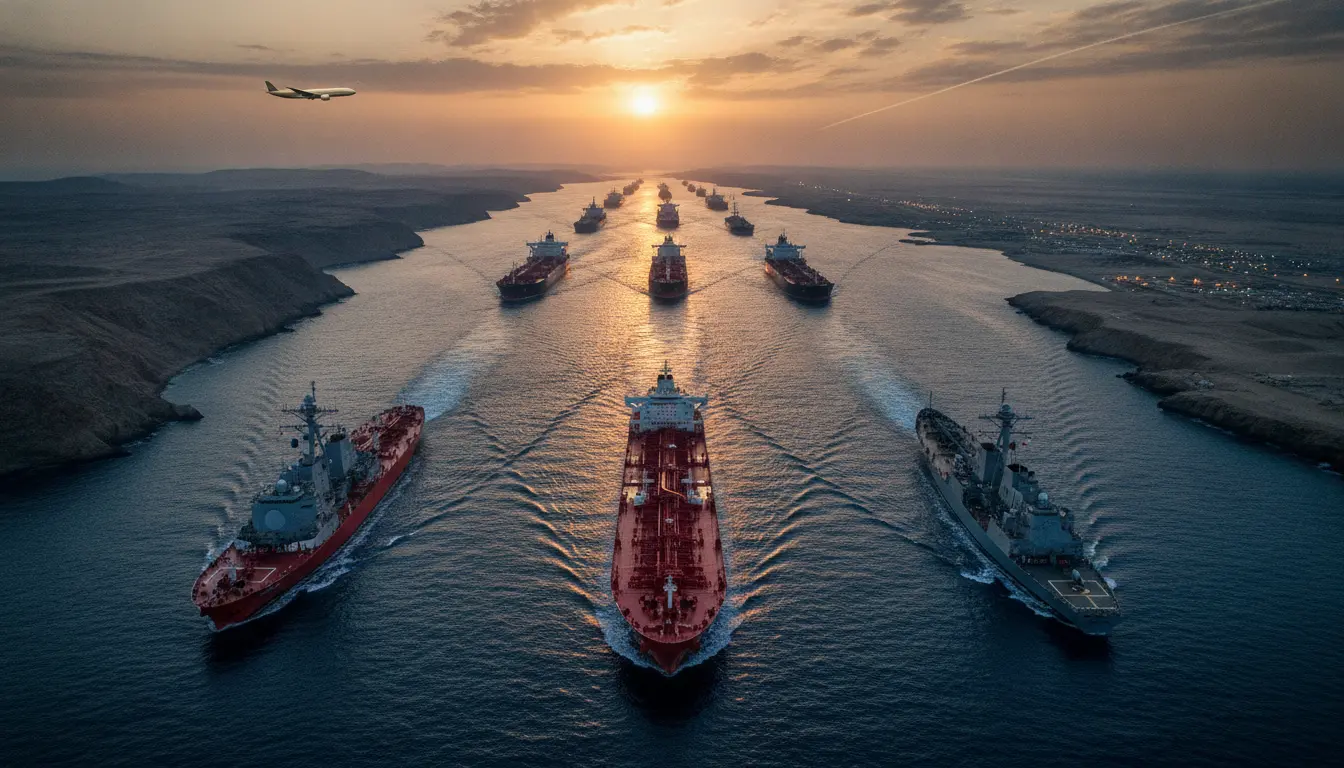
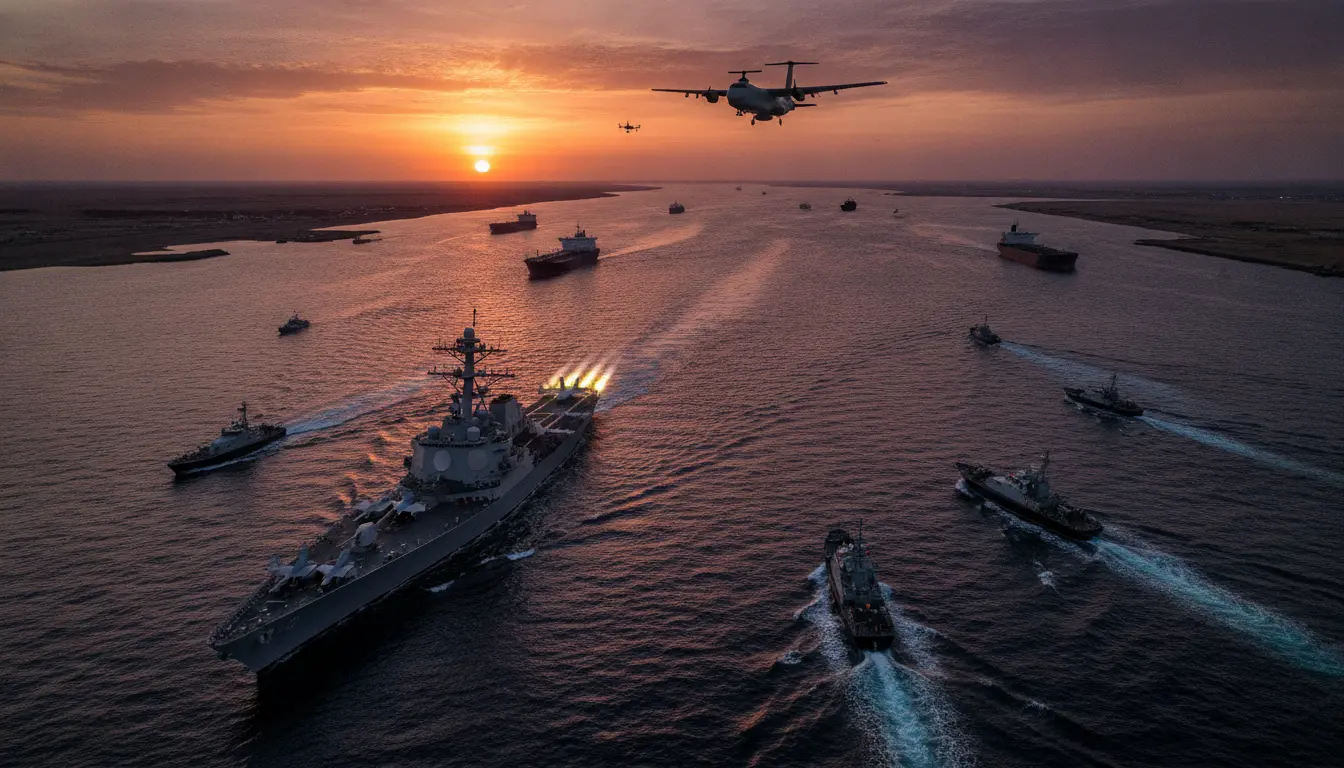
For decades, the Strait of Hormuz has served as a flashpoint for US-Iran rivalry, with Tehran repeatedly threatening to close the waterway in response to sanctions or perceived aggression, and the US affirming its commitment to ensuring freedom of navigation. Approximately one-fifth of the world's total petroleum consumption, and a significant portion of its liquefied natural gas, transits through this narrow passage daily, making any disruption a severe threat to the global economy. Past incidents have included the harassment and seizure of commercial tankers, drone attacks on oil infrastructure, and close encounters between US Navy vessels and Iran's Islamic Revolutionary Guard Corps (IRGC) patrol boats, each carrying the potential for rapid, uncontrolled escalation.
The reported ceasefire, believed to have been facilitated through back-channel diplomacy involving regional intermediaries such as Oman or Qatar, seeks to establish a period of calm by mutually agreeing to curb provocative actions. This implicitly includes refraining from direct military targeting of each other's assets, reducing aggressive shadowing of vessels, and limiting the scope of military exercises in the immediate vicinity of the Strait. Such informal agreements, while lacking the formal structure of international treaties, are not unprecedented between adversaries and often represent a pragmatic effort to prevent unintended conflict when direct communication is fraught with mistrust. For now, the focus appears to be on preventing accidental collisions or misinterpretations that could quickly spiral into a wider confrontation.
From the American perspective, the primary objective is to safeguard international shipping lanes, protect the interests of its regional allies, and deter Iranian actions that could destabilize the Middle East. The US Navy’s Fifth Fleet, based in Bahrain, consistently maintains a robust presence in the Gulf to project power and reassure commercial traffic. For Iran, the agreement might signal a tactical decision to alleviate external pressures, perhaps to focus on domestic challenges or to gain leverage in broader negotiations, potentially related to its nuclear program or sanctions relief. However, Iran's strategic goals of asserting regional dominance and challenging the US presence are unlikely to fundamentally change, making any ceasefire a temporary, tactical pause rather than a strategic shift.
The durability of this fragile understanding remains a critical question. Deep-seated mistrust, divergent geopolitical interests, and the influence of hardline factions in both Washington and Tehran pose significant challenges. Any perceived breach or provocative act by either side, intentional or otherwise, could quickly unravel the agreement and reignite tensions. Moreover, the ceasefire in the Strait of Hormuz does not address the multitude of other arenas where US and Iranian interests clash, from proxy conflicts in Yemen and Syria to cyber warfare and nuclear proliferation concerns. The current calm, therefore, offers a crucial window for de-escalation, but its long-term viability will depend on a sustained commitment to restraint and, potentially, further diplomatic engagements to tackle the root causes of their adversarial relationship.
Stay Informed. Act Smarter.
Get weekly highlights, major headlines, and expert insights — then put your knowledge to work in our live prediction markets.
Related News

US and Iran Agree to Extend Ceasefire Until August 2026 Amid Persistent Tensions
US and Iran Embark on Critical De-escalation Talks in Doha Amidst Heightened Hormuz Tensions
Escalating US-Iran Military Confrontation Spurs Calls for Formal Ceasefire
US and Iran Face High-Stakes Negotiations Amidst Pressures to Secure Strait of Hormuz

US and Iran Navigate Fragile Cease-Fire Amid Heightened Tensions

US and Iran Strive to Maintain Fragile De-escalation Amid Persistent Regional Tensions
US-Iran De-escalation Accord Faces Precarious Future Amid Renewed Hostilities and Strait of Hormuz Tensions
US-Iran Diplomatic Breakthrough Boosts Oil Flow Through Critical Strait of Hormuz
Strait of Hormuz Becomes Flashpoint as US and Iran Escalate Military Posturing in Persian Gulf

US and Iran Set for High-Stakes Doha Talks on Ceasefire and Strait of Hormuz Disputes