

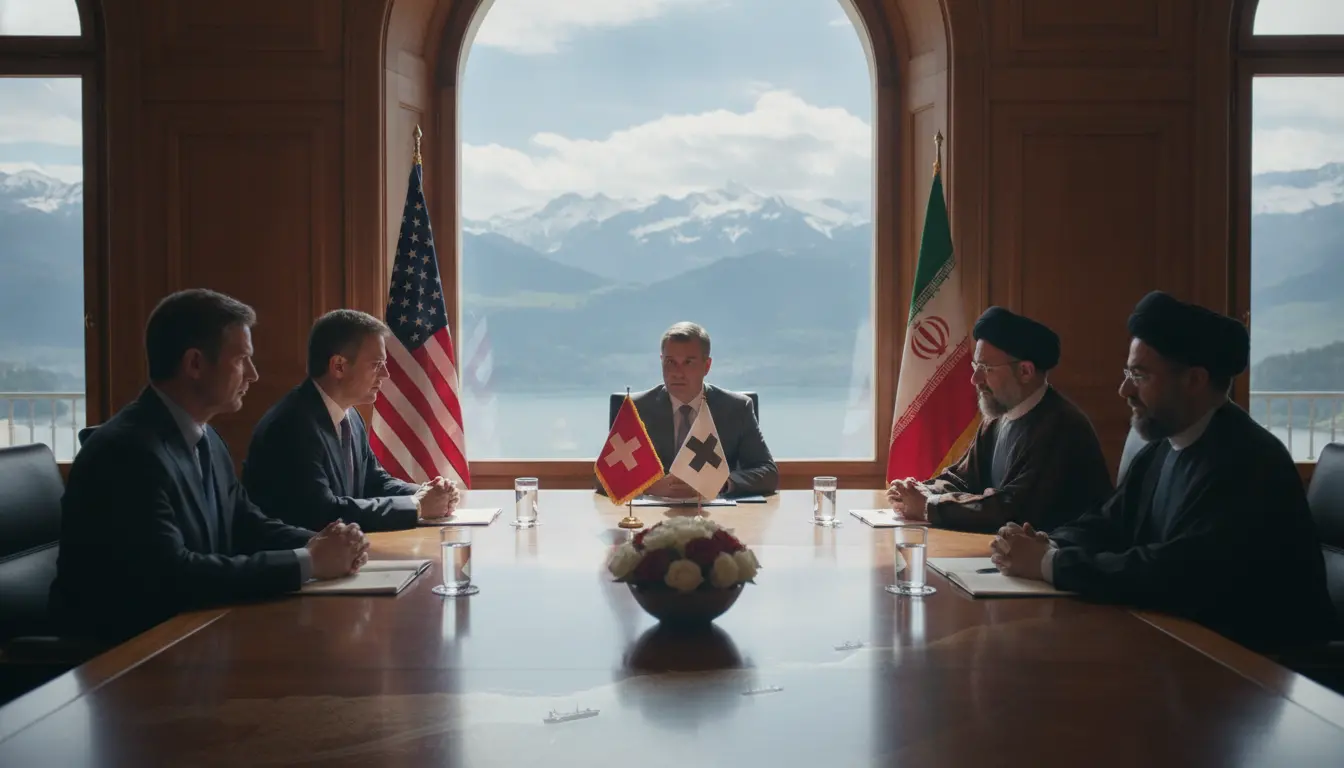
US and Iran Engage in Critical Swiss Talks Amidst Strait of Hormuz Tensions
In a significant diplomatic overture, high-level delegations from the United States and Iran have convened for peace talks in Switzerland, a development that signals a potential, albeit fragile, pathway towards de-escalation between the long-standing adversaries. The discussions, featuring US Vice President JD Vance and senior Iranian negotiators, come at a particularly precarious moment, with regional tensions sharply elevated following Iran's recent claim of possessing the capability to close the strategic Strait of Hormuz, and prior counter-threats from the US regarding maritime tolls and freedom of navigation. The unexpected engagement in a neutral European setting underscores the urgency felt by both sides to address an increasingly volatile security landscape in the Middle East, even as fundamental disagreements persist.
These talks unfold against a backdrop of decades of animosity and distrust, exacerbated in recent years by the US withdrawal from the Joint Comprehensive Plan of Action (JCPOA), the international nuclear agreement, under the previous administration. That decision reignited Iran's nuclear program concerns and led to a crushing campaign of US sanctions, severely impacting the Iranian economy. The ensuing period has seen a series of escalating incidents, including attacks on shipping in the Gulf, drone strikes, and proxy conflicts across the region from Yemen to Iraq and Syria. The absence of direct diplomatic channels at such high levels has often pushed the two nations to the brink, making the current Swiss dialogue a crucial, if tentative, step away from confrontation.
The immediate flashpoint remains the Strait of Hormuz, a narrow choke point through which a significant portion of the world's seaborne oil passes daily. Iran's repeated assertions of its capacity to close the strait, often in response to perceived external threats or sanctions, are viewed by the international community as a serious challenge to global energy security and freedom of navigation. These threats are met with firm warnings from the United States and its allies, who maintain a robust naval presence in the Gulf, emphasizing the importance of open waterways for international trade. The implicit threat of US retaliation, potentially involving tariffs or other economic pressures on vessels traversing the strait, has only further ratcheted up the stakes, highlighting the need for a mechanism to manage these combustible maritime claims.
Vice President Vance’s presence at the negotiating table signals the current US administration's serious commitment to exploring diplomatic avenues, even while maintaining a tough stance on Iran's regional behavior and nuclear ambitions. For Washington, the objective likely encompasses preventing a wider regional conflict, stabilizing oil markets, and potentially drawing Iran into a broader security framework that addresses its ballistic missile program and support for regional proxy groups. The calculus for Tehran, facing immense economic pressure and internal dissent, may involve seeking a path to sanctions relief, bolstering its international legitimacy, and securing assurances against military intervention, all while asserting its sovereignty and regional influence. The specifics of a potential Memorandum of Understanding (MOU) remain unclear, but it would likely aim to establish guidelines for de-escalation, maritime conduct, or even a pathway to broader talks.
However, the path to any formal agreement, let alone a comprehensive resolution, is fraught with formidable challenges. Deep-seated ideological differences, a profound lack of trust, and the entrenched positions of hardliners on both sides present significant hurdles. Furthermore, regional allies of both the US and Iran closely monitor these talks, with many harboring their own security concerns and vested interests that could complicate any potential concessions. The complex interplay of nuclear proliferation fears, regional power dynamics, and domestic political pressures within both nations means that any agreement, even a preliminary MOU, would require immense diplomatic skill and a genuine commitment to compromise. The stakes are profoundly high, not just for the US and Iran, but for the stability of the entire Middle East and the global economy.
While the current talks in Switzerland represent a fragile ray of hope, they are merely the beginning of what promises to be a long and arduous process. The international community will be watching closely, hoping that this direct engagement can pave the way for a more stable and predictable relationship between two pivotal global actors, ultimately averting further escalation in one of the world's most volatile regions. The very act of convening, despite the deep chasm of mistrust, underscores a mutual recognition that the costs of unchecked confrontation far outweigh the complexities of dialogue.
Stay Informed. Act Smarter.
Get weekly highlights, major headlines, and expert insights — then put your knowledge to work in our live prediction markets.
Related News

Vance leaves for Switzerland with Strait of Hormuz status unclear
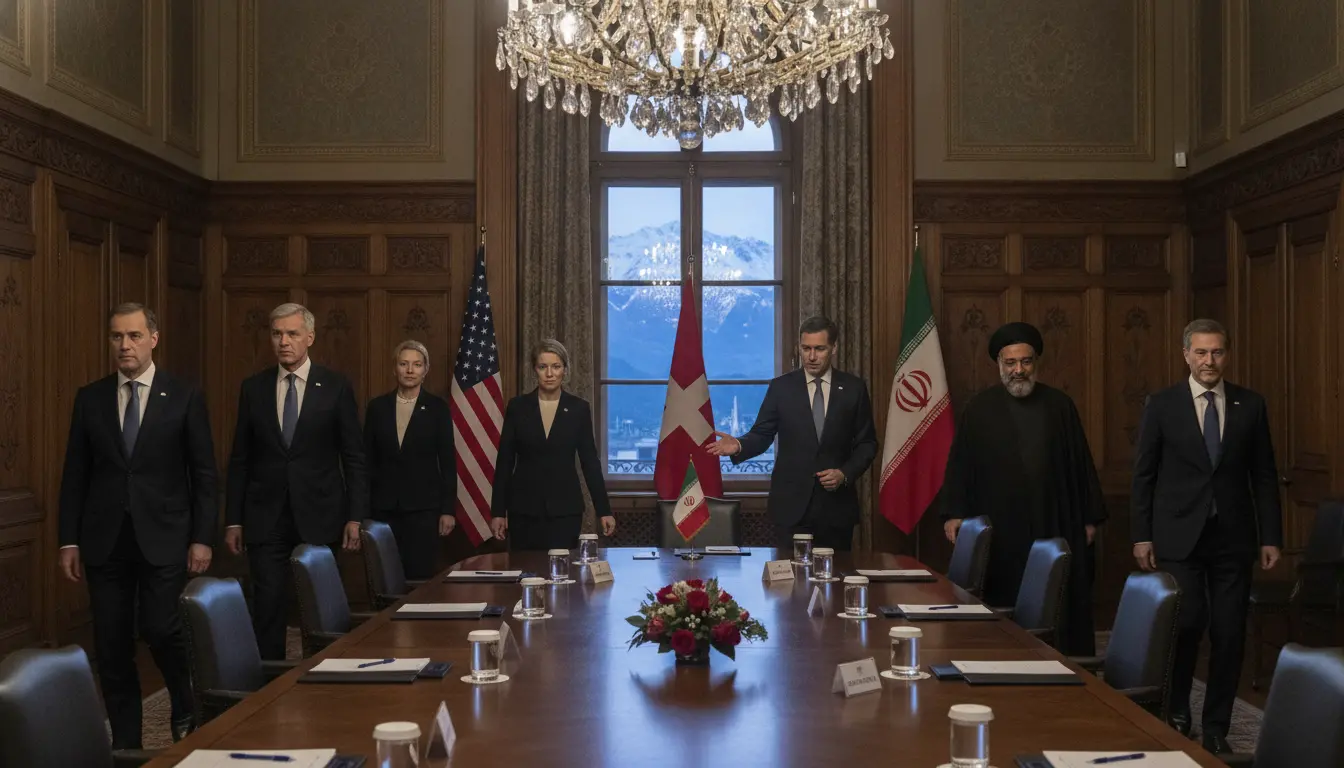
US-Iran delegations arrive as talks begin in Switzerland
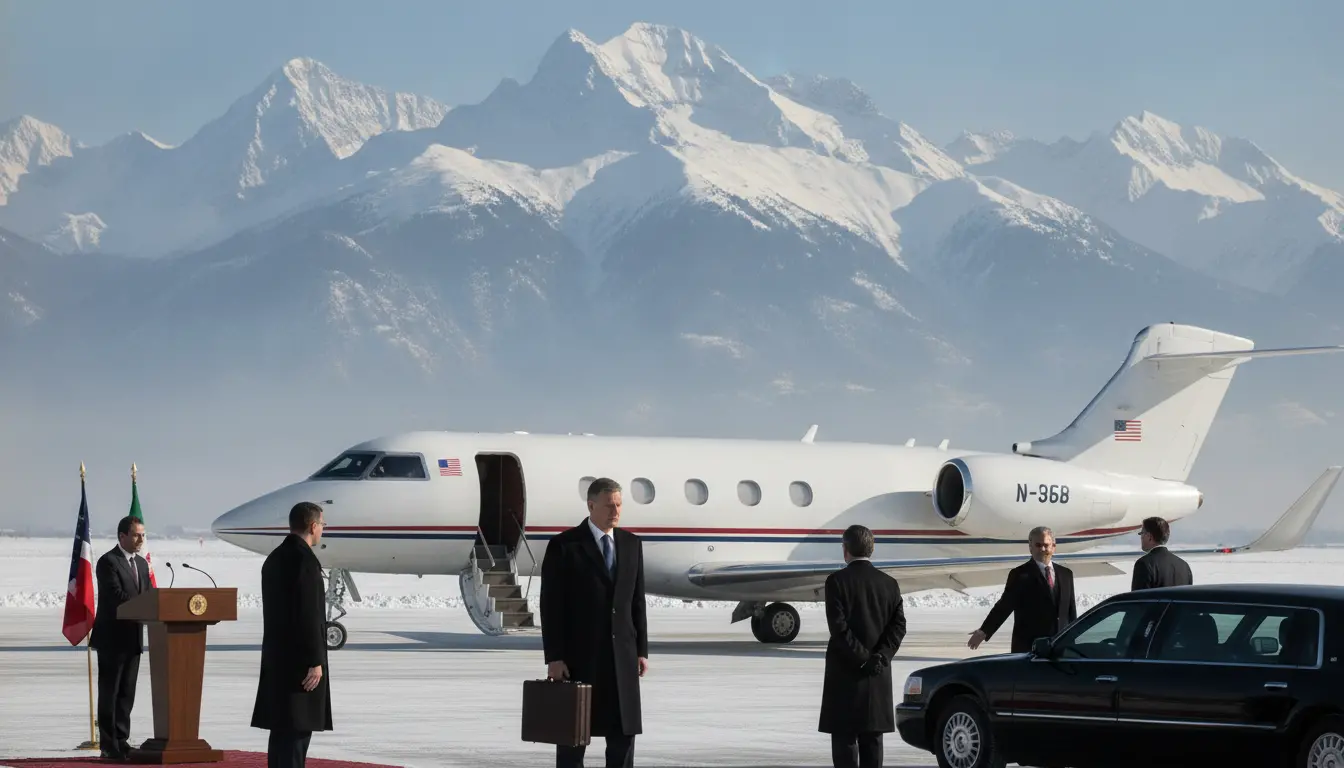
Vance arrives in Switzerland for US-Iran talks
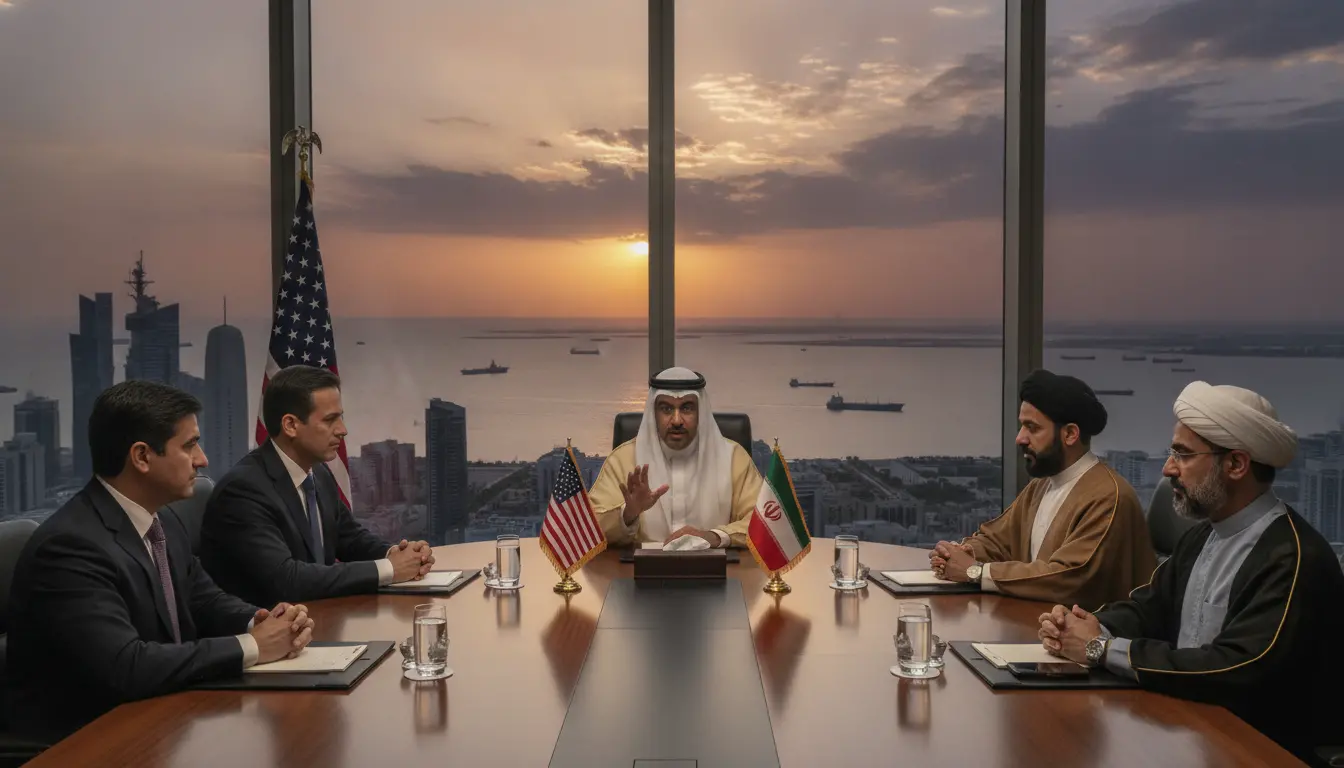
US and Iran Embark on Critical De-escalation Talks in Doha Amidst Heightened Hormuz Tensions
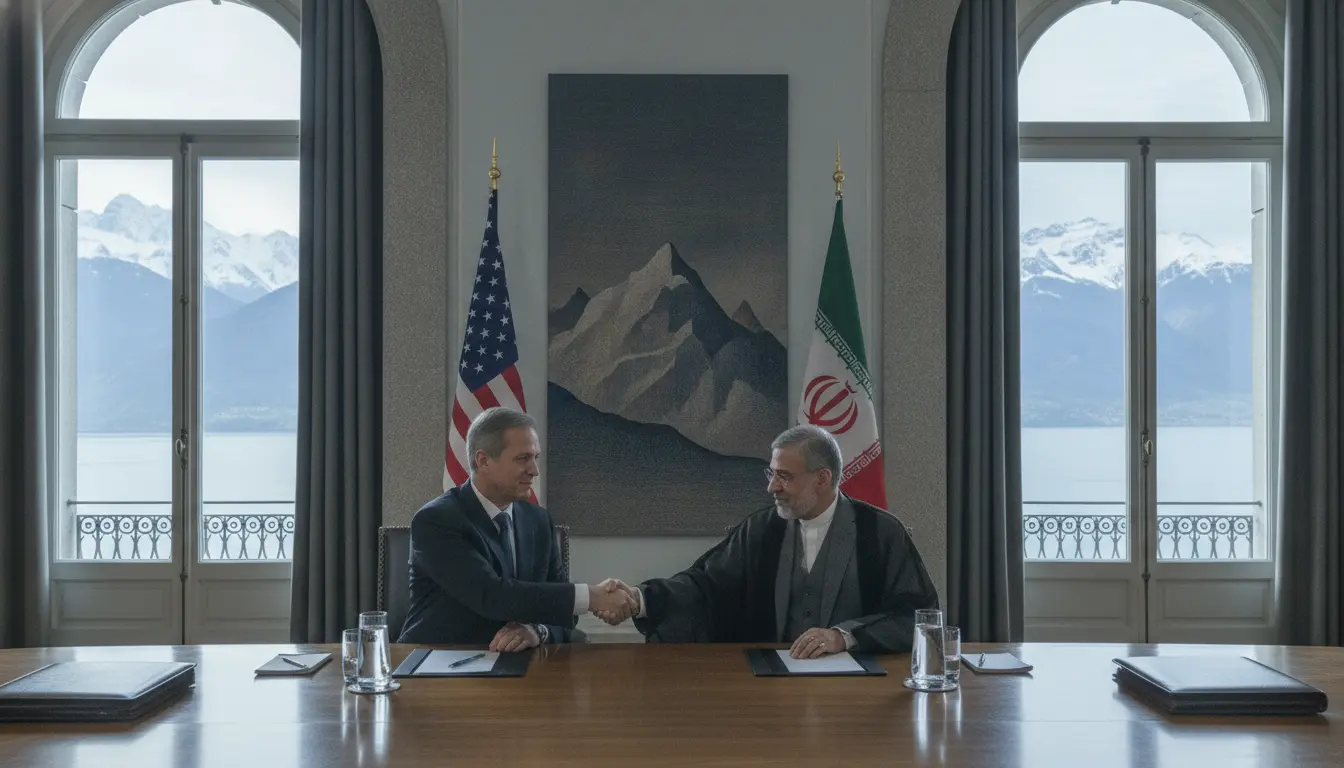
US and Iran Envoys Convene in Switzerland for Crucial Diplomatic Talks
Potential US Vice President JD Vance Engagement Signals Shifting Dynamics in Iran Nuclear Talks
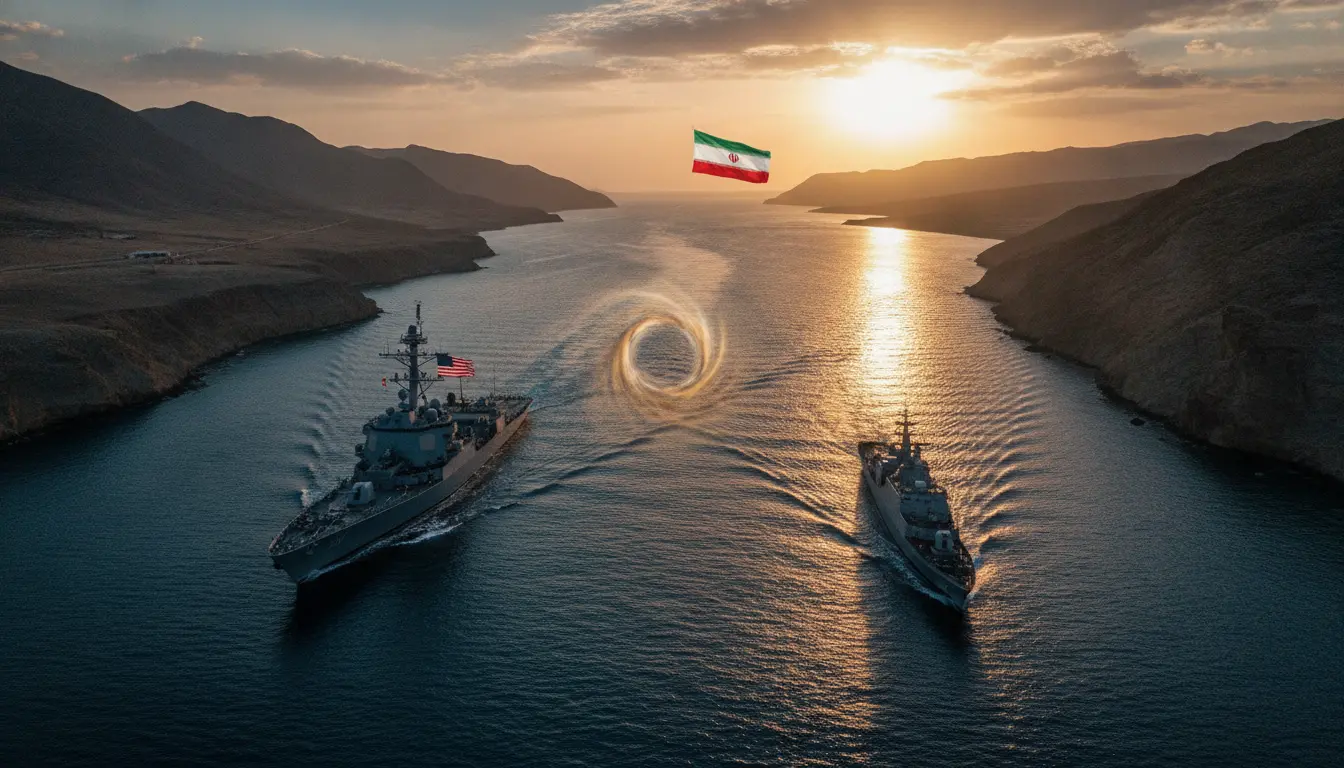
US and Iran Face High-Stakes Negotiations Amidst Pressures to Secure Strait of Hormuz

US and Iran Set for High-Stakes Doha Talks on Ceasefire and Strait of Hormuz Disputes

Sunday shows preview: Iran’s Strait of Hormuz closure threatens Trump MOU ahead of planned Switzerland peace talks

Tentative 14-Point US-Iran Memorandum on De-escalation and Sanctions Relief Reportedly Under Discussion