

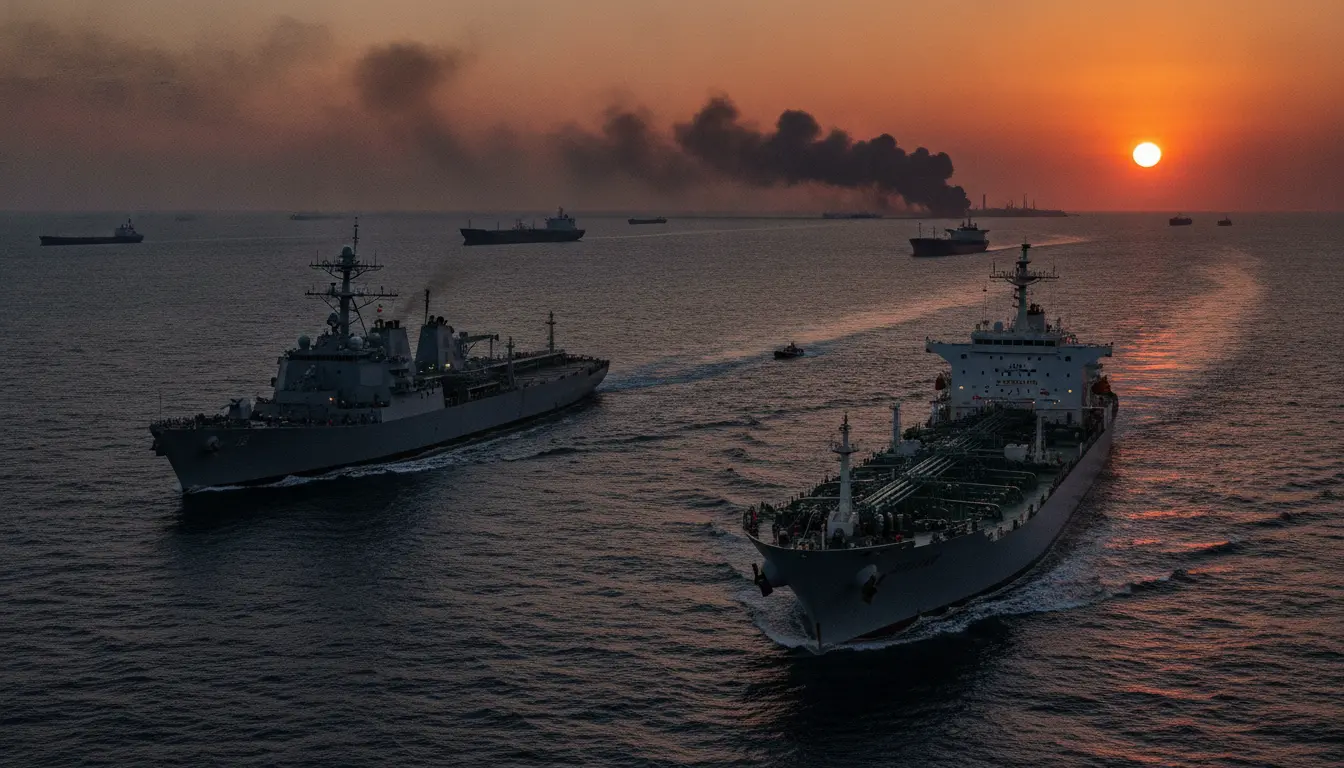
Escalating US-Iran Tensions Threaten Global Oil Supply, Pushing Crude Prices Higher
Global oil markets are bracing for a period of heightened volatility as escalating tensions between the United States and Iran raise significant concerns over the security of vital shipping lanes in the Middle East. The intensified geopolitical friction, particularly regarding the strategic Strait of Hormuz, has fueled a substantial surge in crude oil prices, with analysts closely monitoring benchmarks like NYMEX WTI Crude for further upward movement. The prospect of any disruption to the flow of oil through this critical chokepoint is injecting a substantial risk premium into an already sensitive global energy landscape, prompting unease among consumers and industries worldwide.
At the heart of the current crisis lies the Strait of Hormuz, a narrow waterway connecting the Persian Gulf to the open ocean. It is arguably the world's most critical oil transit chokepoint, through which roughly one-fifth of global oil consumption — approximately 21 million barrels per day — passes. This includes nearly all of the crude exports from Saudi Arabia, Iran, Iraq, Kuwait, Qatar, and the UAE. The historical backdrop of US-Iran relations is fraught with periods of confrontation and heightened rhetoric, with the Strait frequently emerging as a flashpoint. Iranian officials have, on numerous occasions, threatened to impede or close the Strait in response to perceived aggressions, particularly concerning economic sanctions aimed at curbing its oil exports, while the U.S. Fifth Fleet maintains a significant presence in the region to ensure freedom of navigation.
The latest round of escalation follows renewed declarations from the U.S. regarding its commitment to enforcing sanctions and ensuring maritime security in the region, which Tehran views as provocative. While the U.S. has not declared a full-scale commercial blockade, its assertive posture and increased naval activities are interpreted by some as a de facto tightening of pressure, potentially aimed at further restricting Iran's access to international markets. These actions have drawn sharp condemnations from Iranian leadership, who reiterate their sovereign right to respond to what they perceive as economic warfare. The rhetoric often includes veiled warnings about the consequences of any attempts to hinder Iranian shipping or impose more stringent controls on the Strait.
The immediate impact on oil markets has been a pronounced upward trend in prices. WTI Crude futures, a key indicator for North American and global oil prices, have seen substantial gains as traders factor in the heightened geopolitical risk. The fear is not just of an actual physical blockade, but of any incident — a skirmish, a naval confrontation, or even a perceived threat — that could disrupt tanker traffic or increase insurance costs for shippers. Such scenarios invariably lead to supply uncertainty, prompting a scramble for alternative sources and pushing spot and futures prices higher. Global oil inventories and the spare capacity of OPEC+ nations are also under scrutiny, as their ability to cushion any supply shocks stemming from the Middle East remains a critical determinant of market stability.
Beyond the immediate price movements, the broader economic ramifications of sustained high oil prices are considerable. Businesses face rising input costs, particularly in energy-intensive sectors like manufacturing and transportation. Consumers could see higher prices at the pump, impacting discretionary spending and potentially contributing to inflationary pressures in major economies. For net oil-importing nations, a prolonged surge in crude prices can strain national budgets and exacerbate trade imbalances, posing a significant challenge to economic growth projections. Conversely, oil-exporting nations may experience a temporary boost, but the overarching instability threatens global demand.
As the situation remains fluid, international diplomatic efforts are crucial to de-escalate tensions and avert a full-blown crisis. The potential for miscalculation on either side looms large, threatening to ignite a broader regional conflict with devastating consequences for global energy security and economic stability. Observers are closely watching for any signs of direct engagement, further sanctions, or military posturing that could either ease or exacerbate the current environment of uncertainty. The world economy's reliance on the free flow of oil through the Strait of Hormuz ensures that developments in the Persian Gulf will continue to command urgent attention from policymakers and markets alike, particularly as long-term supply outlooks remain shadowed by geopolitical risk. The immediate focus is on managing the current surge and preparing for potential further volatility in the months ahead.
Stay Informed. Act Smarter.
Get weekly highlights, major headlines, and expert insights — then put your knowledge to work in our live prediction markets.
Related News

US-Iran Tensions Escalate, Jeopardizing Global Shipping Through Strait of Hormuz

Strait of Hormuz Becomes Flashpoint as US and Iran Escalate Military Posturing in Persian Gulf
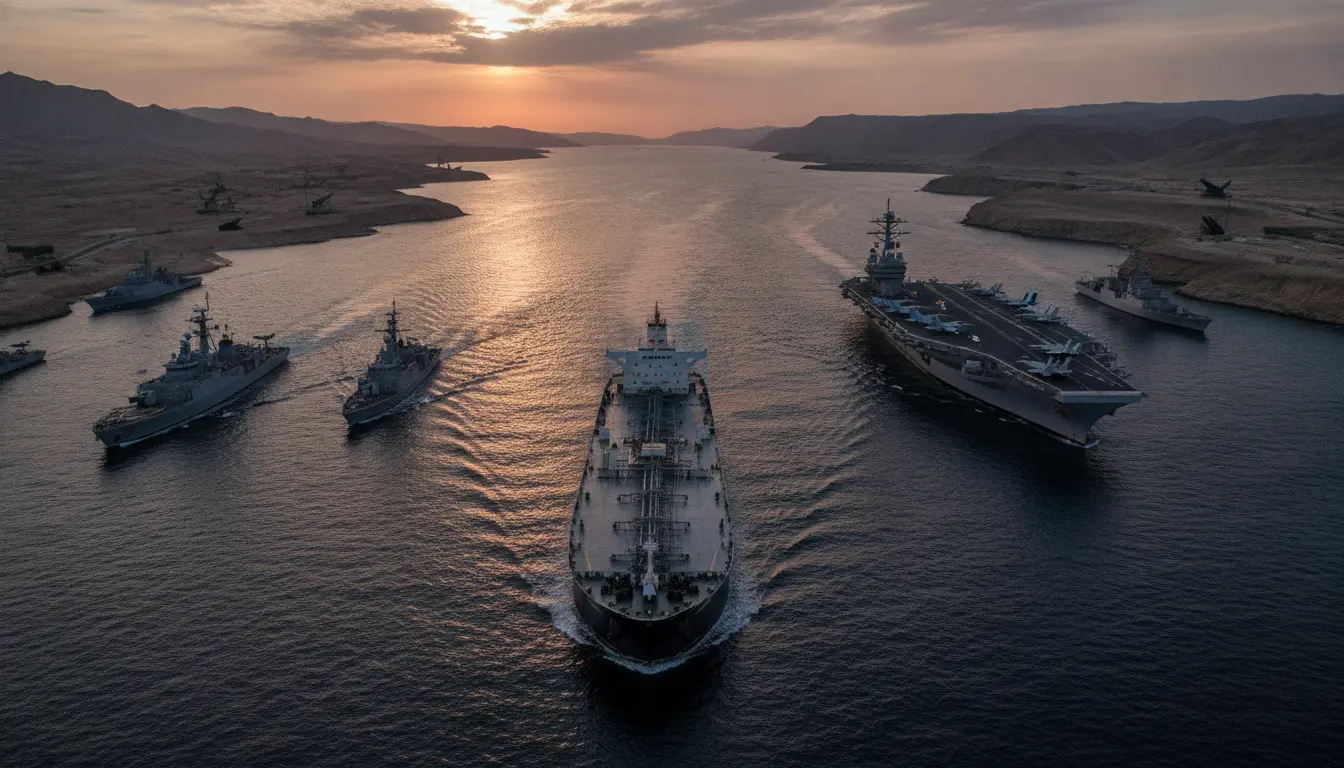
Geopolitical Alarm Rings as US-Iran Standoff Threatens Strait of Hormuz Shipping

Global Shipping on High Alert as Military Tensions Simmer in Strait of Hormuz
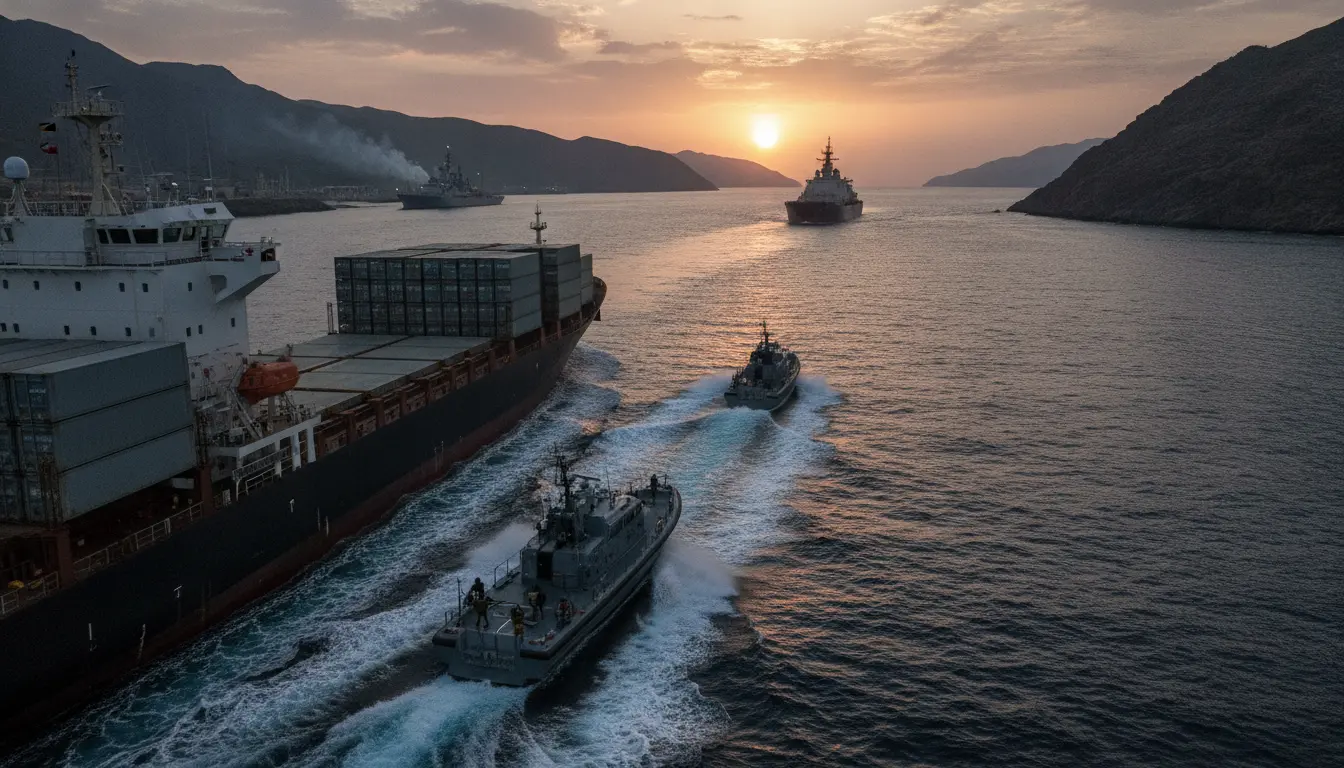
Mounting Tensions in Strait of Hormuz Threaten Global Shipping Amid Iranian Actions

Escalating Middle East Tensions Point to Sustained Upward Pressure on Brent Crude Prices
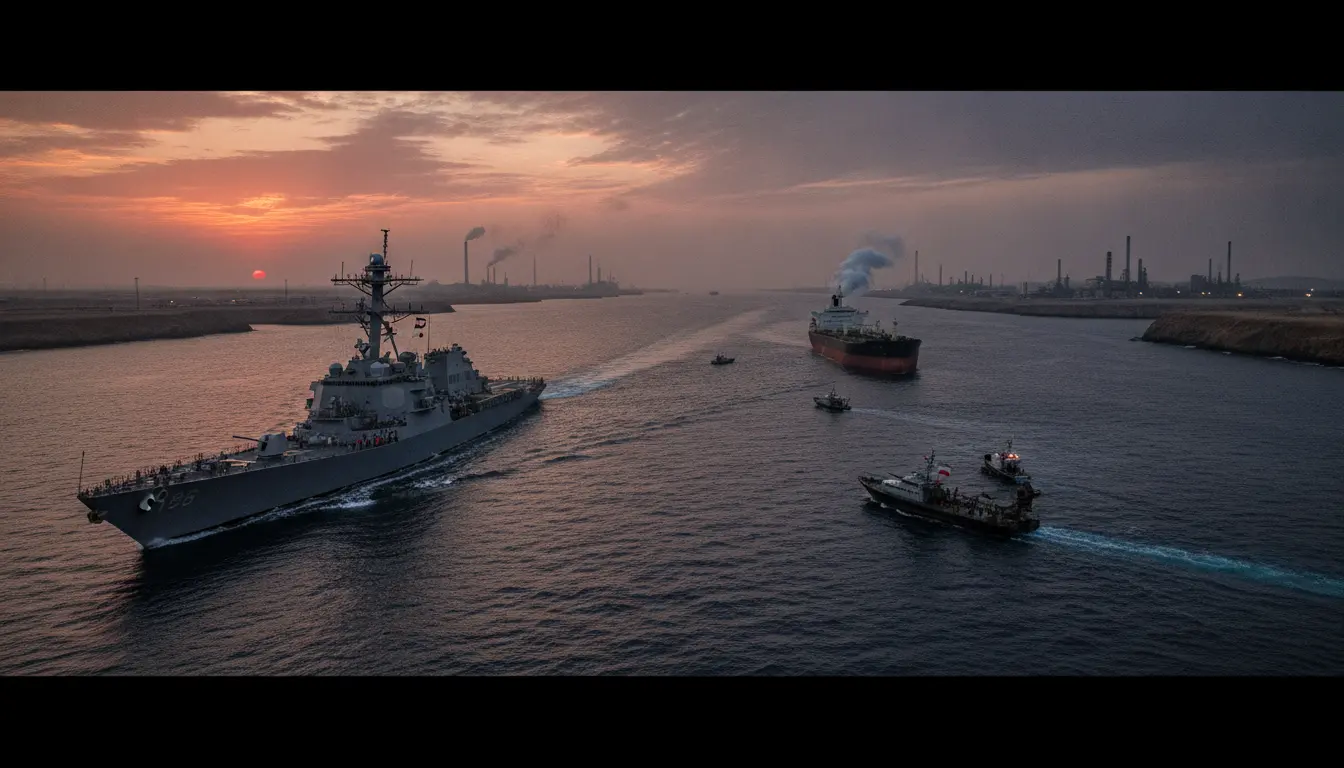
Heightened US-Iran Tensions Fuel Fears of Direct Confrontation in Strategic Strait of Hormuz
US Issues Ultimatum to Iran on Strait of Hormuz Shipping Amid Renewed Hostilities

US-Iran Tensions Soar Amid Escalating Strikes and Maritime Incidents in Gulf
Iran's Strait of Hormuz Claims Spark Global Energy Concerns, U.S. Rejects Closure Reports