

- News
- Politics
- Washington Considers Full Reinstatement of Iran Oil Sanctions Amid Deepening Regional Tensions
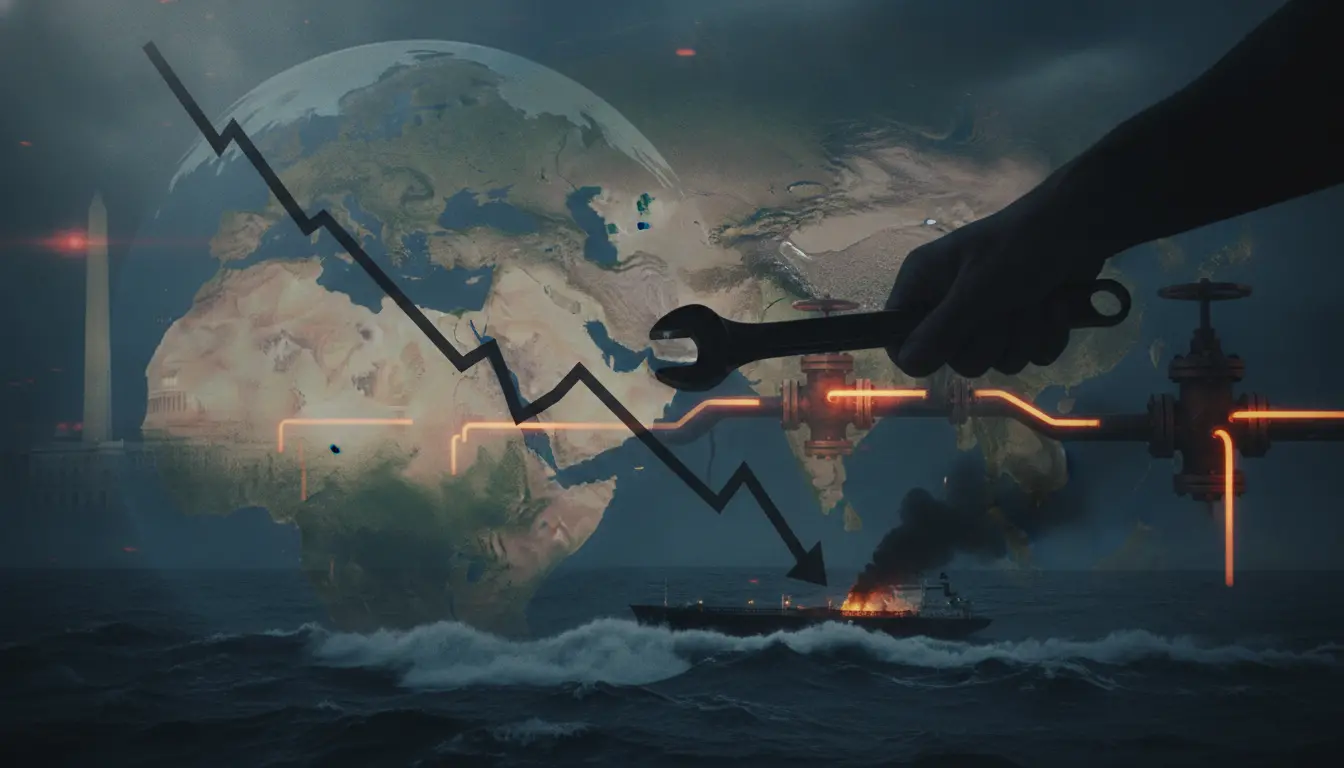
Washington Considers Full Reinstatement of Iran Oil Sanctions Amid Deepening Regional Tensions
The United States is weighing the potential full re-imposition of oil sanctions against Iran, a move that could significantly alter global energy markets and reshape the geopolitical landscape of the Middle East. This strategic consideration comes as diplomatic efforts surrounding the 2015 Joint Comprehensive Plan of Action (JCPOA), commonly known as the Iran nuclear deal, remain stalled and regional tensions continue to escalate. The implications of such a decision would be far-reaching, impacting Iran's economy, international relations, and the delicate balance of power in a volatile region.
At the heart of the current discussions lies the legacy of the JCPOA, an agreement designed to curb Iran's nuclear program in exchange for sanctions relief. Under the deal, the P5+1 nations (China, France, Germany, Russia, the United Kingdom, and the United States) secured limits on Iran's uranium enrichment and nuclear facilities. In return, a significant portion of international sanctions, particularly those impacting Iran's crucial oil sector, were lifted. However, the agreement's stability was severely undermined in 2018 when the US unilaterally withdrew and initiated a "maximum pressure" campaign, reinstating and imposing new sanctions, which crippled Iran's economy despite the efforts of other signatories to preserve the deal.
Recent developments have brought the prospect of further US sanctions firmly back into focus. Reports indicate that Iran's economy is indeed under considerable strain, with some internal admissions referencing the impact of maritime interdictions and financial restrictions. This pressure point has given Washington leverage, as it seeks to address a range of concerns, including Iran's continued advancements in its nuclear program, its development of ballistic missiles, and its extensive network of proxy forces across the Middle East. The ongoing conflicts in the region, particularly the ripple effects of the Gaza conflict and attacks on Red Sea shipping, have further complicated diplomatic pathways and intensified calls for a tougher stance against Tehran.
The United States' motivations for considering a full return to pre-JCPOA oil sanctions are multifaceted. Policymakers aim to compel Iran to de-escalate its nuclear activities, cease destabilizing regional actions, and potentially return to negotiations for a new, broader agreement that addresses a wider array of grievances. The move would also signal resolve to regional allies, particularly Saudi Arabia and Israel, who have consistently advocated for stronger measures against Iran. However, such a decision carries significant risks, potentially pushing Iran further away from any future diplomatic engagement and exacerbating the humanitarian situation within the country, while also provoking retaliatory actions that could destabilize the region further.
For Iran, the full re-imposition of oil sanctions would represent a severe blow to an economy already struggling with high inflation, unemployment, and the effects of existing restrictions. Oil exports are the lifeblood of the Iranian state, financing public services, infrastructure, and its regional activities. Tehran has consistently denounced US sanctions as economic warfare and has shown a willingness to resist external pressure, often by ramping up its nuclear program or increasing support for its regional proxies. The re-imposition could thus ignite a cycle of escalation, leading to unpredictable outcomes on both the economic and security fronts.
The international community remains divided on the optimal approach. European signatories to the JCPOA have largely favored a diplomatic path, emphasizing de-escalation and the potential for the deal's revival, albeit with deep skepticism given Iran's recent nuclear advancements. China and Russia, key trading partners for Iran, have historically opposed US sanctions, often providing an alternative market for Iranian oil, thereby diluting the impact of Western restrictions. The prospect of Washington fully reinstating oil sanctions, therefore, places significant strain on these international relationships and underscores the profound challenges in forging a unified strategy to manage Iran's evolving role on the global stage. The coming period will be critical in determining whether renewed pressure or diplomatic overtures will ultimately shape the trajectory of US-Iran relations and regional stability.
Stay Informed. Act Smarter.
Get weekly highlights, major headlines, and expert insights — then put your knowledge to work in our live prediction markets.
Related News
US Weighs Sanctions Relief on Iranian Oil Amid Ongoing Diplomatic Initiatives
President Trump Poised to Announce New Iran Sanctions Amid Escalating Regional Tensions
Washington Faces Renewed Calls to Toughen Sanctions on Iran's Nuclear Program

Heightened Geopolitical Tensions Spark Concerns Over Potential US-Iran Conflict
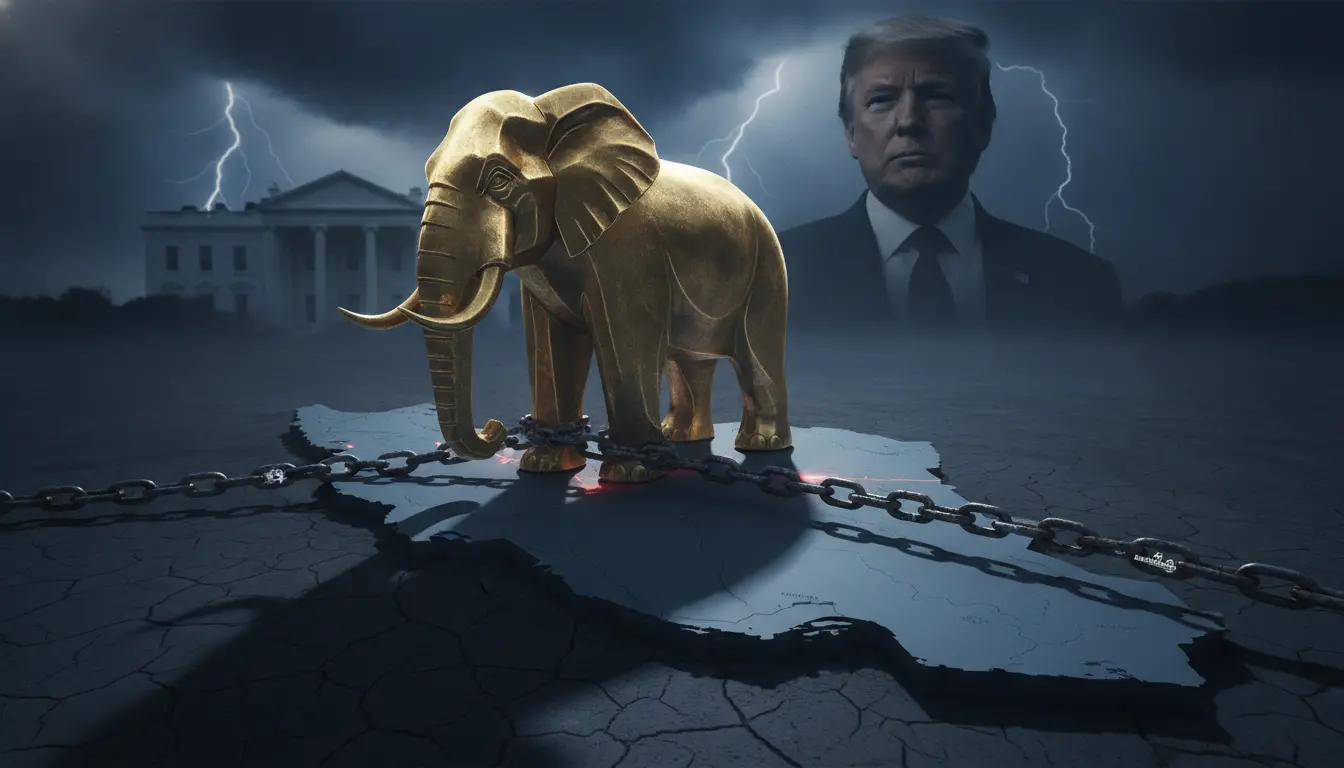
Potential Trump Administration Eyes Significant Economic Sanctions Escalation Against Iran
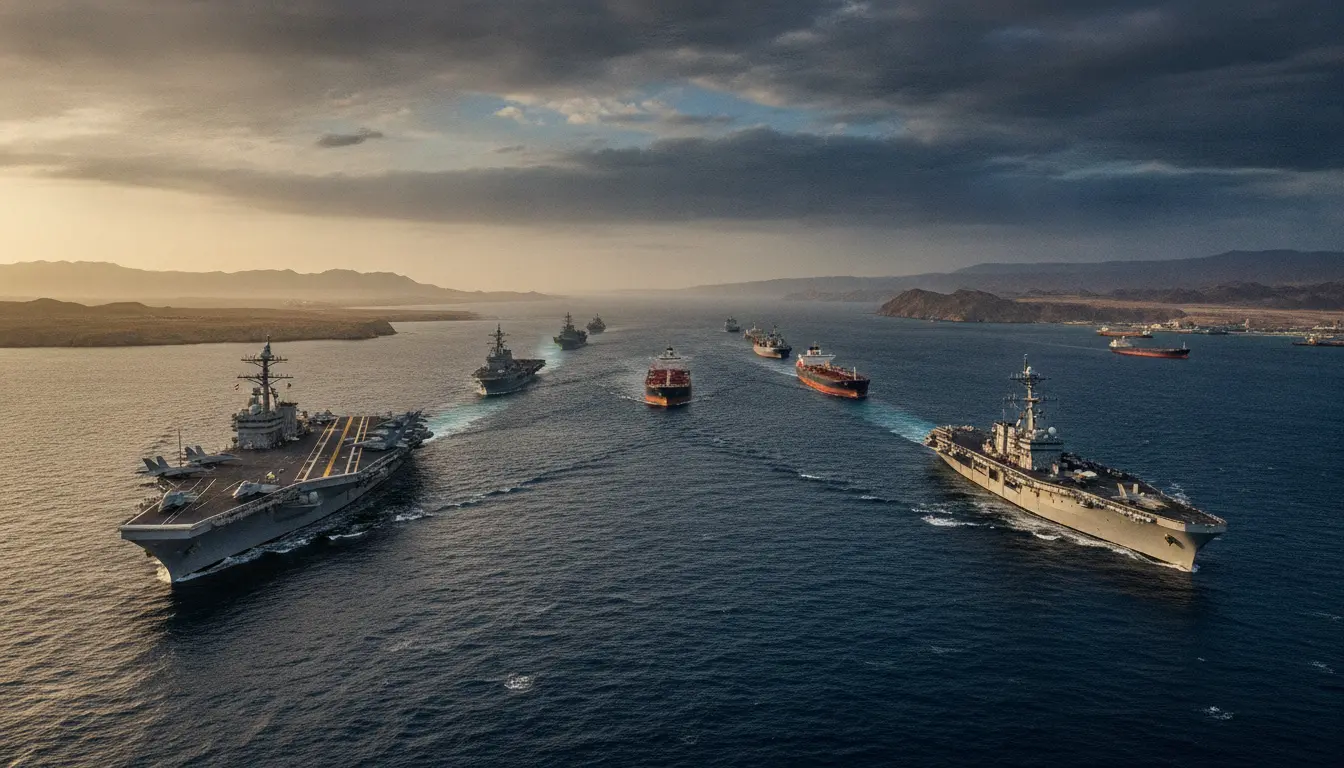
U.S. Considers Naval Blockade in Strait of Hormuz Amid Escalating Tensions with Iran
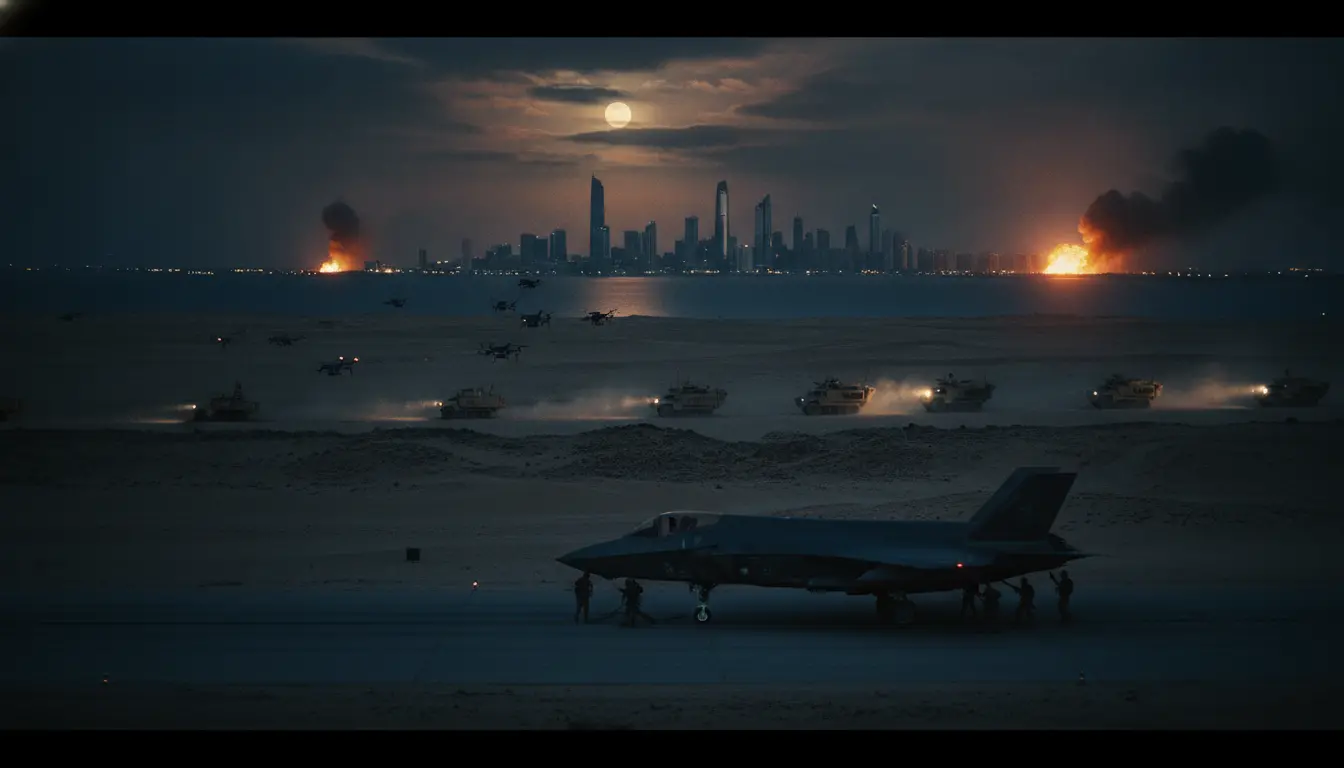
United States Considers Direct Offensive Strikes Against Iranian Mainland Amid Heightened Regional Tensions
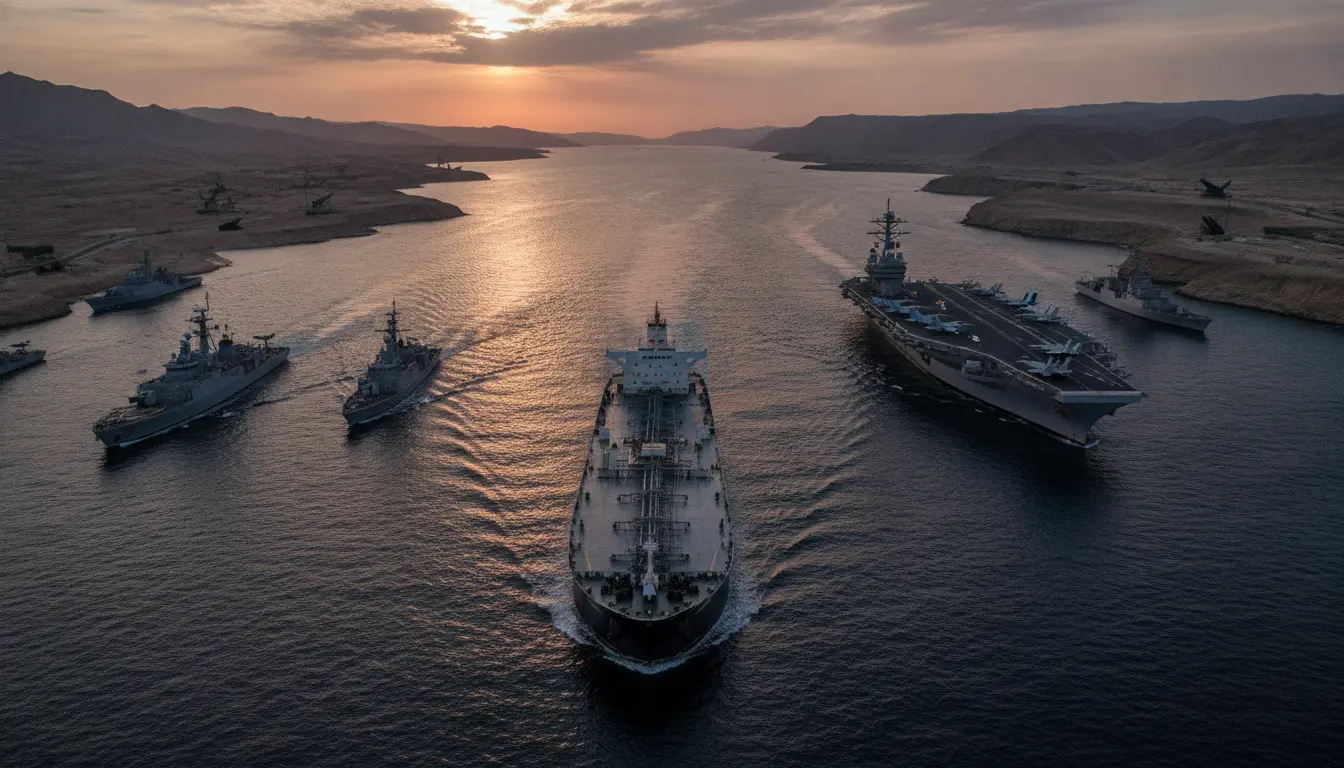
Geopolitical Alarm Rings as US-Iran Standoff Threatens Strait of Hormuz Shipping

Prospects for Significant U.S. Sanctions Relief on Iran Under Scrutiny

Escalating US-Iran Tensions Stoke Fears of Formal Conflict Declaration