

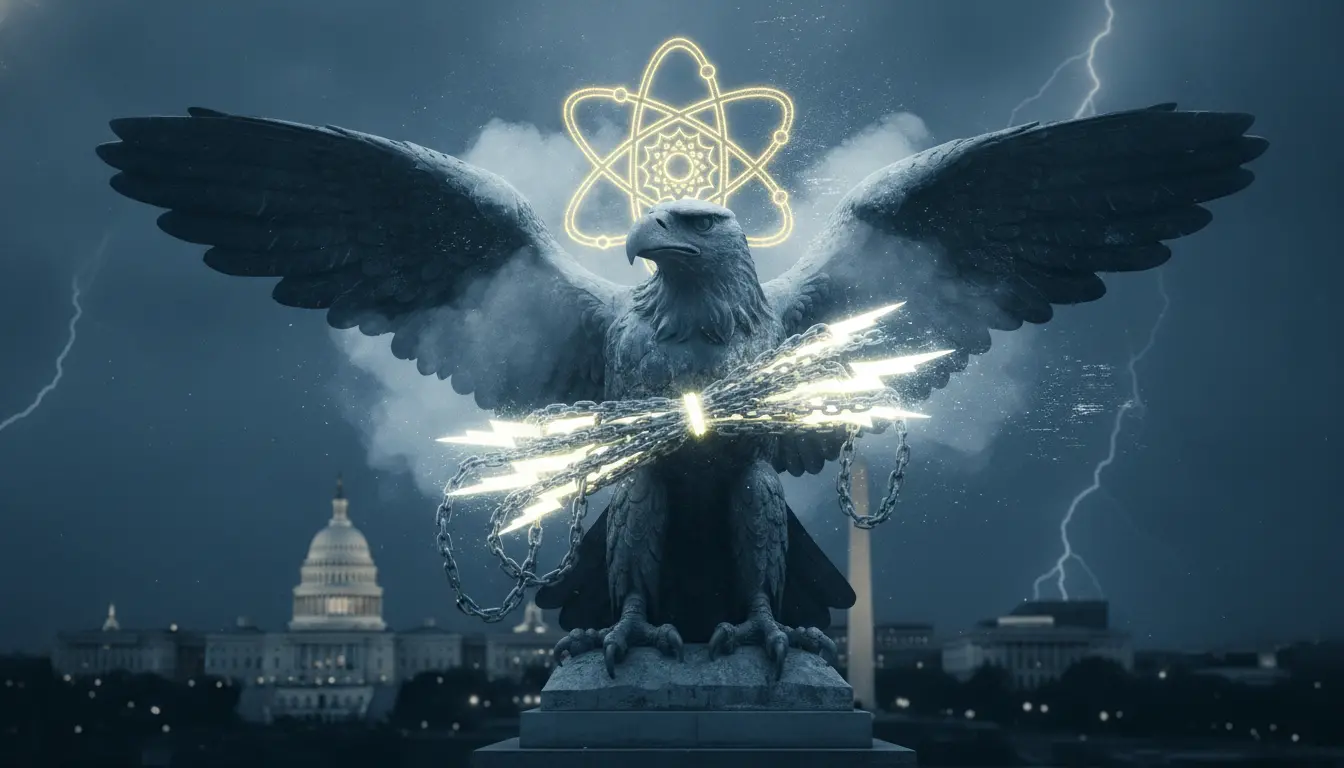
Washington Faces Renewed Calls to Toughen Sanctions on Iran's Nuclear Program
Washington is once again at a critical juncture in its long-standing standoff with Tehran, with a growing chorus of voices advocating for a more stringent approach to Iran's rapidly advancing nuclear capabilities. The debate centers on the potential re-imposition of comprehensive economic sanctions, a policy lever that has historically been central to U.S. strategy but also fraught with geopolitical risks. As Iran continues to expand its uranium enrichment and restrict international oversight, policymakers are grappling with whether a renewed "maximum pressure" campaign is the most effective path to curb its nuclear ambitions, or if it risks further isolating Tehran and escalating regional tensions.
This renewed focus on coercive measures comes nearly a decade after the landmark 2015 Joint Comprehensive Plan of Action (JCPOA), an international agreement designed to prevent Iran from developing nuclear weapons in exchange for sanctions relief. The deal, which included the United States, United Kingdom, France, Germany, Russia, and China, saw Iran significantly roll back its nuclear activities under rigorous international inspection. However, the accord's future was irrevocably altered in 2018 when the U.S. unilaterally withdrew and subsequently re-imposed a raft of sanctions, arguing the deal was insufficient to address Iran’s ballistic missile program or its regional malign activities. This move prompted Iran to gradually scale back its own commitments, leading to the current precarious situation.
Today, Iran's nuclear program is arguably more advanced than at any point in its history. The International Atomic Energy Agency (IAEA) has reported that Tehran is enriching uranium to levels as high as 60 percent purity, a technical step away from weapons-grade material, and possesses significant stockpiles of enriched uranium. Furthermore, Iran has installed advanced centrifuges at various facilities and has reduced its cooperation with IAEA inspectors, raising concerns about the transparency of its activities. This accumulation of fissile material and the erosion of verification mechanisms have intensified alarm among Western powers, who fear Iran could be on the verge of developing a nuclear weapon capability within a short timeframe.
The policy landscape in Washington reflects a deep division on how best to address this escalating challenge. Proponents of tougher sanctions argue that economic pressure is the only language Tehran truly understands, believing that crippling the Iranian economy will force its leadership back to the negotiating table on more favorable terms. This perspective often points to past successes in compelling concessions from Iran through financial isolation. Critics, however, warn that an aggressive sanctions regime without a clear diplomatic off-ramp could backfire, potentially leading Iran to further accelerate its nuclear program, withdraw entirely from the Nuclear Non-Proliferation Treaty, or even provoke military confrontation in an already volatile Middle East. They suggest that continued diplomatic engagement, perhaps aiming for a modified or revived JCPOA, offers a more stable path.
Key players in the international community also hold varied stances. While European allies often align with the U.S. in expressing concern over Iran’s nuclear trajectory, they frequently favor a diplomatic solution and have been hesitant to fully endorse the most stringent sanction proposals, mindful of the destabilizing effects such actions could have. Russia and China, both signatories to the original JCPOA, have consistently called for a return to the deal and have been critical of U.S. sanctions, often providing economic lifelines to Tehran that undermine the effectiveness of unilateral pressure campaigns. This fractured international front complicates any unified strategy against Iran's nuclear program.
The stakes of this policy debate are profoundly high. For Iran, re-imposed sanctions would undoubtedly deepen its economic woes, impacting its oil exports, financial system, and access to international markets, further straining its domestic population. For the United States and its allies, the outcome will define the future of nuclear non-proliferation efforts, regional security, and the credibility of international agreements. The decision facing policymakers is not merely about whether to apply more pressure, but how to calibrate that pressure to achieve specific outcomes without inadvertently pushing the region towards a more dangerous precipice. The path chosen in the coming years will have far-reaching geopolitical consequences, shaping the balance of power in the Middle East for decades to come.
Stay Informed. Act Smarter.
Get weekly highlights, major headlines, and expert insights — then put your knowledge to work in our live prediction markets.
Related News
Washington Considers Full Reinstatement of Iran Oil Sanctions Amid Deepening Regional Tensions
Potential Trump Administration Eyes Significant Economic Sanctions Escalation Against Iran

US-Iran Nuclear Diplomacy Hits Snag Amid Heightened Middle East Tensions
Prospects for Significant U.S. Sanctions Relief on Iran Under Scrutiny
US and Iran Intensify Negotiations for Comprehensive Nuclear Deal Amid Regional Tensions

US and Iran Explore Diplomatic Pathways Amid Persistent Nuclear and Sanctions Standoff

US-Iran Nuclear Diplomacy Stalls Amid Envoy Delays and Regional Volatility
US, Iran Remain Divided Over Nuclear Inspection Agreement Amid Escalating Tensions
Heightened Geopolitical Tensions Spark Concerns Over Potential US-Iran Conflict
US Weighs Sanctions Relief on Iranian Oil Amid Ongoing Diplomatic Initiatives