

- News
- Politics
- United States Considers Direct Offensive Strikes Against Iranian Mainland Amid Heightened Regional Tensions
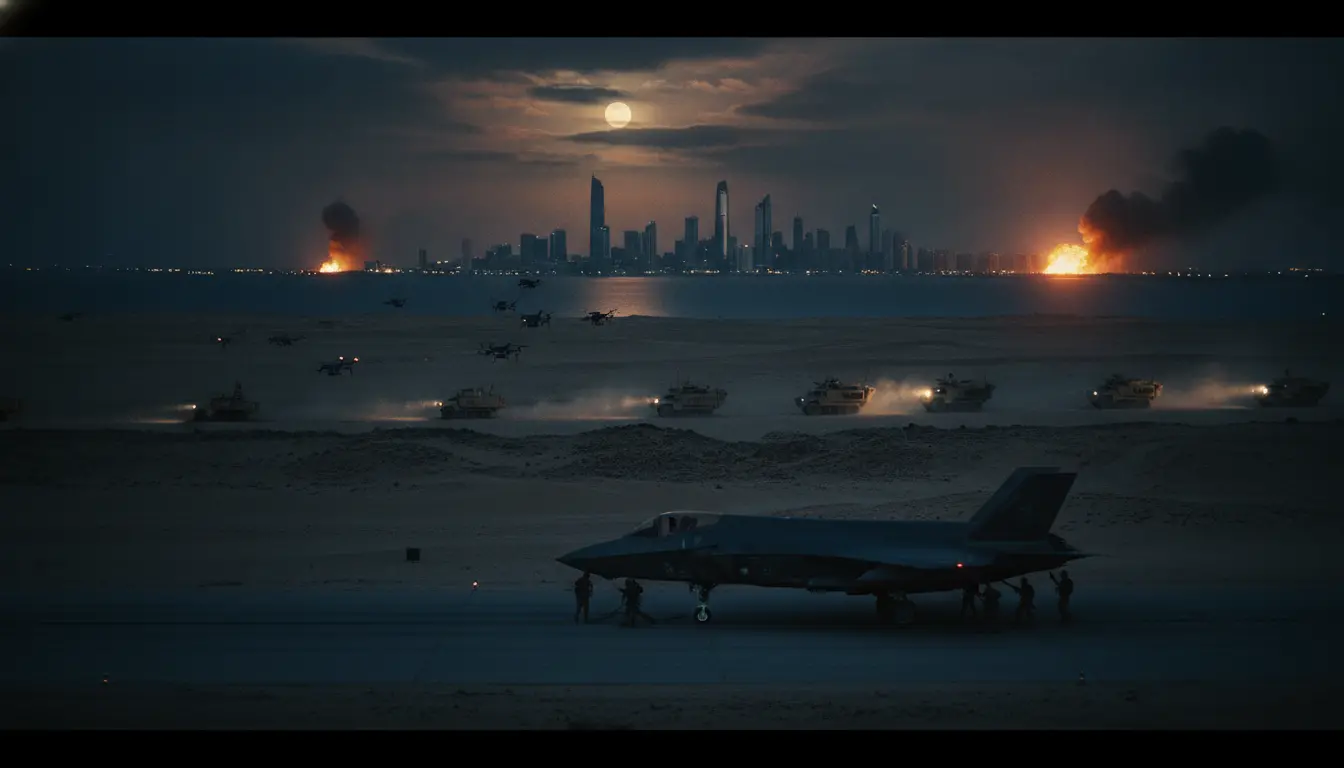
United States Considers Direct Offensive Strikes Against Iranian Mainland Amid Heightened Regional Tensions
The persistent shadow war between the United States and Iran has pushed the Middle East to the precipice of direct military confrontation, with growing speculation about Washington's readiness to launch offensive airstrikes against mainland Iranian territory. This escalating tension is rooted in years of proxy conflicts, naval skirmishes, and targeted attacks, creating a volatile environment where miscalculation could trigger a far wider and more devastating conflict, casting a long shadow over global stability and energy markets.
For decades, US-Iran relations have been characterized by animosity and strategic rivalry. The 1979 Iranian Revolution, the hostage crisis, and subsequent development of Iran's nuclear program laid the groundwork for a deeply antagonistic relationship. More recently, the US withdrawal from the Joint Comprehensive Plan of Action (JCPOA) in 2018, followed by a campaign of "maximum pressure" sanctions, further exacerbated tensions. Iran, in response, has steadily advanced its nuclear capabilities and continued to support a network of regional proxies—including Hezbollah in Lebanon, various militias in Iraq and Syria, and the Houthi movement in Yemen—which Washington views as instruments of destabilization targeting American interests and allies throughout the region.
Recent months have seen a dangerous uptick in hostilities. US forces and facilities in Iraq and Syria have repeatedly come under drone and rocket fire from Iran-backed militias, often in retaliation for US support of Israel or American military actions against these groups. The US has, in turn, conducted numerous retaliatory strikes, primarily targeting militia infrastructure and command centers in Iraq and Syria. These exchanges, while significant, have largely avoided direct attacks on Iranian soil, maintaining a delicate, albeit perilous, equilibrium. However, a pattern of these "tit-for-tat" exchanges gradually narrows the diplomatic space and increases the likelihood of a more significant, potentially direct, US response.
Should the United States opt for direct offensive action against mainland Iran, such a decision would represent a dramatic departure from its current strategy, which has historically focused on containment, deterrence, and operations against proxies outside Iran's borders. Factors that could push Washington toward this unprecedented step include a catastrophic attack by an Iran-backed group causing mass American casualties, a perceived imminent threat to US allies, or a significant breakthrough in Iran's nuclear weapons program that crosses a US-defined red line. Intelligence assessments and strategic imperatives would undoubtedly drive any such considerations, weighing the risks of escalation against the perceived necessity of intervention.
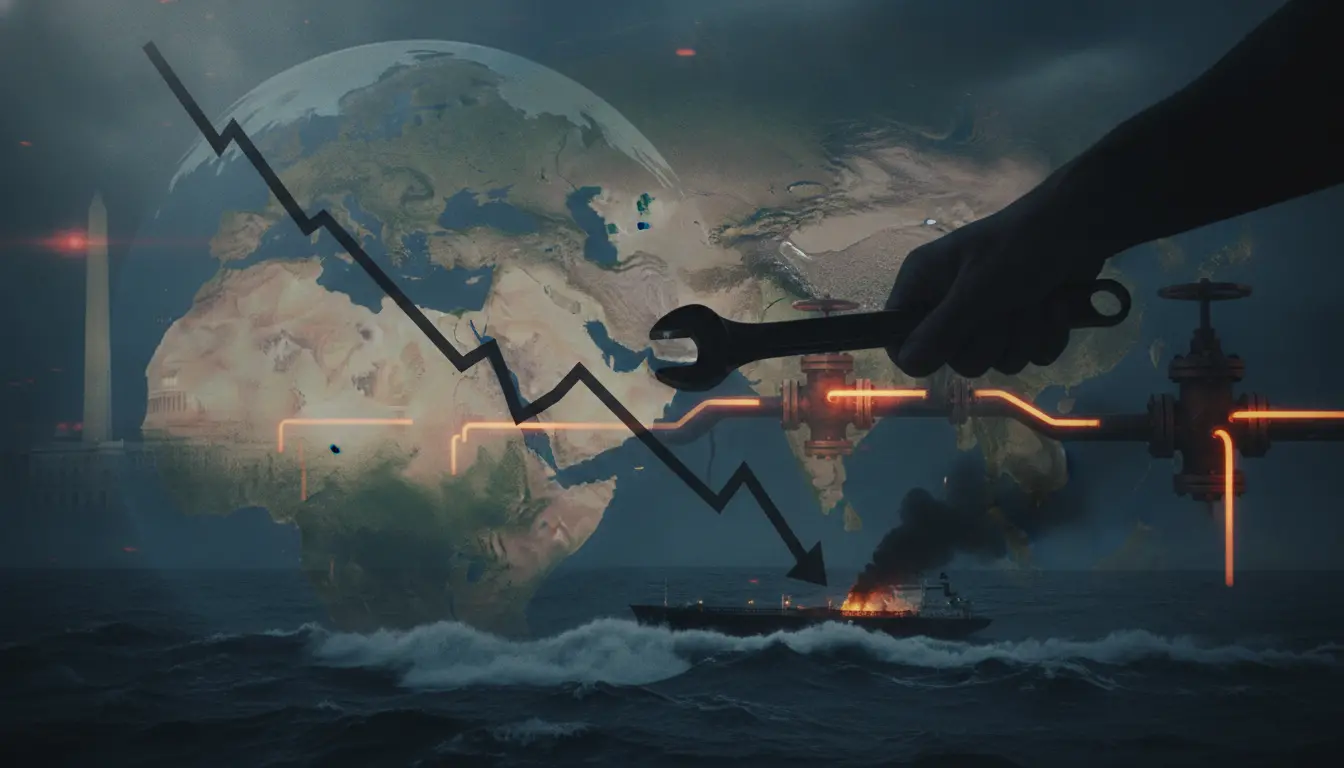
The implications of a direct US military strike on Iran would be profound and far-reaching. It would almost certainly provoke a robust response from Tehran, potentially involving its conventional military, missile capabilities, cyber warfare units, and its extensive network of regional proxies. Such an escalation could draw in other regional actors, destabilize international shipping lanes in the Persian Gulf and Strait of Hormuz, and send shockwaves through global energy markets, given Iran's strategic location and its role as a major oil producer. The humanitarian cost would be immense, and the diplomatic path to de-escalation would become significantly more challenging, demanding extraordinary international efforts to prevent a full-blown regional war.
Against this backdrop, diplomatic avenues, though often fraught, remain critical. However, current US-Iran relations lack formal communication channels, making de-escalation difficult and increasing the potential for miscalculation. The world watches closely as Washington navigates this complex geopolitical landscape, balancing the need to protect its interests and deter aggression with the imperative to avoid an all-out war in an already volatile region. The long-term outlook for stability hinges on the strategic choices made in the coming period, with the specter of direct conflict casting an ever-present shadow.
Ultimately, the strategic calculus for both Washington and Tehran is intensely complex, involving balancing domestic pressures, regional ambitions, and international obligations. The potential for a direct US offensive strike against mainland Iran underscores the extreme fragility of peace in the Middle East and the critical need for a renewed focus on de-escalation and diplomatic engagement to avert a catastrophe that would reverberate globally.
Stay Informed. Act Smarter.
Get weekly highlights, major headlines, and expert insights — then put your knowledge to work in our live prediction markets.
Related News
Heightened Geopolitical Tensions Spark Concerns Over Potential US-Iran Conflict

Escalating US-Iran Tensions Stoke Fears of Formal Conflict Declaration
U.S. and Iran Face Growing Risk of Direct Military Confrontation Beyond Gulf's Strategic Waterways
US-Iran Tensions Simmer Amid Regional Flare-ups, Raising Fears of Direct Conflict
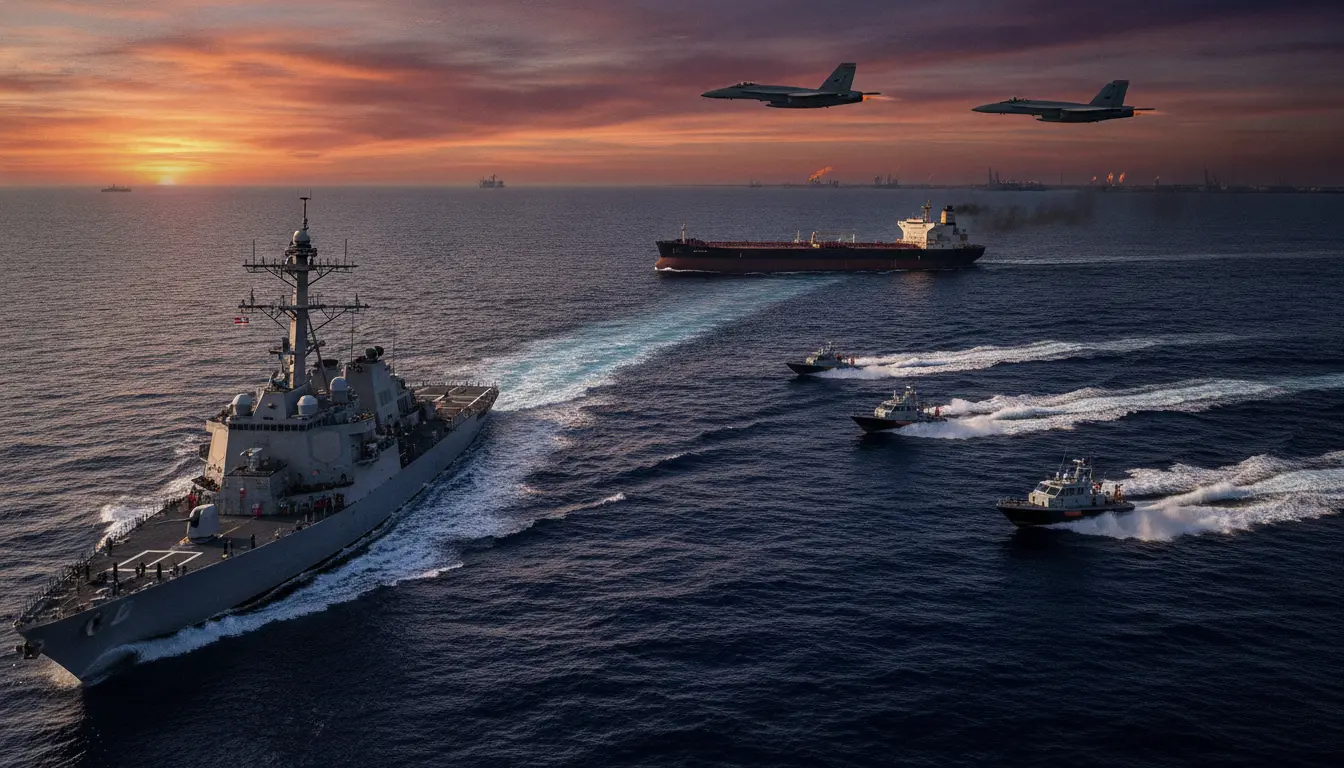
US-Iran Tensions Soar Amid Escalating Strikes and Maritime Incidents in Gulf
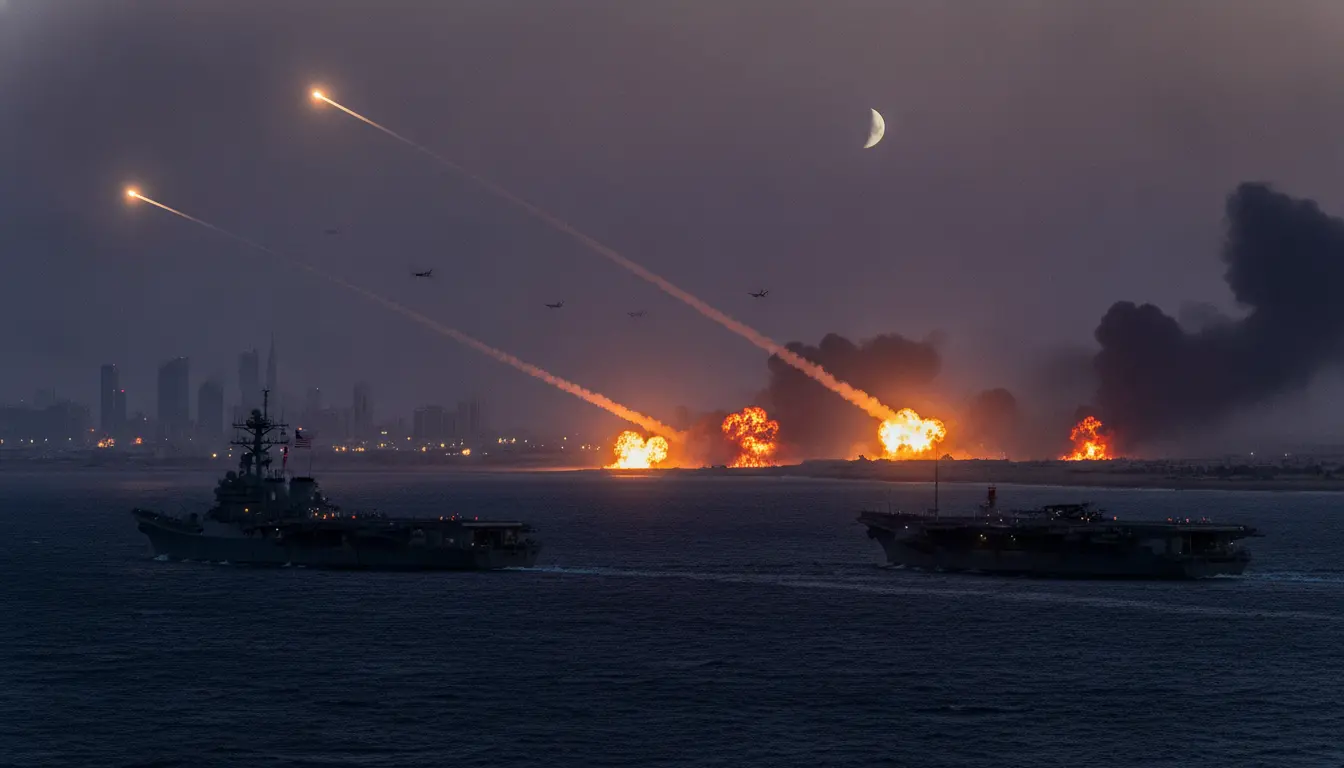
US-Iran Escalation Fears Mount After Retaliatory Strikes Deepen Regional Crisis
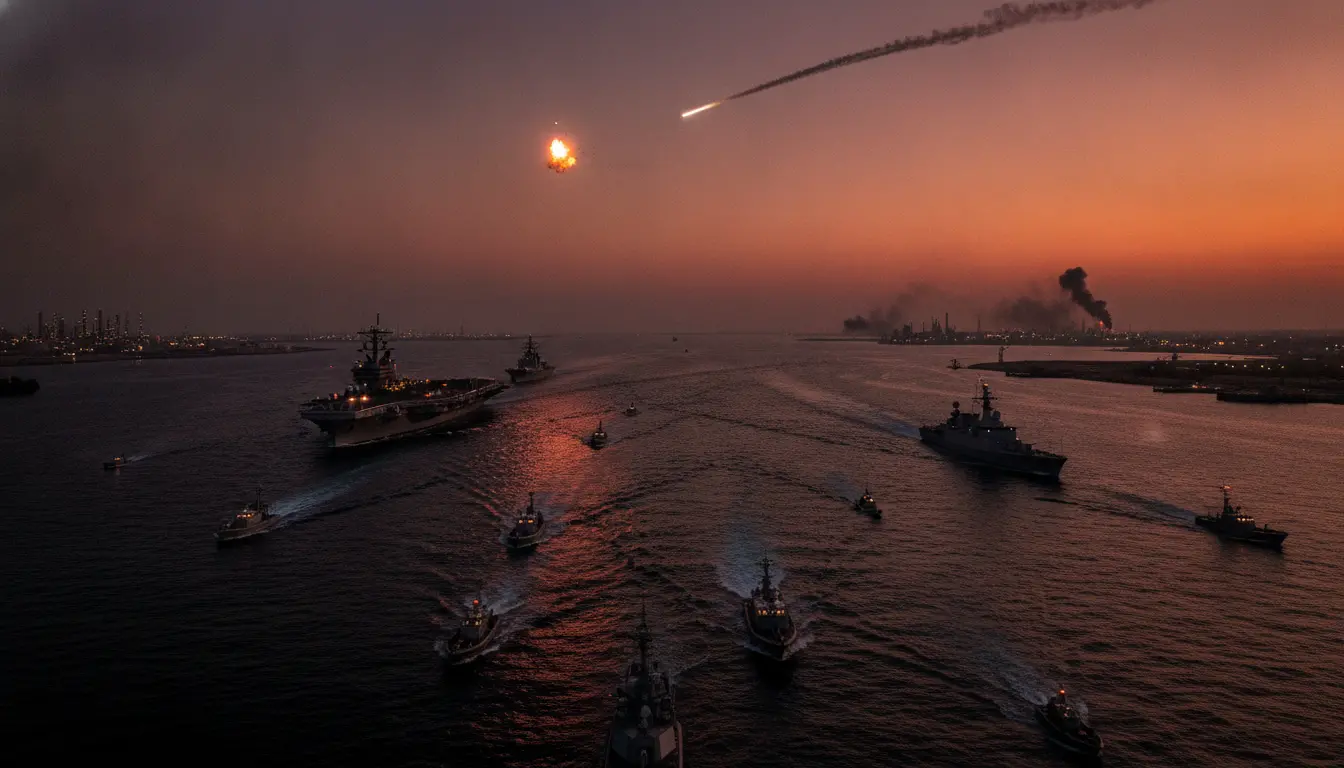
Escalating US-Iran Military Confrontation Spurs Calls for Formal Ceasefire
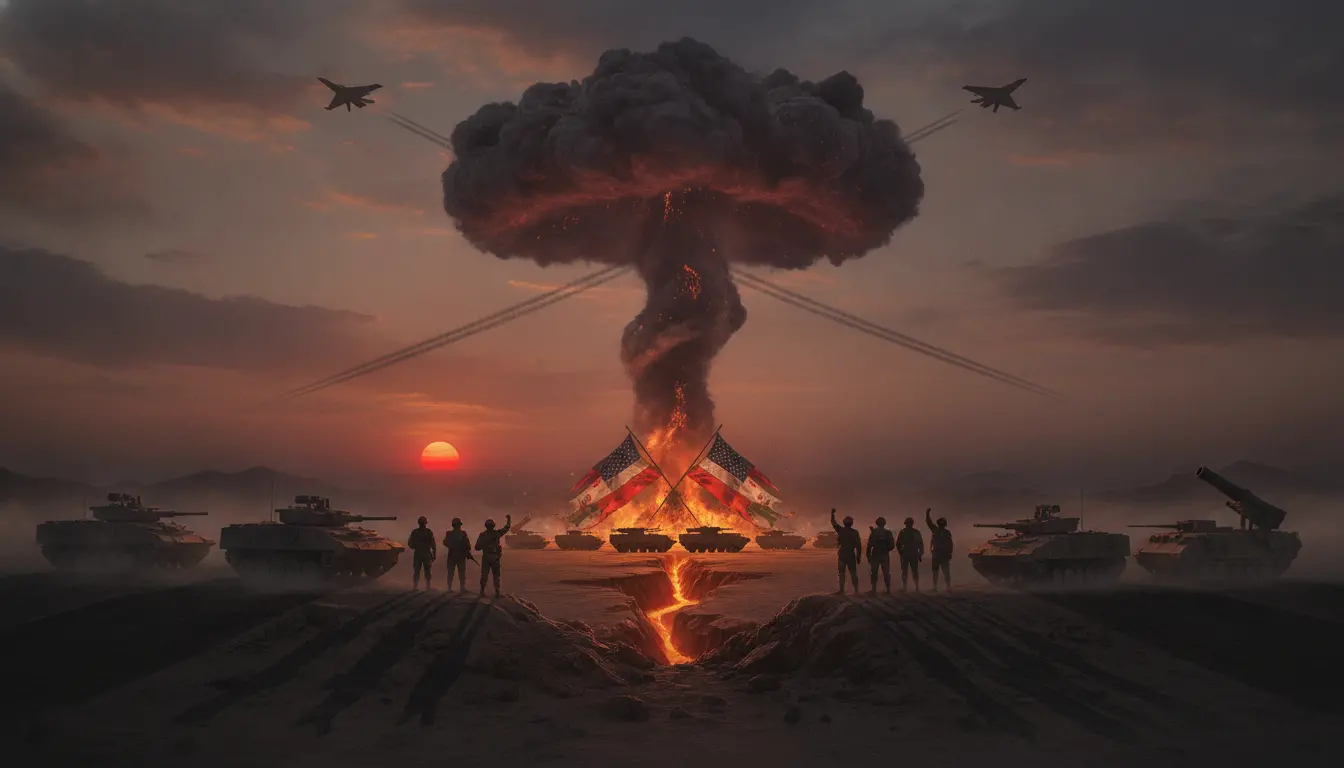
Heightened US-Iran Tensions Fuel Fears of Formal Conflict Declaration

US-Iran Tensions Escalate Amid Renewed Rhetoric, Raising Specter of Direct Confrontation
Washington Considers Full Reinstatement of Iran Oil Sanctions Amid Deepening Regional Tensions