


Prospects for Significant U.S. Sanctions Relief on Iran Under Scrutiny
The potential for a substantial easing of U.S. economic sanctions against Iran has emerged as a central point of discussion among policymakers and international observers, following recent diplomatic engagements and indirect understandings. While no formal comprehensive agreement has been reached to dismantle the extensive sanctions regime, the ongoing dialogues and the strategic calculations of both Washington and Tehran hint at a complex path forward. Any major shift in policy would carry profound implications for Iran's struggling economy, regional stability, and global energy markets, underscoring the high stakes involved in this protracted geopolitical standoff.
For decades, the United States has employed a broad array of sanctions against Iran, intensifying significantly after the 2018 withdrawal from the Joint Comprehensive Plan of Action (JCPOA), commonly known as the Iran nuclear deal. These measures target critical sectors of the Iranian economy, including oil exports, banking, shipping, and various industries, effectively isolating the nation from much of the global financial system. The stated objectives of these sanctions range from compelling Iran to curb its nuclear program and ballistic missile development to ending its support for regional proxy groups and improving its human rights record. Tehran, meanwhile, views the sanctions as an act of economic warfare, crippling its capacity for growth and development while denying its populace access to essential goods and services.
The discussions surrounding potential relief are often tied to Iran's nuclear activities and its compliance with international monitoring. While official channels for a full JCPOA revival have largely stalled, there have been intermittent, often indirect, engagements between U.S. and Iranian officials. These interactions have sometimes led to de-escalatory measures, such as prisoner exchanges or informal understandings regarding regional conduct or oil exports, which have fueled speculation about broader diplomatic breakthroughs. However, any move towards significant economic relief would almost certainly require demonstrable and verifiable steps from Iran to limit its nuclear program and address other security concerns raised by the international community.
Such relief would be multifaceted, potentially involving the unfreezing of billions of dollars in Iranian assets held abroad, the lifting of restrictions on Iran's crucial oil and gas exports, and the restoration of access to international banking networks. For Iran, this would provide a much-needed lifeline, allowing it to stabilize its currency, import critical goods, and potentially reinvest in its infrastructure. For the United States, the strategic calculus involves balancing pressure with incentives, seeking to prevent Iran from developing nuclear weapons while avoiding outright regional conflict. The Biden administration has repeatedly stated its preference for diplomacy but remains firm on the need for Iran to adhere to international norms.
The path to substantial sanctions relief, however, is fraught with formidable challenges. Domestically, both countries face significant political hurdles. In the U.S., any move to ease pressure on Iran could face stiff opposition from a bipartisan coalition in Congress, particularly from those who view Iran as a persistent threat to U.S. interests and regional allies like Israel. Similarly, in Iran, hardline factions are wary of making concessions to the West and advocate for a resilience economy independent of external pressures. The deep mistrust between Washington and Tehran, compounded by regional proxy conflicts and human rights concerns, further complicates diplomatic overtures.
International dynamics also play a crucial role. Saudi Arabia and other Gulf states, along with Israel, closely monitor U.S. policy toward Iran, often expressing concerns that sanctions relief could empower Tehran and destabilize the region further. Global energy markets, always sensitive to Middle East developments, would also react significantly to any changes in Iran's oil export capabilities. The prospects for enduring relief hinge not only on U.S.-Iran negotiations but also on achieving broader regional consensus and international support for a revised framework that addresses the multifaceted security challenges emanating from the region.
Given the complexity of the issues, the entrenched positions, and the domestic political landscapes in both the U.S. and Iran, the implementation of major economic sanctions relief remains a long-term diplomatic endeavor. It is a process that could span years, potentially transcending administrations and requiring sustained, high-level engagement to navigate the myriad obstacles. The ongoing discussions serve as a barometer for the delicate balance between coercive diplomacy and the pursuit of de-escalation in one of the world's most volatile regions.
Stay Informed. Act Smarter.
Get weekly highlights, major headlines, and expert insights — then put your knowledge to work in our live prediction markets.
Related News
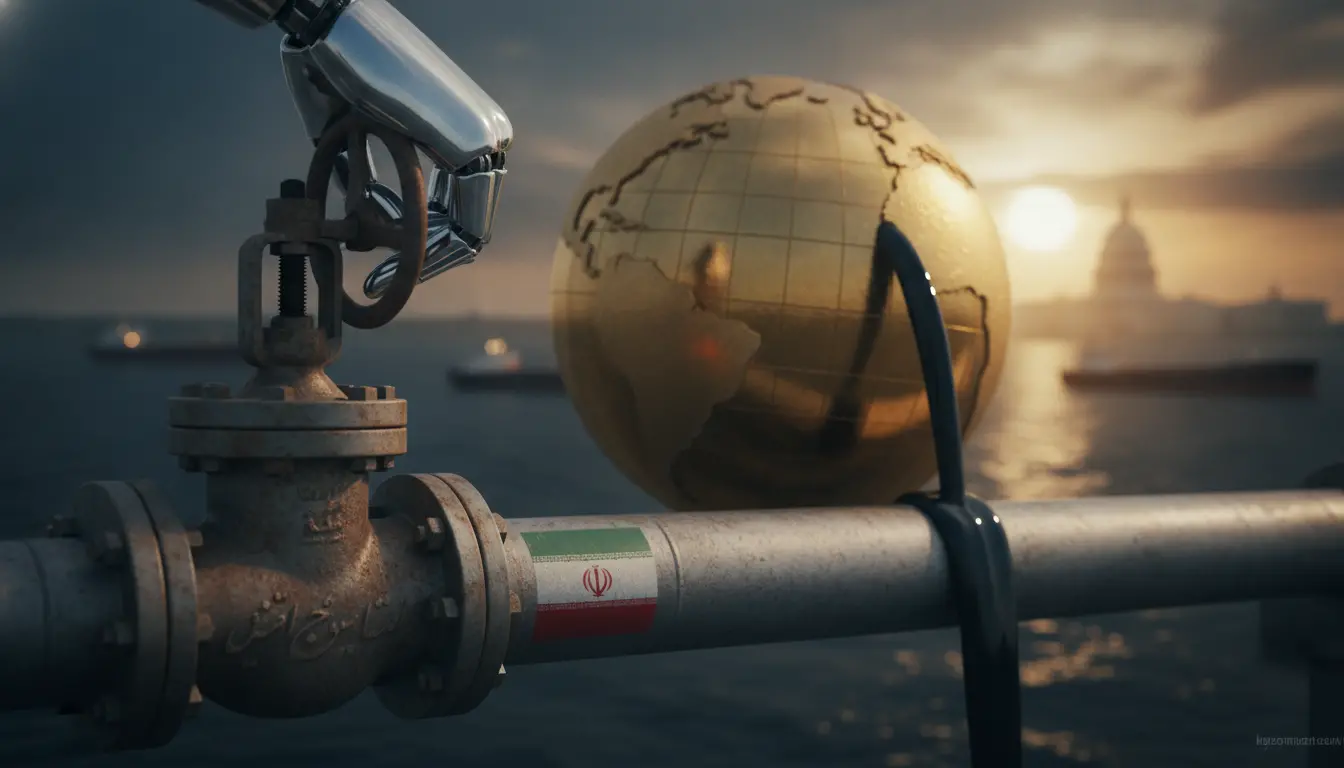
US Weighs Sanctions Relief on Iranian Oil Amid Ongoing Diplomatic Initiatives

Prospects for a Permanent US-Iran Peace Deal by 2026 Face Formidable Diplomatic Hurdles

US and Iran Explore Diplomatic Pathways Amid Persistent Nuclear and Sanctions Standoff

Reports Indicate Potential Full Lifting of US Oil Sanctions on Iran by Late 2026

Future of US-Iran Diplomacy Under Scrutiny Amid Reports of Potential High-Level Talks
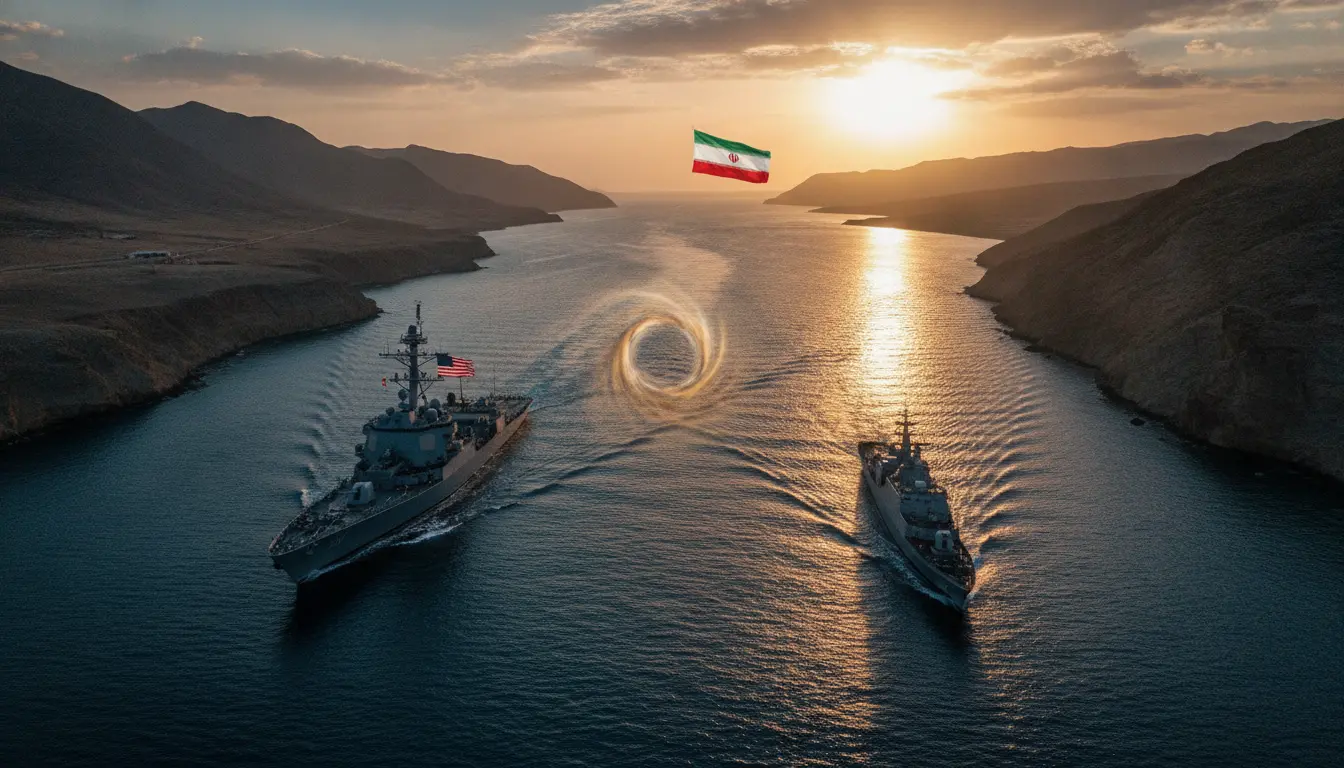
US and Iran Face High-Stakes Negotiations Amidst Pressures to Secure Strait of Hormuz

Washington Considers Full Reinstatement of Iran Oil Sanctions Amid Deepening Regional Tensions
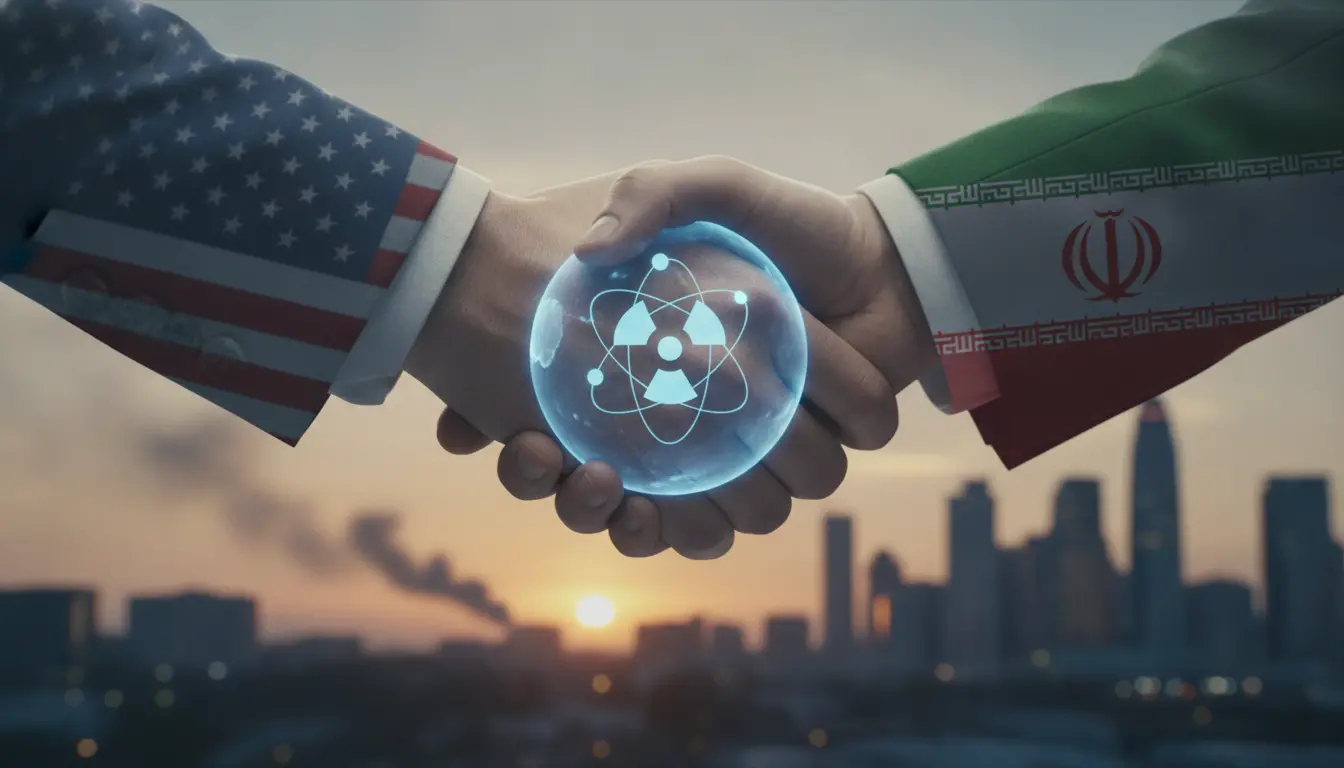
US and Iran Intensify Negotiations for Comprehensive Nuclear Deal Amid Regional Tensions

US-Iran Nuclear Diplomacy Stalls Amid Envoy Delays and Regional Volatility

US-Iran Nuclear Diplomacy Hits Snag Amid Heightened Middle East Tensions