

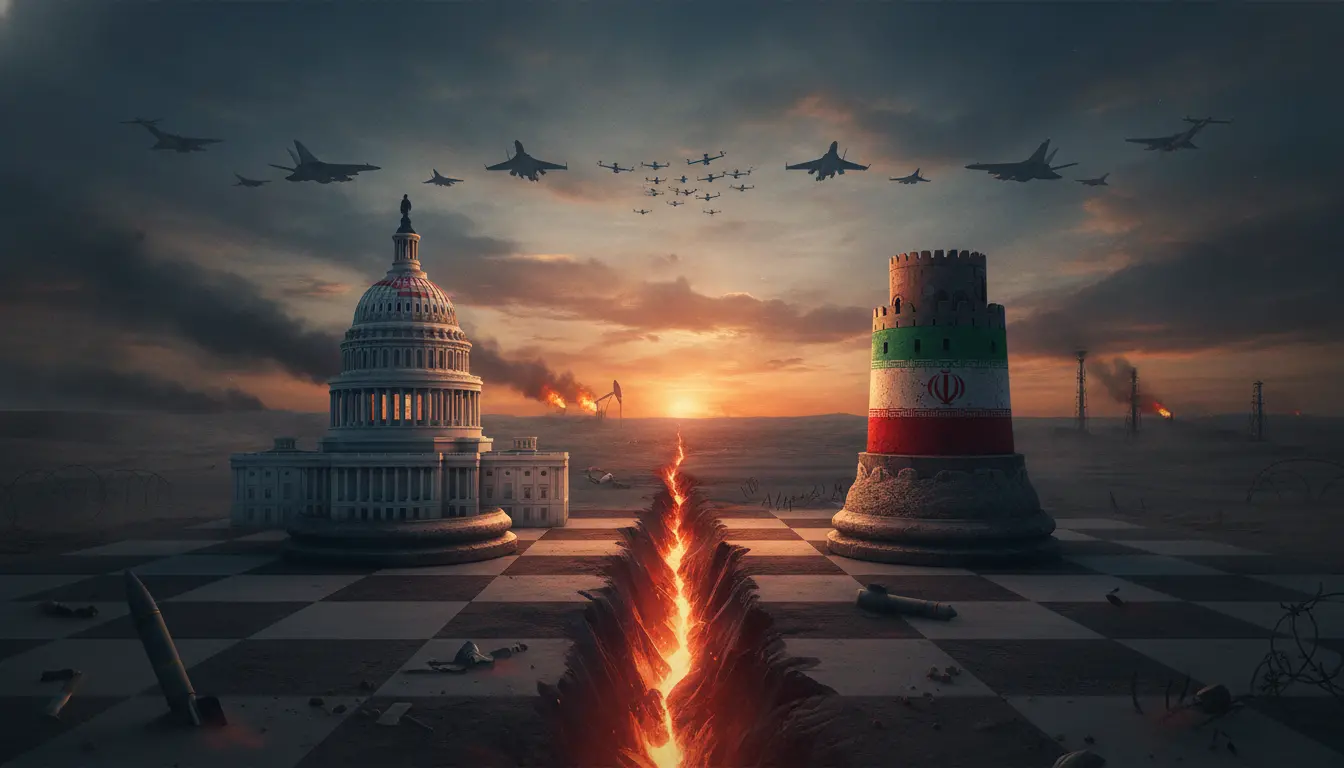
Heightened Geopolitical Tensions Spark Concerns Over Potential US-Iran Conflict
Geopolitical anxieties surrounding the relationship between the United States and Iran have reached a critical juncture, with analysts and policymakers increasingly scrutinizing the persistent risk of a broader military confrontation. Against a backdrop of ongoing instability across the Middle East, particularly intensified since late last year, the long-standing animosity between Washington and Tehran continues to fuel speculation about the trajectory of their interactions. While neither side has articulated an explicit desire for full-scale war, a complex interplay of proxy conflicts, nuclear ambitions, and strategic maneuvers keeps the specter of escalation firmly on the regional agenda, prompting a continuous reassessment of deterrence strategies and the potential for miscalculation.
At the heart of the enduring tension lies a deeply fraught history, beginning with the 1979 Islamic Revolution that fundamentally reshaped Iran's orientation and shattered its ties with the West. Decades of distrust were exacerbated by Iran's nuclear program, which the international community long suspected harbored military dimensions. The landmark 2015 Joint Comprehensive Plan of Action (JCPOA), intended to curb Iran's nuclear capabilities in exchange for sanctions relief, offered a brief period of de-escalation. However, the subsequent withdrawal of the United States from the agreement in 2018 under the Trump administration, followed by the reinstatement of crippling sanctions and a “maximum pressure” campaign, plunged relations into a new era of hostility. Iran’s accelerated uranium enrichment activities since then, now closer than ever to weapons-grade levels, remain a primary concern for the international community and a major source of strategic friction.
Beyond the nuclear issue, Iran's assertive regional foreign policy and its robust network of proxy forces—including Hezbollah in Lebanon, the Houthis in Yemen, and various militias in Iraq and Syria—represent a significant challenge to American interests and regional stability. These non-state actors frequently engage in actions that directly or indirectly clash with US personnel and allies, from rocket attacks on American bases in Iraq and Syria to harassment of international shipping in the Red Sea and Arabian Gulf. Recent months have witnessed a sharp uptick in such incidents, particularly in the wake of the Gaza conflict, with direct retaliatory strikes by the US further underscoring the precarious balance and bringing both nations perilously close to direct military engagement, even if unintended.
The United States' strategy has largely focused on deterrence and containment, aiming to curb Iran’s nuclear proliferation and destabilizing regional activities without triggering an all-out war. This delicate balancing act is complicated by Iran's internal political dynamics, its demonstrated resilience to economic pressures, and its steadfast commitment to projecting regional influence. Washington’s diplomatic efforts, often conducted through intermediaries, are constrained by the deep ideological chasm and a lack of trust. The domestic political landscapes in both countries also play a critical role, with hardline factions in Tehran and electoral cycles in Washington influencing rhetoric and policy decisions, sometimes making de-escalation more challenging.
Should the tensions erupt into a wider military confrontation, the economic ramifications would be profound and global. Iran’s strategic location, straddling vital shipping lanes through the Strait of Hormuz, means any conflict could severely disrupt global oil supplies, sending energy prices spiraling and destabilizing the world economy. The humanitarian cost would also be immense, exacerbating existing crises in a region already grappling with conflict and displacement. Consequently, the international community, including European powers, Russia, and China, maintains a vested interest in preventing an escalation, often urging restraint and exploring diplomatic avenues to defuse the volatile situation.
As the situation stands, the intricate web of alliances, rivalries, and red lines in the Middle East ensures that the US-Iran relationship will remain a focal point of global security concerns. While both Tehran and Washington appear to understand the devastating costs of a full-scale war, the risk of miscalculation, accidental escalation, or a tactical error remains ever-present. The intricate dance of deterrence and provocation continues, leaving observers to ponder whether the careful calibration of power will prevail against the persistent forces pushing towards confrontation in the coming years.
Stay Informed. Act Smarter.
Get weekly highlights, major headlines, and expert insights — then put your knowledge to work in our live prediction markets.
Related News

Escalating US-Iran Tensions Stoke Fears of Formal Conflict Declaration

US-Iran Tensions Escalate Amid Renewed Rhetoric, Raising Specter of Direct Confrontation
US-Iran Tensions Simmer Amid Regional Flare-ups, Raising Fears of Direct Conflict
Heightened US-Iran Tensions Fuel Fears of Formal Conflict Declaration
United States Considers Direct Offensive Strikes Against Iranian Mainland Amid Heightened Regional Tensions
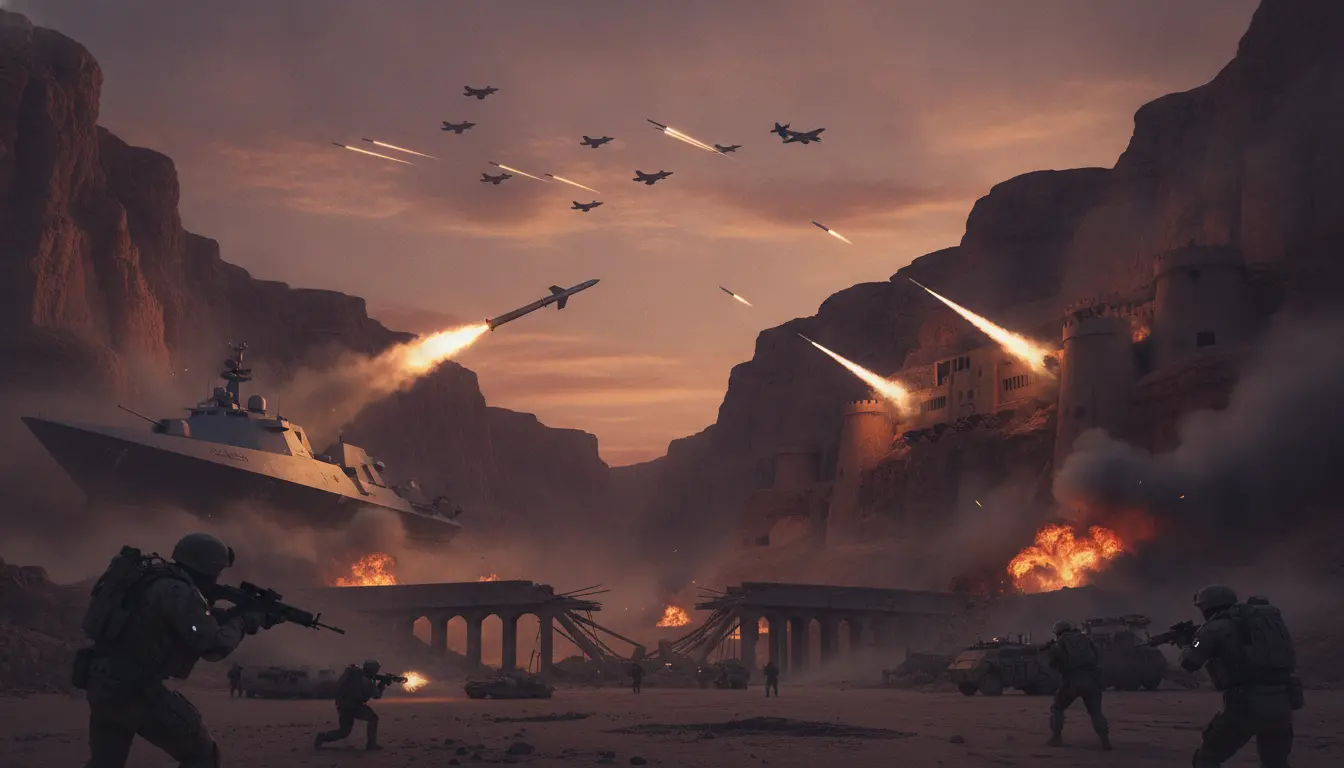
U.S. and Iran Face Growing Risk of Direct Military Confrontation Beyond Gulf's Strategic Waterways
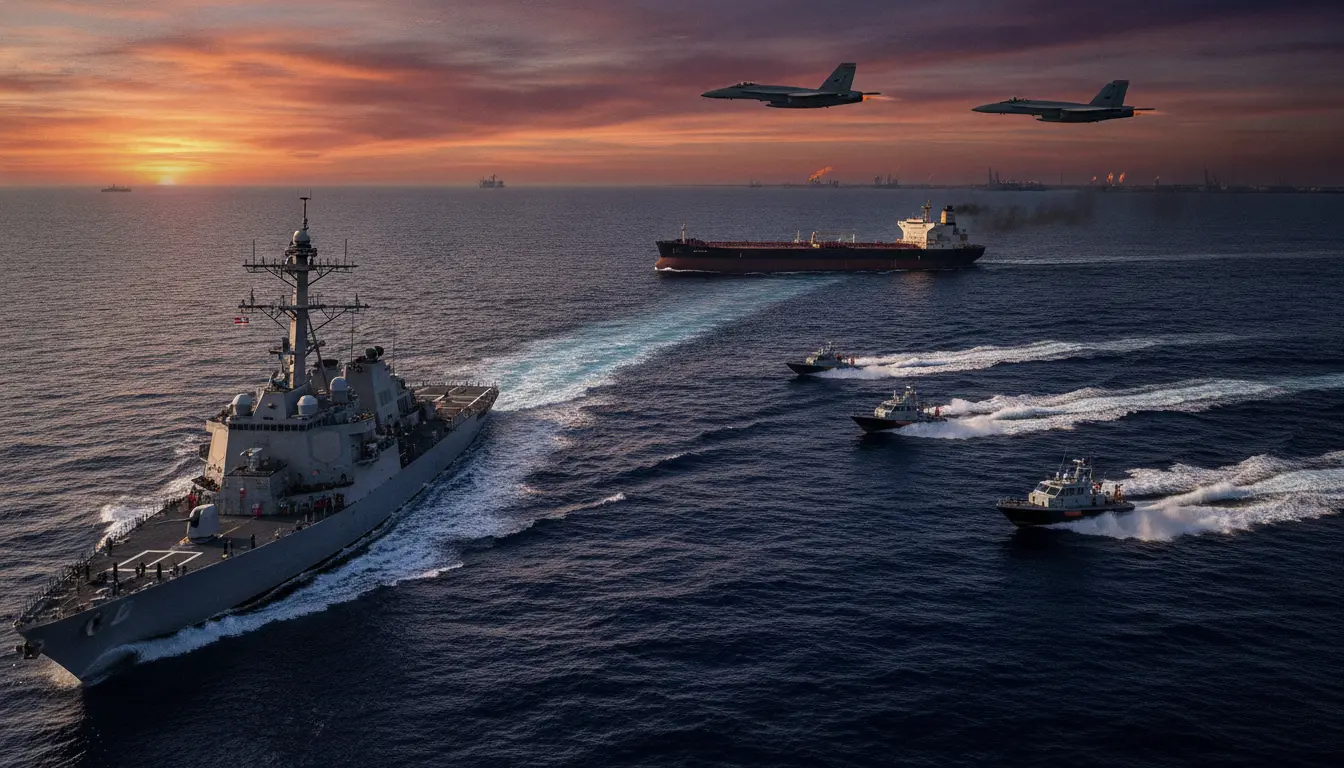
US-Iran Tensions Soar Amid Escalating Strikes and Maritime Incidents in Gulf

US and Iran Strive to Maintain Fragile De-escalation Amid Persistent Regional Tensions
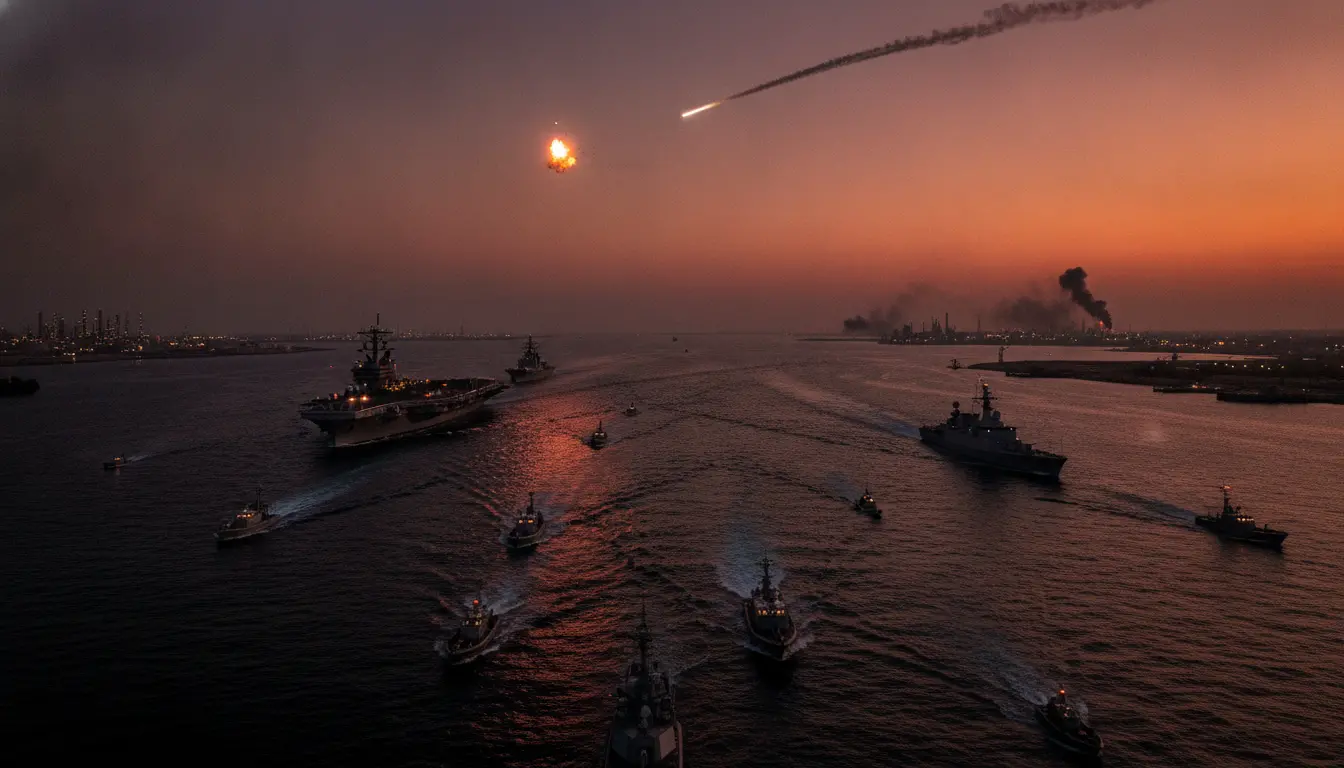
Escalating US-Iran Military Confrontation Spurs Calls for Formal Ceasefire
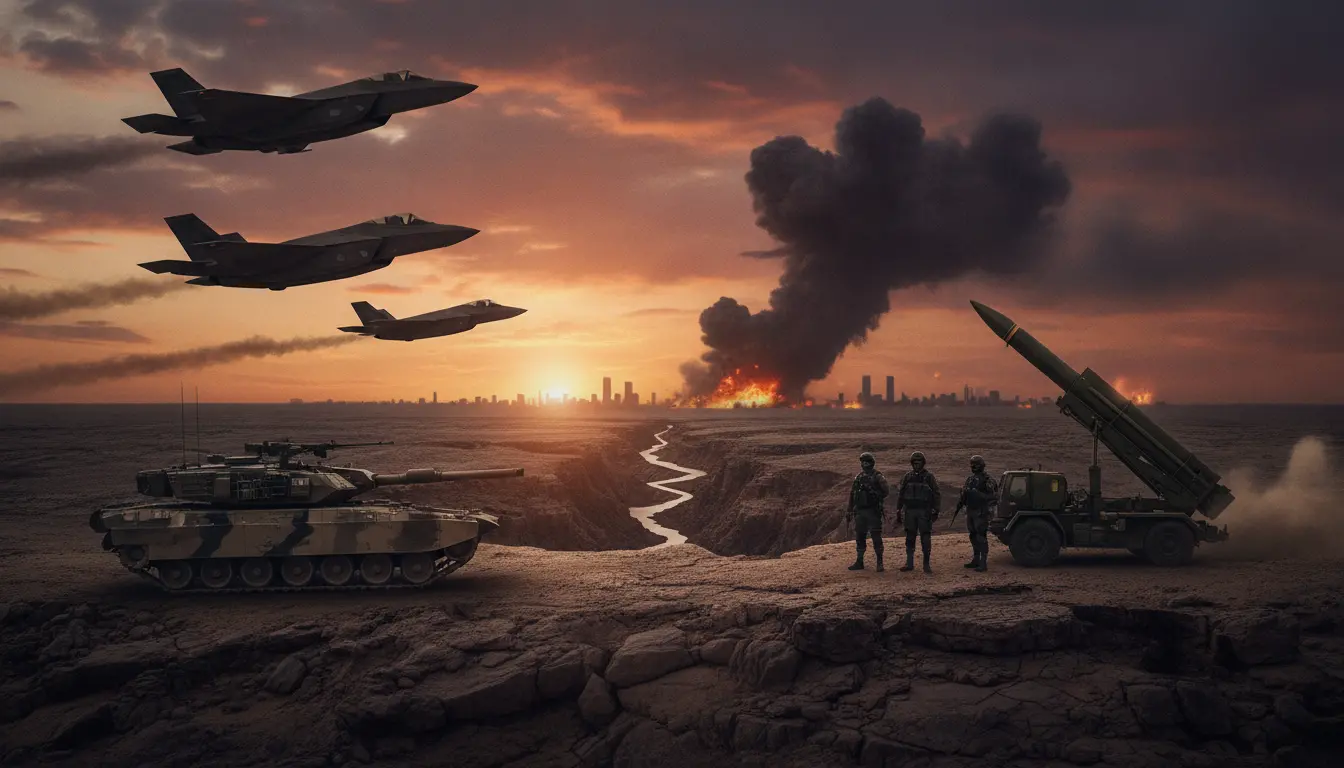
Mounting Tensions Between Israel and Iran Fuel Fears of Broader Regional Conflict