

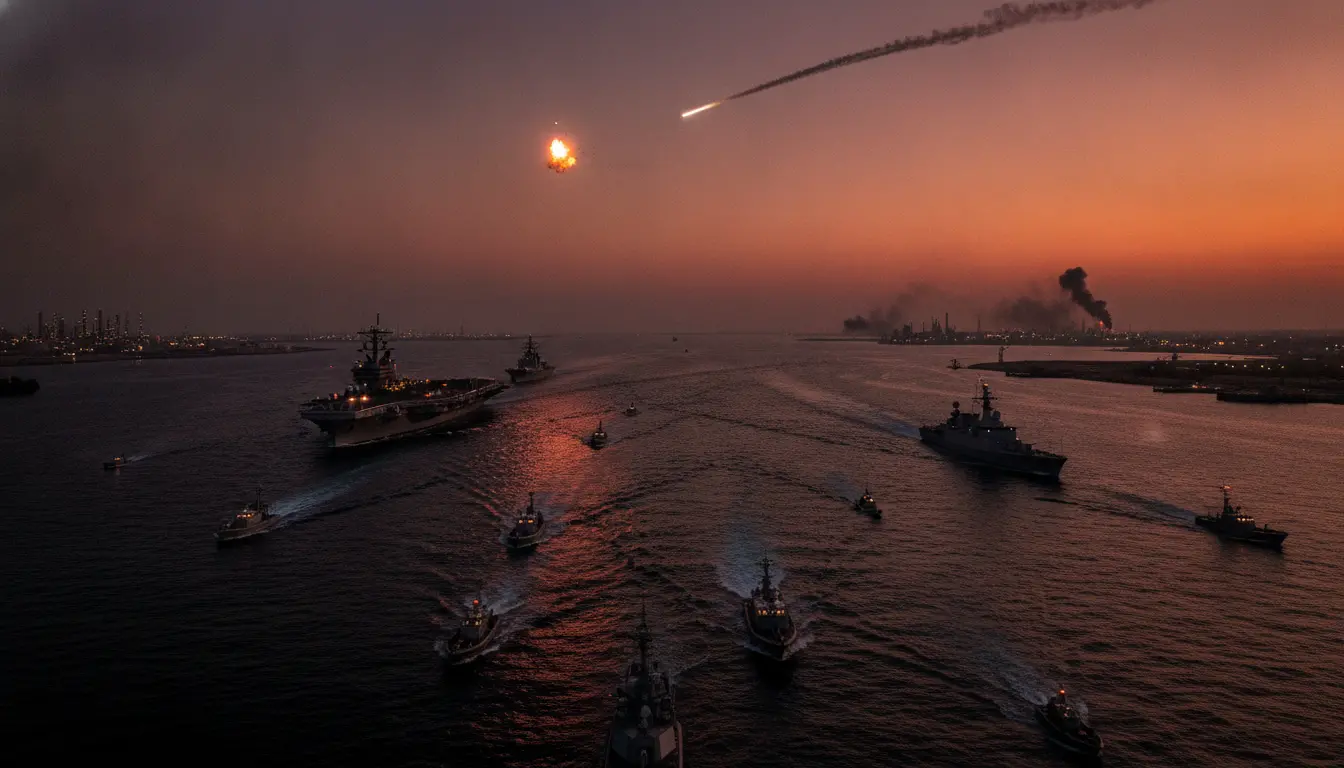
Escalating US-Iran Military Confrontation Spurs Calls for Formal Ceasefire
Tensions between the United States and Iran have reached a critical juncture, with military engagements in the Middle East intensifying dramatically. Amid a dangerous cycle of strikes and counter-strikes across the region, there is a growing international consensus that a formal ceasefire agreement is urgently needed to avert a wider conflagration with severe global repercussions.
For decades, the relationship between Washington and Tehran has been characterized by deep mistrust and proxy conflicts. Following the 1979 Iranian Revolution, diplomatic ties were severed, giving way to a protracted struggle for influence across the Middle East. This strategic rivalry has manifested in various theaters, from Iraq and Syria to Yemen and the waters of the Persian Gulf, where both nations and their respective allies have frequently found themselves on opposing sides. The constant friction, punctuated by incidents such as attacks on shipping, cyber intrusions, and targeted assassinations, has kept the region on edge, always just one miscalculation away from overt conflict.
Recent developments have seen a perilous escalation, with reports indicating a significant uptick in military activity and direct confrontations. This intensified phase has involved aerial bombardments, drone attacks, and naval skirmishes, directly or indirectly implicating US assets and Iranian-backed forces. Key flashpoints include Iraq and Syria, where militias aligned with Iran have continued to target US bases, and the Red Sea, where shipping lanes vital for global trade have been disrupted by groups allied with Tehran. The sheer volume and frequency of these engagements underscore a dangerous trend, demonstrating a willingness by both sides to press their perceived advantages, even at the risk of further destabilization.
The international community, including major global powers and regional stakeholders, has voiced increasing alarm over the trajectory of these hostilities. Diplomatic efforts, though often behind closed doors, are reportedly intensifying, with calls for de-escalation and a return to dialogue. However, the path to a formal ceasefire is fraught with immense challenges. A significant trust deficit exists between Washington and Tehran, compounded by differing strategic objectives and deeply entrenched ideological animosities. Any viable agreement would require robust mechanisms for verification and enforcement, along with concessions from both sides on issues that touch upon core national security interests and regional influence.
What is at stake extends far beyond the immediate conflict zones. A full-blown military confrontation between the US and Iran would send shockwaves through the global economy, particularly impacting energy markets as the Strait of Hormuz, a critical chokepoint for oil shipments, could be imperiled. The humanitarian cost would be catastrophic, leading to mass displacement and an exacerbated refugee crisis in an already fragile region. Furthermore, such a conflict could empower extremist groups, undermine counter-terrorism efforts, and fundamentally alter the geopolitical landscape, potentially drawing in other regional and international actors.
Achieving a formal ceasefire would necessitate a complex web of negotiations, addressing not only the cessation of hostilities but also underlying grievances and the future of regional security arrangements. It would require sustained diplomatic engagement, likely involving multiple international mediators, and a genuine commitment from both the United States and Iran to prioritize stability over confrontation. The prospects remain uncertain, as each side weighs the costs of continued conflict against the demands of a lasting peace, a balance that has historically proven elusive. Yet, with the current escalation posing an undeniable threat, the push for a diplomatic off-ramp has become more urgent than ever.
The global community anxiously watches, aware that the failure to secure a formal ceasefire agreement could unleash an era of unprecedented turmoil across the Middle East and beyond. The window for effective diplomacy, though narrow, remains the most viable route to prevent a wider catastrophe, requiring statesmanship and foresight from all parties involved to bridge the chasm of decades of animosity and recent escalations.
Stay Informed. Act Smarter.
Get weekly highlights, major headlines, and expert insights — then put your knowledge to work in our live prediction markets.
Related News

US and Iran Face Complex Path Toward Formal Ceasefire Amid Deep-Seated Regional Tensions

Escalating US-Iran Tensions Stoke Fears of Formal Conflict Declaration

US and Iran Navigate Fragile Cease-Fire Amid Heightened Tensions

Diplomatic Efforts Mount to Salvage US-Iran De-escalation Agreement Amid Rising Regional Tensions

Heightened Geopolitical Tensions Spark Concerns Over Potential US-Iran Conflict
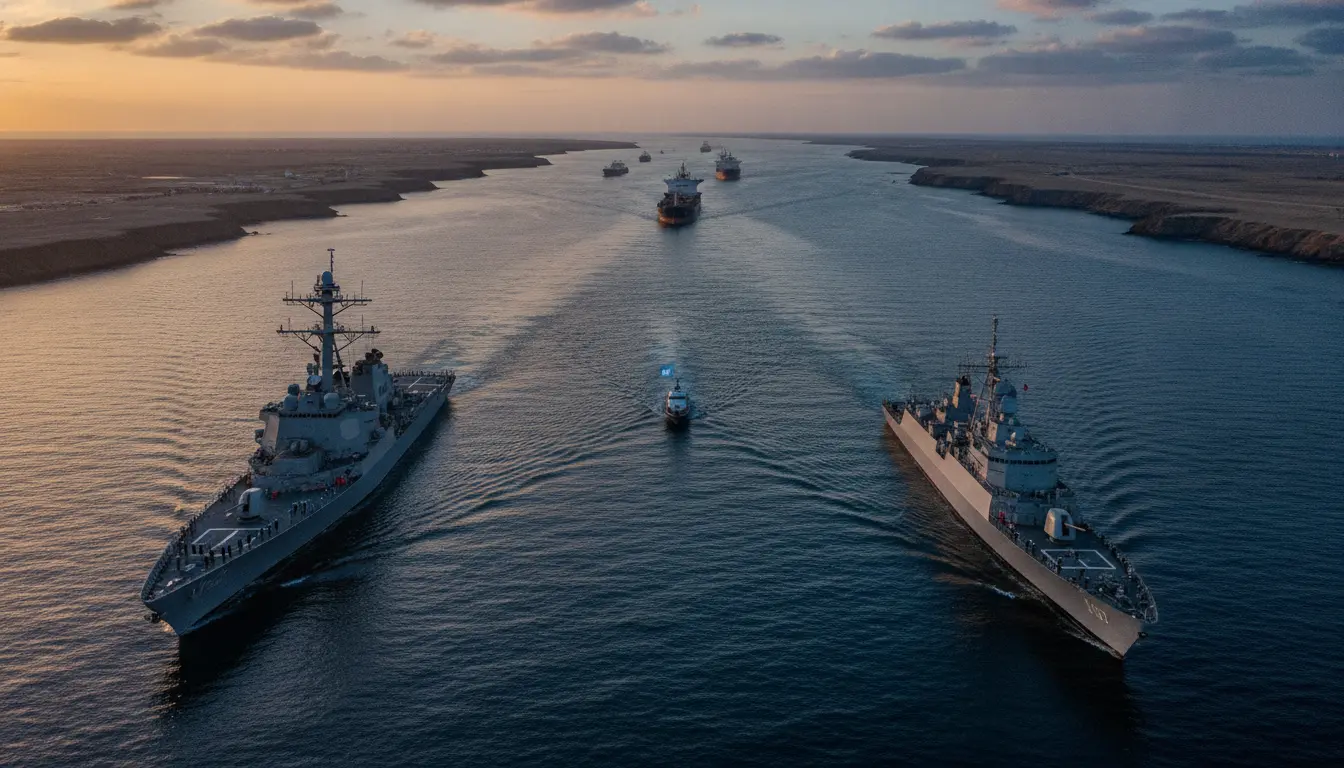
US and Iran Reach Fragile Ceasefire Agreement in Strategically Critical Strait of Hormuz

US and Iran Agree to Extend Ceasefire Until August 2026 Amid Persistent Tensions

US and Iran Strive to Maintain Fragile De-escalation Amid Persistent Regional Tensions
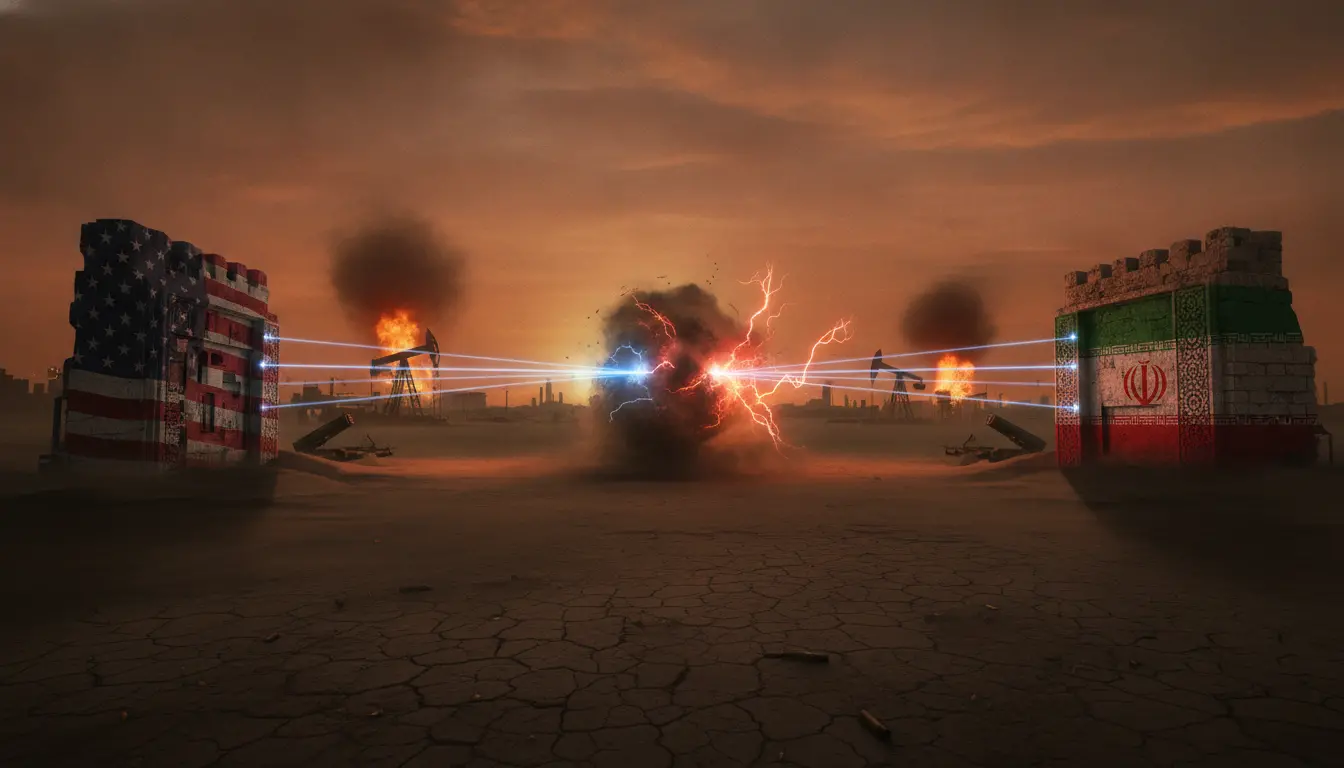
Protracted US-Iran Hostilities Raise Stakes for Middle East Stability
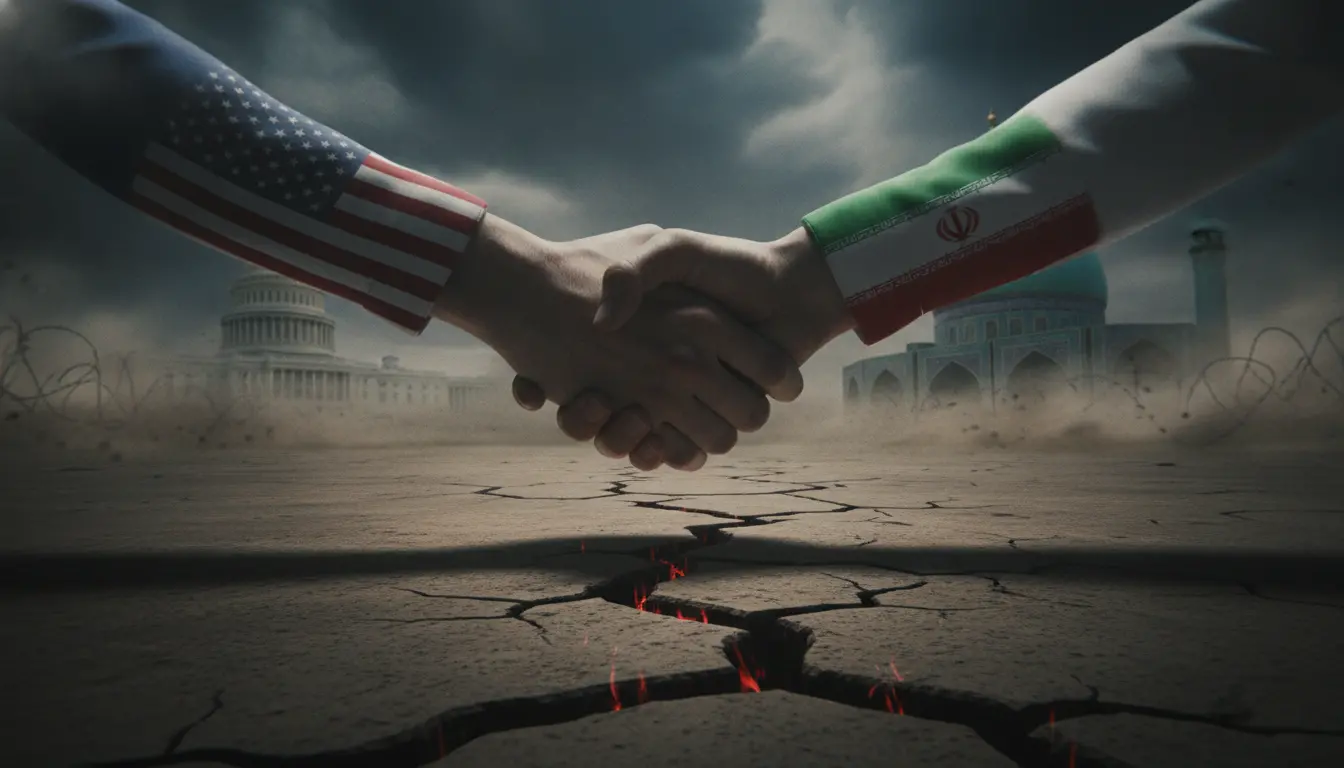
US-Iran Diplomatic Engagement Faces Mounting Pressure, Risking Suspension