

- News
- Politics
- US and Iran Face Complex Path Toward Formal Ceasefire Amid Deep-Seated Regional Tensions

US and Iran Face Complex Path Toward Formal Ceasefire Amid Deep-Seated Regional Tensions
The volatile relationship between the United States and Iran remains a linchpin of Middle Eastern stability, with ongoing proxy conflicts and sporadic direct confrontations continually threatening to escalate into broader regional conflagration. Despite a shared, albeit often unacknowledged, interest in avoiding all-out war, the prospect of a formal ceasefire agreement between the two geopolitical rivals appears increasingly complex and fraught with obstacles. Such an accord would undoubtedly represent a significant diplomatic breakthrough, offering a critical pathway to de-escalation in a region perpetually on edge, yet the historical baggage and divergent strategic objectives of Washington and Tehran present formidable barriers to any lasting peace.
At the heart of the enduring animosity lies a deeply entrenched mistrust, spanning decades since the 1979 Iranian Revolution. The unraveling of the 2015 Joint Comprehensive Plan of Action (JCPOA), the landmark nuclear deal, marked a significant regression in relations, ushering in an era of heightened economic sanctions from the U.S. and a subsequent acceleration of Iran's nuclear activities. This cycle of pressure and defiance has fueled a shadow war, characterized by cyberattacks, maritime incidents, and a web of proxy conflicts across Iraq, Syria, Lebanon, and Yemen, where Iranian-backed groups frequently clash with U.S. interests and allies, including Israel and Saudi Arabia.
The current landscape is particularly fraught. Attacks on international shipping in the Red Sea by Yemen's Houthi rebels, allegedly supported by Iran, have provoked direct military responses from the U.S. and its allies, illustrating the tangible dangers of the proxy networks. Concurrently, Iranian-aligned militias in Iraq and Syria continue to target U.S. military bases, prompting retaliatory strikes that underscore the fragile equilibrium. These engagements, while often contained, carry the constant risk of miscalculation, raising the specter of a wider conflict that neither side professes to desire, but for which both continue to prepare.
Achieving a formal ceasefire would necessitate an unprecedented level of diplomatic engagement, likely requiring extensive indirect negotiations facilitated by intermediary nations such as Qatar or Oman. Key sticking points include Iran's ballistic missile program, its regional influence through proxy forces, and its advanced uranium enrichment activities. The U.S., for its part, would demand verifiable commitments to de-escalation and a cessation of support for groups deemed destabilizing. However, domestic political considerations in both Washington and Tehran, including upcoming elections and hardline ideological stances, make significant concessions difficult to entertain for either leadership.
Furthermore, the intricate web of alliances and rivalries within the Middle East complicates any bilateral agreement. Israel, deeply concerned by Iran's nuclear ambitions and regional power projection, would undoubtedly view any U.S.-Iran rapprochement through the lens of its own security. Similarly, Saudi Arabia and other Gulf states, while potentially beneficiaries of regional de-escalation, would seek assurances that any agreement would not compromise their security interests or legitimize Iranian influence. Balancing these diverse concerns would be an immense diplomatic challenge for any administration.
Despite the formidable obstacles, the immense human and economic cost of continued instability provides a powerful impetus for de-escalation. A formal ceasefire, even if initially limited in scope, could unlock pathways for broader regional dialogue, potentially alleviating humanitarian crises and fostering a more predictable geopolitical environment. While a comprehensive peace remains a distant prospect, the strategic imperative for both the United States and Iran to navigate away from the precipice of direct confrontation ensures that calls for de-escalation and diplomatic engagement, however arduous, will persist as a central theme of international relations in the coming years.
Ultimately, the path to a formal cessation of hostilities demands not only a fundamental shift in mutual perceptions but also a realistic appraisal of each nation's core security interests. Without such a re-evaluation, the cycle of tension and sporadic conflict is likely to endure, leaving the Middle East vulnerable to further destabilization and a wider, more devastating confrontation.
Stay Informed. Act Smarter.
Get weekly highlights, major headlines, and expert insights — then put your knowledge to work in our live prediction markets.
Related News
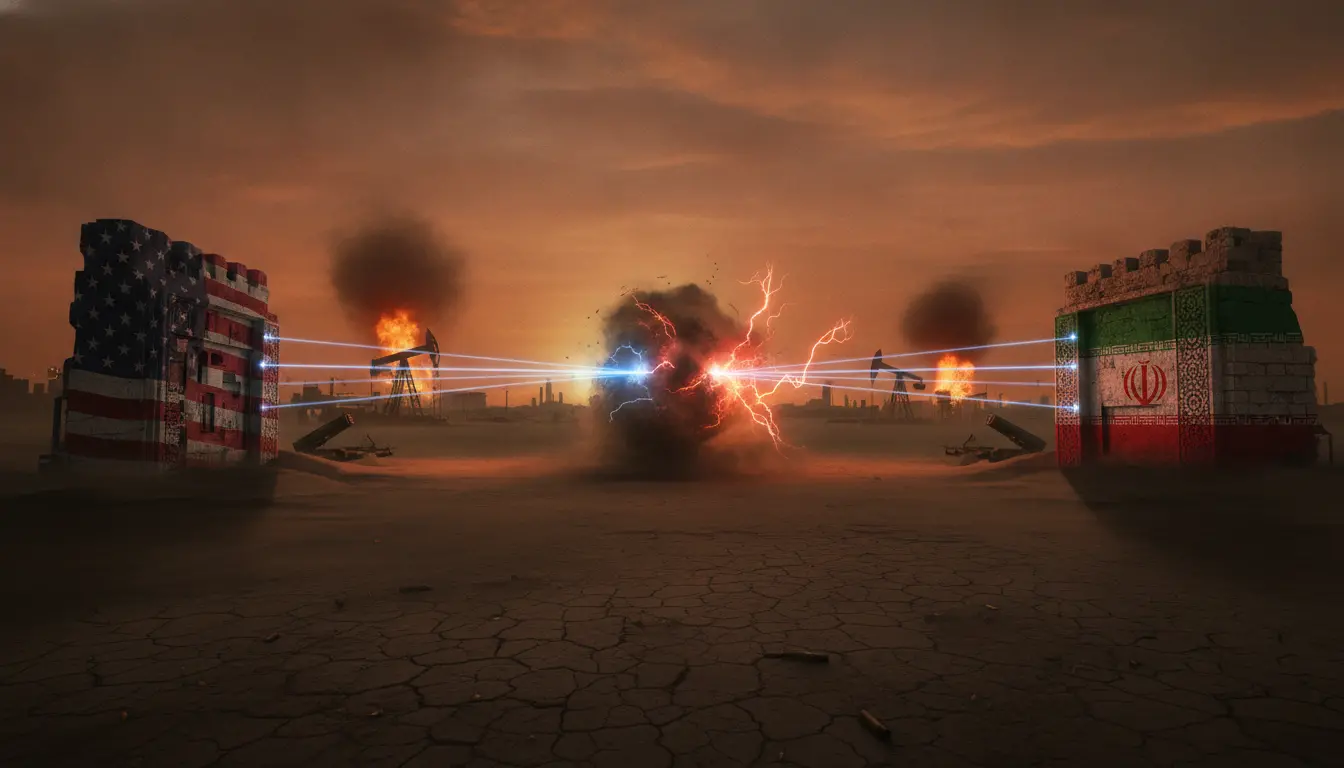
Protracted US-Iran Hostilities Raise Stakes for Middle East Stability

Diplomatic Efforts Mount to Salvage US-Iran De-escalation Agreement Amid Rising Regional Tensions
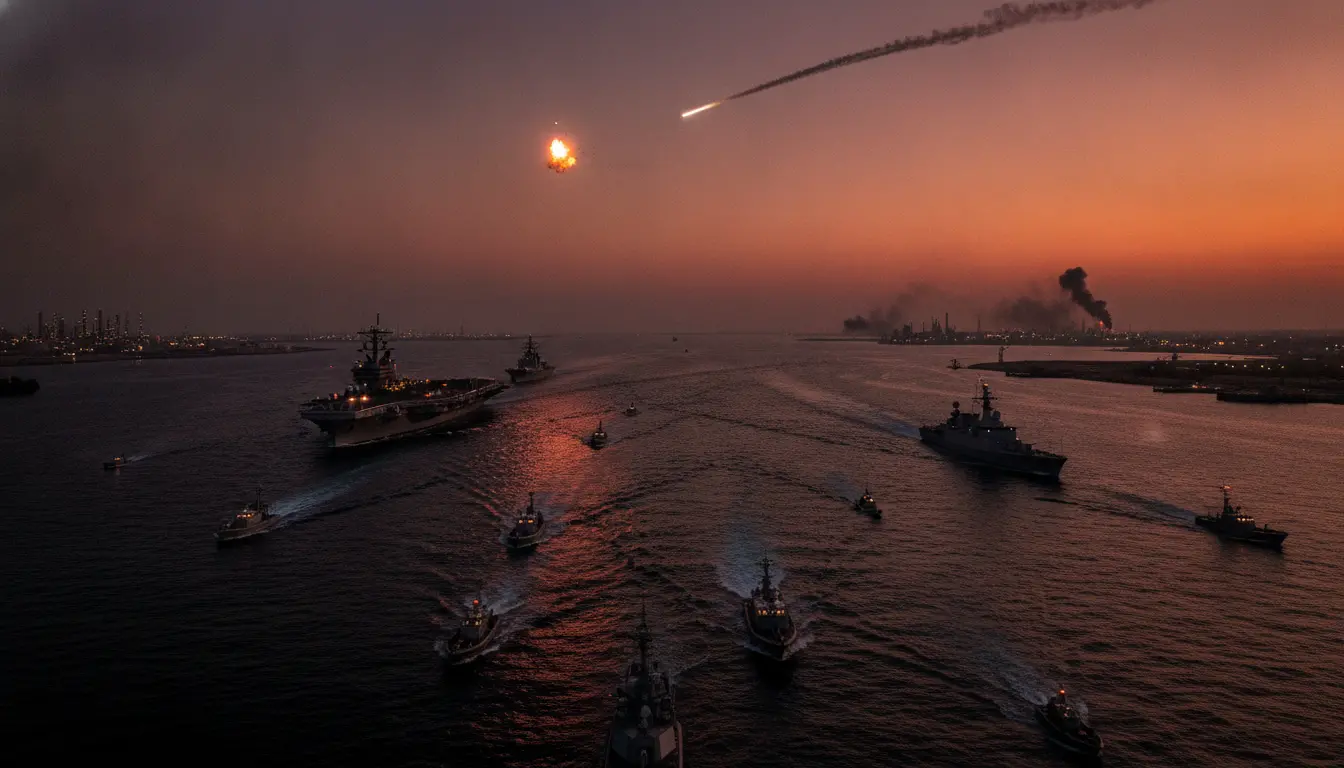
Escalating US-Iran Military Confrontation Spurs Calls for Formal Ceasefire

US and Iran Navigate Fragile Cease-Fire Amid Heightened Tensions

US-Iran Tensions Simmer Amid Regional Flare-ups, Raising Fears of Direct Conflict

US and Iran Agree to Extend Ceasefire Until August 2026 Amid Persistent Tensions

US and Iran Set for High-Stakes Doha Talks on Ceasefire and Strait of Hormuz Disputes

Heightened Geopolitical Tensions Spark Concerns Over Potential US-Iran Conflict

Prospects for a Permanent US-Iran Peace Deal by 2026 Face Formidable Diplomatic Hurdles

US and Iran Strive to Maintain Fragile De-escalation Amid Persistent Regional Tensions