


US and Iran Agree to Extend Ceasefire Until August 2026 Amid Persistent Tensions
In a significant diplomatic development, the United States and Iran have reportedly agreed to extend their existing ceasefire arrangement, pushing the deadline for its expiration beyond August 17, 2026. The extension signals a cautious commitment from both nations to de-escalate regional tensions, though the long-term viability of the truce remains clouded by deep-seated mistrust and ongoing geopolitical friction. This prolonged cessation of hostilities offers a crucial window for dialogue and could potentially avert further confrontations in a volatile Middle East.
The initial 60-day ceasefire, the specifics of which have often remained opaque to the public, was understood to be a delicate mechanism designed to curb proxy conflicts and reduce the risk of direct military engagement. Its implementation followed a period of heightened regional instability, marked by attacks on shipping, drone incidents, and clashes involving allied forces in various conflict zones. The initial agreement, reportedly brokered through indirect channels, aimed to provide a much-needed cooling-off period, allowing for a recalibration of strategies and potentially paving the way for more substantive negotiations on core issues.
The decision to extend the truce until mid-2026 suggests a recognition by both Washington and Tehran that continued de-escalation is in their mutual interest, despite their entrenched disagreements. For the Biden administration, maintaining a fragile peace with Iran could free up diplomatic resources to focus on other global challenges and potentially avoid a major conflagration during a critical election cycle. For Iran, the ceasefire could offer a temporary reprieve from external pressures, allowing it to address internal economic challenges and consolidate its regional influence without the immediate threat of military reprisals.
However, the path forward is fraught with peril. The underlying issues that have fueled decades of animosity — including Iran's nuclear program, its ballistic missile development, and its extensive network of regional proxy forces — remain unresolved. Hardline factions within both countries view any overture to the other with suspicion, complicating efforts to build trust and sustain diplomatic momentum. Critics on both sides are likely to scrutinize the terms of the extension, questioning whether it truly serves national interests or merely offers a temporary bandage over a festering wound.
Regional actors, particularly Israel and various Gulf Arab states, are also closely monitoring the situation. These nations have expressed strong concerns about Iran's activities and any perceived loosening of international pressure. Their reactions and potential counter-actions could significantly impact the stability of the extended ceasefire. The intricate web of alliances and rivalries in the Middle East means that any agreement between the US and Iran must navigate a complex geopolitical landscape, where the actions of one party can have ripple effects across the entire region.
Ultimately, the extension of this ceasefire is a testament to the persistent, if often understated, diplomatic efforts to manage one of the world's most dangerous rivalries. While it provides a temporary respite, the coming years will be critical in determining whether this fragile truce can evolve into a more enduring framework for peace, or if it will merely postpone the inevitable resurgence of tensions. The challenge for both the US and Iran will be to leverage this period of reduced hostility to address fundamental grievances, rather than allowing the extended truce to become another casualty of their long-standing antagonism.
Stay Informed. Act Smarter.
Get weekly highlights, major headlines, and expert insights — then put your knowledge to work in our live prediction markets.
Related News
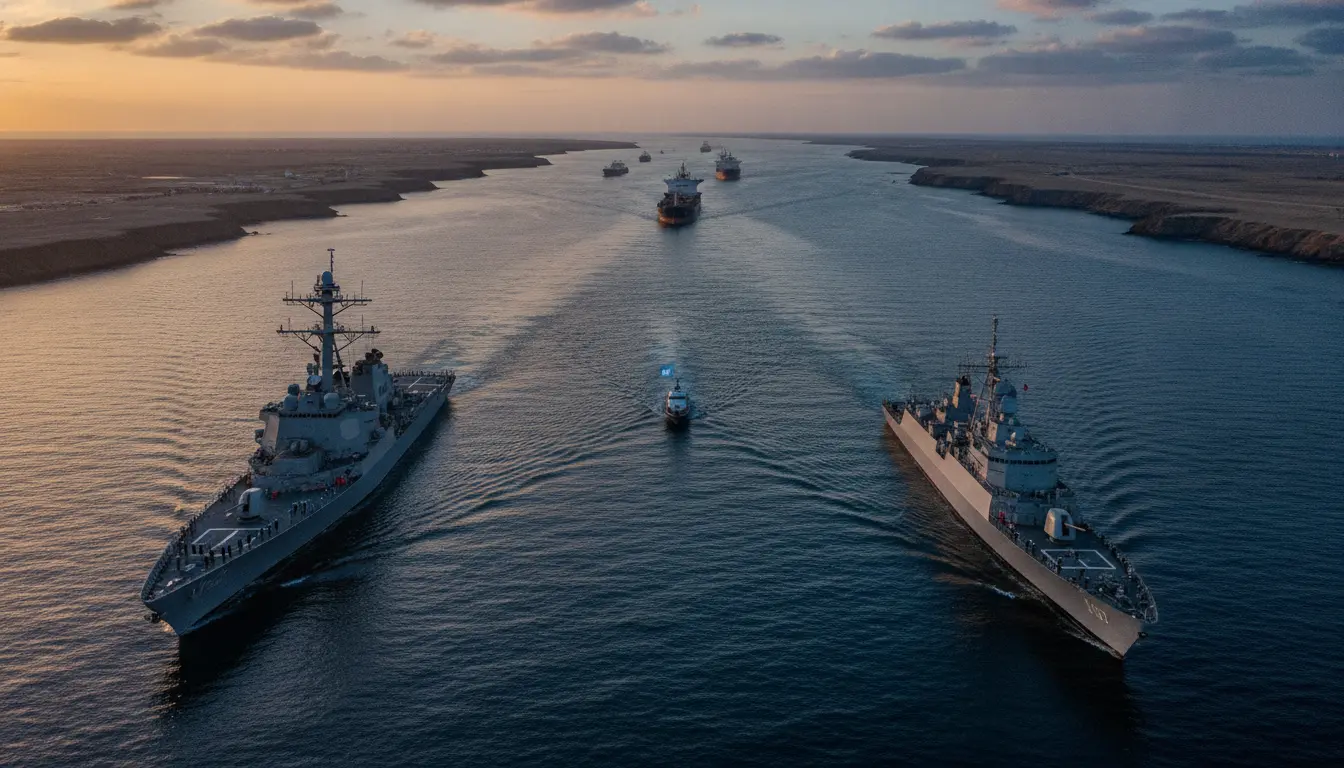
US and Iran Reach Fragile Ceasefire Agreement in Strategically Critical Strait of Hormuz

US and Iran Navigate Fragile Cease-Fire Amid Heightened Tensions
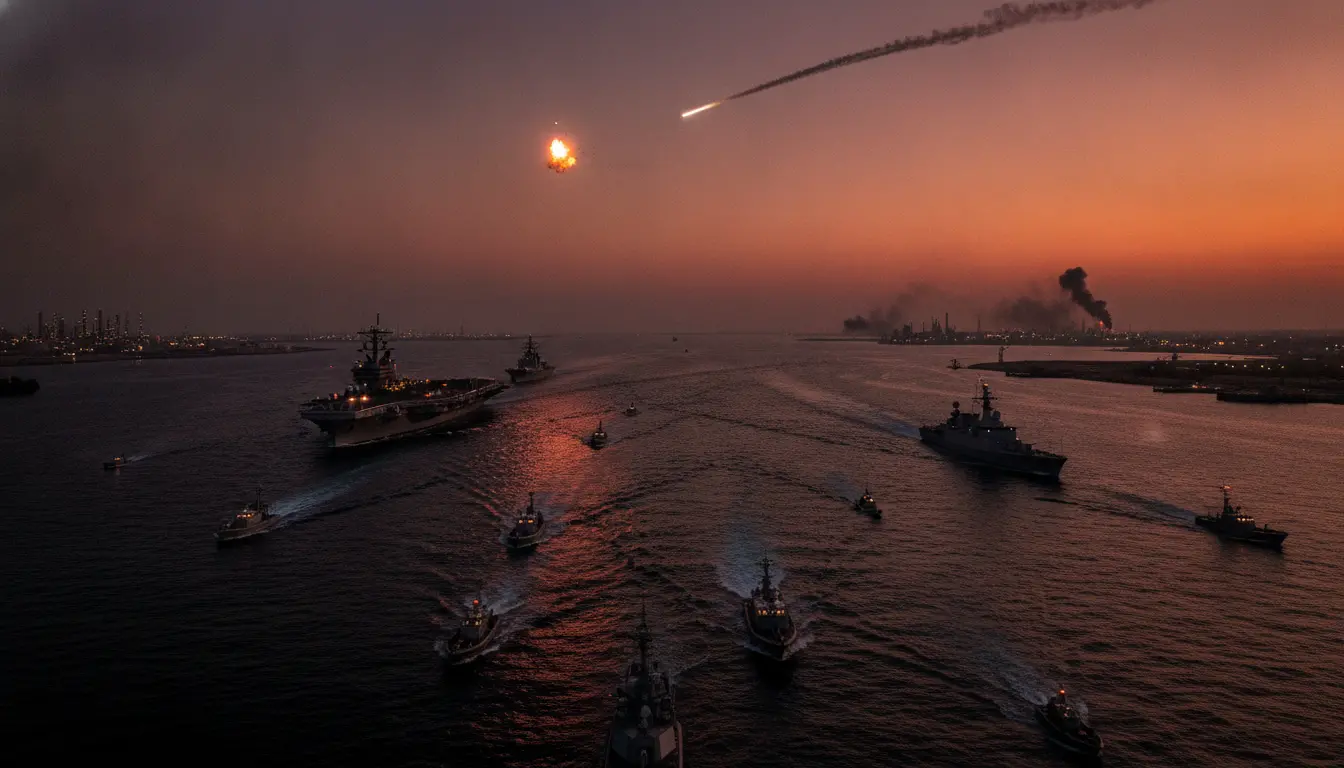
Escalating US-Iran Military Confrontation Spurs Calls for Formal Ceasefire

US and Iran Face Complex Path Toward Formal Ceasefire Amid Deep-Seated Regional Tensions

US and Iran Strive to Maintain Fragile De-escalation Amid Persistent Regional Tensions
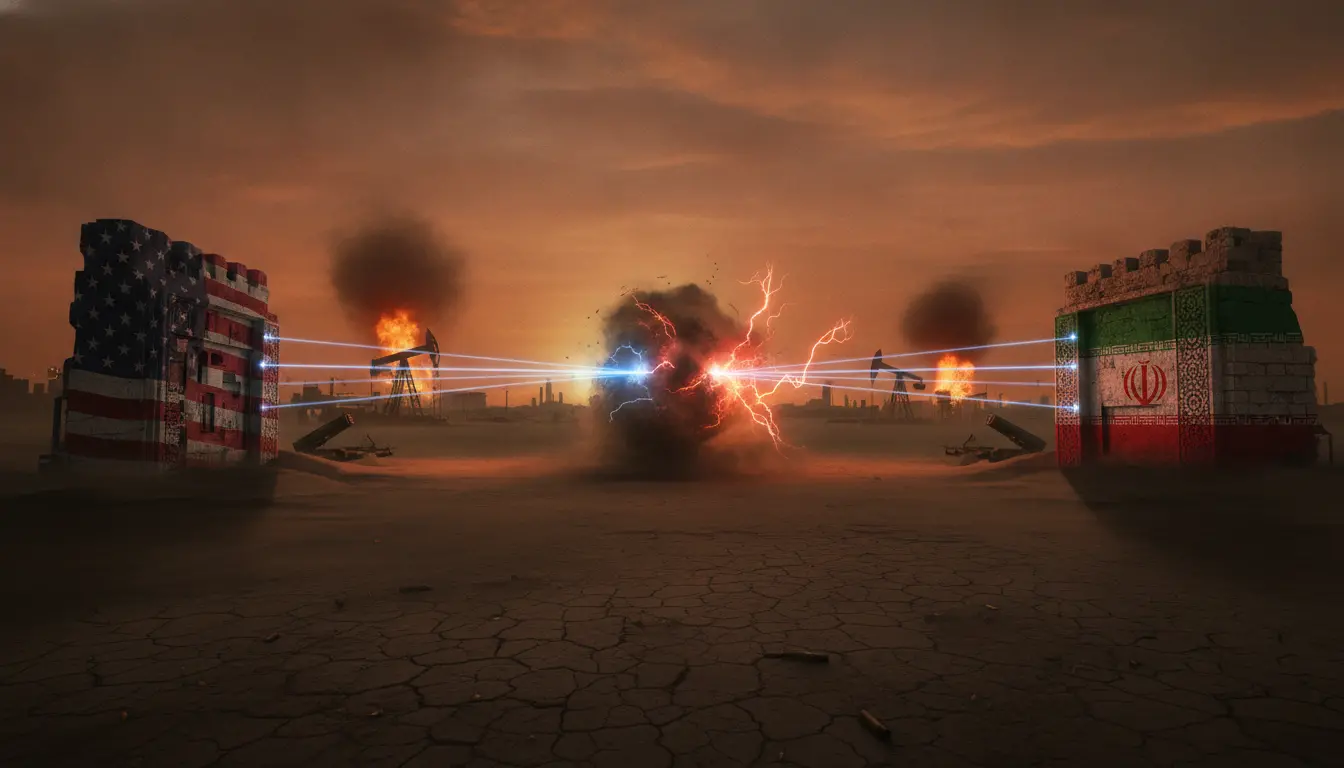
Protracted US-Iran Hostilities Raise Stakes for Middle East Stability

Diplomatic Efforts Mount to Salvage US-Iran De-escalation Agreement Amid Rising Regional Tensions

Prospects for a Permanent US-Iran Peace Deal by 2026 Face Formidable Diplomatic Hurdles

Persistent Diplomatic Channels Endure Between US and Iran Amidst Intensifying Regional Flashpoints

Heightened Geopolitical Tensions Spark Concerns Over Potential US-Iran Conflict