


US and Iran Strive to Maintain Fragile De-escalation Amid Persistent Regional Tensions
Washington and Tehran are navigating a delicate period of de-escalation following recent exchanges of strikes that threatened to ignite a wider conflict across the Middle East. After a series of escalating incidents, including attacks attributed to Iranian-backed proxies and retaliatory actions by the United States, a tentative agreement to halt strikes has ushered in a fragile calm. This lull, however, remains highly susceptible to disruption, underscoring the deep-seated mistrust and complex geopolitical dynamics that characterize the relationship between the two long-standing adversaries. The immediate focus for both sides appears to be preventing further direct military confrontation, but the underlying tensions, exacerbated by regional crises, continue to simmer dangerously close to the surface.
The recent spate of aggressions had pushed an already strained relationship to the brink. In the preceding weeks, multiple reports emerged of drone attacks and missile strikes targeting U.S. interests and personnel in Iraq and Syria, widely attributed to militias operating under the influence or direct command of Iran’s Islamic Revolutionary Guard Corps (IRGC). These actions were often framed as responses to Israel’s ongoing campaign in Gaza and its broader regional operations, which Iran and its allies vehemently oppose. The United States, in turn, conducted precision strikes against what it identified as IRGC facilities and proxy group arsenals, emphasizing its commitment to protecting its forces and deterring further assaults. This tit-for-tat cycle raised international alarms, with analysts warning of the potential for miscalculation leading to an uncontrollable escalation.
The broader context of regional instability significantly complicates any lasting de-escalation. The war in Gaza continues to fuel anti-Western sentiment and galvanize Iranian-aligned groups across the Levant and Yemen. Houthi attacks on international shipping in the Red Sea, for instance, are directly linked to the Gaza conflict and demonstrate the interconnectedness of regional flashpoints. While the U.S. has focused its Red Sea operations on defending maritime routes, the underlying tensions with Iran remain a constant backdrop. For Tehran, the proliferation of proxy groups offers a strategic depth and a means to project power without direct military engagement, a tactic that Washington views as destabilizing and dangerous.
Key players on both sides face immense pressure. In Washington, the Biden administration is keen to avoid a wider war in the Middle East, especially during an election year, while also demonstrating resolve to protect American personnel and interests. The balancing act involves deterrence without provocation, a line that is often blurry in such volatile environments. For Iran, the hardline government faces domestic economic challenges and international isolation, making overt direct conflict with the U.S. a potentially catastrophic gamble. However, maintaining its regional influence and ideological stance against perceived American and Israeli aggression is paramount for its revolutionary identity.
While direct diplomatic channels between the U.S. and Iran remain largely non-existent, communication often occurs through intermediaries, such as Oman or Qatar, or via carefully calibrated public statements designed to signal intent without losing face. These indirect signals, combined with the visible halt in hostilities, suggest a mutual, if temporary, desire to pull back from the precipice. However, the effectiveness and longevity of this de-escalation hinges on several factors, including the behavior of regional proxies, unforeseen incidents, and the evolving dynamics of the Gaza conflict.
What is at stake is not merely the immediate stability but the long-term trajectory of the Middle East. A sustained de-escalation could pave the way for reduced tensions and perhaps even indirect dialogue on other pressing issues. Conversely, a return to escalation risks drawing global powers deeper into a regional conflagration, with devastating consequences for human lives, global energy markets, and international security. The current pause, therefore, represents a critical test of restraint and strategic calculation by both the United States and Iran, whose actions in the coming days will be closely watched by a nervous international community.
Stay Informed. Act Smarter.
Get weekly highlights, major headlines, and expert insights — then put your knowledge to work in our live prediction markets.
Related News

US and Iran Navigate Fragile Cease-Fire Amid Heightened Tensions

Diplomatic Efforts Mount to Salvage US-Iran De-escalation Agreement Amid Rising Regional Tensions

Heightened Geopolitical Tensions Spark Concerns Over Potential US-Iran Conflict
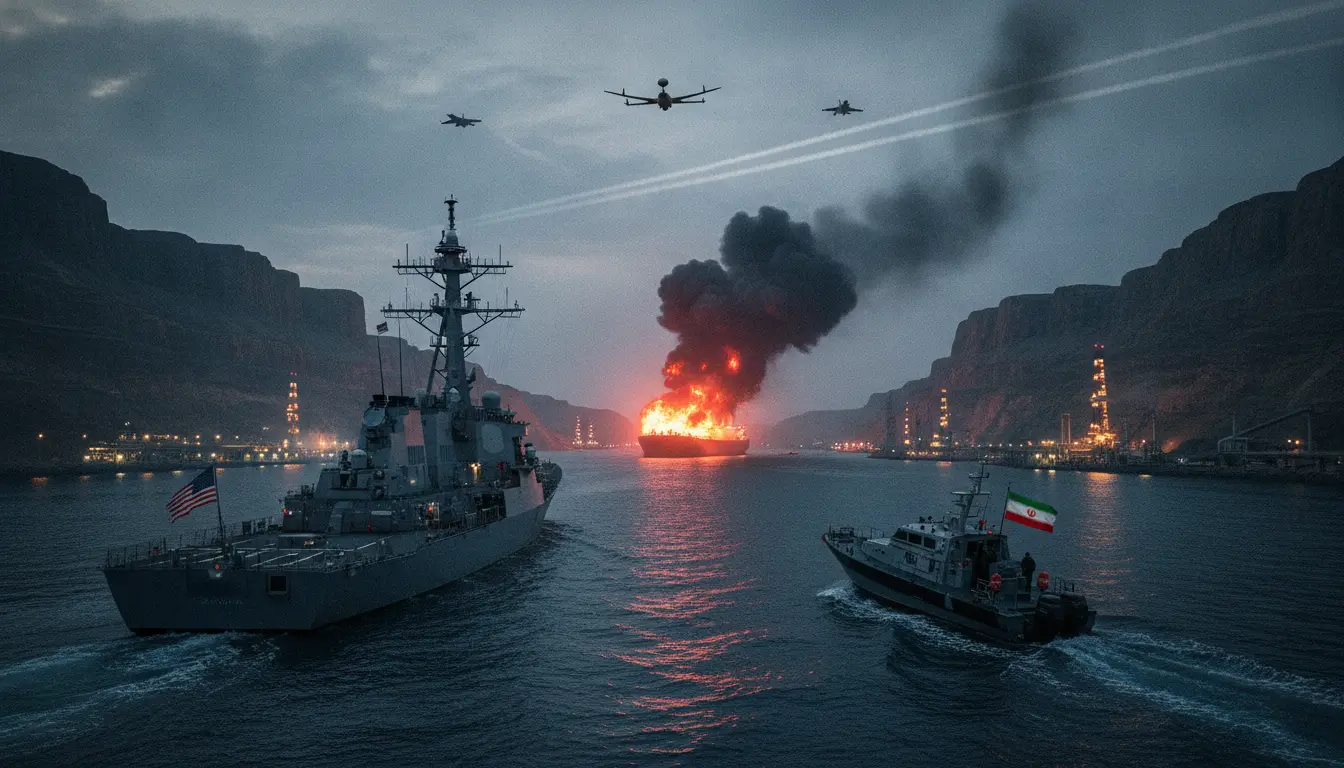
US-Iran De-escalation Accord Faces Precarious Future Amid Renewed Hostilities and Strait of Hormuz Tensions
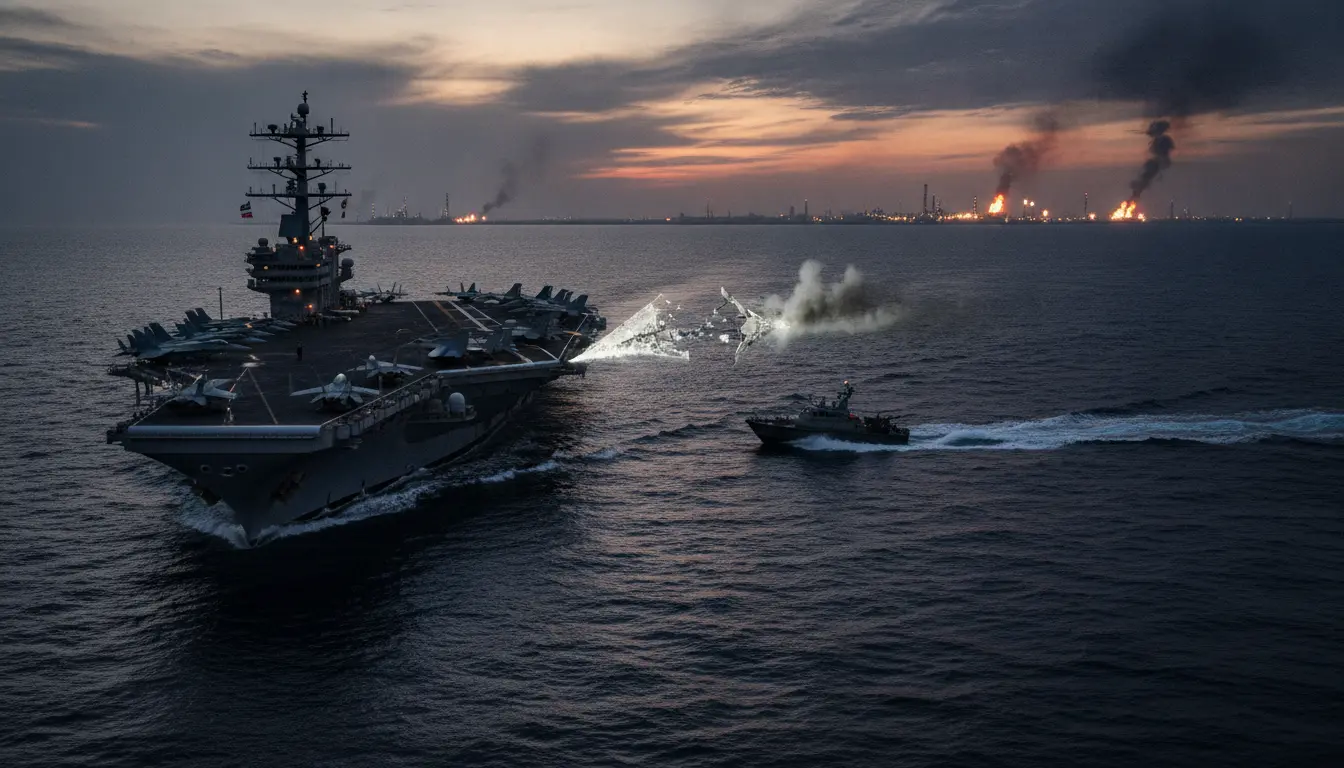
US-Iran De-escalation Pact Under Severe Strain Amid Escalating Gulf Tensions
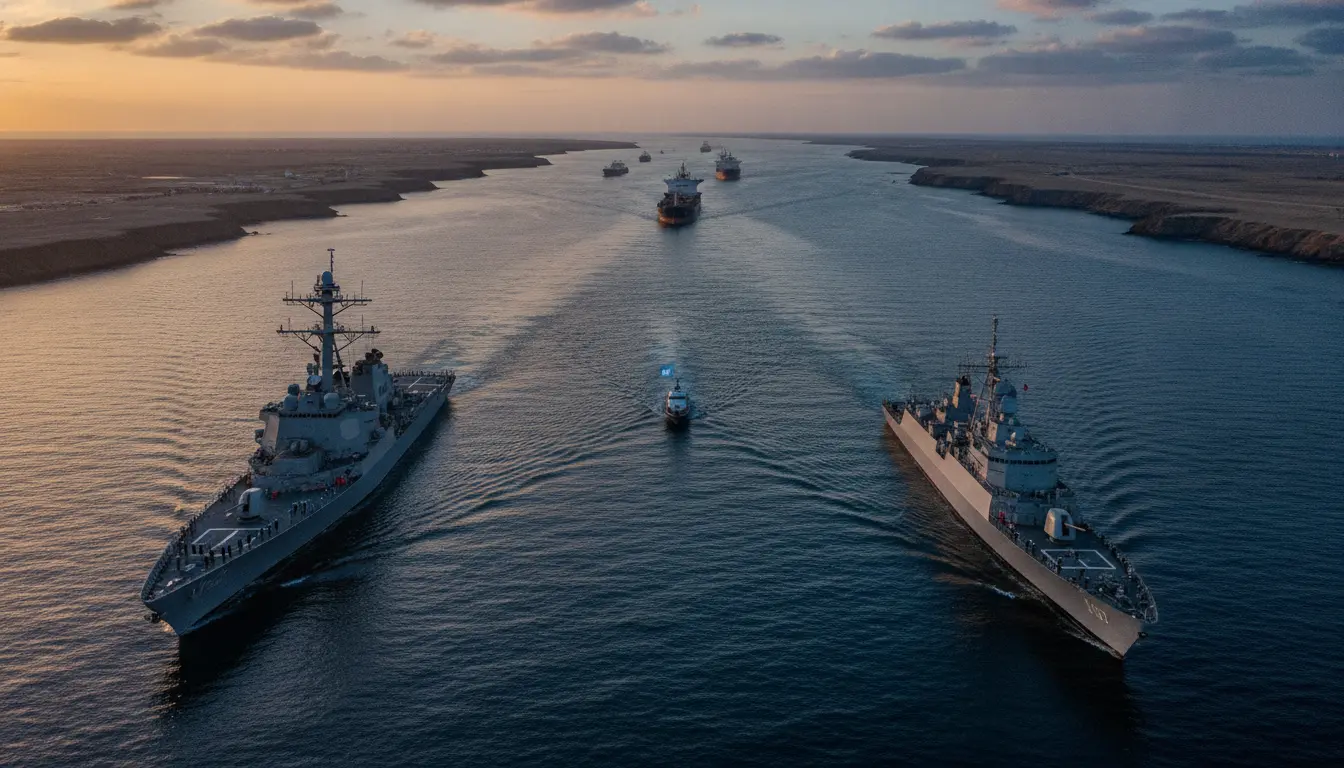
US and Iran Reach Fragile Ceasefire Agreement in Strategically Critical Strait of Hormuz

Washington and Tehran’s De-escalation MoU Faces Mounting Pressure Amid Regional Clashes
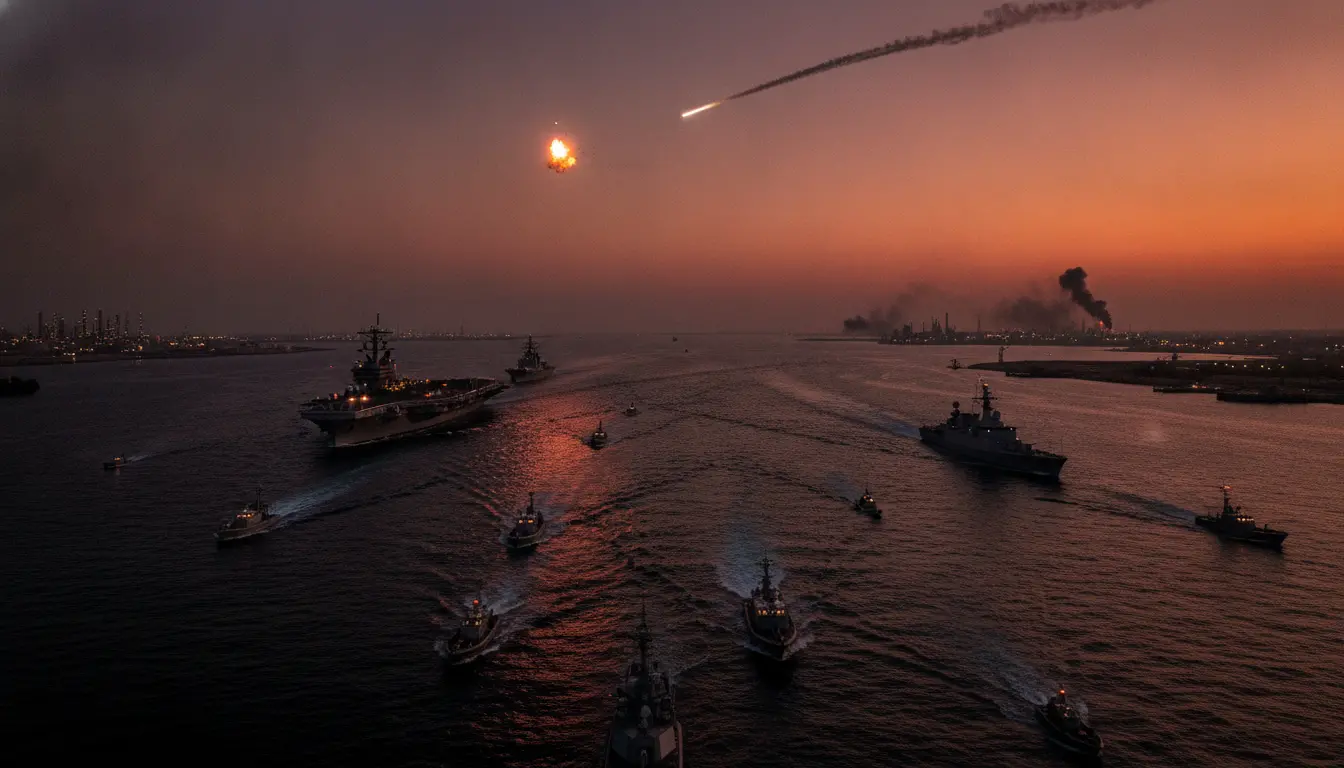
Escalating US-Iran Military Confrontation Spurs Calls for Formal Ceasefire

US-Iran Tensions Simmer Amid Regional Flare-ups, Raising Fears of Direct Conflict

US and Iran Agree to Extend Ceasefire Until August 2026 Amid Persistent Tensions