

- News
- Politics
- Persistent Diplomatic Channels Endure Between US and Iran Amidst Intensifying Regional Flashpoints

Persistent Diplomatic Channels Endure Between US and Iran Amidst Intensifying Regional Flashpoints
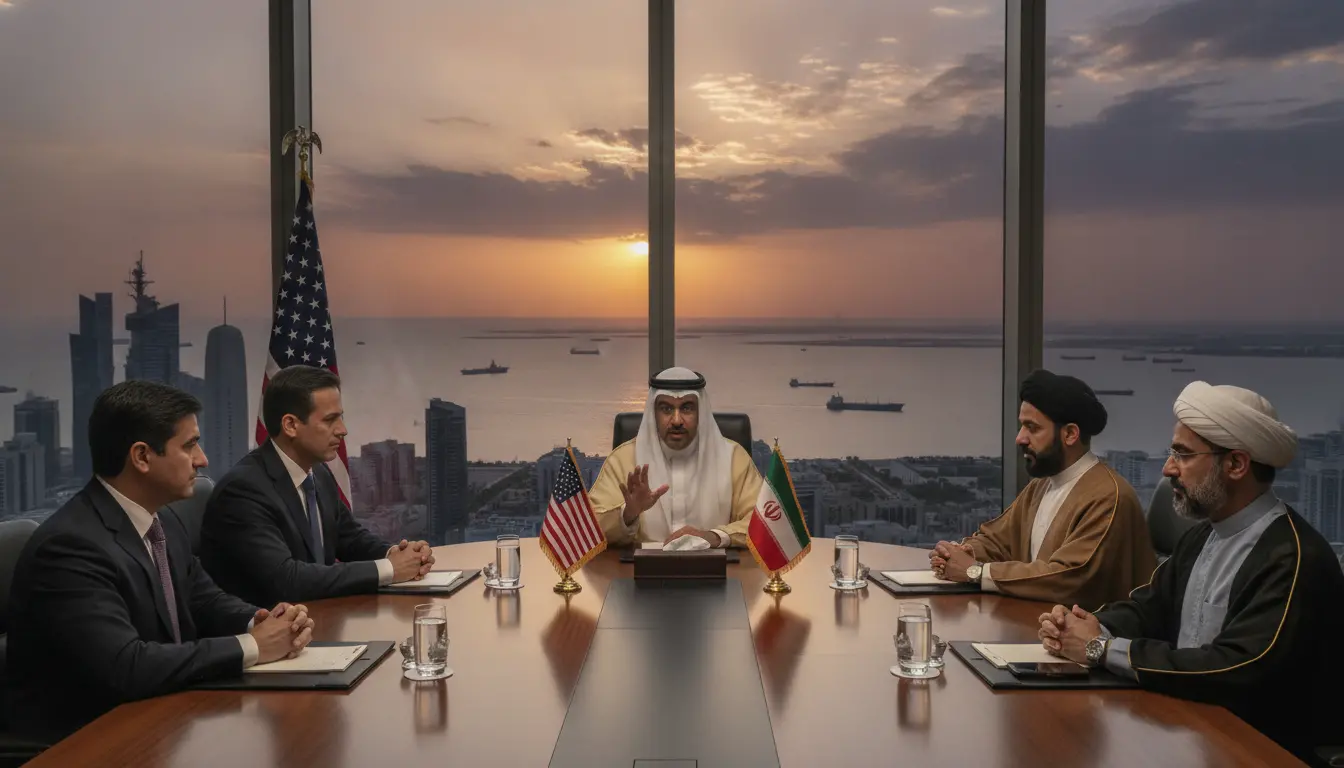
The delicate dance of diplomacy between Washington and Tehran continues, with persistent efforts to establish high-level talks despite a backdrop of escalating regional tensions and bellicose rhetoric. Qatari mediators play a crucial role in maintaining these critical, albeit often indirect, channels as both nations navigate a complex geopolitical landscape. This ongoing engagement underscores a recognition by key actors of the imperative for dialogue, even when outright conflict seems a perpetual threat.
The relationship between the United States and Iran has been fraught for decades, reaching a nadir following the 2018 US withdrawal from the Joint Comprehensive Plan of Action (JCPOA), commonly known as the Iran nuclear deal. The subsequent "maximum pressure" campaign by the Trump administration severely curtailed official interactions and saw a dramatic increase in sanctions. While the Biden administration initially signaled a desire for re-engagement, efforts to fully revive the JCPOA have stalled, leaving a vacuum that regional flashpoints – from the Israeli-Palestinian conflict to attacks on shipping in the Red Sea – have readily filled, often involving Iranian-backed groups. The explicit declaration by former President Trump that a ceasefire with Iran was "over" further highlights the deep ideological divides and the potential for a renewed hardline stance, complicating any long-term diplomatic strategy.
In this highly charged environment, the role of intermediary nations like Qatar has become indispensable. Doha has consistently positioned itself as a bridge between Washington and Tehran, facilitating prisoner exchanges and, more broadly, keeping lines of communication open. Recent reports indicate that even as military exchanges have intensified in various theaters – from proxy conflicts in Syria and Iraq to maritime confrontations – both the US and Iran have privately conveyed a willingness to continue some form of dialogue. This suggests a strategic pragmatism, acknowledging that direct or indirectly mediated lines are vital to prevent miscalculation and de-escalate potential crises that could spiral out of control.
The path to formal, high-level diplomatic talks remains fraught with significant obstacles. Key points of contention include Iran’s advancing nuclear program, its ballistic missile development, and its extensive network of regional proxies. For the US, any talks would likely seek to address these proliferation concerns and Iran's role in regional destabilization. For Iran, the lifting of crippling economic sanctions, which have severely impacted its economy, remains a primary objective. The political sensitivities in both capitals, especially with the prospect of a US presidential election cycle potentially ushering in a more hawkish stance, further complicate the willingness of either side to commit to public, high-stakes negotiations.
Furthermore, the perception of weakness or concession poses a domestic political risk for leaders in both countries, making any overt move towards high-level talks a delicate balancing act. While indirect channels allow for deniability and flexibility, the step up to official, high-level diplomatic engagement requires a significant political commitment and a tangible pathway to address core grievances. The stakes are incredibly high, encompassing regional stability, global energy markets, and the integrity of international non-proliferation efforts.
Despite the immense challenges, the sustained efforts to maintain dialogue reflect a broader understanding of the catastrophic consequences of unchecked escalation. While a formal, public resumption of high-level talks before August 2026 presents a considerable hurdle given the political volatility and entrenched positions, the groundwork laid by quiet diplomacy and consistent mediation suggests that the option for such engagement remains on the table. Success will depend on a delicate balance of reciprocal de-escalation, credible commitments from both sides to address fundamental concerns, and continued robust mediation efforts from neutral actors like Qatar, working towards a more stable, albeit fragile, peace.
Stay Informed. Act Smarter.
Get weekly highlights, major headlines, and expert insights — then put your knowledge to work in our live prediction markets.
Related News

US and Iran Explore Diplomatic Pathways Amid Persistent Nuclear and Sanctions Standoff
US-Iran Diplomatic Engagement Faces Mounting Pressure, Risking Suspension

Prospects for Direct US-Iran High-Level Diplomacy Remain Fraught Amid Deepening Tensions

Diplomatic Efforts Mount to Salvage US-Iran De-escalation Agreement Amid Rising Regional Tensions
US and Iran Embark on Critical De-escalation Talks in Doha Amidst Heightened Hormuz Tensions

US and Iran Weigh Direct Communication Channel as Diplomatic Efforts Continue

Future of US-Iran Diplomacy Under Scrutiny Amid Reports of Potential High-Level Talks
US-Iran Nuclear Diplomacy Stalls Amid Envoy Delays and Regional Volatility

US and Iran Set for High-Stakes Doha Talks on Ceasefire and Strait of Hormuz Disputes
US and Iran Face High-Stakes Negotiations Amidst Pressures to Secure Strait of Hormuz