


US and Iran Weigh Direct Communication Channel as Diplomatic Efforts Continue
In a delicate diplomatic maneuver, the United States and Iran are reportedly exploring the establishment of a direct communication channel, a significant development that could reshape the dynamics of their deeply adversarial relationship. This prospect has emerged from a series of indirect talks held in Qatar, signaling a cautious willingness by both sides to create a mechanism for de-escalation and crisis management in a volatile region. While not a step towards immediate normalization, the creation of a 'hotline' would mark a notable departure from decades of frosty non-communication, potentially preventing miscalculation and fostering a minimal level of direct engagement.
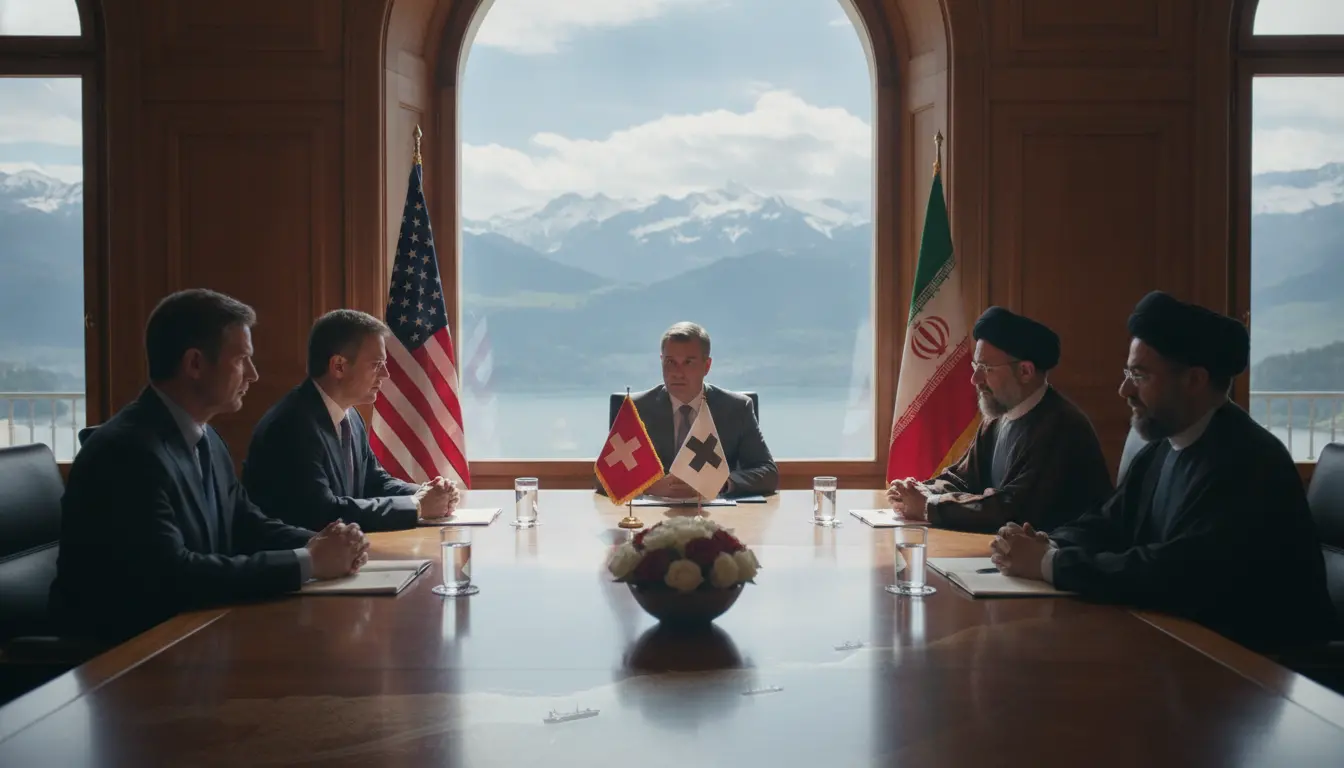
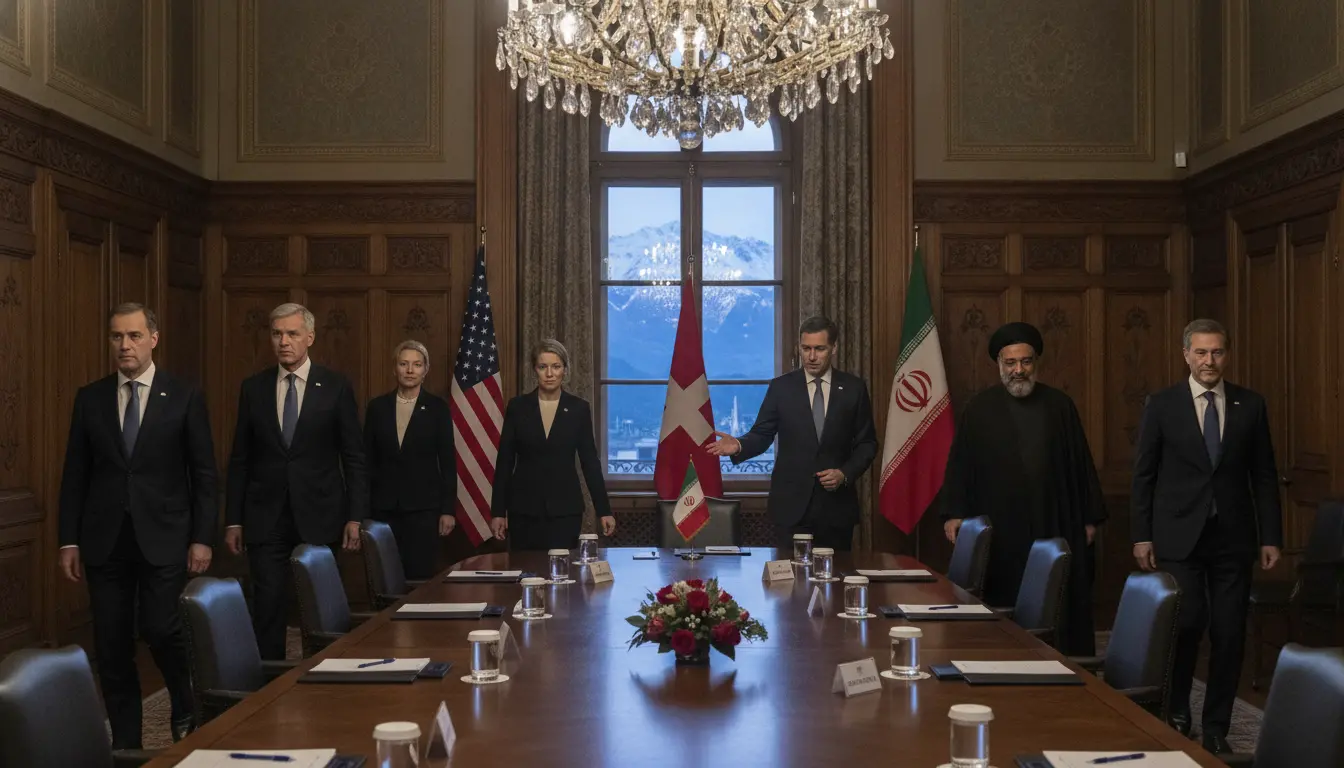
The history between Washington and Tehran since the 1979 Iranian Revolution has been characterized by profound mistrust, ideological clashes, and a near-total absence of formal diplomatic ties. Communication, when it has occurred, has typically been through intermediaries such as Switzerland, Oman, or Qatar. This lack of direct channels has often exacerbated tensions, particularly during moments of heightened crisis, such as maritime incidents in the Persian Gulf, regional proxy conflicts, or confrontations related to Iran's nuclear program. The absence of an immediate, official line of contact has meant that messages are often filtered, delayed, or misinterpreted, increasing the risk of unintended escalation. Therefore, even a pragmatic, limited communication link would be viewed by many analysts as a crucial tool for managing the inherent risks in this geopolitical flashpoint.
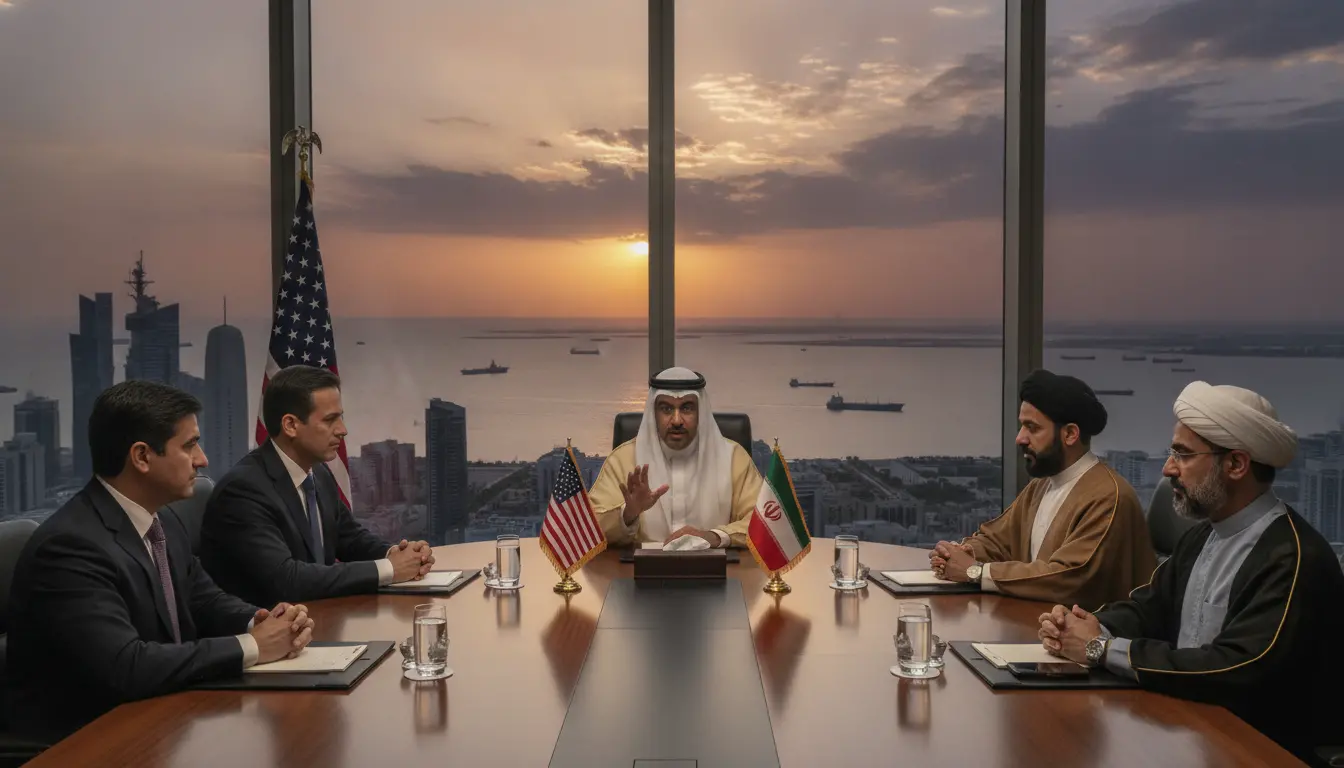
Recent indirect discussions in Doha, facilitated by Qatar, have focused on a range of issues, with the concept of a direct communication channel reportedly gaining traction. While the specifics remain under wraps, sources close to the negotiations suggest that both the US and Iranian delegations have acknowledged the practical utility of such a link, irrespective of broader political disagreements. These talks are often complex, involving sensitive topics like prisoner exchanges, regional stability, and efforts to contain Iran’s nuclear ambitions within the framework of the collapsed Joint Comprehensive Plan of Action (JCPOA). The notion of a direct channel suggests a mutual recognition that pragmatic communication, even between rivals, is essential for regional stability and preventing larger conflicts.
The potential establishment of a direct line faces significant hurdles, primarily the deep-seated mistrust and political complexities within both countries. In Iran, hardliners often view any direct engagement with the United States as a betrayal of revolutionary principles, while in the US, critics are wary of legitimizing a regime that continues to pursue a nuclear program and support regional proxies. Furthermore, the timing of any announcement would be crucial, potentially aligning with other diplomatic breakthroughs or geopolitical shifts. The current discussions underscore a pragmatic approach by both administrations, prioritizing de-escalation and risk management over ideological purity, especially in a region already grappling with multiple conflicts and uncertainties.
Should an official announcement be made, it would not signify a sudden thaw in US-Iran relations, but rather a strategic decision to create a practical mechanism for managing a dangerous status quo. This channel could serve as an essential lifeline during future crises, allowing for rapid clarification of intentions and reducing the likelihood of military confrontation. However, its effectiveness would heavily depend on the political will of both sides to utilize it constructively. The move would represent a sober recognition that, despite their profound differences, both Washington and Tehran share an interest in avoiding an uncontrolled escalation that could have devastating consequences for the Middle East and beyond. The international community, long anxious about the potential for conflict, would likely welcome any formal step towards improving communication between these two powerful antagonists.
The path ahead remains fraught with challenges. Even if a direct communication channel is established, its scope and efficacy would likely be tested by ongoing regional developments and domestic political pressures. The ultimate success would hinge on its consistent and disciplined use, becoming a tool not just for crisis aversion, but perhaps eventually, for fostering a more stable and predictable relationship. For now, the reported progress in Qatar represents a cautious, incremental step, but one that could significantly alter the architecture of a critical and often perilous bilateral relationship.
Stay Informed. Act Smarter.
Get weekly highlights, major headlines, and expert insights — then put your knowledge to work in our live prediction markets.
Related News

Persistent Diplomatic Channels Endure Between US and Iran Amidst Intensifying Regional Flashpoints

US and Iran Explore Diplomatic Pathways Amid Persistent Nuclear and Sanctions Standoff

Diplomatic Efforts Mount to Salvage US-Iran De-escalation Agreement Amid Rising Regional Tensions
US and Iran Engage in Critical Swiss Talks Amidst Strait of Hormuz Tensions
US and Iran Embark on Critical De-escalation Talks in Doha Amidst Heightened Hormuz Tensions

Future of US-Iran Diplomacy Under Scrutiny Amid Reports of Potential High-Level Talks
Potential US Vice President JD Vance Engagement Signals Shifting Dynamics in Iran Nuclear Talks
US-Iran delegations arrive as talks begin in Switzerland

US and Iran Set for High-Stakes Doha Talks on Ceasefire and Strait of Hormuz Disputes
US and Iran Envoys Convene in Switzerland for Crucial Diplomatic Talks