

- News
- Politics
- Prospects for Direct US-Iran High-Level Diplomacy Remain Fraught Amid Deepening Tensions
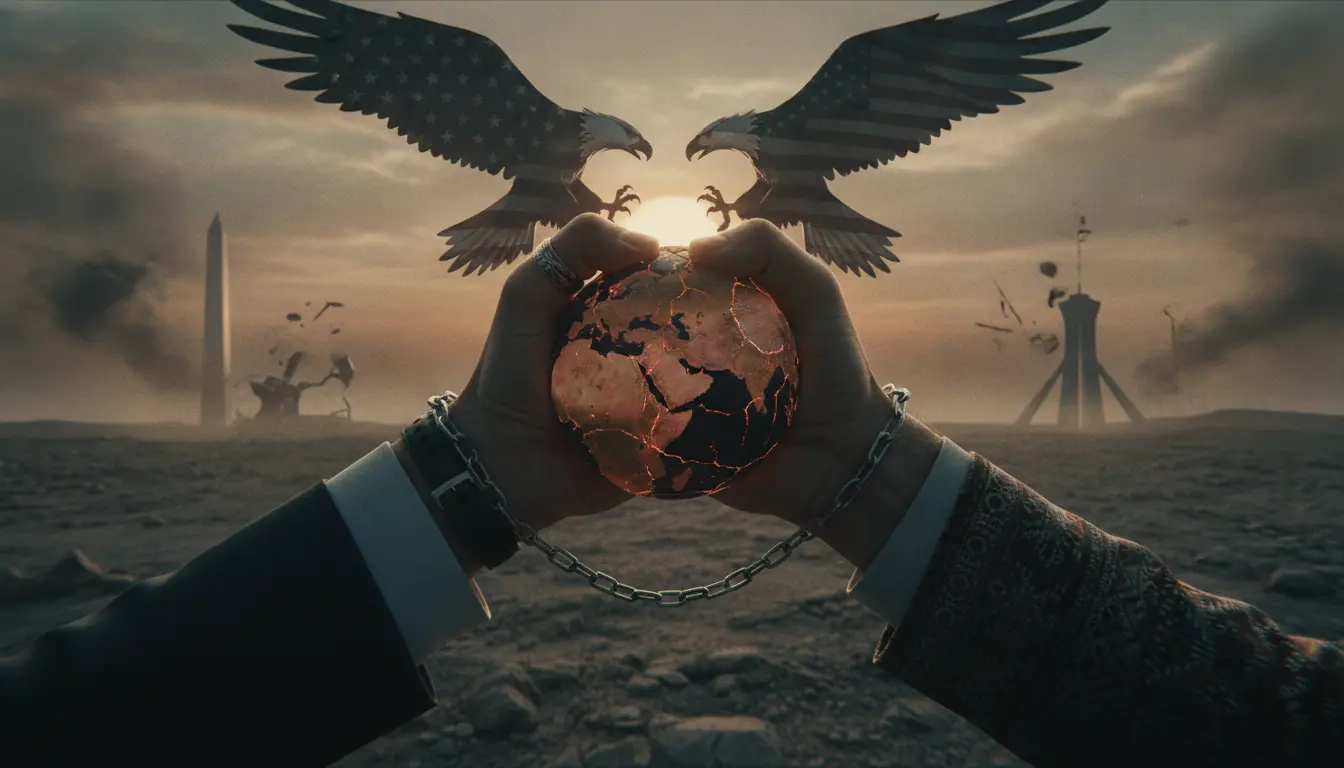
Prospects for Direct US-Iran High-Level Diplomacy Remain Fraught Amid Deepening Tensions
The long-standing stalemate between Washington and Tehran continues to cast a shadow over Middle East stability, with the prospect of official, direct, high-level diplomatic engagement perpetually debated but rarely realized. Despite intermittent signals and calls for dialogue from various quarters, profound ideological differences, escalating regional proxy conflicts, and a complex history of mistrust keep formal, face-to-face talks largely out of reach, underscoring a persistent diplomatic impasse that has defied resolution for decades. The intricate web of historical grievances and contemporary geopolitical rivalries makes any breakthrough in direct communication a monumental challenge.
This deep-seated animosity intensified significantly during the previous administration under President Donald Trump, which withdrew the United States from the Joint Comprehensive Plan of Action (JCPOA), commonly known as the Iran nuclear deal, in 2018. This move ushered in a “maximum pressure” campaign, re-imposing stringent economic sanctions aimed at crippling Iran’s economy and forcing it to negotiate a broader agreement. While President Trump at times publicly stated that Iran sought a meeting, and even expressed openness to one, the conditions for such talks were never met. Iran consistently insisted on substantial sanctions relief as a prerequisite for any direct dialogue, while the U.S. demanded a comprehensive accord encompassing Iran's ballistic missile program and its regional activities, creating an insurmountable chasm that prevented any meaningful direct engagement during that period.
The current administration, led by President Joe Biden, initially signaled a willingness to return to the JCPOA and engaged in indirect talks, primarily mediated by European powers. These negotiations, aimed at restoring mutual compliance with the nuclear accord, proved protracted and ultimately faltered amid escalating demands and mistrust from both sides. While the Biden administration has consistently maintained that all options are on the table to prevent Iran from acquiring nuclear weapons, it has also emphasized a diplomatic path as the preferred approach. However, Iran, under President Ebrahim Raisi, has largely maintained a hardline stance, viewing direct talks with Washington as a significant concession without guarantees of fundamental shifts in U.S. policy or comprehensive sanctions relief. The Islamic Republic has often preferred indirect channels, when engaging, to minimize perceived leverage for the U.S. and to manage sensitive domestic political narratives.
Beyond the nuclear issue, myriad geopolitical obstacles impede direct high-level talks. These include Iran's extensive network of proxy forces across the Middle East—such as Hezbollah in Lebanon, Houthi rebels in Yemen, and various Iraqi militias—which Washington views as profoundly destabilizing to regional security. Persistent attacks on U.S. forces and interests in the region, frequently attributed to Iranian-backed groups, further complicate any potential diplomatic overtures. The ongoing conflict in Gaza and its wider regional implications have dramatically exacerbated these tensions, leading to increased rhetoric and kinetic actions that make de-escalation, let alone direct dialogue, an extraordinarily complex and politically charged endeavor. Each incident of regional instability adds another layer of difficulty to any prospects for reconciliation.
The stakes of this enduring diplomatic deadlock are immense. Without direct, official channels of communication at the highest levels, the risks of miscalculation are significantly heightened, potentially spiraling into broader regional conflicts with catastrophic consequences. The absence of sustained high-level engagement leaves critical issues, from nuclear proliferation and ballistic missile development to regional security and human rights, largely unresolved, perpetuating a cycle of deep distrust and confrontation. While indirect communication through intermediaries, such as Oman, Qatar, or even European allies, continues intermittently, these channels do not offer the strategic clarity and potential for breakthrough solutions that direct, senior-level discussions could provide.
For any such talks to materialize, both sides would likely need to demonstrate significant flexibility, a tangible de-escalation of regional tensions, and a fundamental reassessment of their long-held preconditions—a scenario that remains highly challenging given the current geopolitical landscape. The deep ideological chasms and the deeply entrenched distrust on both sides require a political will that has thus far proven elusive. The question is not merely if such talks can occur, but under what dramatically altered conditions they might become politically feasible for both Washington and Tehran, navigating internal pressures and external expectations in an increasingly volatile Middle East.
Stay Informed. Act Smarter.
Get weekly highlights, major headlines, and expert insights — then put your knowledge to work in our live prediction markets.
Related News

US-Iran Nuclear Diplomacy Hits Snag Amid Heightened Middle East Tensions

Future of US-Iran Diplomacy Under Scrutiny Amid Reports of Potential High-Level Talks

Persistent Diplomatic Channels Endure Between US and Iran Amidst Intensifying Regional Flashpoints
US-Iran Diplomatic Engagement Faces Mounting Pressure, Risking Suspension
US-Iran Nuclear Diplomacy Stalls Amid Envoy Delays and Regional Volatility

US and Iran Explore Diplomatic Pathways Amid Persistent Nuclear and Sanctions Standoff

Prospects for a Permanent US-Iran Peace Deal by 2026 Face Formidable Diplomatic Hurdles
U.S.-Iran Nuclear Dialogue Stalled Amid Tehran Leadership Transition and Unresolved Issues
Heightened Geopolitical Tensions Spark Concerns Over Potential US-Iran Conflict

US-Iran Tensions Escalate Amid Renewed Rhetoric, Raising Specter of Direct Confrontation