


Future of US-Iran Diplomacy Under Scrutiny Amid Reports of Potential High-Level Talks
Speculation is mounting regarding the future trajectory of diplomatic relations between the United States and Iran, following reports of preliminary outreach efforts linked to former President Donald Trump. Whispers from diplomatic circles suggest that envoys associated with Trump have engaged in exploratory dialogues, with Switzerland emerging as a potential neutral ground for such high-level discussions. These nascent movements signal a significant diplomatic question: whether direct, officially announced talks between senior US representatives and high-ranking Iranian officials, such as Iran’s Foreign Minister or even higher, could materialize in the coming years, particularly in the event of a future Trump administration.
This development comes against a backdrop of decades of deep mistrust and intermittent confrontation between Washington and Tehran. During his first term, President Trump dramatically altered the US approach to Iran, withdrawing from the Joint Comprehensive Plan of Action (JCPOA), the multilateral nuclear agreement signed in 2015. He subsequently initiated a “maximum pressure” campaign, imposing extensive sanctions designed to cripple Iran’s economy and compel it to renegotiate a more stringent nuclear deal and curb its regional influence. This period was marked by escalating tensions, including military confrontations, attacks on oil infrastructure, and the assassination of Iranian General Qassem Soleimani. While Trump’s administration occasionally expressed a willingness for direct talks, Iran consistently rebuffed these overtures, demanding a return to the JCPOA and lifting of sanctions as prerequisites.
From Iran’s perspective, the US withdrawal from the JCPOA and the subsequent punitive sanctions regime instilled a profound distrust, hardening its stance against direct engagement with Washington. Under the current conservative leadership of President Ebrahim Raisi, and specifically Foreign Minister Hossein Amir-Abdollahian, Iran has continued its uranium enrichment activities, exceeding the limits set by the original nuclear deal. Tehran has also maintained its support for various proxy groups across the Middle East, which the US and its allies view as destabilizing. Any future talks would confront these entrenched positions, with Iran likely to demand significant economic concessions and assurances against future US policy reversals, a formidable challenge given its consistent public rejection of direct negotiations until certain conditions are met.
Should such high-level talks indeed progress, the implications for regional and global stability would be profound. Key players would undoubtedly include former President Trump himself, potentially through intermediaries or directly if he were to return to office, and senior figures within the Iranian foreign policy apparatus. The agenda could range from a renewed effort to constrain Iran's nuclear program to de-escalating regional proxy conflicts, or even the outlines of a broader, more enduring peace framework. Such discussions would inevitably send shockwaves through the Middle East, potentially reshaping alliances and challenging the security paradigms of countries like Saudi Arabia and Israel, who have historically been wary of US-Iran rapprochement.
The diplomatic hurdles inherent in any potential direct engagement are immense. Decades of animosity, coupled with the deeply ingrained political and ideological positions in both Washington and Tehran, mean that any substantive progress would require a monumental shift in strategy and mutual concession. Iran’s internal political landscape, particularly the powerful role of the Supreme Leader, also presents a complex dynamic for any negotiators. However, the potential rewards—a significant de-escalation of tensions, a more stable regional security environment, and averting the specter of nuclear proliferation—underscore the strategic importance of even exploratory discussions.
The very notion of potential high-level talks, particularly if former President Trump were to secure a second term, underscores a persistent undercurrent in US foreign policy — the search for a durable solution to the Iran challenge. Whether these preliminary signals coalesce into formal negotiations remains uncertain, but the geopolitical stakes are undeniably high. A breakthrough could redefine US engagement in the Middle East, while a failure could plunge an already volatile region into deeper instability, emphasizing the delicate balance inherent in this complex diplomatic dance. The path to any meaningful dialogue will be fraught with obstacles, requiring extraordinary political will and strategic foresight from all parties involved.
Stay Informed. Act Smarter.
Get weekly highlights, major headlines, and expert insights — then put your knowledge to work in our live prediction markets.
Related News

Prospects for Direct US-Iran High-Level Diplomacy Remain Fraught Amid Deepening Tensions
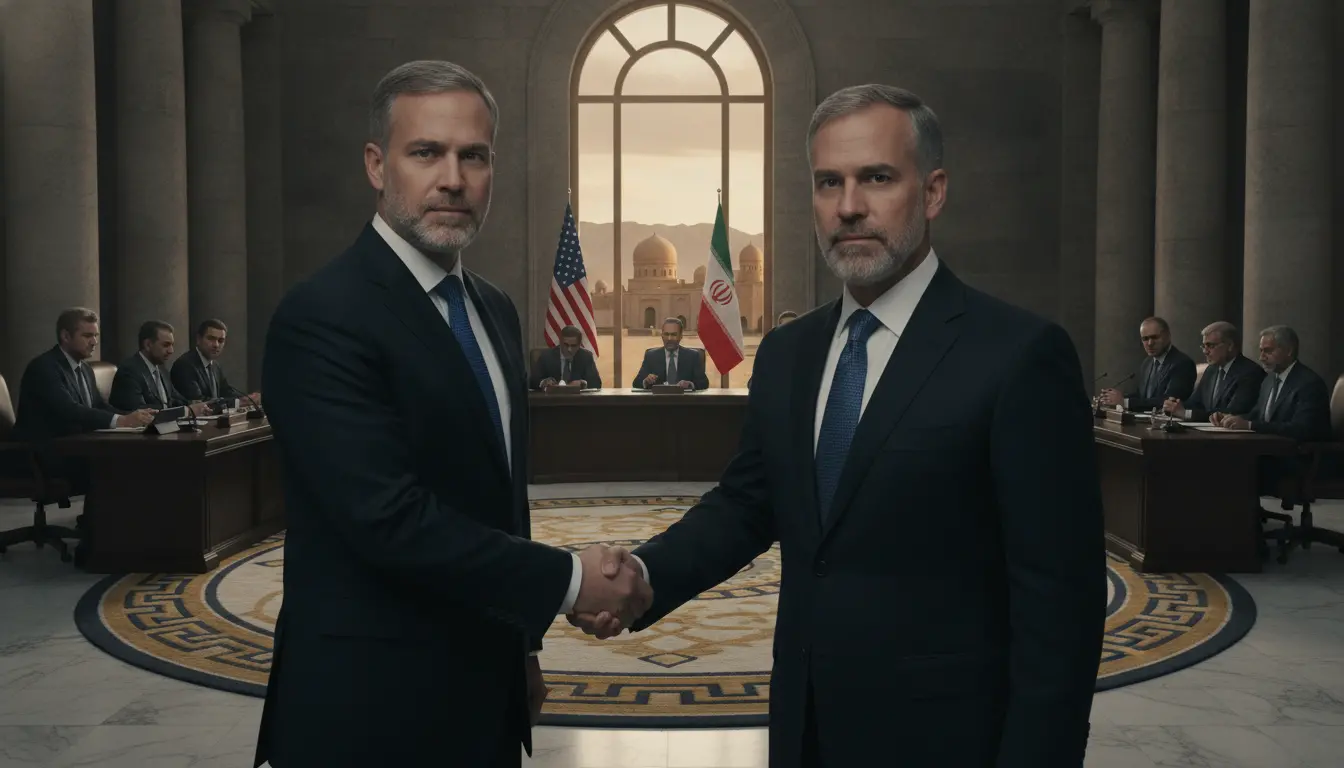
Potential US Vice President JD Vance Engagement Signals Shifting Dynamics in Iran Nuclear Talks

US and Iran Explore Diplomatic Pathways Amid Persistent Nuclear and Sanctions Standoff

Persistent Diplomatic Channels Endure Between US and Iran Amidst Intensifying Regional Flashpoints
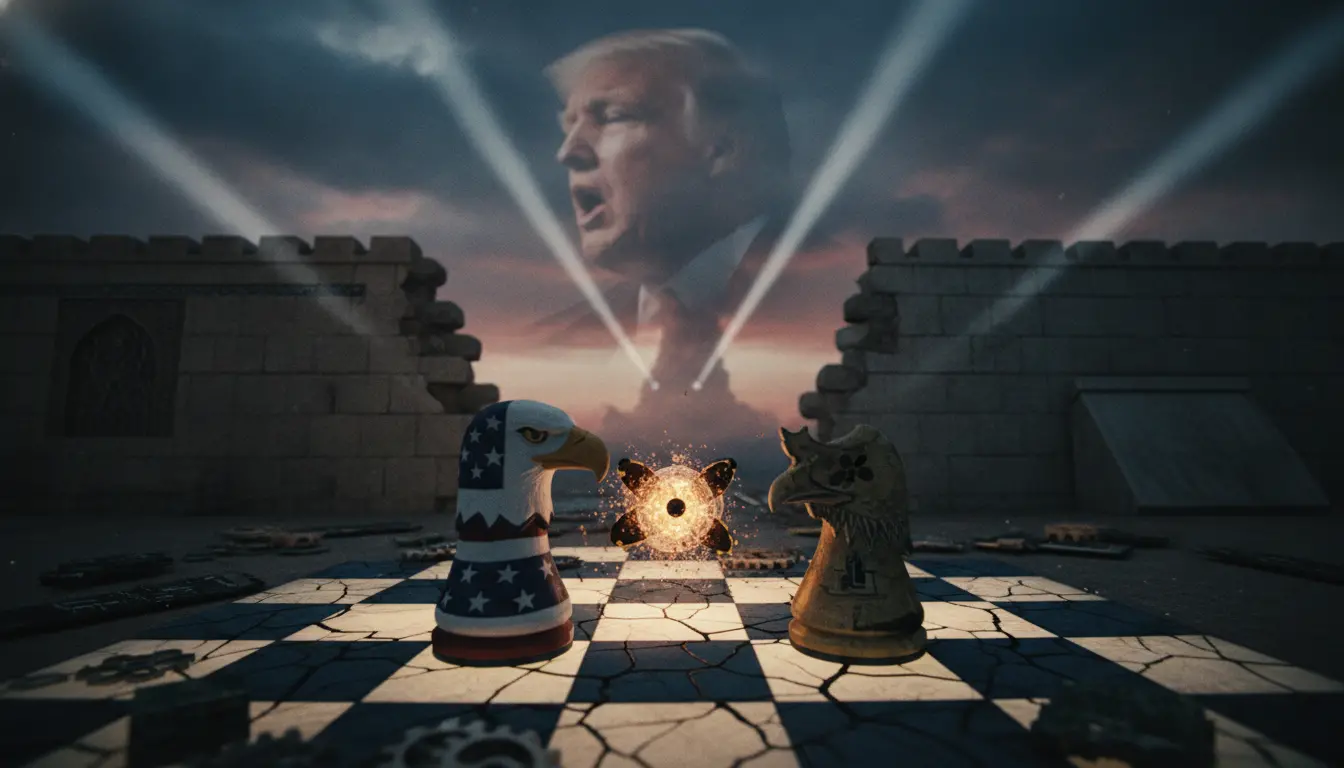
US-Iran Nuclear Diplomacy in Turmoil as Tehran Denies Trump's Claim of Inspection Deal
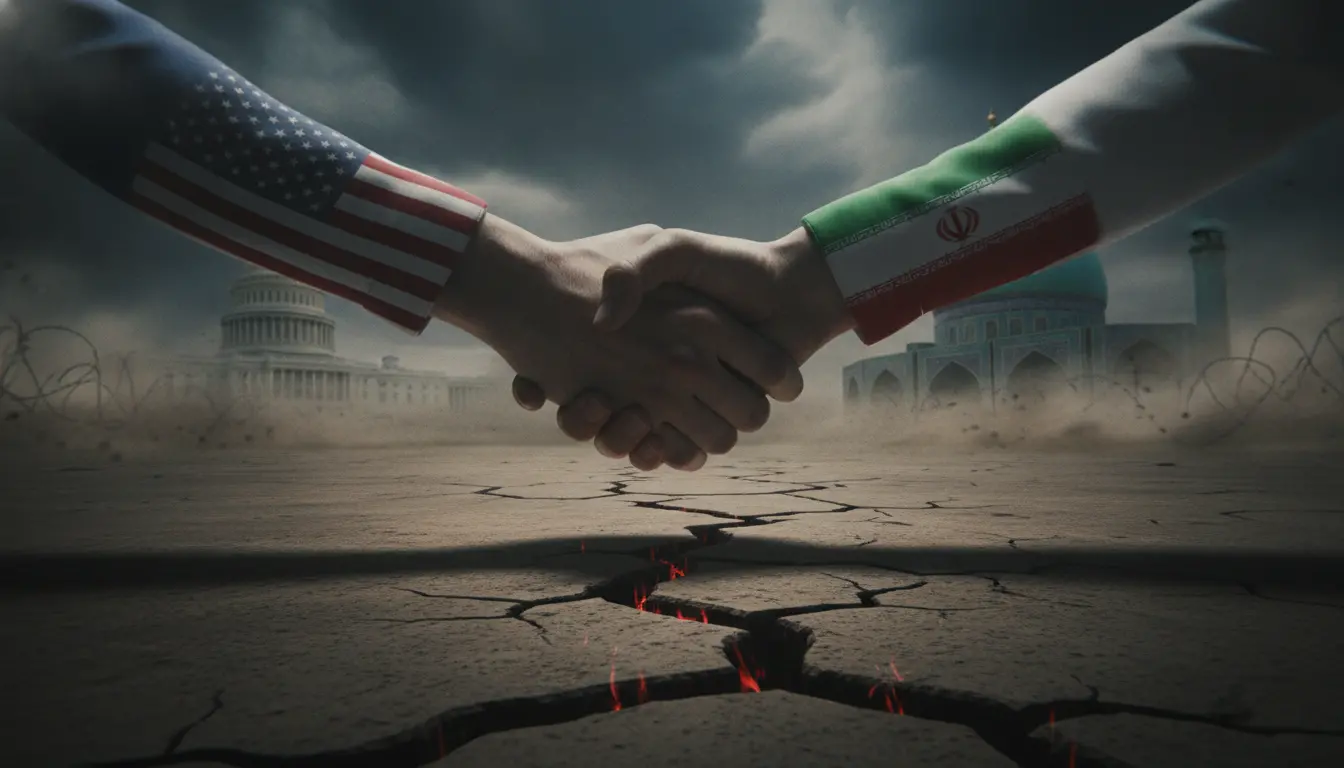
US-Iran Diplomatic Engagement Faces Mounting Pressure, Risking Suspension
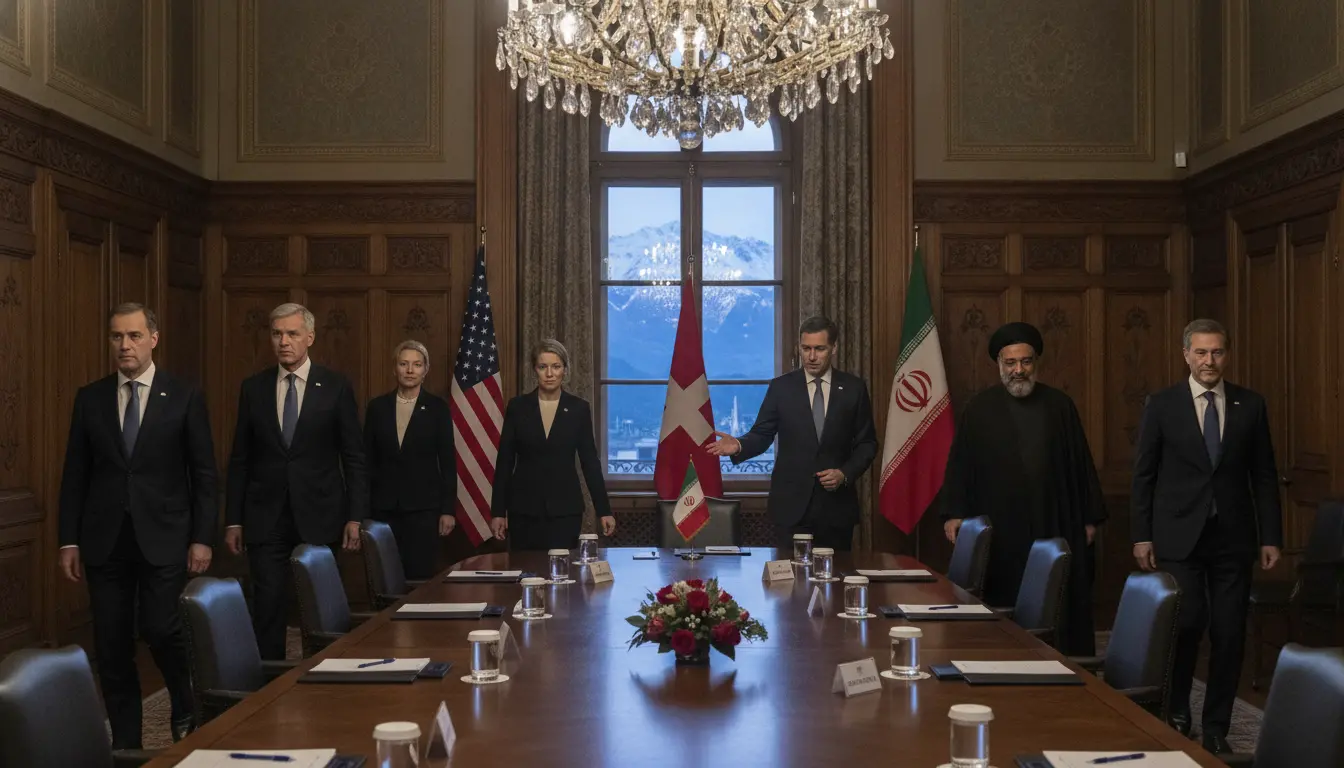
US-Iran delegations arrive as talks begin in Switzerland
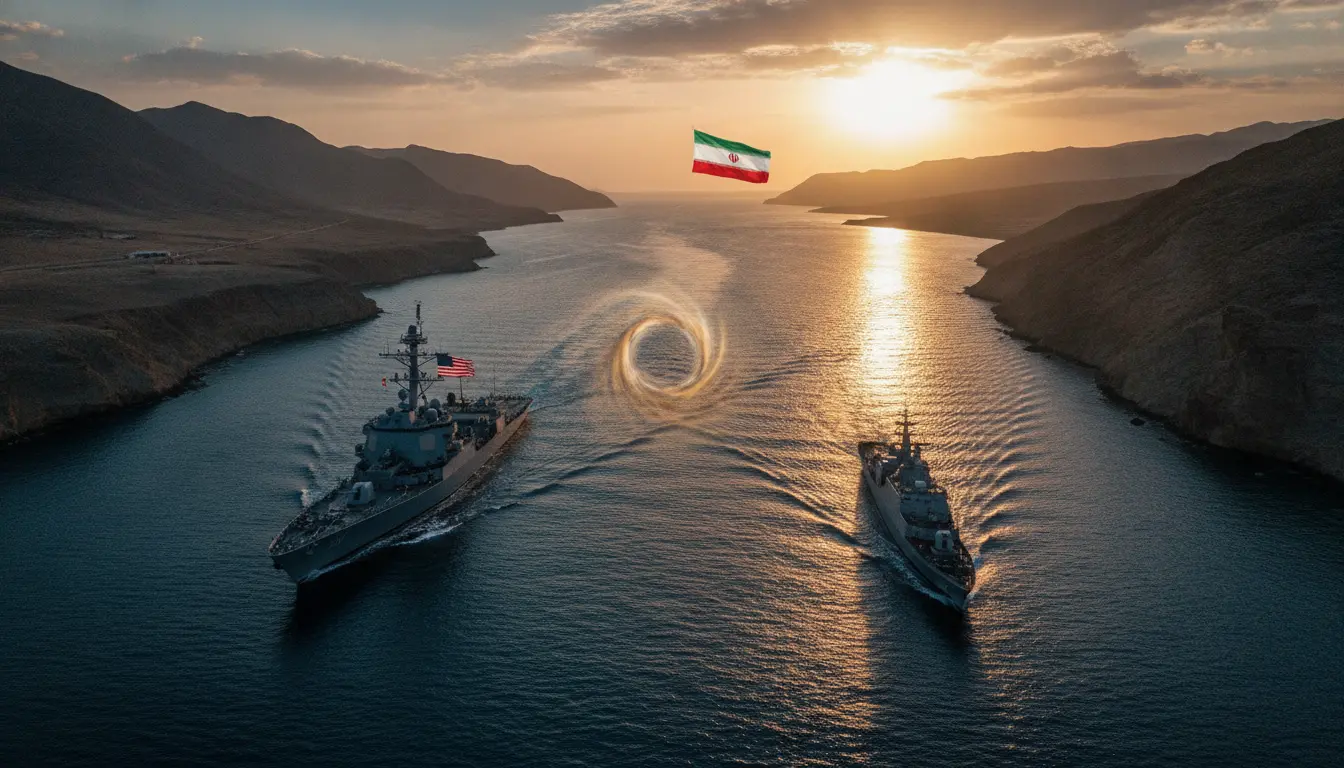
US and Iran Face High-Stakes Negotiations Amidst Pressures to Secure Strait of Hormuz
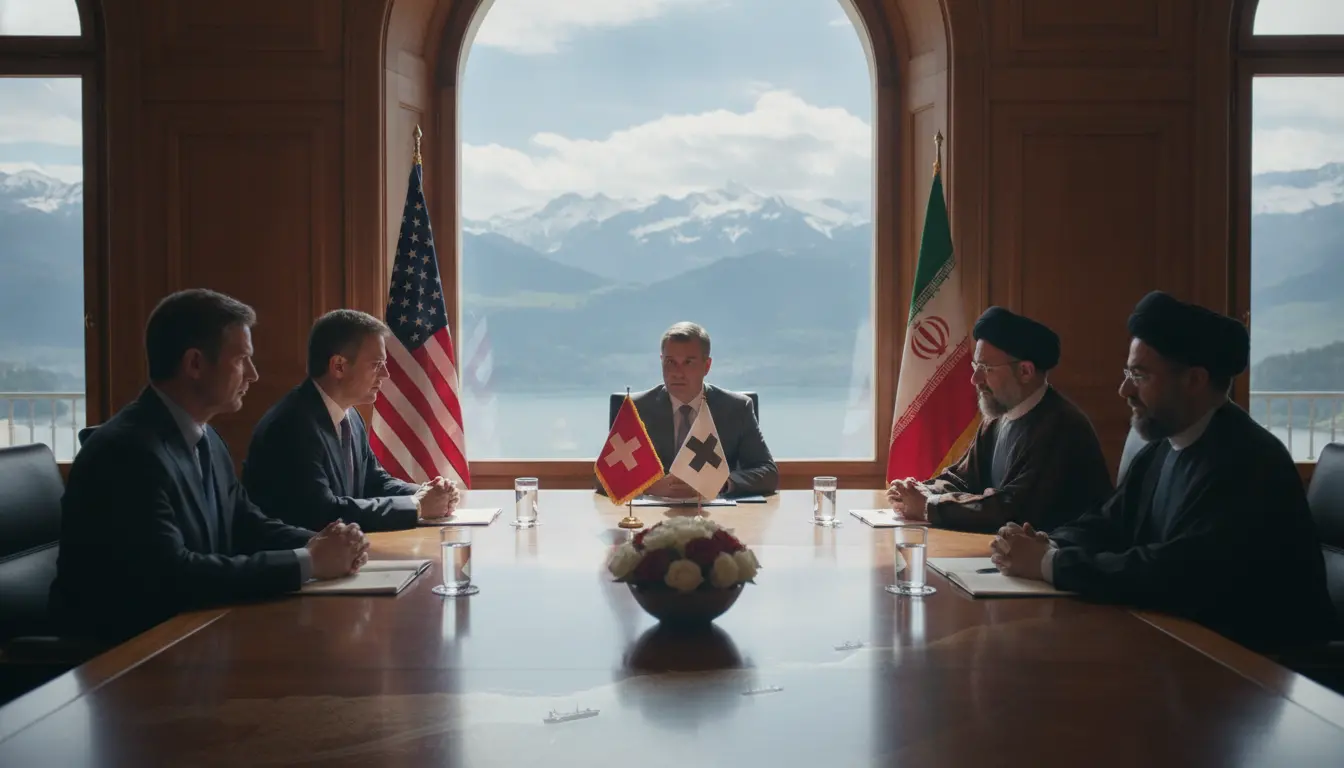
US and Iran Engage in Critical Swiss Talks Amidst Strait of Hormuz Tensions
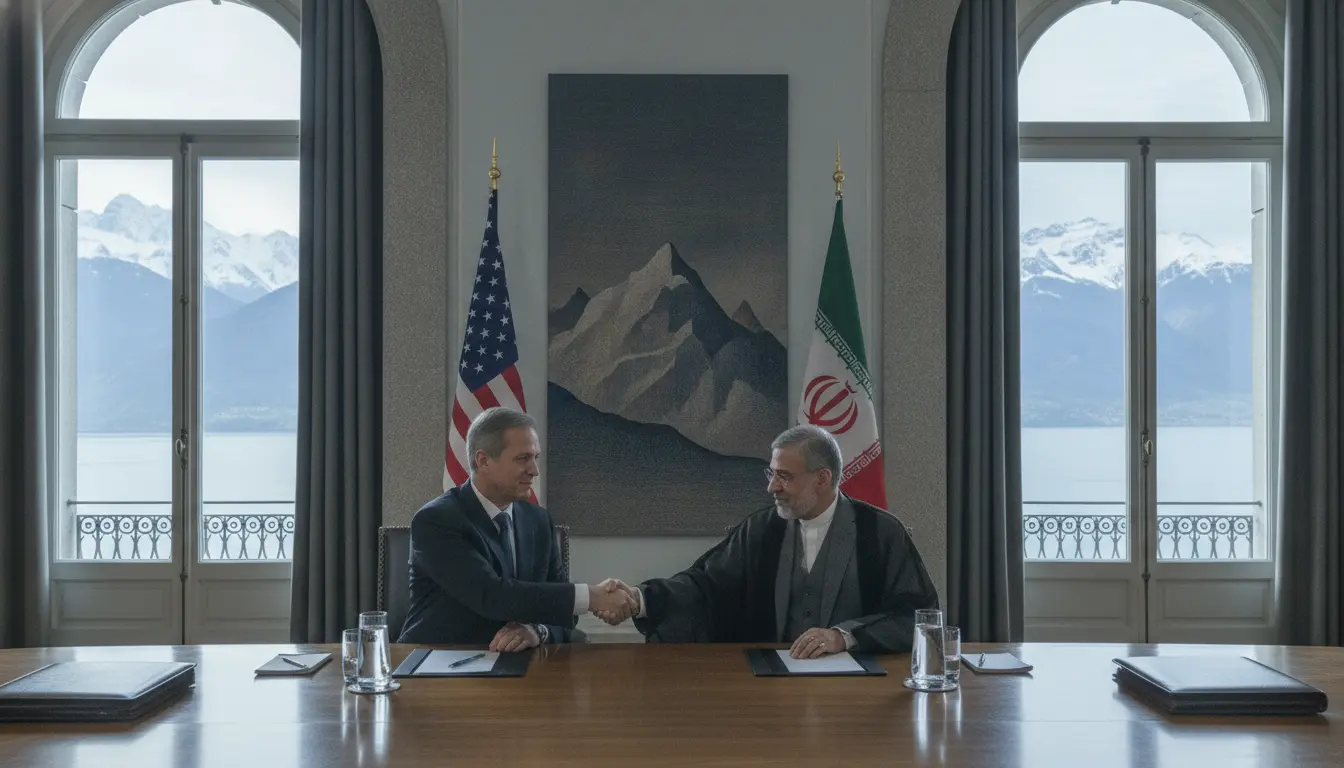
US and Iran Envoys Convene in Switzerland for Crucial Diplomatic Talks