


US and Iran Set for High-Stakes Doha Talks on Ceasefire and Strait of Hormuz Disputes
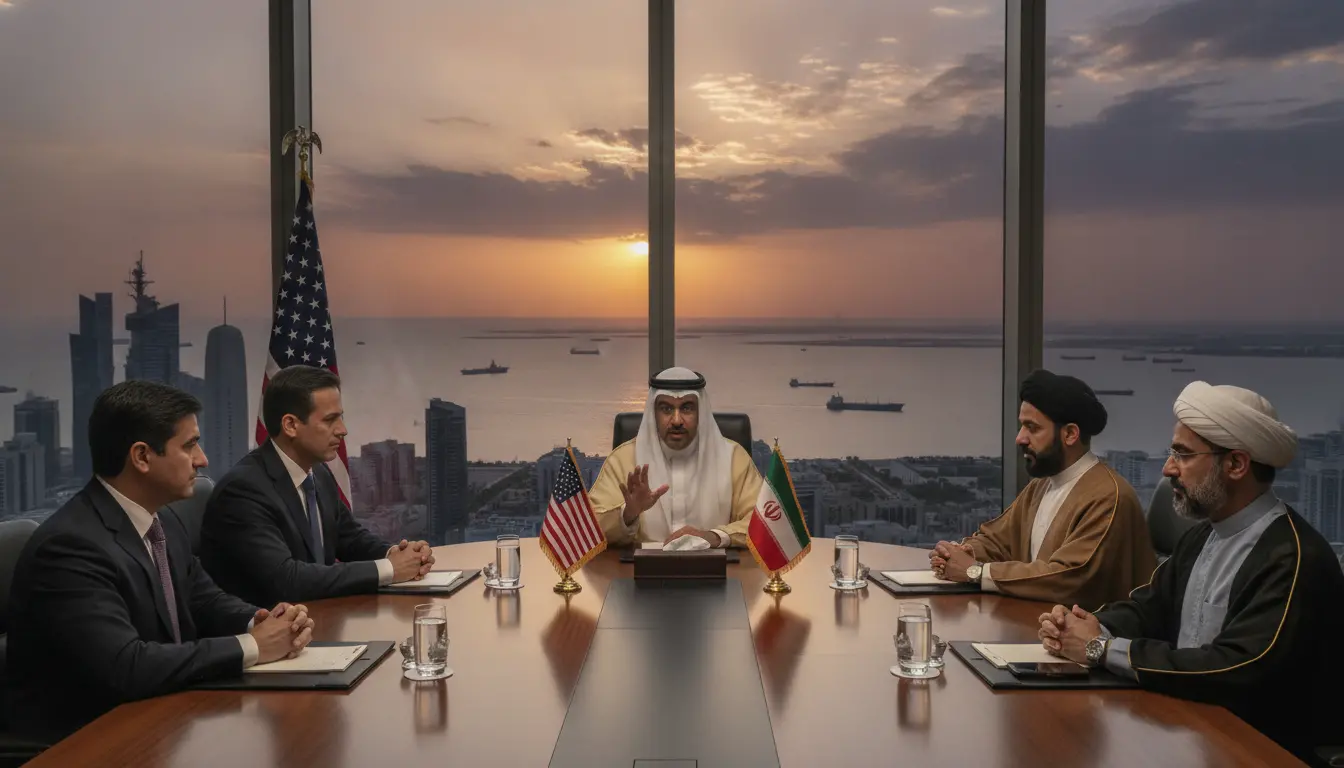
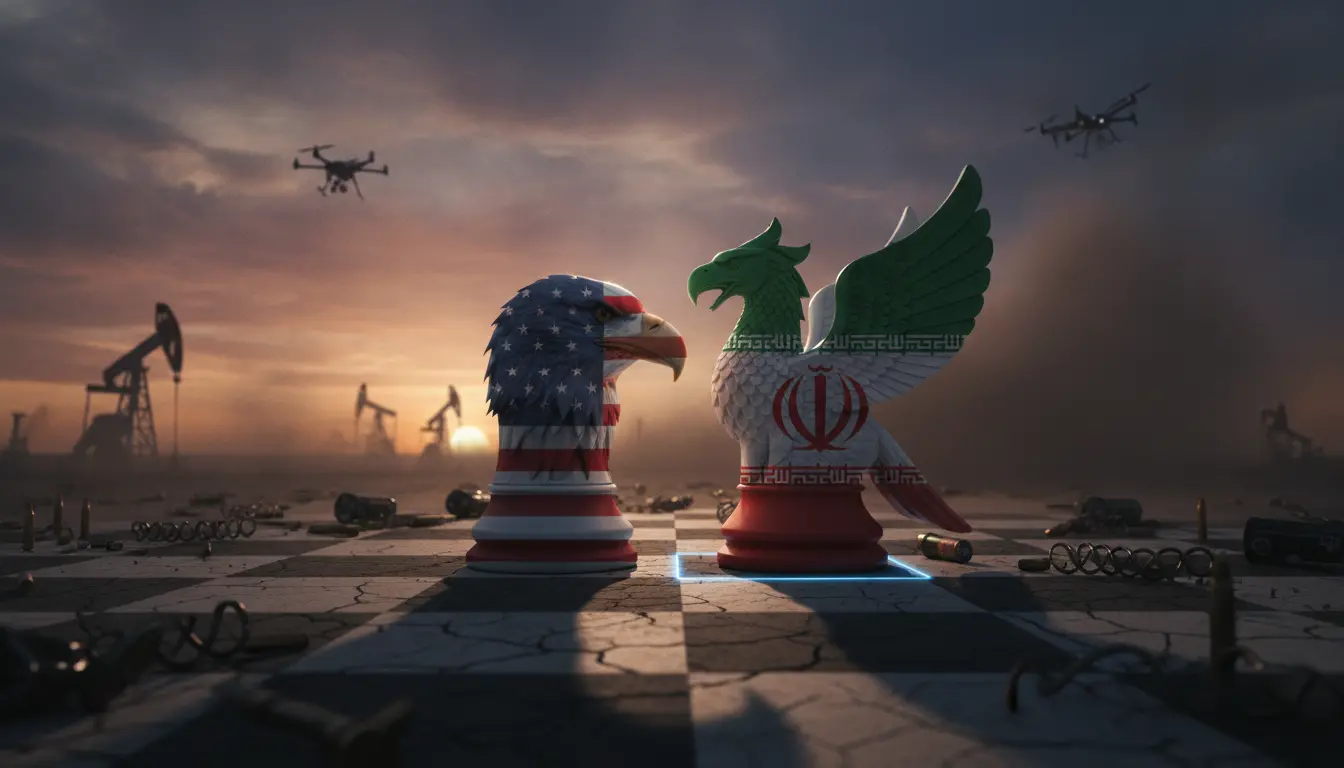
Doha, Qatar is slated to host critical talks by June 30, 2026, between the United States and Iran, aimed at de-escalating burgeoning tensions and potentially formalizing an extension of a precarious ceasefire. The scheduled negotiations arrive amidst a deeply volatile regional landscape, with recent military exchanges in the Gulf serving as stark reminders of the ever-present risk of broader conflict. Diplomats from both nations are expected to tackle immediate flashpoints, primarily focusing on freedom of navigation through the Strait of Hormuz and the longevity of a fragile cessation of hostilities that has seen intermittent breaches.
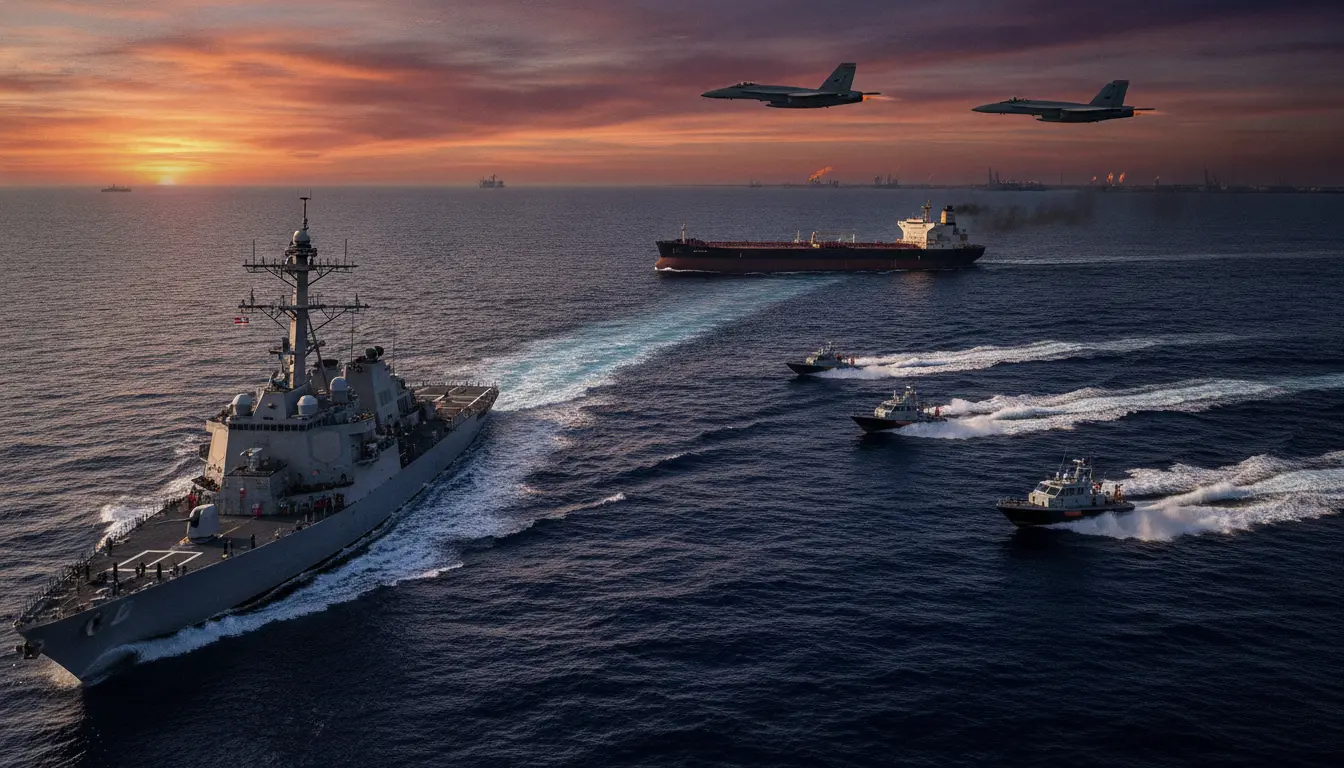
The backdrop to these discussions is a decades-long history of animosity and distrust, punctuated by periods of intense confrontation and brief, often indirect, diplomatic overtures. The Strait of Hormuz, a vital chokepoint for a significant portion of the world's oil supply, remains a persistent source of contention. Iran views the waterway as an essential element of its national security and a potential lever in its geopolitical struggles, while the United States and its allies emphasize international maritime law and freedom of passage. Past incidents, including tanker seizures, drone downings, and alleged attacks on shipping, have repeatedly underscored the strategic importance and inherent dangers of this maritime corridor. The upcoming talks represent a concerted effort to codify understandings that could prevent further destabilization of this crucial global artery.
Adding to the urgency are the broader regional power dynamics and the proxy conflicts that have often pitted US-backed forces against Iranian-supported groups across the Middle East. While the specifics of the current ceasefire remain largely under wraps, its existence implies a recognition by both Washington and Tehran of the need to temper overt hostilities. However, the intermittent exchanges of fire, as noted by intelligence reports, indicate that the underlying grievances and operational activities continue, making any agreement on a formal extension both challenging and critically important. Success in Doha could pave the way for a more stable, albeit still cautious, period of de-escalation, but failure risks reigniting a cycle of retaliatory actions that could quickly spiral beyond control.
Qatar has once again stepped into its well-worn role as a regional mediator, leveraging its diplomatic ties with both Washington and Tehran. The Gulf state’s neutrality and consistent advocacy for dialogue have made it a preferred venue for high-stakes negotiations involving parties with otherwise limited direct communication channels. For Qatar, facilitating these talks is not merely a gesture of goodwill but also a strategic imperative, as regional instability directly impacts its own security and economic interests. The intricate preparations for such a meeting involve significant back-channel communications and the delicate crafting of agendas that allow both sides to address their core concerns without appearing to concede too much politically.
The immediate objectives for the US delegation are likely to include securing guarantees for unhindered passage through the Strait and ensuring verifiable adherence to the ceasefire terms. For Iran, the talks present an opportunity to alleviate some external pressures and perhaps lay the groundwork for addressing broader economic or security grievances. However, the scope of these discussions is understood to be narrow, deliberately focusing on de-escalation rather than attempting to resolve the deeper, systemic issues that define US-Iran relations, such as Iran's nuclear program or its ballistic missile capabilities. Both sides arrive at the negotiating table with deep-seated mistrust and maximalist positions often at odds with pragmatic compromise.
The stakes for the global community are immense. A formal extension of the ceasefire, coupled with clearer protocols for maritime conduct in the Strait of Hormuz, would significantly reduce the immediate threat of a major military confrontation in the Gulf. Conversely, a breakdown in talks could lead to a renewed cycle of aggression, impacting global oil markets, regional economies, and potentially drawing in other international actors. While a comprehensive breakthrough on all fronts remains a distant prospect, even a limited agreement in Doha could serve as a vital stepping stone toward fostering a modicum of predictability in a region consistently characterized by its volatility and complex geopolitical maneuvering. The world will be watching closely as the US and Iran navigate these fraught discussions in the Qatari capital.
Stay Informed. Act Smarter.
Get weekly highlights, major headlines, and expert insights — then put your knowledge to work in our live prediction markets.
Related News
US and Iran Embark on Critical De-escalation Talks in Doha Amidst Heightened Hormuz Tensions
US and Iran Engage in Critical Swiss Talks Amidst Strait of Hormuz Tensions

Diplomatic Efforts Mount to Salvage US-Iran De-escalation Agreement Amid Rising Regional Tensions
US and Iran Face High-Stakes Negotiations Amidst Pressures to Secure Strait of Hormuz

US and Iran Face Complex Path Toward Formal Ceasefire Amid Deep-Seated Regional Tensions

Persistent Diplomatic Channels Endure Between US and Iran Amidst Intensifying Regional Flashpoints
US and Iran Reach Fragile Ceasefire Agreement in Strategically Critical Strait of Hormuz
US and Iran Navigate Fragile Cease-Fire Amid Heightened Tensions
US-Iran Tensions Soar Amid Escalating Strikes and Maritime Incidents in Gulf

US and Iran Weigh Direct Communication Channel as Diplomatic Efforts Continue