

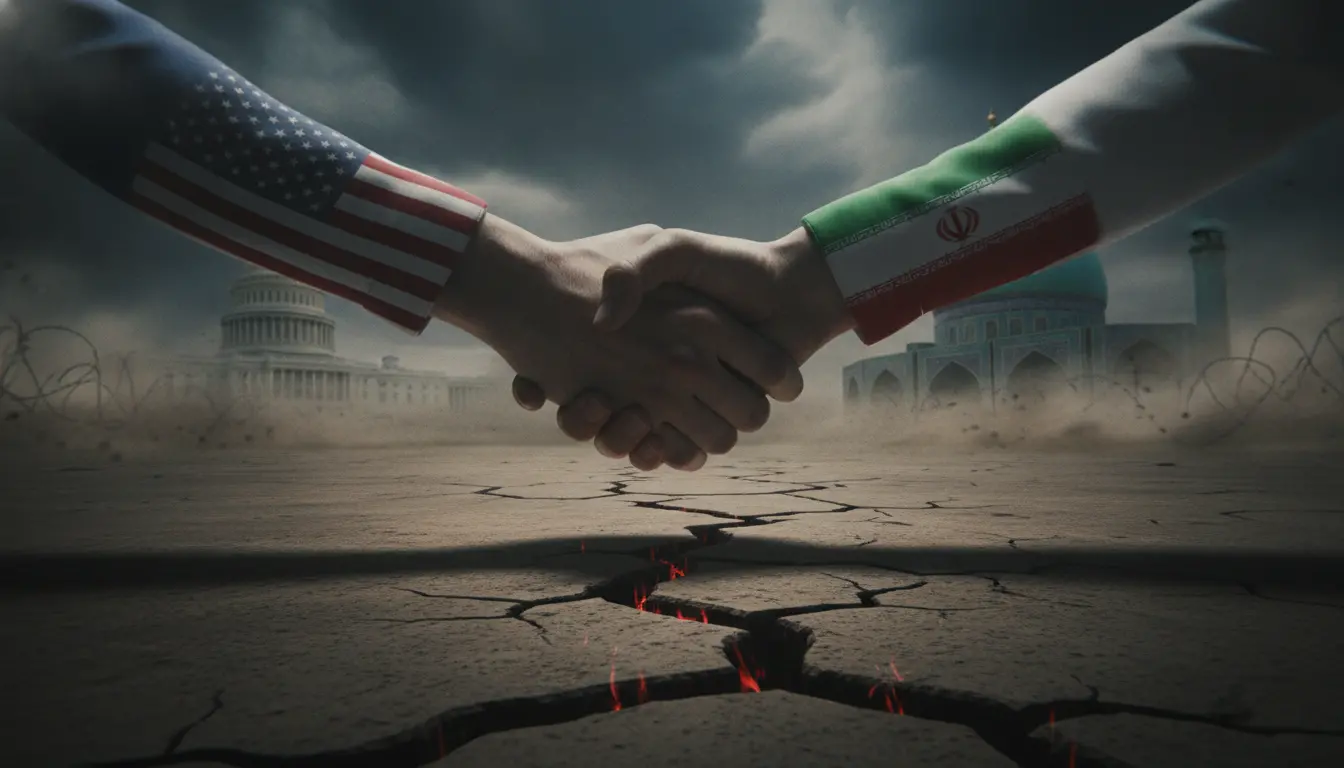
US-Iran Diplomatic Engagement Faces Mounting Pressure, Risking Suspension
The already fraught diplomatic channels between the United States and Iran are under intensifying strain, raising concerns that formal engagement could be suspended in the coming years. A confluence of escalating military exchanges, hardening rhetoric, and entrenched mistrust threatens to unravel the fragile efforts to manage tensions, pushing the two nations further towards a perilous confrontation rather than dialogue.
For decades, the relationship between Washington and Tehran has been characterized by cycles of animosity and limited, often indirect, engagement. The 2015 nuclear accord, the Joint Comprehensive Plan of Action (JCPOA), represented a brief period of rapprochement, but its unravelling under the Trump administration and subsequent failure to revive it under President Biden has plunged relations back into a deeply volatile state. Efforts to re-engage, primarily through indirect talks facilitated by European nations and regional intermediaries like Oman and Qatar, have consistently faced headwinds from hardline elements in both capitals, who view compromise as weakness.
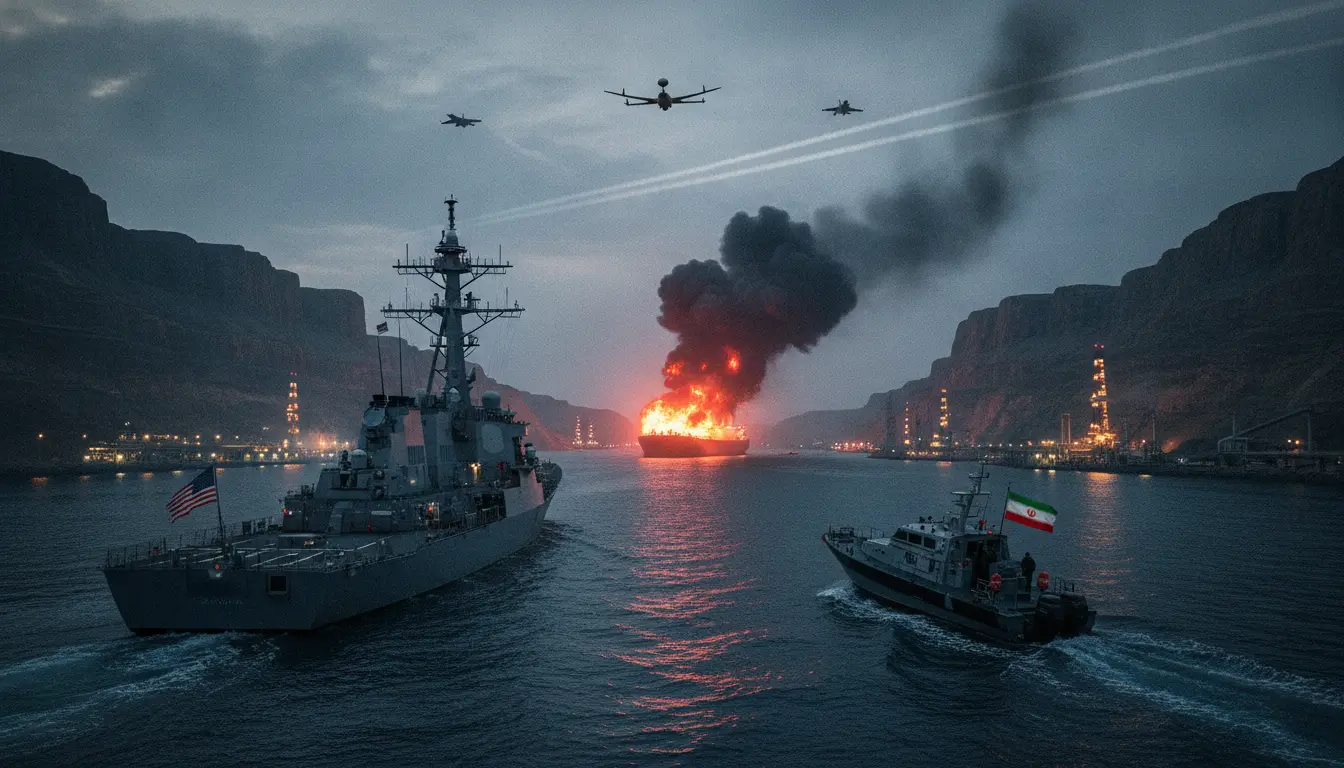
Recent months have witnessed a marked escalation across multiple theaters. In the Persian Gulf, encounters between US naval forces and Iranian Revolutionary Guard Corps vessels remain frequent, often involving confrontational maneuvers. Critically, Iran's advancing nuclear program continues to alarm Western powers, with uranium enrichment levels nearing weapons-grade thresholds and international monitoring capabilities diminishing. Beyond the nuclear file, the wider Middle East serves as a complex chessboard where US and Iranian interests frequently clash through proxy forces. Attacks on US military personnel and assets in Iraq and Syria, widely attributed to Iran-backed militias, have prompted retaliatory strikes from Washington, creating a dangerous tit-for-tat dynamic. Furthermore, the Houthi attacks on shipping in the Red Sea, supported by Tehran, have injected a new layer of regional instability, drawing the US and its allies into direct military action.
The political landscape in both countries presents formidable obstacles to sustained diplomatic progress. In Iran, the conservative establishment holds firm control, often prioritizing ideological purity and regional influence over de-escalation with the West. Domestic pressures and economic sanctions also fuel a narrative of resistance. On the American side, the upcoming election cycle and a deeply divided Congress mean any significant diplomatic overture towards Iran is likely to face intense scrutiny and political opposition. Neither side appears willing or able to make the substantial concessions required to forge a more durable peace, leading instead to a pattern of crisis management rather than genuine conflict resolution.
The potential suspension of even the most rudimentary peace talks carries profound implications. Without a dedicated channel for communication, the risk of miscalculation and unintended escalation in an already combustible region would skyrocket. This could manifest in heightened naval skirmishes, more aggressive proxy actions, or a further acceleration of Iran's nuclear activities, each carrying the potential for broader regional conflict. A breakdown in diplomatic efforts would also complicate global efforts to stabilize energy markets and address wider security challenges, with ripple effects far beyond the Middle East. The window for managing this delicate relationship through dialogue appears to be narrowing, placing the burden on both nations to find a path back from the brink before formal engagement becomes untenable. What remains clear is that the current trajectory is unsustainable, demanding a concerted effort to de-escalate if a complete breakdown is to be averted in the long term.
Stay Informed. Act Smarter.
Get weekly highlights, major headlines, and expert insights — then put your knowledge to work in our live prediction markets.
Related News

US-Iran Nuclear Diplomacy Hits Snag Amid Heightened Middle East Tensions

Persistent Diplomatic Channels Endure Between US and Iran Amidst Intensifying Regional Flashpoints

Prospects for Direct US-Iran High-Level Diplomacy Remain Fraught Amid Deepening Tensions
US-Iran Nuclear Diplomacy Stalls Amid Envoy Delays and Regional Volatility
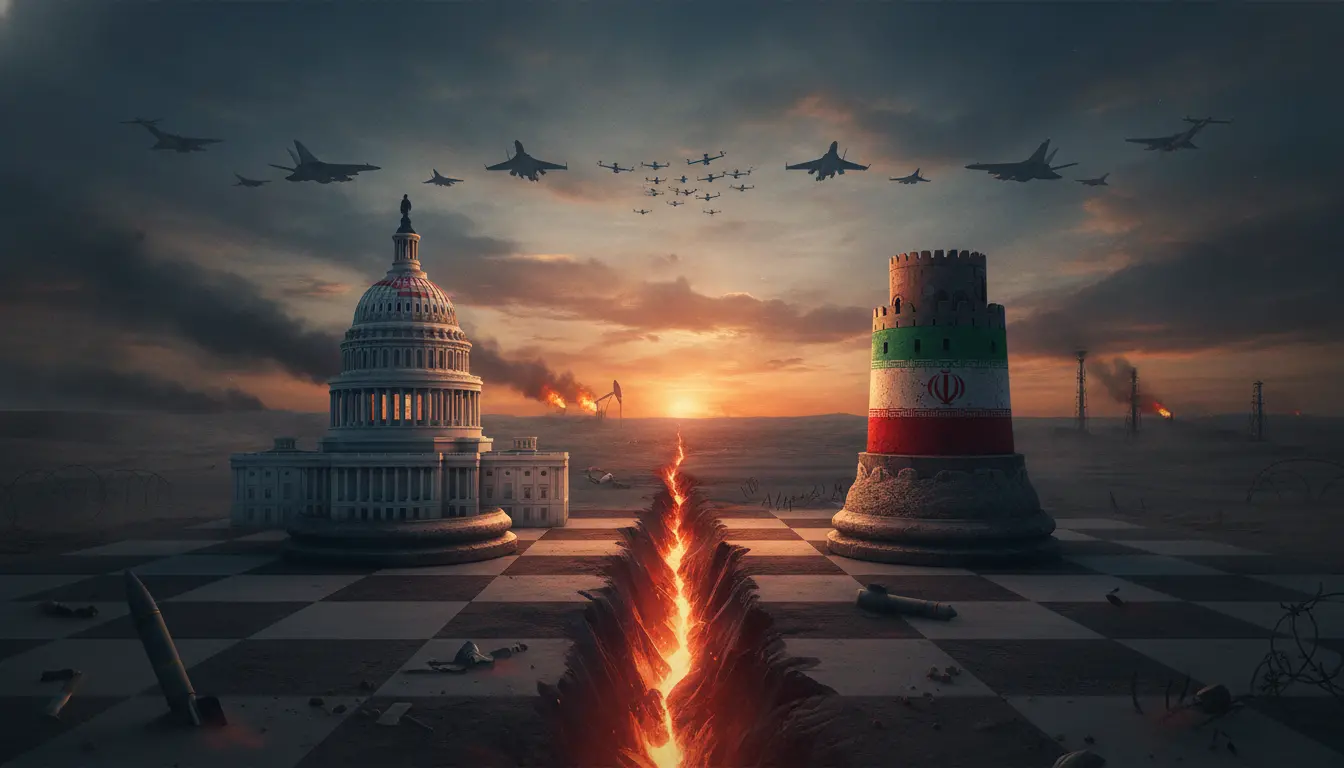
Heightened Geopolitical Tensions Spark Concerns Over Potential US-Iran Conflict

US and Iran Explore Diplomatic Pathways Amid Persistent Nuclear and Sanctions Standoff
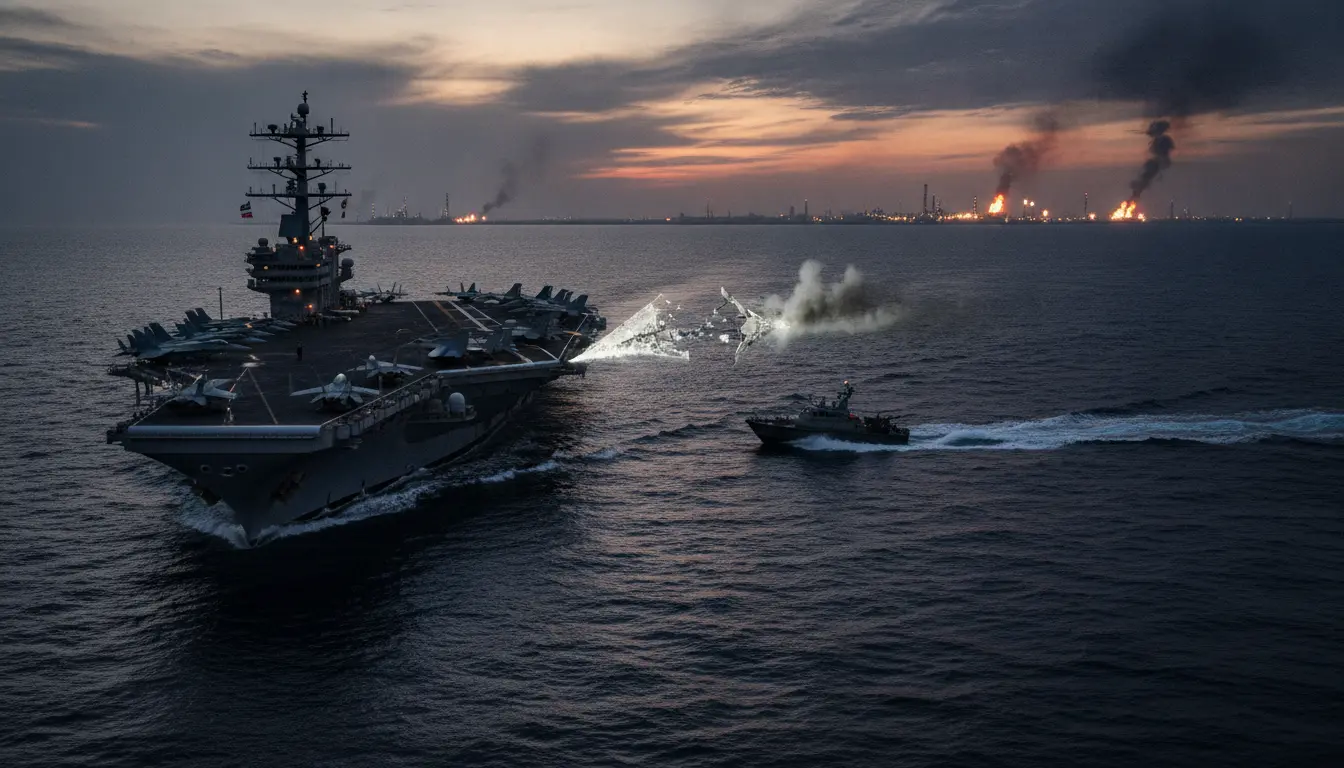
US-Iran De-escalation Pact Under Severe Strain Amid Escalating Gulf Tensions

Prospects for a Permanent US-Iran Peace Deal by 2026 Face Formidable Diplomatic Hurdles
US-Iran De-escalation Accord Faces Precarious Future Amid Renewed Hostilities and Strait of Hormuz Tensions

Diplomatic Efforts Mount to Salvage US-Iran De-escalation Agreement Amid Rising Regional Tensions