


US-Iran Nuclear Diplomacy Hits Snag Amid Heightened Middle East Tensions
Efforts to formally restart direct nuclear negotiations between the United States and Iran have stalled, as escalating regional conflicts and deep-seated mistrust create formidable new obstacles to diplomacy. A recently postponed trip by a senior U.S. envoy to Switzerland, a traditional hub for such sensitive talks, underscores the growing challenges facing the Biden administration's attempts to find a lasting solution to Tehran's advancing nuclear program. The diplomatic impasse comes at a precarious moment, with a fragile ceasefire holding on the Israel-Lebanon border and the wider Middle East still reeling from the aftershocks of the war in Gaza, complicating any potential path toward de-escalation.
The current diplomatic freeze is the latest chapter in a long and tumultuous saga centered on the 2015 Joint Comprehensive Plan of Action (JCPOA). That landmark agreement, negotiated by the Obama administration along with other world powers, placed strict, verifiable limits on Iran's nuclear activities in exchange for the lifting of crippling international sanctions. However, the United States unilaterally withdrew from the deal in 2018 under President Donald Trump, re-imposing a "maximum pressure" campaign of sanctions. In response, Iran methodically began breaching the JCPOA's restrictions, significantly expanding its nuclear work beyond the agreed-upon limits.
Since the deal's collapse, Iran has made alarming technical advances. According to reports from the International Atomic Energy Agency (IAEA), the UN's nuclear watchdog, Tehran has enriched uranium to 60% purity—a short technical step from the 90% considered weapons-grade. Its stockpile of enriched material far exceeds the caps set by the JCPOA, and it has deployed more advanced centrifuges that can enrich uranium far more efficiently. Furthermore, Iran has curtailed cooperation with the IAEA, removing surveillance cameras and restricting inspectors' access to key sites, severely diminishing the international community's visibility into its program and raising concerns about a potential dash to build a nuclear weapon.
The Biden administration entered office with the stated goal of reviving the JCPOA, but multiple rounds of indirect talks in Vienna failed to produce a breakthrough. The two sides remain far apart on key issues, including the scope of sanctions relief Washington is willing to offer and the guarantees Tehran seeks to prevent a future U.S. administration from again abandoning the accord. While back-channel communications, often facilitated by intermediaries like Oman and Qatar, have led to limited de-escalatory steps such as prisoner swaps, they have failed to pave the way for a comprehensive diplomatic reset.
The geopolitical landscape has also shifted dramatically, making direct negotiations more difficult than ever. The war in Gaza and the subsequent clashes between Israel and Iran's powerful Lebanese proxy, Hezbollah, have put Washington and Tehran on opposing sides of a live-fire regional conflict. U.S. officials are now forced to address Iran's nuclear ambitions in the broader context of its support for militant groups across the region, including the Houthis in Yemen, who have been attacking international shipping. For hardliners in Tehran, the regional chaos may reinforce the belief that a nuclear deterrent is the ultimate security guarantee against foreign intervention.
With the 2024 U.S. presidential election looming, the window for a diplomatic resolution may be closing. A change in the White House could lead to a complete reversal of the current administration's engagement-focused policy, potentially returning to a more confrontational stance. For its part, Iran is also in a period of political uncertainty following the death of President Ebrahim Raisi, and it may be strategically inclined to wait out the U.S. election before making any significant concessions. For now, the prospect of U.S. and Iranian diplomats sitting down for formal, direct talks remains a distant hope, overshadowed by the immediate crises gripping the Middle East and the ever-widening gap between their strategic objectives.
Stay Informed. Act Smarter.
Get weekly highlights, major headlines, and expert insights — then put your knowledge to work in our live prediction markets.
Related News
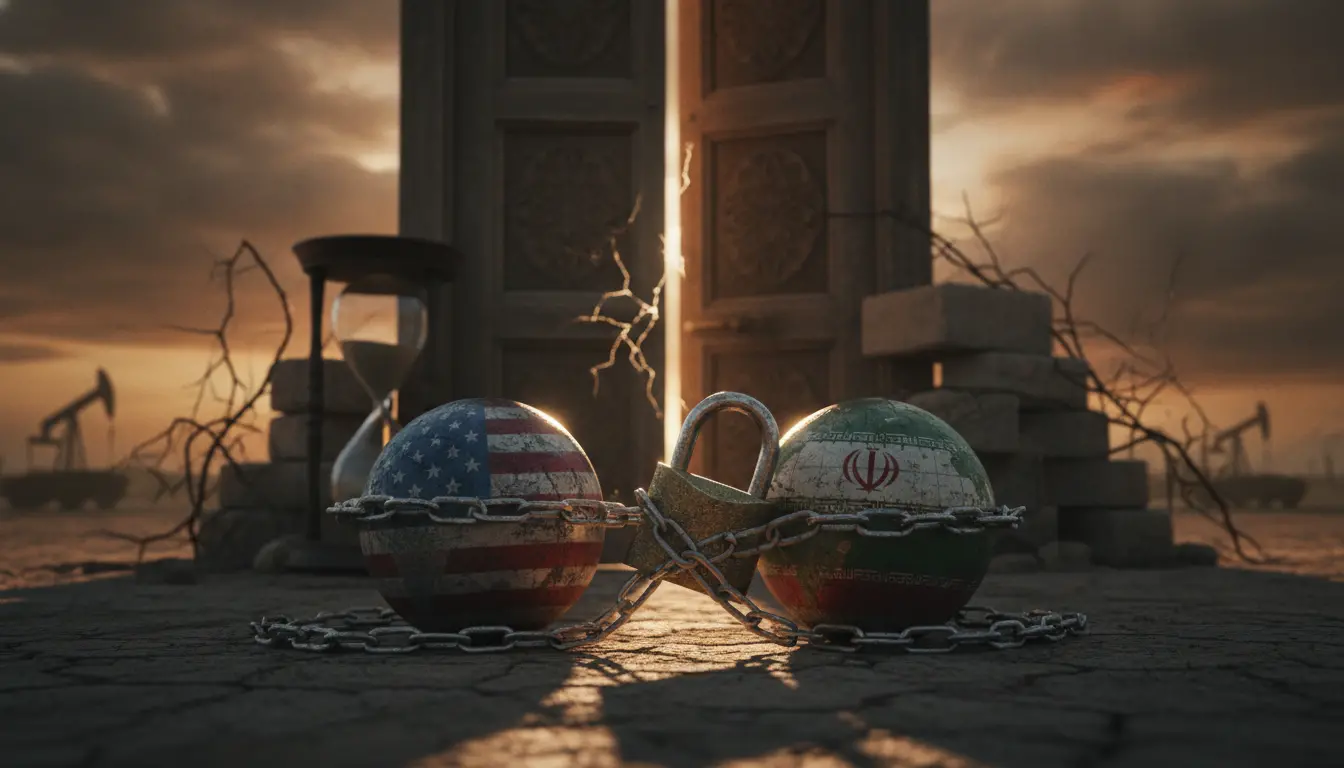
US-Iran Nuclear Diplomacy Stalls Amid Envoy Delays and Regional Volatility
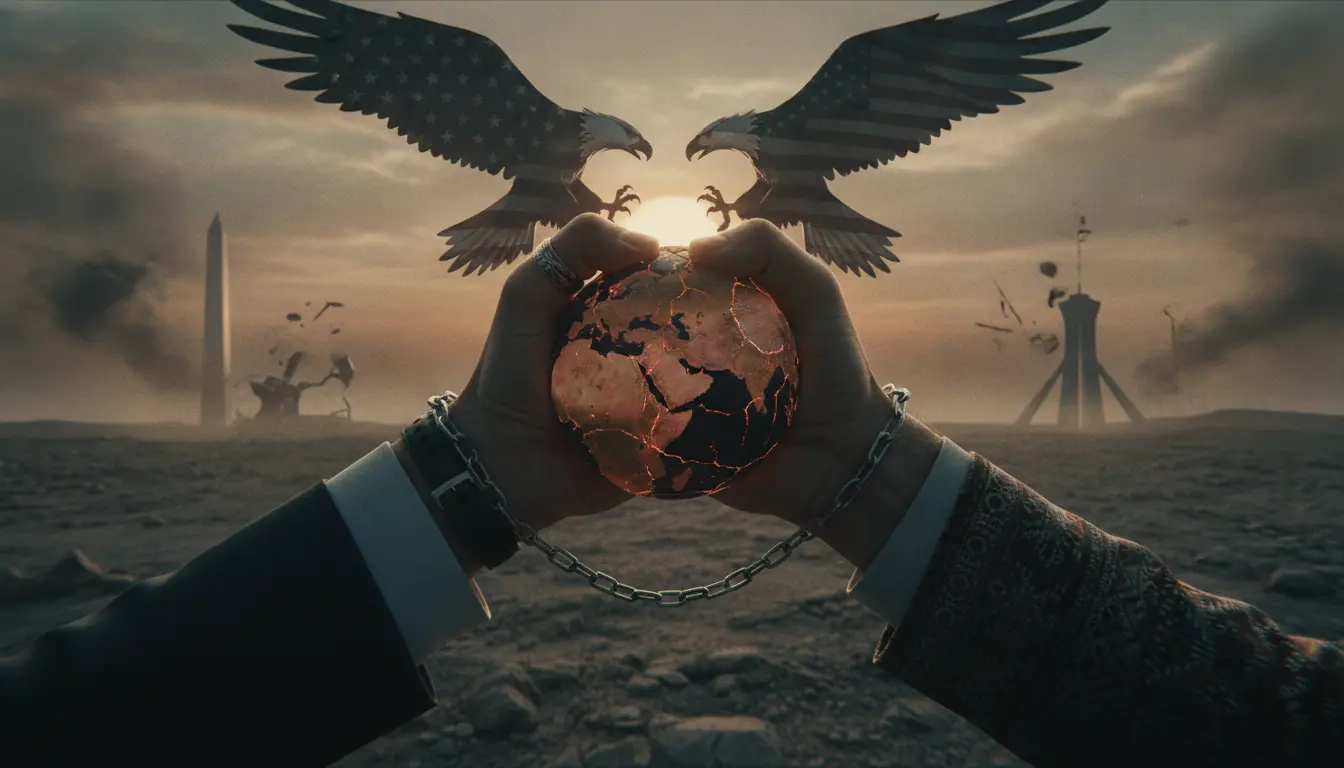
Prospects for Direct US-Iran High-Level Diplomacy Remain Fraught Amid Deepening Tensions
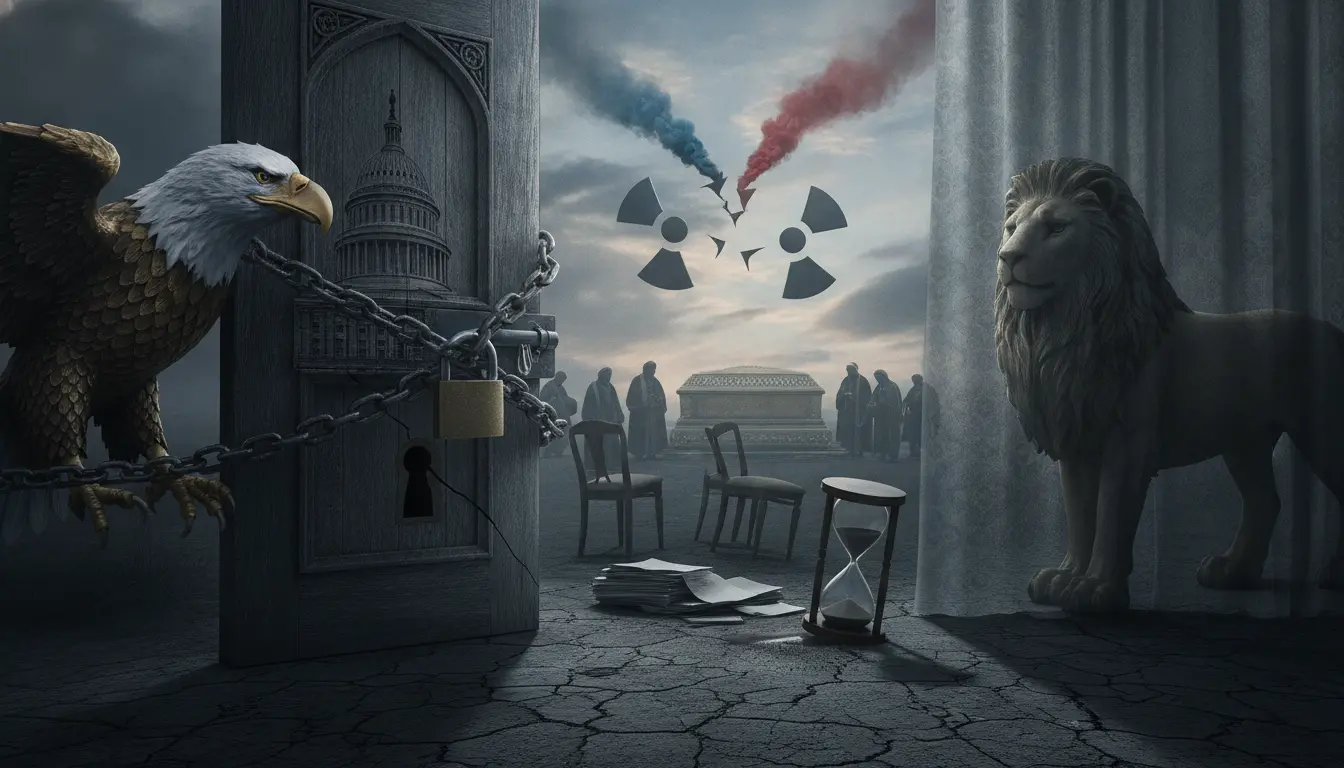
U.S.-Iran Nuclear Dialogue Stalled Amid Tehran Leadership Transition and Unresolved Issues
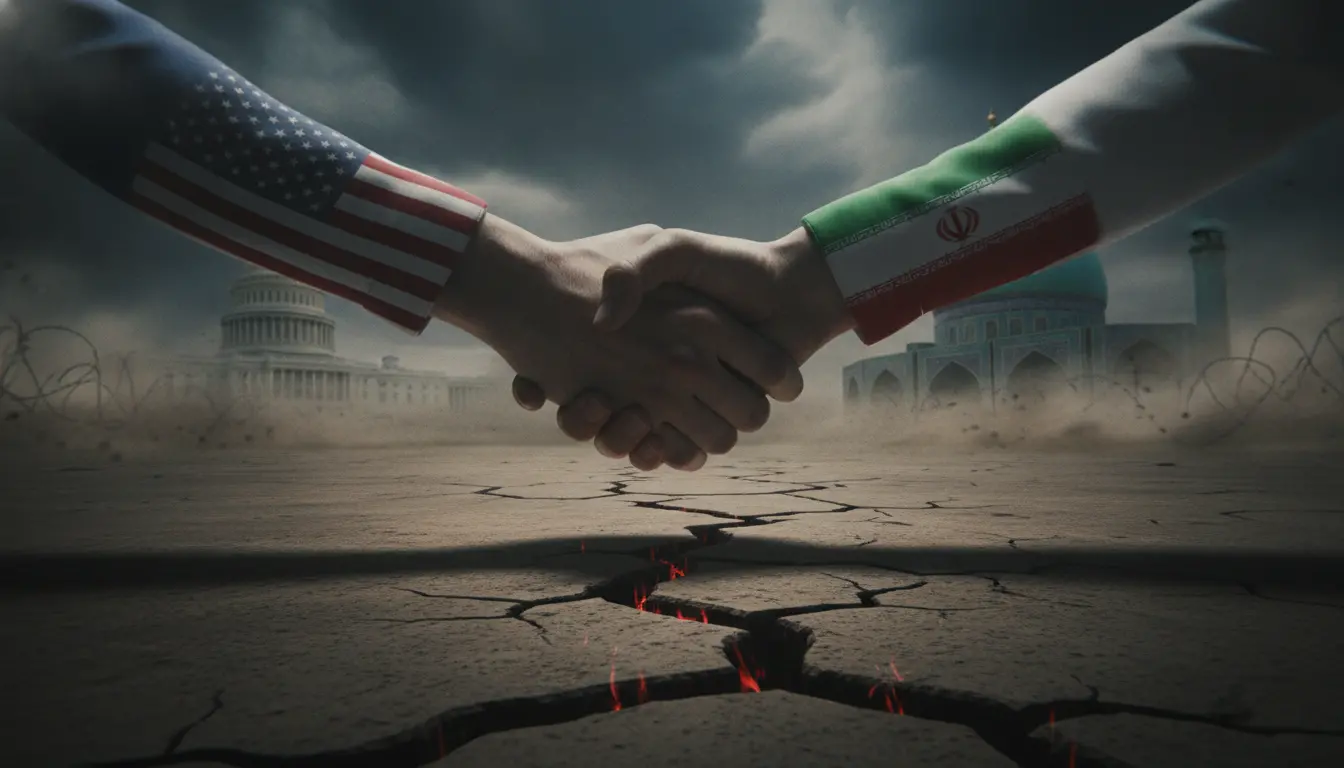
US-Iran Diplomatic Engagement Faces Mounting Pressure, Risking Suspension

US and Iran Explore Diplomatic Pathways Amid Persistent Nuclear and Sanctions Standoff
US and Iran Intensify Negotiations for Comprehensive Nuclear Deal Amid Regional Tensions
US, Iran Remain Divided Over Nuclear Inspection Agreement Amid Escalating Tensions
Prospects for a Permanent US-Iran Peace Deal by 2026 Face Formidable Diplomatic Hurdles

Persistent Diplomatic Channels Endure Between US and Iran Amidst Intensifying Regional Flashpoints
US-Iran Nuclear Diplomacy in Turmoil as Tehran Denies Trump's Claim of Inspection Deal