

US-Iran Nuclear Diplomacy Stalls Amid Envoy Delays and Regional Volatility
Efforts to resume formal direct negotiations between the United States and Iran on a comprehensive nuclear agreement have encountered significant roadblocks, with recent diplomatic developments underscoring the deep-seated challenges plaguing the relationship. The postponement of a crucial trip to Switzerland by a senior U.S. envoy signals a continued diplomatic impasse, set against a backdrop of escalating regional tensions and a precarious ceasefire in Lebanon. This pause reflects the profound difficulties in bridging the chasm between Washington and Tehran, particularly concerning Iran's accelerating nuclear program and the U.S. demand for verifiable assurances.
The prospect of a comprehensive deal, aimed at preventing Iran from developing nuclear weapons capabilities, remains a central, yet increasingly elusive, foreign policy goal for the Biden administration. The original Joint Comprehensive Plan of Action (JCPOA), signed in 2015, placed stringent limits on Iran's nuclear activities in exchange for sanctions relief. However, the agreement began to unravel in 2018 when the Trump administration unilaterally withdrew and reimposed crippling sanctions, prompting Iran to gradually scale back its own commitments. Since then, Iran has significantly expanded its uranium enrichment activities, accumulated larger stockpiles of enriched uranium, and restricted international monitoring, bringing it closer to weapons-grade material than ever before.
Key players on both sides face immense domestic and international pressures. In Washington, the Biden administration has consistently expressed a preference for diplomacy, affirming that a return to the JCPOA is the most effective way to address Iran's nuclear program. However, it also maintains a firm stance against Iran's support for regional proxies and its ballistic missile development. Tehran, under hardline leadership, has consistently demanded the complete lifting of all U.S. sanctions as a prerequisite for any meaningful negotiations, while simultaneously asserting its right to nuclear technology for peaceful purposes. Regional actors, particularly Israel and several Gulf states, watch these developments with profound apprehension, advocating for a tougher stance on Iran and expressing skepticism about the efficacy of a renewed deal.
The recent diplomatic setback involving U.S. Special Envoy for Iran, Abram Paley, whose planned visit to Switzerland was reportedly put on hold, highlights the fragility of current back-channel communications and the lack of a clear path forward for formal talks. Such delays often indicate a significant divergence in expectations, an unwillingness by one or both sides to make necessary concessions, or an assessment that the timing is not conducive for progress. The ongoing volatility in the Middle East, exacerbated by conflicts and the delicate ceasefire brokered in Lebanon, further complicates the environment for high-stakes diplomacy. These regional flashpoints not only divert international attention but also deepen mistrust between the U.S. and Iran, whose proxies are often involved in these very conflicts.
What is at stake is nothing less than regional stability and the global non-proliferation regime. Without a diplomatic resolution, the risk of a nuclear-armed Iran continues to grow, potentially triggering a regional arms race and increasing the likelihood of military confrontation. The economic consequences of continued sanctions on Iran, and the broader instability they foster, also ripple through global markets. Reaching a new agreement or reviving the JCPOA would require both sides to navigate a minefield of political obstacles, security concerns, and historical grievances. The path to a comprehensive deal is arduous, demanding strategic patience, flexibility, and a willingness from all parties to compromise on issues that have, thus far, proven intractable.
Stay Informed. Act Smarter.
Get weekly highlights, major headlines, and expert insights — then put your knowledge to work in our live prediction markets.
Related News

US-Iran Nuclear Diplomacy Hits Snag Amid Heightened Middle East Tensions
U.S.-Iran Nuclear Dialogue Stalled Amid Tehran Leadership Transition and Unresolved Issues

US and Iran Explore Diplomatic Pathways Amid Persistent Nuclear and Sanctions Standoff
US-Iran Diplomatic Engagement Faces Mounting Pressure, Risking Suspension

Prospects for Direct US-Iran High-Level Diplomacy Remain Fraught Amid Deepening Tensions
US and Iran Intensify Negotiations for Comprehensive Nuclear Deal Amid Regional Tensions
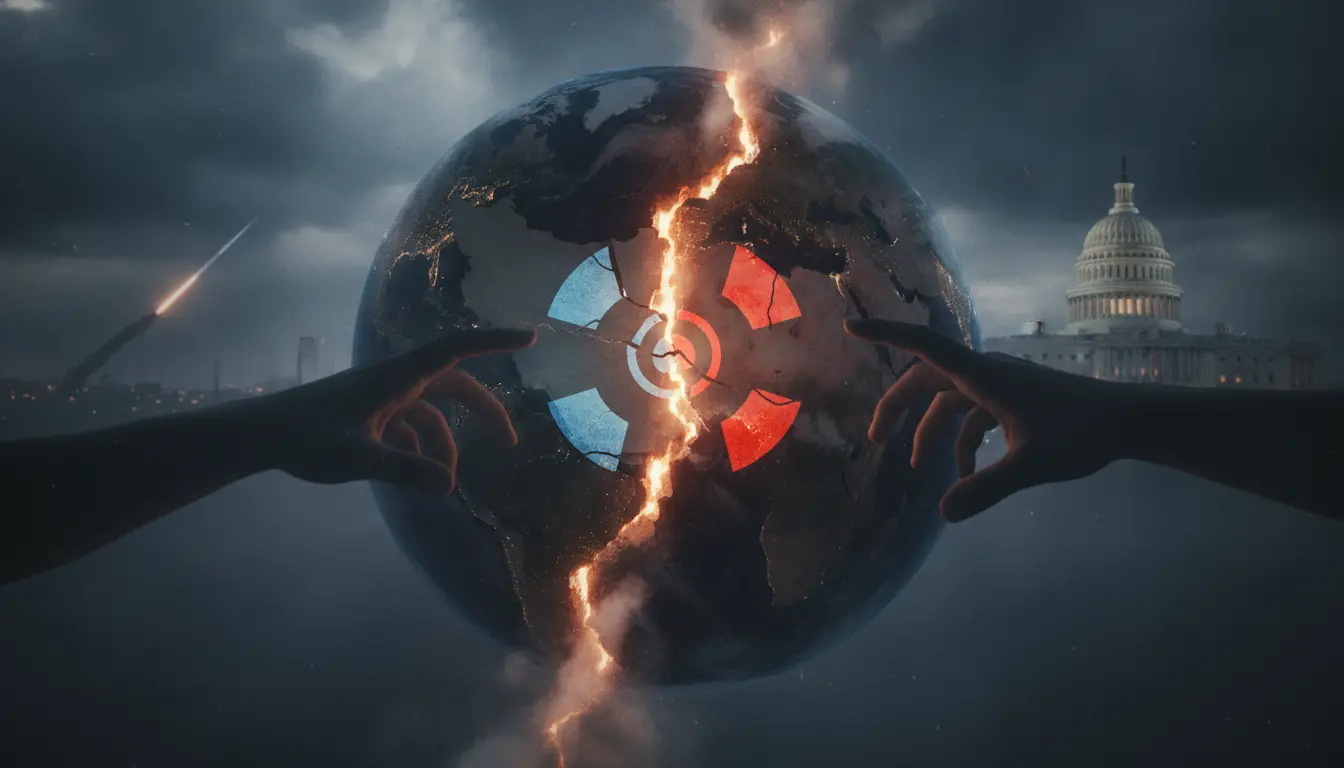
US, Iran Remain Divided Over Nuclear Inspection Agreement Amid Escalating Tensions

Vance Delays Trip to Switzerland for Direct Talks on Iran Deal

Prospects for a Permanent US-Iran Peace Deal by 2026 Face Formidable Diplomatic Hurdles

Persistent Diplomatic Channels Endure Between US and Iran Amidst Intensifying Regional Flashpoints