


US and Iran Navigate Fragile Cease-Fire Amid Heightened Tensions
The United States and Iran are currently navigating one of the most precarious moments in their decades-long rivalry, as a fragile cessation of hostilities enters its fourth day. Following a series of tit-for-tat military strikes that brought the two nations to the brink of a broader conflict, both sides have signaled a willingness to de-escalate, though deep mistrust and unresolved grievances continue to threaten the fragile calm. The pause in direct attacks, while welcomed by international observers, remains tenuous, with no formal agreement or binding framework in place to ensure its continuation.
The recent escalation began after a drone strike attributed to Iran targeted a US-linked facility in Iraq, wounding several American personnel. The United States responded with precision strikes against Iranian-backed militia positions in Syria and Iraq, marking the most direct military exchange between Washington and Tehran in years. The back-and-forth raised fears of a full-scale war, prompting urgent diplomatic interventions from European and Gulf intermediaries. Both sides have since refrained from further attacks, but the underlying drivers of the conflict—including Iran’s nuclear program, its regional proxy network, and US sanctions—remain unresolved.
At the heart of the standoff is Iran’s advancing nuclear enrichment program, which has reached levels close to weapons-grade purity. The Biden administration has pursued a dual-track approach of diplomatic engagement and economic pressure, but talks to revive the 2015 nuclear deal have stalled since 2022. Hardliners in Tehran view the US military presence in the region as a direct threat, while Washington accuses Iran of destabilizing the Middle East through its support for groups like Hezbollah and the Houthis. The current cease-fire, though fragile, provides a window for renewed negotiations, though neither side has shown public willingness to make concessions.
Regional powers, including Saudi Arabia and the United Arab Emirates, have urged restraint, fearing that a broader conflict could disrupt oil shipments and draw in their own forces. Iraq, which has long served as a proxy battleground, has called for an immediate de-escalation and offered to mediate. Meanwhile, Israel has watched the developments with alarm, pressing the US to maintain a hard line against Iran’s nuclear ambitions. The interplay of these regional dynamics complicates any lasting peace, as each actor pursues its own strategic interests.
The economic stakes are equally high. Iran’s economy, already battered by sanctions and internal protests, cannot sustain a prolonged military confrontation. The US, for its part, is wary of being drawn into another Middle Eastern war, especially with domestic political attention focused on the upcoming presidential election. Both nations have therefore strong incentives to avoid further escalation, but the absence of a formal cease-fire agreement leaves room for miscalculation. A single incident—whether a stray missile, a cyberattack, or a proxy skirmish—could unravel the current calm.
International observers have noted that the current pause in hostilities is the longest such period in over a year, but they caution that it does not signal a lasting resolution. The US has maintained its naval presence in the Persian Gulf, and Iran has continued to enrich uranium at its Fordow and Natanz facilities. Diplomatic channels remain open, with Swiss and Omani intermediaries shuttling messages between Washington and Tehran. However, no high-level talks have been scheduled, and both sides continue to issue bellicose statements aimed at domestic audiences.
Looking ahead, the next seven days will be critical in determining whether the cease-fire can hold. If both sides maintain restraint, it could create the conditions for a more structured dialogue, potentially leading to a broader agreement on nuclear limits and regional security. If the truce collapses, the region could face a cycle of retaliation that draws in multiple actors and threatens global energy markets. For now, the world watches as two longtime adversaries test the limits of a pause that neither fully trusts but both desperately need.
Stay Informed. Act Smarter.
Get weekly highlights, major headlines, and expert insights — then put your knowledge to work in our live prediction markets.
Related News

US and Iran Strive to Maintain Fragile De-escalation Amid Persistent Regional Tensions

US and Iran Face Complex Path Toward Formal Ceasefire Amid Deep-Seated Regional Tensions
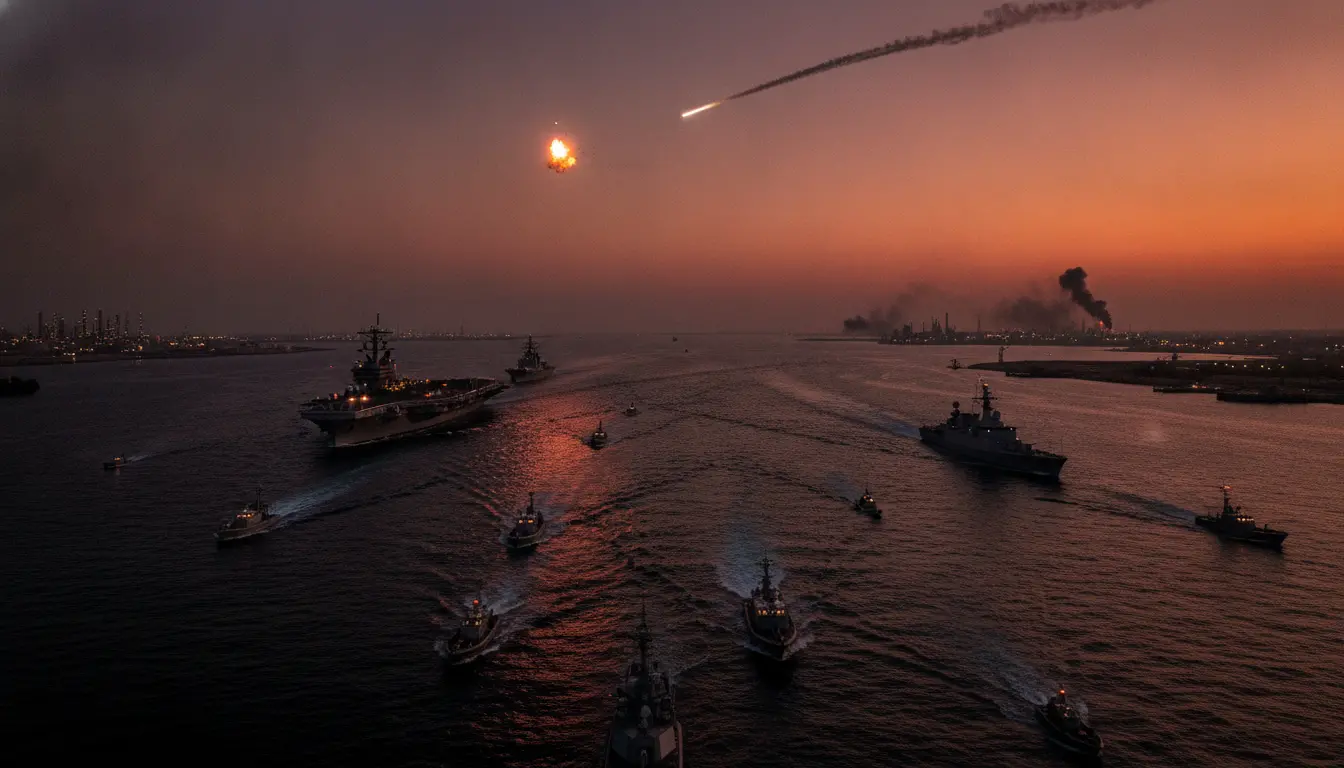
Escalating US-Iran Military Confrontation Spurs Calls for Formal Ceasefire
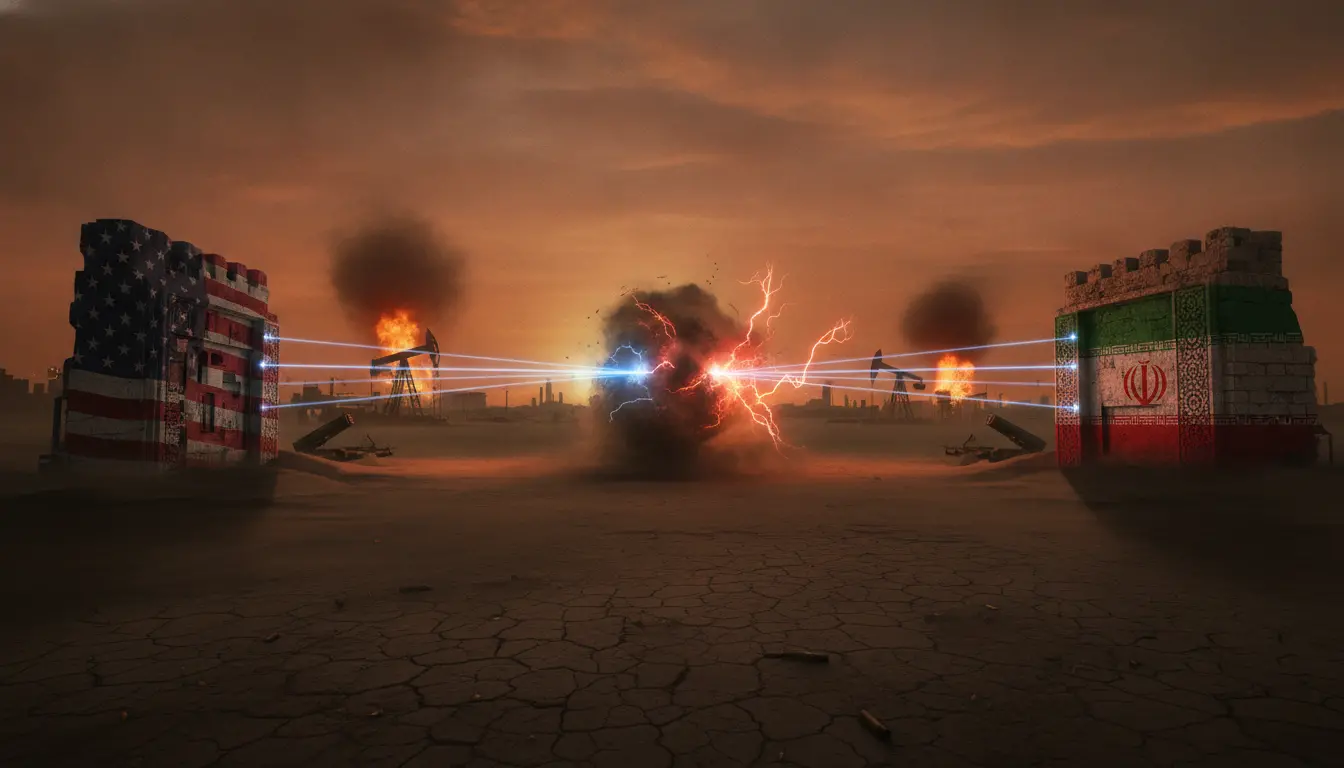
Protracted US-Iran Hostilities Raise Stakes for Middle East Stability

Diplomatic Efforts Mount to Salvage US-Iran De-escalation Agreement Amid Rising Regional Tensions

US and Iran Agree to Extend Ceasefire Until August 2026 Amid Persistent Tensions

Heightened Geopolitical Tensions Spark Concerns Over Potential US-Iran Conflict
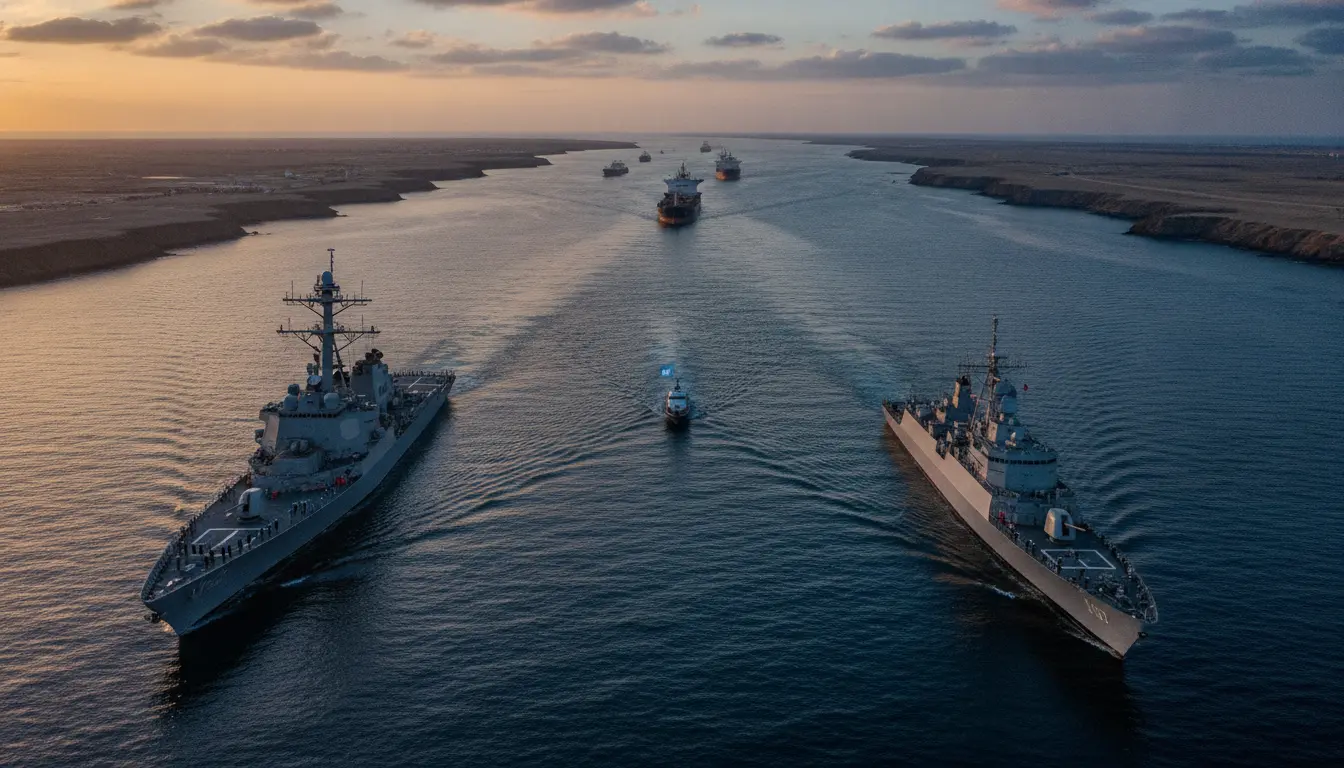
US and Iran Reach Fragile Ceasefire Agreement in Strategically Critical Strait of Hormuz

US-Iran Tensions Simmer Amid Regional Flare-ups, Raising Fears of Direct Conflict
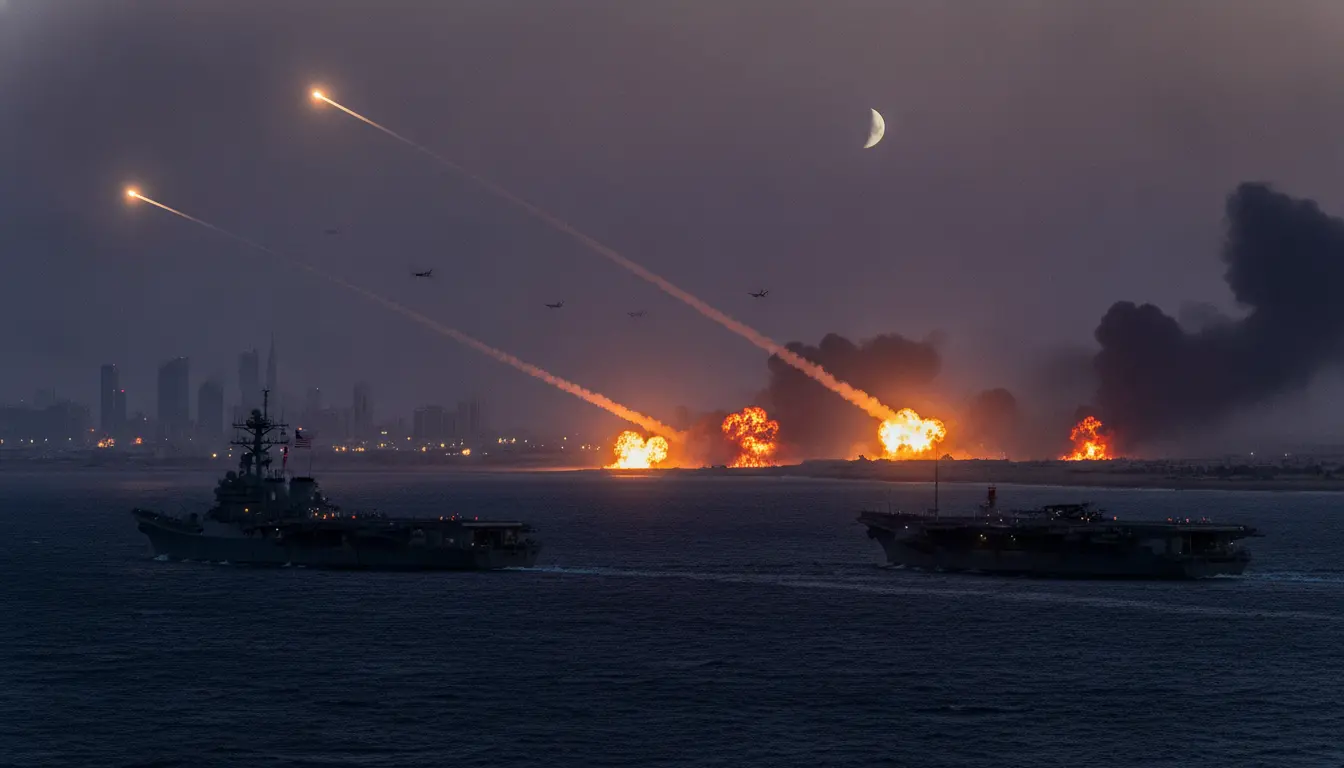
US-Iran Escalation Fears Mount After Retaliatory Strikes Deepen Regional Crisis