


Escalating US-Iran Tensions Stoke Fears of Formal Conflict Declaration
Tensions between the United States and Iran have reached a critical juncture, raising serious concerns that a long-standing shadow war could escalate into an overt, formally acknowledged conflict. Recent military exchanges and heightened rhetoric from both sides underscore a dangerous trajectory, with analysts and policymakers increasingly grappling with the implications of an explicit state of hostilities.
The complex web of antagonism between Washington and Tehran stretches back decades, rooted in the 1979 Iranian Revolution and amplified by subsequent geopolitical shifts. For years, the two nations have engaged in a protracted, indirect confrontation across the Middle East, characterized by proxy conflicts, economic sanctions, cyber warfare, and sporadic direct military encounters. The collapse of the Joint Comprehensive Plan of Action (JCPOA), the 2015 nuclear deal, and the subsequent "maximum pressure" campaign by the US, significantly deteriorated diplomatic avenues and pushed both sides closer to the brink. This historical context of mutual distrust and strategic competition forms the volatile backdrop against which current escalations are unfolding.
Recent months have seen a pronounced uptick in confrontational incidents, fueling fears of a wider conflagration. The Red Sea, in particular, has emerged as a flashpoint, with Iranian-backed Houthi forces in Yemen repeatedly targeting international shipping lanes, prompting retaliatory strikes from a US-led coalition. Simultaneously, US forces stationed in Iraq and Syria have faced persistent drone and rocket attacks attributed to Iranian-aligned militias, eliciting firm responses from Washington. Beyond these immediate clashes, Iran's continued development of ballistic missiles, its support for regional proxies like Hezbollah in Lebanon and various factions in Iraq and Syria, and its enrichment of uranium to near-weapons-grade levels, all contribute to a volatile regional environment. Each incident, while often framed as isolated or proportional, carries the inherent risk of miscalculation, potentially triggering a chain reaction that neither side explicitly seeks but struggles to contain.
The prospect of the US government formally acknowledging a "state of war" with Iran carries significant legal, political, and strategic ramifications. Such a declaration, while not strictly necessary for military action under current executive powers, would fundamentally alter the geopolitical landscape. Domestically, it could invoke specific presidential powers and impact public discourse, potentially galvanizing support or opposition. Internationally, it would send a powerful signal, forcing allies and adversaries alike to recalibrate their positions, and potentially leading to a wider regional and even global crisis. The economic impact, particularly on global energy markets, would be profound, given the strategic importance of the Persian Gulf and its shipping lanes.
Washington's declared strategy has consistently aimed at deterring Iranian aggression and preventing the acquisition of nuclear weapons, all while avoiding a full-scale war. However, the line between deterrence and direct conflict appears increasingly thin amidst the current regional volatility. The challenge for policymakers lies in de-escalating tensions and re-establishing channels for dialogue, a task made immensely difficult by deeply entrenched animosities and a complex web of regional actors with their own agendas. Without a significant shift in diplomatic engagement or a reduction in confrontational actions, the specter of formal hostilities between two formidable powers continues to loom large over the Middle East, threatening to plunge an already unstable region into an unprecedented crisis.
Both sides face immense pressure. Iran navigates internal dissent and international isolation while striving to assert its regional influence and resist perceived external interference. The US, meanwhile, must balance its security interests and commitments to regional partners with the imperative to avoid another costly and protracted conflict. The coming years will be critical in determining whether the long-running cold war transforms into an open declaration of belligerence, or if a path, however narrow, can be found to manage the enduring friction without igniting a catastrophic regional war.
Stay Informed. Act Smarter.
Get weekly highlights, major headlines, and expert insights — then put your knowledge to work in our live prediction markets.
Related News
Heightened US-Iran Tensions Fuel Fears of Formal Conflict Declaration
Heightened Geopolitical Tensions Spark Concerns Over Potential US-Iran Conflict
Escalating US-Iran Military Confrontation Spurs Calls for Formal Ceasefire
United States Considers Direct Offensive Strikes Against Iranian Mainland Amid Heightened Regional Tensions
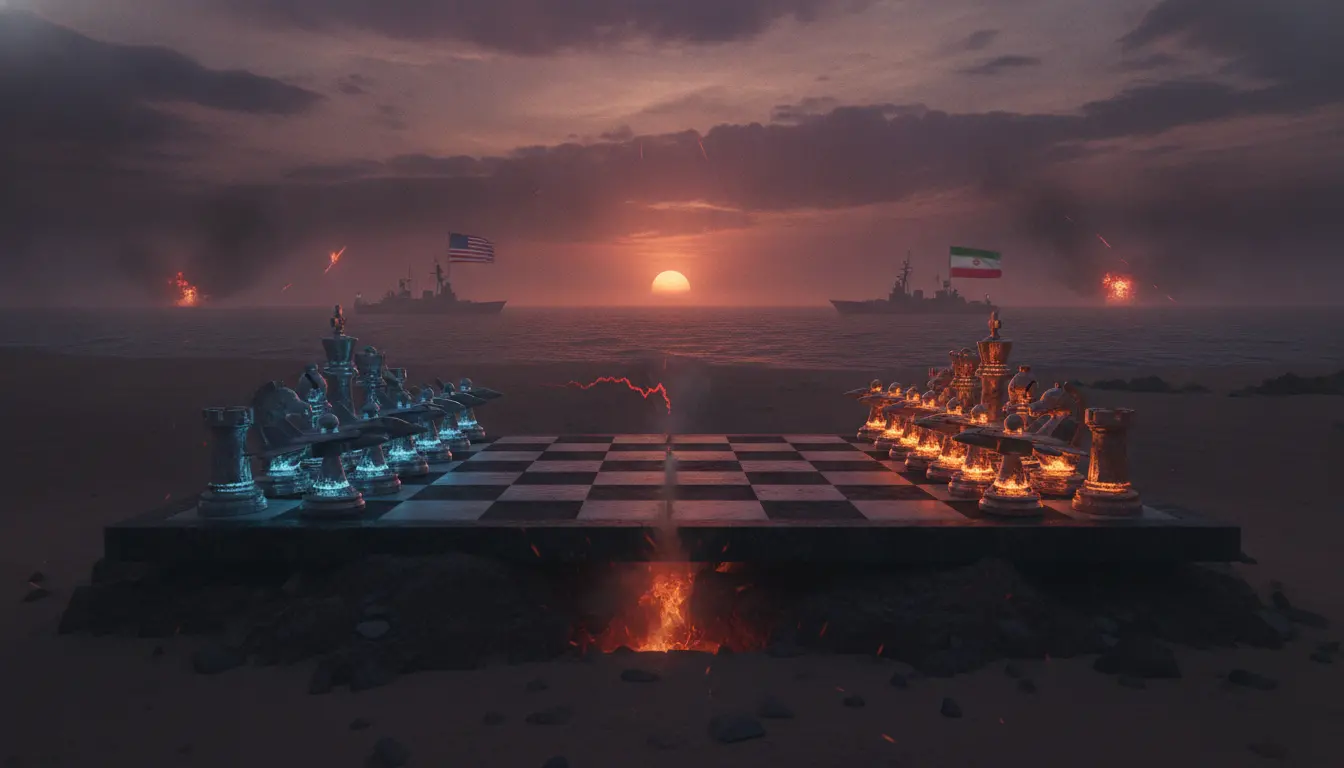
US-Iran Tensions Simmer Amid Regional Flare-ups, Raising Fears of Direct Conflict

US-Iran Tensions Escalate Amid Renewed Rhetoric, Raising Specter of Direct Confrontation
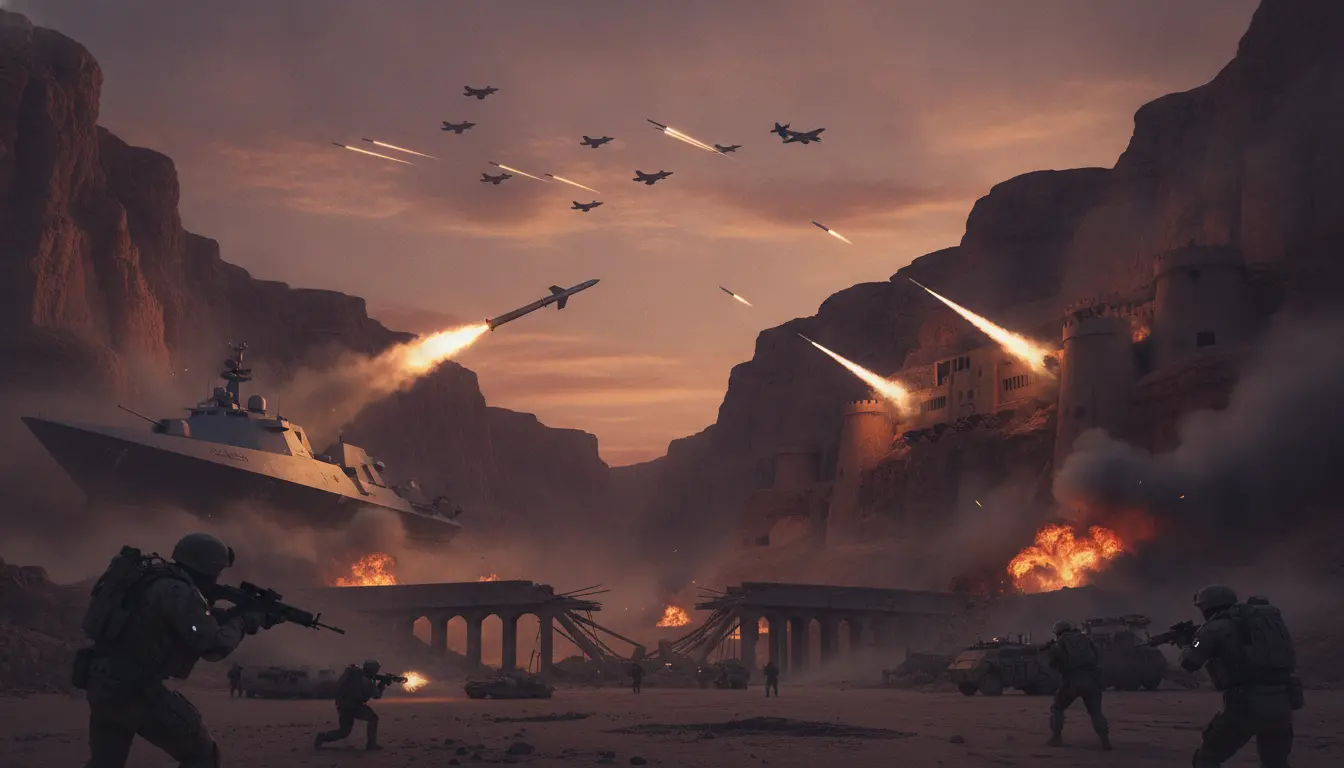
U.S. and Iran Face Growing Risk of Direct Military Confrontation Beyond Gulf's Strategic Waterways
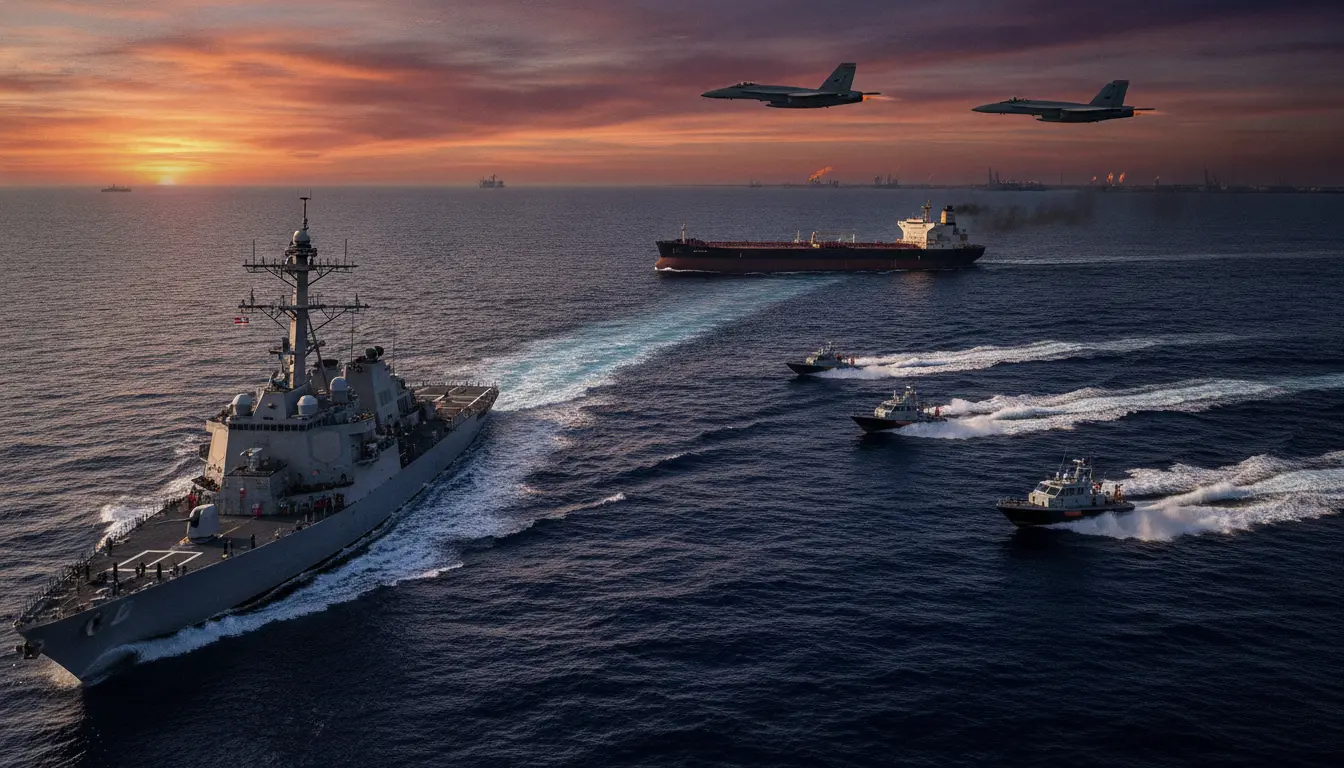
US-Iran Tensions Soar Amid Escalating Strikes and Maritime Incidents in Gulf
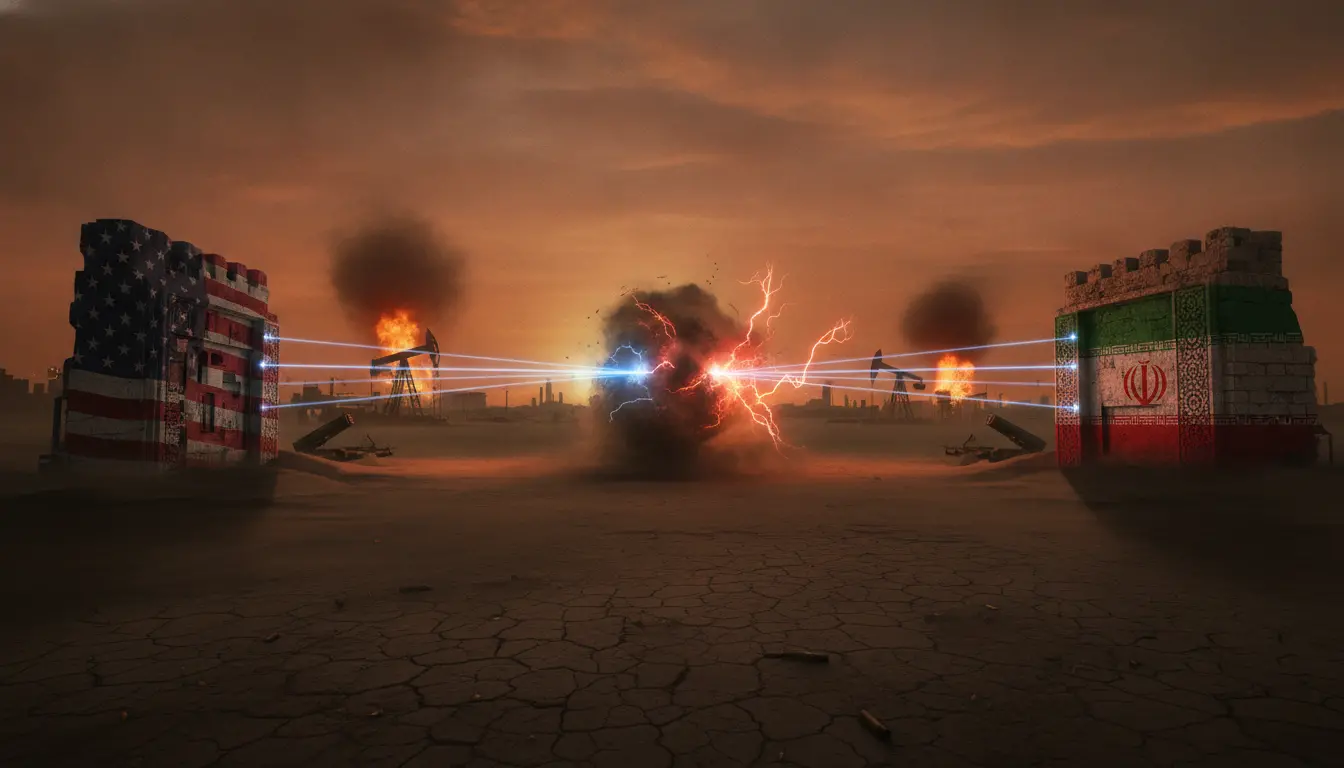
Protracted US-Iran Hostilities Raise Stakes for Middle East Stability
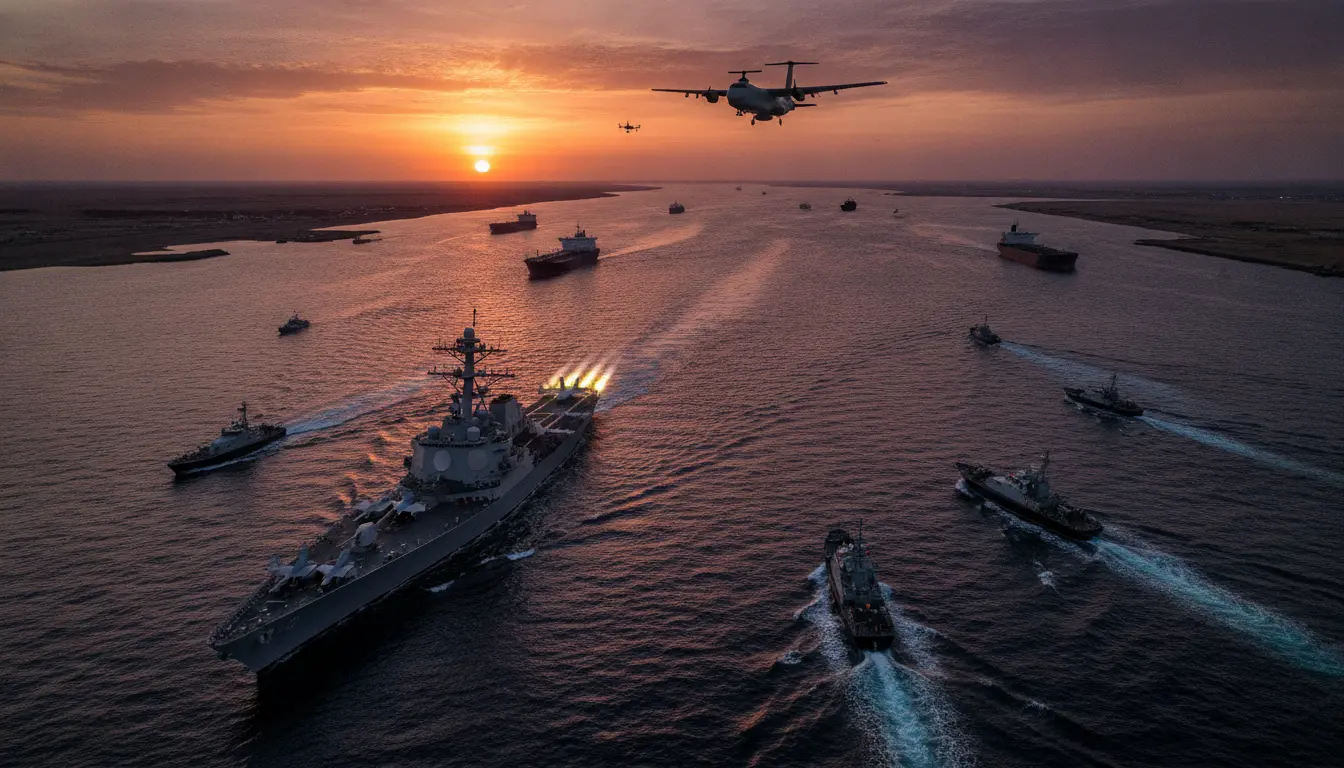
Strait of Hormuz Becomes Flashpoint as US and Iran Escalate Military Posturing in Persian Gulf