

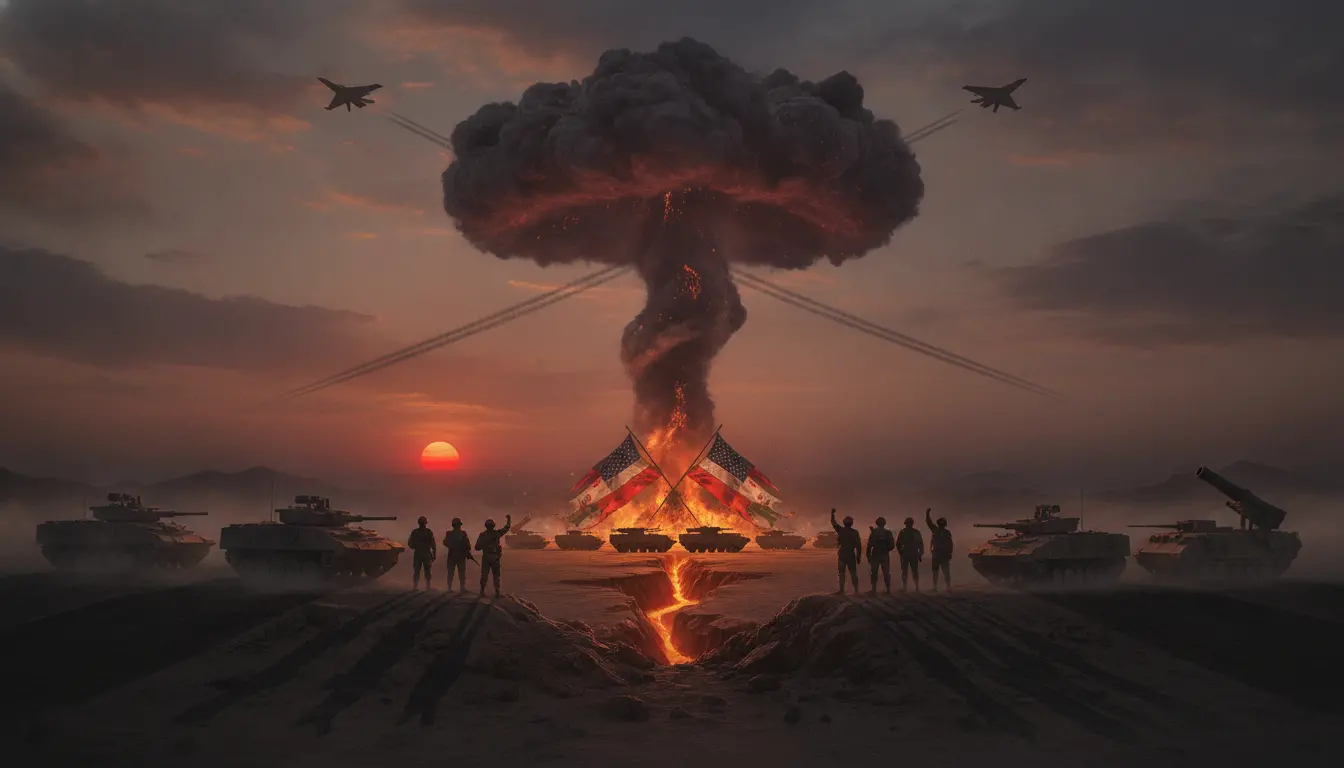
Heightened US-Iran Tensions Fuel Fears of Formal Conflict Declaration
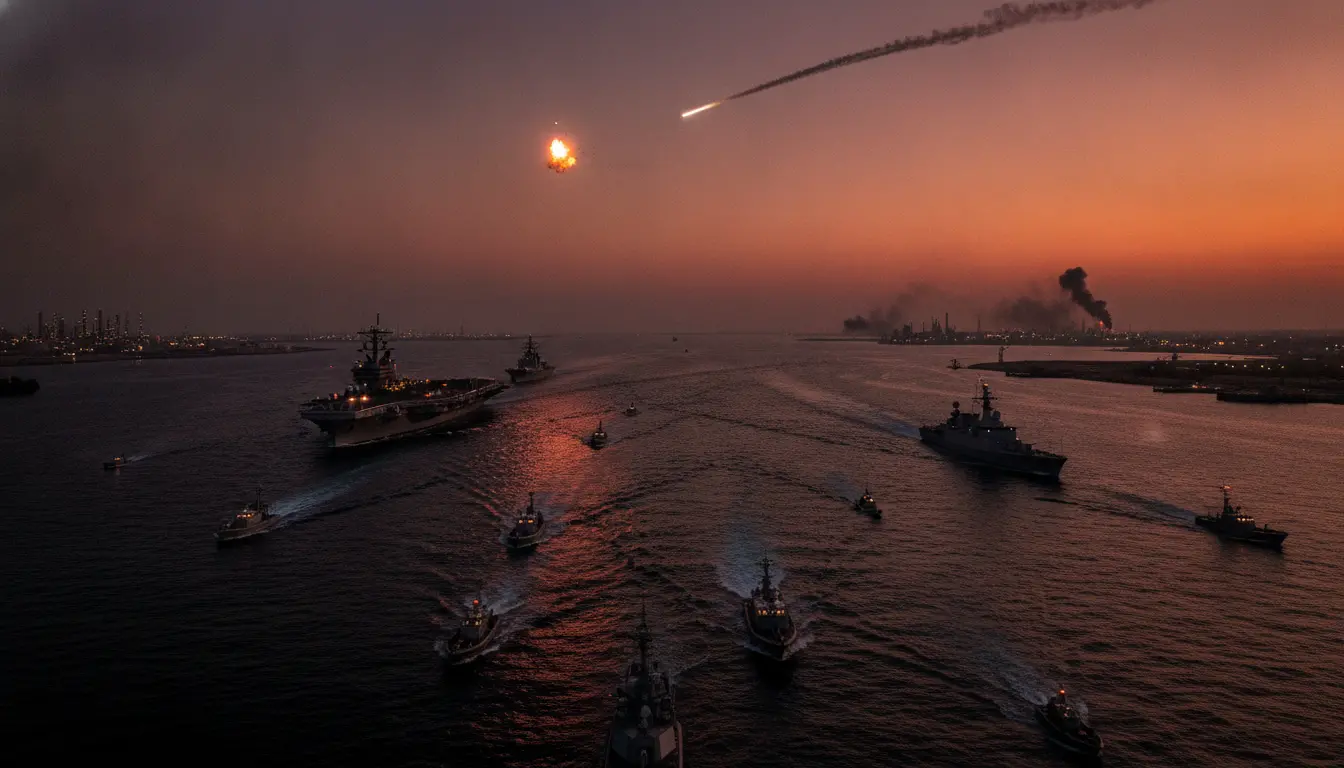
The delicate balance of power in the Middle East continues to fray as long-standing animosities between the United States and Iran push regional tensions to perilous new heights. Despite decades of strained relations and proxy confrontations, the current trajectory, marked by a series of mutual strikes and counter-strikes across the region, has reignited concerns that the undeclared state of conflict could formally escalate into an open declaration of war from either side. Such a move, while historically rare in modern international relations, would signify a catastrophic shift with profound implications for global stability, energy markets, and the lives of millions.
The historical antagonism between Washington and Tehran stretches back to the 1979 Iranian Revolution, which fundamentally reshaped the geopolitical landscape of the Middle East. Decades of distrust were punctuated by moments of acute crisis, ranging from the Iran-Contra affair to the protracted nuclear negotiations that culminated in the 2015 Joint Comprehensive Plan of Action (JCPOA). The subsequent withdrawal of the U.S. from the JCPOA in 2018 under the Trump administration, coupled with a “maximum pressure” campaign of sanctions, effectively dismantled diplomatic channels and intensified economic warfare. This policy shift laid the groundwork for the current period of escalating direct and indirect confrontations, leaving little room for de-escalation and increasing the risk of miscalculation.
The current phase of escalation is deeply intertwined with Iran's expansive network of regional proxies, often referred to as the “Axis of Resistance.” This includes Hezbollah in Lebanon, various Shiite militias in Iraq and Syria, and the Houthi movement in Yemen. These groups frequently target U.S. interests, military bases, and key allies like Israel and Saudi Arabia, provoking retaliatory strikes from Washington and its partners. Recent months have seen a dangerous uptick in such exchanges, including drone and missile attacks on U.S. forces in Iraq and Syria, Houthi assaults on international shipping in the Red Sea, and a complex web of strikes and counter-strikes linked to the ongoing conflict in Gaza. Each incident, though often met with a calibrated response, carries the inherent risk of spiraling out of control.
A formal declaration of war, a constitutional power reserved for Congress in the United States and a significant political act for Iran, would fundamentally alter the legal and operational parameters of any conflict. Unlike the current state of limited military engagements and proxy skirmishes, a declared war would sanction a full-scale conventional military campaign, potentially involving extensive mobilization, sustained aerial bombardment, and ground operations. Such a declaration would unlock broader legal authorities for military action, potentially leading to a protracted and devastating conflict far exceeding the scale of previous engagements. The economic toll on both nations, already significant due to sanctions and military spending, would be immense, disrupting global energy supplies and fracturing international trade routes.
The international community watches these developments with growing apprehension. Major global powers and international bodies have consistently urged de-escalation, recognizing that an open conflict between the U.S. and Iran would not only destabilize the Middle East but also send shockwaves across the global economy and geopolitical order. Diplomatic efforts, however, remain largely stalled, with both Washington and Tehran holding firm to their respective red lines and strategic objectives. The entrenched positions, coupled with the absence of direct, high-level communication, make pathways to de-escalation increasingly challenging.
What is at stake is not merely the strategic advantage of two powerful nations, but the collective security of a volatile region and the integrity of international norms governing conflict. The prospect of a formal declaration of war, while perhaps seen as a legal formality by some, would mark a dangerous departure from the carefully managed, albeit often violent, status quo. It would signal a commitment to direct, open-ended hostilities, threatening to unleash an unpredictable and potentially uncontainable conflict that could redefine the geopolitical landscape for generations to come, casting a long shadow over global peace and prosperity.
Stay Informed. Act Smarter.
Get weekly highlights, major headlines, and expert insights — then put your knowledge to work in our live prediction markets.
Related News

Escalating US-Iran Tensions Stoke Fears of Formal Conflict Declaration
Heightened Geopolitical Tensions Spark Concerns Over Potential US-Iran Conflict

US-Iran Tensions Escalate Amid Renewed Rhetoric, Raising Specter of Direct Confrontation
U.S. and Iran Face Growing Risk of Direct Military Confrontation Beyond Gulf's Strategic Waterways
US-Iran Tensions Simmer Amid Regional Flare-ups, Raising Fears of Direct Conflict
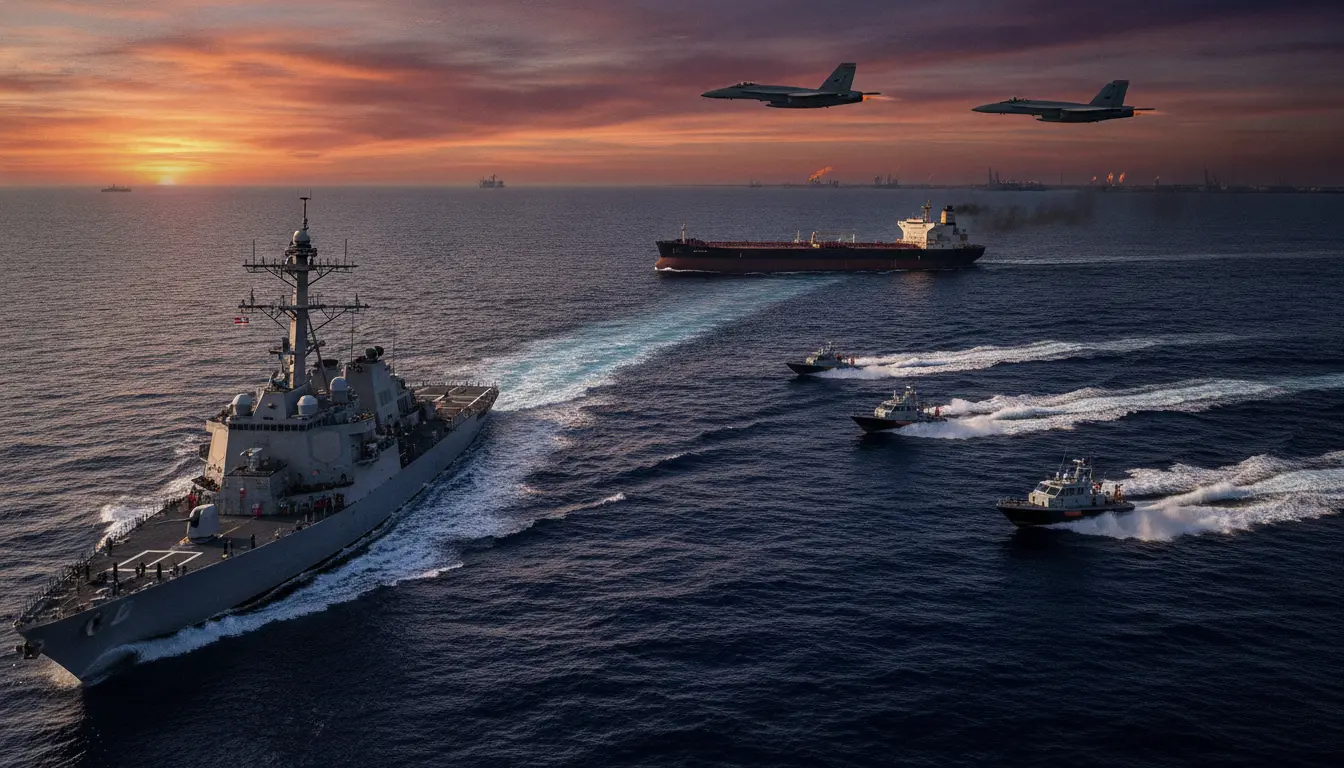
US-Iran Tensions Soar Amid Escalating Strikes and Maritime Incidents in Gulf
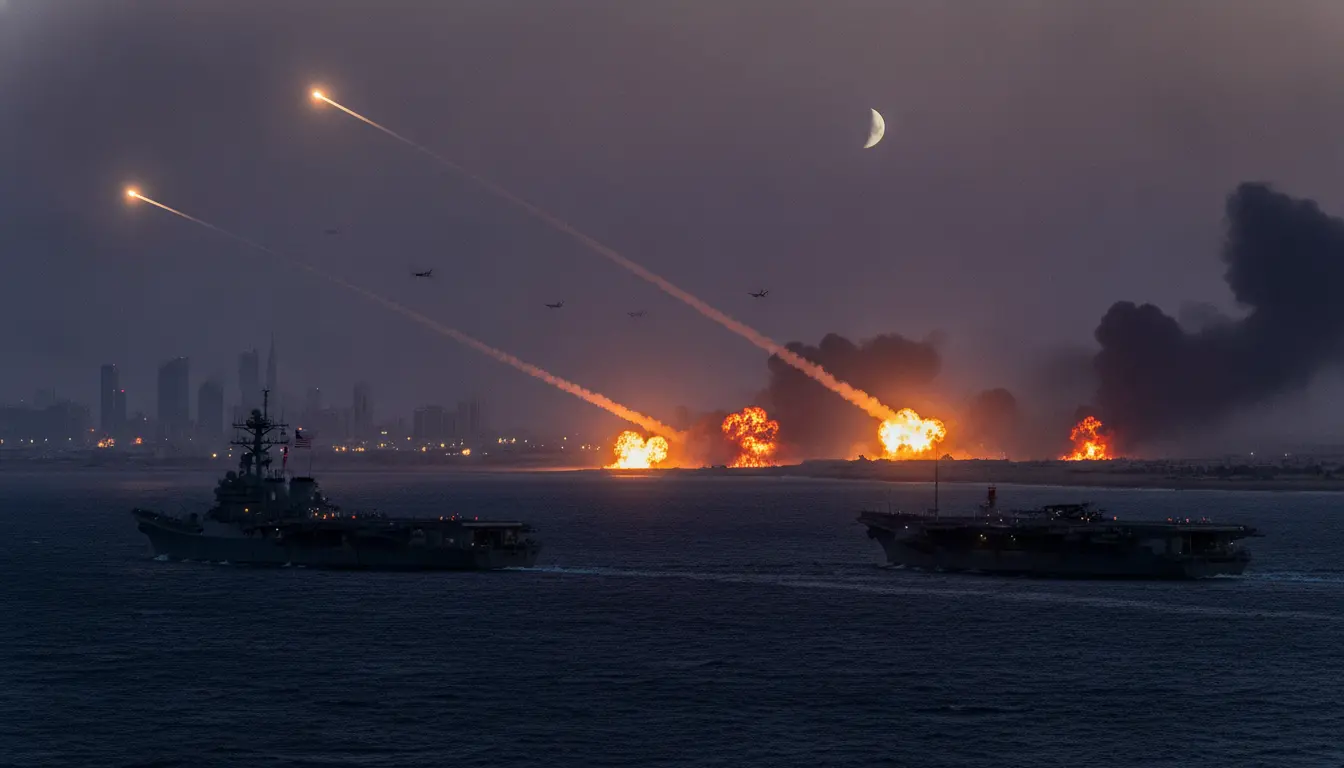
US-Iran Escalation Fears Mount After Retaliatory Strikes Deepen Regional Crisis
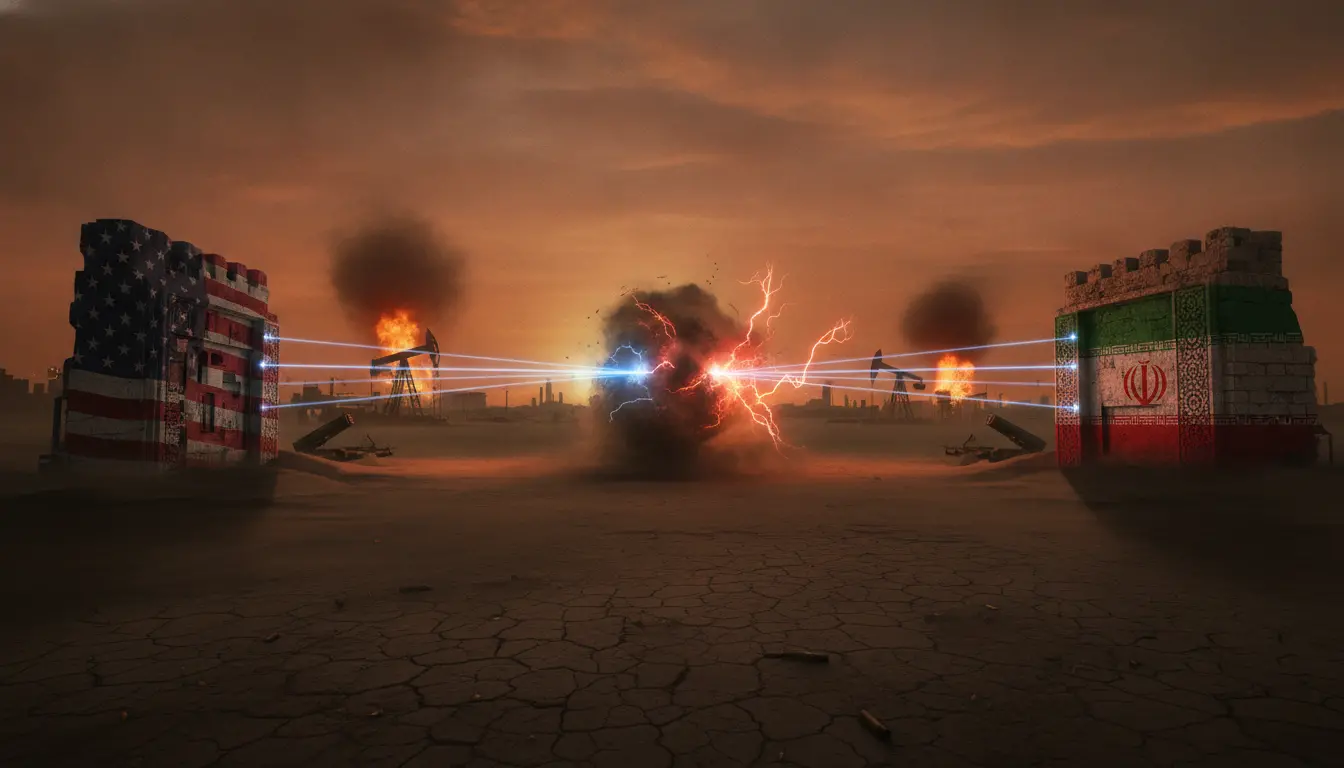
Protracted US-Iran Hostilities Raise Stakes for Middle East Stability
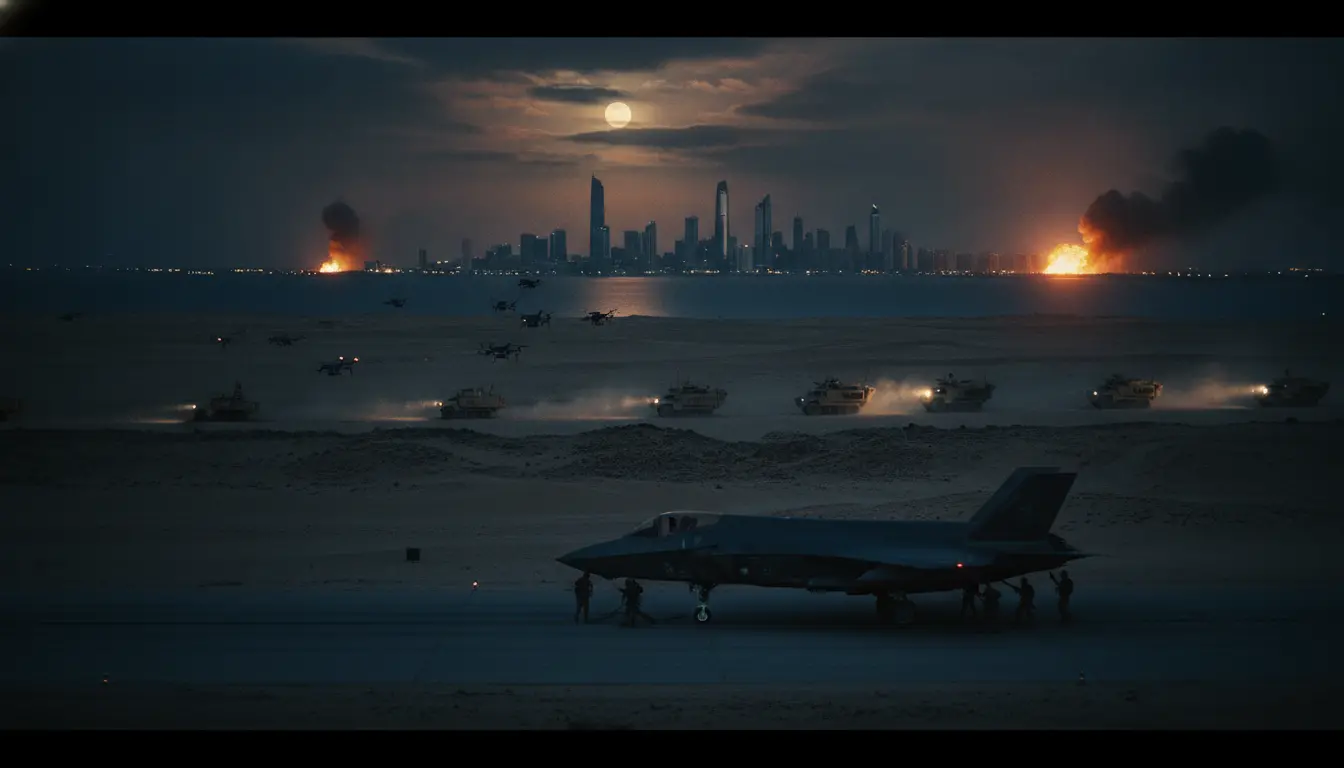
United States Considers Direct Offensive Strikes Against Iranian Mainland Amid Heightened Regional Tensions
Escalating US-Iran Military Confrontation Spurs Calls for Formal Ceasefire