

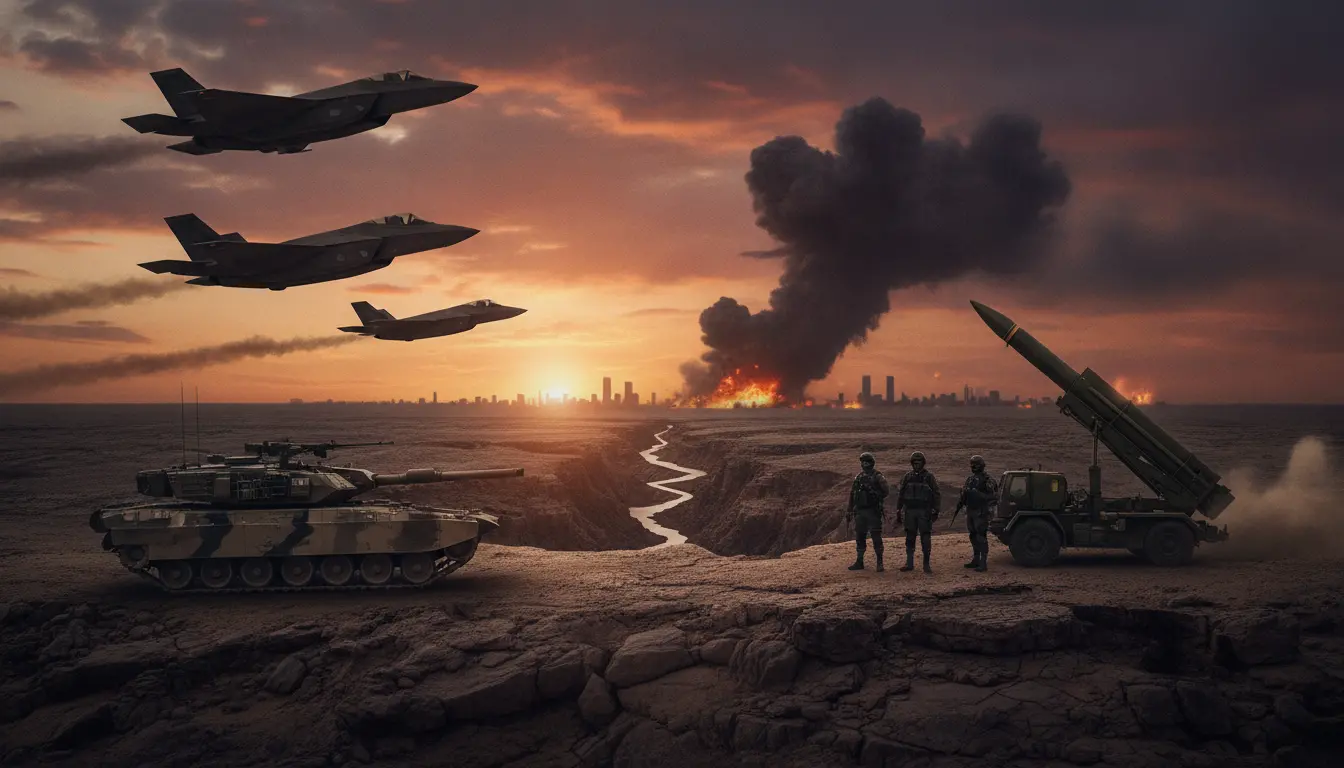
Mounting Tensions Between Israel and Iran Fuel Fears of Broader Regional Conflict
The Middle East remains gripped by an escalating geopolitical confrontation between Israel and Iran, a simmering rivalry that has recently flared into direct, unprecedented exchanges of fire. This decades-old shadow war, long fought through proxies and covert operations, has entered a perilous new phase, heightening fears across the international community of a wider, destabilizing regional conflict. The strategic stakes are immense, involving national security, regional hegemony, and the intricate web of alliances and rivalries that define the volatile landscape from the Mediterranean to the Persian Gulf.
The roots of this animosity run deep, tracing back to Iran's 1979 Islamic Revolution and its subsequent shift to an anti-Zionist stance. For decades, Iran has pursued a strategy of establishing a "ring of fire" around Israel, cultivating and arming proxy groups like Hezbollah in Lebanon, Hamas in Gaza, and various militias in Syria and Iraq. Israel, in turn, views Iran's nuclear program as an existential threat and has relentlessly sought to disrupt Iranian weapons transfers, missile programs, and military entrenchment in Syria through a sustained air campaign. This protracted struggle has created a complex security dilemma, where actions taken by one side to enhance its security are perceived as threats by the other, leading to a relentless cycle of escalation.
The most acute escalation in recent memory occurred in April 2024. Following an Israeli strike on Iran's consulate in Damascus that killed several high-ranking Iranian Revolutionary Guard Corps (IRGC) commanders, including Major General Mohammad Reza Zahedi, Iran launched an unprecedented direct missile and drone barrage against Israeli territory. While largely intercepted by Israel and its allies, this direct attack shattered the long-standing convention of indirect conflict, pushing the region to the brink of all-out war. Israel's subsequent, limited retaliatory strike on an airbase near Isfahan signaled its capacity to penetrate Iranian airspace, yet carefully calibrated to avoid a full-blown regional conflagration.
This exchange underscored the fragility of the status quo and the perilous potential for miscalculation. Israeli leaders consistently emphasize their commitment to defending the nation against all threats, including those emanating directly from Iran or its proxies. For Iran, the IRGC plays a central role in projecting power and pursuing its revolutionary objectives, often framing its actions as defensive responses to Israeli aggression. The potential for future Israeli military action against Iranian territory or strategic assets remains a live concern, driven by a perceived need to deter Iranian aggression, roll back its regional influence, and prevent its acquisition of nuclear weapons capabilities.
Key players in this volatile dynamic include not only the leaderships in Jerusalem and Tehran but also the United States, which maintains a significant military presence in the region and plays a critical diplomatic role. Regional powers like Saudi Arabia and the United Arab Emirates watch with apprehension, concerned about the impact on their own security and economic stability. Any significant escalation could disrupt global energy markets, destabilize shipping lanes, and trigger a wider humanitarian crisis, drawing in more international actors and further complicating the path to peace.
Looking ahead, the strategic dance between Israel and Iran is set to continue, characterized by moments of intense tension interspersed with periods of relative calm, always undergirded by deep mistrust and hostility. The prospects of a direct, publicly confirmed military strike by Israel against Iranian territory or assets remains a significant concern, rooted in Israel's doctrine of preemptive self-defense and its determination to counter perceived threats. The delicate balance of deterrence and the absence of clear communication channels mean that the region will remain on high alert, with the international community closely monitoring every development, aware that a single misstep could unleash catastrophic consequences across the Middle East and beyond.
Stay Informed. Act Smarter.
Get weekly highlights, major headlines, and expert insights — then put your knowledge to work in our live prediction markets.
Related News

Heightened Geopolitical Tensions Spark Concerns Over Potential US-Iran Conflict

Escalating US-Iran Tensions Stoke Fears of Formal Conflict Declaration

US-Iran Tensions Escalate Amid Renewed Rhetoric, Raising Specter of Direct Confrontation
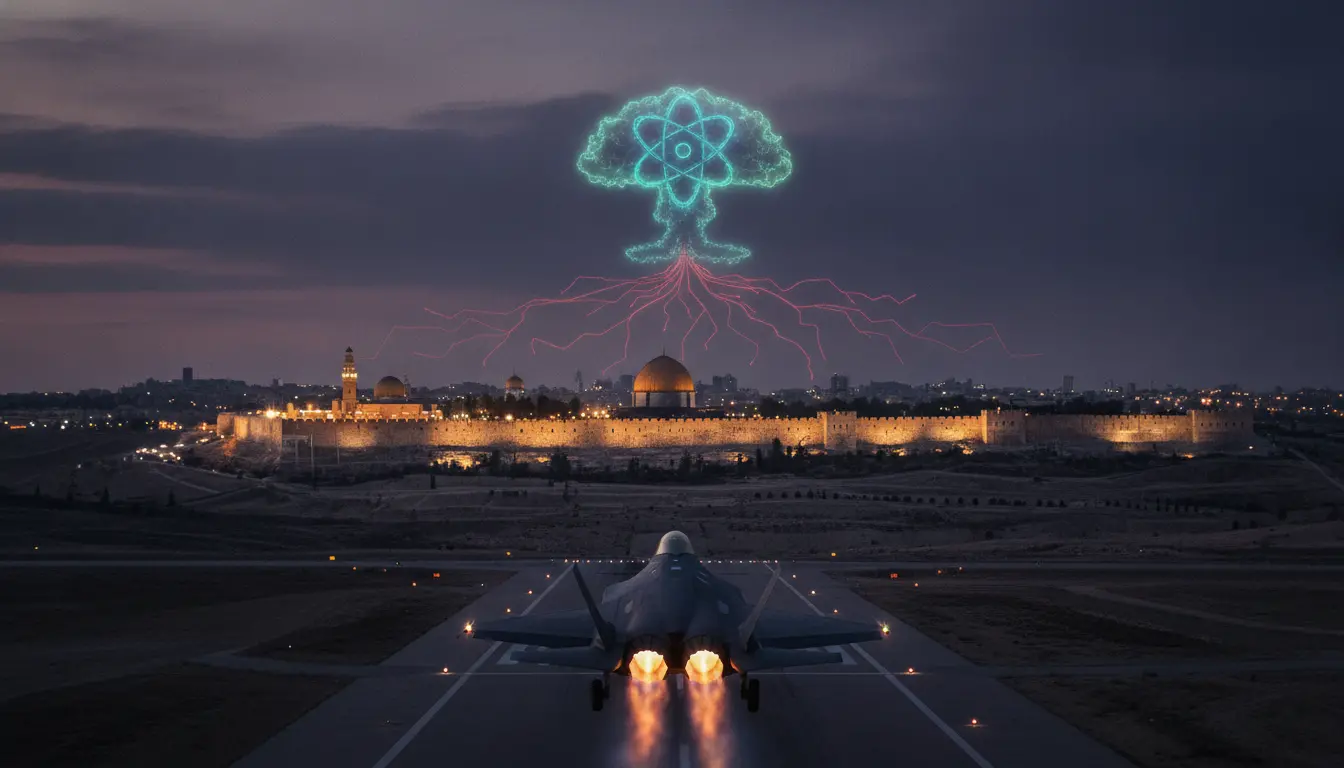
Israel Signals Potential for Unilateral Action Amid Deepening Concerns Over Iran's Nuclear Program

US-Iran Tensions Simmer Amid Regional Flare-ups, Raising Fears of Direct Conflict
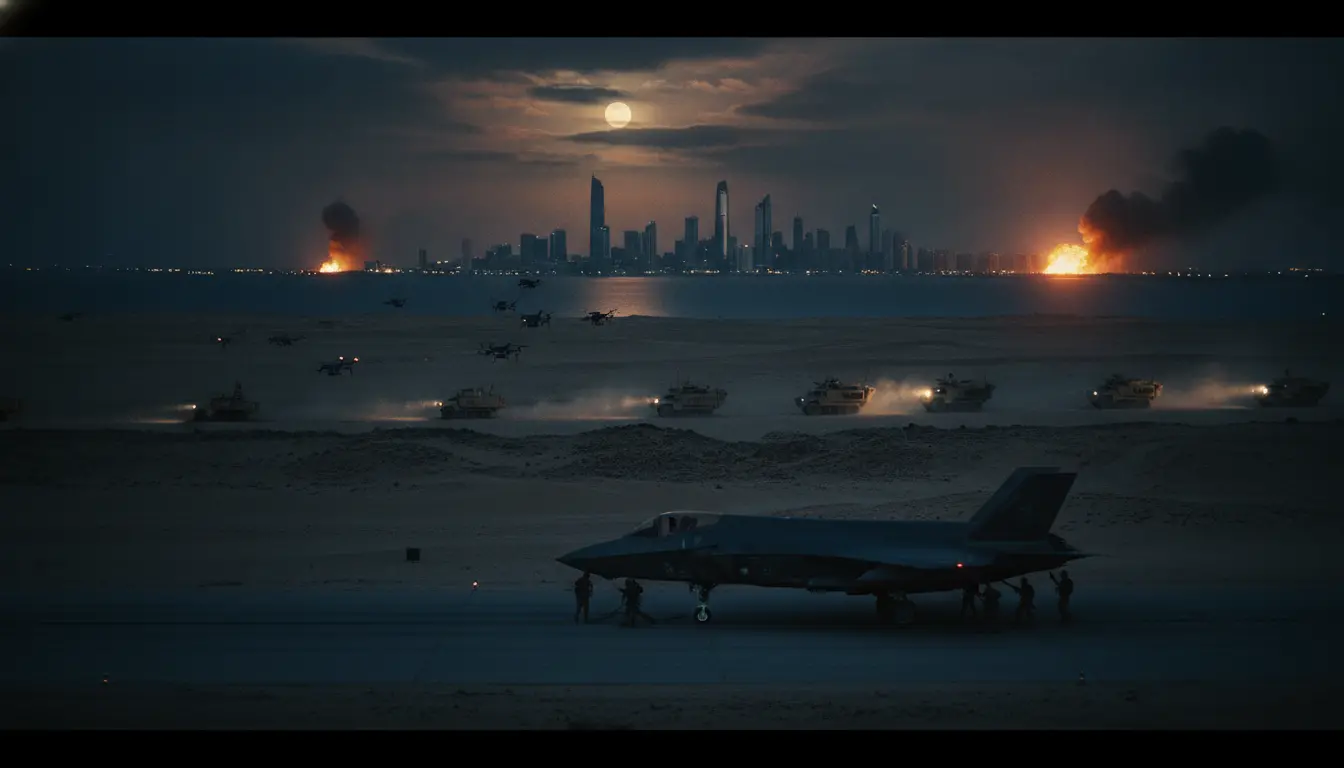
United States Considers Direct Offensive Strikes Against Iranian Mainland Amid Heightened Regional Tensions
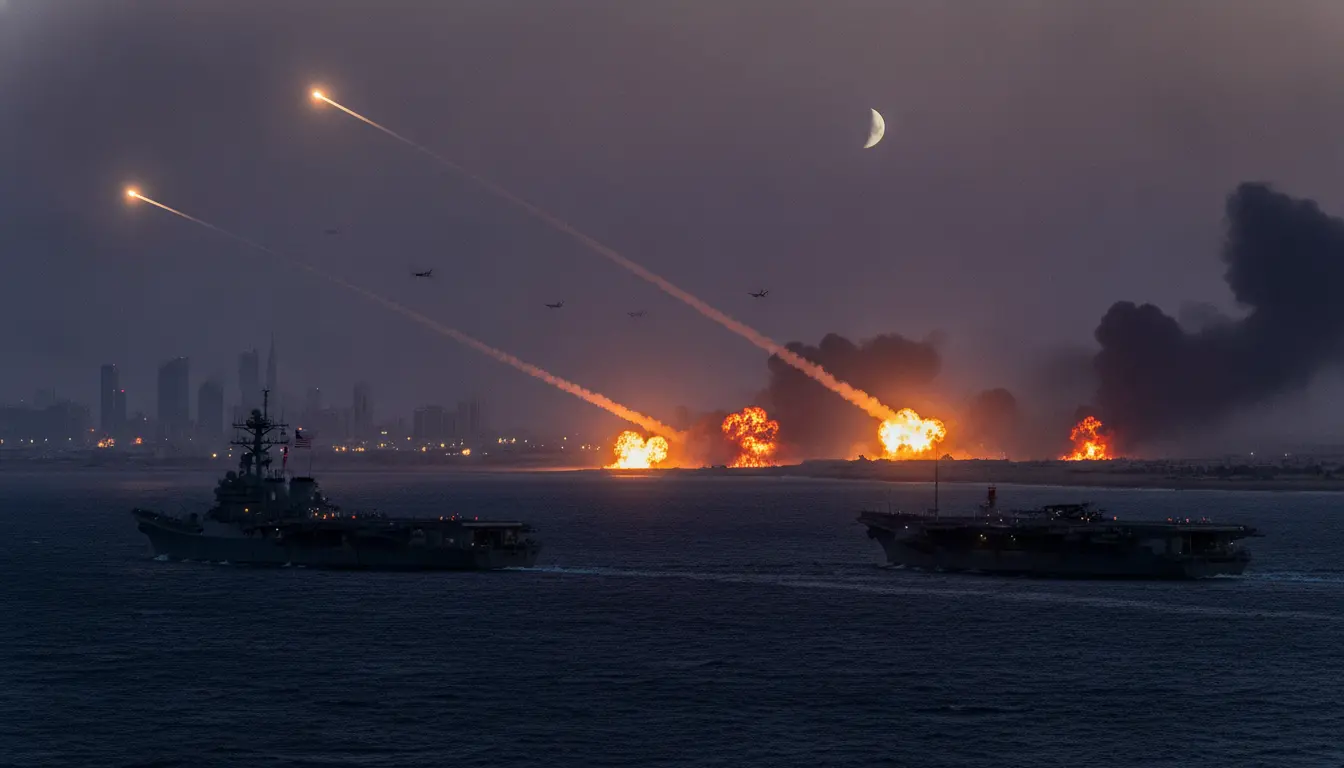
US-Iran Escalation Fears Mount After Retaliatory Strikes Deepen Regional Crisis
Heightened US-Iran Tensions Fuel Fears of Formal Conflict Declaration
U.S. and Iran Face Growing Risk of Direct Military Confrontation Beyond Gulf's Strategic Waterways

US and Iran Strive to Maintain Fragile De-escalation Amid Persistent Regional Tensions